Different communication methods in the Deaf community reflect language, access, identity, education, and technology working together in daily life. When people ask how Deaf individuals communicate, they often expect one answer, but in practice the community uses a wide range of methods shaped by hearing level, age of language exposure, family background, school placement, geography, and personal preference. In my work with accessibility planning and Deaf-centered communication support, I have seen the same person shift methods across contexts: signing with friends, texting at work, speechreading in a meeting, and using captions during a webinar. That flexibility is normal, not exceptional.
The term Deaf community generally refers to people who are deaf, hard of hearing, late-deafened, or culturally Deaf and who share communication experiences, social networks, and institutions. Communication method refers to the primary way a person sends and receives information. For some, that means a natural signed language such as American Sign Language, British Sign Language, or Langue des Signes Française. For others, it means spoken language supported by hearing technology, speechreading, cued systems, writing, tactile methods, or a combination. No single method fits everyone because deafness is not a single experience.
This topic matters because communication access determines whether a person can participate fully in school, healthcare, employment, family life, and public services. A child who gets an accessible language early is more likely to develop strong literacy and social confidence. An adult who receives qualified interpreting, accurate captions, and clear turn-taking can contribute at the same level as hearing peers. By contrast, poor access creates isolation, misunderstanding, safety risks, and lost opportunity. Understanding different communication methods helps families make informed choices, helps organizations design inclusive systems, and helps readers navigate related subjects across the wider sign language and communication field.
This hub article explains the main communication methods used in the Deaf community, how they work, where they are most effective, and what tradeoffs they involve. It also serves as a foundation for deeper articles on sign languages, interpreting, Deaf education, assistive technology, captioning, and inclusive communication practices.
Signed languages: complete visual languages, not mime
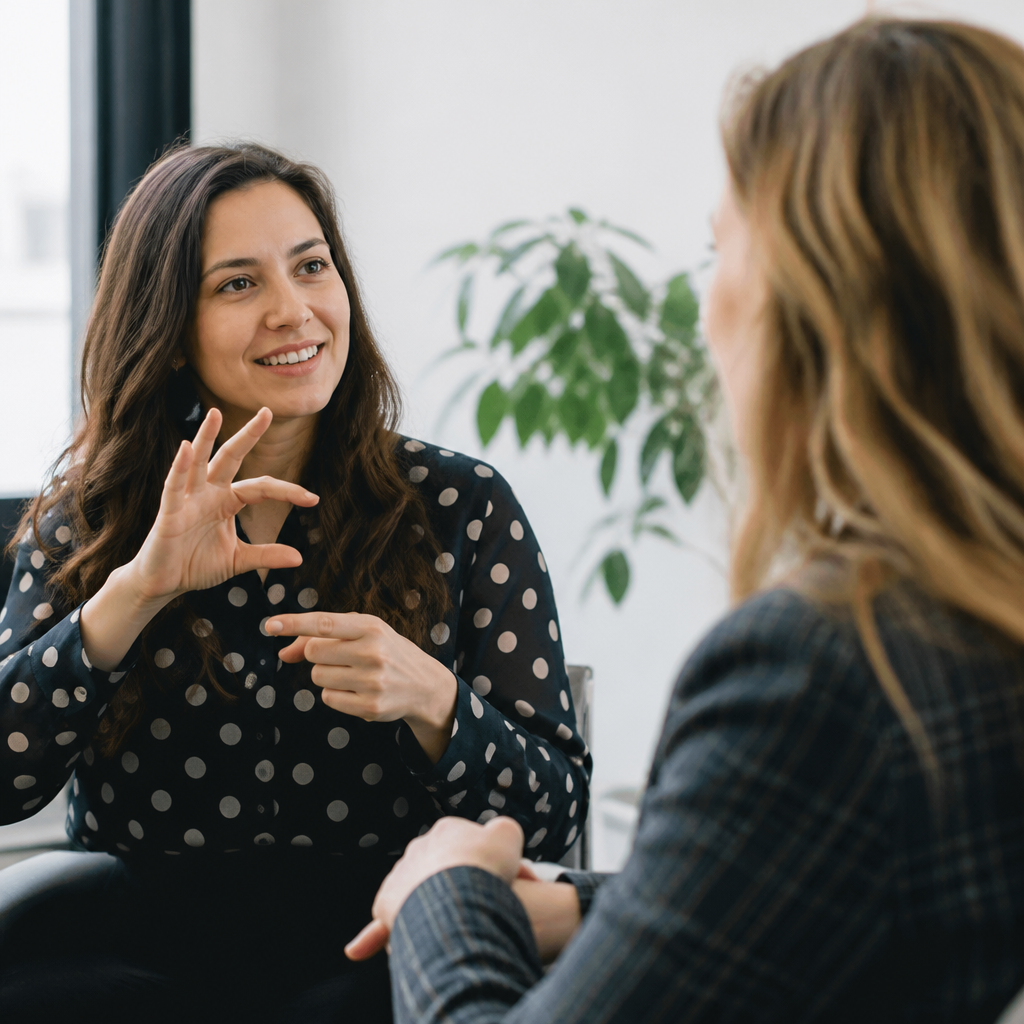
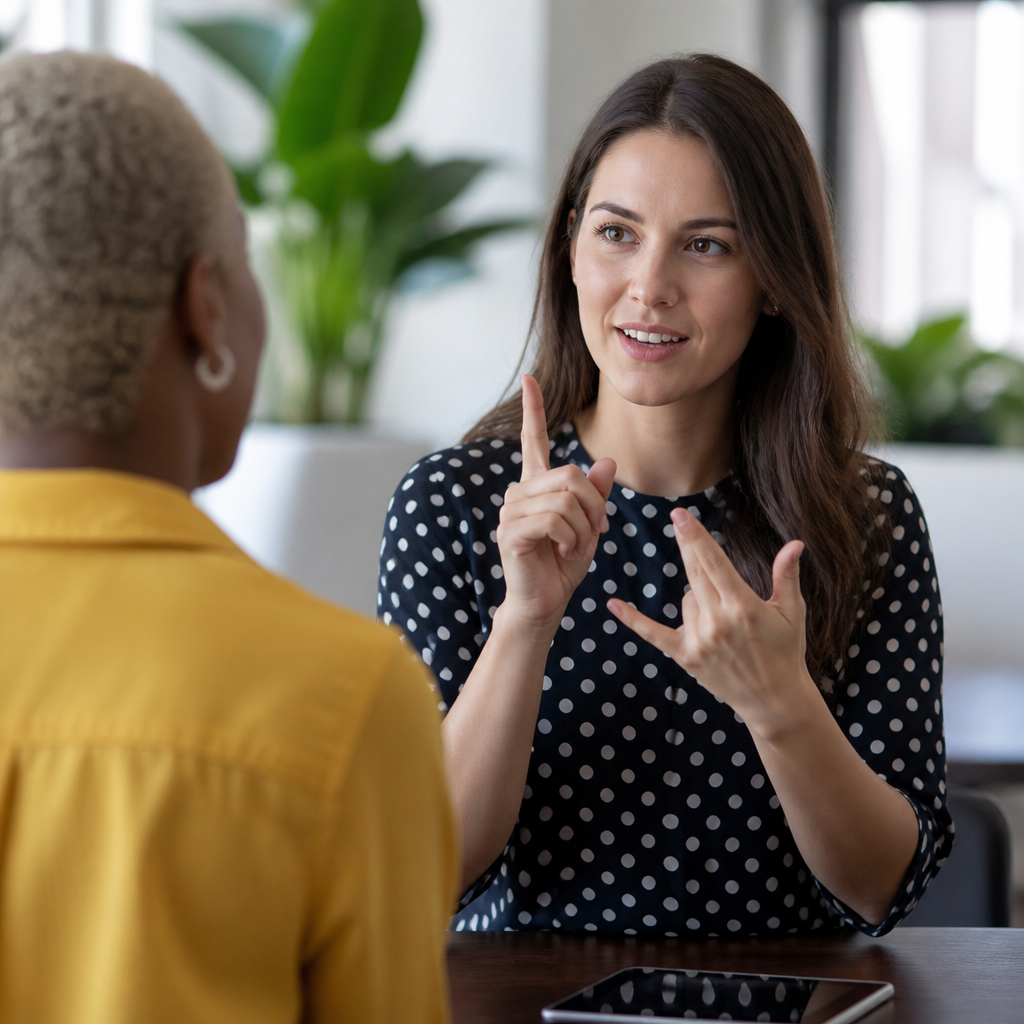
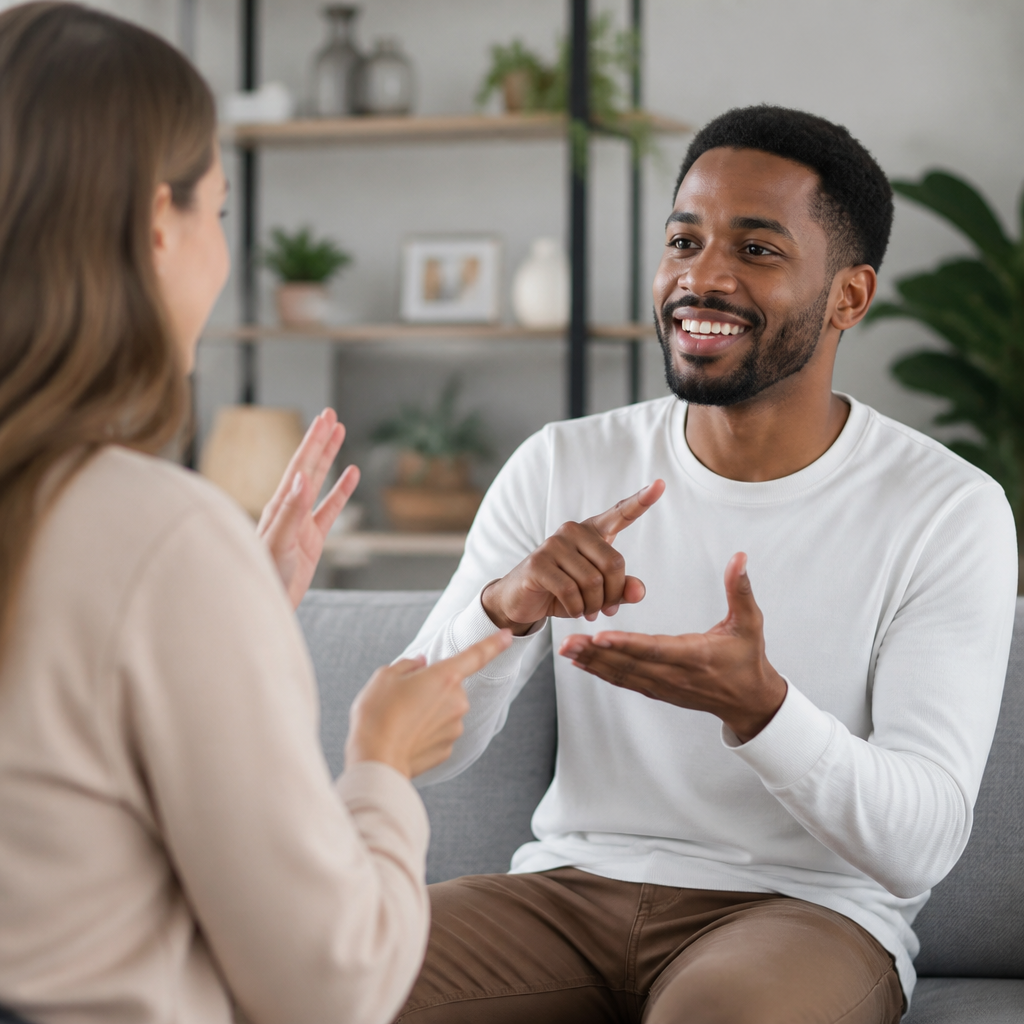
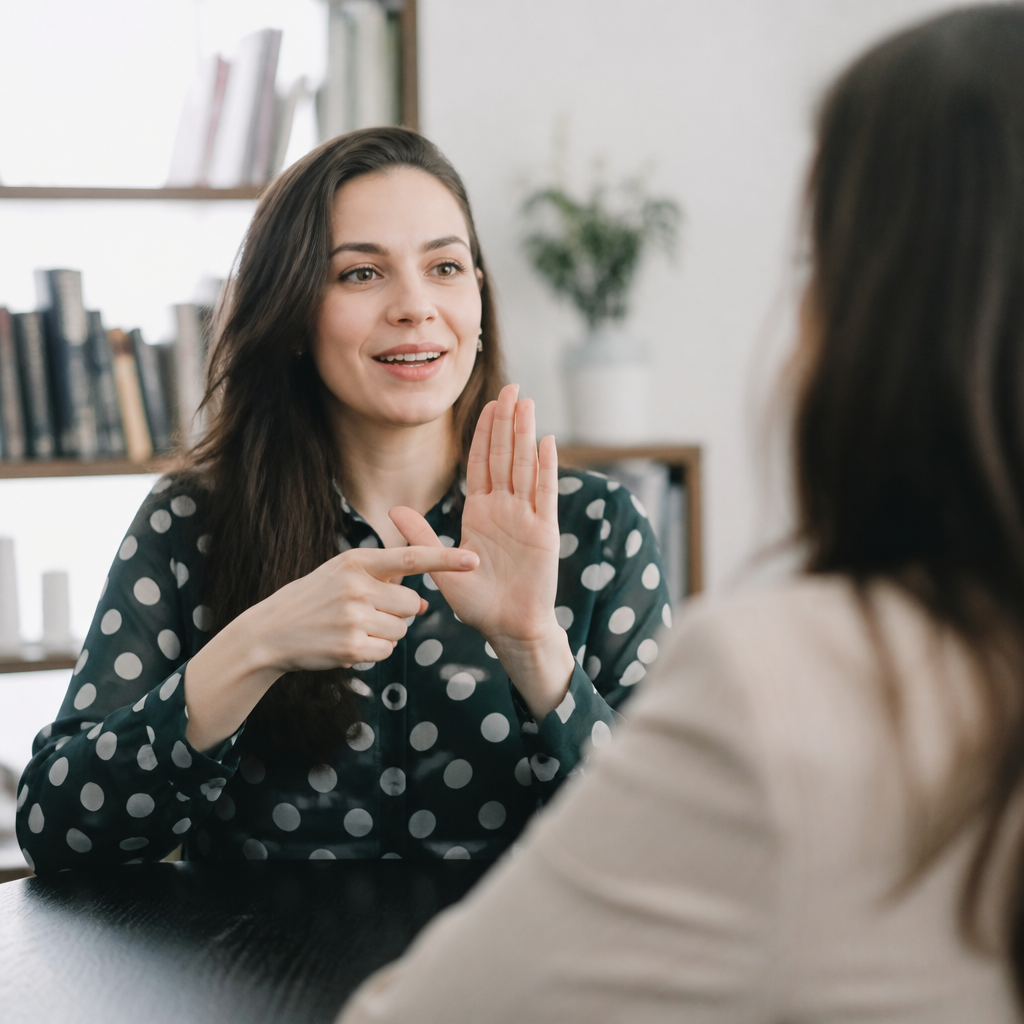
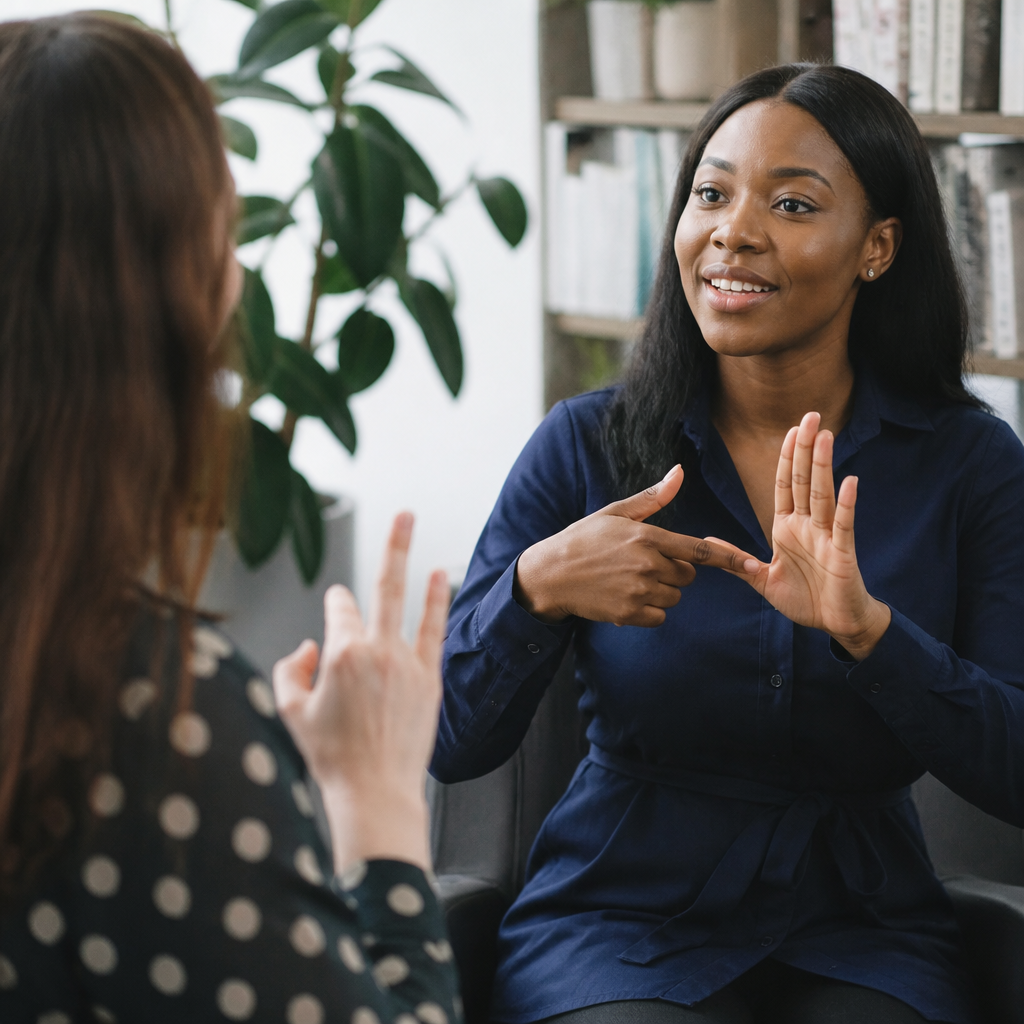
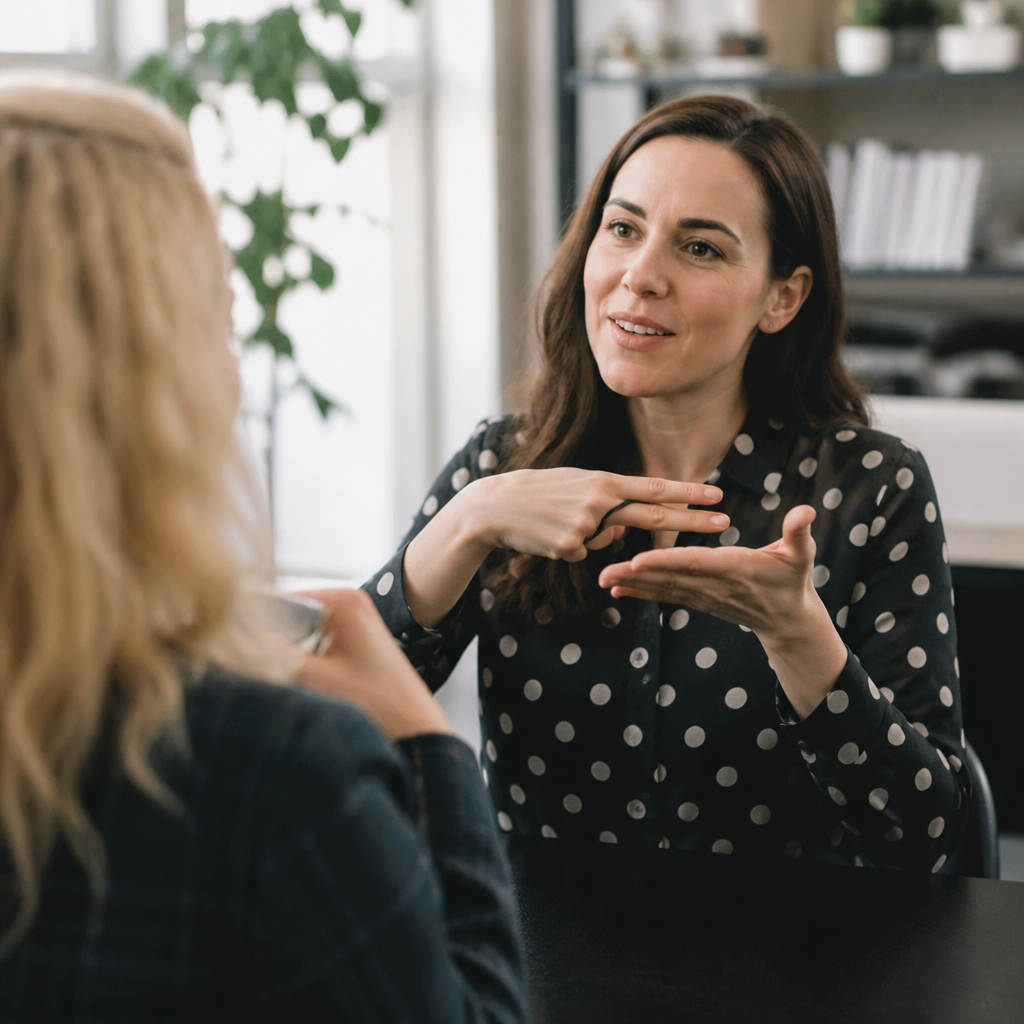
Signed languages are the cornerstone communication method for many Deaf people. They are full natural languages with their own grammar, syntax, morphology, and discourse rules. American Sign Language, for example, is not signed English. It uses topic-comment structure, spatial grammar, nonmanual markers such as facial expression, and verb agreement that moves through space. British Sign Language and Auslan are separate languages despite both being used in English-speaking countries. That distinction matters because communication access depends on the specific language a person knows, not a generic idea of signing.
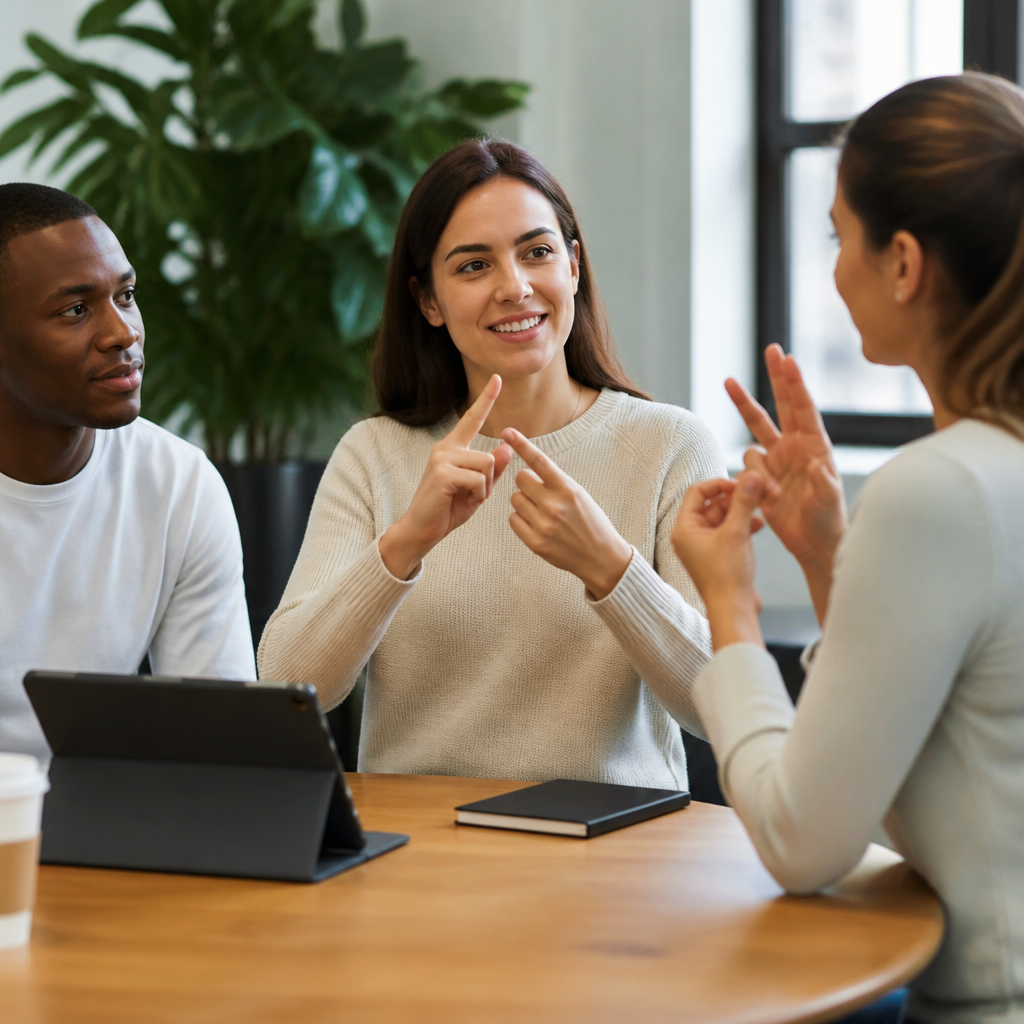
In practice, signed languages offer direct visual access without relying on residual hearing. They are especially powerful for early language acquisition, peer bonding, community participation, and nuanced conversation. I have seen meetings become dramatically more efficient when Deaf signers can interact directly instead of filtering everything through delayed or partial spoken access. Signed languages also support humor, storytelling, turn-taking, and emotional expression in ways that are native to visual communication. For many culturally Deaf people, using sign is not just practical; it is central to identity and belonging.
There are limits to consider. Signed communication requires shared language knowledge and line of sight. Lighting, seating, visual clutter, and distance affect comprehension. In mixed groups, interpreters may be necessary. Even so, for fluent signers, a natural signed language remains the most linguistically complete and cognitively accessible method available.
Manually coded systems and contact signing
Not all visible hand-based communication is a natural signed language. Manually coded systems represent a spoken language visually, often to mirror English word order or grammar. Examples include Signing Exact English and other classroom systems developed to support literacy instruction. These systems can help some learners connect print to visible forms, but they are generally not used as community languages in the same way ASL or BSL are. Because they track spoken language structure, they can be slower, less intuitive, and more demanding to produce consistently in real conversation.
Contact signing is another common phenomenon. It appears when signers and spoken-language users influence each other, creating a blended style that may borrow vocabulary from a signed language while following more spoken-language order. In interpreted settings, many Deaf and hard of hearing people encounter contact signing rather than a pure form of either language. This can be useful in mixed environments, especially for late learners or people with varied language backgrounds. However, it should not be confused with a complete substitute for fluent access to a natural signed language.
The practical lesson is simple: ask what system a person uses and do not assume all signing is equivalent. That question prevents major access errors in schools, clinics, and workplaces.
Spoken language, listening, and speechreading
Many deaf and hard of hearing people communicate primarily through spoken language. They may use their own speech, residual hearing, hearing aids, cochlear implants, or assistive listening systems to follow conversations. Some rely heavily on speechreading, commonly called lipreading, though that term understates the skill involved. Effective speechreading uses mouth patterns, facial expression, context, body language, and topic knowledge. Even highly skilled speechreaders cannot see every sound; many phonemes look identical on the lips. Under ideal conditions, only part of spoken English is visually distinct, which is why context matters so much.
Oral communication can work well for people with strong auditory access, intensive speech training, supportive acoustics, and familiar speakers. I have worked with hard of hearing professionals who handle one-on-one meetings effectively but still need captions in group discussions because overlapping speech and poor room acoustics reduce clarity. Background noise, masks, accents, dim lighting, facial hair, and people turning away while speaking all make oral communication harder. The method is valid and often highly effective, but it depends on conditions that hearing people routinely overlook.
Families should also know that spoken-language outcomes vary widely. Hearing technology can provide significant benefit, yet benefit is not the same as normal hearing. Access improves when organizations use microphones, repeat audience questions, face the person directly, and share written follow-up.
Cued systems, fingerspelling, and tactile communication
Some communication methods sit between broad categories and serve very specific needs. Cued Speech, for example, is a visual system that uses handshapes and placements near the mouth to clarify spoken language phonemes that look alike on the lips. It is not a signed language. Instead, it makes the sound structure of spoken language visible, which can support reading development and speech perception for some users. It is most effective when families and educators use it consistently and when everyone in the interaction knows the system.
Fingerspelling is widely used within signed languages to represent names, technical terms, and words without established signs. It is not usually a complete stand-alone communication method, though some people with limited shared language use extensive fingerspelling. Fluency matters: rapid, clear fingerspelling takes practice to produce and recognize.
Tactile communication is essential for DeafBlind people and others with limited vision. Methods include tactile signing, where signs are received through touch; print-on-palm; tracking, in which a receiver lightly follows the signer’s wrists; and Protactile approaches that expand tactile channels for backchanneling and environmental information. These methods demonstrate a key principle across the Deaf community: communication succeeds when the mode matches the person’s sensory access, not when everyone is forced into one standard.
Writing, texting, captions, and digital communication tools
Written communication plays a central role across the Deaf community, especially when people do not share the same signed or spoken language. Notes, email, messaging apps, workplace chat, and social platforms allow flexible, asynchronous communication. Texting transformed access because it removed the voice barrier that once limited telephone use. Today, a Deaf person may coordinate childcare on WhatsApp, message a doctor’s office through a patient portal, and participate in team updates on Slack without any voice call at all.
Captions are equally important. Open captions are always visible; closed captions can be turned on or off. Real-time captions, often created through CART or automatic speech recognition, make meetings, classes, webinars, and public events more accessible. Accuracy matters. Auto-captions have improved, but names, jargon, accents, and overlapping speakers still cause errors. In legal, medical, and educational settings, I recommend human-supported captioning whenever precision matters.
| Method | Best use case | Main strength | Common limitation |
|---|---|---|---|
| Signed language | Direct conversation among fluent signers | Full language access | Requires shared signing skill and visual conditions |
| Spoken language with hearing tech | One-on-one or structured spoken settings | Works within hearing-majority environments | Sensitive to noise and speaker clarity |
| Speechreading | Supplementing residual hearing | Useful without extra equipment | Large portions of speech are visually ambiguous |
| Captions | Meetings, video, classrooms, events | Scalable and easy to add | Quality varies by provider and content complexity |
| Text and messaging | Remote, quick, or asynchronous exchange | Fast, familiar, documented | Tone and nuance may be reduced |
| Tactile methods | DeafBlind communication | Matches tactile access needs | Requires trained communication partners |
Video communication tools deserve special mention. Video relay services allow signed phone calls through interpreters, while videophones and video apps support direct sign-to-sign communication. For many signers, video restored the spontaneity that text alone cannot provide.
Choosing a method: what shapes communication preferences
Communication preferences are shaped by far more than audiograms. Age of identification, early language exposure, family communication, school philosophy, additional disabilities, community ties, and local services all influence outcomes. A child born to Deaf signing parents may acquire sign naturally from infancy. A hard of hearing adult who lost hearing later in life may prefer speech, captions, and hearing aids. A DeafBlind person may move from visual sign to tactile sign over time. None of these paths is more authentic than another; they reflect different access realities.
The most effective approach is usually multimodal. In classrooms and workplaces, that means building layers of access rather than betting everything on one channel. For example, a training session can combine an interpreter, live captions, slides shared in advance, microphones for all speakers, and notes distributed afterward. This reduces communication breakdown for Deaf, hard of hearing, DeafBlind, second-language, and neurodivergent participants alike.
Organizations should avoid making assumptions based on appearance or technology. A cochlear implant does not tell you whether someone prefers speech or sign. The right question is direct and respectful: “What communication access works best for you?” That question should be standard in intake forms, event registration, education planning, and human resources processes.
Access, inclusion, and the role of communication partners
A communication method is only as effective as the environment around it. Even excellent interpreters, captioners, teachers, or devices cannot overcome chaotic turn-taking, poor lighting, inaccessible audio, or people who refuse to adapt. Communication partners matter. Hearing colleagues should speak one at a time, identify themselves before talking in group calls, keep faces visible, and pause for interpretation or caption lag. Educators should understand that language deprivation is a serious risk when children are denied accessible input during critical developmental years. Healthcare providers should never rely on family members instead of qualified interpreters for informed consent discussions.
Inclusion also requires policy and standards. The Americans with Disabilities Act, the Equality Act in the UK, and parallel disability laws in many countries establish obligations for effective communication. Standards from bodies such as the Registry of Interpreters for the Deaf, the National Deaf Center, and the World Federation of the Deaf provide practical guidance on quality and rights. Good access is not charity. It is a professional, educational, and legal requirement tied directly to safety and equal participation.
Different communication methods in the Deaf community are best understood as a toolkit, not a hierarchy. Signed languages provide complete visual language access for millions of people. Spoken communication, hearing technology, and speechreading support others effectively, especially when conditions are optimized. Cued systems, fingerspelling, tactile methods, writing, captions, messaging, and video tools fill critical roles that can make communication smoother, faster, and more inclusive. The right method depends on the individual, the setting, and the goal of the interaction.
If you remember one principle, make it this: access improves when people ask, observe, and adapt instead of assuming. Whether you are a parent, teacher, employer, clinician, or ally, your job is not to choose a universal method for Deaf people. Your job is to remove barriers so each person can use the method that gives them the clearest, fullest participation. Explore the related articles in this Sign Language & Communication hub to go deeper into sign languages, interpreting, Deaf education, captions, and assistive technology, then apply what you learn in your next conversation, meeting, or classroom.
Frequently Asked Questions
What are the main communication methods used in the Deaf community?
There is no single communication method that represents the entire Deaf community. In practice, Deaf people may use sign languages such as American Sign Language (ASL), British Sign Language (BSL), or other national and regional sign languages; spoken language with or without speechreading; fingerspelling; written communication; text messaging; visual gestures; interpreters; captioning; and assistive technologies. Many people use more than one method depending on the setting, who they are communicating with, and what kind of access is available. For example, a Deaf person may use sign language at home or with Deaf friends, text-based communication at work, captions during meetings, and an interpreter for medical or legal appointments.
Communication choices are shaped by several factors, including degree of hearing loss, age when language was first acquired, family communication habits, school placement, community connections, and personal identity. Someone born into a Deaf signing family may grow up using sign language as a first language, while someone who became deaf later in life may rely more on spoken language, lipreading, hearing technology, or real-time text support. These differences are normal and reflect the broad range of experiences within the Deaf community. Understanding this variety is essential because effective communication is not about assuming one method works for everyone; it is about matching access to the individual and the situation.
Is sign language universal, or do Deaf people in different places use different sign languages?
Sign language is not universal. Just as spoken languages vary by country and region, sign languages do too. American Sign Language is different from British Sign Language, and both are different from Auslan, Langue des Signes Française, and many other signed languages used around the world. These languages have their own grammar, syntax, vocabulary, and cultural context. Even within the same country, there may be regional signs, community variations, and language differences influenced by age, ethnicity, school history, or local Deaf networks.
This is an important point because many hearing people assume signs are simply hand-based versions of spoken words. In reality, natural sign languages are complete languages in their own right. They use handshape, movement, facial expression, body position, and spatial grammar to convey meaning. Facial expressions are not optional extras; they often carry grammatical information such as questions, emphasis, or conditional structure. Because sign languages are true languages rather than visual codes of spoken language, fluency requires learning their structure and cultural use, not just memorizing isolated signs. For accessibility planning, this means it is always best to confirm which language or communication mode a Deaf person prefers instead of assuming any sign language will do.
How do Deaf people communicate with hearing people who do not know sign language?
Deaf people and hearing people communicate in many practical ways when sign language is not shared. Common methods include writing notes, typing on a phone or tablet, using text messages, emailing, gesturing, speechreading, speaking if the Deaf person uses spoken language, and relying on communication apps or live captioning. In more formal situations, a qualified sign language interpreter, tactile interpreter, cued speech transliterator, or speech-to-text professional may be needed. The right solution depends on the context. A quick exchange at a store may be easy through gestures and typing, while a job interview, classroom lecture, hospital visit, or court appointment usually requires a higher level of communication accuracy and access.
It is also important to recognize that speechreading, often called lipreading, has limits. Even skilled speechreaders cannot fully see every sound on the lips, and background noise, lighting, masks, facial hair, speed of speech, and unfamiliar vocabulary can reduce understanding. That is why many Deaf people combine methods rather than depending on one alone. Good communication from hearing people usually includes facing the person directly, speaking clearly without exaggerating, reducing visual barriers, using plain language when appropriate, and asking what access method works best. The most effective approach is not to guess, but to ask respectfully and adapt. That mindset supports both clarity and inclusion.
What factors influence which communication method a Deaf person prefers?
Communication preference is influenced by both personal history and current environment. One major factor is age of language exposure. A Deaf child who has early access to sign language often develops strong visual language skills and may prefer signing as the most natural and efficient form of communication. Family background matters as well. Deaf children of Deaf adults may grow up in fluent signing homes, while Deaf children in hearing families may initially be exposed more to spoken language, sign-supported systems, or delayed language access depending on the resources available to the family. Educational setting also plays a role. Students in Deaf schools, mainstream programs, oral programs, or bilingual environments may develop different communication habits and strengths.
Other influences include hearing level, use of hearing aids or cochlear implants, presence of additional disabilities, cultural identity, geographic location, workplace demands, and access to Deaf community networks. Some people are bilingual or multilingual across signed and spoken languages. Others shift methods throughout the day depending on whether they are in a classroom, at home, on a video call, or in a public service setting. Preference is therefore not always fixed; it can be situational. What matters most is respecting the individual rather than making assumptions based on labels such as Deaf, hard of hearing, oral, or signing. A person’s preferred communication method is the one that gives them the clearest, most complete, and most dignified access in that moment.
Why is it important to avoid assuming all Deaf people communicate the same way?
Assumptions can create barriers very quickly. When people expect every Deaf person to lipread, use spoken language, know the same sign language, or be comfortable with the same technology, communication often breaks down. More importantly, those assumptions can lead to exclusion from education, healthcare, employment, public services, and community life. Communication access is not one-size-fits-all. A strategy that works well for one person may be ineffective or even inappropriate for another. For example, providing only written notes may not fully support someone whose strongest language is sign language, while arranging an interpreter may not help a late-deafened adult who primarily uses captioning and spoken English.
Avoiding assumptions also shows respect for Deaf identity and lived experience. Communication is closely connected to language rights, autonomy, and belonging. In the Deaf community, methods are not just tools; they are part of how people build relationships, participate in culture, learn, work, and advocate for themselves. Asking directly about communication preferences, planning access in advance, and being flexible in response are signs of competent and inclusive practice. Whether the setting is a school, business, clinic, event, or everyday conversation, the goal should always be meaningful access rather than minimal accommodation. That approach leads to better understanding, stronger participation, and more equitable outcomes for everyone involved.