
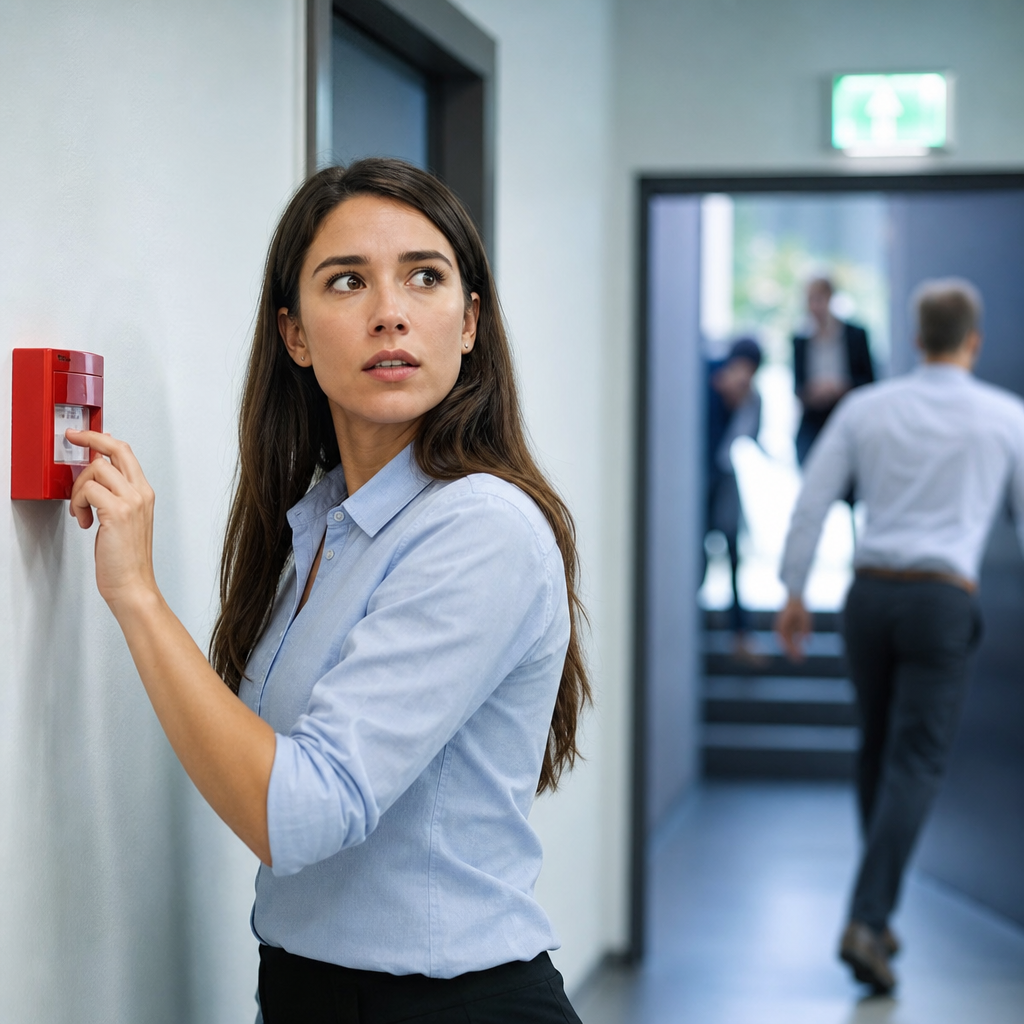
Emergency situations are sudden events that threaten health, safety, property, or normal routines, and they range from house fires and road accidents to severe weather, medical crises, and public disturbances. Staying safe in emergency situations is not about memorizing dramatic survival tricks. It is about preparation, fast recognition, calm decision-making, and knowing which immediate actions protect life first. In my work reviewing household safety plans, workplace drills, and community response guides, the same pattern appears repeatedly: people who do best in emergencies usually follow simple steps they practiced before the event happened.
Everyday life tips matter because most emergencies begin in ordinary settings. A kitchen pan overheats. A storm warning arrives during the school run. A grandparent slips in the bathroom. A battery charger sparks at night. These are not rare movie scenarios; they are common, documented risks. According to fire and public health agencies, the first minutes of an emergency are often the most important because conditions change quickly and confusion delays action. That is why this hub article focuses on practical safety habits for real homes, streets, workplaces, and neighborhoods.
To stay safe in emergency situations, start with three core ideas. First, prevention reduces exposure to risk. Working smoke alarms, clear exits, charged phones, and basic first-aid supplies stop small problems from becoming deadly ones. Second, response priorities must be clear: protect life, call emergency services, move to safety, then address property if it is safe to do so. Third, recovery matters too. After any incident, people need to check injuries, document what happened, contact family, and review what worked. This article serves as a hub for everyday life tips by covering the essential actions that apply across many emergencies, so readers can build safer routines and stronger household plans.
Build a Personal and Household Emergency Plan
A reliable emergency plan answers five questions in advance: What could happen, how will we get out, where will we meet, who do we call, and what supplies do we need? The best plans are short enough to remember and specific enough to use under stress. For a household, I recommend assigning at least two exits from every room, one outdoor meeting point such as a mailbox or neighbor’s gate, and one out-of-area contact who can relay messages if local networks are overloaded. Children should know their full names, address, and how to call emergency services. Older adults should keep medication lists, allergies, and doctor contacts accessible.
Emergency kits should support self-sufficiency for at least 72 hours. A practical kit includes water, ready-to-eat food, flashlights, spare batteries, power banks, a whistle, copies of identification, essential medications, hygiene items, and basic first aid. If you have pets, add food, a leash, and veterinary records. If someone in the home uses medical equipment, include backup power plans and written operating instructions. Many people buy supplies once and forget them. A better method is to tie reviews to fixed dates, such as the start of each season, when you can replace expired food, test batteries, and update contact lists.
Drills convert plans into usable memory. In homes and offices where I have helped test evacuation routines, the biggest weakness is rarely a lack of equipment; it is hesitation. People lose time collecting bags, searching for shoes, or debating whether an alarm is real. Practice removes that delay. Run fire drills in daylight and at night. Rehearse where to shelter during storms. Check whether everyone can open windows, unlock doors, and use stair routes without help. If your building has mobility challenges, identify who may need assistance and what equipment, such as evacuation chairs, is available. A written plan is useful, but a practiced plan saves time when seconds matter.
Respond Safely to Fire, Smoke, and Carbon Monoxide
Household fire safety begins before ignition. Install smoke alarms inside bedrooms, outside sleeping areas, and on every level of the home, following manufacturer instructions and local building guidance. Test them monthly and replace units according to the stated service life, often around ten years. Keep a fire extinguisher rated for common household use in the kitchen, but remember its role is limited. If a fire is small, contained, and you have a clear exit behind you, an extinguisher may help. If smoke is spreading, leave immediately. Fires can double in size quickly, and toxic smoke incapacitates people before flames reach them.
If a fire starts, get out, stay out, and call emergency services from outside. Crawl low under smoke because cleaner air is closer to the floor. Before opening a door, feel it with the back of your hand; if it is hot, use another exit. Never go back inside for pets, phones, or documents. If clothing catches fire, stop, drop, and roll to smother flames. In apartment buildings, use stairs, not elevators, because lift shafts can fail or fill with smoke. Once outside, go to your meeting point so responders can be told whether anyone is missing.
Carbon monoxide is a separate but equally serious hazard because it is colorless and odorless. It can come from faulty boilers, portable generators, fuel-burning heaters, blocked flues, or cars left running in attached garages. Symptoms often resemble flu or fatigue: headache, dizziness, nausea, weakness, and confusion. Install carbon monoxide alarms near sleeping areas and on each level where required. If an alarm sounds, move everyone outside or to fresh air immediately and call emergency services. Do not re-enter until qualified responders say it is safe. Never use grills, camp stoves, or generators indoors or near windows, because fumes can accumulate fast even in partially open spaces.
Handle Medical Emergencies in the First Critical Minutes
Medical emergencies are often survivable when bystanders act early. The first step is scene safety: do not rush into traffic, fire, or electrical hazards to reach a casualty. Once the area is safe, check responsiveness, breathing, and severe bleeding. Call emergency services early and put the phone on speaker so you can follow instructions while helping. If a person is unresponsive and not breathing normally, start CPR if you are trained or use dispatcher guidance. Public access defibrillators, often marked as AEDs, are designed for lay use and provide voice prompts. Early CPR and defibrillation significantly improve survival in cardiac arrest.
Bleeding control is another high-value skill. Apply firm, direct pressure with a clean cloth or bandage and keep pressure constant. If blood soaks through, add more material without removing the first layer. For life-threatening limb bleeding that cannot be controlled, a tourniquet placed high and tight on the arm or leg may be necessary, but it should be used correctly and emergency services called immediately. For suspected strokes, use the FAST check: face drooping, arm weakness, speech difficulty, time to call. Rapid treatment can reduce long-term disability, so do not wait for symptoms to pass.
Every home should keep a first-aid kit that matches real needs rather than a generic checklist. Include plasters, sterile dressings, gloves, antiseptic wipes, a thermometer, pain relief appropriate for household members, and any prescribed rescue medication such as inhalers or epinephrine auto-injectors. Store medicines safely and note expiry dates. The most valuable addition, however, is training. A basic first-aid and CPR course teaches bleeding control, choking response, burns care, recovery position, and how to communicate clearly with dispatchers. In repeated incident reviews, trained bystanders consistently make faster, safer decisions because they can identify what is urgent and avoid harmful improvisation.
Stay Safe During Severe Weather and Natural Hazards
Storms, floods, heatwaves, cold snaps, earthquakes, and wildfires each require different actions, but the underlying rule is the same: follow official alerts early, not late. Many injuries happen when people delay protective steps because conditions still seem manageable. Use trusted warning sources such as national weather services, local emergency management alerts, and verified radio updates if power or mobile data fails. Keep phones charged when severe weather is forecast, and do not ignore evacuation advice. Emergency planners know roads, floodplains, and fire behavior better than individuals making last-minute judgments from a window.
For storms and tornado risk, move to an interior room on the lowest level, away from windows. For floods, never walk, drive, or cycle through moving water; even shallow water can knock a person down or stall a car, and hidden debris or open drains add risk. During extreme heat, prioritize hydration, shade, ventilation, and checking on older neighbors, infants, and people with chronic illness. In freezing conditions, prevent carbon monoxide exposure by using only approved heating methods and dress in layers to reduce hypothermia risk. If you live in an earthquake zone, secure heavy furniture and practice drop, cover, and hold on.
| Hazard | Immediate Safe Action | Common Mistake |
|---|---|---|
| Flood | Move to higher ground and avoid all floodwater | Driving through water-covered roads |
| Tornado | Shelter in a small interior room on the lowest floor | Standing near windows to watch conditions |
| Heatwave | Drink water, limit exertion, use cool indoor spaces | Waiting for thirst before hydrating |
| Wildfire smoke | Stay indoors with filtered air if advised | Exercising outside during heavy smoke |
Wildfire safety increasingly includes smoke exposure, not only flames. Fine particulate pollution can worsen asthma, heart disease, and respiratory symptoms far from the fire line. Close windows when advised, use clean-air spaces, and consider a portable HEPA purifier for one room. If evacuation is ordered, leave early with documents, medication, chargers, and pet supplies. Last-minute departures are dangerous because visibility drops, roads clog, and fire direction can shift. The best response to severe weather and natural hazards is informed action before conditions peak, backed by supplies and routes planned ahead of time.
Protect Yourself in Public, on the Road, and Online During Crises
Not all emergencies happen at home. Road collisions, transit disruptions, crowd incidents, and even cyber-enabled scams can create immediate safety risks. In vehicles, prevention starts with seat belts for every trip, proper child restraints, sober driving, and full attention to the road. If your car breaks down, move it to a safe location if possible, switch on hazard lights, and stay behind a barrier or inside the vehicle depending on traffic and local guidance. After a collision, check for injuries, call emergency services when needed, and beware of secondary impacts from passing traffic. A small vehicle kit with a warning triangle, torch, charger, water, and reflective vest is practical, not excessive.
In crowded public places, situational awareness matters more than anxiety. Notice exits when you enter a venue. If a disturbance begins, move away from the source, avoid bottlenecks, and follow clear staff or police instructions. If you become separated from family members, go to the pre-agreed meeting point rather than wandering and calling repeatedly. For children, teach “find a safe adult” rules that point to uniformed staff, customer service desks, or parents with children. During community incidents, misinformation spreads fast. Rely on official channels instead of viral posts, because false reports can send people toward danger or overwhelm already stretched services.
Digital safety is now part of emergency safety. After storms, outages, or publicized disasters, scammers often pose as utilities, insurers, charities, or relatives asking for urgent payment. Verify requests through official numbers and websites, not links sent by text or social media. Keep important phone numbers saved offline in case internet access fails. If you use smart home devices, know how to operate locks, alarms, and heating manually during a power or network outage. Emergency readiness today includes both physical and information resilience: knowing where to go, whom to trust, and how to communicate when systems are disrupted.
Help Others Without Increasing Risk
Strong communities recover faster because neighbors share information, check vulnerable residents, and fill small gaps before professional responders arrive. The key is to help in ways that do not create a second victim. If someone needs assistance evacuating, first assess whether the route is actually safe. If an area is contaminated by smoke, gas, or live electricity, wait for trained responders. For older adults and disabled neighbors, discuss needs before an emergency happens: mobility aids, medication refrigeration, communication preferences, hearing or vision support, and transport options. These details are easier to solve in planning conversations than in a dark stairwell during an alarm.
Communication should be simple and redundant. Families and neighbors do well with one group message thread, one backup out-of-area contact, and one printed contact list for power outages. Community organizations, schools, and faith groups can strengthen readiness by running short drills, sharing local shelter information, and maintaining volunteer phone trees for welfare checks. If you know basic first aid, offer it; if you do not, focus on calling for help, directing responders, comforting children, or documenting important details. Staying safe in emergency situations is rarely a solo skill. It is a shared habit built through planning, training, and calm action.
The safest response to any emergency is guided by priorities that do not change: recognize danger early, protect life first, contact emergency services, and use only the actions you can perform safely. Everyday life tips such as testing alarms, learning CPR, storing emergency supplies, planning exits, and following official alerts are not minor housekeeping tasks. They are the practical foundation of emergency safety. Whether the risk is a fire, storm, medical crisis, crash, or public disruption, preparation reduces panic and gives people usable choices when time is short.
This hub article has covered the core habits that apply across daily life: build and practice a household plan, respond correctly to fire and carbon monoxide, act quickly in medical emergencies, respect severe weather warnings, protect yourself in public and online, and support others without adding risk. The main benefit is confidence based on readiness, not guesswork. Review your home today, identify the most likely local risks, update your contact list, and schedule one drill or first-aid course. Small actions taken now make a major difference when an emergency becomes real.
Frequently Asked Questions
What are the first things I should do when an emergency situation begins?
The first priority in any emergency is to protect life, not property. As soon as you recognize that something is wrong, pause long enough to assess the immediate danger. Ask yourself what is happening, who is at risk, and whether you need to evacuate, shelter in place, call for help, or give first aid. In many real emergencies, people lose valuable time because they deny the problem, search for belongings, or wait for more certainty. Fast recognition and simple decisions save lives.
Start by moving yourself and others away from the most immediate threat. In a fire, that means getting out quickly and staying low if there is smoke. In a road accident, it may mean moving to a safe location away from traffic if possible. In severe weather, it may mean going to a protected interior space. If someone is injured or unconscious, call emergency services immediately and follow dispatcher instructions. If you are trained in CPR, bleeding control, or basic first aid, use those skills while waiting for professional responders.
Once you are in a safer position, communicate clearly. Call emergency services with the location, the type of emergency, how many people are involved, and any urgent hazards such as fire, entrapment, weapons, gas leaks, or serious injuries. If you are with family, coworkers, or neighbors, use simple instructions and calm language. Panic spreads quickly, but so does steady leadership. The most effective first response is usually a combination of rapid awareness, immediate protective action, and clear communication.
How can I prepare in advance so I can respond more safely during an emergency?
Preparation matters because emergencies are stressful, loud, fast-moving, and often confusing. People rarely perform at their best in a crisis if they are trying to invent a plan on the spot. The safest approach is to prepare for common risks before they happen. At home, that includes working smoke alarms, carbon monoxide detectors, fire extinguishers, accessible first aid supplies, flashlight batteries, emergency contacts, and clear exit routes. In vehicles, it means carrying basics such as a charged phone, water, a flashlight, a first aid kit, and seasonal supplies.
It is also important to create and practice simple plans. Households should know two ways out of the home, where to meet outside, who will help children, older adults, or pets, and how to reach each other if separated. Workplaces should have evacuation routes, severe weather procedures, communication chains, and accountability processes after a drill or incident. Preparation is not just about equipment. It is about reducing hesitation. When people know what to do, they tend to act faster and more effectively.
Another key part of preparation is basic training. Learning CPR, how to control severe bleeding, how to use a fire extinguisher, and how to shut off utilities when appropriate can make a major difference. Stay informed about local hazards such as flooding, wildfire, winter storms, heat emergencies, or power outages. Sign up for emergency alerts if your area provides them. Good preparation does not eliminate risk, but it gives you structure when conditions become chaotic, and that structure often leads to better decisions under pressure.
Should I evacuate or shelter in place during an emergency?
The correct choice depends entirely on the type of emergency and your immediate surroundings. Evacuation is usually the right decision when staying where you are exposes you to worsening danger, such as a building fire, a gas leak, structural instability, or an official order to leave due to flood, wildfire, or another expanding hazard. Shelter in place is more appropriate when outside conditions are more dangerous than remaining indoors, such as during a tornado, hazardous air event, violent disturbance nearby, or certain chemical incidents where authorities advise staying inside and sealing the space.
The most important rule is to avoid guessing when good guidance is available. Listen to emergency alerts, alarms, public announcements, and instructions from trained responders. If there is a fire alarm, leave immediately unless officials specifically direct otherwise. If there is a tornado warning, go to the lowest level possible, away from windows. If there is a public safety threat in the area, lock doors, stay out of sight, silence phones, and wait for official instructions. In flood conditions, do not stay in place if water is rising or you have been told to evacuate. Delayed evacuation can trap people quickly.
If you must evacuate, move early, take only essentials, and follow established routes if available. If you shelter in place, make the location as safe as possible by closing and securing doors, moving to an interior room if needed, and keeping communication devices available. In both cases, continue monitoring trusted information sources. The safest response is the one that reduces exposure to the primary threat while preserving your ability to communicate, relocate, or receive help if the situation changes.
How can I stay calm and make good decisions when everyone around me is panicking?
Staying calm does not mean ignoring fear. It means controlling your actions well enough to think clearly and do the next important thing. In emergencies, people often experience tunnel vision, confusion, shaking, or delayed thinking. That is normal. A practical way to manage this is to narrow your focus to immediate priorities: identify the danger, move to safety, call for help, and assist others if you can do so without creating additional risk. Breaking the situation into simple steps helps prevent mental overload.
Use clear self-talk and controlled breathing to reduce panic. Even a few slow breaths can improve focus. Look for facts rather than rumors. Is there smoke, active traffic, floodwater, a collapsing structure, or an injured person? What exit is open? Who needs help first? Which action protects life right now? In group settings, strong communication makes a big difference. Speak in short, direct sentences such as “Follow me to the exit,” “Call emergency services,” or “Stay low and keep moving.” People respond better to calm, specific guidance than to shouting or vague warnings.
It also helps to accept that perfection is not the goal. In a real emergency, conditions may be incomplete, noisy, and rapidly changing. The goal is not flawless decision-making. The goal is making timely, reasonable decisions that increase safety. Training, drills, and familiarity with emergency procedures make calm behavior more likely because the brain has a pattern to follow. When people prepare in advance and practice simple responses, they are much less likely to freeze when seconds matter.
What mistakes should people avoid during emergency situations?
One of the most common mistakes is delaying action. People often spend too long trying to confirm what is happening, gathering possessions, finishing a task, or assuming someone else will take charge. In fires, storms, road incidents, and public emergencies, that delay can dramatically increase risk. Another major mistake is focusing on property before life safety. Cars, electronics, bags, and documents can often be replaced. Lost time and dangerous re-entry cannot. If conditions are unsafe, get out or get to cover first.
Another mistake is failing to follow reliable instructions. In emergencies, misinformation spreads quickly through rumor, social media, and assumptions. Trust official alerts, emergency dispatchers, building alarms, and trained responders over unverified claims. People also create unnecessary danger by using elevators during fires, driving through floodwater, crowding an accident scene, blocking exits, or returning to a hazardous area too early. Good intentions can still produce bad outcomes if they place more people in danger or interfere with responders.
Finally, many people underestimate the importance of planning for communication and vulnerable individuals. Children, older adults, people with disabilities, pets, and anyone with medical needs require additional thought before a crisis occurs. If there is no plan for medication, transportation, mobility assistance, or a family meeting point, confusion rises quickly. The safest approach is to avoid hesitation, act on credible information, protect life first, and keep your response as simple and disciplined as possible. In most emergencies, the best outcomes come from preparation, early action, and steady judgment rather than dramatic last-minute decisions.