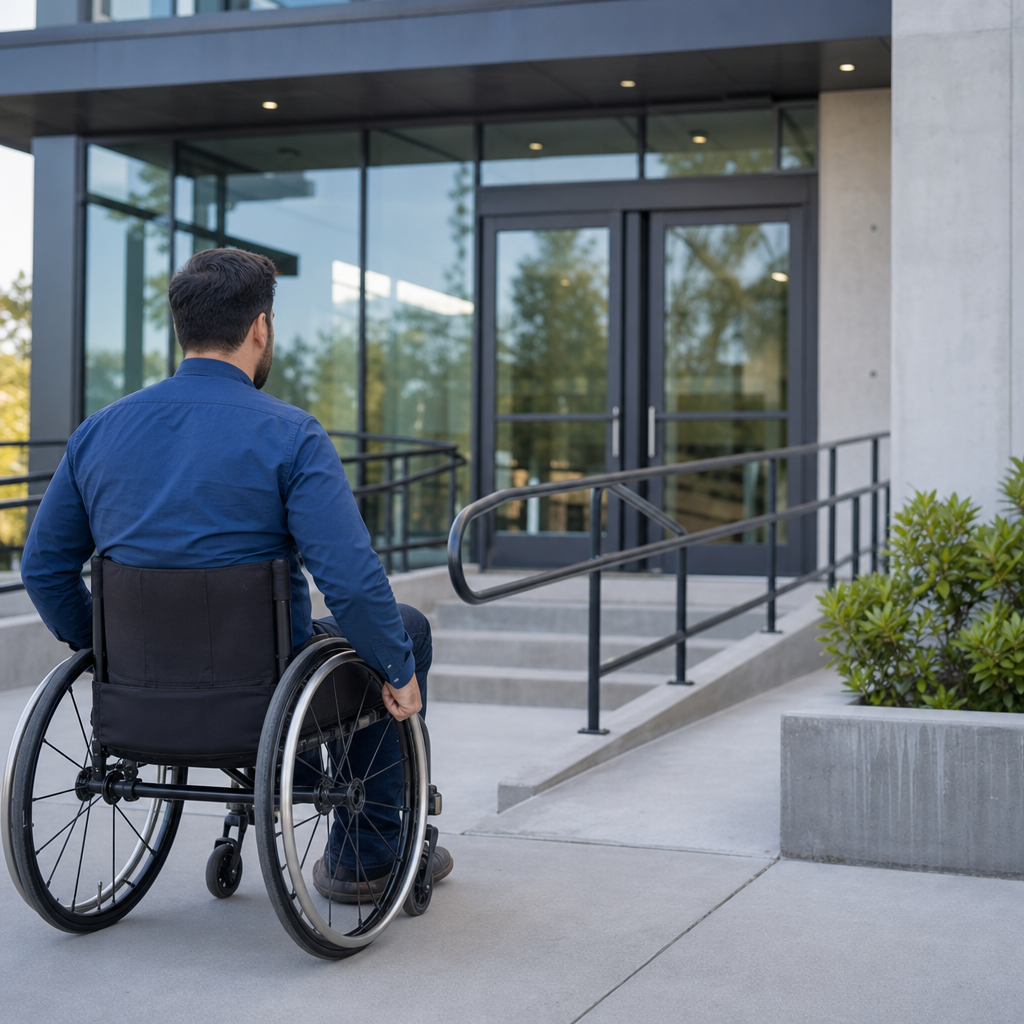

Understanding your legal rights in public spaces starts with one practical question: when you walk into a store, transit station, park, school, courthouse, or government office, what protections does the law actually guarantee? Public spaces include places operated by government agencies and many privately owned places open to the public, while legal protections refers to the enforceable rights that prevent exclusion, discrimination, unsafe barriers, and unequal treatment. In the United States, the central framework is the Americans with Disabilities Act, supported by the Rehabilitation Act, the Fair Housing Act in housing-related settings, state civil rights laws, local building codes, and agency rules. I have worked with accessibility complaints, policy reviews, and accommodation disputes, and the same misunderstanding appears repeatedly: people assume rights only apply after a lawsuit. In reality, most rights matter long before a case reaches court, because they shape design standards, service policies, communication access, complaint systems, and staff obligations. This matters for disabled people, older adults, people with temporary injuries, families navigating medical conditions, and businesses or agencies trying to comply. Knowing the rules helps individuals ask for effective modifications, document barriers clearly, and recognize when a denial is lawful, fixable, or discriminatory.
ADA protections in public spaces generally rest on three connected ideas. First, access means being able to enter, move through, and use a place safely and with dignity. Second, equal opportunity means receiving the same essential service or benefit, even if the method of delivery must change. Third, reasonable modification means policies and practices may need adjustment unless the change would fundamentally alter the nature of the service or create an undue burden. Those terms are not slogans; they are the operational language used by agencies, compliance officers, judges, and advocates. A step at the only entrance, a website that blocks screen readers for ticket purchases, a refusal to allow a service animal, or a public meeting without captioning can all raise legal issues, though the governing rule depends on who operates the space and what barrier is involved. Because this hub article covers ADA and legal protections comprehensively, it explains the core structure, the most common rights in real settings, where the limits are, and how to act when access fails.
The legal framework that governs public access
The ADA has several titles, but two matter most in public spaces. Title II applies to state and local governments, including public schools, libraries, sidewalks, courts, police services, and transit systems. Title III applies to places of public accommodation operated by private entities, such as restaurants, hotels, theaters, retail stores, private doctors’ offices, gyms, museums, and many service businesses. A common point of confusion is that “public” in everyday speech does not always mean government-owned. A privately owned coffee shop is still covered if it is open to the public. The Rehabilitation Act, especially Section 504, also applies when a program receives federal funding, and Section 508 governs certain federal technology accessibility standards. These laws overlap, and in practice I often review all of them together because a hospital, university, or transit provider may have duties under more than one source.
Enforcement differs by setting. Title II complaints may be filed with the U.S. Department of Justice or the relevant agency, while Title III issues often involve DOJ enforcement, private lawsuits, or negotiated remediation. Building access standards usually rely on the 2010 ADA Standards for Accessible Design, which specify technical requirements for routes, ramps, restrooms, counters, seating, signage, parking, and more. Those standards work alongside model codes such as the International Building Code and accessibility references like ICC A117.1, though the legal trigger depends on jurisdiction. The key practical lesson is simple: accessibility is not judged only by intention. It is judged by whether a person can actually use the facility, service, program, or communication channel in an equivalent and effective way.
What rights people have in common public settings
Your rights vary somewhat by context, but several protections appear again and again. You generally have the right to accessible entry and travel paths where required, the right to request reasonable modifications to policies, the right to effective communication, and the right not to be excluded because of disability stereotypes or inconvenience. In a city building, that may mean an accessible entrance, an elevator that works, meeting materials available in accessible formats, and interpreters or captioning when needed for meaningful participation. In a retail store, it may mean accessible parking where required, aisles that are not blocked by merchandise, a lowered service counter or alternative method of service, and staff assistance that does not segregate or demean the customer.
Transportation shows how these rights operate concretely. Public transit systems have obligations regarding accessible buses, rail stations, stop announcements, paratransit eligibility, maintenance of lifts, and priority seating policies. If an elevator at a rail station is out of service for weeks, the legal issue is not merely inconvenience; it may amount to denial of access to the program. Likewise, effective communication is broader than sign language interpreting alone. It can include real-time captioning, auxiliary aids, accessible PDFs, screen-reader compatible kiosks, large print, Braille in limited settings, and plain-language communication when cognitive accessibility is relevant. The legal standard is effectiveness, not whatever option is cheapest or most familiar to staff.
| Setting | Common right | Typical example | Main legal source |
|---|---|---|---|
| City hall or courthouse | Program access and effective communication | Accessible entrance, hearing assistance, captioned proceedings where required | ADA Title II |
| Restaurant or store | Equal access and policy modification | Service animal admitted, portable card reader brought to table | ADA Title III |
| Bus or rail system | Accessible transportation services | Lift maintained, stop announcements made, paratransit process available | ADA Title II and DOT rules |
| Hospital or clinic | Accessible medical service and communication | Interpreter provided, accessible exam table when needed | ADA Title III or Section 504 |
| Public meeting or event | Meaningful participation | Captioning, accessible seating, accessible digital registration | ADA Title II or III |
Physical accessibility, digital access, and service animals
Physical barriers remain the issue most people recognize first. The law addresses parking, routes, door widths, ramps, curb ramps, restrooms, seating dispersion, sales counters, alarms, and lodging features. However, many disputes involve maintenance rather than original design. An accessible restroom used for storage, a broken lift left unrepaired, snow piled across a curb ramp, or outdoor dining that narrows the only accessible path can all undermine legal compliance. In reviews I have handled, maintenance failures are often easier to fix than structural alterations, yet they persist because operators treat them as housekeeping issues instead of civil rights obligations. The standard is ongoing usability, not one-time construction compliance.
Digital access now sits at the center of public-space rights because so many services begin online. If a person must use a website or mobile app to reserve a campsite, buy event tickets, check bus updates, submit permit forms, or schedule medical visits, inaccessible digital design can block the service as effectively as a staircase blocks a doorway. Courts and enforcement agencies increasingly treat inaccessible websites and apps as barriers under disability law, especially when connected to a covered service. The most widely used technical benchmark is the Web Content Accessibility Guidelines, commonly WCAG 2.1 AA, and WCAG 2.2 is becoming more relevant in procurement and remediation. Practical examples include unlabeled buttons that fail with screen readers, videos without captions, forms that cannot be completed by keyboard, poor color contrast, and PDFs that are image-only and unreadable by assistive technology.
Service animals are another frequent area of conflict. Under ADA rules, a service animal is generally a dog individually trained to do work or perform tasks for a person with a disability. Emotional support animals are not treated the same way in public accommodations. Staff may usually ask only two questions when the disability or task is not obvious: whether the dog is required because of a disability, and what work or task the dog has been trained to perform. Staff may not demand documentation, require a special vest, or ask for a demonstration of the task. Exclusion is allowed in limited situations, such as when the dog is out of control and the handler does not take effective action, or the dog is not housebroken. In practice, training staff on these boundaries prevents many avoidable confrontations.
Reasonable modifications, effective communication, and recognized limits
Reasonable modification is the core concept that turns broad civil rights into everyday access. A policy that seems neutral can still discriminate if it prevents a disabled person from using the service and can be adjusted without changing the essential nature of the program. Examples include allowing extra time at a public benefits appointment, permitting food or water needed for diabetes management in a venue with outside-food restrictions, reading a form aloud for a blind visitor, or allowing a support person where a one-person rule would otherwise block access. The analysis is individualized. A lawful answer depends on the specific barrier, the requested change, the resources available, and whether the service can still operate as intended.
There are limits, and they matter because clear boundaries make the law more credible. A business or agency does not have to grant a request that would fundamentally alter the service, create a direct threat that cannot be mitigated, or impose an undue financial or administrative burden. Those defenses are narrower than many operators assume. “We have never done that before” is not a legal defense. Neither is generalized fear about liability or customer reactions. For communication access, the covered entity must give primary consideration to the choice of aid requested by the person in many government settings, especially under Title II, unless another equally effective method is available. In healthcare, for example, relying on family members to interpret instead of providing a qualified interpreter often fails the legal standard and can create patient safety risks.
Accessibility disputes also intersect with law enforcement and emergency response. People with psychiatric disabilities, hearing loss, autism, mobility impairments, or communication disabilities may need de-escalation, interpreter access, or policy adjustments during public encounters. The legal questions become complex quickly, especially when safety is invoked, but agencies are still expected to train staff and make reasonable accommodations where feasible. Emergency planning should include evacuation devices, refuge procedures, plain-language alerts, and accessible notification systems. After major weather events, I have seen the difference between plans written only for compliance binders and plans built for real people; the latter save time, reduce harm, and keep agencies out of preventable legal trouble.
How to document barriers and enforce your rights effectively
When access fails, the strongest first move is careful documentation. Record the date, time, location, names of staff if available, what you requested, what response you received, and how the barrier affected your ability to use the service. Photos, screenshots, saved emails, receipts, and witness names can matter. If the issue involves a website or app, note the device, browser, assistive technology, and exact step where the barrier occurred. If the problem is ongoing, document repeat occurrences rather than a single event. This level of detail turns a frustrating story into actionable evidence for a manager, compliance officer, investigator, or attorney. In my experience, concise factual complaints get faster responses than emotional summaries, even when the frustration is fully justified.
Start with the operator whenever possible. Ask for the manager, ADA coordinator, accessibility office, transit complaint unit, or civil rights contact. Many Title II entities must designate an ADA coordinator and maintain a grievance procedure. If informal resolution fails, options may include complaints to the Department of Justice, the Department of Transportation, the Department of Education’s Office for Civil Rights, the Department of Health and Human Services Office for Civil Rights, state human rights agencies, or local fair practices offices, depending on the setting. Private legal action may also be available. Remedies differ: some cases lead to policy changes or barrier removal, others to damages under state law, settlement agreements, monitoring, staff training, or injunctive relief. The practical goal is usually sustained access, not just a one-time exception.
Understanding your legal rights in public spaces means recognizing that accessibility is a civil right, a design requirement, and a service obligation all at once. The ADA and related laws protect access to buildings, communication, transportation, events, digital services, and everyday policies that can either include or exclude. The most useful approach is to know the setting, identify the specific barrier, request a targeted modification or aid, and document the response. That method works whether you are trying to enter a library, attend a city meeting, board a train, use a website, or bring a service animal into a store. It also helps organizations comply intelligently by focusing on actual use rather than assumptions.
As the hub for ADA and legal protections within Advocacy and Rights, this article gives you the framework needed to navigate more specialized topics such as public transit accessibility, website accessibility, service animal disputes, communication access, and complaint procedures. The main benefit of knowing these rules is practical: you can move from uncertainty to informed action. Review the spaces and services you use most, note where barriers appear, and take the next step by making a clear request or filing a focused complaint when necessary.
Frequently Asked Questions
What counts as a public space under U.S. law?
In everyday conversation, people often use the term public space to mean any place the public can enter, but legally the category is broader and more nuanced. It includes traditional government-controlled places such as public parks, sidewalks, libraries, courthouses, schools, post offices, transit stations, and government office buildings. It also includes many privately owned places that are open to the public, such as retail stores, restaurants, hotels, theaters, medical offices, shopping centers, and other businesses that invite customers in. The key legal question is not just who owns the property, but whether the location is open to the public and whether specific federal, state, or local laws apply to protect people from exclusion, discrimination, or unsafe conditions.
That distinction matters because your rights can differ depending on the setting. In a government-operated space, constitutional protections may be involved, especially when state action is present. In a privately owned business that serves the public, civil rights laws, disability access laws, consumer protection rules, and safety regulations often govern how people must be treated. A store, for example, is not the same as a public sidewalk in terms of free speech rights, but it may still be legally prohibited from denying service based on race, religion, disability, or other protected characteristics under applicable law. In short, public access does not always mean government ownership, and legal protections in public spaces often come from a combination of constitutional law, federal statutes, state anti-discrimination laws, and local ordinances.
Do I have the right to be free from discrimination in public spaces?
Yes, in many situations you do. Federal law prohibits certain forms of discrimination in places of public accommodation, and additional protections may exist under state and local law. At a basic level, businesses and institutions that are open to the public generally cannot exclude, segregate, harass, or provide unequal service to people based on legally protected characteristics where those protections apply. Depending on the law involved, those characteristics may include race, color, religion, national origin, disability, sex, and in some jurisdictions sexual orientation, gender identity, marital status, age, ancestry, or other protected traits. Public schools, transportation systems, and government offices may also be subject to separate anti-discrimination requirements that are even more specific.
However, the scope of protection depends on the type of place and the law you are relying on. For example, a restaurant, hotel, or theater may be covered under public accommodation laws, while a government building may be covered by constitutional equal protection principles and disability access statutes. A person generally cannot be turned away, served differently, or denied access because of a protected status, but businesses may still enforce neutral rules related to safety, conduct, dress, or operations as long as those rules are applied fairly and are not a pretext for discrimination. If you believe discrimination occurred, details matter: what happened, who said what, whether others were treated differently, whether a written policy exists, and whether witnesses or video evidence are available. Those facts can make a significant difference in evaluating whether your legal rights were violated.
What rights do people with disabilities have in public spaces?
People with disabilities have strong legal protections in many public and publicly accessible places, primarily under the Americans with Disabilities Act and related laws. In general, covered entities must provide equal access to the goods, services, programs, and activities they offer. That can include removing architectural barriers where required, providing accessible entrances and restrooms, allowing the use of service animals in many settings, offering effective communication for people with hearing, vision, or speech disabilities, and making reasonable modifications to policies and procedures when necessary to allow equal participation. Public transit systems, government buildings, schools, hospitals, and private businesses open to the public may all have obligations, although the exact requirements depend on the type of entity and the nature of the accommodation requested.
These rights are not unlimited, but they are meaningful and enforceable. A business or public agency does not have to make changes that would fundamentally alter the nature of the service or create an undue burden under the law, but it cannot simply rely on inconvenience, assumptions, or stereotypes to deny access. For example, a blanket refusal to admit a service animal, a failure to provide accessible seating where required, or a refusal to communicate effectively with a person who is deaf may raise serious legal concerns. If a barrier prevents access, it is often helpful to document the problem clearly, ask for a reasonable accommodation or modification, and note how the entity responds. In many cases, legal disputes turn on whether the request was reasonable, whether the barrier was avoidable, and whether the entity made a genuine effort to provide equal access.
Can a business or public facility remove me or deny me entry?
Sometimes yes, but not for unlawful reasons. Businesses and public facilities can usually set reasonable rules for safety, order, and operations. A store may remove someone for theft, harassment, violence, intoxication, disruptive conduct, or refusing to comply with legitimate safety requirements. A library may enforce quiet rules, and a courthouse may restrict entry based on security procedures. Even in places generally open to the public, access is not an unlimited license to ignore lawful rules. Property owners and operators can often ask someone to leave if that person is interfering with the use of the space, threatening others, or violating neutral policies that are consistently enforced.
What they generally cannot do is use those rules as cover for illegal discrimination or arbitrary unequal treatment. If a person is denied entry because of race, disability, religion, national origin, or another protected characteristic covered by law, that may be unlawful even if the business claims a policy justification. The same concern arises if a policy appears neutral on paper but is enforced selectively against certain groups. There may also be special considerations for government facilities, where constitutional protections, due process principles, and public access obligations can affect the analysis. If you are removed or denied entry and suspect the reason was unlawful, try to stay calm, ask for the specific basis for the decision, request the policy in writing if possible, and document names, times, witnesses, and any recordings or receipts. A clear factual record is often the most important first step in protecting your rights.
What should I do if I think my legal rights were violated in a public space?
Start by documenting exactly what happened. Write down the date, time, location, names of employees or officials involved, what was said, what rules were cited, and whether anyone else witnessed the incident. Save receipts, tickets, emails, screenshots, photos, or videos if they are lawfully obtained. If the issue involves accessibility barriers, discrimination, or unequal treatment, note how others were treated in similar circumstances and whether the facility had posted policies. If it is safe to do so, ask to speak with a manager, supervisor, or public official and request a clear explanation. Sometimes a misunderstanding can be resolved quickly, but even when it cannot, a calm request for clarification can help preserve important evidence.
After that, consider the proper channel for a complaint. Depending on the situation, you may be able to report the issue to the business itself, a government oversight office, a transit authority, a school district, a civil rights agency, the U.S. Department of Justice, a state human rights commission, or a local disability or consumer protection office. In serious cases, especially where discrimination, physical injury, wrongful arrest, or repeated denial of access is involved, speaking with an attorney may be the best next step. Deadlines can matter, and some claims must be filed with an agency before a lawsuit is possible. The most practical approach is to act promptly, preserve evidence, avoid escalating the confrontation in the moment, and get advice tailored to the specific place, policy, and legal right involved. Public spaces are governed by overlapping rules, and the strongest claims usually come from a combination of good documentation and a clear understanding of which law applies.