
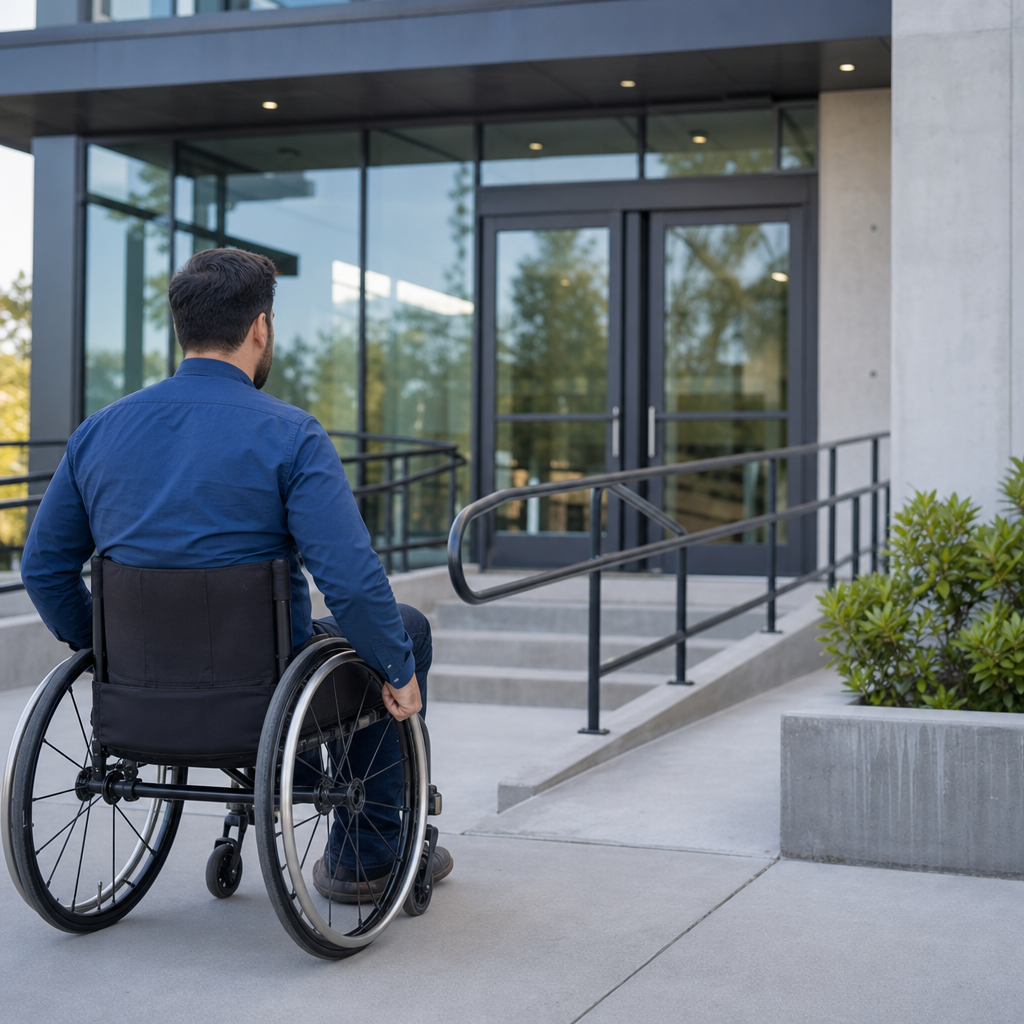
Filing an ADA complaint is the formal process of reporting accessibility barriers that may violate the Americans with Disabilities Act, the federal civil rights law that prohibits disability discrimination in employment, state and local government services, public accommodations, transportation, and telecommunications. If you have been denied equal access because a building lacks ramps, a website cannot be used with a screen reader, a doctor’s office refuses an interpreter, or an employer ignores a reasonable accommodation request, an ADA complaint can trigger investigation, negotiation, corrective action, or referral for legal enforcement. This matters because the ADA is not only a statement of principle; it is an enforceable framework with deadlines, agencies, documentation standards, and remedies that can directly improve access for you and for others who face the same barrier.
In practice, many people know a situation feels wrong but are unsure whether it is an ADA issue, which agency handles it, or what evidence is needed. I have helped people sort through exactly that confusion, and the biggest mistake is filing in the wrong place or filing too late. “ADA complaint” is an umbrella term, not one single form. Employment complaints usually go first to the Equal Employment Opportunity Commission. Complaints about state or local government programs and many public accommodations may be filed with the U.S. Department of Justice. Transit complaints may involve the Federal Transit Administration, and school-related issues can also implicate Section 504 of the Rehabilitation Act or the Individuals with Disabilities Education Act. Understanding that overlap is essential, because ADA and legal protections often work together rather than alone.
This hub article explains how to evaluate an accessibility violation, choose the correct enforcement path, prepare a strong complaint, and understand what happens next. It also clarifies where the ADA reaches, where state law may provide stronger rights, and when a lawyer, advocate, or protection and advocacy agency can help. If you want a practical roadmap for ADA & Legal Protections, start here: identify the barrier, match it to the correct title of the ADA or related law, preserve evidence, file with the right agency before the deadline, and keep records of every response.
Understand what counts as an ADA accessibility violation
An ADA accessibility violation occurs when a covered entity fails to provide equal access, effective communication, reasonable modification, or reasonable accommodation required by law. The ADA has several titles. Title I covers employment and applies to employers with 15 or more employees, as well as employment agencies and labor organizations. Title II covers state and local governments, including public schools, courts, police departments, libraries, and city websites. Title III covers private businesses open to the public, such as restaurants, hotels, retail stores, theaters, hospitals, banks, and many professional offices. Title IV covers telecommunications relay services, while transportation rules are enforced through ADA regulations and Department of Transportation oversight.
Common violations include inaccessible entrances, missing curb ramps, service counters that are too high, websites that are unusable by keyboard-only navigation, refusal to allow a service animal where the law requires access, failure to provide captioning or qualified sign language interpreters when needed for effective communication, and employment practices that ignore a reasonable accommodation unless it creates undue hardship. Not every inconvenience is illegal, and not every barrier is solved the same way. For example, a one-time equipment outage may differ from a long-standing structural barrier, and an employer can ask for limited medical documentation in some accommodation cases. The key legal question is whether the entity is covered and whether the person with a disability was denied equal opportunity or access required under the statute and regulations.
Related laws matter here. Section 504 applies to entities receiving federal financial assistance and often reaches schools, hospitals, universities, and social service providers. The Fair Housing Act governs many accessibility and disability discrimination issues in housing. Air travel complaints usually fall under the Air Carrier Access Act rather than the ADA. State and local disability rights statutes may offer broader coverage, longer filing periods, or damages not available under federal law.
Choose the correct agency before you file
The right filing destination depends on who discriminated, where it happened, and what type of access barrier you faced. Filing with the wrong office can cost time, and deadlines continue to run even while you search for answers. When I screen these cases, I first ask three questions: Was this employment, government service, or a private business? Was the problem physical access, communication access, digital access, or policy discrimination? Is there another law, such as Section 504 or state disability law, that provides an additional enforcement route?
| Situation | Main law | Typical first filing option | Important timing note |
|---|---|---|---|
| Job applicant or employee denied accommodation | ADA Title I | EEOC charge of discrimination | Usually 180 days, up to 300 in many states |
| City program, public school, court, police, county service inaccessible | ADA Title II / Section 504 | DOJ complaint, agency civil rights office, or OCR in some education cases | File promptly; agency deadlines vary |
| Restaurant, hotel, store, clinic, theater, website of public-facing business | ADA Title III | DOJ complaint; private lawsuit may also be used | No DOJ filing deadline stated, but do not delay |
| Public bus or rail access issue | ADA transportation rules | Transit agency complaint, FTA civil rights complaint, or DOJ depending on facts | Transit procedures may impose short internal deadlines |
| Housing accessibility or disability discrimination | Fair Housing Act / Section 504 | HUD complaint or state fair housing agency | Generally 1 year for HUD administrative complaint |
For employment, the EEOC is usually the required first step before filing a federal ADA lawsuit. For state and local government discrimination, complaints may be filed with the Department of Justice Civil Rights Division, the specific agency involved, or the Office for Civil Rights at the Department of Education if a school receives federal funds. For private businesses, DOJ accepts ADA complaints, but many Title III disputes are resolved through demand letters, negotiated remediation, state administrative processes, or private litigation because DOJ does not investigate every submission. If the issue involves a hospital, university, or provider that receives federal funding, Section 504 may create another powerful complaint channel with the funding agency.
Gather evidence that makes your complaint credible
A strong ADA complaint is built on specific, organized evidence. Start by writing a timeline while the details are fresh. Include dates, times, names, locations, what you requested, what response you received, and how the barrier affected you. Save emails, text messages, screenshots, appointment reminders, denial letters, job postings, employee handbooks, witness names, photos, and videos. For website accessibility barriers, capture the exact page URL, the assistive technology used, the browser, the operating system, and the task you could not complete, such as scheduling an appointment or checking out. If a door width, ramp slope, parking space, or restroom feature is the issue, measurements can matter; if possible, document them accurately.
Also preserve proof that you sought a solution. Courts and agencies often look favorably on complainants who clearly identified the barrier and gave the entity a fair chance to respond, especially in accommodation cases. In employment, keep copies of your accommodation request and all medical documentation provided. In effective communication disputes, document what auxiliary aid you asked for, such as CART captioning, large print, accessible electronic documents, or a qualified ASL interpreter, and whether the provider substituted something inadequate. The most persuasive complaints connect facts to legal duties: not just “the website was bad,” but “the online application required a mouse and could not be completed by keyboard navigation, preventing equal access to the only application method.”
File the complaint step by step
Once you know the proper forum, prepare a concise narrative that answers the agency’s practical questions. Identify yourself, the entity that violated the law, the location, the dates, your disability only to the extent necessary, the accommodation or access needed, and the exact barrier encountered. Then state the remedy you want. Remedies may include removal of an architectural barrier, policy change, interpreter provision, captioning, staff retraining, reinstatement, back pay, accommodation approval, or accessible web remediation using recognized standards such as the Web Content Accessibility Guidelines. Avoid emotional overstatement. Clear facts, attached evidence, and a direct request are more effective than a long general complaint.
For EEOC charges, begin through the agency’s online public portal, by phone, or at a field office. The EEOC may schedule an intake interview before a formal charge is drafted and signed. For DOJ ADA complaints, the Civil Rights Division provides an online form and mailing options. Federal agencies that fund programs, such as the Department of Education or Department of Health and Human Services, often have separate civil rights complaint portals. Many transit agencies, universities, hospitals, and municipalities also have internal ADA coordinators or grievance procedures. Use them, but do not assume an internal complaint automatically preserves your federal rights. If a statute requires filing with a federal agency first, complete that step independently and on time.
Ask for confirmation that the complaint was received, save your submission, and calendar all follow-up dates. If you send attachments, label them logically: “Photo 1 entrance step,” “Email requesting interpreter,” “Screenshot checkout error.” Agencies handle high volumes of complaints. A well-structured packet is easier to review and harder to dismiss as vague.
Know the deadlines, remedies, and limits of enforcement
Timing is one of the most important parts of ADA & Legal Protections. In employment cases, the deadline to file an EEOC charge is generally 180 days from the discriminatory act, extended to 300 days if a state or local fair employment practices agency enforces a similar law. Missing that deadline can bar your federal claim. For other ADA complaints, deadlines vary by agency, and some DOJ processes do not specify a short filing window, but delay still harms credibility and can make evidence harder to collect. State law claims, Section 504 complaints, and related tort or contract claims each have separate limitations periods.
Remedies also differ. Under ADA Title I, successful claims may lead to hiring, reinstatement, back pay, front pay, reasonable accommodation, policy changes, and attorney’s fees. Under Title III, private plaintiffs generally seek injunctive relief, meaning a court order requiring accessibility fixes, plus attorney’s fees; compensatory damages are not usually available to private plaintiffs under federal Title III, though the Department of Justice can obtain civil penalties in enforcement actions. State disability laws may permit damages where federal law does not. That is why many advocates evaluate federal and state claims together before deciding whether to file an agency complaint, send a demand letter, pursue mediation, or litigate.
Be realistic about process. Agencies may investigate quickly, seek mediation, refer the matter elsewhere, or close the file without taking action. A closure does not always mean the complaint lacked merit; it may reflect limited resources or jurisdictional constraints. In employment cases, the EEOC may issue a Notice of Right to Sue, which starts a short deadline to file in court, typically 90 days. Read every notice carefully.
Use related protections and practical strategy to strengthen your case
The ADA is powerful, but it is rarely the only tool available. If a public school fails to provide equal access, Section 504, the ADA, state education law, and sometimes the IDEA may all be relevant. If a medical provider refuses effective communication, you may have ADA and Section 504 claims, plus state patient rights protections. If a university’s website is inaccessible, OCR complaints, internal grievance procedures, and contract-based arguments around educational access may all matter. In housing, pivot quickly to the Fair Housing Act rather than assuming the ADA controls. Strategic filing means using the law that best fits the facts, the available remedies, and the fastest route to a fix.
It also helps to involve the right support. Protection and Advocacy agencies in every state assist people with disabilities on civil rights issues. The ADA National Network provides technical guidance. The Job Accommodation Network is especially useful for workplace accommodations because it offers practical examples of effective adjustments by limitation and job task. Disability Rights Education and Defense Fund materials, local legal aid offices, state human rights agencies, and private civil rights attorneys can help assess whether your case is strongest as an administrative complaint, negotiated settlement, or lawsuit. In my experience, the best outcomes often come from combining solid documentation with a precise legal theory and a realistic remedy request.
Filing an ADA complaint for accessibility violations is most effective when you treat it as both a legal process and an evidence project. Identify the barrier, match it to the correct part of the law, document exactly what happened, and file with the right agency before the deadline. Remember that ADA & Legal Protections include more than one statute, more than one forum, and more than one possible remedy. Employment cases usually begin with the EEOC. State and local government access issues often involve DOJ, Section 504 enforcement, or agency-specific civil rights offices. Private business access barriers may be addressed through DOJ complaints, demand letters, or private lawsuits, especially where immediate injunctive relief is needed.
The core benefit of filing is accountability. A well-prepared complaint can remove a barrier for you, change a policy for future users, and create a record that supports broader enforcement. Start by preserving evidence today, checking the deadline that applies to your situation, and contacting the appropriate agency or qualified disability rights advocate. Taking that first step is how access moves from promise to practice.
Frequently Asked Questions
What is an ADA complaint, and when should I file one for an accessibility violation?
An ADA complaint is a formal report that tells the appropriate government agency, employer, or enforcement body that a person, business, public entity, or organization may be violating the Americans with Disabilities Act. You should consider filing a complaint when you have experienced a disability-related barrier that denied you equal access, equal participation, or effective communication. Common examples include inaccessible entrances or restrooms, websites or mobile apps that cannot be used with assistive technology, refusal to provide sign language interpreters or other communication aids, discriminatory employment practices, or unequal access to transportation, government services, schools, healthcare, or public accommodations.
Filing a complaint is often appropriate when the problem is more than a minor inconvenience and appears to involve discrimination or a failure to provide reasonable accommodation or accessible design. In many situations, people first try to resolve the issue directly by notifying the business, agency, landlord, healthcare provider, or employer and asking for the barrier to be corrected. If that does not work, or if the issue is urgent or serious, a formal complaint may be the next step. An ADA complaint can create a record of the problem, prompt an investigation, and in some cases lead to corrective action, policy changes, accommodations, or legal remedies.
It is important to file as soon as possible because some ADA-related claims have deadlines. The right agency depends on the type of violation. Employment discrimination complaints are generally handled through the Equal Employment Opportunity Commission, while complaints involving state or local governments or public accommodations may be submitted to the U.S. Department of Justice or another agency with enforcement authority. If you are unsure whether your situation qualifies, it is still wise to gather your facts and review the rules for the category that applies to your case.
Where do I file an ADA complaint, and how do I know which agency is responsible?
The correct place to file depends on who committed the violation and what kind of discrimination occurred. ADA complaints are not all sent to one office. If the issue involves employment, such as failure to accommodate, discriminatory hiring, harassment, retaliation, or termination because of a disability, you would typically file with the Equal Employment Opportunity Commission. If the problem involves a private business that serves the public, such as a restaurant, hotel, retail store, medical office, theater, or website connected to a public-facing business, the complaint may fall under the U.S. Department of Justice as a public accommodation matter.
If the accessibility barrier involves a state or local government program, city office, public school, courthouse, public university, police department, or another government-run service, the complaint may also be handled by the Department of Justice or by the specific agency that oversees that service. Transportation complaints may go to the U.S. Department of Transportation or a related transit authority. Telecommunications matters may involve the Federal Communications Commission. Housing accessibility complaints may raise issues under the Fair Housing Act as well, which can involve the U.S. Department of Housing and Urban Development rather than, or in addition to, an ADA-based process.
To determine the right agency, start by identifying the setting: employment, government service, public accommodation, transportation, education, healthcare, housing, or communications. Then review the complaint instructions on the agency’s official website. Most agencies explain what they cover, what information they require, and whether complaints can be submitted online, by mail, email, or phone. If your issue overlaps multiple laws, you may need to file with more than one agency. When in doubt, disability rights organizations, legal aid programs, and civil rights offices can often help point you in the right direction.
What information should I include in an ADA complaint to make it as strong and effective as possible?
A strong ADA complaint is clear, specific, organized, and supported by facts. At minimum, include your name and contact information, the name and address of the business, employer, agency, or organization involved, and a detailed description of what happened. Explain the accessibility barrier or discriminatory action, when and where it occurred, who was involved, how it affected you, and what accommodation or access you needed. If the issue is ongoing, say so. If you asked for help, a modification, an interpreter, a repair, or another accommodation, describe when you made the request and how the other party responded.
It is also helpful to include evidence. Useful documentation can include emails, letters, text messages, screenshots, photographs, recordings where legally permitted, written policies, job postings, denial notices, medical appointment records, witness names, and notes you made soon after the incident. For website accessibility problems, screenshots, page URLs, dates of attempted access, and a description of the assistive technology you used can be valuable. For physical barriers, identify the exact feature that is inaccessible, such as a missing ramp, steep curb cut, narrow doorway, inaccessible parking space, or lack of accessible restroom facilities.
Be factual rather than emotional, even if the experience was frustrating or harmful. State what happened, why you believe it violated the ADA, and what result you are seeking, such as barrier removal, a reasonable accommodation, policy revision, staff training, communication access, reinstatement, or another corrective action. A well-prepared complaint gives investigators enough detail to understand the issue and decide whether they can act. Incomplete or vague complaints can slow the process, so taking time to organize your information before filing can make a meaningful difference.
What happens after I file an ADA complaint, and how long does the process usually take?
After you file, the agency or office that receives your complaint usually reviews it to determine whether it has authority over the matter and whether more information is needed. In some cases, you may receive a confirmation or case number. The agency may contact you for clarification, ask for supporting documents, or decide to refer the complaint to another office if a different agency is better suited to handle it. Not every complaint leads to a full investigation, but many are screened for legal sufficiency and jurisdiction before any next steps are taken.
If the complaint moves forward, the process may involve contacting the business, employer, or government entity named in the complaint, requesting records, interviewing witnesses, reviewing policies, visiting the site, or evaluating technical accessibility issues. Some matters are resolved informally through voluntary compliance, mediation, or negotiated corrective action. For example, a business may agree to remove barriers, an employer may provide an accommodation, or a healthcare provider may revise communication practices. In other cases, the agency may close the matter without action, issue findings, or pursue enforcement if it believes a violation occurred.
Timing varies widely. Some complaints are reviewed in weeks, while others take months or longer depending on the agency, the complexity of the facts, the amount of evidence, and the agency’s workload. Employment complaints often follow different timelines than public accommodation or government access complaints. Because the process can take time, it is smart to keep copies of everything you submitted, respond promptly to requests for information, and continue documenting any ongoing barriers or retaliation. If the issue is urgent, such as denial of critical medical communication access or a continuing workplace problem, you may also want to consult an attorney or disability rights advocate while the complaint is pending.
Do I need a lawyer to file an ADA complaint, and can I still take legal action if I file one?
You generally do not need a lawyer to file an ADA complaint. Many agencies are set up so individuals can file on their own using online forms, written statements, or intake procedures. That said, legal help can be very useful, especially if the case involves job loss, repeated denial of accommodations, serious financial harm, retaliation, complex digital accessibility issues, or overlapping federal and state law claims. An attorney, legal aid office, or disability rights advocate can help identify the strongest legal theory, preserve evidence, meet deadlines, and present the facts in a way that supports enforcement or litigation.
Filing an administrative complaint does not always prevent you from taking additional legal action, but the rules depend on the type of case. Employment claims often require a charge to be filed with the Equal Employment Opportunity Commission before a lawsuit can proceed, and there are strict deadlines that apply. In other ADA contexts, such as some public accommodation matters, people may also have the option of pursuing private legal claims, seeking injunctive relief, or using state civil rights laws that provide additional remedies. Because each category has different procedures, you should not assume that one filing automatically protects all of your rights.
If you are considering a lawsuit, it is especially important to act quickly and get advice early. Keep in mind that retaliation for asserting ADA rights is also prohibited. If you are punished, threatened, fired, denied services, or otherwise treated unfairly because you requested accessibility or filed a complaint, that can be an additional legal issue. Whether you proceed on your own or with counsel, the key is to document the violation carefully, file with the correct agency when required, and understand any deadlines or notice requirements that apply to your specific situation.






This blog is not just about the content, but also the community it fosters I’ve connected with so many like-minded individuals here
Hi there, I enjoy reading through your article post.
I wanted to write a little comment to support you.
Check out this resource: Calculadora de ROI – Calcula el retorno de inversión y las ganancias
1