
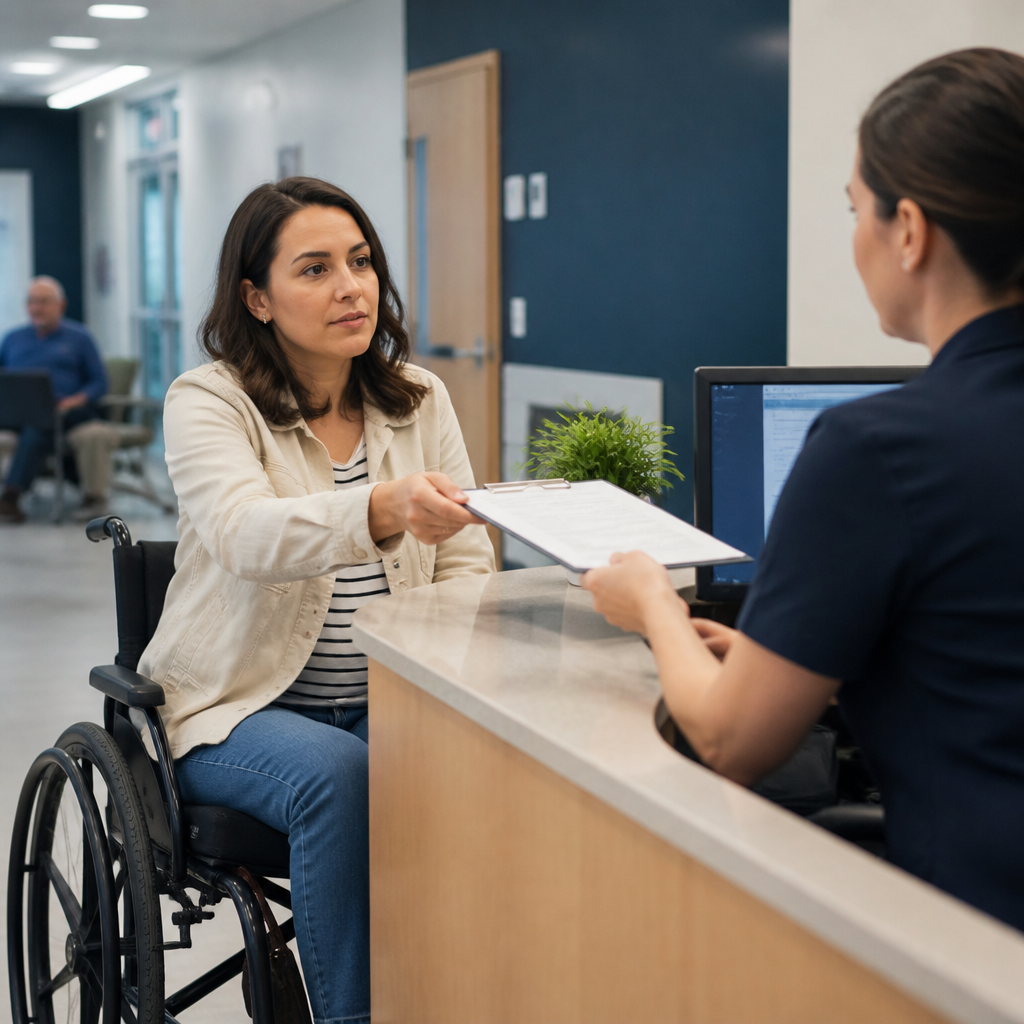
Healthcare accessibility determines whether people can obtain medical services in ways they can physically reach, financially manage, understand, and use safely. When that access breaks down, filing a complaint is often the fastest formal step toward fixing a barrier, protecting your rights, and creating a record that regulators, insurers, hospitals, and courts can act on. In practical terms, a healthcare accessibility complaint is a written or recorded report that explains what obstacle you faced, who was responsible, when it happened, and what remedy you want. It may involve disability access, language access, telehealth usability, insurance network adequacy, transportation barriers, inaccessible medical equipment, discriminatory scheduling, or failure to provide effective communication.
I have worked with patient grievances, compliance teams, and accessibility reviews, and the same pattern appears repeatedly: problems that seem isolated are usually systemic. A broken wheelchair scale, an uncaptioned patient portal video, or a specialist office that refuses an interpreter can prevent diagnosis, delay treatment, and worsen outcomes. The National Standards for Culturally and Linguistically Appropriate Services, the Americans with Disabilities Act, Section 504 of the Rehabilitation Act, Section 1557 of the Affordable Care Act, and state patient rights laws all shape what healthcare organizations must do. Knowing how to file a complaint matters because deadlines apply, evidence disappears quickly, and the right complaint channel can trigger internal correction, payer intervention, or government enforcement.
This hub article explains the full complaint process for healthcare accessibility. It defines what counts as an accessibility issue, shows where to complain, outlines the evidence to gather, and clarifies what results are realistic. If you need an immediate answer, start here: document the barrier, ask for the accommodation in writing, file first with the provider or plan, then escalate to the relevant regulator if the response is incomplete or delayed. That sequence creates a clean record and often resolves problems faster than jumping straight to litigation. Just as important, a well-filed complaint can improve access for other patients facing the same barrier.
What counts as a healthcare accessibility problem
Healthcare accessibility is broader than wheelchair ramps. It includes physical access, communication access, digital access, sensory access, geographic access, scheduling access, and financial access where plan design or network gaps make covered care practically unavailable. Common examples include an exam table that does not lower for safe transfer, a clinic entrance without an accessible route, staff refusing to provide an American Sign Language interpreter, discharge instructions only available in English, inaccessible kiosk check-in systems, telehealth platforms that fail with screen readers, websites without keyboard navigation, and mental health networks with no in-network appointments for months.
Accessibility complaints also cover policies that look neutral but create unequal barriers. For example, requiring all patients to use a smartphone app for check-in can exclude older adults, blind patients, and people without reliable devices. A behavioral health practice that schedules only by phone may block Deaf patients who rely on text relay or portal messaging. A health plan that lists specialists who are not accepting new patients can create a network adequacy problem even if the directory looks complete on paper. If the barrier materially interfered with receiving care, understanding care, or using a healthcare service, it likely belongs in an accessibility complaint.
The strongest complaints describe the barrier in functional terms. Instead of writing, “the office was inaccessible,” write, “the only weight measurement option was a standing scale, so my clinician could not safely assess a wheelchair user’s medication dosage.” That level of detail helps compliance officers connect the event to a duty, a workflow failure, and a measurable fix. It also increases the chance that a regulator, accreditor, or patient advocate can act quickly.
Who can receive a complaint and when to escalate
The right destination depends on who created the barrier. If the problem happened inside a hospital, clinic, laboratory, imaging center, therapy practice, or telehealth platform, begin with that organization’s patient relations, grievance office, accessibility coordinator, civil rights office, or compliance department. Most health systems publish complaint instructions on their websites or patient bills. If the issue involves insurance denials, network access, prior authorization delays, or inaccurate directories, file with the health plan first and then the state insurance department or marketplace authority if needed.
Government complaints are appropriate when internal processes fail, when the issue is serious, or when a pattern suggests unlawful discrimination. The U.S. Department of Health and Human Services Office for Civil Rights handles many complaints involving disability discrimination, language access, and unequal treatment by federally funded health programs and many providers. The U.S. Department of Justice may be relevant for public accommodations and certain ADA matters. State health departments, medical boards, hospital licensing agencies, Medicaid agencies, and managed care ombuds programs can also investigate, especially when access failures affect safety or repeated care delivery.
Escalate immediately if the barrier caused significant harm, affected emergency care, involved repeated denial of interpreters or mobility assistance, or appears to target a protected group. Escalate after an internal complaint if the provider ignores deadlines, gives a generic response without corrective action, disputes obvious facts, or retaliates by limiting appointments or communication. Internal resolution is often useful, but it is not mandatory when urgency, discrimination, or patient safety is at stake.
How to prepare evidence before you file
A complaint is easier to investigate when the facts are organized. Start with a simple timeline: date, time, location, people involved, what you requested, what happened, and what effect it had. Save appointment confirmations, portal messages, screenshots, denial letters, bills, transportation records, interpreter requests, and names of witnesses. If the issue is digital accessibility, record the browser, device, assistive technology, and exact error. If the issue is physical access, note room numbers, equipment names, and whether staff offered alternatives. Photographs can help, but avoid capturing other patients.
Ask for your medical records if the barrier affected diagnosis or treatment. A delayed MRI because no accessible transfer equipment existed, or a missed psychiatric intake because the portal timed out with screen-reader software, can sometimes be confirmed in chart notes. Keep copies of everything you send and receive. In my experience, concise documentation beats emotional volume. One page with dates, names, and attachments often accomplishes more than five pages of general frustration, even when the frustration is completely justified.
Before filing, decide what remedy you want. Possible remedies include an interpreter for future visits, accessible medical equipment, revised scheduling methods, corrected bills, reopened claims, staff training, website remediation, transportation accommodation, a transfer policy, a written apology, or reimbursement for out-of-pocket costs caused by the barrier. A complaint that asks for a specific, achievable fix is more likely to produce action than one that simply demands fairness.
What to include in an effective healthcare accessibility complaint
A strong complaint answers five questions: who, what, when, why it violated access, and what should happen next. Keep the opening direct: “I am filing a complaint about a healthcare accessibility barrier that prevented me from receiving safe and equal care.” Identify yourself, the patient if different, and any relevant disability, language, technology, or transportation need only to the extent necessary to explain the barrier. Then describe the event in chronological order using short paragraphs or bullets if the complaint form allows them.
Use plain language, but anchor the facts to recognized obligations. For example, say that effective communication was not provided, a reasonable modification was refused, accessible equipment was unavailable, or network access was not meaningfully available within required time and distance standards. You do not need to cite every law, but naming the right concept signals that you understand the issue. If you were harmed, be specific: delayed treatment, missed diagnosis, unmanaged pain, lost wages, emotional distress, extra travel, or inability to consent fully because information was inaccessible.
| Complaint element | What to include | Example |
|---|---|---|
| Barrier | Describe the exact access failure | “No qualified ASL interpreter was provided for a cardiology consult despite two advance requests.” |
| Impact | State how care was affected | “I could not understand treatment options or give informed consent confidently.” |
| Evidence | List attachments and witnesses | Portal messages, appointment log, spouse witness, after-visit summary |
| Requested remedy | Ask for a practical correction | Interpreter policy enforcement, rescheduled visit, no added charge, staff training |
| Escalation point | Set a response expectation | “If unresolved within 15 business days, I will file with the appropriate regulator.” |
End by requesting written confirmation and a response deadline. If you need ongoing care, say so clearly. Complaints tied to active treatment should note any upcoming appointments because timing influences triage. Never exaggerate. Precise facts are more persuasive than broad accusations, and they protect your credibility if the case moves to appeal, external review, or legal counsel.
Special situations: disability access, language access, mental health, and telehealth
Different accessibility barriers require different framing. Disability access complaints often turn on reasonable modifications, accessible facilities, transfer assistance, accessible equipment, service animal access, and effective communication. In outpatient settings, inaccessible exam tables and mammography equipment are recurring issues. If the clinic says, “We can examine you in your wheelchair,” explain why that is clinically inadequate if a proper transfer was needed. Safety and clinical quality matter as much as physical entry.
Language access complaints should distinguish between general translation and qualified interpretation for medical communication. Family members, especially children, are usually not adequate substitutes for trained interpreters during complex discussions. If discharge, consent, medication instructions, or crisis evaluation occurred without language support, say that the barrier affected understanding and safe decision-making. Named language access failures are often easier for compliance teams to correct because the remedy is operationally clear.
Mental health accessibility complaints frequently involve network adequacy, intake policies, crisis response, and communication barriers. A plan may technically cover therapy but still fail to provide timely access if every listed clinician is unavailable. Document call attempts, wait times, and inaccurate directory listings. For psychiatric care, inaccessible intake forms, lack of captioning, or refusal to accommodate cognitive disabilities can be just as harmful as a physical barrier. In telehealth, note whether the platform worked with captioning, screen readers, keyboard-only navigation, or low-bandwidth connections. Digital access is healthcare access when the service is delivered online.
What happens after filing and how to improve your chances of resolution
Most organizations follow a standard grievance workflow: intake, acknowledgment, review, fact gathering, decision, and corrective action. You may receive a case number, a request for records, or a phone call from patient relations. Respond promptly and keep communication written whenever possible. If you speak by phone, send a same-day message summarizing what was discussed. That habit closes gaps that often appear later in investigations.
Expect different timelines depending on the type of complaint. Health plans often have formal grievance and appeal deadlines, while hospitals may follow internal patient relations timelines unless state rules impose stricter requirements. Government civil rights agencies can take longer, but a well-documented filing still matters because it preserves the issue and may trigger early contact. Some complaints end with a practical fix rather than a formal finding: a rescheduled accessible appointment, policy revision, equipment purchase, or interpreter flag added to your chart. Those outcomes count if they solve the problem.
If the response is incomplete, ask targeted follow-up questions. What corrective action was taken? Who is responsible for implementation? Will the accommodation be noted for future visits? How will similarly situated patients be protected? If billing or insurance was affected, request reprocessing in writing. If safety was compromised, consider additional reporting to accreditation or licensing bodies. The key is persistence with structure. Patients who stay organized, calm, and specific usually obtain better results than patients forced to restart the story with every department.
Common mistakes to avoid and when to seek extra help
The most common mistake is filing too vaguely. “They discriminated against me” may be true, but without dates, names, and the actual barrier, the complaint can stall. Another mistake is sending the complaint only to a front-desk email or social media account rather than the grievance or compliance channel. Delaying too long is also risky because memories fade, surveillance footage may be deleted, and legal filing windows can close. Patients sometimes ask for a massive remedy without first asking for the immediate accommodation that would solve the active problem. Start practical, then escalate if the organization refuses.
Seek extra help when the barrier caused serious harm, the provider retaliates, a child or dependent adult is affected, or multiple agencies may have jurisdiction. Good resources include a hospital ombuds office, a state protection and advocacy organization, a legal aid program, a disability rights center, a Medicaid ombuds program, or an attorney experienced in healthcare discrimination and patient rights. For insurance access issues, your state insurance department or consumer assistance program can be especially effective. If the situation is urgent and care is still needed, ask your treating clinician to document the accommodation necessity in the chart while the complaint proceeds.
Filing a complaint about healthcare accessibility is not just paperwork; it is a practical tool for obtaining equal care. The process works best when you identify the exact barrier, preserve evidence, choose the right complaint channel, and ask for a concrete remedy. Accessibility problems can involve buildings, equipment, communication, digital systems, insurance networks, and mental health services, but the reporting framework is consistent: document, request, file, escalate, and follow up. That structure turns a frustrating experience into an actionable case.
As a hub for healthcare accessibility, this guide gives you the foundation to navigate nearly any complaint path with confidence. Use it to assess whether your experience involved disability access, language access, telehealth usability, or network barriers, then build a clear written record. The main benefit of filing well is simple: it increases the odds that you will receive safe, timely, understandable care and that the same barrier will not block the next patient. Start today by writing your timeline, gathering your records, and sending the first complaint to the organization responsible.
Frequently Asked Questions
What counts as a healthcare accessibility problem that I can file a complaint about?
A healthcare accessibility problem is any barrier that prevents you from getting medical services in a way you can physically reach, afford, understand, or use safely. That can include obvious physical barriers, such as a clinic without wheelchair-accessible entrances, inaccessible exam tables, lack of accessible parking, or medical equipment that cannot be used by patients with mobility limitations. It also includes communication barriers, such as the refusal to provide a sign language interpreter, failure to offer materials in large print or plain language, lack of language access for patients with limited English proficiency, or staff who do not explain treatment in a way you can understand. Financial barriers may also matter, especially when a provider or insurer incorrectly denies medically necessary care, applies coverage rules unfairly, or creates administrative obstacles that block access to treatment.
Accessibility issues can also involve scheduling, transportation-related accommodation failures, discriminatory policies, digital barriers in patient portals or telehealth platforms, and unsafe conditions that make care effectively unavailable. If a hospital, doctor’s office, insurer, pharmacy, or healthcare program creates a barrier connected to disability access, communication needs, language needs, or equal treatment, it may be appropriate to file a complaint. In general, if you were delayed, denied, discouraged, excluded, or placed at greater risk because the healthcare system did not provide reasonable access, you likely have something worth documenting and reporting.
Who should I file a healthcare accessibility complaint with?
The right place to file depends on who created the barrier and what result you want. A strong first step is often to complain directly to the provider, hospital, clinic, or healthcare system involved. Many organizations have a patient relations department, grievance office, compliance office, civil rights coordinator, ADA coordinator, or risk management department. Filing internally can sometimes lead to a faster practical fix, especially if the problem involves scheduling procedures, communication aids, building access, staff conduct, or accommodation failures that can be corrected quickly.
If the issue is more serious, unresolved, or tied to discrimination, you may also need to file with an outside agency. Complaints about disability discrimination, language access, or unequal treatment in healthcare settings may be filed with the U.S. Department of Health and Human Services Office for Civil Rights. If the provider receives federal funding, civil rights laws may apply. If the problem involves an insurance denial, network access failure, or refusal to cover needed care, you may need to file with your health insurer first and then escalate to your state insurance department or request an external review. State health departments, medical boards, licensing agencies, Medicaid agencies, Medicare complaint channels, and accrediting organizations may also be appropriate depending on the facts.
If you are unsure where to start, file with the provider and at least one external oversight body if the barrier involved safety, discrimination, repeated denial, or harm. It is common to file in more than one place. The key is to match the complaint destination to the type of problem: provider misconduct to the provider and licensing authorities, insurance access issues to the insurer and insurance regulators, and civil rights violations to the appropriate government enforcement agency.
What information should I include in my complaint to make it effective?
An effective healthcare accessibility complaint should be specific, organized, factual, and easy for a reviewer to investigate. Start with your basic identifying information, including your full name, contact information, and, if relevant, patient or member number. Clearly identify the provider, facility, insurer, department, or staff involved. Include the dates, times, and locations of the events. Then explain exactly what happened, what barrier you encountered, who was informed, how they responded, and what impact the problem had on your ability to receive care. If the issue happened more than once, describe each incident in chronological order.
It is especially important to explain the real-world effect of the barrier. For example, note whether you missed an appointment, experienced a delay in diagnosis, could not understand medical instructions, were denied an interpreter, were unable to enter the building, could not use a telehealth system, or faced an unsafe transfer or examination condition. If you asked for an accommodation, say when you asked, what you requested, and whether the request was ignored, delayed, or denied. If there were witnesses, include their names if possible. If you have supporting materials, mention them and attach copies when allowed. Useful evidence may include appointment records, denial letters, screenshots, emails, photos, medical notes, bills, discharge papers, written accommodation requests, or a timeline you created shortly after the event.
End by stating what resolution you want. That could include policy changes, staff training, reimbursement, a corrected insurance decision, accessible equipment, communication support, a written apology, or assurance that the barrier will not happen again. Keep the tone calm and factual even if the experience was upsetting. Detailed facts and a clear request for action make it easier for the organization or agency to understand the issue and respond meaningfully.
How quickly should I file a complaint, and what if the problem is urgent?
You should file as soon as possible. Complaints are usually strongest when the events are recent, your memory is clear, and records are easier to obtain. Some agencies and insurers have strict deadlines, especially for grievances, appeals, civil rights complaints, and external reviews. Missing a deadline can limit your options, so it is wise to act quickly even if you are still gathering additional documents. If you do not know the exact deadline, submit a basic complaint first and note that more information will follow. That preserves the issue while you continue building the record.
If the barrier is urgent and affects immediate medical care or safety, do not wait for a routine complaint process to unfold. Contact the provider’s patient advocate, supervisor, administrator on duty, or compliance office right away and state clearly that the matter is urgent and affecting access to care. If insurance is blocking necessary treatment, ask for an expedited appeal or urgent review if available. If the issue involves immediate discrimination, dangerous conditions, or denial of essential access supports, escalate quickly to an external regulator or civil rights office as appropriate. In emergency situations, seek necessary medical care first and document the accessibility barrier as soon as you can afterward.
It is also smart to keep a record of every step you take. Save copies of complaint forms, emails, letters, portal messages, and notes from phone calls, including the date, time, and name of the person you spoke with. If you submit a complaint online, take screenshots or print the confirmation page. Prompt action combined with careful documentation gives you the best chance of getting both a faster response and a stronger legal or regulatory record if the matter needs to be escalated later.
What happens after I file a complaint, and what can I do if nothing changes?
After you file, the organization or agency usually reviews the complaint, assigns it to a department or investigator, and may contact you for more details or documents. Internal healthcare complaints may be handled by patient relations, compliance staff, or risk management. Insurance complaints may go through a grievance or appeal process. Government agencies may screen the complaint to determine jurisdiction, request records, open an investigation, attempt informal resolution, or refer the matter elsewhere. In some cases, the result is a direct fix, such as a rescheduled appointment with accommodations, approval of previously denied care, interpreter services, accessible equipment, or a change in policy or staff training. In other cases, the process may take longer and require follow-up.
If nothing changes, do not assume the complaint failed. Many accessibility disputes require escalation. Follow up in writing and ask for the status, findings, and next steps. If the response is incomplete or dismissive, file with a higher-level authority, such as a state regulator, civil rights office, medical licensing board, insurer oversight agency, or federal enforcement office, depending on the issue. If an insurer is involved, check whether you have a right to an internal appeal, expedited appeal, or independent external review. If the barrier caused significant harm or appears to be part of a larger pattern, you may also want to speak with a disability rights organization, legal aid office, patient advocacy group, or private attorney experienced in healthcare access or civil rights law.
The most important thing is to keep building the record. Save responses, note ongoing barriers, and document whether the provider or insurer corrected the issue or repeated it. Complaints do more than describe a bad experience; they create evidence that can support enforcement, reimbursement, policy correction, and stronger protection for both you and other patients facing the same barrier.