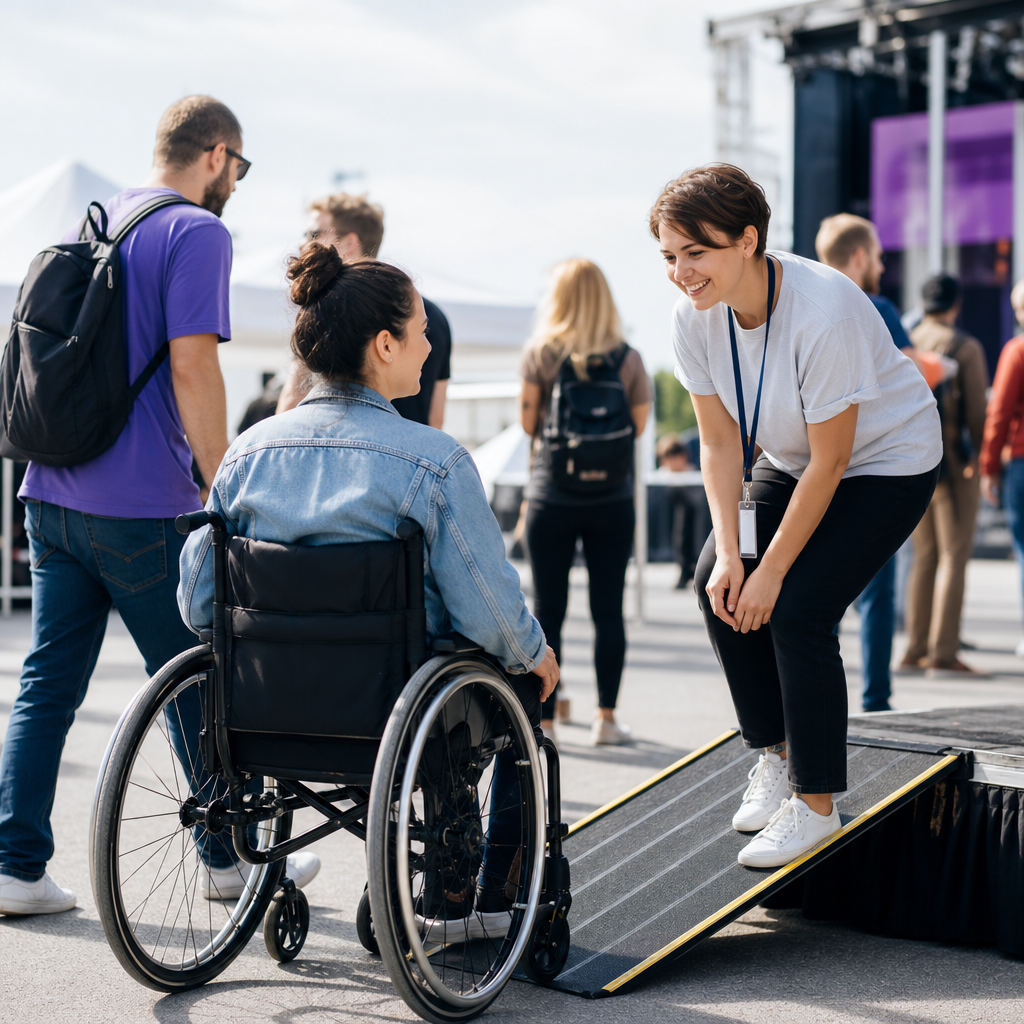
Accessibility in public events determines who can participate, who feels welcome, and whether a gathering truly serves the whole community. In practical terms, accessibility means designing venues, programs, communication, and operations so people with disabilities, older adults, families, and people with temporary impairments can use them safely and independently. Public events include festivals, conferences, street fairs, sports matches, civic meetings, museum nights, farmers markets, and performances held in public spaces or shared venues. When planners treat accessibility as a core requirement instead of a last-minute accommodation, attendance rises, complaints fall, and organizers reduce legal and reputational risk.
I have worked with event teams that assumed adding a ramp and one accessible restroom solved the problem. It never does. Real event accessibility covers the entire attendee journey: discovering the event, buying a ticket, traveling to the site, entering the venue, finding seating, hearing and seeing content, using restrooms, buying food, asking for help, and leaving safely. It also includes back-of-house access for speakers, performers, staff, volunteers, and vendors. A public event can appear inclusive in marketing and still exclude people because registration forms are unusable with screen readers, wayfinding signs have poor contrast, or a “quiet room” is placed next to amplified music.
This guide explains how to make public spaces and events accessible at a systems level. It covers physical access, communication access, sensory access, digital access, staff training, emergency planning, and measurement. It also serves as a hub for the broader Public Spaces & Events topic, because no single checklist can address every format or venue. Standards such as the ADA Standards for Accessible Design, WCAG for digital content, local building codes, and fire safety rules create the baseline, but accessible events require operational judgment as well. The goal is simple: remove predictable barriers before people encounter them.
Start with planning, policy, and the attendee journey
The most effective accessibility work begins before the venue is booked. Event planners should define accessibility goals, assign decision-making authority, and build requirements into procurement, contracts, and timelines. If a venue contract does not specify accessible entrances, seating flexibility, assistive listening capability, service animal policies, and accessible restroom capacity, the organizer may inherit expensive problems. I advise teams to map the attendee journey step by step and test each point with likely user needs: wheelchair access, low vision, Deaf or hard-of-hearing access, cognitive accessibility, scent sensitivity, and fatigue management.
A strong planning process also identifies which parts of the event are fixed and which can be adapted. A historic plaza may have uneven paving that cannot be rebuilt for a one-day festival, but organizers can add temporary trackway, provide alternate routes, move high-demand activities to smoother surfaces, and publish accurate access notes in advance. Public meetings need accessible podiums and seating, but they also need microphones for every speaker, real-time captioning, and clear turn-taking rules. Accessibility succeeds when organizers stop asking, “Can we accommodate someone if they ask?” and start asking, “What barriers are predictable, and how do we remove them now?”
Choose venues and public spaces that work in real conditions
Venue selection is where many accessibility outcomes are won or lost. Site visits should verify parking, drop-off points, curb cuts, route width, door pressure, elevator reliability, restroom layout, counter heights, and seating distribution. For outdoor events, check gradients, ground firmness, drainage, lighting, shade, and shelter. A park that looks accessible in dry weather can become unusable after rain if wheelchair users sink into turf or gravel. Temporary event infrastructure matters too: stages, tents, portable toilets, fencing, cable ramps, and food service counters can all create barriers when installed without access clearances.
Organizers should document dimensions and constraints rather than relying on venue assurances. I have seen venues label a restroom accessible because it had a wider door, while the transfer space beside the toilet was blocked by a trash can and baby-changing unit. In public streets, accessible routes often break down at the edges: a curb ramp may exist, but a parked food truck, crowd-control barrier, or generator cable makes it unusable. Good site planning protects clear routes throughout the event and includes frequent resting points, especially for large campuses, parades, and festivals where distances exceed what many attendees can manage comfortably.
| Event element | Common barrier | Practical fix |
|---|---|---|
| Arrival and drop-off | No protected accessible unloading zone near entrance | Reserve signed curb space, add staff support, protect route from traffic |
| Outdoor routes | Grass, gravel, mud, or steep slopes | Use temporary trackway, relocate key activities, publish route conditions |
| Seating | Wheelchair spaces isolated or only in one price tier | Distribute integrated seating choices across sections and prices |
| Stage content | No captions, poor sightlines to interpreters | Provide CART, screens, lighting, and reserved sightline seating |
| Food service | High counters and unreadable menus | Add lowered service point, large-print and digital accessible menus |
| Restrooms | Too few accessible units or long travel distances | Increase quantity, improve distribution, inspect clear floor space |
Provide physical access beyond minimum compliance
Physical accessibility means more than meeting the minimum code path from entry to exit. At public events, people need equitable access to registration desks, exhibits, stages, breakout rooms, concessions, merchandise tables, prayer or wellness spaces, and restrooms. Seating plans should integrate wheelchair users and companions throughout the venue rather than isolating them at the back or front. At concerts and sports events, standing audiences can eliminate sightlines; raised accessible platforms and reserved companion areas are often necessary. At conferences, presenters with disabilities need ramped or level stage access, adjustable lecterns, and accessible green rooms.
Temporary installations deserve close scrutiny. Portable toilets should include accessible units on firm, level surfaces, with clear routes and enough quantity for demand. Queuing systems need wide lanes and turning space, and they should not require prolonged standing with no alternative. Registration should offer seated check-in and reach-range considerations. For children’s events or community fairs, inclusive play or activity stations should be reachable and usable, not simply visible. Where full equivalence is impossible, the alternative must still provide comparable dignity, convenience, and timing. Sending someone to a side entrance or separate viewing area should be a last resort, not standard practice.
Make communication access standard, not special
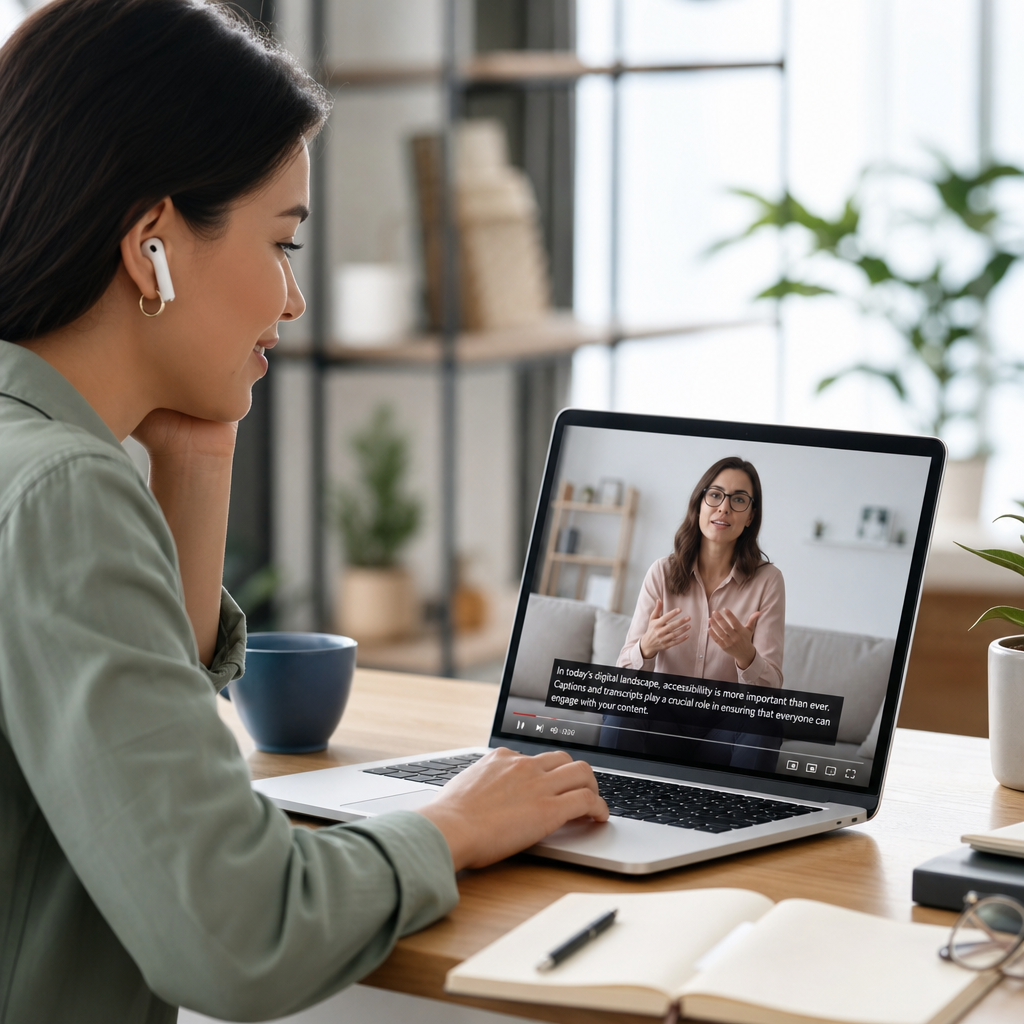
Many attendees can physically enter an event but still cannot access the content. Communication access includes captioning, sign language interpretation, assistive listening systems, plain-language information, multilingual support where relevant, and readable signage. For spoken programs, microphones are non-negotiable. I regularly find panels in small rooms skipping microphones because speakers think they can project; that decision excludes people using hearing aids, attendees relying on assistive listening, and anyone processing speech in noisy environments. CART captioning is the most reliable option for live spoken content because it supports Deaf attendees, hard-of-hearing attendees, non-native speakers, and people with auditory processing differences.
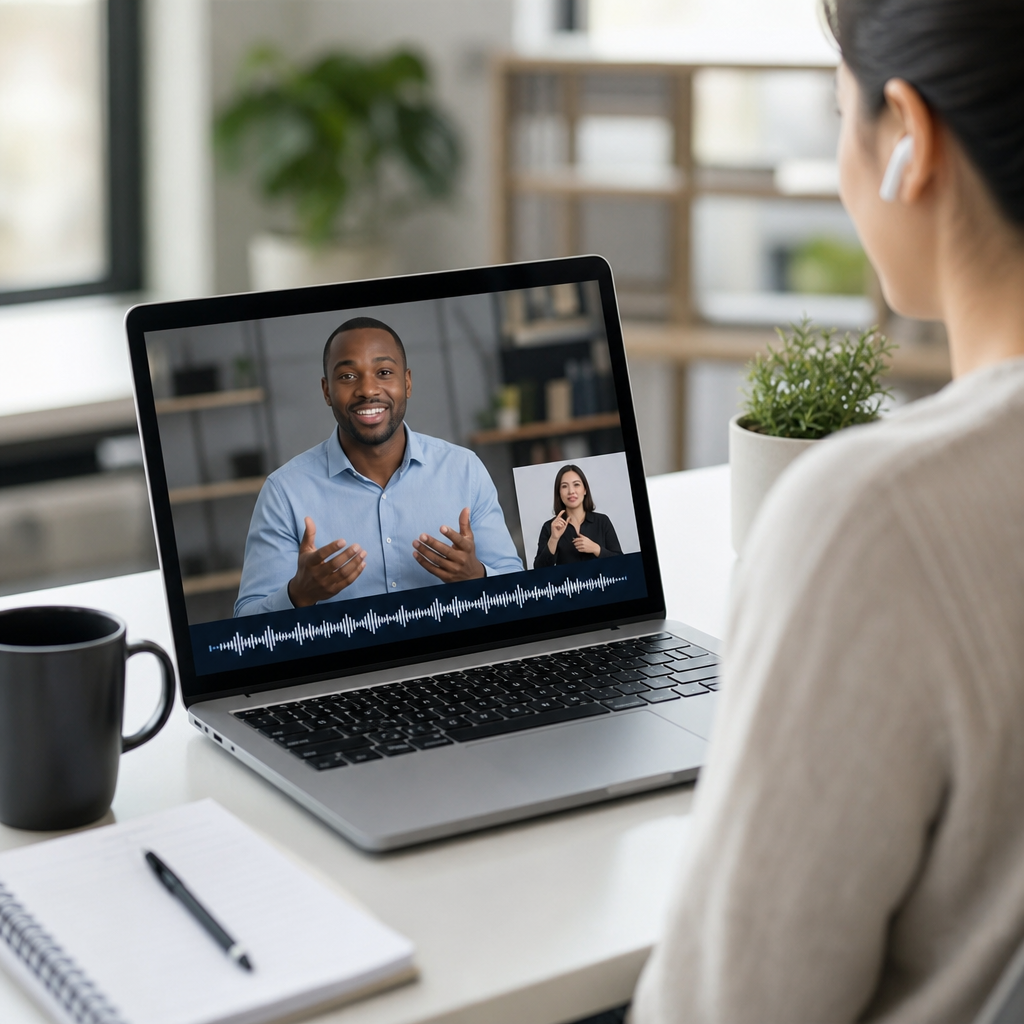
Interpretation planning should consider language pair, subject matter, lighting, stage placement, and sightlines. An interpreter positioned off to the side in low light is not effective access. Video screens should include captions large enough to read from the intended seating distance. Printed materials should be available in accessible digital formats, and signage should use strong contrast, consistent terminology, and simple directional logic. Public announcements at festivals, transit hubs, or outdoor gatherings should be delivered in both audible and visual formats. If attendees must scan a QR code to obtain essential information, the linked page must be accessible and mobile friendly.
Address sensory, cognitive, and neurodivergent needs
Accessible public events must account for sensory load, predictability, and cognitive clarity. Crowds, flashing lights, public-address systems, strong scents, and dense wayfinding can overwhelm attendees with autism, PTSD, migraine disorders, anxiety, dementia, or traumatic brain injury. This is not a niche concern. Simple design choices improve usability for everyone: clear schedules, mapped quiet spaces, advance information about noise and lighting, reduced-sensory sessions, and staff trained to give concise directions. Museums, libraries, and stadiums increasingly offer sensory bags with ear protection, fidgets, and visual cue cards because they work.
Cognitive accessibility also affects registration, ticketing, and on-site navigation. Complex forms, unexplained policies, and inconsistent labels create avoidable friction. Use plain language, short instructions, predictable icons, and step-by-step event guides. For large festivals or public campuses, color-coded zones and landmark-based directions help people more than abstract map grids alone. Quiet rooms should be genuinely quiet, not a repurposed corridor beside generators or speaker stacks. If an event uses strobe lighting, pyrotechnics, or sudden loud effects, that information should be posted in advance so attendees can make informed decisions and plan protective strategies.
Ensure digital accessibility before, during, and after the event
Every public event now has a digital layer, and it often determines whether someone can attend at all. Event websites, ticketing systems, mobile apps, maps, schedules, livestreams, and post-event materials must work with keyboard navigation, screen readers, zoom, and captioning. WCAG is the accepted benchmark for web content, and organizers should expect vendors to meet it. In practice, common failures include unlabeled form fields, inaccessible seat maps, countdown timers that expire too quickly, PDFs without reading order, and livestream players without captions or keyboard controls.
Accessible digital design also improves discoverability and trust. Attendees need a dedicated accessibility information page that answers direct questions: Which entrance is step-free? Are interpreters available? Is there captioning? Where is accessible parking? Are service animals welcome? Is there fragrance guidance? What is the quiet-space policy? Generic statements such as “contact us for accommodations” are weak because they shift burden onto the attendee and signal uncertainty. Publish specifics, include deadlines only where truly necessary, and provide a staffed contact method with response times. After the event, make recordings, slides, and transcripts accessible so participation continues beyond the live date.
Train staff, vendors, and volunteers to deliver access on site
Even the best accessibility plan fails if front-line teams do not know how to implement it. Staff training should cover disability etiquette, communication basics, wayfinding support, use of assistive listening devices, service animal handling rules, evacuation procedures, and escalation paths for access problems. Volunteers need scripts for common questions and authority to solve small issues quickly. Vendors should understand counter access, queue management, menu readability, and payment alternatives. Security teams need training in respectful screening procedures, especially for mobility devices, medical supplies, and people who communicate differently under stress.
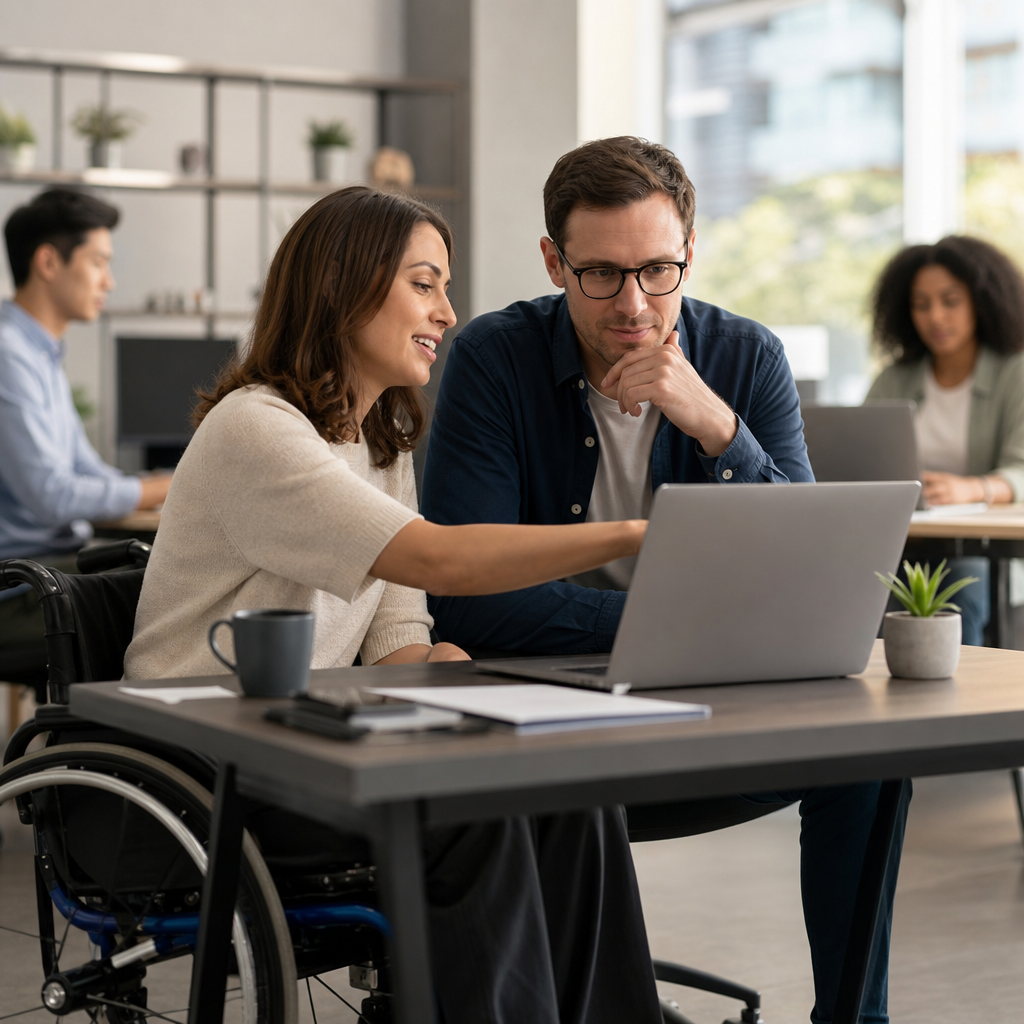
Rehearsals and live testing are worth the time. Walk the route with wheelchair users, test captions from the back row, verify interpreter sightlines, and simulate a busy arrival period. I have seen teams discover during rehearsal that the accessible entrance was locked, the elevator required a staff key no one had, or the hearing loop interfered with nearby AV equipment. These are preventable failures. On event day, assign an accessibility lead with radio contact and decision authority. Access issues rarely fix themselves; they need a named owner, a rapid response process, and documentation for future improvement.
Plan for safety, emergencies, and continuous improvement
Emergency planning must include disabled attendees, staff, and performers from the start. Evacuation routes, refuge areas, visual alarms, public messaging, medical support, and reunification plans should account for mobility, hearing, vision, respiratory, and cognitive needs. Outdoor events should also plan for heat, air quality, and weather shelter, because these factors disproportionately affect many attendees with chronic conditions. Coordinate with venue operations, fire marshals, EMS, and local transit providers so accessible transport and emergency communication are realistic, not theoretical. Safety messaging should be delivered in multiple formats and repeated at reasonable intervals.
Finally, measure what happened. Collect feedback through accessible surveys, monitor complaint patterns, track accommodation fulfillment, and review incident logs with vendors and venue partners. Useful metrics include captioning uptime, accessible restroom wait times, device checkout rates, response times for access requests, and the percentage of event pages passing accessibility checks. This hub page should guide your broader work on Public Spaces & Events, from accessible streetscapes and parks to conferences, civic meetings, festivals, and sports venues. The central lesson is consistent: accessibility works best when built into planning, procurement, design, and operations. Audit your next event early, publish clear access information, and train every team member to remove barriers before attendees encounter them.
Frequently Asked Questions
What does accessibility in public events actually include?
Accessibility in public events covers far more than ramps and reserved seating. It includes the full experience of attending, participating in, and leaving an event safely and independently. That means looking at venue access, entrances, parking, public transportation connections, pathways, restrooms, seating layouts, stage viewing, signage, lighting, sound levels, and emergency procedures. It also includes communication access such as captioning, sign language interpretation, assistive listening systems, readable print materials, plain-language information, accessible websites, and registration forms that work with screen readers and keyboard navigation.
Strong event accessibility also considers operational details that are easy to overlook. Staff and volunteers should know how to assist respectfully, service animals must be accommodated, and event maps should clearly show accessible routes and amenities. Organizers should plan for sensory needs, quiet spaces, flexible seating, and clear announcements. Accessibility benefits people with permanent disabilities, but it also supports older adults, parents with strollers, people recovering from injury, and attendees with temporary limitations. In practice, an accessible event is one where barriers are removed before people arrive, rather than addressed only after someone requests help.
Why is accessibility so important for festivals, conferences, street fairs, and other public gatherings?
Accessibility matters because public events are meant to serve the public. If people cannot enter the venue, hear the program, read the materials, navigate the space, or use basic facilities, they are effectively excluded. That exclusion has real social, civic, and economic consequences. Community events, sports matches, museum nights, farmers markets, performances, and public meetings all shape who feels welcome in shared spaces. When accessibility is built in from the start, attendance broadens, public trust improves, and the event becomes more representative of the community it is intended to bring together.
There is also a practical and legal dimension. In many regions, event organizers have obligations under disability access and anti-discrimination laws. Failing to meet those expectations can create risk, complaints, and reputational harm. More importantly, accessible planning leads to better event quality overall. Clear signage helps everyone. Better route design reduces congestion. Captions improve comprehension in noisy settings. Seating flexibility benefits people of different ages and mobility levels. Accessibility is not a special add-on for a small audience; it is a core standard for creating public events that are usable, safer, and more inclusive for nearly everyone who attends.
How can event organizers make a public event accessible from the planning stage?
The most effective approach is to build accessibility into planning from day one instead of treating it as a last-minute checklist. Start by evaluating the event type, audience, location, and program format. Choose venues with step-free entrances, accessible restrooms, elevators where needed, and routes wide enough for wheelchairs and mobility devices. Confirm transportation options, accessible parking, drop-off areas, and proximity to public transit. Review seating plans, stage access, vendor layouts, queue lines, and emergency exits to make sure people can move through the event safely and without unnecessary obstacles.
Next, focus on communication and attendee information. Registration pages, event websites, digital tickets, maps, and schedules should be accessible on different devices and compatible with assistive technologies. Make accessibility information easy to find before the event, including details on entrances, restrooms, service animal policies, interpretation, captioning, sensory supports, and who to contact with questions. Invite accommodation requests early and provide a clear process for responding to them. It is also wise to involve disabled people, accessibility consultants, or community advocates in planning and walkthroughs. Their input can reveal barriers that standard venue checks miss.
Finally, train the team. Staff, security, ushers, volunteers, vendors, and speakers should understand accessible customer service, respectful communication, and how to respond when someone needs assistance. Test microphones, captioning feeds, assistive listening equipment, and wayfinding signage before doors open. Prepare contingency plans for weather, crowding, evacuation, and technology failures. Accessibility succeeds when it is treated as a core operations issue, with assigned responsibilities, budget, timelines, and accountability, rather than as a vague intention.
What are the most common accessibility mistakes event planners should avoid?
One of the biggest mistakes is assuming minimum compliance equals real accessibility. A venue may technically meet certain standards while still being difficult to use in practice. For example, an accessible entrance may exist but be poorly marked, far from parking, or locked during event hours. Another common problem is overlooking the attendee journey beyond the main room. Registration desks may be too high, pathways may be blocked by temporary equipment, and food or vendor areas may be arranged so tightly that wheelchair users cannot navigate them comfortably.
Communication failures are also common. Organizers often forget to provide accessibility details on promotional materials and event websites, which leaves attendees guessing about whether they can participate. Programs may lack captions or interpreters, printed materials may use tiny fonts and low-contrast design, and announcements may rely only on audio in loud environments. Sensory access is another area frequently missed. Flashing lights, overwhelming noise, long lines, and no quiet retreat space can make an event difficult or impossible for some attendees to tolerate.
A final major mistake is relying on ad hoc solutions. Accessibility should not depend on whether the right staff member happens to be present or whether an attendee asks multiple times for help. If basic accommodations require improvisation, the event is not truly accessible. The better approach is proactive planning, clear procedures, regular testing, and direct input from people with lived experience of disability. That is what turns accessibility from a promise into a functioning part of event delivery.
How should organizers communicate accessibility features to attendees before and during the event?
Clear, specific communication is essential. Before the event, provide a dedicated accessibility section on the website or registration page that explains exactly what attendees can expect. Include details about accessible entrances, parking, transit access, elevator availability, seating options, restrooms, interpretation, captioning, assistive listening devices, dietary accommodations, quiet rooms, service animal policies, and the process for requesting additional support. Avoid vague language such as “accessible venue” without explanation. People need practical information to decide whether they can attend and how to plan their visit.
During the event, communication should remain consistent across formats. Use visible signage, printed maps in readable formats, digital updates, and verbal announcements where appropriate. Staff should know the location of accessible routes and services and be prepared to answer questions confidently. If a program includes interpreters, captioning, or accessible seating, attendees should be told where these features are located and how to use them. If conditions change, such as an entrance closing or a room shifting, updated information must be shared quickly and in more than one format.
The most effective communication is plain, direct, and easy to find. It reduces anxiety for attendees, prevents confusion on site, and shows that accessibility was considered seriously. Just as importantly, it signals welcome. When people can see in advance that their needs have been anticipated, they are more likely to participate fully and confidently in the event.