
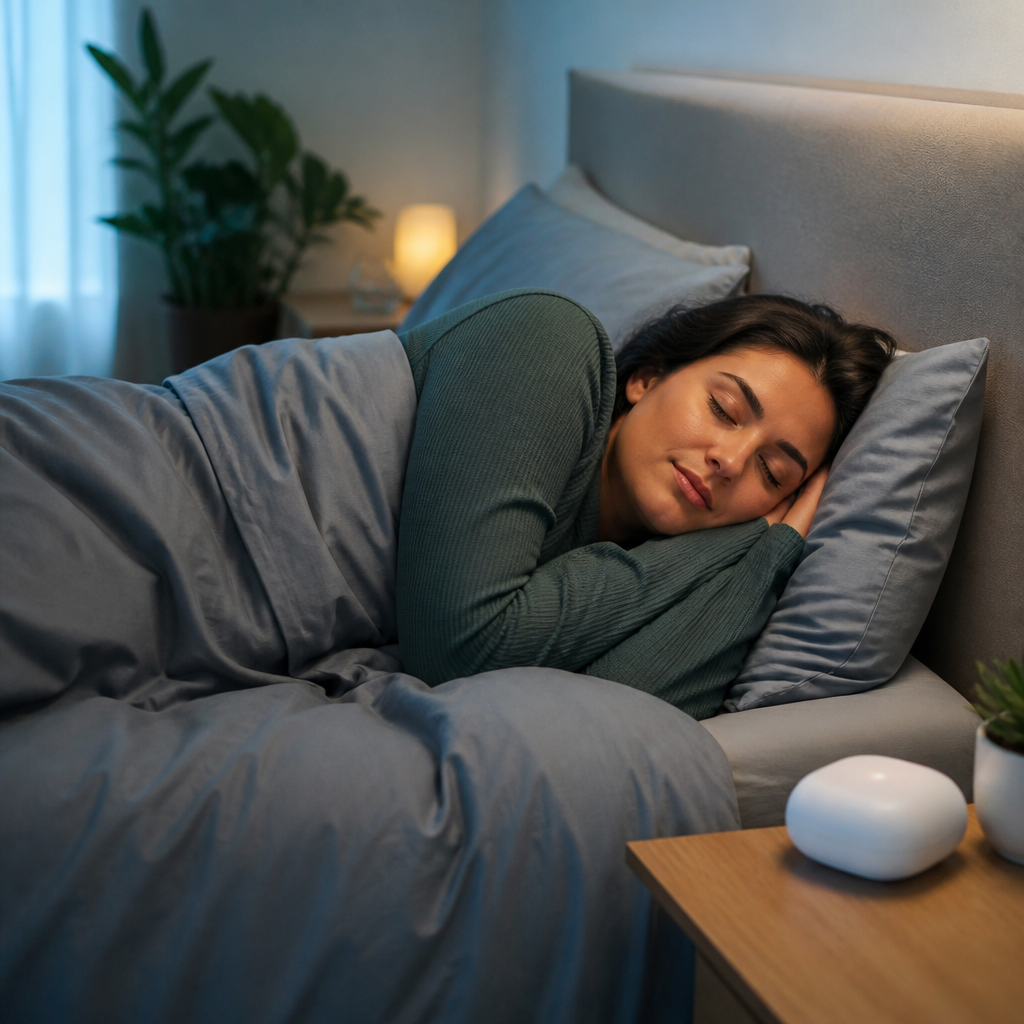
Sleep and wellness shape every part of daily life, yet their importance is often overlooked in conversations about the Deaf community, where communication access, cultural identity, health equity, and practical routines all affect rest and overall wellbeing. In this context, Deaf refers broadly to people who are culturally Deaf, deaf, deafblind, hard of hearing, late-deafened, or who use signed, spoken, tactile, or mixed communication methods, while wellness includes physical health, mental health, emotional resilience, social connection, and sustainable lifestyle habits. I have seen in community health work that sleep problems are rarely caused by one issue alone; they usually reflect a chain of barriers such as inaccessible care, stress from constant accommodation, isolation, shift work, technology fatigue, and environments not designed for visual or tactile alerting. That is why this topic matters so much. Good sleep supports memory, mood regulation, immune function, blood pressure control, learning, work performance, and safer decision making. Poor sleep raises the risk of anxiety, depression, obesity, diabetes, cardiovascular disease, and accidents. For Deaf people, these risks can be intensified when standard health advice ignores communication needs, family dynamics, or the extra cognitive load of navigating hearing-centered systems. A true wellness approach must therefore look beyond bedtime tips and address the conditions that make healthy routines possible.
As a hub topic within health, wellness, and mental health, wellness and lifestyle in the Deaf community covers far more than sleep hygiene. It includes stress management, movement, nutrition, preventive care, social belonging, environmental design, digital habits, and culturally responsive support. Sleep sits at the center because it influences every other habit. People who are sleep deprived are less likely to exercise consistently, prepare balanced meals, manage chronic conditions well, or regulate emotions under pressure. At the same time, people who lack physical activity, mental health support, or reliable routines often sleep worse. The relationship is circular, and that is exactly why this hub matters. A comprehensive view helps families, clinicians, educators, employers, and Deaf individuals understand what actually improves quality of life: accessible information, regular schedules, mental health care in a preferred language, healthy boundaries around screens, opportunities for movement, and living spaces that feel secure. The goal is not perfection. It is creating realistic systems that help Deaf people rest deeply, stay connected, and protect long-term health across school, work, family, and aging.
Why sleep health deserves special attention in the Deaf community
Sleep health deserves special attention because Deaf people often face unique obstacles both before sleep and during the night. Many hearing people rely on sound cues for safety and routine, including smoke alarms, crying babies, weather alerts, medication reminders, doorbells, and morning alarms. Deaf households often depend instead on flashing lights, bed shakers, smart watches, vibrating phones, service animals, or another person. These tools are helpful, but they can also fragment rest if they are poorly calibrated, overly bright, inconsistent, or triggered by nonurgent notifications. I have worked with clients who slept lightly simply because they feared missing an emergency alert. That kind of hypervigilance is exhausting. Sleep quality is not only about hours in bed; it is also about feeling physically safe enough to enter restorative sleep stages.
Communication access also affects sleep indirectly. When medical appointments are inaccessible, people may not get screened for insomnia, obstructive sleep apnea, restless legs syndrome, anxiety, depression, or medication side effects. According to the Centers for Disease Control and Prevention and the American Academy of Sleep Medicine, adults generally need seven or more hours of sleep, but duration alone is not the full measure of health. If someone sleeps eight hours with untreated apnea, severe stress, or repeated awakenings from environmental alerts, they still may wake unrefreshed. Deaf adults can be especially vulnerable when providers assume fatigue is simply part of disability, rather than investigating common sleep disorders. Better outcomes come from direct communication, qualified interpreters when requested, visual education materials, and clinicians who ask specific questions about alerting devices, bedtime stress, and sleeping environments.
Mental health, stress, and the hidden load of constant adaptation
One of the strongest links between sleep and wellness is stress. Many Deaf people spend each day adapting to hearing-centered environments: lipreading in poor lighting, following meetings without captions, requesting interpreters, monitoring missed information, and deciding when to advocate and when to conserve energy. This constant adaptation creates cognitive and emotional load. It is not always dramatic, but it accumulates. By bedtime, the body may be physically tired but mentally alert, making it hard to fall asleep. Chronic stress can elevate cortisol, increase muscle tension, worsen headaches, and contribute to anxious rumination. These patterns are well recognized in behavioral sleep medicine and should be taken seriously in Deaf wellness planning.
Mental health access remains a major factor. Therapy is most effective when it happens in the client’s preferred language and cultural context. For many Deaf signers, that means direct services from signing clinicians or qualified interpreters trained in mental health settings. Without that access, stress, trauma, loneliness, and depression can go untreated, and sleep often suffers first. Social stress matters too. Deaf children in hearing families may experience information gaps at home. Deaf adults in workplaces may experience exclusion or communication fatigue. Older adults may lose social contact after retirement if transportation, technology, or community access is limited. Each of these situations can disrupt sleep through worry, sadness, or irregular routines. Addressing sleep therefore means addressing emotional safety, identity affirmation, and connection, not just mattresses and blackout curtains.
Daily lifestyle habits that strengthen sleep and overall wellness
The most effective wellness strategies are usually the least glamorous: regular routines, daylight exposure, movement, balanced meals, hydration, and limits on late-night stimulation. In practice, these basics make a measurable difference. A consistent wake time helps regulate circadian rhythm, the internal clock that controls sleep and alertness. Morning light exposure, especially within the first hour of waking, reinforces that rhythm. Physical activity improves sleep depth and mood, whether it comes from walking, strength training, adaptive sports, dancing, yoga, or active commuting. Nutrition matters because high caffeine intake, heavy late meals, and alcohol close to bedtime can reduce sleep quality, even if they seem to help someone relax initially.
For Deaf people, building these routines may require extra planning. A night-shift worker who relies on vibrating alerts may need a darker room, clearer household communication, and scheduled quiet hours. A college student attending interpreted classes may need to budget visual attention carefully, taking screen breaks and planning workouts earlier in the day. Parents of deaf children may need bedtime routines that combine visual storytelling, dimmed lighting, and reliable overnight alert systems. Wellness is never one-size-fits-all. The principle is simple: reduce unpredictability and support the body’s rhythm. When people know when they will wake, eat, move, connect, and rest, sleep becomes easier to protect.
| Wellness area | Common barrier | Practical support |
|---|---|---|
| Sleep routine | Irregular schedule or shift work | Fixed wake time, dark room, planned naps under 30 minutes |
| Safety at night | Fear of missing alerts | Tested bed shaker, visual alarms, emergency backup devices |
| Mental health | Communication barriers in care | Signing therapist or qualified interpreter, accessible crisis plan |
| Physical activity | Fatigue and low motivation | Short daily walks, group classes, activity scheduled before evening |
| Digital wellness | Late-night screen stimulation | Notification limits, charging devices outside the bed area |
| Social connection | Isolation or exclusion | Deaf community events, peer groups, regular family check-ins |
Technology, accessibility, and creating a sleep-friendly environment
Technology can either protect sleep or disrupt it. The difference lies in design and discipline. Accessible tools such as vibrating alarm clocks, smart lighting, baby monitors with visual cues, captioned telehealth platforms, and wearable devices can improve independence and peace of mind. At the same time, smartphones, streaming platforms, and social media can extend wakefulness deep into the night, especially when communication and community happen primarily through screens. Blue light exposure before bed can delay melatonin release, and emotionally activating content can keep the brain alert. In my experience, the best approach is not rejecting technology but separating essential accessibility tools from optional stimulation.
A sleep-friendly environment for Deaf households should prioritize both safety and calm. That may include low-glare visual alarms, vibration-based emergency alerts, consistent device charging stations, curtains that block early light, cooler room temperatures, and minimal clutter around the bed. Couples and families benefit from explicit nighttime communication plans: which alerts matter immediately, who responds first, how children should signal a need, and how backup devices are checked. These details reduce uncertainty, which reduces arousal at night. People who use hearing aids or cochlear implants may also need a simple storage and battery routine that supports both device care and bedtime consistency. Accessible design is part of wellness because it lowers effort, supports autonomy, and helps the body relax.
Community, family, and healthcare systems that support long-term wellbeing
Individual habits matter, but lasting wellness depends on systems. Family support, peer connection, school accommodations, workplace accessibility, and responsive healthcare all shape whether healthy routines can continue. Deaf community spaces often provide something mainstream wellness advice misses: cultural ease. In spaces where signing is natural, captions are expected, and communication does not require constant negotiation, stress levels can drop noticeably. That social relief matters for sleep. Belonging improves mental health, and better mental health improves rest. Community programs that combine exercise, health education, mutual support, and accessible communication can therefore have effects far beyond the activity itself.
Healthcare systems also need concrete improvement. Providers should screen Deaf patients for sleep quality, not only sleep duration, and ask about alerting devices, environmental safety, communication stress, medications, and mood symptoms. Standardized tools such as the Epworth Sleepiness Scale, insomnia assessments, depression screening, and sleep apnea evaluations can be used effectively when communication is accessible. For children, clinicians should discuss school fatigue, family routines, and technology use. For older adults, they should assess loneliness, chronic pain, medication burden, and fall risk from nighttime waking. Employers and educators have roles as well: predictable schedules, captioned meetings, flexible breaks, and reasonable accommodations reduce exhaustion. Wellness improves most when responsibility is shared across the environments where Deaf people actually live.
Sleep and wellness in the Deaf community are inseparable from access, culture, safety, and routine. The central lesson is clear: better rest is not achieved by generic advice alone, but by building environments and habits that respect how Deaf people communicate and move through the world. Good sleep improves mood, concentration, immune function, relationships, and resilience. Strong wellness habits, in turn, make sleep more stable. The most effective plan combines consistent schedules, physical activity, healthy digital boundaries, reliable nighttime alert systems, mental health support, and meaningful social connection.
For a wellness and lifestyle hub, this topic provides the foundation for every related conversation, from stress management and nutrition to preventive care, family life, aging, and workplace health. If you want to improve wellbeing in the Deaf community, start with the conditions that make sleep possible and sustainable. Review your routines, assess your environment, ask whether communication access is truly working, and seek care that respects your language and lived experience. Small adjustments made consistently can produce major gains in energy, emotional balance, and long-term health. Use this page as your starting point, then keep building a wellness plan that fits real life.
Frequently Asked Questions
Why is sleep especially important for wellness in the Deaf community?
Sleep is essential for everyone, but it can have added significance in the Deaf community because rest affects communication, emotional balance, physical health, and day-to-day functioning in interconnected ways. Quality sleep supports attention, memory, learning, mood regulation, and immune health. For Deaf, deaf, hard of hearing, deafblind, and late-deafened individuals, these benefits can directly influence how comfortably and effectively a person navigates school, work, healthcare, family life, and community interactions.
For example, many Deaf people rely heavily on visual attention, tactile awareness, or concentrated listening through hearing technology. When someone is sleep deprived, visual tracking, reaction time, patience, and concentration often decline. That can make interpreting signed communication, speechreading, following interpreters, processing tactile cues, or managing hearing aids and cochlear implants more tiring than usual. Poor sleep can also intensify stress, anxiety, irritability, and feelings of burnout, especially when a person is already dealing with communication barriers or limited accessibility in daily environments.
Sleep also plays a major role in broader wellness. It helps regulate blood pressure, metabolism, hormones, and mental health. When sleep problems become chronic, they may contribute to depression, anxiety, cardiovascular issues, weakened immunity, and reduced quality of life. In the Deaf community, where health access and communication equity are not always consistent, sleep should be viewed as a foundational part of wellness rather than an afterthought. Protecting sleep can improve resilience, support clearer communication, and strengthen overall wellbeing.
What common factors can interfere with healthy sleep for Deaf and hard of hearing individuals?
Sleep can be affected by many of the same factors that influence the general population, such as stress, pain, irregular schedules, caffeine use, and mental health concerns. However, Deaf and hard of hearing individuals may also face unique challenges tied to communication access, technology, safety, and daily routines. One major issue is stress from navigating inaccessible environments. Repeated experiences of misunderstanding, exclusion, or difficulty accessing information at work, school, or in healthcare settings can create ongoing mental strain that follows a person into the evening and makes it harder to relax enough for restful sleep.
Technology can also shape sleep in complex ways. Some people remove hearing aids or cochlear implant processors at night, which may improve comfort but also create concerns about not detecting alarms, emergencies, or a child calling for help. Others use vibrating alarms, flashing alert systems, smart devices, or bed shakers, which can be effective but may still cause anxiety if the systems are unreliable or not fully adapted to the home environment. Deafblind individuals may have additional considerations related to tactile alerts, orientation, comfort, or the physical setup of their sleeping space.
Another important factor is exhaustion from sustained communication effort. Listening fatigue, interpreter fatigue, visual fatigue, and the constant need to monitor surroundings can leave a person drained by the end of the day. Even so, being tired does not always lead to good sleep. Sometimes overstimulation, frustration, or delayed decompression can interfere with falling asleep. Mental health also matters greatly. Experiences such as isolation, discrimination, trauma, or limited access to culturally and linguistically appropriate care can contribute to insomnia or disrupted sleep patterns. Recognizing these layered influences is an important step toward creating better sleep support within Deaf-centered wellness conversations.
How can Deaf-friendly sleep routines and bedroom setups support better rest?
A Deaf-friendly sleep routine begins with the same core principles recommended for good sleep hygiene, but it should also reflect communication needs, sensory preferences, and practical safety concerns. Consistency is one of the most effective tools. Going to bed and waking up at similar times each day helps regulate the body’s internal clock. It also helps to create a wind-down period before sleep that reduces mental and sensory overload. This might include dimming lights, limiting stimulating screen use, stretching, taking a warm shower, journaling, meditating, or using calming visual or tactile routines that signal the body it is time to rest.
The sleeping environment should feel safe, comfortable, and accessible. For many Deaf and hard of hearing individuals, that includes reliable alert systems such as vibrating alarm clocks, smartwatch alarms, bed shakers, flashing smoke detectors, or connected emergency alerts. These tools can reduce anxiety about missing important sounds during the night. Bedroom comfort also matters: supportive bedding, a cool temperature, low light, and minimal unnecessary stimulation can all improve sleep quality. For people who experience visual fatigue, reducing late-night light exposure may be especially helpful. For deafblind individuals, thoughtful placement of tactile devices and clear physical organization of the room can improve both comfort and safety.
It can also help to build communication-friendly routines with family members or housemates. Agreeing on nighttime check-in methods, emergency plans, and morning wake-up systems can reduce uncertainty and help everyone sleep more peacefully. If hearing technology is removed at night, keeping devices organized and easily accessible in the morning can make transitions smoother. The best sleep setup is not one-size-fits-all. It should reflect the person’s language preferences, level of hearing or vision, household responsibilities, and personal sense of comfort. When sleep routines are adapted with access in mind, rest becomes more realistic and sustainable.
What is the connection between sleep, mental health, and stress in the Deaf community?
Sleep, mental health, and stress are closely linked, and this connection can be especially important in the Deaf community. Poor sleep can increase irritability, lower frustration tolerance, worsen anxiety, and make it harder to manage emotions. At the same time, stress, depression, anxiety, trauma, and social isolation can make it difficult to fall asleep or stay asleep. This creates a cycle in which sleep problems and emotional strain reinforce each other.
For many Deaf people, stress is not only personal but structural. Communication barriers, inaccessible services, lack of qualified interpreters, pressure to adapt to hearing-centered spaces, and limited access to culturally affirming care can all affect emotional wellbeing. Even highly capable and resilient individuals may experience chronic stress when they must constantly advocate for equal access or remain alert in environments that do not fully include them. That stress can show up at night as racing thoughts, physical tension, delayed sleep onset, or restless sleep.
Mental wellness is broader than the absence of illness. It includes feeling connected, respected, safe, and able to communicate fully. Strong community ties, accessible counseling, supportive relationships, and Deaf-aware healthcare can all improve both emotional wellbeing and sleep quality. If someone notices frequent insomnia, nightmares, daytime exhaustion, or mood changes, it may be worth looking at both sleep habits and mental health support together rather than treating them as separate issues. Addressing stress with practical tools, social support, and accessible professional care can improve rest and strengthen overall wellness in meaningful ways.
When should someone in the Deaf community seek professional help for sleep problems?
Professional help is a good idea when sleep problems are frequent, persistent, or affecting daily life. Warning signs include trouble falling asleep or staying asleep several times a week, loud snoring or breathing pauses, waking up unrefreshed, excessive daytime sleepiness, morning headaches, mood changes, concentration problems, or falling asleep unintentionally during the day. Sleep concerns should also be taken seriously if they occur alongside anxiety, depression, chronic pain, major stress, or significant changes in work, school, or family functioning.
For Deaf and hard of hearing individuals, it is important that care be both clinically appropriate and communication accessible. That may mean requesting a qualified sign language interpreter, real-time captioning, tactile interpretation, assistive listening support, written follow-up instructions, or direct communication in the patient’s preferred language and mode. Patients should not have to choose between accurate communication and quality healthcare. Accessible care helps providers better understand symptoms, routines, and barriers that may be contributing to poor sleep.
A healthcare professional can evaluate whether the issue is related to insomnia, sleep apnea, medication effects, stress, mental health, circadian rhythm disruption, or another underlying condition. In some cases, a person may benefit from sleep studies, counseling, behavioral sleep treatment, changes in medication timing, or environmental adjustments. Seeking help is not overreacting; it is a practical step toward protecting long-term wellness. In the Deaf community, where health disparities can sometimes delay diagnosis or treatment, early support for sleep issues can make a meaningful difference in energy, safety, communication, and quality of life.