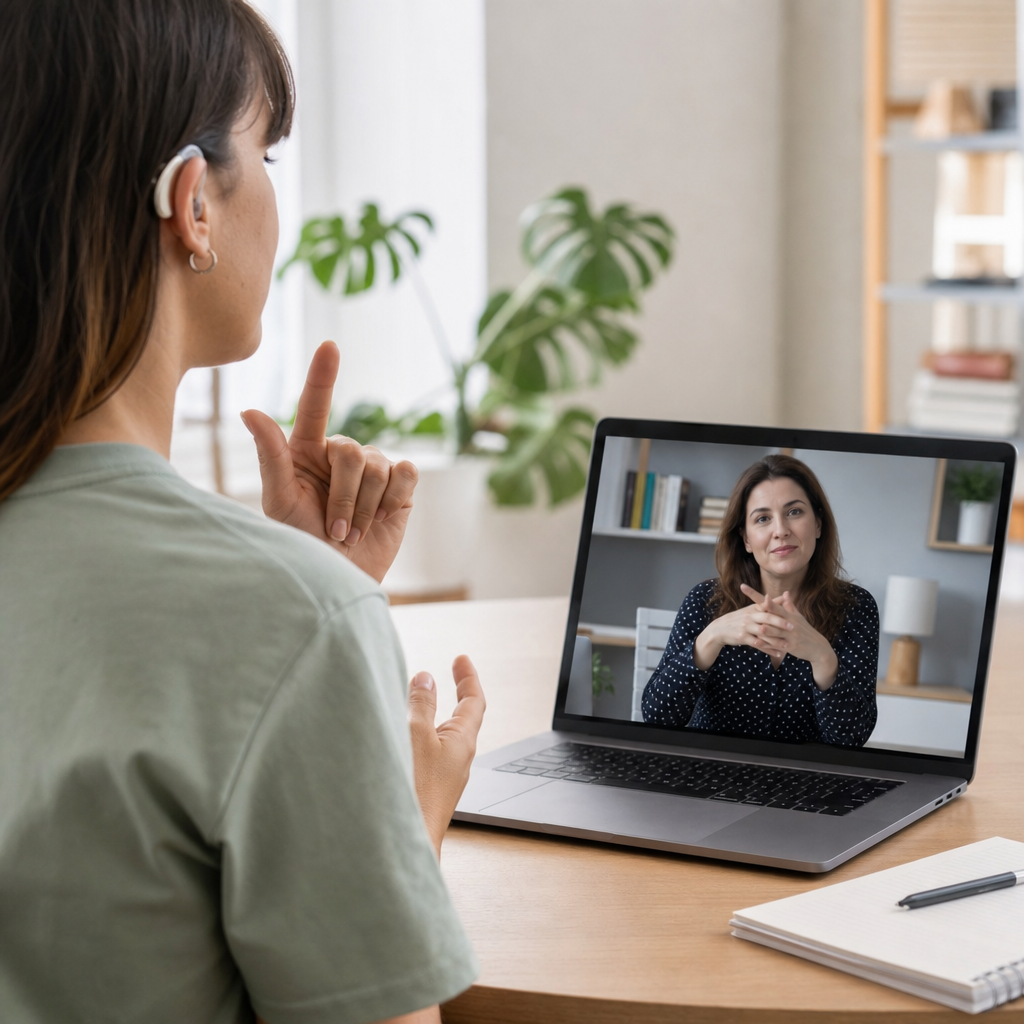

Maintaining a healthy lifestyle as a Deaf individual involves more than diet and exercise; it also means building routines, environments, and support systems that are accessible, sustainable, and respectful of how Deaf people communicate and experience the world. In this article, Deaf refers broadly to people who are culturally Deaf, hard of hearing, late-deafened, or deafblind with adapted support, while healthy lifestyle includes physical activity, nutrition, sleep, preventive care, stress management, social connection, and daily habits that protect long-term health. I have worked with Deaf clients and accessible wellness programs, and the same pattern appears repeatedly: health outcomes improve when information is clear, appointments are communication-accessible, and wellness plans fit real life rather than hearing-centered assumptions. This matters because Deaf people often face avoidable barriers in healthcare, fitness spaces, mental health services, workplace wellness programs, and public health messaging. Research published across public health and audiology literature has linked communication barriers with delayed care, lower health literacy, and higher stress. A healthy lifestyle for Deaf individuals is therefore not simply a personal goal; it is a practical strategy for independence, disease prevention, confidence, and quality of life.
Good wellness starts with a clear foundation. Physical health covers movement, strength, cardiovascular fitness, balanced eating, hydration, sleep, and preventive screening. Mental wellness includes emotional regulation, stress recovery, identity, and access to culturally competent support. Social wellness means maintaining relationships, community belonging, and communication access at work, school, home, and in public spaces. For Deaf individuals, these areas are tightly connected. Missing health information in a waiting room, struggling to follow a fitness instructor, or feeling isolated during group activities can affect motivation and consistency. On the other hand, accessible tools such as sign language interpreters, captioned videos, vibrating alarms, visual timers, text reminders, and Deaf-aware professionals can turn healthy intentions into lasting habits. This hub article explains how to maintain a healthy lifestyle as a Deaf individual by focusing on daily routines, exercise, nutrition, healthcare access, mental health, and community support, while also pointing to the tradeoffs and practical decisions that shape real-world success.
Build a daily wellness routine that works visually
The most effective healthy lifestyle plan is one you can repeat without friction. For many Deaf individuals, a visually organized routine works better than one built around audio prompts or spoken instructions. I usually recommend starting with anchors: wake time, meals, movement, medication if needed, hydration breaks, and bedtime. Use smartphone calendars, smartwatch haptics, vibrating alarm clocks, pill organizers with flashing alerts, and visual habit trackers. If you use American Sign Language or another sign language, save short signed reminders on your phone for recurring tasks. These tools are not cosmetic; they reduce cognitive load and help you maintain consistency when work, family, or appointments change.
Environment design also matters. Place workout clothes where you can see them, keep water bottles in regular sight lines, and prepare simple healthy foods at eye level in the refrigerator. If you live with hearing family members or roommates, agree on visual communication methods for mealtimes, emergencies, and shared schedules. In my experience, Deaf adults who create visible systems are less likely to miss medications, skip breakfast, or stay up too late scrolling on a phone because the routine cues are present even without sound. A healthy lifestyle becomes easier when your home setup supports it every day.
Exercise safely and consistently with accessible instruction
Physical activity protects heart health, bone density, mood, balance, and sleep quality. The standard adult target from the World Health Organization is at least 150 minutes of moderate aerobic activity each week plus muscle-strengthening activities on two or more days. Deaf individuals can meet these benchmarks through walking, cycling, swimming, strength training, dance, yoga, martial arts, adaptive sports, or home workouts. The key is access to instruction and safety information. If an instructor gives rapid verbal cues while facing away from the class, form and timing suffer. In practical terms, that can lead to frustration or injury.
Choose fitness settings that communicate clearly. Good options include trainers who face participants when speaking, classes with captions on screens, workout apps with strong visual demonstrations, and gyms willing to provide written orientations. If you are new to a facility, ask for a visual tour of emergency exits, machine setup, and cleaning rules. For swimming or outdoor cycling, plan extra safety supports because warnings may be auditory. A lap swimmer might use prearranged visual signals with a coach, while a cyclist may rely on mirrors, route planning, and strong situational awareness. Deaf people are not less capable athletes; they simply benefit from safety systems designed for visual communication.
| Wellness area | Common barrier | Practical accessible solution | Real-world example |
|---|---|---|---|
| Exercise | Instructor gives spoken cues only | Captioned classes, front-facing coach, written routines | A Deaf gym member follows a strength circuit posted on a whiteboard |
| Nutrition | Health advice delivered too quickly in appointments | Interpreter, plain-language handouts, follow-up text summary | A dietitian sends a meal plan with visuals after the visit |
| Sleep | Audio alarms and alerts are ineffective | Vibrating alarm, flashing doorbell, visual nighttime routine | A wearable device signals bedtime and morning wake-up |
| Healthcare | Miscommunication during screening or treatment | Qualified interpreter, captions, patient portal messaging | A patient confirms medication instructions through secure messaging |
| Mental health | Therapist lacks Deaf cultural competence | Direct-signing clinician or trained interpreter | A client changes providers and improves session engagement |
Nutrition, meal planning, and weight management
Healthy eating for Deaf individuals follows the same evidence-based principles as for anyone else: emphasize vegetables, fruit, legumes, whole grains, lean proteins, unsaturated fats, and adequate hydration while limiting excess sodium, added sugar, and ultra-processed foods. What changes is the delivery of information and the structure of support. Nutrition advice often fails when it is rushed, jargon-heavy, or only verbal. I have seen clients leave an appointment understanding that they should “eat better” but not knowing how to shop, prep, portion, or read labels. Effective nutrition coaching uses visuals, demonstrations, and concrete examples.
Start with a simple plate method: half non-starchy vegetables, one quarter protein, one quarter high-fiber carbohydrate, with water as the default drink. Batch cooking helps because it reduces decision fatigue. Prepare staples such as grilled chicken, beans, brown rice, chopped vegetables, yogurt, eggs, fruit, and nuts so weekday meals are fast. For weight management, track patterns rather than chasing perfect days. A visual food log, photo-based meal journal, or app with clear graphics can reveal whether late-night snacking, skipped lunches, sugary drinks, or oversized portions are the main issue. Deaf individuals who rely on quick convenience foods because of long commutes or inaccessible cafeteria options often do better with portable prepared meals than with abstract nutrition targets.
Sleep, energy, and recovery
Sleep is often overlooked in wellness plans, yet it affects concentration, appetite regulation, mood, blood pressure, immune function, and exercise recovery. Most adults need seven to nine hours per night. Deaf individuals may face unique sleep disruptions related to device management, visual vigilance, irregular work schedules, or home environments not adapted for nighttime communication and safety. The solution is a deliberate, visual sleep routine. Keep a consistent bedtime, lower screen exposure before sleep, dim lights, reduce caffeine late in the day, and use vibration-based or light-based alerts instead of loud alarms.
If you use hearing technology, discuss comfort and overnight wear guidance with your audiologist. If you are a parent, caregiver, shift worker, or student, build backup systems so you do not stay in a constant state of alert. Flashing smoke alarms, bed shakers, smart lighting, and accessible doorbell alerts improve safety and reduce the background stress that can interfere with rest. When fatigue persists despite enough time in bed, ask a clinician about sleep apnea, insomnia, anemia, thyroid issues, depression, or medication effects. Healthy lifestyle advice is incomplete unless it treats sleep as a core pillar rather than an afterthought.
Preventive healthcare and self-advocacy in medical settings
Routine healthcare is essential to a healthy lifestyle because prevention is easier and less costly than crisis care. That includes annual physicals, dental visits, eye exams, blood pressure checks, vaccinations, sexual health care, cancer screenings, and management of conditions such as diabetes, asthma, or high cholesterol. For Deaf patients, the challenge is often not willingness but access. Under laws such as the Americans with Disabilities Act in the United States, healthcare providers are expected to provide effective communication, which may include qualified sign language interpreters, real-time captioning, or other accommodations depending on the situation. Family members should not be the default interpreters for complex medical conversations.
Before an appointment, request accommodations in writing, confirm them again, and bring a list of questions. During the visit, ask the clinician to face you, avoid talking while typing, and summarize the plan step by step. After the visit, use the patient portal to verify medications, dosage changes, lab follow-up, and referrals. This is one of the most practical habits I recommend because it catches misunderstandings early. If communication access is repeatedly poor, change providers when possible. A healthy lifestyle depends on accurate information. You cannot manage blood sugar, blood pressure, fertility, chronic pain, or medication side effects if the instructions never become fully clear.
Mental health, stress, and emotional resilience
Mental wellness is not separate from physical wellness. Chronic stress can worsen sleep, blood pressure, inflammation, eating habits, concentration, and social withdrawal. Deaf individuals may carry added stress from communication fatigue, discrimination, inaccessible services, employment barriers, or feeling responsible for bridging gaps in every setting. Over time, that can contribute to anxiety, burnout, and depression. In practice, resilience grows when Deaf people have spaces where communication is effortless and identity is respected. That may mean Deaf community events, peer groups, accessible faith communities, sports teams, online forums, or therapy with a signing clinician.
Daily stress management does not need to be complicated. Use movement, sunlight, breathing exercises, journaling, meditation apps with captions, creative hobbies, and time boundaries around draining situations. Notice your personal signs of overload, such as irritability, headaches, insomnia, doom-scrolling, or skipping meals. If trauma, grief, panic, or depression are affecting work or relationships, seek professional support early. Therapy is most effective when communication is direct and culturally informed. A provider can be clinically skilled yet still ineffective if they do not understand Deaf lived experience. The right fit improves trust, accuracy, and progress.
Social connection, community, and healthy independence
Strong relationships are a protective health factor. People with reliable social support generally cope better with stress, maintain healthier routines, and recover more effectively from illness. For Deaf individuals, social wellness often depends on communication inclusion. Isolation can happen even in crowded families, schools, or workplaces if conversations are inaccessible. That is why a healthy lifestyle should include intentional community building. Join Deaf clubs, recreational leagues, advocacy groups, parent networks, or hobby communities where communication flows naturally. If you prefer mixed hearing and Deaf spaces, choose groups that welcome captioning, turn-taking, and visual communication norms.
Independence is also part of wellness. Learn how to schedule appointments online, refill prescriptions through apps, use telehealth platforms with captions or interpreters, read lab results, compare insurance options, and create emergency contact plans. These skills reduce stress and improve continuity of care. The healthiest Deaf adults I have worked with are not necessarily the ones with perfect diets or the most gym time. They are the ones who build accessible systems, know their rights, maintain supportive relationships, and adjust routines before small problems become larger ones.
Maintaining a healthy lifestyle as a Deaf individual is both straightforward and deeply personal: follow the core principles of movement, nutritious eating, sleep, preventive care, stress management, and social connection, then adapt each one so it works through clear visual communication and accessible support. The main lesson is that barriers are not personal failures. If a workout class is impossible to follow, a doctor does not provide effective communication, or health information arrives in formats you cannot use, the solution is to change the system, the tool, or the provider. Consistent wellness comes from accessible routines, not from trying harder inside inaccessible environments.
Use this hub as your starting point for Wellness and Lifestyle. Review your current habits, identify one barrier in exercise, food, sleep, healthcare, or stress, and fix that barrier first with a practical accommodation or routine change. Small adjustments such as a vibrating alarm, a captioned workout program, a written meal plan, or a better-prepared medical appointment can create lasting gains in energy, confidence, and health. Start with one change this week, track it visually, and build from there.
Frequently Asked Questions
What does a healthy lifestyle look like for a Deaf individual?
A healthy lifestyle for a Deaf individual includes the same core foundations that support well-being for anyone: balanced nutrition, regular physical activity, consistent sleep, preventive healthcare, stress management, and strong social connection. What makes it different is the need for these habits to be accessible and realistic within Deaf people’s daily experiences. That means choosing environments, tools, and routines that work well with visual communication, hearing technology if used, tactile supports when needed, and personal communication preferences such as sign language, speechreading, captioning, or assistive devices.
For example, exercise is more sustainable when instructions are accessible, whether through a signing instructor, visual demonstrations, captioned videos, or a workout partner who understands how to communicate clearly. Nutrition becomes easier to manage when health information is available in plain language, sign-supported education, or visually organized meal planning tools. Sleep hygiene may also require practical adjustments, such as bed shakers, vibrating alarms, smart lighting, or other alerting systems that make waking and nighttime safety more reliable.
A healthy lifestyle also includes emotional safety and self-advocacy. Many Deaf people face communication barriers in healthcare, fitness settings, workplaces, and community programs, and those barriers can increase stress over time. Building a healthy life therefore means reducing avoidable obstacles, asking for accommodations, and surrounding yourself with people and services that respect Deaf identity and communication needs. In other words, health is not only about individual choices; it is also about access, inclusion, and daily routines that support independence and well-being.
How can Deaf individuals stay physically active when classes, coaches, or fitness programs are not fully accessible?
Staying physically active is absolutely possible, even when mainstream fitness environments are not designed with Deaf access in mind. The key is to choose activities and settings that rely heavily on visual structure, predictable movement, and clear instruction. Walking, running, cycling in safe areas, swimming with proper safety planning, strength training, yoga, dance, and home-based exercise can all be excellent options. Many Deaf individuals also do well with visually guided workouts, including captioned online videos, fitness apps with strong visual cues, and routines built around demonstration rather than spoken instruction.
In group settings, communication access can make a major difference. Before joining a gym, class, or sports program, it helps to ask specific questions: Are instructors comfortable facing participants while speaking? Are classes captioned if video is used? Is there space for an interpreter if needed? Can demonstrations be provided before a movement sequence begins? Can instructions also be shared in writing through a phone, whiteboard, or app? Small adjustments like better lighting, reducing backlighting, standing where the instructor is visible, and receiving key instructions before class starts can greatly improve participation and safety.
Safety should always be part of the plan. Deaf and hard of hearing individuals may not hear verbal warnings, whistles, traffic, approaching cyclists, or emergency announcements, so it is wise to build visual and situational awareness into exercise routines. This may mean choosing lower-traffic routes, exercising with a partner, using mirrors in a gym, positioning yourself so you can see instructors and others around you, or using wearable technology that gives vibration alerts. For deafblind individuals with adapted support, physical activity may be best structured with orientation planning, guided fitness, tactile communication, or specialized community programs.
Perhaps most importantly, consistency matters more than perfection. A realistic movement routine done several times per week is more beneficial than an ideal plan that is impossible to sustain. Accessible exercise is good exercise. The goal is to find forms of movement that feel enjoyable, safe, and practical within your communication world.
What are the best ways for Deaf individuals to manage nutrition and make informed food choices?
Healthy eating starts with clear, usable information. For many Deaf individuals, nutrition advice can be harder to access when it is delivered through spoken presentations, phone-based coaching, or complex written materials that are not designed for varied language backgrounds. The most effective approach is to seek nutrition information in formats that match your communication strengths, such as visual guides, captioned videos, sign language content, easy-to-read handouts, pictorial meal plans, or direct communication with a qualified professional who respects Deaf communication needs.
In practical terms, a balanced eating pattern usually includes fruits, vegetables, whole grains, lean proteins, healthy fats, and enough water throughout the day. Building simple routines can help more than chasing perfect diets. Examples include planning meals in advance, keeping healthy snacks available, preparing lunches ahead of time, reading food labels visually and carefully, and creating a grocery list based on consistent staples. For those who want structure, using color-coded containers, visual meal boards, or step-by-step cooking videos can make meal preparation easier and less stressful.
Access to healthcare and nutrition counseling also matters. If you meet with a dietitian or doctor, it is reasonable to request accommodations such as an interpreter, captioning, written summaries, extra time, or follow-up instructions in accessible language. This is especially important when managing conditions like diabetes, high blood pressure, food allergies, gastrointestinal issues, or weight-related concerns, because misunderstanding medical nutrition advice can affect long-term health.
It is also helpful to recognize that food is connected to culture, family, budget, energy levels, and mental health. Healthy eating does not have to mean strict rules or giving up meaningful foods. Instead, aim for a pattern that is nourishing, affordable, and sustainable. Small changes repeated over time, such as cooking at home more often, reducing sugary drinks, increasing vegetables, or eating regular meals instead of skipping them, often have a greater impact than extreme changes that do not fit daily life.
How can Deaf individuals protect their mental health and manage stress effectively?
Mental health is a vital part of a healthy lifestyle, and for Deaf individuals, stress can be shaped not only by work, family, finances, or health concerns, but also by communication fatigue, social exclusion, inaccessible services, and the pressure of constantly adapting to hearing-centered environments. Over time, these experiences can contribute to anxiety, burnout, loneliness, frustration, or depression. Protecting mental health therefore involves both personal coping skills and reducing unnecessary barriers wherever possible.
Useful stress-management strategies often include routines that calm the body and mind, such as regular exercise, enough sleep, planned rest, mindfulness, journaling, spiritual practices, time in nature, creative hobbies, or breaks from overstimulating environments. For Deaf people, visual or tactile relaxation tools may be especially effective, including guided meditation with captions or sign language, breathing apps with visual pacing, and quiet spaces where communication effort is reduced. Managing stress also means knowing your own limits and recognizing signs that you are overwhelmed, such as irritability, exhaustion, changes in appetite, trouble concentrating, or withdrawal from others.
Social support is equally important. Staying connected to Deaf community spaces, trusted friends, family members, peer groups, or advocacy networks can reduce isolation and strengthen resilience. Many people benefit from talking with others who understand Deaf life directly, because shared experience can make stress feel more manageable and less invisible. If professional mental health support is needed, look for counselors or therapists who are fluent in sign language or who are willing to work with qualified interpreters and culturally respectful communication practices. Effective therapy depends heavily on accurate communication, so access should never be treated as optional.
If stress becomes severe or you notice persistent sadness, panic, hopelessness, trauma symptoms, or thoughts of self-harm, seeking immediate professional help is essential. Mental health care should be accessible, respectful, and responsive. Taking mental health seriously is not separate from healthy living; it is one of its most important parts.
How can Deaf individuals make preventive healthcare, sleep, and daily routines more accessible and sustainable?
Preventive healthcare, sleep, and daily routines form the backbone of long-term health, and accessibility in these areas can make everyday life far more manageable. For healthcare, preventive habits include annual checkups, dental care, eye care, vaccinations, screenings, medication reviews, and follow-up for chronic conditions. Deaf individuals should not have to rely on guesswork during medical visits. Requesting communication access in advance, such as sign language interpreters, real-time captioning, written instructions, patient portals, text reminders, or accessible telehealth options, helps ensure that care is accurate and less stressful. It is also smart to prepare questions ahead of time and ask for summaries of diagnoses, medications, and next steps in a format you can easily review later.
Sleep is another area where simple adaptations can make a big difference. Healthy sleep habits usually include keeping a regular bedtime and wake time, limiting caffeine late in the day, reducing screen exposure before bed, and creating a comfortable sleep environment. For Deaf and hard of hearing individuals, accessible alerting technology is often essential. Vibrating alarms, bed shakers, flashing lights, smart watches, and connected home devices can support both waking and nighttime safety. A bedroom that feels secure and functional can reduce stress and make rest more consistent.
Daily routines are most sustainable when they are visible, structured, and adapted to real life. Many Deaf people benefit from calendars, reminder apps, visual schedules, pill organizers, checklists, and meal or exercise tracking tools that reduce cognitive load. For deafblind individuals, tactile labeling, adapted technology, orientation systems, and trusted support can be built into the routine in ways that preserve independence as much