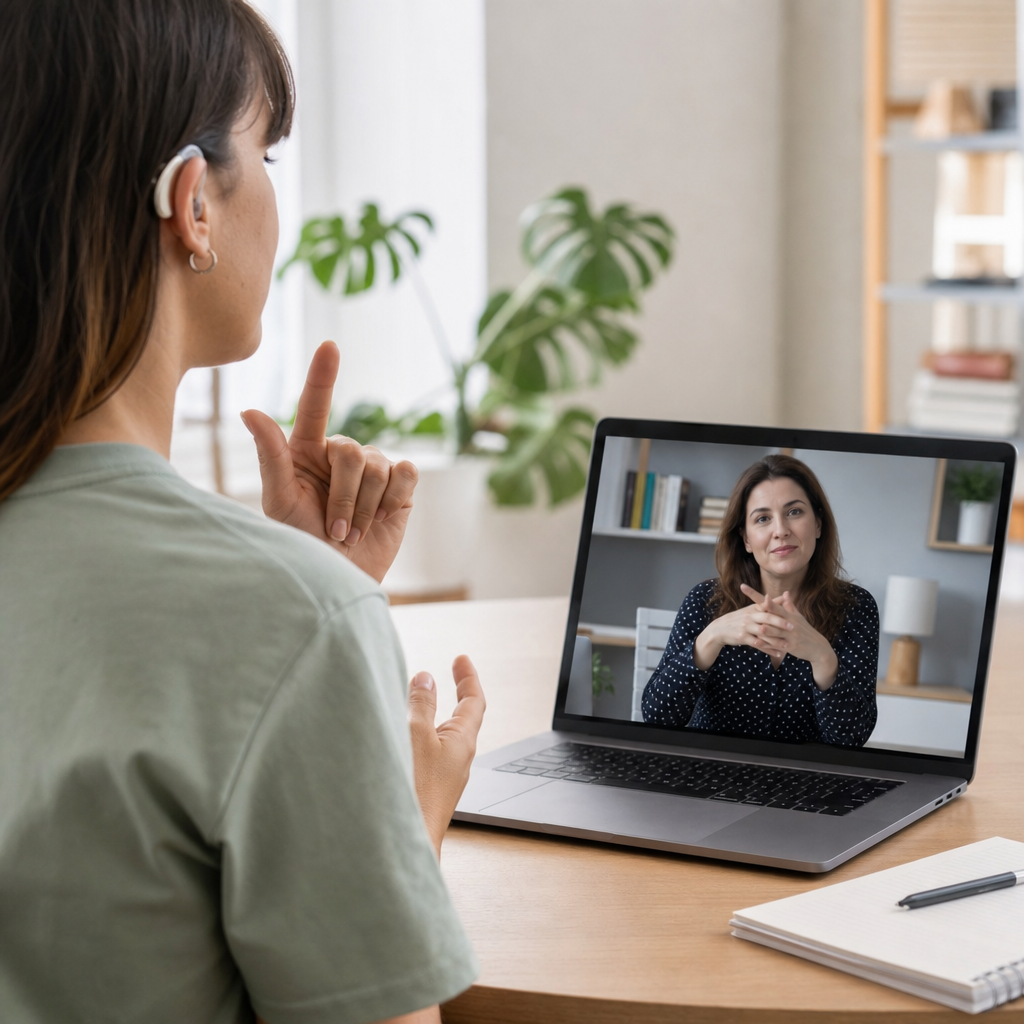

Modern life is built around sound, and that reality can quietly exhaust people who struggle to hear, process, or tolerate the constant noise around them. In a hearing-centered world, daily routines often assume that everyone can follow rapid speech, catch announcements, take phone calls without captions, and stay calm in crowded, echoing spaces. That assumption creates stress. It can affect people with hearing loss, auditory processing difficulties, tinnitus, sound sensitivity, sensory overload, and even fully hearing people who are worn down by nonstop alerts, background chatter, and acoustic clutter.
When I work with clients on wellness and lifestyle planning, I treat sound as both a physical input and a mental health factor. Stress in this context is not simply feeling annoyed by noise. It is the body’s response to repeated strain: trying to decode speech, compensate for missed information, monitor the environment for cues, and recover from fatigue without enough support. A hearing-centered world rewards quick auditory response, so people often hide the effort it takes to keep up. That hidden effort matters because it drains attention, raises anxiety, and can increase isolation over time.
Reducing stress starts with understanding the problem clearly. Hearing-centered spaces prioritize spoken communication over visual access, quiet over clarity, and speed over comprehension. Wellness and lifestyle strategies therefore need to go beyond basic self-care. They should address communication habits, home design, work routines, technology, relationships, movement, sleep, and emotional regulation. The goal is not to eliminate sound or avoid people. The goal is to lower cognitive load, improve predictability, and create environments where communication does not feel like a constant test.
This hub article explains how to reduce stress in a hearing-centered world by focusing on practical changes that improve daily life. It covers what drives listening fatigue, how to design a calmer personal environment, which tools help most, and how to build supportive routines with family, work, and community. Whether you live with hearing loss, support someone who does, or simply want a healthier relationship with noise, these strategies can make everyday life more manageable and more sustainable.
Why Hearing-Centered Living Creates Stress
A hearing-centered world creates stress because it turns ordinary tasks into high-effort tasks. Restaurants with hard surfaces reflect sound, open offices mix voices with HVAC noise, public transit relies on muffled announcements, and medical visits often move quickly with masked or partially obscured speech. In each case, the listener has to fill gaps. That process uses working memory, visual attention, and prediction. Audiologists often call this listening effort, and it is a real source of fatigue.
Research consistently shows that noise affects stress hormones, concentration, mood, and sleep quality. The World Health Organization has highlighted environmental noise as a public health issue, especially in urban settings. For someone with hearing loss or tinnitus, the impact is often greater because the brain works harder to separate speech from noise. By late afternoon, many people feel depleted but cannot always explain why. They may describe irritability, headaches, social withdrawal, or a strong need for silence. Those are not personal failings. They are common signs of overload.
Social stress also plays a major role. Missing a joke, answering incorrectly, or asking for repetition several times can create embarrassment. Over time, some people avoid group dinners, networking events, classes, worship services, or family gatherings because they expect frustration. That avoidance may reduce immediate stress, but it can also shrink social connection. A better approach is to identify where stress comes from and reduce the barriers systematically.
Build a Low-Stress Sound Environment at Home
Home should be the easiest place to hear, recover, and regulate your nervous system. In practice, many homes are acoustically harsh. Tile, glass, bare walls, and high ceilings create reverberation that blurs speech. Small changes can help substantially. Add rugs, curtains, upholstered furniture, and wall hangings to absorb reflected sound. Use weather stripping around doors if outside noise leaks in. Choose a quieter dishwasher, fan, or air purifier when replacing appliances, and check decibel ratings instead of assuming newer means quieter.
Layout matters as much as materials. In shared rooms, place seating so faces are visible in natural light. Avoid having the main speaker sit with a bright window behind them, because backlighting makes lip reading and facial cues harder. If television is important in your household, enable captions by default and consider a soundbar with speech enhancement. Many newer systems from Sonos, Bose, and Roku-compatible devices improve dialogue clarity better than simply increasing volume.
Recovery space is equally important. I often recommend one area of the home that functions as a sensory reset zone. It does not have to be large. A comfortable chair, softer lighting, controlled noise, and predictable routines are enough. This is where you decompress after difficult listening tasks such as meetings, errands, or social events. Think of it as preventive care, not retreat. Scheduled quiet can reduce stress before it becomes shutdown, irritability, or conflict.
Create Healthier Communication Habits
Good communication lowers stress faster than almost any device. The most effective habit is directness. Tell people what helps: face me when you speak, say my name first, reduce background noise, and rephrase instead of repeating the same unclear sentence. Most friends and coworkers respond well when the request is specific and simple. Vague statements such as “I can’t hear well here” are less useful than “Let’s move away from the speaker so I can follow you.”
Conversation pacing also matters. Fast turn-taking is exhausting because it leaves little time to process what was said. In families, couples, and teams, better communication often comes from one-person-at-a-time speaking, shorter bursts of information, and written follow-up for details such as times, addresses, or instructions. In healthcare and workplace settings, ask for key points in writing. That single step prevents misunderstandings and reduces the pressure to remember everything in real time.
Group settings need intentional structure. At dinner, choose a seat with the best line of sight to the most important speakers. In meetings, ask for an agenda beforehand and notes afterward. Video calls should use live captions whenever possible; Zoom, Google Meet, and Microsoft Teams all support them. People sometimes think these tools are only for severe hearing loss. In reality, captions improve comprehension for many users, especially when accents, poor microphones, or technical topics are involved.
Use Tools That Reduce Listening Effort
Technology works best when it reduces cognitive load rather than adding one more system to manage. Hearing aids are the most obvious example, but they are not a complete solution. Well-fitted devices based on a current audiogram can improve access to speech, yet noisy spaces remain difficult. That is why accessories and environmental supports matter. Remote microphones, TV streamers, Bluetooth connectivity, and captioning apps often produce bigger lifestyle gains than volume alone.
Several tools are especially useful for everyday stress reduction. Live Transcribe, Otter, Ava, and built-in smartphone caption features can support conversations, appointments, and lectures. For alarms and safety, visual doorbells, vibrating alerts, smartwatches, and bed shakers reduce the stress of missing important signals. If phone calls are draining, ask whether a business offers text, email, patient portals, or chat support. Many do, but they will not volunteer that option unless you ask.
Choose tools based on context, not marketing. A person who struggles most in restaurants may benefit more from a directional remote microphone than from a premium hearing aid upgrade. Someone with tinnitus may need sound therapy, counseling, or sleep support in addition to amplification. A student may get the biggest benefit from captions, seating changes, and professor notes. Stress drops when the solution matches the real friction point.
| Challenge | Most Useful Support | Why It Helps |
|---|---|---|
| Following speech in noise | Remote microphone or live captions | Improves signal clarity and reduces guesswork |
| Missing home alerts | Visual or vibrating notifications | Reduces background monitoring and safety anxiety |
| Phone fatigue | Text, email, portal messaging, relay options | Lowers pressure for instant auditory processing |
| Tinnitus-related stress | Sound therapy, CBT-informed care, sleep routine | Targets distress, not just the sound itself |
Protect Energy at Work, School, and in Public
Stress management is easier when you stop treating every environment as equally workable. Some are not. Open offices, busy classrooms, airports, and fitness studios can be acoustically hostile. Plan around that fact. At work, request meeting rooms with doors, carpeting, or acoustic panels for important conversations. Sit where you can see faces clearly. Turn off unnecessary notification sounds. Use shared documents during meetings so spoken information is reinforced visually. These adjustments benefit entire teams, not just one employee.
Formal accommodations are often appropriate. In the United States, the Americans with Disabilities Act may support captioning, assistive listening systems, modified communication methods, or flexible participation formats. In education, accommodations can include note-taking support, captioned media, preferential seating, and lecture transcripts. The key is to frame requests around job or learning function: “I need accurate access to spoken information to perform this task,” not “I would prefer a quieter room.”
Public spaces require advance strategy. Choose restaurants during off-peak hours, ask for booths over central tables, and avoid sitting near kitchens or speakers. For travel, use airline apps, gate alerts, and written confirmations so you do not rely on announcements alone. In gyms or classes, stand where the instructor is visible and request demonstrations when audio is poor. Reducing stress is often less about toughness and more about preparation.
Support Mental Health, Sleep, and Relationships
Stress from hearing challenges is never only about hearing. It touches identity, confidence, rest, and connection. People may grieve lost ease in conversation or feel misunderstood when others dismiss their fatigue. That emotional layer deserves direct care. Therapy can help, especially approaches that build coping skills for anxiety, avoidance, and self-advocacy. Cognitive behavioral therapy has strong evidence for stress and can be useful for tinnitus distress as well. Support groups, whether local or online, also reduce the feeling of being the only one dealing with these issues.
Sleep deserves special attention because poor sleep amplifies sound sensitivity, emotional reactivity, and concentration problems the next day. Protect sleep with consistent timing, reduced evening screen exposure, and a sound plan that fits your needs. For some people, white noise or nature sounds are soothing. For others, especially those with hyperacusis, lower and steadier sound is better than aggressive masking. If snoring or sleep apnea is a concern, get evaluated; untreated sleep disorders worsen fatigue and stress dramatically.
Relationships improve when partners and family members understand that listening fatigue is real. Explain what happens after a long day: you may need quiet before talking, captions during movies, or a smaller social plan instead of a loud event. Frame these needs as access needs, not preferences. When households build routines around clear communication and recovery time, conflict decreases and connection becomes easier to maintain.
Build a Sustainable Wellness and Lifestyle Plan
The best stress reduction plan is repeatable. Start by tracking your highest-stress listening situations for one week. Note where they happen, how long they last, what symptoms follow, and what helps. Patterns appear quickly. You may find that thirty minutes in a noisy café drains you more than two hours in a quiet office, or that back-to-back video meetings are manageable only with captions and breaks. Use that information to redesign your routine.
Your lifestyle plan should include three layers: prevention, support during strain, and recovery. Prevention means choosing quieter venues, planning visual access, maintaining hearing devices, and setting expectations before events. Support during strain means using captions, taking strategic breaks, moving locations, and asking for written follow-up. Recovery means protecting downtime, hydrating, stretching, reducing overall stimulation, and not scheduling every evening with high-demand social activity. This is basic wellness applied correctly to a hearing-centered world.
Review your system regularly. Hearing needs change, technology improves, workplaces shift, and stress triggers are not static. Annual hearing checks, device adjustments, and honest conversations with family or supervisors keep small problems from becoming chronic stress patterns. The main benefit of this approach is not perfection. It is steadier energy, clearer communication, and more confidence in daily life. Start with one room, one routine, and one request for better access today.
Frequently Asked Questions
Why does living in a hearing-centered world cause so much stress?
A hearing-centered world constantly asks people to decode, filter, and respond to sound, often without offering useful alternatives. That can be mentally draining for anyone with hearing loss, auditory processing challenges, tinnitus, hyperacusis, sensory sensitivity, or a lower tolerance for noisy environments. Everyday situations such as busy restaurants, workplace meetings, public transit announcements, classroom discussions, and phone calls may require extra concentration just to keep up. Instead of casually taking in information, a person may be working hard to fill in missed words, read facial expressions, monitor background noise, and guess what was said. That level of effort adds up quickly.
Stress also grows when communication barriers are invisible to others. Many people assume that if someone looks fine, they must be hearing and processing everything normally. That misunderstanding can lead to repeated corrections, social pressure, embarrassment, fatigue, and a sense of being left out. Over time, the body can stay in a heightened state of alertness, especially in loud or unpredictable environments. Recognizing that this stress is real, valid, and often cumulative is an important first step. Reducing that stress begins with lowering listening effort, building supportive routines, and making communication more accessible rather than forcing yourself to constantly adapt to systems that were not designed with your needs in mind.
What are the most effective ways to reduce daily stress from noise and listening fatigue?
The most effective strategies usually combine preparation, environmental changes, and recovery time. Start by identifying the situations that consistently drain you. For some people, that may be group conversations, open offices, traffic noise, retail stores, or long video calls. Once you know your common triggers, you can reduce the strain before it builds. Practical steps include choosing quieter times of day to run errands, sitting in low-noise areas of restaurants, requesting written follow-up after meetings, using captioned calls and media, and limiting unnecessary exposure to chaotic sound when possible.
Managing listening fatigue also means treating it as a real form of energy use. If you spend the morning in meetings or in a noisy classroom, plan a short quiet break afterward rather than pushing through nonstop stimulation. Noise-reducing tools can help, including earplugs designed for comfort, noise-canceling headphones for travel or focus time, white noise for sleep, and assistive listening technology where appropriate. It is also helpful to pace social and work demands, especially if you know certain settings require intense concentration. Small habits matter: taking a five-minute pause in a quiet room, stepping outside after sensory overload, lowering notification sounds, and building predictable routines can all reduce your stress load. The goal is not to avoid life, but to lower the constant effort your brain has to expend just to function in sound-heavy spaces.
How can I communicate my needs without feeling difficult or burdensome?
Clear communication is one of the best stress-reduction tools available. Many people stay silent about their needs because they do not want to inconvenience others, but that often creates more frustration in the long run. When people do not understand what helps, they may keep repeating habits that make communication harder, such as speaking from another room, covering their mouth, talking too fast, or relying only on verbal instructions. Simple, direct requests usually work better than apologizing or overexplaining. For example, you might say, “I do best when there’s less background noise,” “Please face me when you speak,” “Can you send that in writing too?” or “Captions help me follow along.”
It can also help to frame your needs as practical adjustments, not special treatment. In many settings, accessible communication improves understanding for everyone, not just one person. Written agendas, captions, quieter meeting spaces, turn-taking in group discussions, and visual information all make conversations more effective. If you feel anxious about speaking up, prepare a few standard phrases in advance so you do not have to think of them in the moment. The more routinely you advocate for your needs, the more natural it becomes. Protecting your energy and reducing avoidable stress is not being demanding; it is a healthy response to environments that often overlook different hearing and processing needs.
Can technology really help lower stress for people dealing with hearing or sound-related challenges?
Yes, the right technology can significantly reduce stress because it lowers listening effort and improves access to information. The best tools depend on the person and the situation. Captions are among the most useful options for many people, whether for phone calls, video meetings, streaming content, public presentations, or live events. Seeing words on screen can reduce the mental burden of trying to catch every spoken detail. Hearing aids, cochlear implants, remote microphones, Bluetooth streaming, and assistive listening systems can also make speech clearer in certain environments, particularly when distance or background noise is a problem.
Technology can help with sound tolerance and sensory regulation too. Noise-canceling headphones may make commuting, office work, or travel less overwhelming. Sound filters, customized earplugs, and audio settings that reduce harsh frequencies may be useful for those with sound sensitivity. Apps for transcription, speech-to-text, reminders, and communication support can also make daily tasks easier. That said, technology is not a complete solution. Even excellent tools have limits in loud, echoing, or fast-moving environments. Stress usually decreases the most when technology is paired with smart accommodations, self-awareness, and realistic expectations. The goal is not perfect hearing or perfect comfort in every setting, but fewer barriers, less strain, and more control over how you engage with the world around you.
When should stress related to hearing, tinnitus, or sensory overload be taken more seriously?
Stress should be taken seriously when it begins to affect your health, relationships, work, sleep, or willingness to participate in daily life. If you regularly avoid social events, feel exhausted after routine conversations, struggle to concentrate because of tinnitus or background noise, dread phone calls, or become irritable and overwhelmed in common environments, those are important signs. Chronic stress can gradually narrow your world. It may lead to isolation, anxiety, poor sleep, burnout, and a loss of confidence. That is especially true when hearing-related challenges are dismissed or misunderstood for long periods of time.
It is wise to seek professional support if symptoms are worsening, if your hearing seems to be changing, or if sound triggers intense emotional or physical reactions. Depending on the issue, support may come from an audiologist, ENT specialist, hearing instrument specialist, occupational therapist, mental health professional, or another provider familiar with sensory and communication stress. A proper evaluation can help identify whether you are dealing with hearing loss, auditory processing difficulties, tinnitus, hyperacusis, misophonia, or broader sensory overload. Once you understand the source of the stress more clearly, solutions become easier to target. Getting help early can improve communication, preserve energy, and prevent the cycle of stress from becoming more disruptive over time.