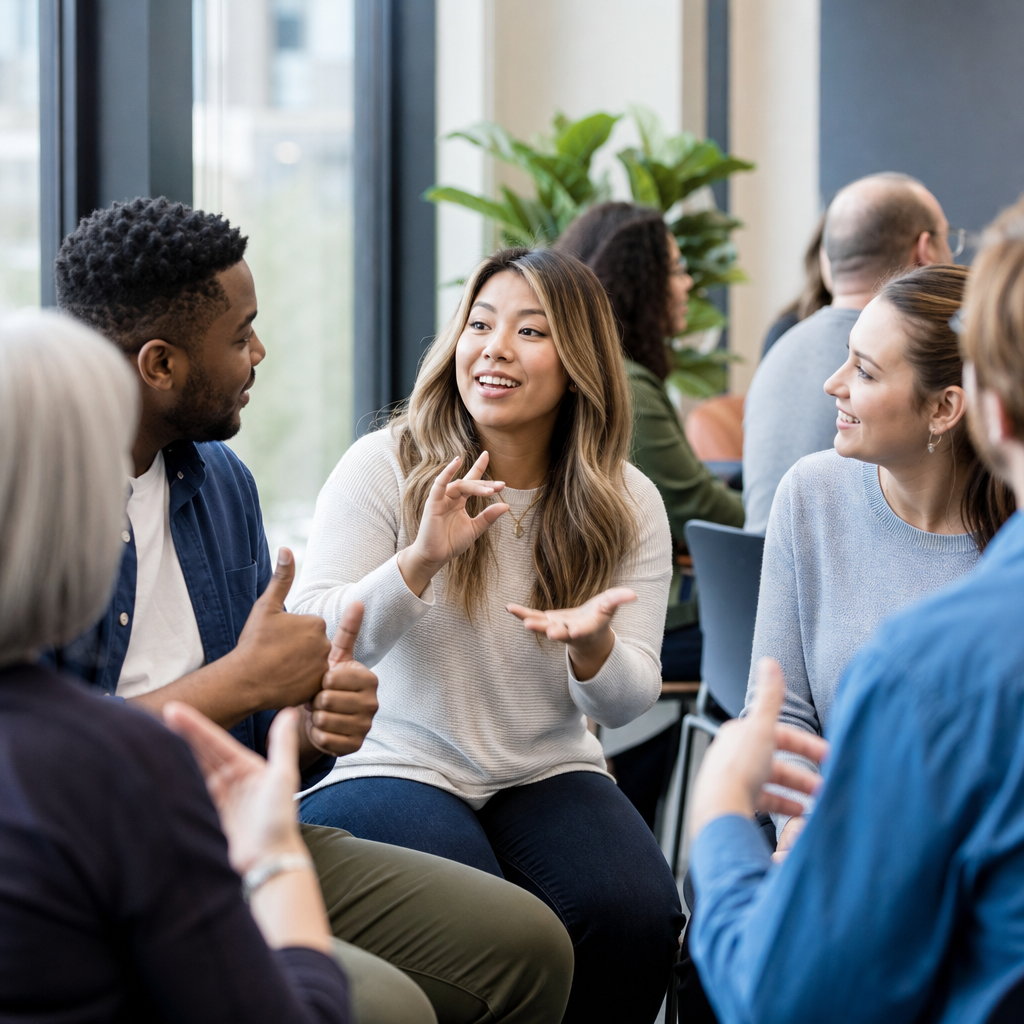
Finding deaf meetups near you starts with knowing where Deaf community life actually happens: local advocacy groups, sign language classes, cultural events, schools for the deaf, social media, and accessible event platforms. A deaf meetup is any organized gathering where Deaf, hard of hearing, late-deafened, signing, or allied people connect around conversation, culture, learning, networking, or shared interests. Some meetups are fully in sign language, some are voice-off social spaces, and others are mixed-access events with interpreters, captions, or assistive listening support. This matters because community is not an extra. It is often the difference between isolation and belonging, especially for people who are newly deaf, parents of deaf children, students learning sign language, or adults who moved to a new city and need real social ties.
In practice, I have seen the strongest community engagement grow from small, repeatable gatherings rather than one-off large events. A monthly Deaf coffee chat at a library can become a gateway to mentoring, job leads, advocacy training, and friendships. A silent dinner at a food hall can help hearing learners understand turn-taking and visual attention norms while giving fluent signers a low-pressure social setting. A film screening with open captions can introduce local artists, interpreters, service providers, and nonprofit leaders in one room. If you are searching for deaf meetups near you, you are usually looking for more than an event listing. You are looking for access, comfort, consistency, and people who understand your communication preferences without making you explain them every time.
This hub article covers the full landscape of events and community engagement, from where to search and how to evaluate accessibility to what kinds of gatherings exist and how to become part of the local network. It also serves as a launch point for deeper articles on Deaf social events, advocacy groups, sign language practice spaces, family resources, and inclusive volunteering. Whether you identify as culturally Deaf, hard of hearing, oral deaf, deafblind, hearing, or somewhere in between, the goal is the same: find community spaces that are welcoming, reliable, and worth returning to.
Start with the organizations that already convene the Deaf community
The fastest way to find deaf meetups near you is to identify the institutions and organizers that already bring people together. In most regions, that begins with state or city associations for the deaf, Deaf centers, independent living centers, vocational rehabilitation agencies, schools for the deaf, interpreter referral agencies, university ASL programs, and local chapters of national organizations. Many communities also have Facebook groups, Meetup groups, Eventbrite calendars, and email newsletters run by Deaf advocates rather than formal nonprofits. Those informal channels often publish events sooner than official websites, especially for social dinners, bowling nights, game nights, and fundraiser gatherings.
Search using combinations of city, county, and region terms with phrases such as Deaf event, ASL meetup, silent dinner, hard of hearing support group, deaf social club, interpreted community event, open-captioned performance, and deaf networking event. Add nearby colleges, libraries, museums, and theaters to your search, because these venues often host accessible programming but may not optimize their event titles for discoverability. In the United States, directories from the National Association of the Deaf, state commissions for the deaf and hard of hearing, and Deaf service agencies can point you to local calendars. In the United Kingdom, local deaf centers, councils, and charities often maintain event boards. The same pattern applies in Canada, Australia, and many European cities: start with institutions, then follow the community-led channels they mention.
Do not overlook schools and family networks. Residential schools for the deaf, mainstream programs with deaf education departments, and parent support organizations frequently host sports events, theater productions, alumni weekends, and workshops that function as community hubs. Even if an event is not advertised as a meetup, it may be exactly where people build relationships. I have found some of the most active local networks by attending a school performance with open captions or a parent resource fair and then talking with attendees afterward about recurring events.
Use accessibility clues to judge whether an event will actually work for you
Not every event labeled accessible is equally welcoming. Before you commit, check the access details the same way you would check the location and time. A strong event listing tells you whether the primary language is ASL, BSL, LSQ, Auslan, or another sign language; whether interpreters are on site; whether captions are open or available by request; whether the room has good lighting for signing; whether seating allows clear sightlines; whether background music is minimized; and whether registration is required for accommodations. If none of that appears in the listing, message the organizer directly and ask specific questions. Vague answers are useful data.
Here is a practical way to evaluate options quickly.
| Event type | What to confirm before attending | Best fit for |
|---|---|---|
| Deaf coffee chat | Primary language, lighting, table layout, recurring schedule | Newcomers, regular socializing, local introductions |
| Silent dinner | Voice-off expectation, restaurant noise level, reservation process | ASL learners, mixed groups, casual practice |
| Support group | Confidentiality norms, interpreter or captioning access, topic focus | Recently deafened adults, parents, hard of hearing attendees |
| Cultural event | Open captions, seating sightlines, performer accessibility, ticket policy | Families, arts audiences, first-time attendees |
| Professional networking | Interpreter availability, pace of introductions, follow-up contact method | Job seekers, entrepreneurs, students |
Accessibility is not only a legal or technical issue. It shapes whether people stay long enough to make a connection. A dim bar with loud music may technically host a Deaf night, but poor lighting and visual obstructions can make signing exhausting. By contrast, a library meeting room with bright, even lighting, circular seating, and clear line of sight may create better communication even without expensive equipment. Good organizers understand this and describe it in advance.
Know the main kinds of deaf meetups and what each one offers
Deaf community events are not all trying to do the same thing, so it helps to match your goal to the format. Social meetups include coffee chats, brunches, board game nights, book clubs, sports leagues, hiking groups, and holiday parties. These are ideal if you want recurring contact and low-pressure conversation. Educational meetups include sign language practice circles, Deaf history talks, interpreter workshops, parent seminars, assistive technology demos, and accessibility training. These are better when you want skill-building or orientation to local resources. Cultural events include theater, film festivals, Deaf art exhibitions, poetry slams, storytelling nights, and heritage celebrations. These spaces are often where community norms, humor, identity, and intergenerational connections are most visible.
Support-focused gatherings serve a different purpose. Hard of hearing groups may center on hearing aid troubleshooting, cochlear implant adjustment, workplace accommodation, captioned phone services, or fatigue management. Newly deafened adults often need practical peer advice on communication strategies, disclosure, and emotional adjustment. Deafblind meetups may include tactile communication accommodations and careful mobility planning. Family-oriented events can help hearing parents and siblings learn respectful communication habits while meeting Deaf adults who model what full language access looks like over a lifetime. When people ask how to find deaf meetups near you, they often discover that the right answer depends on whether they need friendship, identity, language practice, advocacy, or problem-solving.
Professional and civic events deserve special attention because they are often underused. Job fairs with interpreters, small business networking breakfasts, leadership workshops, and town hall meetings with captioning can connect you with mentors and decision-makers, not just peers. I have watched local advocacy campaigns grow out of what began as simple networking sessions. One accessible chamber event led to a Deaf-owned business directory. A captioned city forum led to a coalition that later improved emergency alert access. Community engagement works best when social life and civic participation reinforce each other.
Find the digital channels where local meetup information appears first
Many of the best deaf meetups are discovered online before they are visible in search results. Facebook remains significant because regional Deaf groups use it for event announcements, last-minute changes, ride sharing, and photos that show turnout and communication style. Instagram is useful for visual confirmation of who attends and whether an event feels community-led or primarily educational. Meetup can work well in larger cities, especially for sign language practice and mixed social groups. Eventbrite is common for cultural programming, workshops, and nonprofit events. Discord servers, WhatsApp groups, and email lists are frequently where regular attendees coordinate after an initial in-person event.
The key is to move from public discovery to trusted channels. Attend one event, introduce yourself, and ask how regulars hear about future gatherings. In many cities, the answer is a private group chat, newsletter, or community calendar maintained by one dedicated organizer. Those channels often share details that formal listings omit, such as whether a venue changed rooms, whether an interpreter canceled, whether the event is beginner-friendly, or whether parking is difficult. That kind of practical information determines whether a newcomer shows up once or becomes a regular.
When reviewing online communities, look for evidence of consistency. A healthy local network posts events repeatedly, responds to access questions, tags partner organizations, and shares photos or recaps that confirm real participation. Sparse pages with no recent engagement may still point to useful contacts, but they should not be your only source. If you are building this page into your broader planning, also explore local Deaf services, volunteer opportunities, and arts listings, because the strongest community calendars connect across all three.
Make your first visit easier and build lasting community connections
Your first event will go better if you prepare for communication, not just logistics. If you sign, know how you want to introduce yourself, including your name sign if you use one, where you are from, and your connection to the community. If you are an ASL learner, be honest about your level and spend more time watching than dominating conversation. If you rely on speechreading, ask about seating and lighting. If you use hearing technology, bring backups, chargers, or accessories. If you need captions or an interpreter, request them early and confirm again the day before. These steps sound simple, but they remove common barriers that keep people from returning.
Community etiquette matters. In Deaf spaces, visual attention norms are part of access, not a stylistic preference. People may wave, tap lightly, flick lights, or use other visual signals to get attention. Group conversations can have a different rhythm than spoken conversations, especially in large circles. It is respectful to avoid forcing voice-on behavior in events designed around signing. Hearing allies are usually welcomed when they participate humbly, follow the communication norms of the room, and avoid treating the event as language practice at the expense of real social connection.
After the event, follow up. Add people on the platform they actually use, not only the one you prefer. Ask which events are best for newcomers and which are more advanced, family-oriented, or advocacy-focused. Volunteer once. Offer a practical skill, such as photography, outreach, event setup, note-taking, website help, or transportation coordination. In every community I have worked with, regular participation matters more than a perfect first impression. If there is no meetup near you, start small: a monthly coffee hour at an accessible venue, a captioned film night at a library, or a parent-and-children playgroup in partnership with a local school. Reliable gatherings create community faster than ambitious plans that never repeat.
Finding deaf meetups near you is ultimately about finding spaces where communication is natural, access is planned, and relationships can deepen over time. Start with trusted organizations, then follow the people and platforms that keep local calendars alive. Check access details before you go, because lighting, captions, interpreters, sightlines, and communication norms shape whether an event is truly welcoming. Match the event format to your goal, whether that is friendship, language practice, family support, cultural connection, professional networking, or advocacy. The strongest community engagement does not come from attending everything once. It comes from choosing a few reliable spaces and showing up consistently.
This hub page is designed to help you navigate the full events and community engagement landscape, not just find one listing. From here, explore related resources on Deaf social events, support groups, volunteer opportunities, accessible arts programming, and local advocacy networks so you can build a fuller picture of what your area offers. If your city seems quiet, do not assume there is no community. Often the network is active but distributed across schools, nonprofits, libraries, cafés, and private message groups. Start with one event, ask good questions, and follow up with the people who make gatherings happen.
The main benefit of finding the right meetup is simple: you stop searching alone and start participating with others who understand the value of accessible connection. Look up one local organization today, message one event organizer, and put one meetup on your calendar this month.
Frequently Asked Questions
What counts as a deaf meetup, and how do I know which type is right for me?
A deaf meetup can be much broader than people expect. It may be a casual coffee chat at a local cafe, a Deaf community social night, an ASL practice group, a silent dinner, a networking event, a cultural celebration, a workshop, a parents’ support gathering, or a meetup organized around hobbies such as gaming, hiking, arts, or advocacy. In many communities, these gatherings include Deaf, hard of hearing, late-deafened, deafblind, signing, non-signing, and allied participants. Some events are designed primarily for fluent signers, while others are beginner-friendly or intentionally inclusive of interpreters, captioning, or mixed communication styles.
The best meetup for you depends on your goals and comfort level. If you want immersion and connection with Deaf culture, look for events hosted by Deaf organizations, Deaf clubs, schools for the deaf, or established Deaf community leaders. If you are learning sign language and want a welcoming environment, beginner-friendly sign nights or structured conversation groups are often a better starting point than advanced social events. If accessibility is your top priority, review whether the meetup includes interpreters, CART captioning, clear visual communication norms, strong lighting, quiet layout, or communication guidelines. Reading the event description carefully, checking who is hosting it, and messaging the organizer in advance can help you quickly tell whether the meetup matches your communication preferences, identity, and experience level.
Where are the best places to find deaf meetups near me?
The most reliable places to find deaf meetups near you are the places where Deaf community life already exists. Start with local Deaf advocacy organizations, Deaf service agencies, community centers, and schools for the deaf, since these groups often host events directly or know which meetups are active and well-attended. Sign language class instructors and interpreter training programs can also be valuable sources, because they often hear about local practice groups, silent socials, and community gatherings before they are widely advertised. Libraries, colleges, churches with Deaf ministries, vocational rehabilitation offices, and disability resource centers sometimes maintain event calendars or community bulletin boards that include accessible social opportunities.
Online platforms are equally important. Search social media using location-based terms such as “Deaf meetup,” “ASL meetup,” “silent dinner,” “Deaf social,” or “hard of hearing events” combined with your city or region. Facebook groups, Instagram pages, Meetup, Eventbrite, community calendars, and local advocacy newsletters frequently list events that may not appear in a general web search. It also helps to look for recurring events rather than one-time gatherings, because recurring meetups are usually easier to join and more likely to reflect an established local network. If your area seems quiet online, contact nearby organizations directly and ask where Deaf people in your region typically gather. One message to a local Deaf center or community advocate can often point you to several active meetups at once.
How can I tell whether a deaf meetup will be accessible and welcoming before I go?
Before attending, look closely at how the event is described. Strong accessibility information is usually a good sign that the organizer understands Deaf and hard of hearing needs. Check whether the listing mentions sign language use, interpreters, live captioning, visual announcements, lighting, seating arrangement, background noise, or communication expectations such as voice-off or sign-preferred participation. If the event page is vague, reach out and ask direct questions: What language is primarily used? Is the meetup open to beginners? Will there be interpreters or captions? Is the venue quiet and visually accessible? Are first-time attendees common? Organizers who respond clearly and respectfully are often the ones creating the most inclusive spaces.
It is also helpful to consider the host and the venue. Events led by Deaf organizations, Deaf professionals, or long-running community groups tend to have more established norms and clearer communication access. Read comments, reviews, or past event photos if available, since they can reveal whether attendees are diverse, engaged, and comfortable. A welcoming meetup does not have to be formal, but it should be intentional. Good signs include detailed logistics, inclusive language, clear start and end times, and visible effort to support different communication styles. If you are unsure, bring a friend, arrive early, and let the organizer know you are new. Many Deaf meetups are community-oriented and appreciate when newcomers introduce themselves respectfully and ask how best to participate.
What should I do if I am new to the Deaf community or still learning sign language?
If you are new, the most important step is to choose an event that matches your current communication level and learning goals. Not every meetup is designed for beginners, and that is completely normal. Some gatherings are community spaces where fluent signers connect naturally, while others are explicitly created to welcome students, families, and hearing allies. Look for descriptions that say “all levels welcome,” “beginner-friendly,” “ASL practice,” or “community social.” If you are attending a Deaf-centered event mainly to learn, approach with humility. Focus on listening, observing, introducing yourself clearly, and following the lead of the people who belong to that space.
It also helps to know a few basics before you go. Learn how to introduce yourself, fingerspell your name, explain your signing level, and ask someone to repeat or slow down. Keep your phone available for typing if needed, but do not rely on it unless the situation calls for it. Make eye contact, stay visually attentive, and avoid interrupting signed conversations carelessly. If the event is voice-off, respect that norm. If you are hearing, avoid dominating the space or treating the meetup like a classroom. Community events are primarily for connection, not performance. When you show up with respect, patience, and a willingness to adapt, you are much more likely to have a positive experience and build genuine relationships over time.
What if there are no deaf meetups in my area, or the local options seem inactive?
If you cannot find active deaf meetups nearby, that does not always mean there is no Deaf community in your region. It often means the community connects through informal networks, private groups, school-based events, advocacy channels, or recurring gatherings that are not optimized for search engines. In that case, widen your search strategy. Check nearby cities, county-level organizations, and regional Deaf groups rather than limiting yourself to your exact town. Contact schools for the deaf, vocational rehabilitation programs, Deaf service providers, interpreter associations, and sign language instructors and ask if they know of any monthly socials, cultural events, or online groups tied to your area. Many communities rely heavily on word of mouth, so direct outreach can be more effective than browsing event listings alone.
If local options are truly limited, consider starting small instead of waiting for a perfect meetup to appear. A simple coffee gathering, library meeting, online video chat, or monthly sign night can become the foundation of a local community if it is organized consistently and promoted in the right places. Use accessible event platforms, social media groups, community bulletin boards, and local disability or language-learning networks to spread the word. Be clear about who the meetup is for, what communication methods will be used, and whether the space is beginner-friendly, Deaf-led, family-oriented, or socially focused. Even in areas with a smaller population, consistency matters. A meetup that happens every month in an accessible, easy-to-find location is far more likely to grow than a one-time event with unclear expectations.