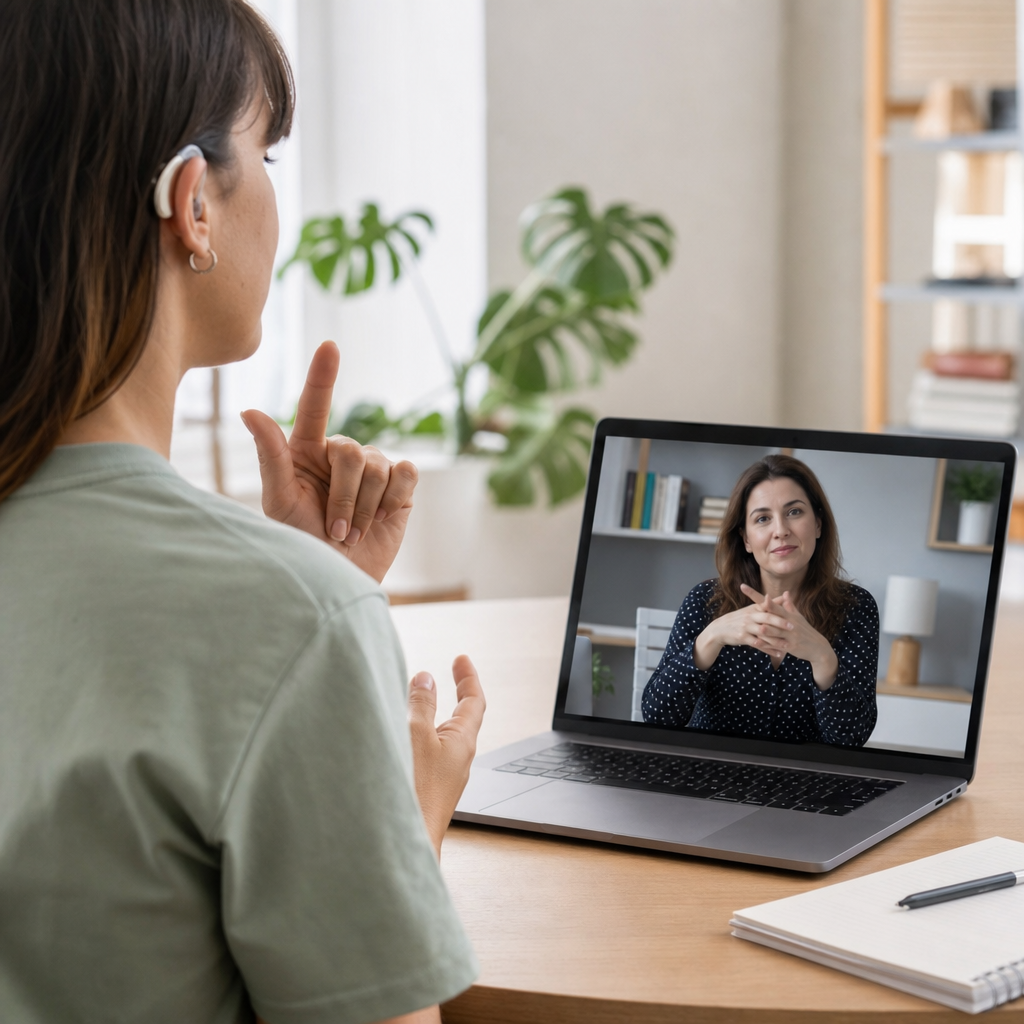
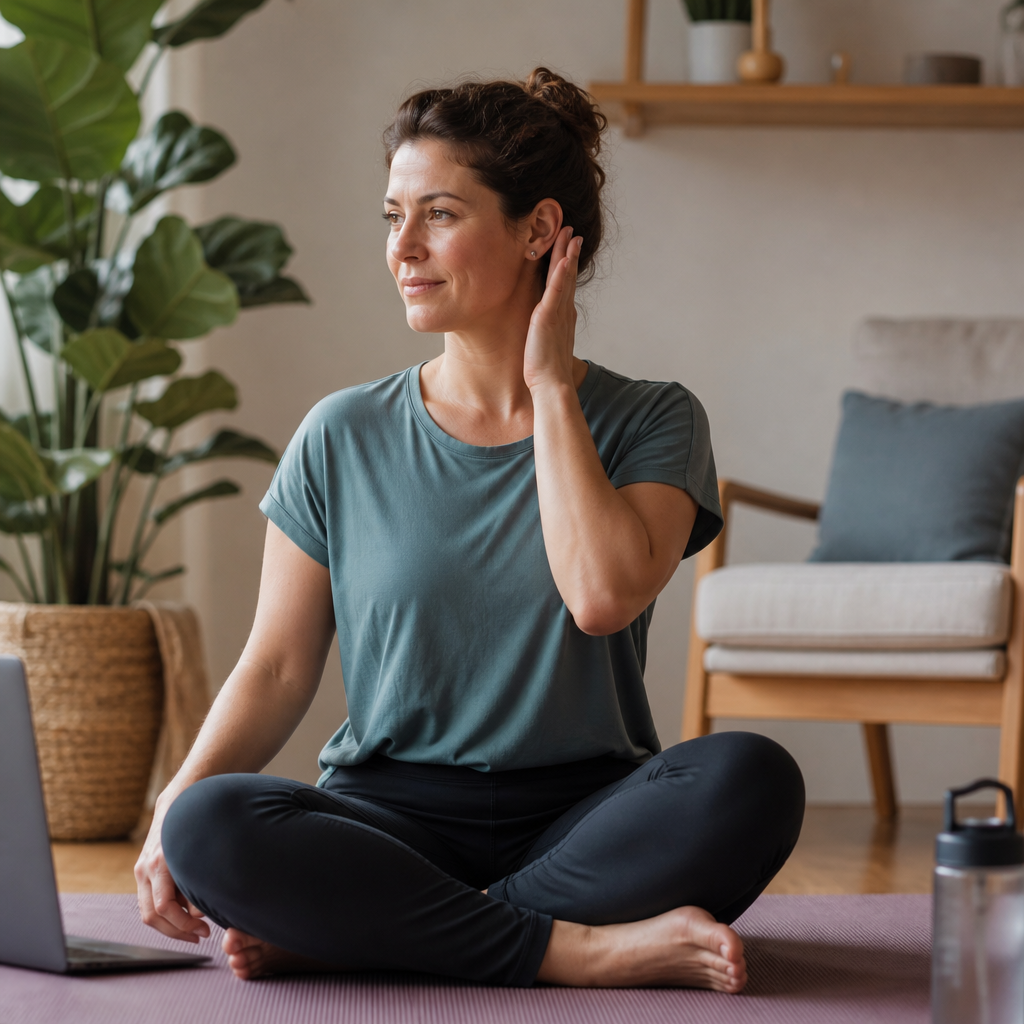
Wellness for deaf and hard of hearing individuals is not a niche concern; it is a practical, everyday framework for protecting physical health, emotional balance, communication access, and community connection across every stage of life. In this context, deaf usually refers to people with little or no functional hearing, while hard of hearing describes people with partial hearing loss who may rely on spoken language, hearing aids, cochlear implants, captions, sign language, or a mix of tools. Wellness and lifestyle include sleep, movement, nutrition, relationships, stress management, preventive care, work habits, and recreation. I have worked with deaf and hard of hearing adults in health education settings, and the same pattern appears repeatedly: good wellness outcomes depend less on motivation alone and more on accessible systems. When communication barriers are removed, people make informed choices, follow treatment plans more easily, and participate more fully in family, school, work, and community life. That is why this topic matters. Hearing status can shape how someone receives health information, accesses emergency alerts, joins exercise classes, manages fatigue from listening effort, or finds a therapist who communicates effectively. It can also influence safety, identity, and belonging. A useful wellness plan respects all of those factors. It does not assume one communication style, one technology choice, or one cultural identity. Instead, it focuses on habits and supports that make daily life healthier, more sustainable, and more connected.
Build a wellness foundation around accessible communication
Accessible communication is the base layer of wellness because it affects every other health decision. If a person cannot fully understand a doctor, coach, employer, or family member, the result is often missed information, stress, and avoidable mistakes. The most effective approach is to identify preferred communication methods in advance and use them consistently. That may include American Sign Language, another signed language, real-time captioning, live transcription apps, hearing assistive technology, written summaries, visual alerts, or speechreading with good lighting and reduced background noise.
In practice, small changes make a measurable difference. A patient who receives visit notes in writing is more likely to remember medication instructions. A gym that captions orientation videos and posts visual class cues becomes easier to use independently. A workplace that adds CART captioning to meetings reduces the cognitive load of constant guessing. For healthcare visits, ask for qualified interpreters when needed, confirm that staff know how to use video relay or video remote interpreting appropriately, and request after-visit summaries through the patient portal. For social settings, choose restaurants with better lighting, quieter seating, and clear turn-taking. Wellness improves when communication is predictable, respectful, and complete.
Protect mental health by reducing isolation and listening fatigue
Mental health deserves direct attention because deaf and hard of hearing people often carry stress that others do not see. Listening fatigue is real. Concentrating on speech in noise, filling in missed words, monitoring facial cues, and managing devices can drain energy over hours or days. Social isolation can also develop even when a person is physically present, especially if conversations move too fast or access tools are inconsistent. Over time, this combination may contribute to anxiety, irritability, low mood, burnout, or withdrawal.
The best mental wellness strategies are both personal and structural. Personally, schedule recovery time after communication-heavy events, not only after work. Build routines that lower nervous system strain, such as exercise, time outdoors, mindfulness practice, journaling, or quiet hobbies. Structurally, choose environments that support access rather than forcing yourself to cope constantly. I have seen clients improve significantly when they stop blaming themselves for exhaustion and start naming the actual issue: access effort. Therapy can help, but the match matters. Look for counselors who sign directly, work effectively with interpreters, or provide accurate live captions. Peer support is equally important. Deaf clubs, online groups, advocacy organizations, and identity-affirming spaces can reduce loneliness and strengthen resilience.
Create healthy routines for sleep, nutrition, and movement
Basic health habits still matter, but they should be adapted to real daily circumstances. Sleep can be disrupted when people worry about missing alarms, children, or emergency signals during the night. Visual alarm clocks, bed shakers, smart lighting, and connected smoke or weather alerts can reduce that stress and improve sleep quality. If you use hearing aids or implants, create a charging and storage routine that protects equipment while keeping nighttime safety systems active. Good sleep hygiene also means limiting screen stimulation before bed, keeping a regular schedule, and addressing snoring or suspected sleep apnea with a clinician.
Nutrition does not need to be complicated. A sustainable pattern includes vegetables, fruit, protein, whole grains, hydration, and predictable meals that support steady energy. Many people experiencing listening fatigue skip meals or overuse caffeine, which can worsen irritability and concentration problems. Movement should also fit communication needs. Walking, cycling, swimming, strength training, yoga, and home workouts can all be excellent options. Group fitness can work well when instructors face the class, use mirrors, provide written routines, and include visual countdowns. The goal is not a perfect routine. The goal is a repeatable routine that supports mood, stamina, balance, heart health, and confidence.
Use technology and environment design to support daily wellness
Technology is most helpful when it solves a specific access problem instead of adding complexity. Hearing aids, cochlear implants, bone conduction devices, remote microphones, loop systems, captioning platforms, alerting devices, and smartphone accessibility settings can each improve daily functioning when matched to the situation. The Americans with Disabilities Act supports communication access in many public settings, but practical success still depends on planning and follow-through. Before appointments, events, or travel, confirm what will actually be available.
Environmental design matters just as much as hardware. At home, improve lighting for signing or speechreading, reduce echo with rugs or curtains, and place seating to support face-to-face conversation. In restaurants, request a booth away from speakers or kitchen noise. In offices, use agendas, shared documents, and chat features to reinforce spoken discussion. For emergencies, combine redundant alert methods: vibrating alarms, text notifications, weather apps, and visual doorbell systems. The table below shows common wellness barriers and useful solutions.
| Situation | Common Barrier | Practical Wellness Support |
|---|---|---|
| Medical appointments | Incomplete understanding of instructions | Qualified interpreter, live captions, written after-visit summary, patient portal follow-up |
| Work meetings | Fatigue from fast discussion and overlap | CART captioning, clear agendas, turn-taking rules, meeting notes |
| Sleep and safety | Fear of missing alarms or emergencies | Bed shaker, visual smoke alarm, smart alerts, consistent device-charging routine |
| Exercise classes | Instructor cues missed during movement | Front-row placement, mirrored room, written routine, visual timers |
| Social gatherings | Background noise and poor lighting | Choose quieter venues, circle seating, one-speaker-at-a-time norm, captions for videos |
Strengthen preventive healthcare and self-advocacy
Preventive care is a major part of long-term wellness, yet it is often where access gaps quietly cause harm. Annual physicals, dental care, eye exams, vaccinations, reproductive health services, cancer screenings, and chronic disease monitoring should not be delayed because scheduling systems or front-desk communication are frustrating. Strong self-advocacy starts with preparation. Bring a list of symptoms, medications, allergies, and questions. State your communication preference clearly when booking and again at check-in. If an interpreter was requested, confirm that the person is qualified for medical settings rather than relying on family members except in true emergencies.
It is also important to understand how hearing health connects to overall health. Sudden hearing loss requires urgent medical evaluation. Tinnitus, dizziness, balance changes, ear pain, and device discomfort should not be ignored. For older adults, hearing loss is associated with increased risks around falls, social isolation, and cognitive strain, which makes regular audiology follow-up valuable. At the same time, not every wellness problem should be blamed on hearing status. Good clinicians look at the full picture: medications, sleep, mental health, cardiovascular risk, vestibular function, and lifestyle habits. Keep personal health records organized, know your legal rights to access, and do not hesitate to switch providers if communication repeatedly fails.
Nurture relationships, identity, and community participation
Wellness is easier to maintain when relationships are strong and identity is respected. Deaf and hard of hearing people are not one uniform group. Some identify strongly with Deaf culture and signed language communities. Others identify mainly through shared experiences of hearing loss, late-deafened life, disability advocacy, or technology use. Many move between several communities. Healthy lifestyle planning should leave room for that complexity. It should also recognize that family dynamics can affect wellness powerfully. When relatives learn basic signs, face the person while speaking, repeat key information without impatience, and include captions during shared entertainment, everyday stress drops immediately.
Community participation supports mental and physical health in concrete ways. It increases opportunities for friendship, exercise, purpose, and mutual aid. Examples include deaf sports leagues, walking groups, faith communities with interpreters, arts organizations with captioned events, online support networks, and volunteer roles that use visual communication well. Parents of deaf children should seek early language access and family support, because language deprivation is a serious risk factor for later educational and emotional challenges. Adults who lose hearing later in life often benefit from counseling, skills training, and peer mentors who can normalize adjustment. Wellness grows when people are not merely accommodated, but fully included.
Wellness tips for deaf and hard of hearing individuals work best when they are practical, personalized, and rooted in access rather than assumption. The essentials are clear: prioritize accessible communication, protect mental health from isolation and listening fatigue, maintain steady routines for sleep, food, and movement, use technology and environmental design intentionally, stay current with preventive care, and build relationships that support belonging. None of these steps require a single correct identity, device, or communication method. They require honest assessment of what helps you function well and what repeatedly creates unnecessary strain.
This hub page is designed to guide the broader wellness and lifestyle conversation within health, wellness, and mental health. From here, readers can explore deeper topics such as stress management, accessible fitness, healthy sleep, hearing technology routines, workplace wellness, and relationship communication. The central benefit is simple: when access improves, health choices become easier to make and easier to sustain. Start with one upgrade this week, whether that is requesting captions, improving bedroom safety alerts, booking a preventive visit, or joining a supportive community group. Small access changes often produce the biggest wellness gains over time.
Frequently Asked Questions
1. What does wellness mean for deaf and hard of hearing individuals?
Wellness for deaf and hard of hearing individuals goes far beyond hearing status. It includes physical health, mental and emotional well-being, communication access, safety, social connection, and the ability to move through daily life with confidence and dignity. For some people, wellness may involve regular hearing evaluations, maintaining hearing aids or cochlear implants, and protecting residual hearing from loud noise. For others, it may center more on access to sign language, captioning, visual alerts, or communication strategies that reduce stress and improve participation at work, school, medical appointments, and home.
A practical way to think about wellness is as a whole-person framework. Good sleep, movement, balanced nutrition, stress management, and preventive care matter just as much as communication tools. If communication barriers make it hard to understand a doctor, connect socially, or manage responsibilities, those barriers can directly affect health outcomes. That is why wellness often includes planning ahead for accessibility, advocating for accommodations, and building routines that make everyday tasks easier and less exhausting.
Wellness also looks different from person to person. A deaf adult who primarily uses sign language may have different needs than a hard of hearing teen who relies on hearing technology and spoken communication. Neither approach is more valid than the other. The healthiest routine is usually the one that supports clear communication, reduces unnecessary fatigue, and helps the individual stay connected, informed, and empowered in daily life.
2. How can deaf and hard of hearing people support their mental and emotional well-being?
Mental and emotional wellness often improves when communication access is treated as a basic need rather than an afterthought. Many deaf and hard of hearing individuals experience extra stress from constantly filling in missed information, asking people to repeat themselves, navigating inaccessible environments, or feeling excluded in fast-moving conversations. Over time, that effort can lead to frustration, anxiety, social withdrawal, or burnout. One of the most effective ways to protect emotional health is to reduce those barriers wherever possible through captioning, interpreters, assistive listening devices, quieter meeting spaces, visual communication tools, or direct communication preferences that others can easily follow.
Social support is equally important. Staying connected with people who respect communication needs can make a major difference in resilience and self-esteem. This may include Deaf community events, peer support groups, online communities, advocacy organizations, or close friends and family members who are willing to learn better communication habits. Feeling understood and included is not a luxury; it is a core part of emotional health.
Professional support can also help, especially when stress, sadness, trauma, or isolation start affecting daily life. A counselor or therapist who understands deafness, hearing loss, disability identity, or communication accommodations can provide much more effective care. If possible, look for mental health professionals who can work directly in sign language or who are comfortable using qualified interpreters and other access tools. Helpful everyday habits include setting boundaries in draining environments, taking breaks from listening fatigue, practicing mindfulness or relaxation techniques, protecting sleep, and recognizing that needing accommodations is not a personal weakness. It is a reasonable and healthy part of self-care.
3. What are the best everyday communication tips for staying healthy and reducing stress?
Clear communication can significantly reduce stress and improve overall wellness. One of the best strategies is to be proactive. Let people know what helps before a conversation starts, such as facing you directly, speaking clearly at a natural pace, using captions, reducing background noise, or writing things down when needed. In medical offices, workplaces, schools, and public settings, small adjustments can have a big impact on understanding and comfort. Good lighting, visible faces, and minimizing multitasking during conversations often make communication smoother and less tiring.
Technology can also support daily well-being. Smartphones, real-time transcription apps, captioned phone services, hearing aid connectivity features, video relay services, alerting devices, and note-sharing tools can all make communication more accessible. The best tools depend on the individual’s hearing level, communication style, environment, and preferences. It is often helpful to test different options and keep backups available for important situations, especially medical appointments, travel, and emergencies.
Another key tip is to recognize and manage listening fatigue. Hard of hearing individuals in particular may spend long periods concentrating intensely to follow speech, especially in noisy environments. That effort can be physically and mentally draining. Scheduling breaks, choosing quieter spaces, using remote microphones or assistive listening systems, and asking for follow-up information in writing can reduce that burden. Communication should not require constant strain. When access is built into routines, daily interactions become more efficient, less stressful, and healthier overall.
4. How can deaf and hard of hearing individuals advocate for better healthcare and medical access?
Healthcare access is a major part of wellness, and self-advocacy can greatly improve the quality of care. The first step is to communicate access needs clearly and early. Before an appointment, it helps to ask the clinic or hospital what accommodations are available and to specify what works best, whether that is a qualified sign language interpreter, live captioning, written instructions, assistive listening technology, or extra time for questions. Do not assume a provider will automatically know what access method is appropriate. Individual needs vary, and direct communication about those needs often leads to better outcomes.
During the visit, make sure key information is fully understood. This includes diagnosis details, medication instructions, treatment options, follow-up plans, and warning signs that require medical attention. Asking the provider to repeat, rephrase, write down information, or summarize the next steps is a smart health habit, not an inconvenience. It can also help to bring a list of symptoms, medications, and questions in advance so nothing is missed. If forms, discharge notes, or care instructions are difficult to access, request them in a more usable format.
Long-term wellness also benefits from preventive care and continuity. Regular checkups, dental care, eye exams, hearing-related evaluations when relevant, and screenings for stress, depression, and chronic conditions should remain a routine priority. If a provider consistently dismisses communication needs or fails to ensure access, it may be necessary to file a complaint, request patient advocacy support, or seek a more accessible practice. Quality healthcare depends on effective communication, and every patient deserves care that is understandable, respectful, and safe.
5. What lifestyle habits can improve long-term wellness for deaf and hard of hearing individuals?
Long-term wellness is built through consistent habits that support both health and access. Core routines such as regular exercise, nourishing meals, hydration, quality sleep, and stress reduction benefit everyone, but they become even more important when communication barriers increase daily effort. Physical activity can improve mood, energy, balance, and heart health. Sleep supports concentration, emotional regulation, and recovery from listening fatigue or sensory overload. Good nutrition helps maintain energy levels and overall resilience, especially during busy schedules filled with school, work, caregiving, or advocacy responsibilities.
Protecting hearing and communication function is another important habit. This may include limiting exposure to damaging noise, using hearing protection when appropriate, keeping hearing devices clean and maintained, updating batteries or charging routines, and scheduling repairs promptly when equipment is not working well. For cochlear implant or hearing aid users, reliable device care can directly affect communication ease, confidence, and participation. For sign language users, maintaining strong visual communication access and reducing visual strain through good lighting and ergonomic screen use can also support daily comfort.
Community connection is one of the most overlooked but powerful wellness habits. Isolation can quietly undermine health, while belonging can strengthen it. Making time for supportive relationships, accessible hobbies, Deaf community spaces, peer networks, faith communities, or volunteer involvement can improve mood and reduce stress. It is also helpful to create a personal wellness plan that includes communication preferences, emergency contacts, accessibility tools, medical information, and signs that it may be time to rest or seek help. Small, sustainable habits tend to have the greatest long-term impact. Wellness is not about doing everything perfectly; it is about creating a life that is healthier, more accessible, and easier to navigate every day.