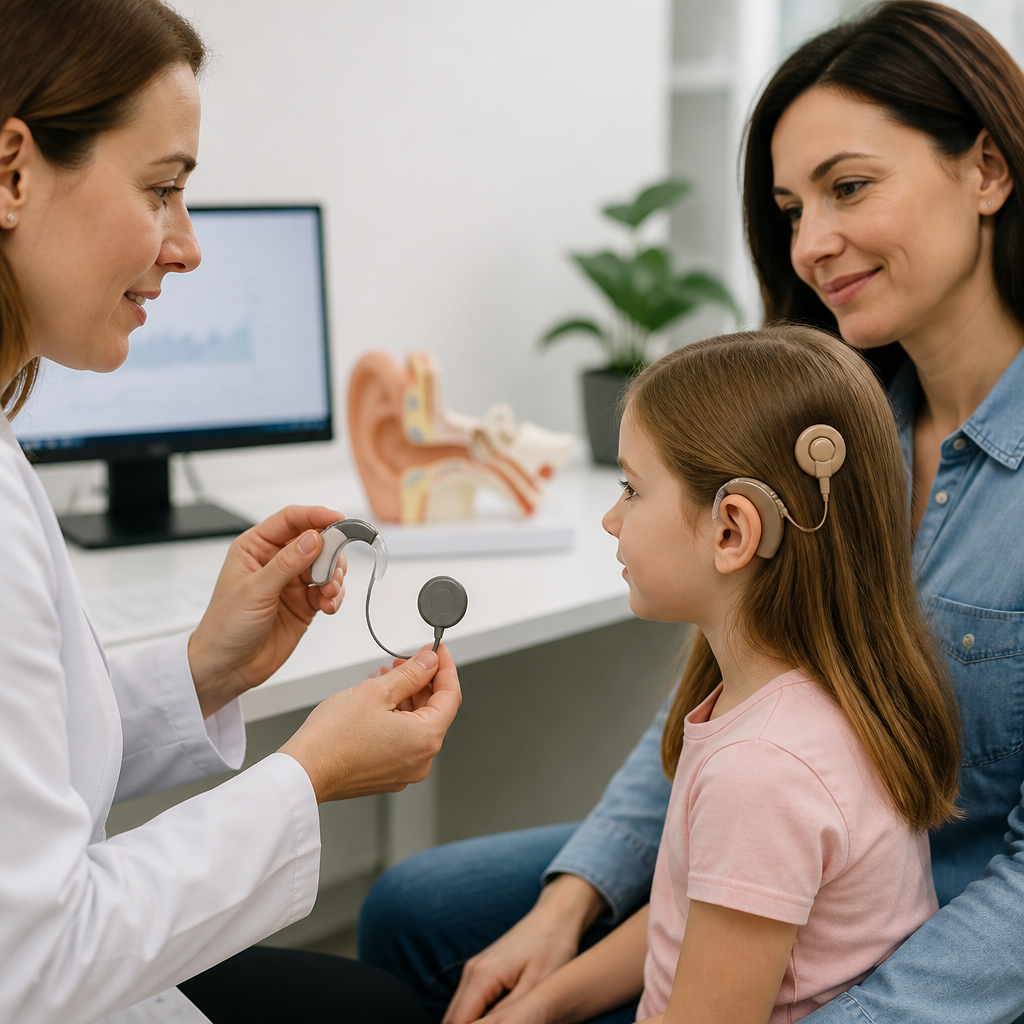
Cochlear implants are advanced hearing devices that can provide access to sound for people with severe to profound sensorineural hearing loss, and they sit at the center of modern assistive technologies for the Deaf community. Unlike hearing aids, which amplify acoustic sound, cochlear implants bypass damaged hair cells in the inner ear and deliver electrical signals directly to the auditory nerve. That difference matters because amplification helps only when the ear can still convert sound vibrations into useful neural information. When those sensory cells are significantly damaged, louder sound may remain unclear, distorted, or unintelligible.
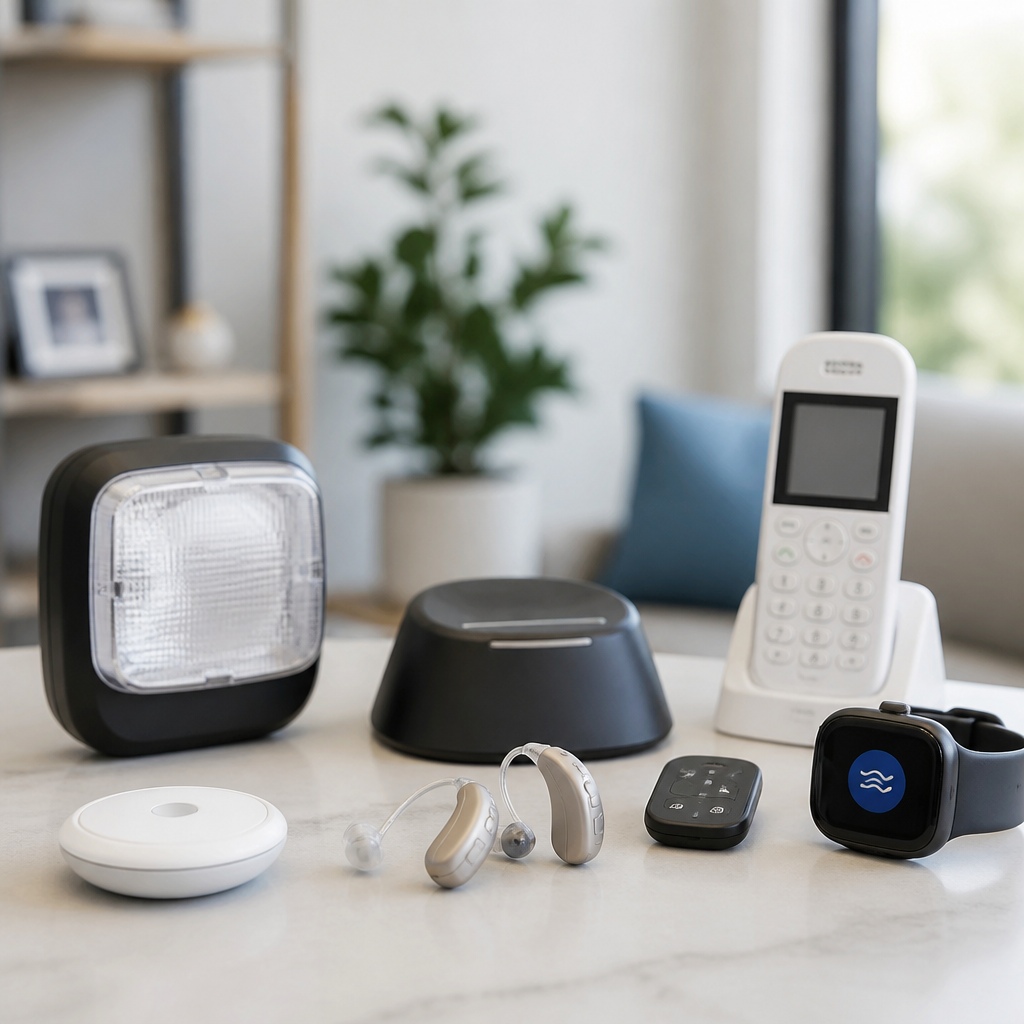
In practice, I have seen cochlear implants discussed too narrowly, as if they are simply a medical device choice. They are better understood as one part of a broader assistive technology ecosystem that includes hearing aids, bone conduction systems, FM and DM classroom systems, real-time captioning, visual alerting tools, telecoil-compatible loops, speech-to-text apps, and video relay services. For many users, the most successful communication setup is not one tool but a layered combination tailored to listening goals, language background, environment, and personal identity. That is why a hub article on assistive technologies must explain where cochlear implants fit, where they excel, and where they do not.
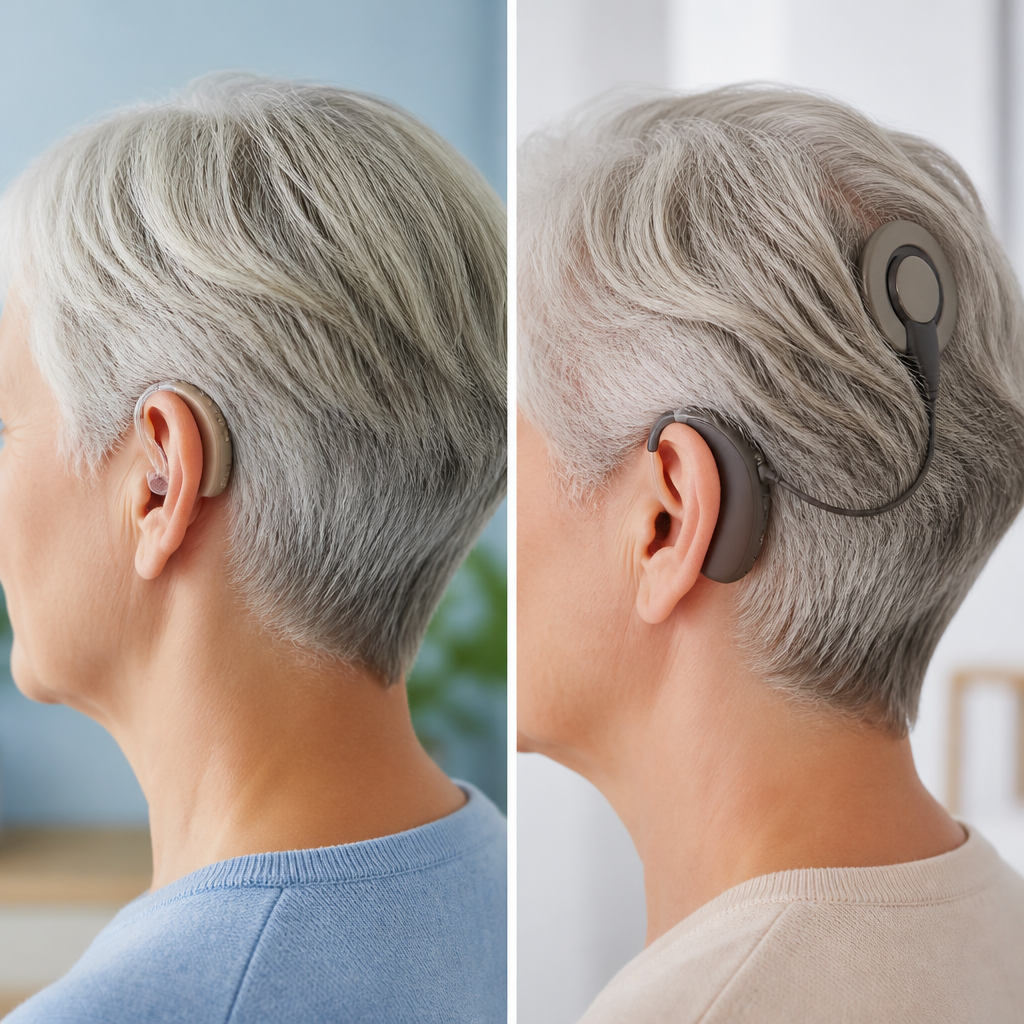
A cochlear implant system has both internal and external components. The surgeon places an internal receiver under the skin and threads an electrode array into the cochlea. Externally, the user wears a sound processor with microphones that capture sound, analyze it, and send coded information to the implant. The implant then stimulates different regions of the cochlea based on pitch patterns. Lower-frequency sounds activate electrodes deeper in the cochlea, while higher-frequency sounds stimulate regions closer to the base. This tonotopic organization is a foundational concept in cochlear implant design and programming.
Cochlear implants matter because untreated hearing loss affects language access, education, employment, social participation, and health. The World Health Organization has repeatedly linked hearing loss with communication barriers, isolation, and reduced quality of life when support is delayed or inadequate. At the same time, implants are not a universal solution and should never be framed as erasing Deaf culture or replacing signed language. They are a tool. For some children and adults, they are transformative. For others, hearing aids, sign language, captioning, and environmental accommodations remain the more appropriate priority. Understanding benefits and considerations helps families and adults make informed decisions based on evidence rather than marketing or fear.
How cochlear implants work and who they are for
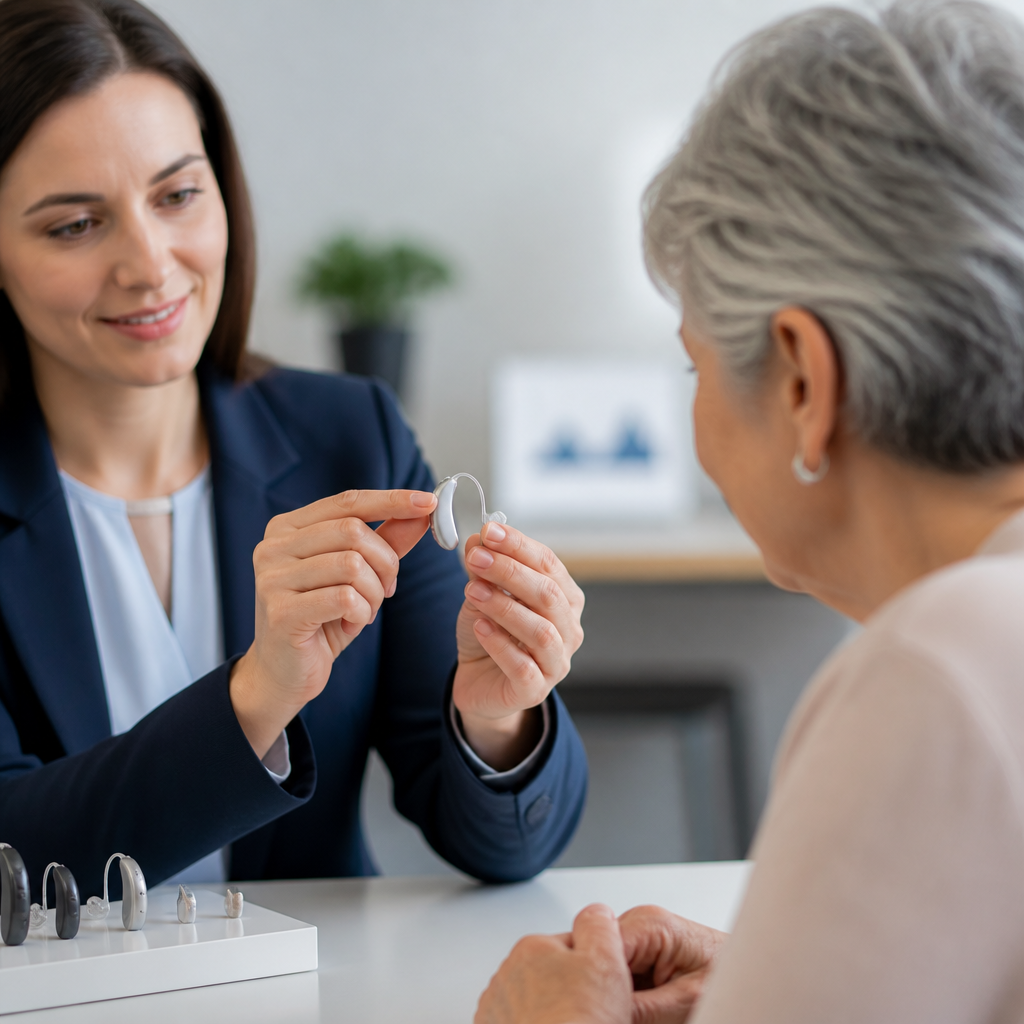
Cochlear implants are typically recommended for people with severe to profound sensorineural hearing loss who receive limited benefit from appropriately fitted hearing aids. Candidacy standards vary by country, clinic, age, and device manufacturer, but the common thread is poor speech understanding despite optimized amplification. Audiologists assess hearing thresholds, aided speech perception, hearing aid history, middle ear status, imaging of the cochlea and auditory nerve, and communication goals. For children, teams also review developmental progress, early intervention services, and family readiness for long-term follow-up.
The signal path is straightforward in concept but sophisticated in execution. Microphones pick up sound, the processor converts it into digital information, and a speech-coding strategy assigns portions of that information to electrode contacts. Common strategies emphasize temporal envelope cues because implants have limited spectral resolution compared with natural hearing. After surgery, the device is activated and then fine-tuned during mapping sessions, where audiologists set threshold and comfort levels across electrodes. Good outcomes depend heavily on this programming work, the quality of rehabilitation, and consistent device use, not only on the surgery itself.
Adults who lose hearing after acquiring spoken language often adapt to implants differently from children born deaf or adults deafened earlier in life. Post-lingually deafened adults usually have established auditory memory, which can make speech interpretation easier once access to sound returns. Pre-lingually deafened adults may still benefit, especially for environmental sound awareness and improved lipreading support, but spoken language outcomes are more variable. In pediatric care, earlier implantation is associated with better auditory and language development because the brain is more responsive to sound input during critical periods. That does not mean late implantation is futile; it means expectations should be individualized and evidence-based.
Benefits of cochlear implants within assistive technology planning
The primary benefit of a cochlear implant is improved access to speech, especially when hearing aids no longer provide enough clarity. Many users report better one-on-one conversation, stronger awareness of alarms and traffic, and reduced listening strain in structured settings. In adults, studies have shown significant improvements in speech recognition scores after implantation compared with pre-implant aided performance. In children, consistent use combined with speech-language support can improve spoken language development, classroom participation, and literacy foundations. These benefits are strongest when the device is one component of a coordinated support plan.
Real-world success depends on understanding what an implant can and cannot do. It can improve access to spoken communication, but it does not restore natural hearing. Music may sound thin or mechanical at first. Background noise remains difficult for many users because implants transmit less detailed frequency information than a healthy cochlea. That is why experienced clinicians recommend pairing implants with other assistive technologies. A remote microphone system can send a teacher’s voice directly to the processor. Captioned phone services can support calls. Hearing loops and telecoil accessories, where available, can improve access in theaters, houses of worship, and public venues.
For hub-level planning across assistive technologies, the goal is functional communication across environments. A child with an implant may still need classroom captioning, visual schedules, and sign-supported instruction. An adult professional may use a cochlear implant at meetings, live transcription for webinars, and vibrating alerts at home. Someone with single-sided deafness may benefit from improved sound awareness and localization with an implant, yet still rely on communication strategies in noisy restaurants. The best outcomes come from matching tools to tasks instead of expecting one device to solve every communication barrier.
| Assistive technology | Primary purpose | Best use case | Key limitation |
|---|---|---|---|
| Cochlear implant | Direct electrical stimulation of the auditory nerve | Severe to profound sensorineural hearing loss with limited hearing aid benefit | Does not restore natural hearing; outcomes vary |
| Hearing aids | Amplify acoustic sound | Mild to severe hearing loss with usable residual hearing | Limited help when clarity is poor despite loudness |
| Remote microphone system | Improve signal-to-noise ratio | Classrooms, meetings, distance listening | Requires speaker participation and setup |
| Captioning and speech-to-text | Provide text access to spoken language | Lectures, calls, video, public events | Accuracy depends on audio quality and platform |
| Visual and vibrating alerts | Replace auditory alerts | Home safety, doorbells, alarms, notifications | Do not support speech understanding |
Evaluation, surgery, activation, and rehabilitation
The cochlear implant process begins long before the operating room. A thorough evaluation usually includes pure-tone audiometry, aided testing, speech perception measures such as CNC words or AzBio sentences in adults, tympanometry, imaging with CT or MRI, and consultations with otology, audiology, and sometimes speech-language pathology. Clinics often discuss vaccination guidance because implant recipients have an elevated risk of bacterial meningitis compared with the general population, especially with certain anatomical factors. Psychological readiness, family support, and realistic expectations are also part of responsible candidacy assessment.
Surgery is commonly performed under general anesthesia and usually lasts a few hours. Most patients go home the same day or after a short hospital stay, depending on age and medical status. Risks include infection, dizziness, taste disturbance, device failure, facial nerve injury, tinnitus changes, and in some cases loss of remaining natural hearing in the implanted ear. Modern surgical techniques and electrode designs aim to preserve residual hearing when possible, particularly for electroacoustic approaches that combine acoustic amplification for low frequencies with implant stimulation for higher frequencies.
Activation typically occurs several weeks after surgery, once healing is adequate. The first sound can be surprising. Some users describe voices as robotic, cartoonish, or metallic. This is normal. The brain needs time and training to interpret the electrical pattern. Mapping appointments over the following months refine loudness, comfort, and speech access. Auditory rehabilitation is essential, especially for children and adults with long durations of deafness. Structured listening practice, speech therapy when indicated, communication strategy coaching, and regular follow-up all influence results. In other words, implantation is a process, not a single event.
Outcomes, limitations, and quality-of-life considerations
Cochlear implant outcomes vary widely, and that variability is one of the most important considerations. Strong predictors include age at hearing loss onset, duration of deafness, auditory nerve integrity, consistent device use, rehabilitation intensity, and whether the person had access to spoken language before implantation. Many adults achieve substantial gains in open-set speech understanding, but some continue to rely heavily on visual cues. Noise remains challenging because separating speech from competing sound is difficult with reduced spectral detail. Telephone performance may improve greatly for some users and remain limited for others.
Quality of life often improves even when speech scores do not tell the full story. Users may report feeling safer because they can detect alarms or approaching vehicles. Parents often notice increased environmental awareness in children before measurable language changes appear. Social fatigue may lessen when listening requires less effort in quiet settings. However, there are tradeoffs. Wearing external hardware, charging batteries, managing moisture protection, and scheduling repairs all become part of daily life. Travel, sports, MRI planning, and processor upgrades require practical decision-making that clinics should discuss openly.
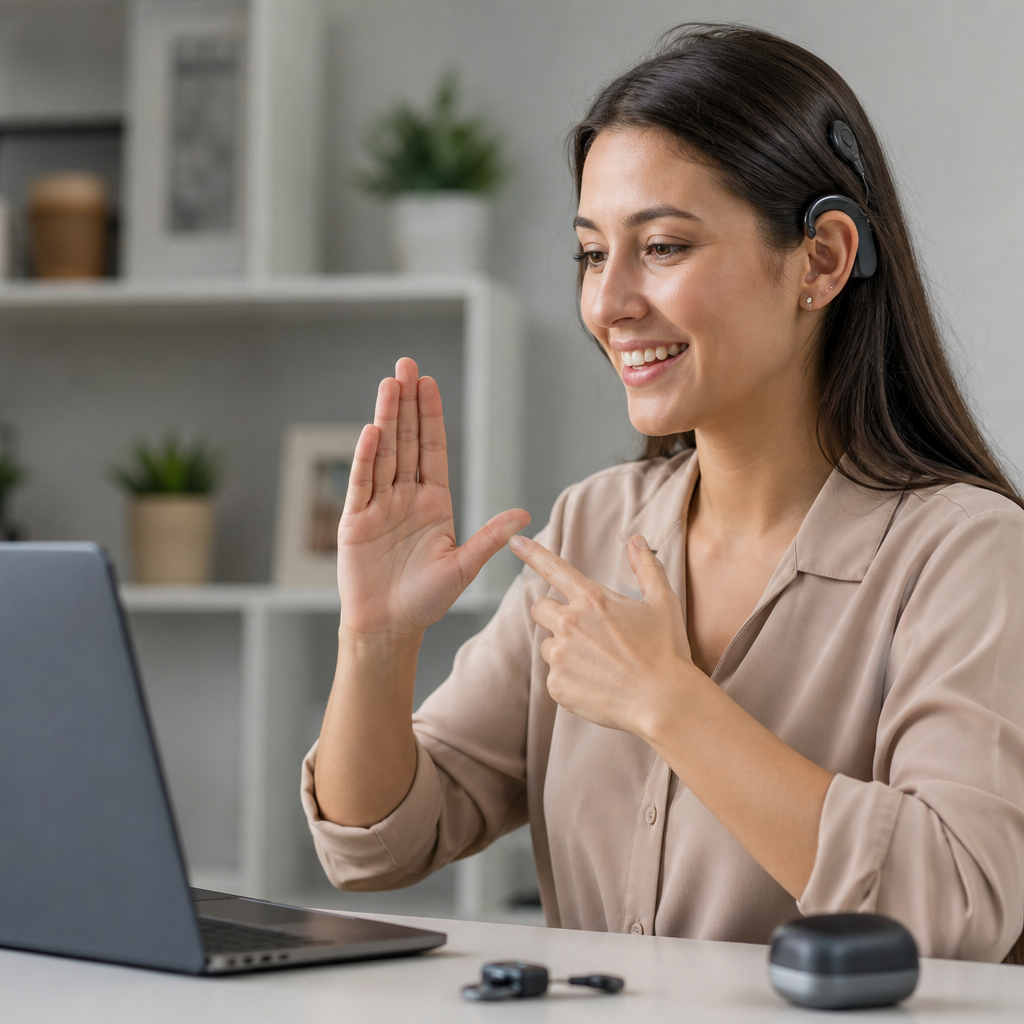
Cultural and identity considerations also matter. Some Deaf adults and families value sign language as the primary mode of communication regardless of implant status, and that position is entirely valid. Implant use and sign language are not mutually exclusive. In fact, bilingual approaches can support full language access, especially when spoken outcomes are uncertain or when a child needs immediate communication from infancy onward. The most responsible counseling avoids false binaries. The real question is not whether technology is good or bad. It is whether a specific technology supports the individual’s communication rights, developmental needs, and life goals.
Costs, maintenance, and choosing the right support mix
Cochlear implants involve significant cost, but the total picture includes more than the device itself. Expenses may include evaluations, surgery, anesthesia, hospital fees, processor accessories, replacement parts, batteries or rechargeable systems, therapy, travel to implant centers, and future upgrades. Insurance coverage varies widely. In the United States, many private plans, Medicaid programs, and Medicare pathways cover implantation for qualifying candidates, but out-of-pocket costs can still arise for accessories or replacement processors. Families should request a detailed benefits review and ask specifically about mapping visits, loss coverage, and warranty terms.
Maintenance is manageable but ongoing. Processors need cleaning, safe storage, software updates, and backup parts such as cables, coils, or ear hooks. Children often need retention accessories for school and play. Water-safe options differ by brand, and users who swim frequently should compare waterproof housings carefully. Major manufacturers including Cochlear, MED-EL, and Advanced Bionics offer different processor styles, connectivity ecosystems, and MRI conditions. Brand choice should be based on anatomy, clinic experience, accessory compatibility, and lifestyle fit rather than advertising claims. A strong support mix also includes captioning tools, visual alerts, and communication strategies that remain useful whether the processor is on or off.
The clearest takeaway is that cochlear implants can be life-changing when they are evaluated honestly and supported properly within a broader assistive technology plan. They can improve speech access, safety, and participation for many children and adults with severe hearing loss, but they also require surgery, rehabilitation, maintenance, and realistic expectations. The best decision comes from a candid conversation with an implant team, current users, educators when relevant, and family members who understand daily communication demands. If you are exploring assistive technologies for the Deaf community, use this article as your starting point, then compare devices, ask detailed questions, and build a support system around the environments that matter most.
Frequently Asked Questions
What is a cochlear implant, and how is it different from a hearing aid?
A cochlear implant is an electronic medical device designed for people with severe to profound sensorineural hearing loss who receive limited benefit from traditional hearing aids. The key difference is that a hearing aid makes sounds louder, while a cochlear implant works around damaged structures in the inner ear. Hearing aids amplify acoustic sound and rely on the ear’s remaining hair cells to convert those vibrations into signals the brain can understand. If those hair cells are significantly damaged, simply turning up the volume may not provide meaningful clarity. A cochlear implant addresses that problem by bypassing the damaged hair cells and sending electrical signals directly to the auditory nerve.
The system typically includes an external sound processor worn behind the ear or off the ear, along with an internal implant placed surgically under the skin and connected to an electrode array in the cochlea. The external processor picks up sound, converts it into digital information, and transmits it to the internal device, which then stimulates the auditory nerve. The brain learns to interpret these signals as sound. This makes cochlear implants fundamentally different from hearing aids in both design and purpose. For many candidates, the goal is not simply louder hearing, but better access to speech and environmental sounds when amplification alone is no longer enough.
Who is a good candidate for a cochlear implant?
Cochlear implant candidacy depends on several medical and hearing-related factors, but in general, good candidates are individuals with severe to profound sensorineural hearing loss who do not get enough benefit from properly fitted hearing aids. This can include adults who lost hearing later in life, adults with progressive hearing loss, and children born with significant hearing loss or who developed it early. Candidacy is not based only on an audiogram. Specialists also look closely at how well a person understands speech with hearing aids, how hearing loss affects daily communication, and whether the inner ear and auditory nerve can support implantation.
The evaluation process is usually comprehensive. It may involve hearing tests, speech recognition testing, imaging such as MRI or CT scans, medical examinations, and discussions with an audiologist and ear surgeon. For children, developmental, speech-language, and educational considerations may also be reviewed. Age alone does not automatically rule someone in or out. Many older adults are successful cochlear implant users, and very young children may also benefit when intervention happens early. The best way to determine candidacy is through a formal cochlear implant assessment at a specialized center, where the care team can explain likely benefits, limitations, and whether one or both ears should be considered.
What benefits can cochlear implants provide in everyday life?
For many people, cochlear implants improve access to speech, increase awareness of environmental sounds, and make communication easier in daily situations. Users often report that they can better detect voices, hear alarms, notice traffic sounds, and participate more fully in conversations. In quieter settings, many recipients experience substantial gains in speech understanding compared with what they achieved using hearing aids alone. Some people are also able to use the telephone more effectively, enjoy music to a greater extent over time, and feel less isolated socially because listening requires less guesswork.
That said, the benefits vary from person to person, and it is important to set realistic expectations. A cochlear implant does not restore natural hearing in the same way glasses can correct vision. Instead, it provides the brain with a new way to receive sound information. Some users adapt quickly, while others need months of practice and rehabilitation to make the most of the device. Outcomes can be influenced by factors such as how long the person has had significant hearing loss, whether they had access to sound before implantation, the health of the auditory nerve, and consistency in wearing the device. For many recipients, the biggest advantage is not perfect hearing, but a meaningful improvement in communication, safety, independence, and quality of life.
What should someone consider before deciding to get a cochlear implant?
Choosing a cochlear implant is both a medical decision and a personal one, so it helps to look at the full picture. One major consideration is that implantation requires surgery. Although cochlear implant surgery is commonly performed and generally considered safe, it still carries the usual surgical and anesthesia-related risks, along with device-specific considerations such as infection, dizziness, changes in taste, tinnitus changes, or rare complications involving the facial nerve or device function. Recovery is often manageable, but the commitment does not end with surgery. The implant must be activated, programmed over multiple visits, and fine-tuned over time.
Another important factor is rehabilitation. Learning to hear through a cochlear implant is a process, not a single event. The brain needs time and practice to interpret the electrical signals it receives, especially for someone who has had limited access to sound for a long period. Follow-up care, listening therapy, and regular programming appointments are often essential to good results. People should also consider lifestyle issues, including device maintenance, battery use, technology upgrades, MRI compatibility considerations, and insurance coverage or out-of-pocket costs. Within the Deaf community, there may also be cultural and identity considerations, especially for families deciding on behalf of a child. A thoughtful decision usually comes from discussing expectations, communication goals, medical facts, and personal values with hearing professionals, surgeons, educators, and family members.
What is recovery and adjustment like after cochlear implant surgery?
Recovery after cochlear implant surgery is usually straightforward, but the adjustment period is where much of the real work happens. The surgery itself is often done on an outpatient basis or with a short hospital stay, depending on the patient’s age, health, and care setting. After surgery, it is common to have mild soreness, swelling, fatigue, or temporary dizziness for a few days. The implant is not typically turned on right away. Most patients wait several weeks for healing before the external sound processor is fitted and the device is activated. That first activation can be exciting, but it can also be surprising, because the sounds may not immediately seem clear or natural.
Over time, audiologists adjust the device settings through a process called mapping, which helps tailor the implant to the user’s hearing needs and comfort levels. During the first weeks and months, many recipients notice gradual improvements as their brain adapts to the sound input. Listening practice is often essential, especially for understanding speech in noise, recognizing unfamiliar voices, and distinguishing subtle sound differences. Children may need coordinated support from audiologists, speech-language professionals, teachers, and family members. Adults may also benefit from auditory training exercises and structured listening activities. The most successful outcomes often come from consistent device use, realistic expectations, and active participation in the rehabilitation process.