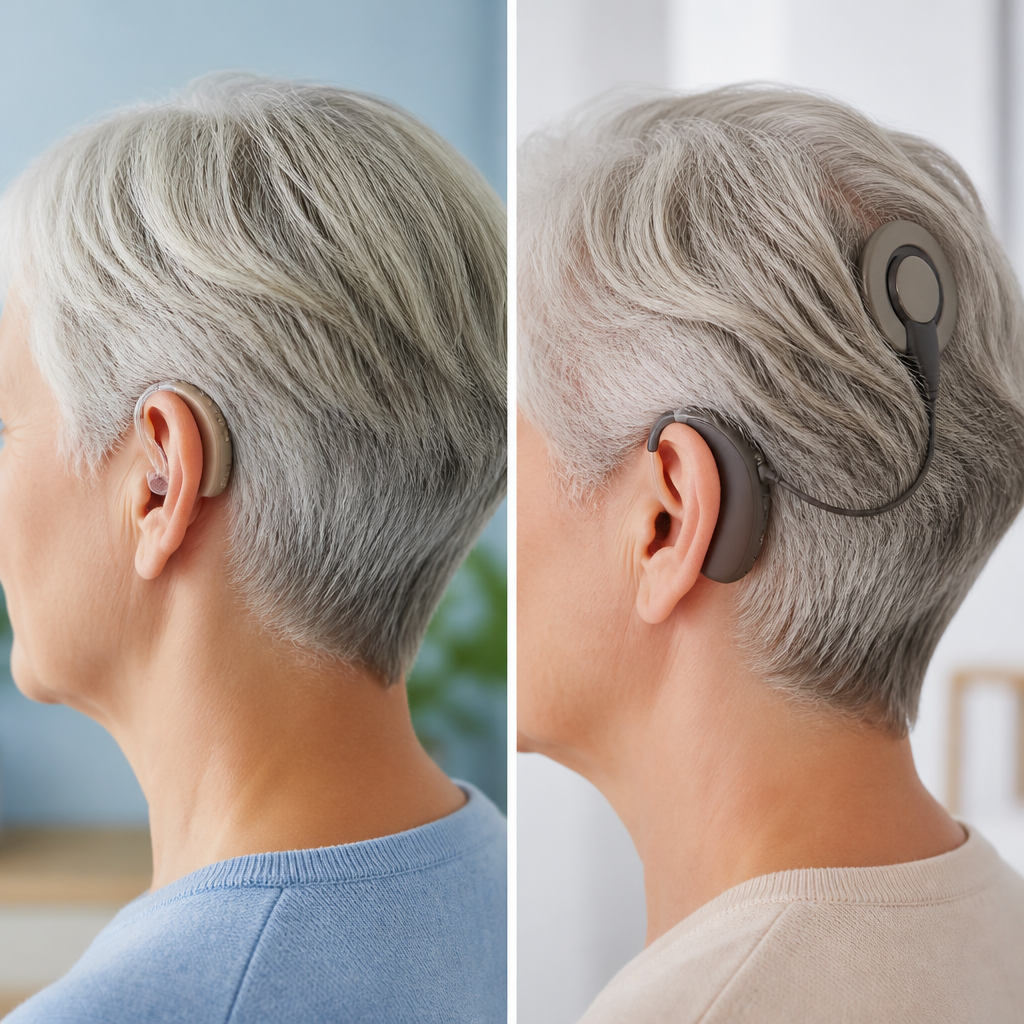
Hearing aids and cochlear implants both help people access sound, but they work in fundamentally different ways, serve different types of hearing loss, and involve very different decisions about cost, surgery, rehabilitation, and long-term outcomes. In clinical practice, I have seen many families use the terms interchangeably, yet the distinction matters because choosing the right hearing technology affects language development, education, work, social participation, and overall quality of life. As a hub within assistive technologies for the Deaf community, this guide explains what each device does, who may benefit, how they compare, and how they fit alongside captioning, alerting systems, telecoils, remote microphones, and communication apps. Hearing aids amplify acoustic sound that still reaches the inner ear. Cochlear implants bypass damaged hair cells and stimulate the auditory nerve with electrical signals. That single difference changes candidacy, setup, maintenance, expectations, and training. Understanding these options helps users and caregivers ask better questions, interpret audiology results more confidently, and build a complete communication toolkit rather than relying on one device alone.
How hearing aids work and who they help
Hearing aids are wearable medical devices that make sounds louder, clearer, and in many cases easier to distinguish in everyday listening environments. A modern digital hearing aid contains microphones, a digital signal processor, an amplifier, and a receiver or speaker. Sound enters the microphones, the processor shapes it according to the listener’s audiogram, and the output is delivered into the ear canal or through bone conduction in specialized systems. Hearing aids are generally recommended for people with mild to severe hearing loss who still have enough functioning hair cells in the cochlea to benefit from amplified sound. They do not restore normal hearing, but well-fitted devices can significantly improve access to speech, environmental sounds, and media.
Common hearing aid styles include behind-the-ear, receiver-in-canal, in-the-ear, completely-in-canal, and power models for greater amplification. Features vary widely. Directional microphones help focus on speech in front of the listener. Feedback suppression reduces whistling. Noise reduction algorithms try to make background noise less distracting. Telecoils connect to hearing loop systems installed in theaters, places of worship, and public counters. Bluetooth enables direct streaming from phones, tablets, and televisions. Rechargeable batteries reduce the burden of frequent battery changes, which is especially useful for older adults with dexterity challenges. In real fittings, the most overlooked issue is not brand selection but verification. Best practice calls for real-ear measurement, which uses probe microphone testing to confirm that the device is delivering prescribed amplification based on evidence-based formulas such as NAL-NL2 or DSL.
People often ask whether over-the-counter devices are enough. The answer depends on the degree and configuration of hearing loss, ear health, and communication needs. OTC hearing aids can be appropriate for some adults with perceived mild to moderate hearing loss, especially when budget is a barrier. However, prescription hearing aids fitted by an audiologist remain the standard when hearing loss is asymmetric, rapidly changing, severe, medically complex, or affecting a child. Professional fitting matters because poor programming can leave speech inaudible, make loud sounds uncomfortable, or create the false impression that hearing aids do not work.
How cochlear implants work and who they help
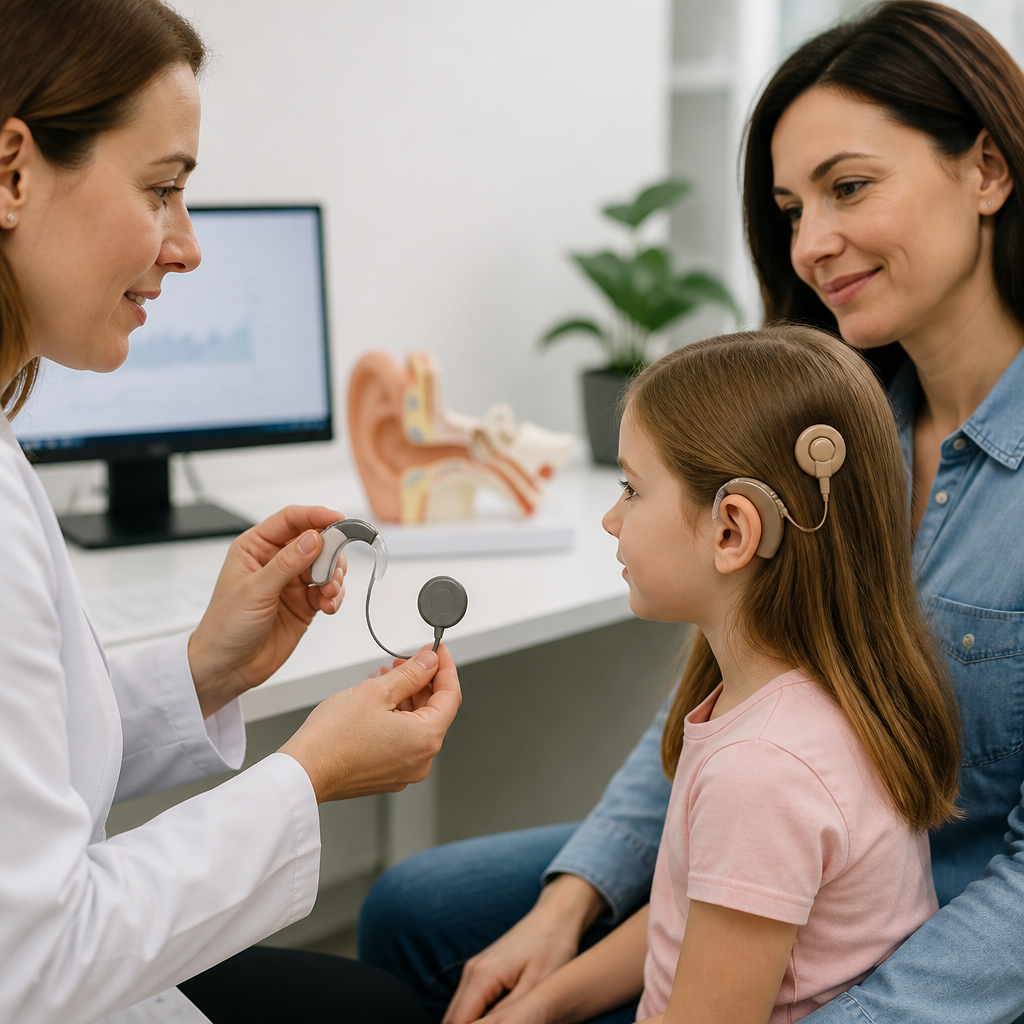
A cochlear implant is an implanted neuroprosthetic device designed for people who receive limited benefit from hearing aids because the sensory cells in the cochlea are too damaged to transmit sound effectively. Instead of simply making sound louder, a cochlear implant converts sound into coded electrical signals that directly stimulate the auditory nerve through an internal electrode array placed in the cochlea. The system has internal and external parts. The internal receiver-stimulator and electrode array are placed surgically. The external sound processor, worn behind the ear or off the ear depending on the model, captures sound, processes it, and transmits information across the skin via a magnetic coil.
Candidacy has expanded substantially over the past two decades. Today, adults and children with severe to profound sensorineural hearing loss, or even some with asymmetric hearing loss or single-sided deafness, may qualify depending on aided speech recognition scores, hearing history, and medical findings. Major manufacturers include Cochlear, MED-EL, and Advanced Bionics, and candidacy is evaluated by a multidisciplinary team that typically includes an audiologist, otologist or neurotologist, speech-language professionals, and sometimes educators of the deaf. Evaluation usually involves unaided and aided audiometry, speech perception testing, imaging such as CT or MRI, and counseling about realistic outcomes.
The most important point for new users is that activation is not the end of treatment. It is the start of auditory rehabilitation. After surgery and healing, the processor is activated and programmed in a series of mapping appointments. The brain must learn to interpret the electrical signal, which often sounds unfamiliar at first. Outcomes vary based on age at implantation, duration of deafness, consistency of use, cochlear anatomy, auditory nerve status, communication approach, and access to therapy. Many users achieve strong speech understanding, especially with early implantation and structured rehabilitation, but results are not identical across patients, and cochlear implants are not a cure for deafness.
Hearing aids vs cochlear implants: the practical differences
The clearest way to compare hearing aids and cochlear implants is to look at mechanism, candidacy, access, and daily life demands. Hearing aids rely on residual hearing. Cochlear implants are intended when residual hearing is insufficient for useful speech access even with optimized amplification. Hearing aids are non-surgical and can be fitted quickly. Cochlear implants require surgery, medical clearance, activation, and extensive follow-up. Hearing aids usually cost less upfront, though pricing varies and insurance coverage is inconsistent. Cochlear implants are more expensive overall, but in many health systems they are covered more comprehensively because they are classified as implanted medical devices.
| Factor | Hearing Aids | Cochlear Implants |
|---|---|---|
| Primary function | Amplify acoustic sound | Convert sound to electrical stimulation |
| Best for | Mild to severe hearing loss with usable residual hearing | Limited benefit from hearing aids, often severe to profound loss |
| Procedure | Non-surgical fitting | Surgical implantation plus external processor |
| Adjustment period | Days to months | Months to years with mapping and rehabilitation |
| Maintenance | Cleaning, domes, wax guards, batteries or charging | Processor care, accessories, maps, and medical follow-up |
| Sound quality | Natural acoustic sound when hearing remains usable | Useful but electronically mediated perception |
One practical example illustrates the distinction. An older adult with moderate sloping-to-severe sensorineural hearing loss may do very well with properly fitted receiver-in-canal hearing aids, custom programs, and a TV streamer. By contrast, a child with profound bilateral sensorineural hearing loss who gains little speech access from high-powered aids may be a strong cochlear implant candidate, especially if intervention occurs early during critical language development windows. Another example is single-sided deafness. A person with one deaf ear and one normal ear may use a CROS hearing aid, a bone conduction system, or in some cases a cochlear implant depending on speech-in-noise needs, tinnitus burden, and candidacy criteria.
Benefits, limitations, and outcomes in real life
Neither technology should be judged only by the ability to detect sound in a quiet clinic booth. Real success is measured by communication in noise, fatigue at work or school, phone use, media access, safety awareness, listening effort, and personal identity. Hearing aids can provide excellent benefit when fitted well and paired with listening strategies. They preserve acoustic hearing and avoid surgery. Their limitation is that amplification cannot fix severely distorted cochlear processing. Users may still struggle in restaurants, meetings, reverberant classrooms, and group conversations. Advanced features help, but physics sets limits.
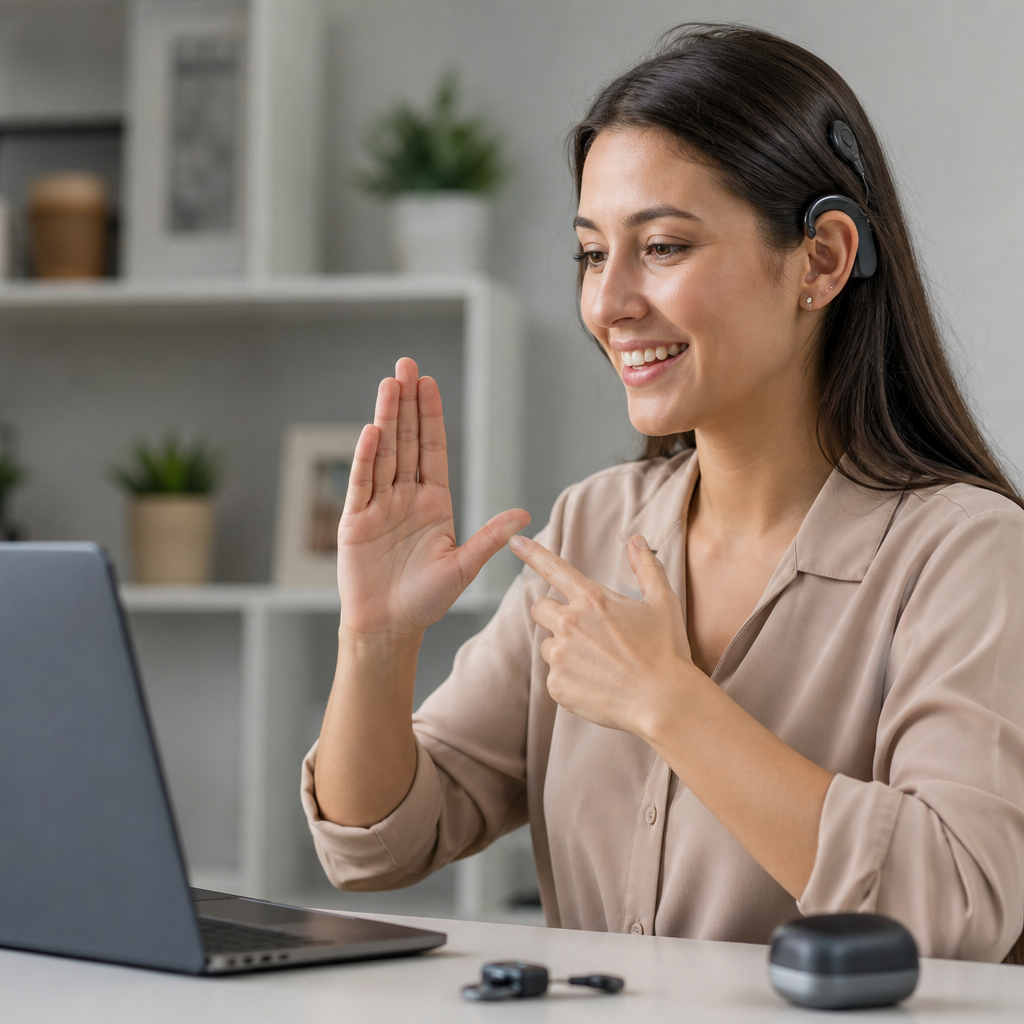
Cochlear implants can transform access to speech for users who received little usable information from hearing aids. Many adults report major improvements in face-to-face conversation and reduced listening strain after rehabilitation. In pediatric cases, earlier implantation is associated with better spoken language outcomes, especially when families maintain consistent device use and therapy. However, implants involve surgical risk, though serious complications are uncommon in experienced centers. Sound quality differs from natural hearing, music perception may remain challenging, and outcomes vary. Some users combine spoken language with sign language, captions, or tactile alerts because communication access is broader than hearing alone.
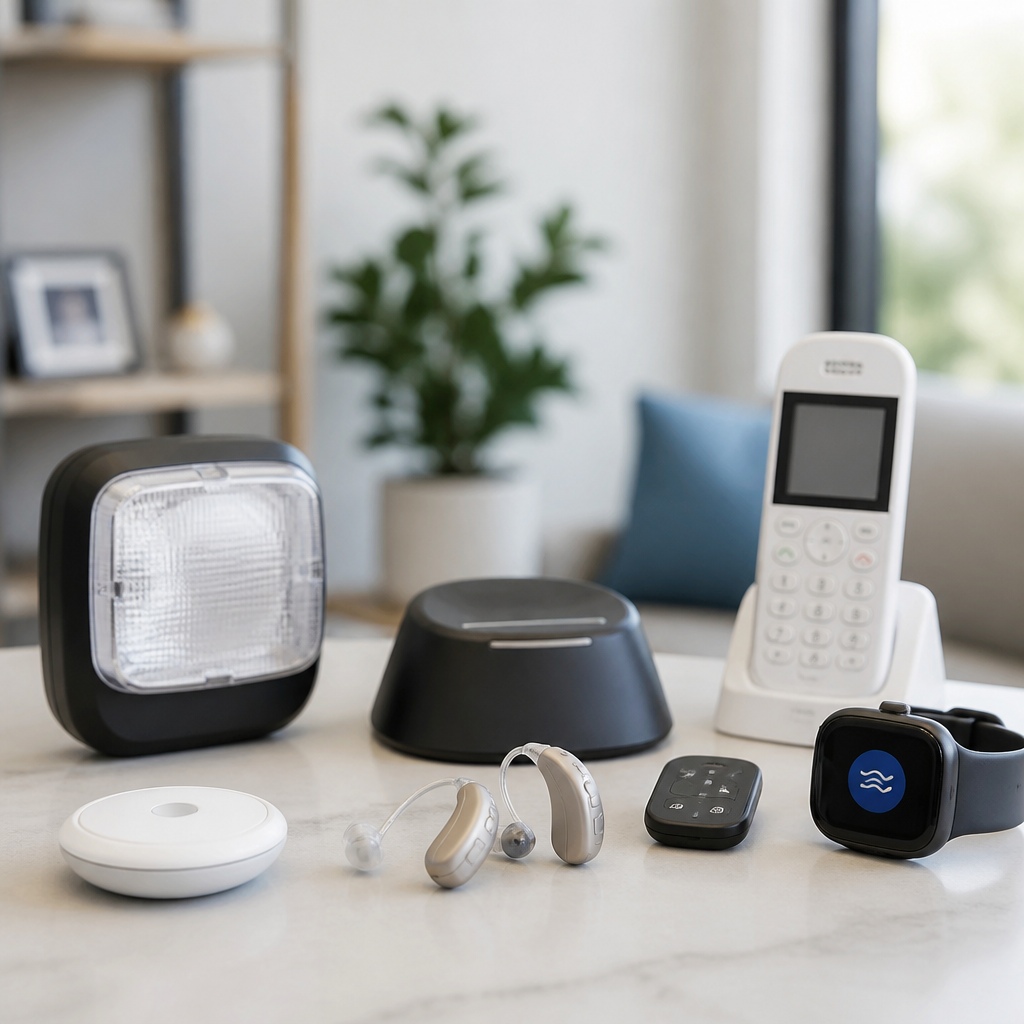
From an assistive technology perspective, the strongest results usually come from ecosystems, not single devices. Hearing aids and cochlear implants can both connect to remote microphones such as Roger systems from Phonak, which improve signal-to-noise ratio in classrooms and meetings. They can work with FM or DM systems, induction loops through telecoils or neckloops, captioned telephones, speech-to-text apps, visual doorbells, vibrating alarm clocks, and live transcription tools like CART or platform-based captions. For Deaf and hard of hearing users, the most effective toolkit is personalized and context-specific.
Evaluation, costs, and decision-making for families and adults
Deciding between hearing aids and cochlear implants starts with a complete diagnostic workup, not a product comparison. An audiologist should confirm type and degree of hearing loss, middle ear status, word recognition ability, and aided benefit. If hearing aids are underperforming, the first question is whether they were fit to target and used consistently. I have seen many apparent device failures turn out to be poor programming, outdated earmolds, or untreated earwax. If optimized hearing aids still do not provide enough speech access, a cochlear implant evaluation is the next logical step.
Cost is a major concern. In the United States, prescription hearing aids commonly cost several thousand dollars per pair, and coverage varies by private insurance, Medicaid program, and state mandates. Follow-up service may or may not be bundled. Cochlear implants involve surgical, device, hospital, and rehabilitation costs, but they are often covered by Medicare, Medicaid, and commercial insurers when candidacy criteria are met. Coverage does not erase indirect costs such as travel to implant centers, missed work, childcare, and ongoing processor upgrades. Families should ask for written estimates, warranty details, and replacement policies before committing.
Adults making this decision should consider communication goals first: understanding grandchildren, performing in meetings, hearing traffic, enjoying music, or reducing tinnitus. Parents of deaf children face additional questions about timing, language access, school supports, and whether spoken-language goals will be combined with sign language. There is no universal pathway. The right choice is the one supported by audiologic evidence, medical candidacy, communication preferences, and informed expectations.
Where these devices fit within assistive technologies
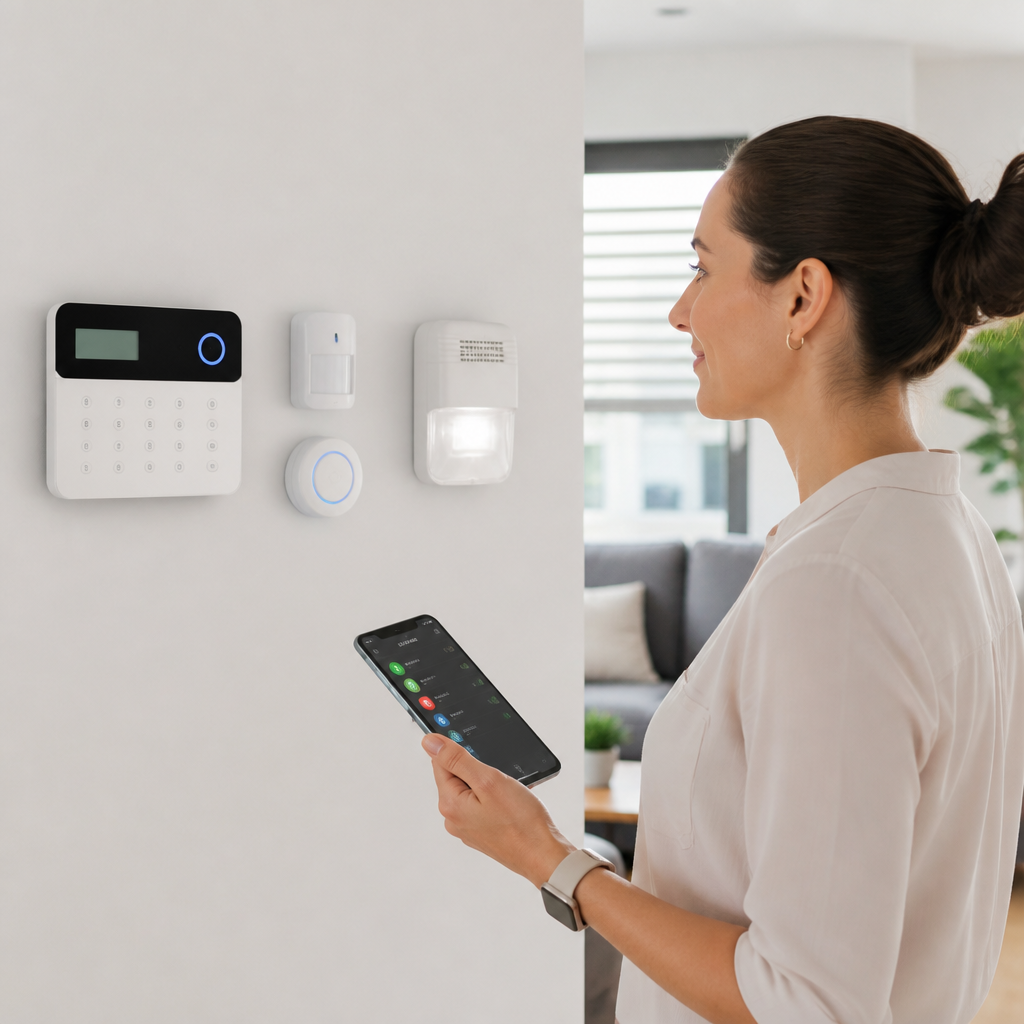
As a hub topic, assistive technologies for the Deaf community extend far beyond ear-level devices. Hearing aids and cochlear implants are central, but they are only part of a complete access strategy. Alerting technologies include flashing smoke alarms, bed shakers, video doorbells, and smart home integrations. Communication technologies include captioning services, relay services, video remote interpreting, speech recognition apps, and note-taking tools for school or work. Public access systems include hearing loops, infrared listening systems, and Bluetooth Auracast deployments that are beginning to reshape venue accessibility.
The key takeaway is interoperability. A hearing aid with telecoil support can connect instantly in looped spaces. A cochlear implant processor with direct streaming can improve phone calls and media access. A remote microphone can outperform both devices’ onboard microphones in noise because it places the microphone near the talker’s mouth. This is why successful support plans usually include primary hearing technology, environmental alerts, communication backup methods, and training in self-advocacy. Users who understand the full assistive technology landscape are better equipped to ask employers, schools, and public venues for accommodations that actually work.
Hearing aids and cochlear implants differ in mechanism, candidacy, complexity, and expected outcomes, but both can play an essential role in communication access when matched to the right person and supported by the right tools. Hearing aids amplify sound for ears that can still use acoustic input. Cochlear implants bypass damaged inner-ear structures and stimulate the auditory nerve when amplification is no longer enough. The better option depends on audiology results, aided speech understanding, medical factors, personal goals, and willingness to engage in fitting or rehabilitation. In practice, the best outcomes come from realistic expectations and a broader assistive technology plan that includes remote microphones, captioning, alerting devices, and accessible public systems. If you or a family member are struggling to hear despite current technology, schedule a comprehensive audiology evaluation and ask specifically whether your devices are optimized or whether a cochlear implant assessment is appropriate. The right support begins with accurate testing and informed questions.
Frequently Asked Questions
What is the main difference between a hearing aid and a cochlear implant?
The most important difference is how each device helps a person access sound. A hearing aid amplifies sound, making incoming speech and environmental noises louder so the ear can use whatever natural hearing remains. It works best when the inner ear still has enough functioning hair cells to send clearer sound signals to the brain once those sounds are amplified. A cochlear implant works in a completely different way. Instead of simply making sound louder, it bypasses damaged parts of the inner ear and directly stimulates the hearing nerve using electrical signals.
That distinction matters because louder sound is not always clearer sound. Many people with mild to moderate hearing loss, and even some with severe loss, do very well with properly fitted hearing aids. But when the cochlea is too damaged, amplification alone may not provide enough speech understanding, especially in conversations, classrooms, meetings, or noisy public spaces. In those situations, a cochlear implant may offer access to speech that hearing aids can no longer provide effectively. In short, hearing aids support the ear’s existing hearing ability, while cochlear implants create a different pathway for sound information to reach the brain.
Who is a good candidate for hearing aids versus cochlear implants?
In general, hearing aids are usually the first-line option for people with mild, moderate, and many cases of severe hearing loss, particularly when speech can still become clearer with amplification. They are commonly recommended for age-related hearing loss, noise-related hearing loss, and many other sensorineural losses when the person still receives meaningful benefit from louder sound. A person may be a strong hearing aid candidate if testing shows that speech understanding improves when sounds are amplified and if communication goals can be met with properly selected and programmed devices.
Cochlear implants are more often considered for people with severe to profound sensorineural hearing loss, or for those who receive limited benefit from hearing aids even when the hearing aids are high quality and well fitted. Candidacy is not based on the audiogram alone. It also depends on speech recognition scores, communication difficulties in daily life, hearing history, age at onset of hearing loss, ear anatomy, overall health, and personal goals. For children, timing can be especially important because access to sound during early development strongly affects language learning, educational progress, and social growth. For adults, candidacy may be considered when hearing aids are no longer enough for work, relationships, safety, or independence.
The decision should always come from a full evaluation by an audiologist and, when implants are being considered, a cochlear implant team that may include an otologist or ENT surgeon and speech-language or auditory rehabilitation professionals. Many families assume cochlear implants are simply a stronger version of hearing aids, but that is not the case. They are different technologies for different hearing needs, and determining candidacy requires careful testing and counseling.
Does a cochlear implant restore normal hearing better than a hearing aid?
No device truly restores natural hearing in the way glasses can correct vision. That is an important expectation to set from the beginning. Hearing aids do not “fix” hearing loss; they improve access to sound by amplifying it. Cochlear implants do not recreate normal hearing either; they provide the brain with sound information through electrical stimulation rather than the ear’s usual acoustic pathway. Because of that, the sound quality through a cochlear implant is often described as different, especially at first, and the brain needs time to learn how to interpret it.
That said, for the right candidate, a cochlear implant can provide significantly better speech understanding than hearing aids. Someone with profound hearing loss may hear amplified sound through hearing aids but still struggle to distinguish words clearly. In that case, the issue is not volume alone; it is that the damaged inner ear cannot process speech effectively. A cochlear implant may improve spoken language access, environmental awareness, and communication in quiet settings, and for many users it can also improve participation in family life, school, work, and community activities.
Results vary widely. Some people achieve excellent speech understanding on the phone and in conversation, while others continue to rely on visual cues, captions, sign language, or assistive technology. Factors that influence outcome include how long the person has had significant hearing loss, whether they had access to sound and language earlier in life, how consistently the device is used, the quality of rehabilitation, and the presence of other medical or developmental factors. So the better question is not whether one option “restores hearing” more completely, but which option provides the best functional communication for that individual.
What are the biggest differences in cost, surgery, and long-term commitment?
Hearing aids and cochlear implants involve very different levels of intervention. Hearing aids are non-surgical devices. They are fitted and programmed by an audiologist, and although they require follow-up care, adjustments, maintenance, batteries or charging, and eventual replacement, they do not involve an operation. Costs can still be significant, especially because insurance coverage for hearing aids varies widely by plan and by location. In addition to the devices themselves, there may be costs related to fitting appointments, earmolds, repairs, accessories, and future upgrades.
Cochlear implants involve surgery, medical clearance, device selection, activation, and a substantial rehabilitation process. The internal portion is implanted surgically, and the external processor is fitted later. Surgery is generally routine in experienced centers, but it is still surgery, which means there are medical risks, recovery time, and important discussions about preserving residual hearing, ear anatomy, and expected outcomes. After implantation, the work is not over. Users typically need multiple mapping appointments to program the device, along with auditory training or rehabilitation to help the brain make sense of the new sound input.
From a long-term standpoint, cochlear implants are often a larger upfront medical decision, but many insurance plans cover implant evaluation, surgery, and related care when candidacy criteria are met. Hearing aids may seem simpler, but they can also represent a continuing out-of-pocket expense over time. The best choice is not the one that appears easiest at first glance; it is the one that matches the person’s hearing profile, communication goals, and readiness for the responsibilities that come with the technology. In clinical practice, families usually do best when they understand that success with either option depends not just on buying a device, but on ongoing care, realistic expectations, and consistent use.
Can someone use hearing aids first and later switch to cochlear implants?
Yes, and that is a very common pathway. In fact, most people who receive cochlear implants have used hearing aids first. Hearing aids are often the appropriate starting point because they are less invasive and can provide excellent benefit when enough usable hearing remains. Over time, however, hearing loss may progress, or speech understanding may decline to the point where hearing aids no longer provide adequate access to spoken language. When that happens, a cochlear implant evaluation may be the next logical step.
What matters most is not waiting too long when hearing aids are clearly no longer meeting communication needs. If a child is missing speech and language input during key developmental years, delays can become harder to overcome. If an adult spends years struggling to follow conversation, withdrawing socially, or avoiding communication demands at work, quality of life can suffer and adapting to an implant may become more challenging. A common sign that it may be time for an implant evaluation is when a person says, “I can hear that people are talking, but I can’t understand what they’re saying,” even with well-fitted hearing aids.
It is also worth noting that some people use both technologies together, such as a cochlear implant in one ear and a hearing aid in the other, depending on how much residual hearing is present. This is sometimes called bimodal hearing and can help with sound awareness, listening in noise, and music perception for certain users. The key takeaway is that hearing care is not an all-or-nothing decision made once for life. Hearing needs change, technology changes, and the most effective plan may evolve over time with regular testing and guidance from hearing professionals.