
Accessibility and inclusion are often used together, but they are not the same thing, and understanding the distinction changes how organizations design products, workplaces, services, and culture. Accessibility is the practice of removing barriers so people with disabilities can perceive, understand, navigate, interact with, and contribute on equal terms. Inclusion is the broader condition in which people feel welcomed, respected, supported, and able to participate fully. In practical work, I have seen teams achieve technical accessibility compliance while still excluding people through policy, language, scheduling, pricing, or culture. I have also seen inclusive intent fail because basic access needs were not met. That is why the difference matters: accessibility creates the conditions for entry and use, while inclusion shapes belonging and equitable participation.
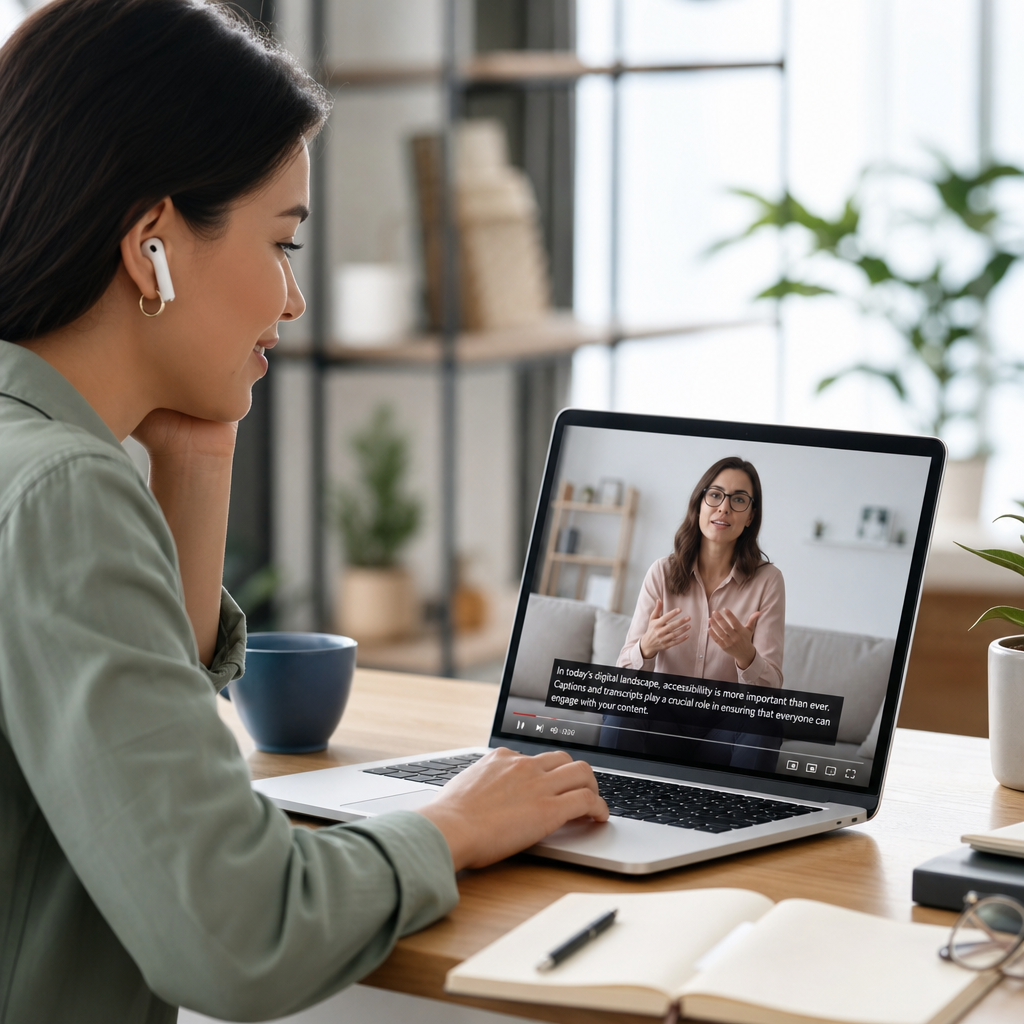
For a hub article on “What Is Accessibility?” the clearest starting point is this: accessibility is proactive design for human variation. It applies to digital products, buildings, transportation, documents, events, customer service, hiring, and education. It includes permanent disabilities such as blindness or deafness, temporary conditions such as a broken arm or concussion, and situational limitations such as holding a baby, being in bright sunlight, or trying to watch a video in a noisy airport. Good accessibility work recognizes that barriers usually come from environments and systems, not from people. A staircase disables a wheelchair user in that context. Captions enable a commuter with muted audio and a viewer who is deaf at the same time.
The topic matters because disability is common, legal obligations are real, and better access improves outcomes for everyone. The World Health Organization estimates that more than 1.3 billion people worldwide live with significant disability, roughly one in six people. In digital environments, inaccessible websites and apps can block essential tasks such as applying for jobs, scheduling care, accessing banking, or participating in school. In physical environments, poor wayfinding, missing ramps, heavy doors, and inaccessible restrooms can exclude people before the experience even begins. Organizations that understand accessibility as a core quality issue, not a side initiative, make better decisions about design, procurement, communication, and service delivery.
What Accessibility Means in Practice
Accessibility means designing and maintaining environments that people with diverse abilities can use with dignity, safety, and independence. In digital work, that includes semantic heading structure, keyboard operability, sufficient color contrast, alt text for meaningful images, form labels, captions, transcripts, error identification, and compatibility with assistive technologies such as screen readers, screen magnifiers, voice control software, and switch devices. In physical settings, accessibility includes step-free routes, door clearances, ramps with proper slope, elevators, tactile signage, hearing loops, accessible parking, and restrooms that support maneuvering space and transfer needs. In communication, accessibility may require plain language, interpreters, braille, large print, accessible PDFs, and multiple contact options.
The key point is that accessibility is measurable. Teams can test whether all functionality works by keyboard, whether a video has accurate captions, whether color contrast meets WCAG thresholds, or whether an event venue has an accessible entrance and restroom. Standards and regulations provide structure. For digital content, the Web Content Accessibility Guidelines, especially WCAG 2.1 and 2.2, remain the most widely used benchmark. In the United States, the Americans with Disabilities Act, Sections 504 and 508, the Fair Housing Act, and state laws shape expectations. Other regions use frameworks such as EN 301 549 in Europe and the Accessibility for Ontarians with Disabilities Act in Canada. Exact obligations vary, but the direction is consistent: access is not optional.
Accessibility also requires maintenance. A website that passed an audit last year can become inaccessible after a redesign, plugin update, or content change. An office that has a ramp can still be functionally inaccessible if deliveries block the path or the accessible door opener is broken. In my experience, durable accessibility comes from process: content templates, design system guidance, procurement requirements, routine testing, issue triage, and direct feedback from disabled users. Accessibility is not a one-time project. It is an operational discipline.
How Inclusion Differs From Accessibility
Inclusion goes beyond access. It asks whether people can participate meaningfully, influence decisions, and feel that they belong. A company may provide captions on town halls and still hold all key meetings at times that exclude caregivers or religious observers. A school may install ramps and still use examples, policies, or discipline practices that marginalize disabled students. A museum may offer an accessible entrance through a side door while sending a message that disabled visitors are an exception rather than part of the main audience. These examples show why accessibility is necessary but not sufficient for inclusion.
Inclusion is shaped by culture, power, and expectations. It appears in who gets invited into research, whose feedback changes the roadmap, whether accommodation requests are handled respectfully, and whether disabled people are represented in leadership, hiring, marketing, and governance. Inclusive organizations do not treat accessibility as a favor granted after someone asks. They expect human diversity from the start. They budget for accommodations, publish clear contact options, train managers, and avoid framing disabled people as edge cases. Inclusion is less about a checklist and more about whether systems distribute opportunity fairly.
A simple way to distinguish the two is this: accessibility removes barriers; inclusion changes the experience of participation. If an online application works with a screen reader, that is accessibility. If the hiring process also avoids biased assumptions about employment gaps, offers flexible interview formats, and evaluates candidates fairly, that is inclusion. The best organizations design for both at once because one without the other leaves preventable gaps.
Core Types of Accessibility Every Organization Should Understand
Accessibility is broad, and teams often miss important categories when they focus only on websites or ramps. The table below summarizes the main types and what strong practice looks like.
| Type | What it covers | Practical example |
|---|---|---|
| Digital accessibility | Websites, apps, software, kiosks, documents | An online form supports keyboard navigation, clear labels, and screen reader announcements for errors |
| Physical accessibility | Buildings, furniture, paths of travel, restrooms, transportation | A clinic provides step-free entry, automatic doors, accessible exam rooms, and adjustable-height tables |
| Communication accessibility | Language, formats, audio, visual, and live interaction | A webinar includes live captions, transcript download, and slides that use plain language and high contrast |
| Programmatic accessibility | Policies, procedures, timing, and service design | An employer offers multiple interview formats and a straightforward accommodation request process |
| Cognitive accessibility | Clarity, consistency, memory load, and comprehension | A government service uses plain language, predictable steps, and progress indicators for multi-step applications |
Digital accessibility is often the most visible because websites and apps mediate so many daily tasks. Yet cognitive accessibility deserves equal attention. Many people, including those with intellectual disabilities, ADHD, dyslexia, autism, brain injury, limited language proficiency, or stress-related overload, benefit from consistent navigation, clear instructions, chunked content, and forgiving forms. Accessibility is not only about sensory or mobility needs. It includes reducing unnecessary complexity.
Programmatic accessibility is another area organizations underestimate. A service can be technically accessible and still hard to use because the process itself is rigid or obscure. Requiring phone-only appointment scheduling can exclude Deaf users and many people with speech disabilities. Demanding printed paperwork or in-person signatures can create barriers for people with fatigue, limited transportation, or compromised immunity. When I review service journeys, some of the most significant barriers come from policy choices rather than interface defects.
What Is Accessibility in Digital Content?
For many readers, “What is accessibility?” really means digital accessibility, because websites, learning platforms, ecommerce systems, and mobile apps now function as public infrastructure. Digital accessibility means that content and functionality are perceivable, operable, understandable, and robust. Those four principles from WCAG are still the most useful shorthand. Perceivable means users can detect information, such as through text alternatives, captions, and sufficient contrast. Operable means users can interact with controls and navigation, including by keyboard alone. Understandable means content and behavior are clear and predictable. Robust means content works reliably with browsers and assistive technologies.
Consider a common checkout form. If placeholder text disappears when typing, labels are missing, errors are shown only in red, and focus jumps unpredictably, the form may block users with screen readers, low vision, color blindness, cognitive disabilities, or motor impairments. An accessible version uses persistent labels, descriptive error messages, visible focus indicators, logical tab order, autocomplete where appropriate, and enough time to complete steps. These are not cosmetic refinements. They determine whether a person can complete a transaction independently.
Teams should also understand the limits of automated testing. Tools such as axe, WAVE, Lighthouse, and Accessibility Insights are valuable for catching missing alt text, color contrast failures, or obvious structural issues, but they do not tell you whether alt text is meaningful, whether link text makes sense out of context, whether a custom component has the right keyboard behavior, or whether the flow is cognitively manageable. Manual testing and user testing with disabled participants are essential. In my audits, the highest-impact findings usually come from keyboard walkthroughs, screen reader checks with NVDA or VoiceOver, and observation of real users completing key tasks.
Why Accessibility Benefits Everyone
Accessibility is often discussed as a disability issue, but its benefits are universal because it improves usability, resilience, and reach. Captions help people in quiet offices, loud trains, and second-language contexts. Curb cuts help wheelchair users, parents with strollers, travelers with luggage, and delivery workers. Clear headings and plain language help screen reader users and anyone scanning quickly on a phone. High contrast supports users with low vision and those viewing screens outdoors. When organizations invest in accessibility, they reduce friction for a much wider audience than they first expect.
There are also business and institutional advantages. Accessible sites generally have cleaner code, stronger information architecture, better mobile performance, and clearer content hierarchy, which can improve discoverability and task completion. Accessible procurement lowers long-term remediation costs. Inclusive hiring expands talent pools in a labor market where many skilled candidates are screened out by inaccessible systems. In education and healthcare, accessibility improves compliance, service quality, and trust. None of these benefits eliminate the ethical and legal reasons for doing the work, but they do show that accessibility is aligned with operational excellence.
The reverse is also true: inaccessibility creates measurable risk. Organizations face complaints, lost customers, abandonment, reputational damage, and retrofitting expenses that far exceed the cost of building access in early. I have seen teams rebuild entire components because accessibility was deferred until late-stage QA. By then, design patterns, content assumptions, and engineering architecture were already set, making remediation slower and more expensive than doing it correctly from the start.
How to Build Accessibility and Inclusion Together
The strongest approach is to treat accessibility as a baseline requirement and inclusion as the broader operating model around it. Start with leadership commitment, then embed expectations into design briefs, purchasing, content workflows, and quality assurance. Require accessibility conformance in vendor contracts. Use design systems with accessible components. Train content authors on headings, links, alt text, and document structure. Establish a documented accommodation process for employees, customers, and event participants. Most importantly, involve disabled people directly in research, testing, governance, and hiring. Nothing improves relevance faster than participation from the people affected.
Measurement should include both barrier removal and lived experience. Track defect resolution time, caption coverage, keyboard support, document accessibility, and audit findings. Also track accommodation response times, employee engagement, customer feedback, and whether disabled users complete key tasks successfully. Accessibility metrics tell you whether access exists; inclusion metrics tell you whether access translates into equitable participation. Both matter.
Organizations should expect tradeoffs and keep improving. Legacy systems may not be easy to fix quickly. Automated documents from older platforms may produce inaccessible PDFs. Event venues may have architectural constraints. These realities are common, but they are not excuses for inaction. They are planning problems. Prioritize high-impact journeys, publish known limitations honestly, provide alternative formats or channels, and build a roadmap with accountable owners and dates. Progress becomes credible when users can see that barriers are being addressed systematically.
Accessibility and inclusion are connected, but they solve different problems. Accessibility removes the barriers that prevent people from getting in, getting information, and completing tasks. Inclusion determines whether people are respected, represented, and able to participate fully once access exists. If you remember one distinction, make it this: accessibility is about usable access; inclusion is about equitable belonging. The most effective organizations do not choose between them. They build accessible systems, then shape policies and culture so disabled people can contribute without extra friction, stigma, or dependence.
As the hub for “What Is Accessibility?” this page should ground every deeper discussion that follows, from digital standards and assistive technology to workplace accommodations, accessible events, and inclusive content strategy. The practical lesson is simple. Start with barriers. Identify where people are blocked in websites, buildings, communications, and processes. Use recognized standards such as WCAG, test with assistive technology, and listen to disabled users. Then widen the lens to inclusion by asking who has voice, who feels welcome, and whose needs are still treated as exceptions. That combination leads to better design and fairer outcomes.
If you are reviewing your own organization, choose one critical journey this week, such as applying for a job, booking an appointment, or attending an event, and evaluate it for both accessibility and inclusion. Fix the obvious barriers first, document the gaps, and build from there. That is how accessible, inclusive practice becomes real.
Frequently Asked Questions
What is the difference between accessibility and inclusion?
Accessibility and inclusion are closely related, but they are not interchangeable. Accessibility is about removing barriers so people with disabilities can access and use spaces, products, services, information, and experiences. That can include things like wheelchair access, captioned videos, screen reader compatibility, keyboard navigation, plain language content, and clear wayfinding. In other words, accessibility focuses on whether people can perceive, understand, navigate, interact with, and contribute on equal terms.
Inclusion is broader. It describes whether people feel welcomed, respected, supported, and able to participate fully once they are there. An environment can be technically accessible but still not inclusive. For example, a meeting may offer captions and an accessible entrance, but if disabled employees are interrupted, excluded from decision-making, or treated as an afterthought, the experience is not inclusive. Accessibility gets people through the door; inclusion makes sure they belong, are heard, and can thrive after they arrive.
This distinction matters because organizations often stop at compliance and assume the work is done. In practice, accessibility is a foundation, while inclusion is the culture, behavior, and design mindset that ensures equitable participation. The strongest organizations build both into how they design products, lead teams, deliver services, and shape customer experiences.
Can something be accessible without being inclusive?
Yes, and this happens more often than many organizations realize. A product, workplace, or service can meet accessibility requirements on paper and still create an experience that feels isolating, stigmatizing, or unequal. For example, a company might provide an accessible restroom, but if it is located far away, used for storage, or difficult to unlock, the message is that disabled people were considered only minimally. Similarly, a website may pass many technical checks, but if the content uses patronizing language or excludes disabled people from its imagery and examples, it is not truly inclusive.
In workplaces, this gap shows up when accommodations exist but employees feel uncomfortable requesting them, fear career consequences, or are expected to repeatedly justify their needs. In digital products, it appears when assistive technology support is present but usability is frustrating or slower for disabled users than for everyone else. Accessibility addresses whether access exists; inclusion addresses whether the experience is equitable, respectful, and designed with people in mind rather than simply added on.
The takeaway is that compliance does not automatically create belonging. Accessible design should not be treated as a box to check. It should be part of a larger commitment to include disabled people in planning, testing, hiring, leadership, and feedback loops so their participation is not only possible, but valued.
Why does understanding the difference matter for organizations?
Understanding the difference changes how organizations make decisions. If a company treats accessibility and inclusion as the same thing, it may focus only on visible fixes or legal minimums. That often leads to reactive work: adding ramps after construction, retrofitting websites after complaints, or handling accommodations one request at a time. While those actions can help, they do not address the deeper question of whether systems, culture, and design processes were built to include diverse people from the beginning.
When organizations understand accessibility as barrier removal and inclusion as full participation, they are better equipped to act strategically. Product teams start involving disabled users in research and testing. HR teams examine hiring, onboarding, benefits, communication, and promotion practices. Customer experience leaders look at whether service channels are usable, respectful, and flexible for people with different needs. Facilities teams think beyond entrances and consider navigation, lighting, acoustics, seating, and sensory comfort. Leaders also recognize that inclusion requires policies, accountability, training, and culture change, not just infrastructure.
This distinction also has business and mission value. Accessible and inclusive organizations often serve more people, reduce friction, improve trust, strengthen employee engagement, and lower the cost of retrofits and complaints. More importantly, they create environments where people can contribute their skills without being excluded by preventable barriers or dismissive attitudes. That is not only better design; it is better leadership.
How do accessibility and inclusion work together in practice?
In practice, accessibility and inclusion should reinforce each other at every stage of planning, design, delivery, and evaluation. Accessibility provides the concrete mechanisms that make participation possible: alt text, captions, accessible documents, ergonomic workspaces, step-free routes, interpreter access, readable interfaces, and compatible technology. Inclusion shapes the environment around those mechanisms so people do not have to fight to use them, explain themselves constantly, or feel like exceptions.
A useful way to think about it is this: accessibility is what removes obstacles, while inclusion is what creates a sense of belonging and equal value. In a workplace, accessibility might involve assistive software, flexible scheduling, and meeting materials shared in advance. Inclusion means those supports are normalized, managers are responsive, coworkers are respectful, and disabled employees are represented in decision-making. In a product team, accessibility might mean conforming to recognized standards and testing with assistive technology. Inclusion means involving disabled people early, listening to their feedback, and treating their lived experience as expertise rather than edge-case input.
The best results come when accessibility is built in by design and inclusion is built into culture. That means using accessible procurement standards, inclusive research methods, feedback channels that are themselves accessible, and leadership expectations that center equitable participation. Organizations that combine both are far more likely to create experiences that are usable, welcoming, and sustainable over time.
What are the first steps an organization should take to improve both accessibility and inclusion?
The first step is to assess the current state honestly. That means looking beyond whether legal requirements are technically met and asking where barriers still exist in real life. Review websites, documents, physical spaces, hiring processes, meetings, customer service channels, and internal tools. Gather feedback directly from disabled employees, customers, and community members, and make sure that feedback process is accessible itself. Without listening to lived experience, organizations tend to miss the everyday friction points that audits alone may not reveal.
Next, establish a foundation for action. Create clear accessibility standards, assign ownership, provide training, and set expectations across teams rather than isolating the work with one specialist or department. Build accessibility into procurement, design reviews, content creation, event planning, and product development. At the same time, strengthen inclusion by reviewing language, representation, management practices, accommodation processes, and decision-making structures. People should not have to self-advocate repeatedly to receive equal access or respect.
Finally, treat this as ongoing organizational work, not a one-time initiative. Measure progress, prioritize the highest-impact barriers, and include disabled people in governance, testing, and leadership conversations. Accessibility improves systems; inclusion improves culture. When both are pursued together, organizations move from simply allowing people to enter a space to ensuring they can participate fully, contribute meaningfully, and feel that they genuinely belong.