
Holistic wellness approaches for the Deaf community work best when health is treated as a connected system of physical care, mental well-being, communication access, social belonging, safety, and daily lifestyle habits. In practice, holistic wellness means looking beyond isolated symptoms and asking a broader question: what conditions help Deaf people thrive across home, school, work, relationships, and healthcare settings? That includes sleep, nutrition, movement, stress management, language access, culturally competent care, and the ability to participate fully in community life. I have worked with Deaf clients, interpreters, and accessible health programs, and one lesson is consistent: wellness improves fastest when communication barriers are addressed first, not last.
The term Deaf community includes people who identify as Deaf, deaf, hard of hearing, late-deafened, DeafBlind, and culturally Deaf sign language users, although needs differ within and across these groups. Some people use American Sign Language, some rely on spoken language, some use signed exact systems, captioning, hearing technology, tactile signing, or a combination. Wellness planning must start with individual preference rather than assumptions. A person who signs fluently may need a qualified interpreter in medical visits, while another may prefer real-time captions, written communication, or assistive listening devices. The common principle is autonomy. Accessible care is not a courtesy; it is a clinical necessity because misunderstanding health information leads directly to poorer outcomes.
This matters because Deaf people routinely encounter preventable barriers that affect every dimension of health. Research across public health and disability studies has shown lower access to preventive screening, reduced health literacy when information is not available in accessible formats, and higher levels of stress linked to communication fatigue and exclusion. Social determinants such as employment instability, transportation access, educational inequity, and provider bias also shape outcomes. A holistic wellness hub for the Deaf community therefore has to cover lifestyle and self-care, but also the structures that make self-care realistic. Better wellness is built through accessible systems, supportive relationships, and habits that can be sustained in real life.
Accessible healthcare is the foundation of Deaf wellness
Accessible healthcare is the starting point because every other wellness goal depends on clear communication, informed consent, and trust. Under the Americans with Disabilities Act and Section 504 of the Rehabilitation Act in the United States, healthcare providers must provide effective communication, which may include qualified sign language interpreters, video remote interpreting when appropriate, captioning, assistive listening systems, or written materials in plain language. In my experience, problems arise when clinics treat access as optional or rely on family members to interpret. That creates privacy concerns, increases clinical error, and often leaves the patient filtering complex information through someone else’s vocabulary.
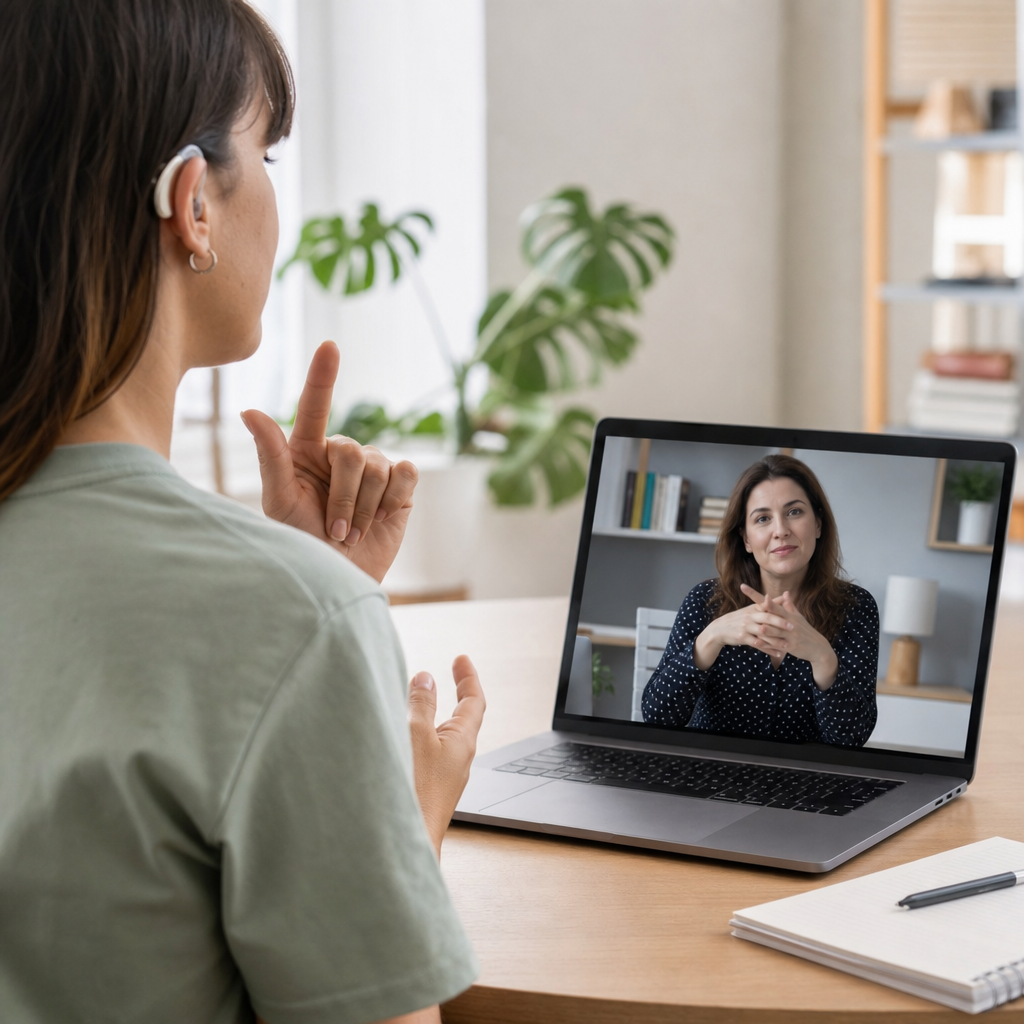
Effective communication also means preparing before the appointment. Patients benefit from confirming accommodations in writing, asking for interpreter credentials when needed, requesting visual calling systems, and obtaining after-visit summaries in accessible formats. Providers improve care when they face the patient, keep masks transparent when clinically appropriate, reduce backlighting for lip readers, pause for interpretation, and avoid speaking while typing into the electronic health record. Telehealth can help, but only if platforms support integrated captions, interpreter pinning, and stable video quality. If the video freezes during medication counseling or mental health assessment, the visit is not truly accessible.
Preventive care deserves special attention. Holistic wellness is not only about managing illness; it is about catching risk early. Deaf adults should receive the same routine screenings recommended for the general population, including blood pressure checks, diabetes screening, cancer screenings, sexual health care, immunizations, and eye exams, with communication accommodations built in from the start. For DeafBlind individuals or people with additional disabilities, access may require tactile interpreters, support service providers, orientation assistance, and longer appointment times. The practical rule is simple: when communication access is built into the workflow, health care becomes safer, faster, and more effective.
Mental health, identity, and emotional resilience
Mental health is a major component of holistic wellness for the Deaf community because communication barriers and social isolation can accumulate into chronic stress. Deaf people may navigate audism, inaccessible services, family communication gaps, bullying, underemployment, and constant self-advocacy. Those pressures do not always appear in standard intake forms, yet they strongly influence anxiety, depression, trauma symptoms, and burnout. In counseling settings, I have seen clients improve not only from therapy techniques, but from finally being able to explain their experiences directly in their preferred language without mediation or delay.
Culturally responsive mental health care matters. A therapist who understands Deaf culture, visual communication norms, and the distinction between hearing loss as a medical condition and Deaf identity as a cultural-linguistic experience will ask better questions and avoid pathologizing difference. Direct communication in ASL is often preferable to interpreted therapy because emotional nuance, pacing, and trust are easier to maintain. When a direct-signing clinician is unavailable, patients should look for mental health providers experienced in working with qualified interpreters, especially for trauma treatment, couples counseling, and psychiatric evaluation. Crisis planning should also be accessible, including text-based crisis lines, captioned teletherapy, and emergency instructions in visual formats.
Resilience grows through identity affirmation and connection. Deaf clubs, peer networks, faith communities, online groups, and advocacy organizations give people spaces where communication is effortless and social energy is restored rather than drained. For children and teens, early access to language is especially protective. Strong language development supports emotional regulation, academic confidence, and family bonding. Parents who learn sign language and create visually accessible homes often see fewer behavior problems because frustration drops when communication becomes reliable. Wellness is not only the absence of distress; it is the presence of belonging, expression, and agency.
Nutrition, movement, and sleep in a visually accessible lifestyle
Good nutrition, regular movement, and consistent sleep are universal wellness pillars, but they need to be adapted to Deaf people’s lived environments. Health advice often assumes easy access to spoken classes, phone scheduling, public announcements, and audio cues. In reality, a Deaf person may avoid a fitness class if the instructor does not face participants, skip a cooking course without interpreters, or sleep poorly because they cannot hear alarms, babies, weather alerts, or overnight emergencies. Holistic wellness plans should account for these practical conditions instead of blaming individuals for inconsistency.
Nutrition guidance should be concrete and sustainable. A strong baseline is the same evidence-based pattern recommended by major health organizations: more vegetables, fruit, whole grains, legumes, nuts, lean proteins, and unsaturated fats, with lower intake of ultra-processed foods, excess sodium, and sugary drinks. The difference is delivery. Recipes, food labels, and health coaching work better in visual formats such as captioned demonstrations, signed videos, pictorial meal plans, and simple shopping lists. Community classes become more useful when instructors pause for interpretation and kitchens are arranged so participants can watch both the demonstration and the interpreter without missing steps.
Exercise adherence improves when access and safety are planned in advance. Deaf people often do well with activities that have strong visual structure, such as strength training with written sets, yoga with clear instructor sightlines, swimming with visual lane signals, cycling with vibration alerts, or group walks organized through messaging apps. Sleep deserves equal priority. Vibrating alarm clocks, smart lights, bed shakers, baby-cry alert systems, and emergency notification apps can reduce hypervigilance and improve sleep quality. The core goal is not a perfect routine; it is a realistic, repeatable lifestyle that supports energy, mood, cardiovascular health, and independence.
Communication, relationships, and social connection
Relationships are health infrastructure. People with strong social ties generally have better mental health, lower stress, and greater resilience during illness, and this is especially true in Deaf wellness. Communication access within families, partnerships, friendships, and workplaces determines whether a person feels supported or chronically excluded. Many Deaf adults grew up in hearing families with limited signing, which can create long-term emotional gaps even in loving homes. Repair is possible, but it usually requires intentional communication change rather than goodwill alone.
Families can strengthen wellness by learning the preferred communication method of their Deaf relative, using visual attention-getting strategies, keeping rooms well lit, reducing cross-talk at meals, and making important discussions fully accessible. Couples benefit from explicit communication habits, such as facing each other, checking understanding, and agreeing on how to handle conflict during fatigue or sensory overload. Workplaces should not treat accessibility as only a compliance task. Interpreters for meetings, captioned training, accessible emergency procedures, and Deaf-aware managers improve morale and retention. Inclusion reduces stress load, and reduced stress supports broader health outcomes.
Social connection also protects against loneliness, which is linked with poorer physical and mental health across populations. For Deaf people, connection is often strongest in spaces where communication is immediate and natural. Community events, sports leagues, creative groups, and online video communities can all support wellness. The key is not simply being around others; it is being understood without constant effort. That distinction is why Deaf-centered spaces are not extras. They are restorative environments that support confidence, joy, and long-term well-being.
Practical wellness tools, technology, and daily routines
Wellness improves when daily routines are supported by practical tools instead of willpower alone. The most effective tools for Deaf people are usually visual, tactile, text based, or customizable. Health systems, educators, employers, and families should think in terms of communication design: what makes this habit easier to see, track, remember, and act on? That question applies to medication adherence, meal planning, exercise scheduling, therapy follow-through, and emergency readiness.
| Wellness area | Helpful tools | Why they work |
|---|---|---|
| Appointments | Text reminders, patient portals, interpreter booking confirmation | Reduce missed visits and clarify access needs before arrival |
| Medication | Vibration alarms, smart pill dispensers, color-coded organizers | Support adherence without relying on audio cues |
| Fitness | Captioned workout apps, wearable trackers, messaging groups | Create visual instruction, accountability, and progress data |
| Sleep and safety | Bed shakers, flashing alarms, smart lights, alert apps | Improve rest while maintaining awareness of important signals |
| Mental health | Teletherapy with captions, journaling apps, text crisis options | Lower communication barriers during stressful moments |
Technology helps, but it is not a complete solution. Auto captions still make errors with medical terms, accents, and group conversations. Video remote interpreting can fail when internet speed drops or camera angles are poor. Wearables can support habits, yet they do not replace human coaching, community support, or accessible clinicians. In wellness planning, I recommend choosing a small number of reliable tools and building routines around them. A text reminder, a signed medication explanation, and a clear follow-up plan usually outperform a complicated stack of apps that no one maintains.
Simple routines are often the most durable. Set recurring health tasks on the same day each week. Keep emergency contacts, medication lists, and accommodation preferences saved in a phone note. Use patient portals to review lab results and message providers in writing. Prepare a one-page access sheet for new clinicians that explains preferred communication, assistive technology, and any triggers or accommodations. These habits reduce friction, which is one of the most overlooked drivers of consistent wellness behavior.
Building a Deaf-centered wellness plan that lasts
A sustainable wellness plan for the Deaf community should be individualized, measurable, and rooted in access. Start with a brief self-audit: Is healthcare communication effective? Are stress levels manageable? Is there enough movement, nourishing food, sleep, and social connection? Are work, school, and home environments visually accessible? Once gaps are clear, set two or three priorities rather than attempting everything at once. For example, one person may focus first on finding an accessible primary care clinic and improving sleep with alert technology. Another may prioritize therapy in ASL, meal planning, and rejoining Deaf community events after a period of isolation.
Progress is easier when support is shared across systems. Primary care providers, therapists, interpreters, vocational counselors, educators, family members, and peer mentors can all contribute, but roles should be explicit. Documentation helps. Keep records of accommodation requests, interpreter agencies, screening dates, medication changes, and wellness goals. Review what is working every few months. If a strategy depends on constant self-advocacy and still fails, the problem is usually the system, not the person.
Holistic wellness approaches for the Deaf community succeed because they respect the full reality of Deaf life: language, identity, access, health behaviors, and relationships are inseparable. When communication is accessible, preventive care becomes practical, mental health support becomes meaningful, and healthy routines become easier to maintain. The central benefit is not only better symptom management, but greater independence and quality of life. Use this hub as a starting point, then take one concrete step today: schedule an accessible checkup, update one daily routine, or reconnect with a Deaf-centered support network.
Frequently Asked Questions
What does a holistic wellness approach mean for the Deaf community?
A holistic wellness approach for the Deaf community means looking at health as a whole system rather than treating physical symptoms, emotional stress, communication barriers, and daily routines as separate issues. True wellness includes physical health, mental well-being, access to language, social connection, personal safety, quality sleep, nutritious food, regular movement, and supportive environments at home, school, work, and in healthcare settings. For Deaf individuals, this also means recognizing that communication access is not a luxury or convenience. It is a core health need that affects everything from stress levels and medical understanding to relationships and confidence.
In practice, a holistic approach asks broader questions such as whether a person can clearly communicate with doctors, whether they feel socially included, whether they have reliable access to Deaf-friendly mental health support, and whether their environment supports autonomy and dignity. It also accounts for the impact of chronic misunderstanding, language deprivation, isolation, and inaccessible systems, all of which can affect long-term wellness. Instead of focusing only on one diagnosis or one symptom, holistic care supports the full person and creates conditions that help Deaf people thrive consistently in everyday life.
Why is communication access such an important part of Deaf wellness?
Communication access is central to wellness because health depends on understanding, being understood, and having the ability to make informed decisions. When Deaf people do not have access to qualified interpreters, direct communication, captioning, visual alerts, or providers who understand Deaf communication needs, the result is often stress, confusion, delayed care, and reduced trust in health systems. These barriers can affect preventive care, medication use, emergency response, mental health treatment, and follow-up appointments. Over time, poor communication access can contribute to worse health outcomes and a sense of exclusion.
Strong communication access improves more than just appointments. It supports confidence, independence, emotional regulation, and social belonging. In schools and workplaces, accessible communication reduces fatigue and misunderstandings while improving participation and performance. In relationships, it strengthens connection and reduces isolation. In healthcare, it helps ensure accurate diagnoses, informed consent, and safer care. From a holistic wellness perspective, communication access is foundational because it influences nearly every area of life, including safety, self-advocacy, stress management, and the ability to build healthy routines.
How can mental and emotional wellness be supported in Deaf individuals?
Mental and emotional wellness in Deaf individuals is best supported through approaches that are culturally informed, language-accessible, and grounded in respect for Deaf identity and lived experience. Emotional health is shaped not only by personal coping skills but also by the quality of communication, social support, family understanding, educational experiences, and access to affirming services. Deaf people may experience stress related to isolation, exclusion, frequent communication breakdowns, discrimination, or the burden of constantly self-advocating in inaccessible environments. Addressing these stressors is an essential part of care.
Effective support may include therapy with sign-fluent clinicians, access to qualified interpreters in counseling settings, peer support groups, trauma-informed care, stress reduction techniques, and consistent opportunities for connection within the Deaf community. Families and caregivers also play an important role when they prioritize shared language, emotional openness, and inclusive communication. Daily habits matter as well. Adequate sleep, physical activity, time outdoors, mindful routines, creative expression, and reduced exposure to chronic stress can all strengthen emotional resilience. A holistic wellness model recognizes that mental health improves when both the individual and the surrounding environment are supported.
What lifestyle habits contribute most to holistic wellness in the Deaf community?
The most effective lifestyle habits for holistic wellness in the Deaf community are the same core habits that support overall health, but they are most successful when they are paired with accessibility and social support. These include consistent sleep, balanced nutrition, regular movement, stress management, preventive healthcare, healthy relationships, and routines that support emotional balance. Sleep is especially important because poor rest can increase anxiety, reduce concentration, and affect physical health. Nutrition and hydration support energy, mood, and long-term disease prevention, while movement helps with cardiovascular health, strength, mobility, and stress relief.
What makes these habits truly sustainable is whether the environment allows Deaf individuals to practice them with confidence and ease. For example, a wellness program should offer accessible instruction, visual communication, captioned content, and inclusive group participation. Medical screenings should be understandable and not intimidating because of communication barriers. Fitness classes, nutrition education, mindfulness workshops, and community events become far more effective when they are Deaf-aware and communication-friendly. Holistic wellness is not simply about telling people to live healthier. It is about creating accessible conditions that make healthy choices realistic, empowering, and sustainable over time.
How can families, employers, schools, and healthcare providers better support Deaf wellness?
Families, employers, schools, and healthcare providers can better support Deaf wellness by understanding that accessibility, respect, and inclusion are direct contributors to health. Families can start by building strong communication at home through sign language, visual communication strategies, and emotionally responsive interactions. Schools can support Deaf students through language-rich environments, accessible instruction, Deaf-informed counseling resources, anti-bullying policies, and opportunities for social belonging. Employers can improve wellness by providing interpreters when needed, ensuring accessible meetings and trainings, reducing communication fatigue, and creating workplace cultures where Deaf employees are included rather than accommodated as an afterthought.
Healthcare providers play a particularly important role by treating communication access as essential clinical care. This means arranging qualified interpreters, using clear visual communication methods, confirming understanding, and recognizing that rushed or inaccessible interactions can compromise safety and trust. Across all settings, the goal should be to reduce preventable stress and create environments where Deaf individuals can participate fully, ask questions, make decisions, and feel respected. When systems become more accessible and culturally responsive, they do more than remove barriers. They actively promote better physical health, stronger mental well-being, greater independence, and a deeper sense of community connection.