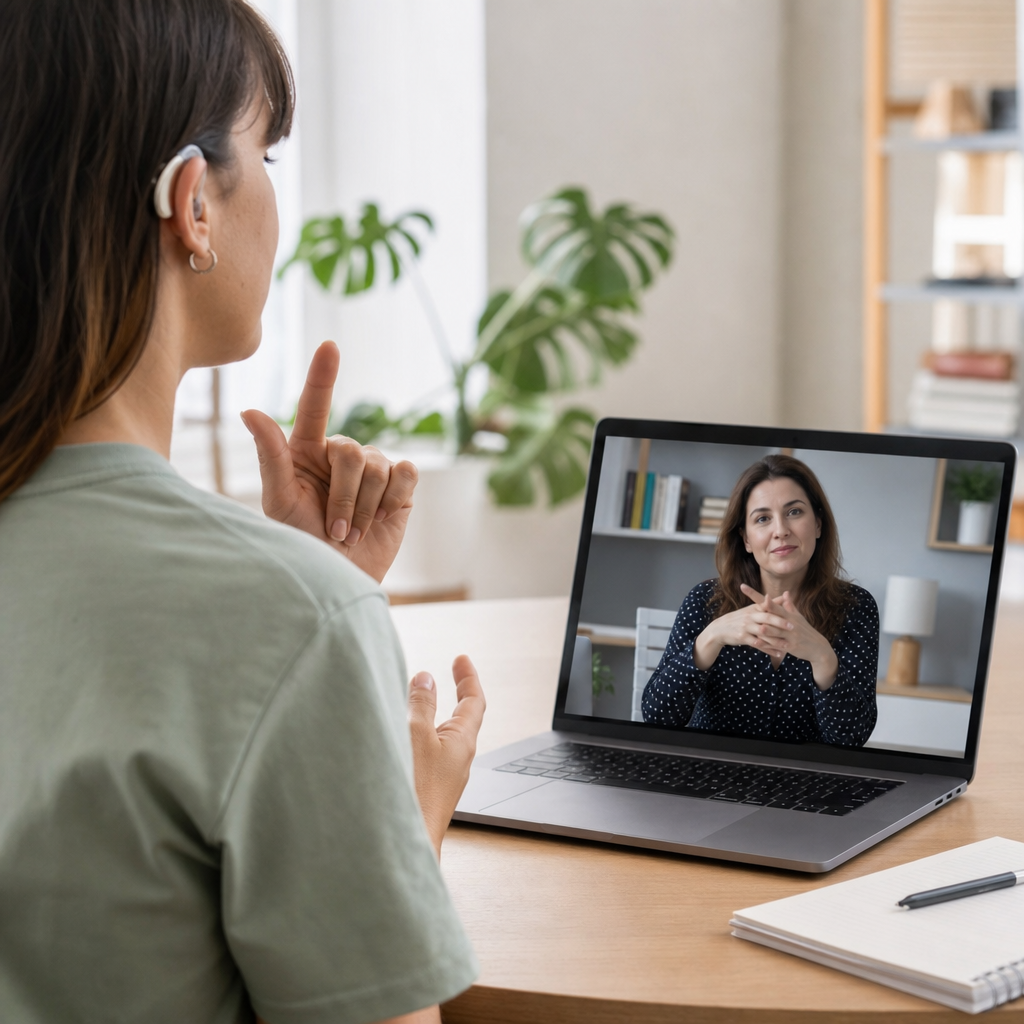

Social isolation affects physical health, mental wellbeing, and quality of life, and hearing allies can play a practical role in reducing it for people who are deaf, hard of hearing, or living with hearing changes. A hearing ally is a family member, friend, coworker, neighbor, volunteer, or community leader who intentionally helps remove communication barriers and supports full participation. In my work around accessibility and patient communication, I have seen a simple change such as facing someone while speaking or repeating a key point transform a person from withdrawn to engaged within minutes. That shift matters because isolation is not only about being alone; it is about being excluded from conversation, information, routine activities, and decision-making.
Social isolation and loneliness are related but not identical. Social isolation refers to limited contact or participation, while loneliness is the distress someone feels when their relationships do not meet their needs. Hearing loss can contribute to both. The World Health Organization estimates that more than 1.5 billion people live with some degree of hearing loss worldwide, and communication barriers are one of the main reasons they disengage from work, family events, religious services, healthcare appointments, and community groups. When speech becomes harder to follow, many people start avoiding noisy restaurants, group meetings, and phone calls. Others attend but contribute less, which can create the false impression that they are shy, confused, or uninterested.
This topic matters across the full spectrum of health, wellness, and mental health because connection is protective. Strong social ties are associated with lower stress, better treatment adherence, improved cognitive stimulation, and greater resilience during illness or life transitions. By contrast, persistent isolation is linked to depression, anxiety, reduced physical activity, and worse overall health outcomes. For older adults, untreated hearing loss has also been associated with higher risks of falls and cognitive decline, although hearing loss is only one factor among many. The practical question for families and communities is clear: how can hearing allies reduce isolation in ways that are respectful, realistic, and effective?
The answer starts with understanding that support is not charity. Effective allyship means treating communication access as a shared responsibility, much like wheelchair access or readable medication instructions. It includes awareness of listening fatigue, hearing technology, captioning, environmental design, and conversation habits. It also includes knowing when to ask rather than assume. This hub article explains how hearing allies reduce social isolation and strengthen connection at home, at work, in healthcare, and in community life. It also maps the core issues within social isolation and connection so readers can better identify risks, supportive strategies, and the next steps that make daily life more inclusive.
Why Hearing Loss Often Leads to Social Isolation
Hearing loss changes far more than volume. It often affects speech clarity, especially in background noise, on video calls, or when several people talk at once. Many people can hear that sound exists but cannot distinguish words accurately. This is particularly common with age-related high-frequency hearing loss, where consonants such as f, s, th, and t become difficult to separate. In practice, that means a person may catch only fragments of a conversation and spend the rest of the interaction guessing. I have repeatedly seen people nod along in meetings or family dinners because asking for repetition every minute feels embarrassing and exhausting.
That effort has consequences. Listening effort and listening fatigue are real, measurable burdens. When the brain has to work harder to decode speech, people tire faster and remember less. Over time, missed jokes, misunderstood plans, and the strain of trying to keep up can lead someone to opt out. They may stop attending clubs, skip holiday gatherings, or avoid calling friends because the experience is frustrating. Isolation can then become self-reinforcing: less conversation means less confidence, fewer opportunities to practice communication strategies, and a greater sense of disconnection. Hearing allies interrupt that cycle by making communication more accurate, less effortful, and more predictable.
What Hearing Allies Actually Do
A hearing ally is not an interpreter unless they are trained for that role, and they should not dominate or speak over the person they are supporting. Their core job is to reduce barriers so communication can happen directly and respectfully. In daily life, that may mean choosing a quieter table in a restaurant, making sure faces are visible, turning on captions during a movie, summarizing a fast group discussion, or checking that important information was understood. In healthcare, it may mean requesting assistive listening devices, confirming follow-up instructions, or making sure a clinician speaks clearly and faces the patient.
Good allies also normalize accessibility instead of treating it as an inconvenience. They ask, “What helps you most here?” rather than assuming one solution works everywhere. Some people rely on hearing aids or cochlear implants; others prefer speech-to-text apps, lipreading support, sign language, note taking, or a mix of methods. The best allies understand that technology helps but does not erase communication barriers. A premium hearing aid may perform well in one-on-one conversation and still struggle in reverberant spaces, crowded events, or poorly mic’d webinars. Allyship fills the gap between available tools and real-life settings.
Reliable support usually includes a handful of repeatable actions that make a measurable difference in participation and confidence.
| Situation | Common Barrier | Helpful Ally Action | Why It Reduces Isolation |
|---|---|---|---|
| Family dinner | Multiple people speaking at once | Guide turn-taking and repeat key points | Makes group conversation easier to follow |
| Restaurant outing | Background noise and poor lighting | Request a quiet booth with good lighting | Reduces listening effort and missed cues |
| Medical visit | Fast explanations, masks, jargon | Ask for written instructions and clear communication | Improves understanding and confidence |
| Work meeting | Distant speakers and weak audio | Enable captions and share an agenda in advance | Supports participation and follow-up |
| Video call | Lag, overlapping speech, poor microphones | Use live captions and one-speaker-at-a-time norms | Prevents withdrawal from digital social life |
Communication Strategies That Work in Everyday Life
The most effective communication strategies are simple, consistent, and respectful. First, get attention before speaking by saying the person’s name or giving a gentle visual cue. Second, face the person directly and keep your mouth visible. Third, speak clearly at a natural pace. Shouting usually distorts speech and can feel patronizing; clearer articulation and shorter sentences work better. Fourth, rephrase instead of only repeating. If “The meeting moved to Thursday at three” is missed twice, try “We changed the meeting. It is now Thursday, 3:00 p.m.” That gives the brain different speech information to process.
Environment matters as much as speech. Hard surfaces, music, traffic, fans, and side conversations all compete with spoken words. Allies can reduce noise, improve lighting, and position themselves close enough for easier listening. In homes, that might mean turning off the television during important discussions. In community settings, it may mean arriving early to choose a better seat near the front and away from kitchen noise or speakers. At events, sharing names, topics, and schedules in writing can prevent a person from feeling lost before the conversation even starts. Small adjustments preserve dignity because they reduce the need for constant repair.
Digital communication also deserves attention because isolation increasingly happens online. Many people miss out on friendships, support groups, classes, and remote work opportunities because video platforms are poorly set up. Hearing allies can insist on live captions in Zoom, Microsoft Teams, or Google Meet, encourage speakers to use quality microphones, and ask participants not to talk over one another. For important discussions, a quick written recap in email or text can prevent misunderstandings. These habits support access not only for people with hearing loss but also for people joining from noisy locations, using a second language, or dealing with fatigue.
Hearing Allies at Home, Work, and in the Community
At home, hearing allies often have the greatest influence because everyday routines shape whether someone feels included. Families can build inclusive habits by sharing plans in writing, seating everyone where faces are visible, and making sure side comments are not the only place where important information appears. If one person constantly says, “Never mind, it doesn’t matter,” exclusion grows quickly. Couples and adult children should also understand emotional spillover. Communication breakdown can look like irritability, withdrawal, or forgetfulness, when the underlying issue is repeated listening strain. Addressing the barrier can reduce conflict and protect relationships.
In workplaces, allies help preserve both belonging and career progression. Employees with hearing loss are often excluded not by formal policy but by informal communication: hallway updates, brainstorming sessions, jokes that build rapport, and meetings with poor audio. Managers and coworkers can counter this by circulating agendas, using captioned platforms, repeating audience questions, and documenting decisions in shared notes. Inclusive meeting design improves outcomes for everyone because it reduces ambiguity. I have seen teams become more efficient after adopting these practices, not less. Accessibility is often treated as a special accommodation, but in reality it is a quality improvement strategy.
Community spaces matter just as much. Faith communities, gyms, libraries, senior centers, volunteer groups, and local clubs are where many people find identity and purpose. When these settings ignore hearing access, people stop showing up. Allies can advocate for hearing loops, captioned presentations, microphones used correctly, and printed materials that summarize announcements. Public venues increasingly use assistive listening systems under standards recognized by the Americans with Disabilities Act in the United States, but equipment is only useful when staff know it exists and can deploy it confidently. A supportive volunteer who checks the room setup can be the difference between attendance and withdrawal.
Technology, Accessibility Tools, and Their Limits
Hearing technology can significantly reduce isolation, but it works best when expectations are realistic and support is ongoing. Hearing aids amplify and process sound; cochlear implants bypass damaged parts of the ear to stimulate the auditory nerve; remote microphones send a speaker’s voice directly to a device; hearing loops transmit sound magnetically to telecoils; and captioning converts speech into text. Smartphone tools such as Live Transcribe, Otter, Ava, and built-in caption features add another layer of access. For many users, a combination of hearing devices and text support works better than either approach alone.
Still, no device fixes every environment. Background noise, reverberation, speaker distance, accents, group overlap, and poor internet audio can all degrade comprehension. Captions vary in quality, especially with technical terms, names, or fast speech. Assistive systems may exist but go unused because batteries are dead, staff are untrained, or users were never told the option was available. Hearing allies reduce these failures by learning the basics: how to pair Bluetooth accessories, where to find caption settings, when to ask for a remote microphone, and why a written summary remains important after a complex conversation. Technology is powerful, but human follow-through is what turns access into connection.
Mental Health, Identity, and the Importance of Respect
Isolation linked to hearing changes is not just a logistical problem; it can affect identity, confidence, and mental health. People may feel embarrassed about asking for repetition, worry they seem inattentive, or fear becoming a burden. Some avoid hearing aids because of stigma, cost, or disappointing past experiences. Others identify strongly with Deaf culture and may prefer sign language access over spoken-language fixes. A skilled ally respects these differences. The goal is not to force one communication method or to frame hearing loss as a personal failure. The goal is to support autonomy, understanding, and meaningful participation.
This respectful approach also helps when isolation overlaps with other risks. Older adults may be coping with grief, mobility limits, vision changes, or memory concerns. Younger adults may face workplace pressure, parenting stress, or social anxiety after years of missing conversation. In each case, hearing barriers can magnify existing strain. Allies should know when communication support is enough and when additional help is needed, such as an audiologist, primary care clinician, speech-language professional, mental health therapist, or local peer support group. People reconnect more successfully when practical access and emotional support are addressed together.
Building a More Connected Future
Hearing allies reduce isolation by making communication possible, repeatable, and respectful in the places that shape daily life. They understand that inclusion is built through habits: facing the person, reducing background noise, using captions, sharing key information in writing, and advocating for accessible spaces. They also understand limits. Some situations remain challenging even with strong devices and good intentions, so flexibility matters. A quieter venue, a shorter visit, a better microphone, or a text recap can preserve participation without forcing someone to struggle through avoidable barriers.
For families, employers, healthcare teams, and community leaders, the benefit is straightforward: when people can follow conversation, they are more likely to stay engaged, maintain relationships, and contribute their skills and perspective. That is the real opposite of social isolation. If you want to strengthen connection in your circle, start with one concrete action today: ask what communication support helps most, then make it routine. Consistency turns allyship from a kind gesture into lasting access.
Frequently Asked Questions
What is a hearing ally, and how can they help reduce isolation?
A hearing ally is someone who actively helps make communication easier and more inclusive for a person who is deaf, hard of hearing, or experiencing hearing changes. That person might be a spouse, adult child, friend, coworker, neighbor, volunteer, faith leader, teacher, or healthcare staff member. What makes someone an ally is not their title, but their willingness to notice communication barriers and take practical steps to reduce them. That can include facing the person when speaking, getting their attention before starting a conversation, reducing background noise, repeating or rephrasing information, using captions, sharing written follow-up, or helping advocate for accommodations in social, work, or medical settings.
This support matters because social isolation often grows gradually when communication becomes tiring, confusing, or embarrassing. A person may begin turning down invitations, avoiding group events, speaking less in meetings, or feeling left out in family conversations. Over time, that withdrawal can affect confidence, relationships, mental wellbeing, and even physical health. A hearing ally helps interrupt that pattern. By making everyday interactions easier and more respectful, allies help people stay connected, informed, and involved. In many cases, a simple change in how communication happens can mean the difference between someone participating fully and someone feeling invisible.
Why does hearing loss or hearing change often lead to social isolation?
Hearing changes can affect far more than the ability to catch sounds. They can make conversation unpredictable, especially in restaurants, group gatherings, meetings, public spaces, or medical appointments. When someone has to work constantly to fill in missing words, read lips, interpret facial expressions, and guess the topic, communication becomes exhausting. Even when others mean well, moving on too quickly, talking from another room, covering the mouth, or laughing without repeating what was said can leave a person feeling excluded.
That repeated strain often has emotional consequences. Many people begin to worry about misunderstanding important details, answering incorrectly, or asking others to repeat themselves too often. Some feel embarrassed, frustrated, or as though they are becoming a burden. As a result, they may participate less or avoid situations that once brought them joy. This is one reason hearing-related isolation can affect family life, friendships, work performance, and healthcare experiences all at once.
Isolation is not just a social inconvenience. It can contribute to loneliness, anxiety, low mood, reduced confidence, and a lower overall quality of life. It may also limit access to information, support, and community resources. Hearing allies help by recognizing that the problem is not simply an individual’s hearing ability; it is often the environment and communication habits around them. When those habits improve, connection becomes more possible again.
What practical things can a hearing ally do in everyday conversations?
Effective hearing allyship usually starts with small, consistent habits. Face the person directly so facial expressions and lip movements are visible. Get their attention before speaking, and avoid beginning a conversation from another room or while turning away. Speak clearly at a natural pace rather than shouting, because shouting can distort speech and make understanding harder. If something is missed, repeat it once and then rephrase it if needed. Sometimes a different choice of words is more helpful than saying the exact same sentence louder.
The environment matters as much as speech. Turning down the television, moving to a quieter table, closing a door, or choosing better lighting can significantly improve communication. In group settings, allies can help by taking turns, summarizing key points, and making sure the topic does not shift too abruptly. If a joke, announcement, or side comment is missed, a quick recap helps prevent the person from being left out. In digital settings, using captions, text follow-ups, chat summaries, or video with good lighting can make participation easier.
Just as important is attitude. A strong hearing ally stays patient, avoids showing annoyance, and does not pretend communication is successful when it is not. They ask respectful questions such as, “Would it help if I wrote that down?” or “Do you want me to repeat or rephrase it?” This approach preserves dignity and gives the person more control. Consistency is key. One thoughtful adjustment may help in the moment, but regular inclusive habits are what build trust, reduce fatigue, and make people feel welcome over time.
How can hearing allies support someone in healthcare, work, and community settings?
In healthcare settings, hearing allies can play a major role in improving access and reducing stress. Medical conversations often involve unfamiliar terminology, quick instructions, masks or equipment that block visual cues, and important decisions that should never rely on guessing. A hearing ally can help request accommodations such as captioned telehealth, assistive listening devices, written instructions, clear masks when available, or communication preferences documented in the chart. They can also encourage clinicians and staff to face the patient, speak one at a time, and confirm understanding without rushing. This kind of support helps the person stay informed and actively involved in their own care.
At work, hearing allies can make meetings, trainings, and daily communication more inclusive. They can advocate for captions on video calls, agendas shared in advance, notes afterward, quieter meeting spaces, and one-speaker-at-a-time discussion. Coworkers and managers who understand these needs can reduce misunderstandings, improve participation, and help prevent someone from being unintentionally sidelined. Inclusion at work is not only about fairness; it also supports performance, confidence, and professional growth.
In community spaces such as places of worship, volunteer groups, classes, clubs, and neighborhood events, allies can help plan for accessibility before barriers become a problem. That may include choosing quieter rooms, using microphones correctly, offering printed materials, ensuring captions are available, or checking in beforehand about communication preferences. These efforts send a powerful message that the person is expected, valued, and included. When hearing allies help remove barriers across multiple parts of life, they do more than improve communication in isolated moments; they expand a person’s access to belonging, participation, and community.
How can someone become a better hearing ally without being overbearing?
The best hearing allies lead with respect, curiosity, and flexibility. A helpful first step is to ask the person what works best for them rather than assuming one solution fits everyone. Some people prefer speechreading support, others rely more on hearing technology, sign language, captions, text, or written notes. Communication needs can also change depending on the setting, energy level, background noise, and whether the conversation is casual or important. Asking simple questions such as, “How can I make this easier?” or “What works best in group settings?” shows support without taking over.
Good allyship also means listening to feedback and adjusting without defensiveness. If someone says, “Please face me when you talk,” “I missed that from the back seat,” or “That room is too noisy for me,” the goal is not to explain the barrier away. The goal is to remove it where possible. Respectful allies understand that accessibility is an ongoing practice, not a one-time gesture. They stay aware of habits that can exclude people, such as interrupting, talking too fast, covering the mouth, or dismissing the effort required to follow conversation.
Finally, a strong hearing ally supports independence rather than speaking for the person unless asked. They can help advocate, repeat information, or prompt others to use inclusive communication, but they should avoid treating the person as passive or incapable. The aim is partnership. When allyship is grounded in dignity and practical action, it helps reduce isolation in a way that feels empowering rather than intrusive. Over time, that kind of support can strengthen relationships, restore confidence, and make everyday life more connected and less exhausting.