
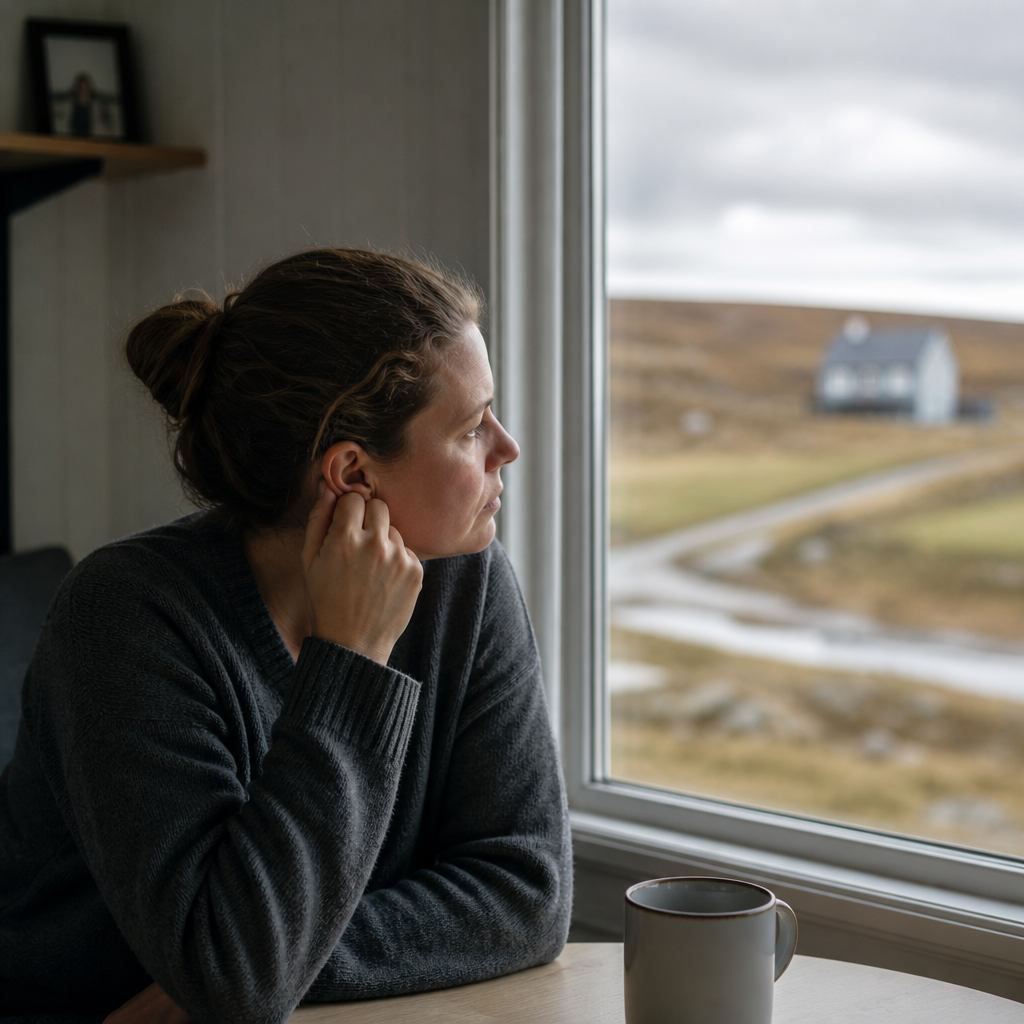
Challenges of isolation in rural Deaf communities sit at the intersection of geography, language access, healthcare gaps, transportation barriers, and chronic social exclusion. Social isolation describes an objective lack of contact, while loneliness is the subjective feeling of being disconnected; both can affect Deaf people in any setting, but rural life magnifies them through distance, fewer services, and limited access to fluent signers. In this article, Deaf refers broadly to people who use signed languages, identify culturally with Deaf communities, are hard of hearing, or navigate both signed and spoken communication depending on context. That range matters because rural isolation is not one experience. A late-deafened older adult on a farm, a Deaf teenager in a small school district, and a signing adult who must travel three hours for an interpreter all face different risks, yet each can be cut off from information, relationships, and care.
I have worked with rural accessibility planning and community health outreach, and the same pattern appears repeatedly: isolation is rarely caused by hearing status alone. It grows when systems assume everyone can drive easily, hear public announcements, book services by phone, or find local peers who share a language. For Deaf residents, connection depends on practical supports such as broadband, transportation, interpreters, captioning, relay services, and local spaces where communication is effortless rather than negotiated. When those supports are thin, everyday tasks become exhausting, and social life narrows.
This matters because social connection is strongly tied to mental health, physical health, educational outcomes, employment stability, and safety. Research across public health consistently links prolonged isolation with higher rates of depression, anxiety, stress, sleep problems, and poorer chronic disease management. Deaf people also face an added burden called communication deprivation: the cumulative impact of missing information at home, in school, at work, and in healthcare. In rural areas, that deprivation can become routine. Understanding the challenges of isolation in rural Deaf communities is the first step toward building stronger networks of belonging, access, and resilience.
Why rural Deaf isolation is different from general rural loneliness
Rural residents of all backgrounds can feel isolated, but Deaf isolation has distinct causes rooted in language and access. A hearing person living far from town may still chat with neighbors, call a clinic, listen to local radio, or attend community meetings without accommodation. A Deaf resident may face communication friction at every one of those points. Even when people are friendly, interaction can remain shallow if no one signs, captioning is absent, and written communication is treated as a last resort instead of a standard option. Over time, many Deaf adults describe withdrawing not because they dislike community life, but because participation requires constant effort.
Small population size is another factor. In many rural counties, there may be only a handful of signing Deaf residents spread across a wide area. That reduces chances of casual peer connection, role modeling, and information sharing. In cities, Deaf people can often access clubs, schools, advocacy groups, interpreters, and events where communication happens naturally. In rural settings, a person may be the only signing Deaf student in a district or the only Deaf employee in a workplace. The result is not just fewer social contacts, but fewer spaces where identity is affirmed.
Stigma can also be more visible in small towns. Privacy is limited, and misunderstandings spread quickly. If a local provider has never worked with a Deaf patient, or a school lacks experience with sign language access, the burden of educating the system often falls on the Deaf person or family. That burden contributes to fatigue, and fatigue often looks like disengagement. What appears from the outside as quietness or independence may actually be social exclusion built into ordinary routines.
How distance, transportation, and broadband shape connection
Geography is not a background detail; it determines whether Deaf residents can realistically maintain relationships and services. Long travel distances affect access to interpreters, Deaf events, specialized healthcare, vocational programs, and peer support groups. I have seen families drive two to four hours each way for an audiology appointment or a school meeting where qualified sign language interpretation was finally available. Those trips require fuel, time off work, childcare planning, and weather luck. If the trip is hard enough, people postpone care and skip social opportunities.
Transportation barriers are especially important for Deaf older adults, teens, and low-income residents. In many regions there is no public transit, paratransit is limited, and rideshare services are unreliable. If communication access exists only in the nearest city, then mobility becomes a gatekeeper to connection. Someone without a car may be effectively cut off from Deaf peers, culturally affirming spaces, and even basic legal or mental health services.
Broadband access can reduce some of that isolation, but rural internet quality remains uneven. Video-based communication is central for many Deaf people because signed languages are visual and because video relay service, telehealth, remote interpreting, and social platforms depend on stable bandwidth. A weak connection does not just inconvenience the user; it can make a counseling session unusable, distort an interpreter feed, or block participation in a family conversation. The digital divide therefore becomes a language-access divide.
| Barrier | How it affects Deaf residents | Practical consequence |
|---|---|---|
| Long distance to services | Fewer nearby interpreters, specialists, and Deaf events | Missed appointments, reduced peer contact |
| Limited transportation | Dependence on family, costly travel, fewer spontaneous outings | Lower community participation and employment access |
| Poor broadband | Unstable video relay, telehealth, captions, and online groups | Interrupted communication and weaker support networks |
| Phone-based systems | Booking, alerts, and customer service built around voice calls | Delayed access to care, services, and information |
Mental health effects of social isolation and communication deprivation
Isolation in rural Deaf communities is not only social; it is psychological and physiological. Repeated communication barriers create chronic stress. People expend energy lip-reading, guessing, self-advocating, and recovering from misunderstandings. In mental health terms, that can contribute to anxiety, hypervigilance, irritability, and emotional exhaustion. When someone cannot fully participate in conversations around them, the effect is cumulative. They may stop attending events, not because they do not want connection, but because partial access is draining.
Communication deprivation often begins early. Deaf children in hearing families may grow up with limited fluent communication at home if sign language support is not provided promptly. In rural areas, families may have fewer early intervention options, fewer Deaf mentors, and less exposure to bilingual language planning. That can affect attachment, self-esteem, and later mental health. For adults, especially those who become deaf later in life, the loss of easy communication can trigger grief and identity disruption. Without local counseling that is accessible and culturally informed, those feelings can deepen into depression.
Access to mental healthcare is a persistent weakness. Qualified interpreters trained for behavioral health work are scarce in many rural regions, and not all therapists are prepared to work effectively with Deaf clients through an interpreter or in signed language. Teletherapy has improved options, but only when licensure, technology, privacy, and broadband align. Crisis response is another concern. Hotlines, emergency dispatch systems, and mobile crisis teams may still rely heavily on voice communication, leaving Deaf residents at greater risk during urgent situations.
Family life, schools, work, and community participation
Isolation takes different forms across life stages. In family life, a Deaf person may be surrounded by hearing relatives and still feel alone if everyday communication is fragmented. Family dinners, jokes, caregiving discussions, and conflict resolution all depend on accessible language. When relatives rely on ad hoc gestures or occasional interpretation rather than shared fluency, the Deaf family member can become peripheral in their own home. Rural families may want to learn sign language but struggle to find local classes, Deaf tutors, or consistent practice partners.
In schools, rural Deaf students often face mainstream placement with minimal peer connection. Inclusion can become isolation if classroom access is technically present but socially weak. A student may have captioning or an interpreter and still miss lunch conversations, sports banter, and hallway interactions where friendships form. Extracurricular activities are also vulnerable. Coaches, bus drivers, and volunteer leaders may have little training in accessible communication, which limits belonging even when formal education plans are in place.
Employment adds another layer. Rural labor markets are smaller, and Deaf workers may have fewer employers to choose from if one workplace resists accommodation. Informal communication matters at work: safety briefings, side conversations, customer interactions, and advancement opportunities often happen outside formal meetings. When those exchanges are inaccessible, workers can be overlooked, misjudged, or left out of social networks that support retention and promotion. Community participation follows the same pattern. Faith groups, town halls, health fairs, agricultural trainings, and recreation programs may welcome Deaf residents in principle while remaining inaccessible in practice.
What reduces isolation: access, peer networks, and community design
Reducing social isolation and strengthening connection in rural Deaf communities requires both individual supports and system-level change. The most effective solutions are predictable. First, language access must be built into routine services, not treated as a rare exception. That means qualified interpreters, accurate real-time captioning when appropriate, text-based scheduling, visual alerts, and written follow-up in plain language. Healthcare systems should use established accessibility processes, not improvisation, and schools should involve Deaf adults and families in planning communication-rich environments.
Second, peer connection matters as much as formal services. Deaf clubs, online signing groups, regional meetups, mentorship programs, and family sign language classes can counteract the scarcity of local peers. I have seen rural programs succeed when they combine in-person gatherings with reliable video access, allowing people to maintain contact between events. Libraries, extension offices, independent living centers, and community colleges can serve as anchors if they provide interpreters, accessible technology, and regular programming rather than one-off events.
Third, community design should assume multiple communication modes from the start. Public health campaigns should include captions and visual messaging. Emergency planning should cover text alerts, visual shelter information, and interpreter access during briefings. Employers should normalize messaging platforms, visual safety systems, and accommodation planning. Clinicians should know how to book qualified interpreters and when remote interpreting is appropriate or inadequate. The broader goal is simple: make connection ordinary. If you support a rural Deaf resident, start locally by reviewing how people contact your service, how they receive information, and whether they can participate without exhausting self-advocacy every time.
The core challenge of isolation in rural Deaf communities is not remoteness alone. It is remoteness combined with communication barriers, thin services, and social systems built for hearing norms. That combination affects mental health, healthcare access, education, employment, safety, and family belonging. Social isolation and loneliness are serious concerns, but they are not inevitable outcomes of being Deaf or living rurally. They increase when access is inconsistent and decrease when communication is treated as essential infrastructure.
The strongest response is practical and community-based. Improve broadband, transportation, and telehealth quality. Expand interpreter availability and mental health access. Support Deaf-led peer networks, family sign language learning, and accessible schools, workplaces, and civic spaces. Small changes matter when they are consistent: text options instead of phone-only systems, captions on local videos, visual alerts in public spaces, and regular opportunities for Deaf residents to meet one another without long travel. These are not extras. They are basic conditions for connection.
As a hub for social isolation and connection, this topic points toward a clear priority: build environments where Deaf people in rural areas can communicate directly, belong fully, and reach support before isolation becomes crisis. Review your organization, clinic, school, or community program through that lens, then make one concrete accessibility improvement this month and keep going.
Frequently Asked Questions
What makes isolation especially difficult for Deaf people living in rural communities?
Isolation can be more severe in rural Deaf communities because several barriers stack on top of one another. Distance is the most obvious factor. People may live far from neighbors, schools, clinics, workplaces, and social events, which already reduces opportunities for regular contact. For Deaf individuals, that physical distance is often compounded by language access barriers. In many rural areas, there are fewer fluent signers, fewer interpreters, fewer Deaf-led organizations, and fewer chances to meet other Deaf people who share similar lived experiences. That means a person may be surrounded by others and still have very limited meaningful communication.
It is also important to separate social isolation from loneliness. Social isolation refers to an objective lack of contact or interaction, while loneliness is the emotional experience of feeling disconnected. A Deaf person in a rural town may experience one, the other, or both. For example, someone might have family nearby but still feel lonely if communication at home is limited. Another person may feel socially isolated because transportation challenges, weather, or lack of accessible events prevent them from seeing others in person.
Rural life can also reduce access to services that help lessen isolation, such as mental health care, vocational support, Deaf community events, accessible technology assistance, and educational resources. The result is not simply inconvenience. Over time, persistent disconnection can affect emotional well-being, self-advocacy, employment opportunities, health outcomes, and a person’s sense of belonging. In short, rural isolation is especially difficult for Deaf people because it is not caused by just one issue. It grows from geography, communication barriers, service shortages, and longstanding social exclusion all working together.
How do language access and limited communication options contribute to loneliness in rural Deaf communities?
Language access is central to the issue. When Deaf people cannot consistently communicate in the language or mode that works best for them, everyday life becomes more restricted. In rural communities, that may mean very few people know sign language, schools may not have strong Deaf education support, local providers may lack interpreters, and social spaces may not be accessible. Even basic interactions such as talking with a pharmacist, attending a church event, visiting a neighbor, or participating in a town meeting can become exhausting or impossible without effective communication.
Limited communication options do more than create practical obstacles. They can also shape emotional experiences. Repeatedly being left out of conversations, missing important information, or having to rely on others to interpret informal interactions can create frustration, fatigue, and a deep sense of separation. That is where loneliness often grows. A person may be physically present in family gatherings, community events, or healthcare appointments but still feel disconnected because they cannot fully participate.
Language deprivation or long-term lack of accessible communication can also have wider consequences. It may affect education, confidence, relationships, mental health, and access to community knowledge. For older Deaf adults in rural areas, the problem can be intensified by shrinking social networks, fewer mobility options, and reduced digital confidence. For Deaf children and teens, it can lead to developmental and social challenges if they are not regularly exposed to accessible language and peers. Strong communication access is not a luxury. It is the foundation that allows relationships, trust, participation, and belonging to develop in the first place.
What role do healthcare and mental health access play in the isolation experienced by rural Deaf individuals?
Healthcare access is a major factor because rural areas often have fewer providers overall, and even fewer who understand Deaf communication needs. A Deaf person may need to travel long distances for appointments, struggle to secure qualified interpreters, or encounter clinicians who are unfamiliar with Deaf culture and accessible communication practices. These obstacles can delay care, reduce trust, and make people less likely to seek help early. When healthcare is difficult to access, isolation can worsen because untreated physical and emotional health concerns often make community participation harder.
Mental health care is especially important in this conversation. Chronic isolation, repeated communication barriers, and exclusion from community life can contribute to stress, anxiety, depression, and feelings of hopelessness. Yet accessible therapy in rural settings is often limited. There may be few clinicians who work directly in sign language, few interpreters available for counseling appointments, and little local understanding of the unique pressures Deaf people face. Even telehealth, while helpful for some, depends on reliable broadband, private space, and platforms that support visual communication well.
There is also a broader issue of health information access. If public health messaging, appointment instructions, medication guidance, and preventive care resources are not accessible, Deaf residents may be left out of essential information that hearing residents receive more easily. That exclusion can reinforce dependence, fear, and withdrawal. In effective rural healthcare systems, Deaf patients are not expected to adapt alone. Providers build in interpreter access, visual communication tools, cultural competence, and clear follow-up processes. When that support is missing, isolation can become both a cause and a consequence of poor health.
Why are transportation and technology such important issues for reducing isolation in rural Deaf communities?
Transportation is critical because rural life often requires people to travel significant distances for work, school, medical care, shopping, worship, and social activities. If a Deaf person does not drive, has limited access to a vehicle, cannot afford fuel, or lives in an area with little or no public transit, their opportunities for connection shrink quickly. Missing one event or appointment in an urban area may be manageable, but in a rural area it can mean missing the only accessible service or gathering available for weeks. Transportation barriers also increase dependence on family or neighbors, which can create additional stress when communication is already limited.
Technology can help bridge some of these gaps, but it is not a complete solution. Video calling, captioning, text-based communication, telehealth, remote interpreting, and online Deaf communities can reduce some forms of isolation by making it easier to connect without traveling. For many rural Deaf people, digital tools are essential for maintaining friendships, accessing information, joining support networks, and attending appointments. However, these benefits depend on affordable high-speed internet, suitable devices, digital literacy, and platforms designed for visual communication. Rural broadband gaps can make video-based access unreliable or impossible.
Technology also cannot fully replace in-person community. People need spaces where they can communicate naturally, build trust, and feel part of a shared culture. Online access may reduce loneliness for some, but it may not solve the deeper problem of local exclusion. The most effective approach combines both mobility and connectivity: better transportation options, stronger broadband infrastructure, accessible digital services, and more community-based opportunities for Deaf people to meet, organize, and participate face to face.
What can families, service providers, and local communities do to better support Deaf people in rural areas?
Meaningful support starts with recognizing that isolation is not inevitable and not simply a personal issue. It is often the result of systems that were not designed with Deaf people in mind. Families can make a major difference by prioritizing accessible communication at home, learning and using sign language when appropriate, sharing information directly rather than secondhand, and making sure Deaf relatives are included in everyday conversations and decisions. Consistent communication at home helps reduce loneliness and strengthens long-term resilience.
Service providers, including schools, clinics, employers, social service agencies, and faith communities, should focus on accessibility as a routine responsibility rather than an exception. That includes providing qualified interpreters, using captioned and visually accessible materials, training staff in Deaf awareness, and creating environments where Deaf individuals can participate without having to constantly self-advocate. Rural providers can also build partnerships with regional Deaf organizations, remote specialists, and interpreter networks to improve access even when local resources are limited.
At the community level, support often depends on intentional inclusion. Local leaders can make public meetings accessible, fund transportation and broadband improvements, support peer groups and community events, and involve Deaf residents in planning decisions. Schools and libraries can host sign language programs, digital access support, and inclusive gatherings. Employers can improve workplace communication and career advancement opportunities. Most importantly, Deaf people from rural communities should be included in shaping solutions. The strongest responses to isolation are not imposed from outside. They are built through collaboration, language access, practical resources, and respect for Deaf people as full participants in rural community life.