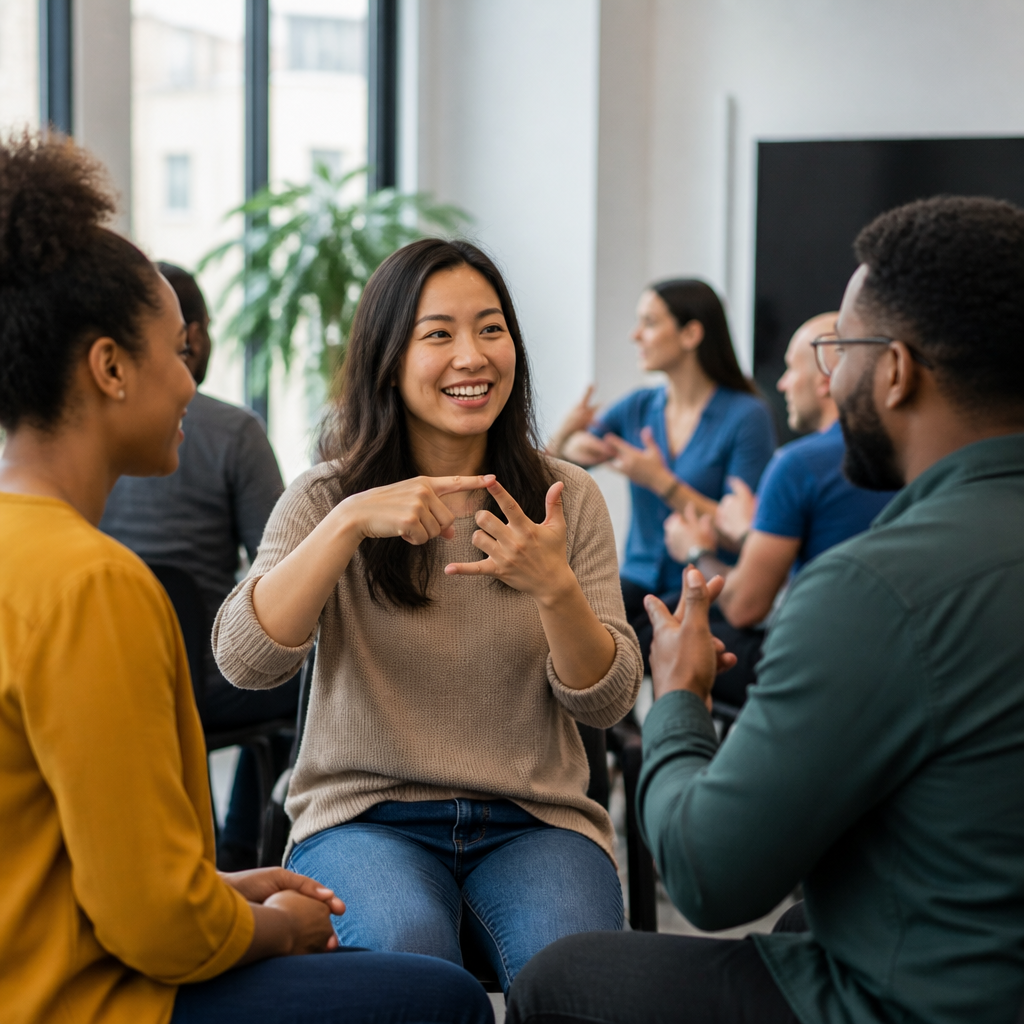
Finding Deaf social groups and events can change daily life from isolated and exhausting to connected, affirming, and practical. In this context, Deaf refers broadly to people who are culturally Deaf, deaf, hard of hearing, late-deafened, DeafBlind, or exploring where they fit in signed and spoken communities. Social groups include informal meetups, advocacy organizations, hobby clubs, support circles, sports teams, faith communities, and online spaces that lead to in-person relationships. Events range from coffee chats and silent dinners to conferences, theater nights, interpreter-accessible workshops, and community health programs. I have helped people locate these networks in new cities, after hearing loss diagnoses, and during major life transitions, and the same pattern holds: when access improves, mental health, confidence, and practical support usually improve with it.
This matters because social isolation is not just loneliness. It is a measurable health risk linked to depression, anxiety, poor sleep, higher stress, and weaker engagement with work, school, and healthcare. For Deaf and hard of hearing people, isolation often comes from communication barriers rather than lack of interest in others. A person can be surrounded by people and still be excluded if captions are missing, interpreters are unavailable, or no one knows basic communication etiquette. Strong Deaf social connection provides more than friendship. It offers language access, identity development, role models, local resource sharing, and relief from the constant labor of lipreading or explaining access needs. A good hub article on social isolation and connection should therefore show not only where to look, but how to evaluate whether a group is truly welcoming, sustainable, and worth your time.
Why Deaf social connection supports mental health and belonging
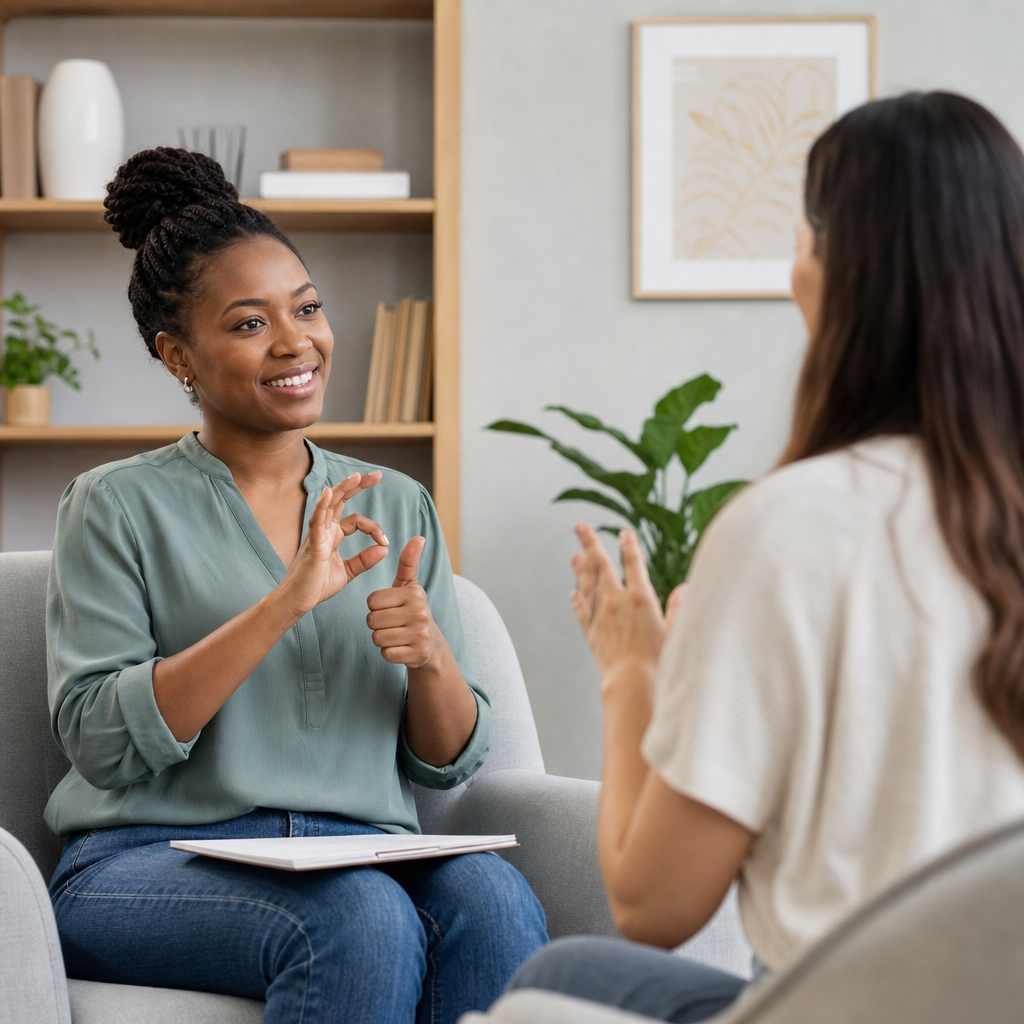
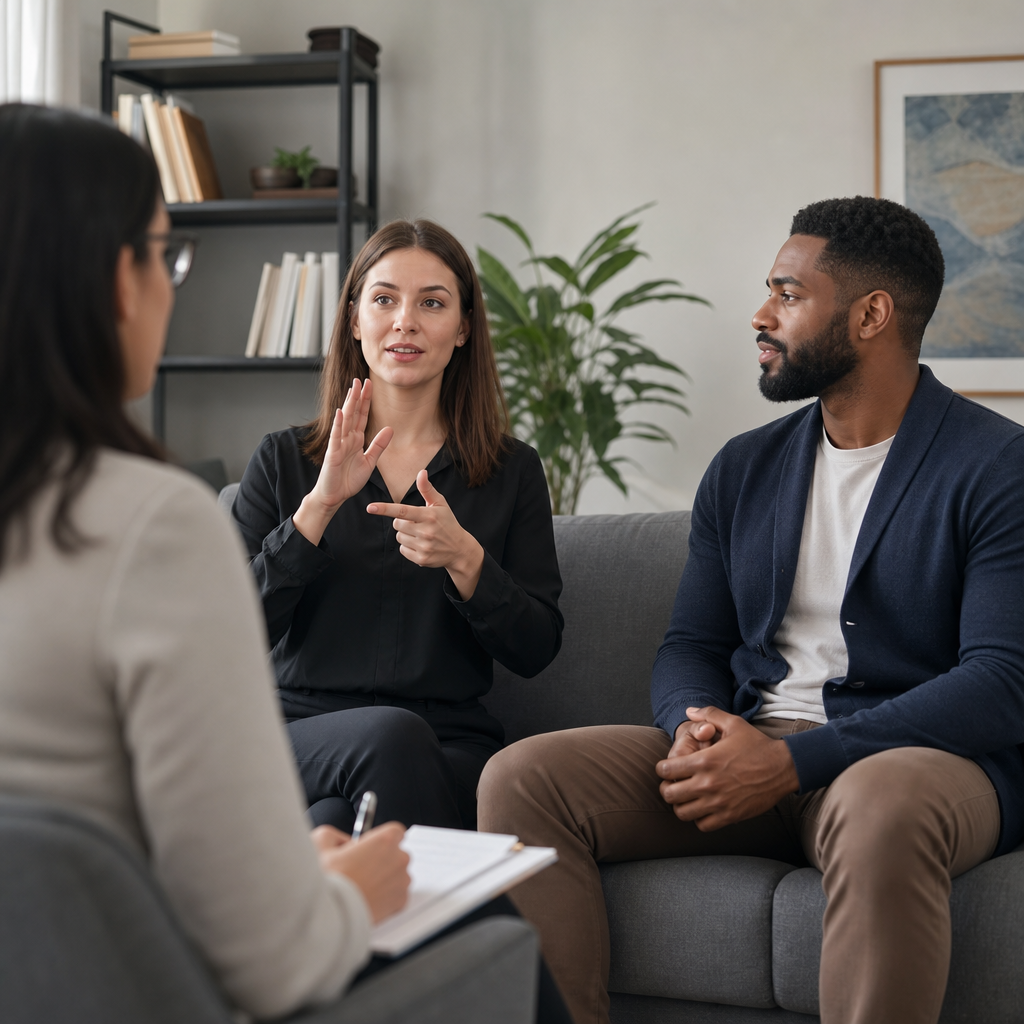
Deaf social groups and events improve wellbeing because they reduce communication fatigue and create environments where people do not have to negotiate access every minute. Communication fatigue is real: lipreading can require intense concentration, and even advanced hearing technology does not restore hearing to a typical experience in noise. In accessible Deaf spaces, people can sign freely, use clear turn-taking, rely on captions, or combine methods without apology. That lowers stress and increases participation. In practice, I have seen newcomers relax within minutes when they realize they do not need to guess what was said across a table.
These groups also support identity and resilience. Someone who grew up mainstreamed in hearing settings may meet Deaf adults for the first time at a local meetup and discover new ways to communicate, advocate, and build pride. Hard of hearing adults who feel “between worlds” often find that mixed spaces offer both practical tips and emotional validation. Parents of deaf children may meet mentors who explain school accommodations, language development, and healthy expectations more clearly than any brochure. This is why social connection belongs under health, wellness, and mental health. It is not an optional extra. It is part of a functioning support system.
Where to find Deaf social groups and events locally and online
Start with established community infrastructure. State or regional associations for the Deaf, Deaf centers, independent living centers, university Deaf studies programs, vocational rehabilitation agencies, and schools for the Deaf often maintain calendars or mailing lists. Many host recurring social events, family nights, ASL gatherings, and workshops on employment, healthcare access, and technology. National organizations can also point you to local chapters. In the United States, examples include the National Association of the Deaf, Hearing Loss Association of America, state commissions for the Deaf and hard of hearing, and local Deaf service agencies. If you live outside the United States, look for country-level Deaf federations and disability rights councils.
Digital platforms help, but search strategically. Use specific queries such as “Deaf meetup near me,” “ASL social night [city],” “hard of hearing support group [region],” “silent dinner [city],” or “captioned events [venue name].” Facebook still hosts many local Deaf community groups, while Meetup, Eventbrite, Instagram, and Discord can reveal niche gatherings around gaming, parenting, queer community, faith, arts, or professional networking. For event venues, search museum, library, and theater calendars for interpreted or captioned programming. Many libraries now host ASL story times, Deaf culture talks, and disability community networking. Hospitals and community health centers sometimes run hearing loss peer groups as part of wellness programming.
| Source | What You May Find | Best Use |
|---|---|---|
| State Deaf associations | Advocacy meetings, social calendars, referrals | Finding trusted local networks |
| Schools and universities | ASL events, lectures, alumni groups | Meeting students, families, professionals |
| Libraries and museums | Interpreted tours, captioned talks, family programs | Low-pressure public events |
| Facebook and Meetup | Casual gatherings, hobby clubs, support groups | Quick discovery by city or interest |
| Theaters and arts venues | Open caption nights, interpreted performances | Shared experiences beyond support spaces |
| Vocational rehab and service agencies | Peer mentoring, workshops, referrals | Support during transition or job changes |
How to judge whether a group is truly accessible and welcoming
Not every Deaf or hearing loss event offers the same experience. Before attending, ask direct questions. What communication methods are common: ASL, spoken English with captions, cued speech, signed exact English, tactile signing, or a mix? Is the venue visually accessible, with good lighting and circular seating? Are interpreters, CART captioning, assistive listening systems, or DeafBlind accommodations available when needed? Will newcomers be introduced, or is the group tightly established? A quality organizer can answer these clearly. If answers are vague, expect inconsistency.
Look for signs of community health, not just access technology. A welcoming group has clear event details, respects different communication styles, and handles conflicts without gossip or gatekeeping. It does not shame beginners for limited signing, nor dismiss oral deaf or late-deafened people who use speech. It also avoids the opposite problem: calling an event “accessible” when Deaf people are expected to do all the adjustment. One useful benchmark is whether participants can contribute naturally, not simply observe. If you leave every event more tired than connected, the issue may be the setup, not you.
How to choose the right type of connection for your situation
The best Deaf social group depends on your goals. If you want friendship and relaxed communication, recurring coffee meetups or hobby groups are usually better than large annual conferences. If you need emotional support after recent hearing loss, peer groups for late-deafened or hard of hearing adults may feel more relevant than culturally Deaf spaces centered on fluent signers. If your aim is family support, look for parent groups, early intervention networks, or Deaf mentor programs. Young adults often do well with mixed spaces that combine social life, career advice, and identity exploration. Older adults may prefer daytime groups, transportation support, and hearing-friendly environments with less background noise.
It helps to think in layers. First, choose your communication comfort zone. Second, choose your social energy level: one-on-one, small group, or large event. Third, choose your purpose: fun, advocacy, wellness, dating, parenting, religion, or professional growth. I often recommend trying three formats within a month: one casual meetup, one structured support or advocacy event, and one interest-based activity. That comparison tells you far more than attending one event once. A group can be kind but still not be your fit. The goal is not to force belonging everywhere; it is to find environments where connection becomes easier and more consistent.
How to attend your first event with confidence
First events are easier when you prepare for access and expectations. Message the organizer in advance, introduce yourself, and ask who typically attends. Request specific supports if needed, including reserved seating, interpreters, CART, or written agendas. Arrive early so communication starts before the room becomes crowded. If you sign, tell people your signing background honestly. If you do not sign much, say that too and ask whether the group is beginner-friendly. Bring tools that help, such as a note app, speech-to-text app, portable charger, or hearing assistive devices. These are not signs of weakness; they are practical access supports.
Also plan a low-pressure exit. New environments can be draining, especially if you have been isolated for a long time. Give yourself permission to stay thirty minutes, observe, and leave if the setup is poor. Afterward, assess three things: could you follow most communication, did anyone make effort to include you, and would a second visit likely feel easier? One awkward event does not mean the whole community is closed. Many strong connections form on the second or third visit, once people recognize you and understand your communication style.
Common barriers and how to overcome them
Transportation, scheduling, anxiety, and language mismatch are the most common obstacles. Rural areas may have few Deaf-specific gatherings, making online-to-offline networking essential. In those cases, start with regional Facebook groups, virtual support meetings, and statewide event calendars, then plan occasional trips to larger community events. If childcare is the barrier, look for family-friendly programs at libraries, schools for the Deaf, and faith communities. If cost is the issue, prioritize public institutions and nonprofit events, which often offer free entry. If anxiety is the barrier, ask to bring a friend or request a designated greeter.
Language mismatch needs special attention. A person using spoken language with captions may feel lost in a fast-signing space, while a native signer may feel boxed in at an event centered on speech. Neither experience means you failed. It means the match was wrong. Keep refining. Some of the strongest communities are intentionally mixed and set norms that support multiple communication methods. Others are purposefully culture-specific, which can also be valuable. The practical rule is simple: choose spaces that reduce effort and increase meaningful participation.
Building lasting connection beyond one-time events
One event rarely solves social isolation. Lasting connection comes from repetition, contribution, and follow-up. Return to the groups where communication felt easiest and people remembered your name. Volunteer for small tasks such as greeting, sharing event posts, or helping set up chairs. Repeated visibility builds trust faster than passive attendance. Exchange contact information with one or two people instead of trying to meet everyone. Send a short follow-up message within a day or two. Suggest a concrete next step, such as coffee before the next meetup or attending a captioned play together.
This is also where mental health improves in a durable way. When people know where they are going next week, who they can text, and where they can ask practical questions, isolation loosens its grip. Over time, these networks often expand into job leads, healthcare recommendations, friendship circles, and chosen family. If you run a blog or resource page within this hub, link readers onward to related topics such as making friends as a deaf adult, online Deaf communities, communication access tools, interpreter rights, and coping with loneliness after hearing loss. Connection works best when information and community reinforce each other.
Finding Deaf social groups and events is ultimately about creating access to belonging. The most effective approach is deliberate: identify your needs, search through trusted community channels, ask clear accessibility questions, try more than one format, and follow up where the fit feels strongest. Deaf, hard of hearing, late-deafened, and DeafBlind people do not need to settle for spaces that merely tolerate them. They need spaces where communication flows, identity is respected, and participation is real.
If you have been feeling cut off, start small but start now. Search one local association, one online group, and one public venue with accessible programming this week. Send a message, attend one event, and evaluate it based on inclusion rather than nerves. The right Deaf social group can improve friendship, confidence, wellness, and day-to-day resilience. Connection is not a luxury. It is a health resource, and it is worth seeking with intention.
Frequently Asked Questions
How can I start finding Deaf social groups and events in my local area?
A strong place to begin is with Deaf-centered organizations and community hubs in your city, county, or state. Search for local Deaf associations, hearing loss organizations, Deaf service agencies, Deaf schools, interpreting programs, vocational rehabilitation offices, community centers, colleges with ASL classes, and nonprofit advocacy groups. Many of these organizations maintain event calendars, Facebook pages, email newsletters, or bulletin boards that list meetups, workshops, cultural events, and social gatherings. Libraries, disability resource centers, audiology clinics, and places of worship may also know about recurring Deaf-friendly events that are not easy to find through a general internet search.
It also helps to use a mix of online and offline strategies. Search terms such as “Deaf meetup near me,” “ASL social night,” “hard of hearing support group,” “DeafBlind events,” or “silent dinner” can uncover both casual and structured events. Social media is especially useful because many Deaf social opportunities are shared informally and updated quickly. Look through event pages, hashtags, local group discussions, and university community boards. If you do not find much right away, contact organizers directly and ask whether they know of additional gatherings. In many areas, community connection happens through word of mouth, so one event often leads to several others.
When evaluating a group, check whether it matches your communication needs and comfort level. Some spaces are ASL-first, some are voice-friendly, some are interpreted, and others may be more accessible for hard of hearing, late-deafened, or DeafBlind participants. Reviewing event descriptions for accessibility details, lighting, seating setup, visual alerts, interpreters, captions, or tactile accommodations can save frustration. The goal is not simply to attend any event, but to find spaces where communication feels natural, respectful, and sustainable.
What kinds of Deaf social groups and events are available beyond formal organizations?
Deaf social connection extends far beyond traditional advocacy groups or official associations. Many people build meaningful community through informal meetups such as coffee chats, game nights, dinners, park outings, walking groups, craft circles, book clubs, sports leagues, family events, and hobby-based gatherings. There are also Deaf-friendly spaces connected to theater, comedy, dance, visual arts, gaming, entrepreneurship, parenting, and mentoring. For some people, the most comfortable entry point is not a large Deaf event, but a smaller activity built around a shared interest where conversation can develop more naturally.
Support-oriented communities are another important category. These may include groups for late-deafened adults, hard of hearing professionals, Deaf parents, Deaf youth, Deaf seniors, cochlear implant users, DeafBlind community members, LGBTQ+ Deaf individuals, or people navigating identity and communication choices. Faith communities can also play a major role, especially when services, study groups, or social events are interpreted or led by Deaf members. These settings often provide both practical support and long-term relationships because people return regularly and get to know one another over time.
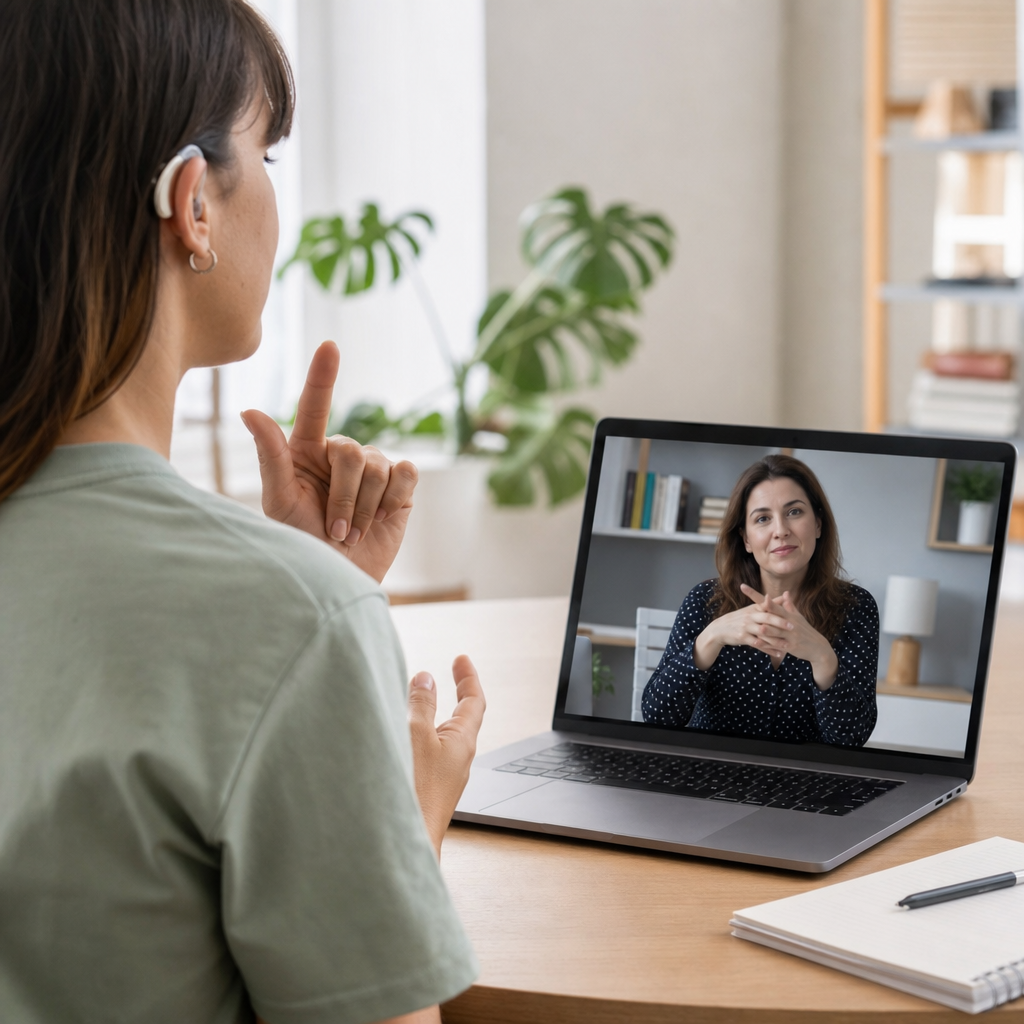
Online spaces deserve special attention because they often lead to in-person belonging. Group chats, Discord servers, Facebook groups, Meetup listings, and local event channels can help you learn who is active in your area, what events are welcoming, and how accessible they really are. For people who feel unsure, online interaction can lower the pressure of showing up cold to a new event. In many cases, community starts digitally and becomes local through meetups, rideshares, volunteer opportunities, and introductions.
What should I do if I feel nervous, out of place, or unsure where I fit in the Deaf community?
Feeling uncertain is extremely common, especially if you are newly exploring Deaf spaces, grew up without access to Deaf community, are late-deafened, are hard of hearing, use multiple communication methods, or are still figuring out your identity. There is no single “correct” way to belong. Many Deaf social groups include people with different language backgrounds, hearing histories, technologies, and levels of community experience. The most important thing is to approach with openness, respect, and a willingness to learn how that specific group communicates and connects.
One practical strategy is to choose lower-pressure events first. Smaller meetups, beginner-friendly gatherings, hobby-based groups, and recurring socials can be easier than large festivals or fast-moving conferences. If possible, message the organizer in advance and let them know you are new. Ask what the environment is like, what communication methods are common, whether newcomers attend regularly, and whether any accessibility supports are available. A good organizer will usually appreciate your honesty and help you feel more prepared.
It also helps to give yourself time. Community fit is rarely decided in one evening. You may connect immediately in one group and not in another, and that is normal. Some spaces may feel more culturally Deaf, some more mixed, and some more centered around hard of hearing or late-deafened experiences. Rather than judging yourself too quickly, think of early events as information-gathering visits. Notice whether people make room for communication, whether you leave feeling energized instead of drained, and whether the group’s pace and values work for you. Building real belonging often happens gradually through repeated attendance, familiar faces, and small conversations that deepen over time.
How can I tell whether a Deaf event or social group will be accessible for my communication needs?
Accessibility starts with specific information, not assumptions. Before attending, look for details about communication style, such as whether the event is ASL-led, spoken English with captions, interpreted, voice-on or voice-off, or open to multiple communication approaches. For DeafBlind participants, check whether tactile interpreting, SSP support, sighted guide assistance, seating accommodations, or clear environmental descriptions are available. For hard of hearing or late-deafened attendees, ask about captioning, assistive listening systems, quiet spaces, lighting, and whether the event format allows one-on-one conversation rather than only large group interaction.
The physical environment matters as much as the communication method. Good lighting, circular seating, moderate background noise, visual access across the room, and clear sightlines can dramatically affect whether an event feels inclusive. If an event is held in a dark restaurant, loud bar, or echo-heavy space, it may be socially popular but not practically accessible for everyone. Organizers who understand Deaf access will often share useful details in advance, such as room setup, interpreter placement, parking, transportation options, and whether there are visual announcements instead of audio-only instructions.
If the event description is vague, ask direct but simple questions. You might ask, “What communication methods are usually used?” “Is this event welcoming for someone new to the Deaf community?” “Will there be interpreters or captions?” “What is the lighting and seating like?” or “Do you have any accommodations for DeafBlind attendees?” These questions are not demanding; they are basic planning tools. A group that responds clearly and respectfully is often more prepared to create an inclusive experience. Over time, you will also learn which organizations consistently follow through on access and which ones require more caution.
How do I turn occasional event attendance into real friendships and long-term community?
Finding events is the first step, but belonging usually comes from consistency. Try attending the same group more than once rather than sampling many events only once. Repetition helps people recognize you, remember your name, and begin conversations more naturally. Choose one or two spaces that feel most promising and show up regularly. That might be a monthly Deaf coffee meetup, a weekly sports group, a support circle, a volunteer project, or a community class. Familiarity creates trust, and trust is what turns social contact into real connection.
It is also helpful to participate, not just observe. Introduce yourself, ask people how they found the group, join conversations during breaks, and follow up with those you connect with. If the group has an online chat or event page, engage there too. Many friendships grow in the in-between spaces: after the meeting, during carpool planning, through shared resources, or while helping set up and clean up. Volunteering is especially effective because it gives you a reason to interact, demonstrates commitment, and helps others get to know you in a low-pressure way.
Finally, remember that community is not only about finding people exactly like you. It is often built through overlapping identities, shared experiences, and mutual support. You may meet culturally Deaf signers, oral deaf adults, hard of hearing professionals, DeafBlind advocates, hearing family members, interpreters, and allies in the same broader network. The strongest communities often include a range of communication styles and life paths, as long as respect and access are present. If a group feels affirming, practical, and worth returning to, stay with it long enough for relationships to develop. Over time, what begins as a single event can grow into friendship, mentorship, shared activities, and a dependable sense of belonging.