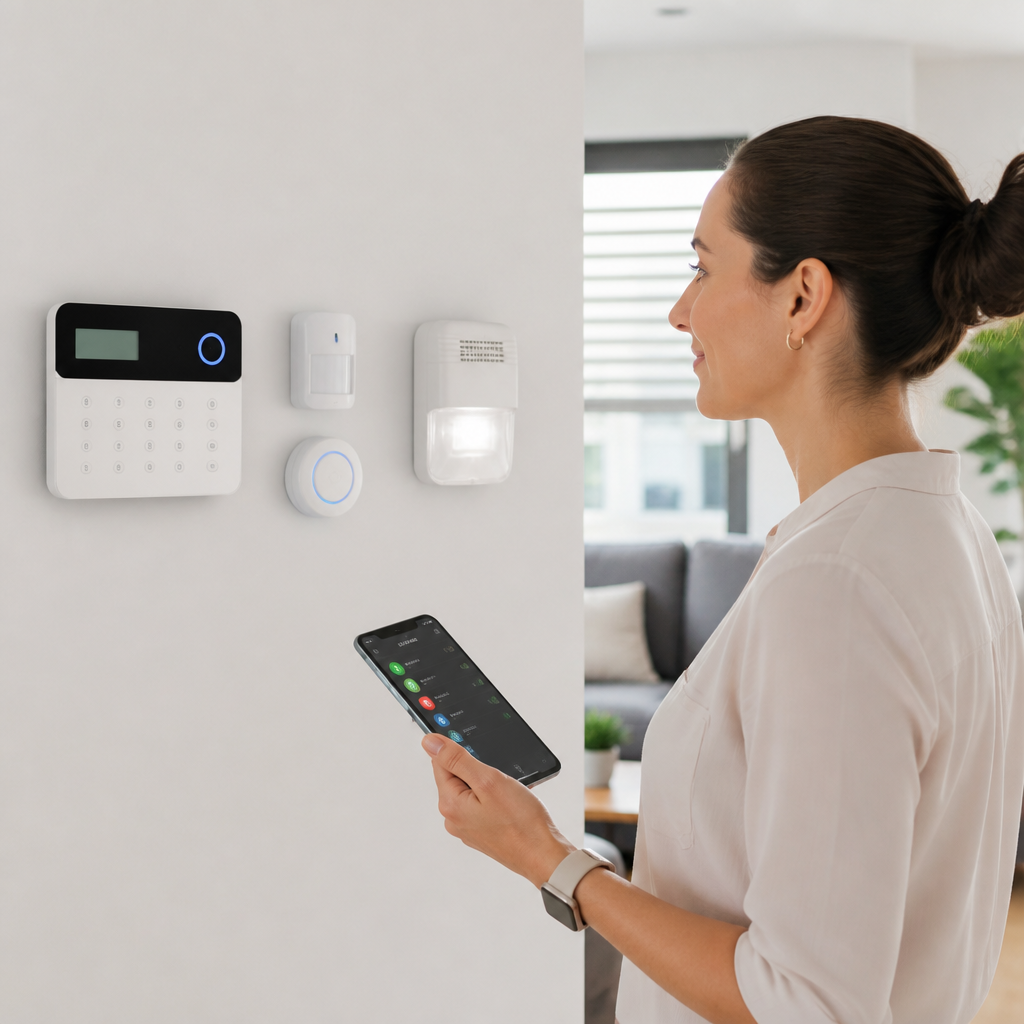
Choosing the best alarm systems for deaf and hard of hearing users starts with understanding a simple fact: an effective alert must reach the user through the senses they rely on most consistently, whether that is sight, touch, or a combination of both. In practice, that means replacing or reinforcing sound-based warnings with bright strobe lights, strong bed shakers, smartwatch vibrations, app notifications, and whole-home smart integrations that turn a missed beep into an unmistakable signal. I have tested these systems in homes, apartments, hotel rooms, and office settings, and the difference between a basic loud alarm and a true accessible alerting system is enormous. For many households, this is not a convenience upgrade. It is a safety requirement, a sleep quality issue, and a daily independence tool.
Alarm systems for deaf and hard of hearing users include any device designed to notify someone of an event without depending only on audible sound. The event may be urgent, such as fire, carbon monoxide, severe weather, or a security breach. It may also be routine, such as a doorbell press, a baby crying, a phone ringing, or a morning wake-up time. The best products use multiple alert channels at once. A smoke alarm might trigger a high-intensity strobe and a vibrating bed shaker. A video doorbell might flash smart bulbs across the house and send a vibration to a phone or watch. This category sits at the center of assistive technologies because it connects accessibility, home safety, consumer electronics, and smart home automation in one practical system.
This topic matters because hearing loss is common, and the risks of missed alerts are well documented. According to the World Health Organization, more than 1.5 billion people globally live with some degree of hearing loss, and hundreds of millions have disabling hearing loss. In the United States, the National Institute on Deafness and Other Communication Disorders estimates that roughly 15 percent of adults report some trouble hearing. Yet many homes still depend on standard alarms that assume occupants will wake to a tone or hear a warning from another room. For deaf and hard of hearing users, the best alarm systems close that gap. They support safer sleep, faster emergency response, and fuller participation in daily life. They also act as a hub within assistive technologies, linking to broader tools such as captioned phones, hearing aid streaming, cochlear implant compatibility, accessibility apps, and smart home controls.
What makes an alarm system accessible and reliable
The best alarm systems for deaf and hard of hearing users share a few nonnegotiable features. First, they deliver redundant alerts. Redundancy matters because people sleep deeply, move around the home, take off hearing devices, or set their phone on silent. A single flashing light may not wake a heavy sleeper. A single vibration may be missed if the wearable battery dies. Strong systems layer strobe, vibration, and mobile notifications so one missed signal does not become a missed emergency. Second, they are placed strategically. In my experience, even excellent hardware underperforms when a strobe is installed where the user cannot see it or a bed shaker is too weak for the mattress type. Third, they cover the full alert journey: detection, transmission, and notification. A smoke detector can sense danger, but if it does not communicate to bedroom receivers or smart hubs, the system is incomplete.
Reliability also depends on standards and power management. For fire safety, buyers should look for smoke and carbon monoxide alarms that meet recognized certification requirements such as UL listings in the United States. Wireless accessories should have battery backup and low-battery alerts that are themselves accessible. Interconnected alarms are especially important because they cause all units to activate when one sensor detects danger. For a deaf or hard of hearing sleeper, that house-wide cascade can be the difference between waking immediately and waking too late. In newer smart systems, Wi-Fi adds convenience, but I do not recommend depending on cloud connectivity alone for life-safety notifications. Local triggering, backup batteries, and dedicated receivers remain the most dependable design choices.
Core alarm categories every accessible home should consider
Assistive alarm systems usually fall into five categories: emergency safety alarms, wake-up alarms, entry alerts, communication alerts, and environmental alerts. Emergency safety alarms cover smoke, fire, carbon monoxide, security intrusion, and severe weather. These require the most robust redundancy because delays carry the highest consequences. Wake-up alarms are designed to get a person out of sleep using bed shakers, pulse vibrations, and increasingly bright light. Entry alerts notify users when someone is at the door, when a package arrives, or when motion is detected. Communication alerts cover phone calls, text messages, video relay calls, baby monitors, and intercom notifications. Environmental alerts include timers, appliance completion notices, water leak sensors, and accessibility routines such as a washing machine alert translated into flashing bulbs in the kitchen and bedroom.
As a hub within assistive technologies, this topic connects naturally to related tools readers often research next: hearing aid compatible phones, video doorbells, visual alerting systems, smart speakers with routines, captioning apps, and wearable devices. Many families begin with one need, usually a louder or more visible alarm clock, then expand into a whole-home system after recognizing how often they miss nonemergency cues. That expansion path is normal. The right approach is not buying every gadget at once. It is identifying the alerts that matter most and choosing components that can grow into an integrated setup.
Best device types and where each one works best
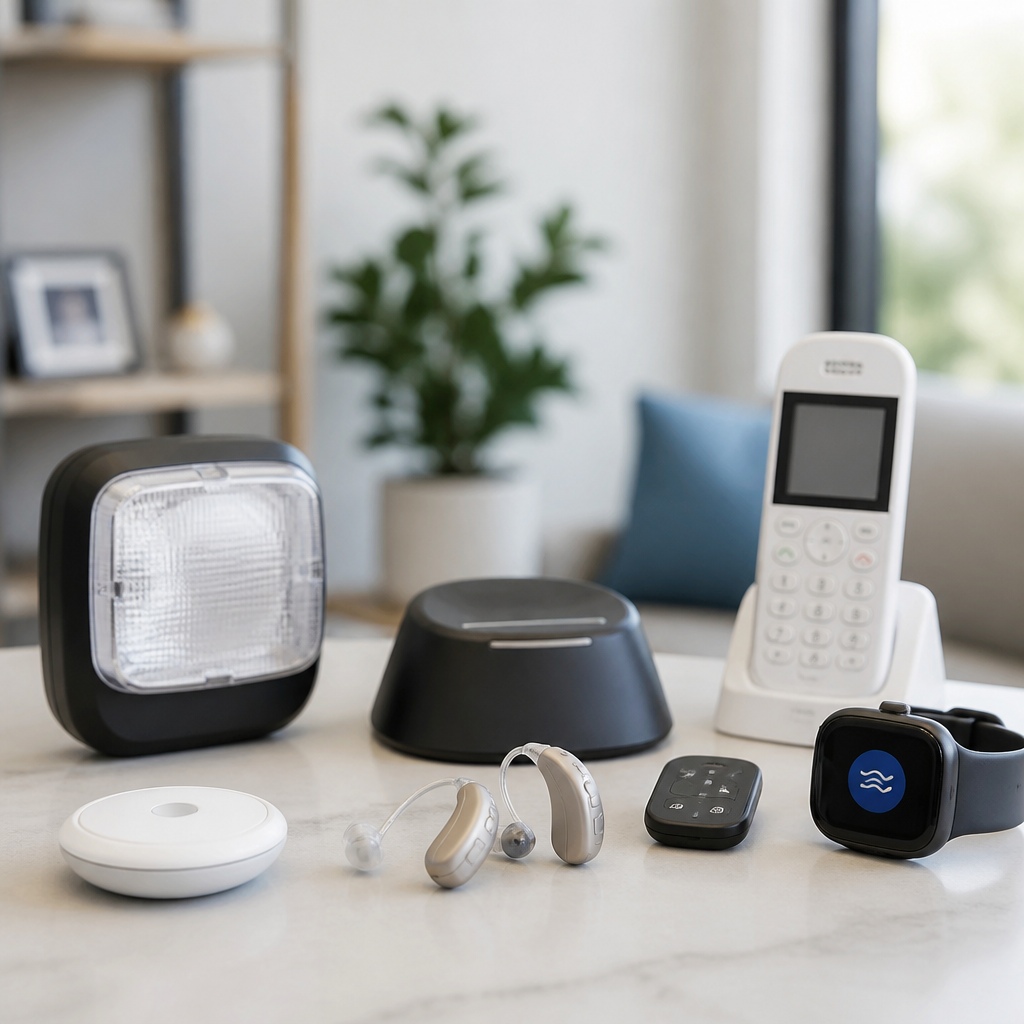
Different alarm technologies solve different accessibility problems, and no single product is best for every user. Bed shaker alarm clocks remain one of the most effective tools for waking. Models from brands such as Sonic Alert and Serene Innovations use powerful vibrating discs placed under the mattress or pillow, often paired with bright flash receivers. For users who need extra intensity, dual alarms that combine vibration, flashing, and adjustable audio offer flexibility for mixed-hearing households. Strobe-equipped smoke and carbon monoxide alarms are essential in bedrooms, hallways, and main living areas. Products from Kidde and First Alert have accessible models, but shoppers must verify whether the strobe is built in, whether units interconnect, and whether additional receivers are required.
For door and communication alerts, specialized systems from companies such as Bellman & Symfon, Silent Call, and Clarity can link transmitters to flashing receivers or vibrating pagers. These are especially useful in larger homes where a user may not see a front-door strobe from a back room. Smart home products add another layer. Ring, Nest, Arlo, and Eufy video doorbells can trigger phone vibrations, smartwatch notifications, and smart light flashes through routines. Apple Watch, Wear OS devices, and fitness bands can quietly deliver haptic alerts throughout the day, though they should complement rather than replace dedicated emergency systems. I have found that smart bulbs from Philips Hue or similar platforms are particularly effective for environmental and entry alerts because they can fill an entire room with color-based warnings instantly.
| Alarm type | Best alert method | Best use case | Common limitation |
|---|---|---|---|
| Smoke/CO alarm with strobe | Bright flash plus interconnection | Fire and gas safety during day and night | May not wake heavy sleepers without bed shaker support |
| Bed shaker alarm clock | Strong vibration under mattress or pillow | Morning wake-up and overnight emergency relay | Strength varies by mattress thickness and frame |
| Doorbell transmitter and receiver | Flashing receiver or vibrating pager | Visitors, deliveries, and household access | Separate devices may be needed for multiple doors |
| Smartwatch or phone alerts | Haptic vibration and screen notification | Calls, messages, app alerts, and camera events | Battery life and silent mode can reduce reliability |
| Smart lights and routines | Whole-room flash or color change | Entry alerts, timers, and custom household cues | Usually depends on hub setup, power, and network stability |
Smart home integration and whole-home alerting
Smart home integration has improved accessible alerting more than any other recent trend because it allows one event to trigger many outputs at once. A doorbell press can flash hallway lights blue, send a vibration to a smartwatch, display a camera feed on a smart display, and push a phone notification with a snapshot. A laundry cycle ending can flash kitchen lights green. A water leak under the sink can trigger a red bedroom lamp and a mobile alert. These routines are practical, not gimmicks. They reduce cognitive load because each event uses a consistent visual or tactile pattern. When I set up homes for accessibility, I encourage families to standardize colors and behaviors: red for danger, blue for door, green for appliance completion, amber for reminders. Consistency speeds recognition.
Platforms such as Apple Home, Google Home, Amazon Alexa, Samsung SmartThings, and Home Assistant can support these automations, but they differ in flexibility. Consumer platforms are easier to set up and work well for everyday convenience. Home Assistant offers deeper customization and local control, which some advanced users prefer because it reduces dependence on cloud services. The tradeoff is complexity. For emergency alerts, I always separate life-safety devices from convenience automations mentally, even when they work together physically. Smart routines are excellent enhancements, but smoke, carbon monoxide, and security alerts should still have direct, dedicated notification paths with battery backup.
How to choose the best alarm system for your needs
The right system depends on hearing level, sleep patterns, home layout, dexterity, vision, and budget. Start with the highest-risk scenarios. If the user removes hearing aids or cochlear implant processors at night, bedroom safety becomes the first priority. In that case, choose interconnected smoke and carbon monoxide alarms, a bed shaker, and a bright bedroom strobe before buying convenience devices. If the main issue is missing visitors and deliveries, prioritize a visual or vibrating doorbell system. If the user lives alone, add mobile alerts and remote monitoring so trusted contacts can be notified of critical events. Apartment dwellers should review lease rules and building fire systems, while homeowners have more freedom to install interconnected devices and smart lighting.
Testing matters as much as specifications. I recommend a simple checklist: Can the user detect the alert from deep sleep, in the shower, with the bedroom door closed, while watching television, and while outside in the yard? Can they tell what kind of alert it is without guessing? Is there a backup if Wi-Fi fails, if power goes out, or if a wearable battery dies? Does the system create too many false or low-priority notifications, which can lead to alert fatigue? A good accessible alarm system is noticeable, understandable, and sustainable. It should fit daily routines rather than constantly interrupt them.
Practical buying tips, costs, and common mistakes
Prices vary widely. A capable bed shaker alarm clock may cost under one hundred dollars, while a whole-home accessible alerting setup with interconnected detectors, receivers, smart lights, and cameras can run into the hundreds or low thousands. That does not mean effective protection is out of reach. The smartest strategy is phased implementation. Begin with bedroom fire and wake-up protection, then add entry and communication alerts, then layer in smart automations. Some users may qualify for assistance through vocational rehabilitation agencies, state equipment distribution programs, nonprofit deaf service organizations, or disability-focused grants. Hotel travel kits with portable bed shakers and door knock sensors are also worth considering for people who travel often.
The most common mistake I see is overreliance on smartphones. Phones are helpful, but they are not enough by themselves for critical alerts. They can be silenced, misplaced, uncharged, or outside reach. Another mistake is buying isolated devices that cannot expand. If possible, choose equipment with interconnection options or integration support. Also avoid assuming one accessibility solution works for every deaf or hard of hearing person. Some users prefer intense visual alerts. Others need strong tactile feedback. Some have usable residual hearing during the day but none during sleep. The best assistive technologies respect those differences and provide multiple notification paths.
The best alarm systems for deaf and hard of hearing users combine safety, accessibility, and everyday usability in one dependable setup. The most effective systems do not rely on louder sound. They translate important events into bright visual signals, strong vibrations, and clear, repeatable routines that match how the user actually navigates the day and night. As the hub for assistive technologies, alarm systems connect naturally to video doorbells, smart lighting, wearables, mobile apps, and broader accessibility tools. That makes them one of the most valuable upgrades a deaf or hard of hearing household can make.
If you are choosing a system now, start with the alerts that protect life first: smoke, carbon monoxide, security, and overnight wake-up. Then expand into door, phone, package, and appliance notifications using devices that can work together. Test every alert in real conditions, not just during setup. The goal is simple: no critical event should depend on sound alone. Build from that principle, and you will create a safer, calmer, more independent home. From here, explore the related assistive technologies in this topic cluster and map out the next tools that fit your daily routine.
Frequently Asked Questions
What features should deaf and hard of hearing users look for in an alarm system?
The most important feature is not volume alone, but how reliably the system can communicate through vision, touch, or both. For many deaf and hard of hearing users, the best alarm systems replace a standard sound-only alert with high-intensity strobe lights, vibrating bed shakers, wearable vibrations, and smartphone notifications. A strong system should make an alert impossible to miss, whether the user is asleep, in another room, wearing hearing devices, or focused on something else.
In practical terms, look for bright visual signals that can be seen across a room, especially in bedrooms, hallways, and common areas. Bed shakers are especially valuable for nighttime alerts because even a loud siren may not wake someone with significant hearing loss, while a strong vibration under the mattress or pillow often will. Many users also benefit from connected alerts sent to a smartwatch or phone, which adds another layer of redundancy.
It is also wise to prioritize systems that integrate multiple types of alerts instead of relying on just one. For example, a smoke detector that triggers a strobe, a bed shaker, and a mobile app alert is generally more dependable than one that only flashes a light. If the article’s goal is to identify the best alarm systems for deaf and hard of hearing users, the systems worth considering are the ones that match real-world routines and provide overlapping notifications that are hard to ignore.
Are visual alarms and bed shakers enough for fire and emergency alerts?
They are often essential, but whether they are “enough” depends on the setup, the home layout, and the user’s daily habits. For many deaf and hard of hearing people, visual alarms and bed shakers are the foundation of an effective emergency notification system because they directly address the biggest weakness of traditional alarms: sound-only alerts. A bright strobe can quickly signal danger during waking hours, and a bed shaker can be critical during sleep.
That said, the most reliable emergency setups use layered alerting. During the day, a strobe may work well if the person is in the same room or line of sight. At night, a bed shaker can provide the physical stimulus needed to wake a sleeper. But emergencies are unpredictable, so adding smartphone push alerts, smartwatch vibrations, and whole-home smart automation can significantly improve coverage. For example, a connected system can flash smart lights throughout the house, send alerts to multiple devices, and notify caregivers or family members if needed.
In short, visual alarms and bed shakers are often necessary, but the best emergency protection usually comes from combining them with additional alert methods. Redundancy matters. If one signal is missed because a person is showering, away from the bedroom, or not looking in the right direction, another signal should still reach them immediately.
How do smart home and app-connected alarm systems help deaf and hard of hearing users?
Smart home and app-connected alarm systems can dramatically improve accessibility by turning a single alarm event into multiple synchronized alerts. Instead of depending on one device to get attention, a connected system can trigger flashing lights, send phone notifications, vibrate a smartwatch, activate a bed shaker, and even alert family members at the same time. This creates a more dependable safety net, especially in larger homes or situations where the user is moving between rooms.
Another major benefit is customization. Many smart systems allow users to choose how alerts appear and where they are delivered. That might mean assigning different light colors or vibration patterns for smoke alarms, doorbells, baby monitors, or security breaches. It can also mean receiving remote notifications while away from home, which is useful for monitoring household events or staying informed if a sensor is triggered when no one is in direct view of the alarm device.
For deaf and hard of hearing users, this flexibility can make the system feel less like a generic safety product and more like a personalized communication tool. The best smart alarm systems are not simply louder; they are more adaptable, more visible, and more responsive to how the user actually experiences alerts in daily life. When evaluating options, it is worth checking compatibility with smart bulbs, smart speakers, wearables, and mobile operating systems to ensure the system fits smoothly into the broader home environment.
Can these alarm systems work for people with different levels of hearing loss?
Yes, and that is one of the biggest reasons it is important to focus on alert type rather than assuming one solution works for everyone. Hearing loss exists on a wide spectrum, and users may have very different needs depending on whether they are hard of hearing, profoundly deaf, use hearing aids, use cochlear implants, or experience changing hearing levels throughout the day. A person who can hear some amplified sounds may still miss alarms during sleep, while another person may rely almost entirely on visual and tactile cues.
The best alarm systems for deaf and hard of hearing users are flexible enough to meet those differences. Someone with moderate hearing loss may prefer a system that combines extra-loud alarms with flashing lights and app notifications. Someone with little or no usable hearing may prioritize bright strobes, strong vibrations, and wearable alerts over any audio component. Households with multiple users may also need a mixed setup that works for both hearing and non-hearing family members at the same time.
This is why customizable systems tend to be the strongest choice. They allow users to build around their own routines, sleep patterns, and sensory preferences rather than forcing them to adapt to a one-size-fits-all device. When comparing products, it helps to think in terms of “How will this system reach me when I am awake, asleep, in another room, or away from home?” If a system answers all of those situations well, it is more likely to be effective regardless of the user’s level of hearing loss.
What is the best way to set up an alarm system in the home for maximum safety and awareness?
The best setup uses full-home coverage and multiple alert pathways, with special attention paid to bedrooms. Start by identifying the critical events the system needs to communicate clearly, such as smoke, carbon monoxide, intrusion, doorbells, baby crying, appliance timers, or severe weather alerts. Then make sure those signals are translated into visible and tactile notifications wherever they matter most. In many homes, that means placing visual alert devices in bedrooms, living spaces, hallways, and any area where someone spends time with the door closed.
Nighttime protection deserves extra focus. Bedrooms should ideally include both a bright strobe and a powerful bed shaker connected to smoke and carbon monoxide alerts. During the day, whole-home smart lighting can reinforce alarms by flashing lights in multiple rooms. Mobile app alerts and smartwatch vibrations add another layer, especially for users who move around frequently or spend time outside direct sight of a wall-mounted alert device.
It is also important to test the system regularly and confirm that every alert method works as expected. A setup that looks good on paper may still have weak spots in real life, such as a strobe that is not visible from certain angles or a vibration that is too weak to wake a deep sleeper. The strongest home alarm systems for deaf and hard of hearing users are designed intentionally, tested in everyday conditions, and built with redundancy so that no single missed signal becomes a serious safety risk.