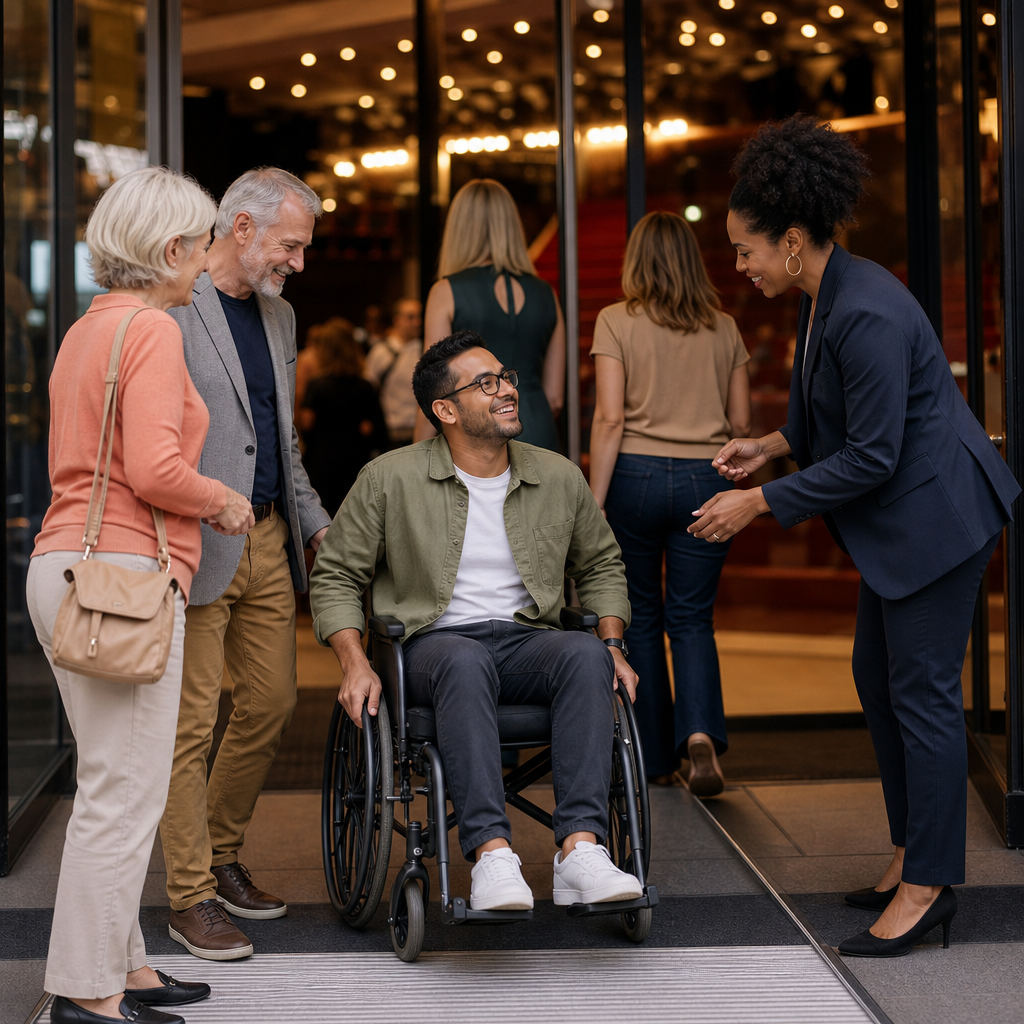
Making entertainment and venues accessible to all starts with a simple principle: public spaces and events should work for the widest possible range of people, not just the average visitor. In accessibility practice, that means identifying and removing barriers that prevent disabled people, older adults, families with young children, and people with temporary injuries or sensory needs from participating fully. In inclusion practice, it means designing policies, spaces, communication, staffing, and technology so participation feels dignified rather than exceptional. I have worked with venue teams, event planners, and facility managers on audits, retrofits, and customer journeys, and the pattern is always the same: when accessibility is treated as core operations, attendance improves, complaints decline, and the guest experience gets better for everyone.
Accessible entertainment includes theaters, stadiums, museums, festivals, cinemas, nightclubs, galleries, conference centers, parks, and community halls. Accessible venues provide step-free routes, usable restrooms, clear wayfinding, hearing support, equitable ticketing, and trained staff. Accessible events extend that foundation with quiet spaces, captioning, sensory planning, transport information, service animal procedures, emergency evacuation protocols, and communication formats people can actually use. Standards matter here. In many countries, legal duties are shaped by building codes, fire safety requirements, and disability rights law, while practical design is informed by universal design principles, ISO guidance, and local accessibility standards. The exact rules vary, but the operating question stays consistent: can a person arrive, enter, orient themselves, participate, buy food, use the restroom, and leave safely without unnecessary friction?
This hub page covers the full public spaces and events landscape because accessibility often fails at the handoff between systems. A venue may install a lift but hide the accessible entrance. An arena may offer wheelchair seating but force patrons to call a separate phone line to book it. A festival may publish an access statement yet forget that muddy temporary flooring blocks mobility devices. Public spaces and events are high stakes because they combine architecture, crowd management, digital booking, transport, customer service, and live operations. When one part breaks, the whole experience breaks. Understanding the full chain helps organizations prioritize improvements, link related accessibility work, and build spaces where more people can participate confidently.
Why accessibility in public spaces and events matters
Accessibility in public spaces and events matters because social participation is not optional; it is a basic part of community life, culture, education, and work. Entertainment venues are where people celebrate, learn, date, network, and build identity. Excluding disabled people from those spaces does not just limit leisure. It limits belonging, visibility, and economic participation. The business case is also strong. The disability market includes millions of people traveling with friends, family, or support workers, and poor access can influence the decisions of entire groups. In my experience, one inaccessible entrance or a confusing booking policy can turn a six-ticket sale into no sale at all.
There is also a risk and compliance dimension. Complaints often arise from preventable failures: inaccessible websites, companion ticket disputes, blocked evacuation routes, or staff who improvise instead of following a clear protocol. Reputational damage spreads quickly, especially when a guest posts photos of barriers in real time. By contrast, venues that publish accurate access information, test customer journeys, and train frontline staff create trust before a visitor arrives. That trust matters even more for first-time guests, autistic visitors planning sensory load, Deaf patrons checking captioned performances, or wheelchair users verifying restroom dimensions. Clear access planning reduces uncertainty, and reducing uncertainty is often what turns intent into attendance.
Physical access: arrival, entry, circulation, and seating
Physical accessibility begins long before the front door. A strong venue experience includes accessible parking bays near the entrance, step-free drop-off points, curb cuts, stable surfaces, and routes wide enough for wheelchairs, scooters, canes, and strollers. Exterior signage should identify accessible entrances clearly and use high contrast, readable fonts, and logical placement. Inside, circulation routes need adequate width, turning space, and minimal level changes. Where lifts are required, they must be reliable, easy to find, and included in operational checks. I have seen otherwise modern venues fail because the only lift to premium seating was used for storage deliveries, creating delays and unsafe crowd interactions.
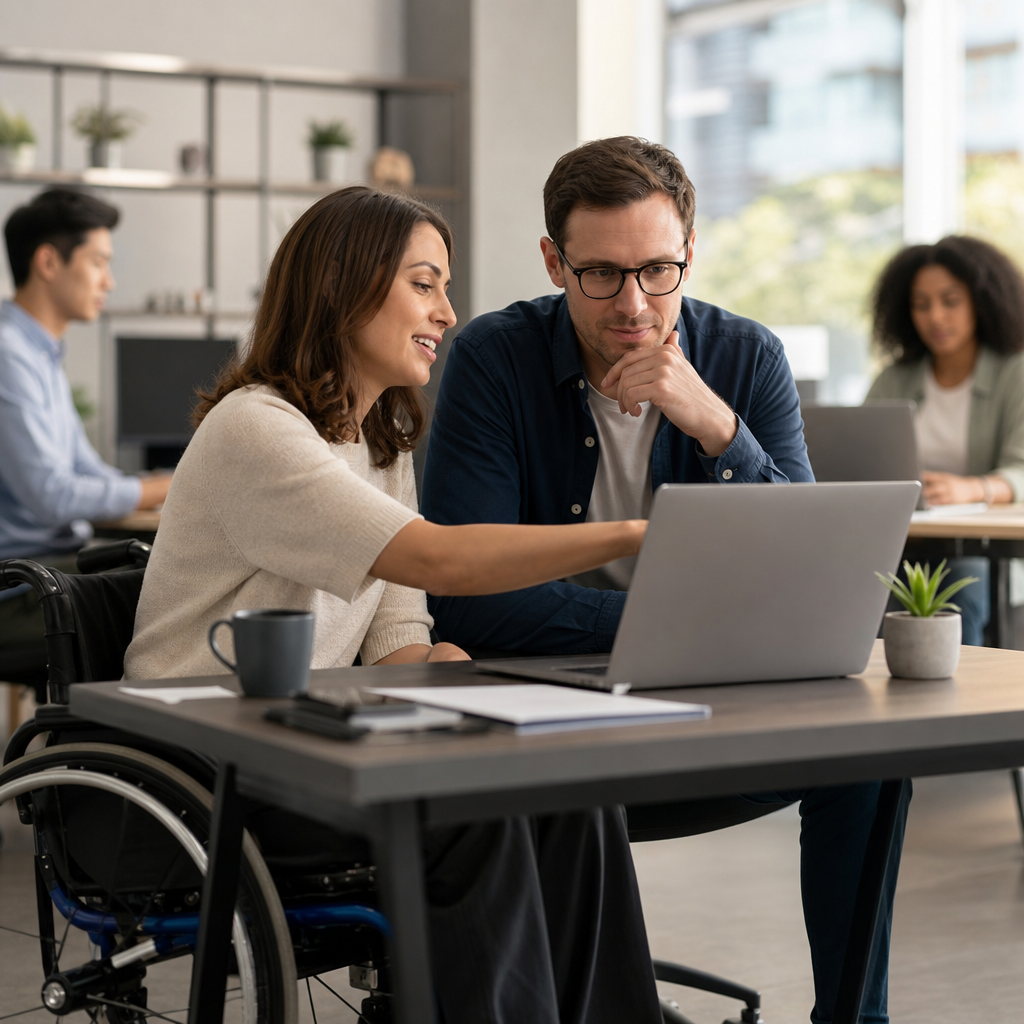
Seating design deserves special attention. Wheelchair spaces should offer genuine choice across price points and viewing angles, not a token position at the back. Companion seating should be adjacent, and sightlines must remain clear even when others stand. Transfer seating can support people who do not use a wheelchair full time but cannot manage standard seats comfortably. Armrests, seat heights, legroom, and handrails affect usability more than many designers realize. In cinemas and theaters, row spacing and staggered layouts can make the difference between a patron attending independently or needing assistance. Restrooms, counters, bars, and merchandise points must match this same logic: if guests can enter the building but not comfortably use its services, the venue is not truly accessible.
Communication access: information people can perceive and use
Communication accessibility is the difference between a venue that is technically open and one that is genuinely usable. Guests need access information before they leave home, not after they arrive. That means websites with keyboard navigation, alt text, clear heading structures, plain language, and booking pathways that do not isolate disabled customers into a separate, slower process. Access statements should cover parking, entrances, seating, restrooms, hearing loops, quiet rooms, lighting effects, food service, and emergency procedures. They should be specific. Saying “accessible venue” is almost meaningless; saying “step-free entrance on River Street, lift dimensions 1100 by 1400 mm, two ambulant toilets on Level 2, induction loop at Box Office” is useful.
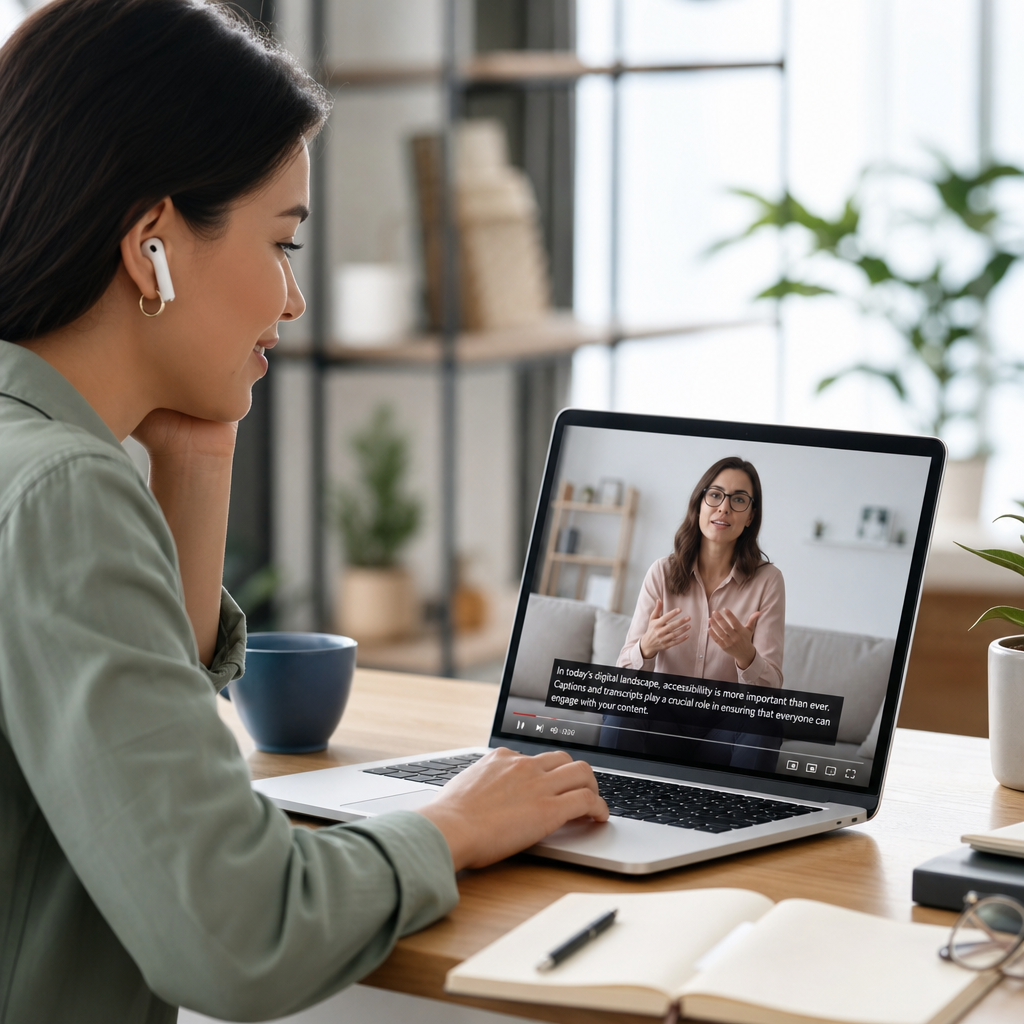
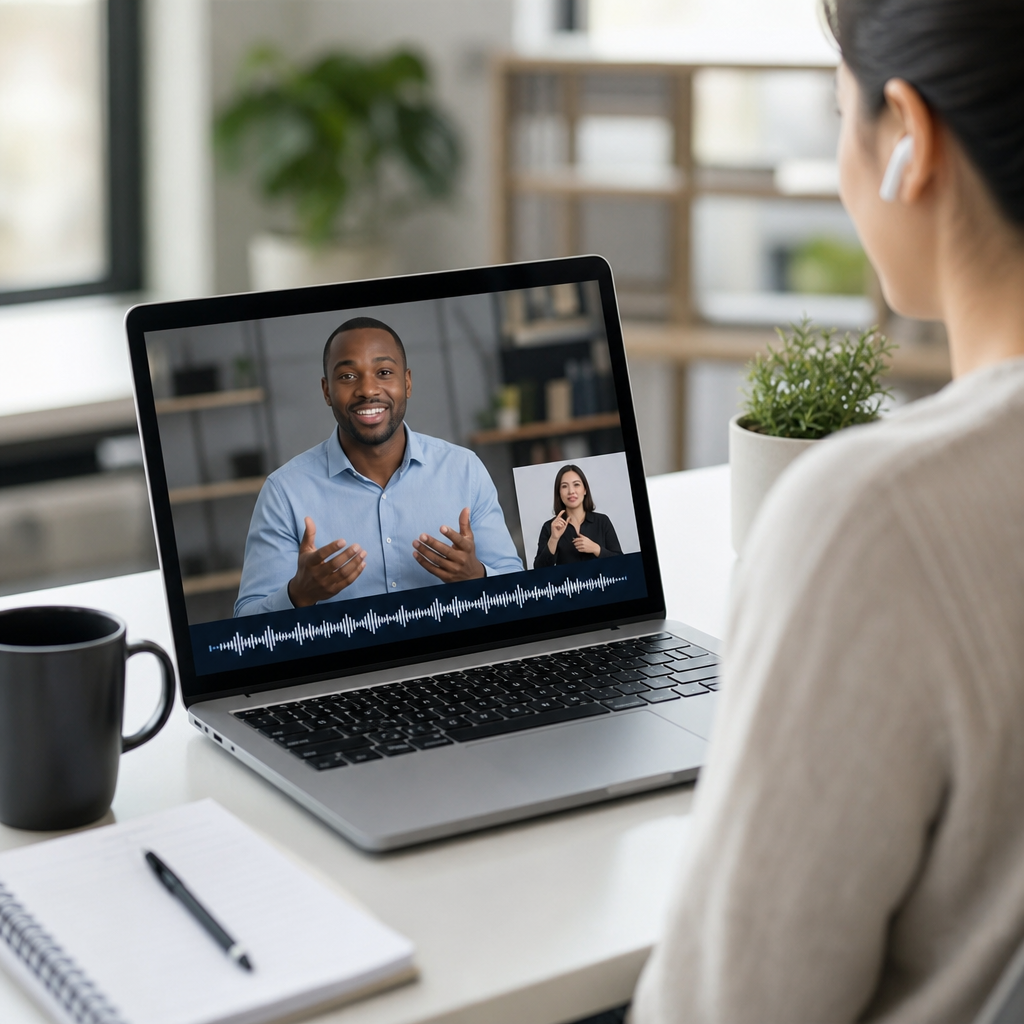
On site, communication support may include assistive listening systems, hearing loops, open captions, live captions, sign language interpretation, tactile maps, Braille, large print, and multilingual visual signage. Museums increasingly use multisensory interpretation to support blind and low-vision visitors, while theaters schedule captioned, audio-described, and relaxed performances as part of the standard season rather than as rare exceptions. Public address systems should be backed by visual alerts because emergency messages delivered only through audio will miss people. Staff communication matters too. Frontline teams need scripts and confidence to explain access routes, queue alternatives, seating options, and evacuation processes consistently. Good communication removes guesswork, and guesswork is a barrier.
Digital access, ticketing, and customer journey design
For many visitors, the first barrier is digital. Ticketing platforms often fail on form labels, timed sessions, seating maps, CAPTCHA tools, and inaccessible checkout flows. The best systems align with WCAG guidance, support screen readers, allow keyboard-only navigation, and present accessible seating inventory transparently. Guests should not need to disclose medical details publicly or make repeated phone calls just to book a seat that others can select online in seconds. Accessible ticketing also includes companion ticket policies, refund flexibility when access provision changes, and alternative formats for confirmations, maps, and event updates.
Customer journey design connects digital and physical touchpoints. Think through the entire path: discovering the event, understanding transport, buying a ticket, arriving, entering, finding amenities, receiving support, and exiting during heavy crowd flow. Each step should be tested with disabled users, not assumed by planners. The table below highlights common barriers and operational fixes that work in real venues.
| Journey stage | Common barrier | Practical accessible solution |
|---|---|---|
| Booking | Accessible seats hidden behind phone-only process | Show accessible inventory online with companion options and support chat |
| Arrival | Accessible entrance poorly signed or locked | Publish route photos, install permanent signage, include entrance in staff checks |
| Queueing | Long standing queues with no alternative | Provide seated waiting, timed entry, and priority lanes on request |
| Participation | No captioning, audio description, or quiet area | Schedule inclusive performance formats and designate staffed retreat spaces |
| Departure | Crowd crush at exits and transport points | Offer phased exit plans and accessible pickup zones with stewards |
When teams document this journey in a service blueprint, accessibility gaps become visible quickly. Tools such as accessibility audits, mystery shopping, and post-event surveys add evidence. The most useful metric is not only attendance by disabled guests but completion without failure points: Were tickets booked independently? Were staff easy to find? Was the accessible restroom unlocked and usable? Did the guest leave when they chose, not when crowd pressure forced them out?
Sensory inclusion, neurodiversity, and event atmosphere
Public spaces and events often overload people through noise, light, crowd density, smell, heat, and unpredictability. Sensory inclusion addresses this directly. For autistic guests, people with PTSD, migraine, dementia, anxiety, or traumatic brain injury, the issue may not be a step or a doorway but the environment itself. Effective planning includes quieter entrances, advance information about lighting effects and pyrotechnics, low-sensory zones, ear protection availability, and staff who understand that someone stepping away from stimulation is not being disruptive. At festivals, I have seen simple changes such as clearly marked calm tents, textured flooring transitions, and color-coded signage reduce distress dramatically.
Relaxed performances are a strong model because they adjust expectations rather than simply offering a separate room. House lights may remain partially up, audience movement is accepted, sound levels are moderated, and visual stories prepare guests in advance. Museums can apply the same thinking through low-sensory visiting hours and predictable exhibit routes. Stadiums and arenas may not be able to lower all sensory load, but they can provide accurate information, quieter concourse spaces, and re-entry protocols for people who need breaks. Inclusion does not require making every event silent or subdued. It requires giving people information, options, and support so they can participate on terms that are manageable.
Temporary events, outdoor spaces, and operational realities
Temporary events present some of the hardest accessibility challenges because infrastructure is assembled quickly and often in uneven environments. Outdoor concerts, street fairs, marathons, holiday markets, and pop-up exhibitions must account for terrain, weather, drainage, power, toilet access, and crowd routes. Temporary flooring should be stable enough for wheelchairs and mobility scooters; cable ramps need careful placement; and viewing platforms require safe gradients, guardrails, and companion space. Portable toilets are not enough unless they are located on accessible routes, maintained throughout the day, and paired with handwashing facilities that users can actually reach.
Operations matter as much as design. A beautifully planned accessible route fails if vendors spill into it, bins block turning space, or stewards do not know where the route goes. Event control teams should include accessibility in radio protocols, incident logs, and opening inspections. Weather contingencies are crucial. Rain can turn grass into a mobility barrier in minutes, while heat can create health risks for guests with certain conditions or medications. Accessible transport links also need temporary planning, including shuttle boarding procedures, drop-off permits, and communication with local authorities. The strongest event teams treat accessibility as a live operational function, not a checklist completed during procurement.
Staff training, safety, and continuous improvement
Staff make or break accessible experiences. Training should cover disability confidence, respectful language, hidden disabilities, service animals, manual assistance boundaries, use of evacuation chairs, hearing support systems, and the venue’s exact access features. Generic awareness sessions are not enough. Teams need scenario-based practice: how to assist when the accessible entrance alarm fails, what to do if a companion ticket has been misissued, how to respond when a Deaf patron asks about captions, and how to support a guest having sensory overload without escalating the situation. In every successful venue improvement program I have led, frontline staff were involved early because they understand failure points that drawings miss.
Safety planning must include disabled people explicitly. Personal emergency evacuation procedures, refuge areas, visual alarms, and staff responsibilities should be documented and drilled. Emergency messaging should be accessible in multiple formats, and crowd management plans should consider people who move at different speeds or cannot use stairs. After events, organizations should review complaints, near misses, social feedback, and audit findings as part of continuous improvement. Accessibility is not a one-time renovation. It is a management system spanning procurement, maintenance, content design, staffing, and guest communication. If this hub is your starting point for public spaces and events, use it to audit your current experience, prioritize the biggest barriers, and build linked policies and venue improvements that make participation genuinely open to all.
Frequently Asked Questions
Why is accessibility so important in entertainment venues and public events?
Accessibility matters because entertainment should be something people can enjoy together, not something that excludes people at the door, in the booking process, or once they are inside the venue. A genuinely accessible venue removes barriers that can affect disabled people, older adults, parents with strollers, people recovering from surgery or injury, and visitors with sensory, cognitive, or communication needs. That includes physical access such as step-free entrances, accessible seating, elevators, and restrooms, but it also includes less visible factors like clear signage, easy-to-understand booking systems, trained staff, assistive listening support, and calm spaces for guests who may become overwhelmed.
Making entertainment and venues accessible to all is also about dignity and equal participation. People should be able to attend a concert, theater performance, sports event, museum exhibit, festival, or community gathering without having to plan around preventable obstacles. When accessibility is treated as a core design principle rather than an afterthought, venues become easier to use for everyone. Clear pathways help wheelchair users and families with strollers. Captioning benefits Deaf and hard-of-hearing attendees as well as people watching in noisy environments. Good lighting, readable fonts, and plain-language instructions help a wide range of visitors. In practice, accessibility improves safety, broadens audience reach, strengthens reputation, and creates more welcoming experiences for the entire public.
What are the most common barriers that prevent people from fully enjoying entertainment spaces?
The most common barriers are often a combination of physical, sensory, digital, and procedural issues. Physical barriers include stairs without ramps or lifts, narrow aisles, inaccessible parking, heavy doors, poorly designed restrooms, crowded queue areas, and seating layouts that isolate wheelchair users or limit companion seating. In entertainment settings, inaccessible stages, bars, concession stands, and viewing areas can also prevent full participation. Even when a building technically meets minimum standards, poor maintenance, blocked routes, or temporary installations can still make access difficult in real-world conditions.
Sensory and communication barriers are just as important. Loud background noise, flashing lights, unclear announcements, lack of captioning, no hearing loop or assistive listening technology, and overly complex signage can all affect a visitor’s ability to participate comfortably and safely. People with autism, PTSD, migraines, hearing loss, low vision, or cognitive disabilities may be particularly affected by environments that offer no quiet zones, no visual wayfinding, or no alternative communication formats. Digital barriers are also increasingly common, including inaccessible ticketing platforms, websites that do not work with screen readers, missing image descriptions, unclear event information, and mobile apps that rely on color alone or complicated navigation.
Operational barriers can be overlooked but are often decisive. If staff are not trained to respond respectfully to access requests, if policies are confusing or inconsistent, or if accessible seating is harder to book than standard seating, people may decide not to attend at all. Requiring excessive proof for accommodations, failing to provide clear pre-visit information, or treating access requests as unusual special favors can create exclusion long before the event begins. The most effective venues identify barriers across the entire visitor journey, from planning and travel to entry, participation, and exit.
What practical steps can venues take to become more accessible and inclusive?
Venues can start by evaluating accessibility as a complete experience rather than a checklist item. A strong first step is conducting an access audit that reviews entrances, parking, routes, seating, restrooms, counters, lighting, acoustics, emergency procedures, and digital systems. From there, venues can prioritize improvements such as step-free access, automatic doors, accessible service counters, flexible seating options, wheelchair and companion seating in multiple price ranges and sightlines, tactile signage, accessible restrooms, and well-marked quiet areas. For events, temporary infrastructure should also be reviewed so that stages, food areas, viewing platforms, and portable facilities remain usable by as many people as possible.
Communication is another major area for improvement. Venues should provide clear, accurate accessibility information on their websites and ticketing pages, including details about parking, entrances, elevators, seating, service animals, hearing assistance, captioned or audio-described performances, sensory-friendly sessions, and how to request accommodations. Booking processes should be straightforward and equitable, with accessible seats and companion tickets easy to find and reserve. Information should be available in plain language and, where appropriate, in alternative formats such as large print, digital text, and visual guides.
Staff training is essential. Front-of-house teams, security staff, ticketing personnel, ushers, volunteers, and event managers should know how to provide assistance respectfully, communicate clearly, and respond appropriately to a range of access needs. That means asking before helping, avoiding assumptions, understanding disability etiquette, knowing venue features, and being prepared to troubleshoot in real time. The most inclusive venues also involve disabled people in planning, testing, and feedback. Co-design leads to better decisions because it reflects lived experience rather than guesswork. Accessibility becomes more effective when it is embedded in design, operations, customer service, and continuous improvement.
How can event organizers make performances, screenings, and live experiences more inclusive for different audiences?
Event organizers can make live experiences more inclusive by offering multiple ways for people to engage with the same content. For performances and screenings, this may include live captioning, open captions, sign language interpretation, audio description, relaxed performances, sensory-friendly sessions, and accessible printed or digital programs. These options support different needs rather than assuming one standard format works for everyone. Inclusive scheduling also matters. Some attendees benefit from daytime events, lower-volume sessions, or designated entry times that reduce crowding and stress.
Seating design and audience flow should also be considered carefully. Wheelchair users should have meaningful choices in location and price, not just a single designated area. Companion seating should be adjacent, and routes to seats, concessions, and restrooms should be direct and clearly marked. Organizers should think through line management, waiting areas, emergency evacuation, and transportation links, especially for large or temporary events. If an event includes interactive elements, merchandise areas, food service, or VIP access, those parts should be accessible too. Inclusion should extend beyond the main attraction.
Just as important is the atmosphere organizers create. A welcoming experience depends on communication before, during, and after the event. Attendees should know what to expect, what support is available, and who to contact with questions. Staff and performers can help foster inclusion by using clear announcements, acknowledging access features, and respecting a range of audience behaviors where appropriate, particularly during relaxed or sensory-aware events. The most successful inclusive events are those that anticipate difference and build flexibility into the experience from the start rather than trying to retrofit accommodations at the last minute.
Does improving accessibility benefit only disabled visitors, or does it improve the experience for everyone?
Improving accessibility benefits far more than one group. While accessible design is essential for many disabled people, it also makes venues easier, safer, and more comfortable for a broad range of visitors. Older adults may benefit from seating options, handrails, non-slip surfaces, and clearer wayfinding. Families with young children often appreciate ramps, spacious circulation routes, family restrooms, and easier entry systems. People with temporary injuries may rely on step-free access and shorter walking routes. Visitors who are not fluent in the local language often benefit from simple signage, visual cues, and plain-language communication. Accessibility works because it recognizes that human needs vary widely and can change over time.
There are also clear operational and business advantages. Accessible venues can welcome larger audiences, improve customer satisfaction, reduce confusion, and strengthen community trust. When people can find information easily, book independently, navigate confidently, and participate without unnecessary obstacles, the overall experience improves. Complaints decrease, staff interactions become smoother, and return visits are more likely. In many cases, accessibility enhancements also align with better universal design, which creates environments that are intuitive and comfortable for nearly everyone.
Most importantly, accessibility supports a more inclusive culture. It sends the message that public life, arts, entertainment, and community experiences are meant to be shared. Rather than treating access as a niche add-on, inclusive venues recognize it as a standard of quality and respect. That shift benefits everyone because it produces spaces and events that are more thoughtful, more flexible, and more responsive to the real diversity of the people they serve.