
Communication between Deaf and hearing coworkers improves when teams treat accessibility as a routine part of work rather than a special accommodation. In workplace accessibility, communication means the systems, habits, tools, and expectations that let every employee exchange information accurately, participate fully, and do their jobs without avoidable barriers. Deaf employees may use American Sign Language, signed exact English, lipreading, captions, hearing aids, cochlear implants, relay services, or a mix of methods. Hearing coworkers may have little prior experience and often worry about making mistakes. That uncertainty is common, but it should not become an excuse for exclusion. Clear communication matters because missed instructions, inaccessible meetings, and informal side conversations directly affect safety, performance, promotion opportunities, and belonging. I have seen teams improve quickly once managers stop treating access as reactive and start building inclusive practices into meetings, chat, training, and daily workflow. This hub article covers the core principles of workplace accessibility for Deaf and hearing coworkers, including common barriers, practical communication tips, technology choices, meeting design, manager responsibilities, and legal considerations. Used well, these practices reduce friction for everyone, not only for Deaf staff.
Understand communication preferences before problems start
The best communication tip is to ask each person what works for them, then document it and follow through consistently. There is no single Deaf experience. One employee may prefer direct conversation in ASL with an interpreter for meetings. Another may rely on live captions, speech-to-text apps, and written follow-up. Some lipread effectively in quiet one-on-one settings but not in group discussions or on video calls. Others use hearing technology but still miss content when speakers talk fast, turn away, or cover their mouths. A workplace accessibility plan should identify preferred methods for meetings, quick questions, emergency alerts, phone calls, training, and social events. In practice, I recommend adding communication preferences to onboarding and revisiting them whenever job duties or tools change. This simple step prevents the common failure of assuming one successful interaction method works everywhere. It also gives coworkers a clear starting point: face the person, gain attention before speaking, keep lighting good, avoid talking while walking away, and confirm understanding when details, deadlines, or safety procedures matter.
Remove the everyday barriers that shut people out
Most workplace communication barriers are not caused by hearing status alone; they come from habits and systems built without access in mind. Open offices create background noise that makes hearing aids and cochlear implants less effective. Fast-moving meetings stack comments from multiple speakers, making captions lag and interpreters work harder. Hallway decisions, lunch-table updates, and impromptu desk conversations leave Deaf coworkers out of information that later becomes “common knowledge.” Video content without captions blocks training. Phone-first workflows create unnecessary dependence on coworkers. Fire alarms without visual alerts create safety risks. Even small habits matter: speaking while looking at a screen, dim conference rooms, poor webcam placement, masks without clear panels in some environments, and people interrupting one another all reduce comprehension. Workplace accessibility improves when teams audit these friction points systematically. Walk through a normal week of communication: email, chat, meetings, calls, onboarding, emergencies, and social events. Then ask where essential information appears in only one inaccessible format. Accessibility gaps often hide in the informal layer of work, where relationship-building and quick decisions happen.
Use direct, respectful communication habits every day
Respectful communication with Deaf coworkers is straightforward. Get attention first with a wave, light tap on the shoulder when appropriate, or a message, rather than speaking from across the room. Face the person directly. Keep hands away from your mouth. Speak naturally; shouting distorts lip patterns and can reduce clarity. Use plain language for complex instructions and write down names, numbers, URLs, and deadlines. If something is missed, rephrase instead of repeating the same sentence louder. In group settings, say your name before speaking if captions or interpreters are in use, and take turns rather than overlapping. For hearing coworkers speaking with sign language users through an interpreter, address the Deaf person directly, not the interpreter. Maintain eye contact with your coworker, because the conversation is with them. If you do not know a sign, do not panic; fingerspelling, gestures, chat, or a shared document can bridge the gap. The real issue is not perfection. It is willingness, patience, and consistency. Inclusive habits reduce errors in scheduling, task handoff, customer service, and performance feedback.
Make meetings accessible by design, not by exception
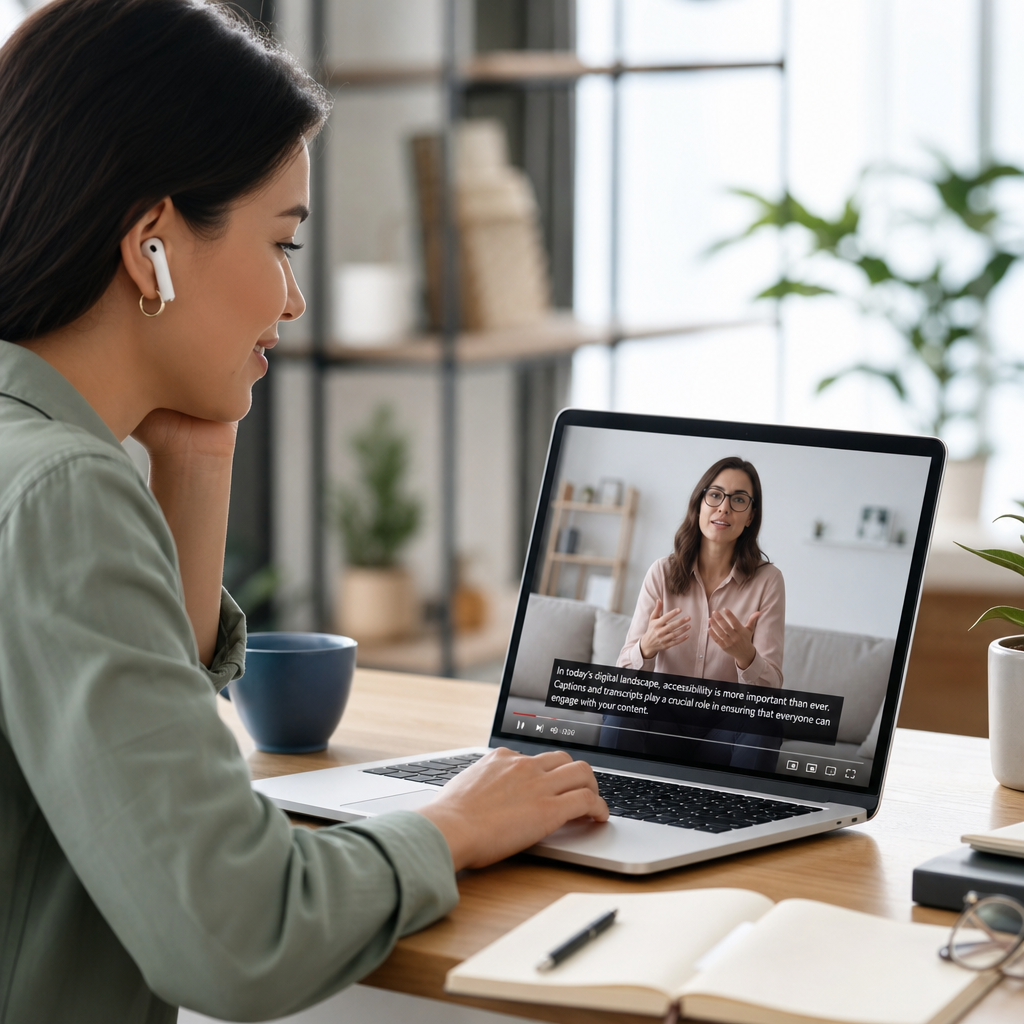
Meetings are where communication failures become visible. A truly accessible meeting starts before the calendar invite goes out. Agendas should be shared in advance so participants know the topic, vocabulary, and desired decisions. If interpretation or real-time captioning is needed, schedule it early; qualified providers are not always available at short notice. During the meeting, assign one facilitator to manage turn-taking, identify speakers, and watch the chat for questions. Ask participants to use good microphone discipline, especially in hybrid meetings where remote audio quality often matters more than room acoustics. Enable captions on platforms such as Zoom, Microsoft Teams, and Google Meet, but understand that automatic captions vary in accuracy for technical language, names, and accented speech. For high-stakes discussions like compliance training, performance reviews, or safety updates, human CART captioning or professional interpreters are often the correct choice. Afterward, send notes, action items, and recordings with edited captions when possible. This protects accuracy and creates a searchable record for everyone.
| Workplace situation | Common barrier | Accessible practice |
|---|---|---|
| Daily stand-up | People talk over each other | Use a facilitator, one speaker at a time, captions on, notes shared after |
| Training video | No captions or transcript | Add synchronized captions, transcript, and visual summaries |
| Phone-based customer support | Voice calls are the only channel | Offer email, chat, video relay, and documented call outcomes |
| Emergency alert | Audio-only alarm or announcement | Provide visual strobes, text alerts, and evacuation instructions |
| Hybrid team meeting | Remote audio is unclear | Use dedicated microphones, speaker identification, and live captions |
Choose tools that support access and accuracy
Technology can remove barriers, but only when teams understand its strengths and limits. Automatic speech recognition tools have improved sharply, yet they are still affected by jargon, crosstalk, poor microphones, and speaker distance. Otter, Teams captions, Zoom captions, Google Meet captions, and built-in transcription in meeting platforms can help with everyday communication, but they should not be treated as universally sufficient. Interpreting and CART remain important for nuanced or legally significant conversations. Messaging platforms such as Slack and Teams are valuable because they turn quick verbal exchanges into searchable text and create an auditable trail of decisions. Shared documents, project boards like Asana or Trello, and clearly written standard operating procedures reduce dependence on passing verbal updates. For customer-facing roles, video relay services and text-based support channels widen participation. For physical spaces, visual alerting systems, digital signage, and accessible room booking tools matter as much as software. The right stack usually combines synchronous access, like captions or interpreting, with asynchronous access, like summaries, transcripts, and documented next steps.
Train managers and teams, because culture drives compliance
Policies alone do not create inclusion. Managers set the operating standard by how they run meetings, assign work, handle accommodations, and respond when access fails. In my experience, the strongest teams train everyone, not only supervisors or Deaf employees. A short practical training should cover Deaf awareness, communication etiquette, meeting norms, captioning and interpreter workflows, emergency procedures, and confidentiality. It should also explain what not to do: do not treat one Deaf employee as the office educator, do not discuss accommodations casually, and do not assume a person can “manage” without support because they seem to follow along. Managers should know how to budget for access services, how to engage HR, IT, facilities, and procurement, and how to evaluate vendors for captioning quality and response times. They also need to recognize performance risks created by inaccessibility. If a worker misses information because updates were shared in inaccessible ways, that is not merely an individual issue; it is a process failure. Teams that normalize accessible communication see better retention, fewer misunderstandings, and stronger participation in leadership pathways.
Build accessibility into hiring, onboarding, and career growth
Workplace accessibility starts before day one. Job postings should explain how candidates can request accommodations for interviews, skills tests, and assessments. Interviews need accessible scheduling, clear directions, and communication options such as interpreters, captions, chat, or relay services. During onboarding, employers should provide accessible orientation materials, captioned training, introductions to communication tools, and a documented access plan. This is also the right moment to confirm emergency procedures, workspace setup, meeting preferences, and who handles vendor coordination for interpreters or CART. Accessibility must continue beyond onboarding into performance management, mentoring, and promotion. Deaf employees are often excluded from stretch assignments and informal networking because managers overestimate communication difficulty. That creates a career ceiling unrelated to talent. Inclusive organizations track who gets visible projects, client exposure, and leadership development. They ensure town halls, training programs, and social events are accessible. In the United States, the Americans with Disabilities Act sets a baseline duty to provide reasonable accommodations, but effective employers go further by designing systems proactively. Accessibility is strongest when it is part of operational excellence, not an exception process.
Create a workplace where access is measurable and normal
Communication tips for Deaf and hearing coworkers work best when they become team standards, supported by tools, training, and accountability. The essential principles are clear: ask about preferences, never assume one method fits all, make meetings accessible by default, document important information in writing, choose technology carefully, and train managers to treat access as part of performance, safety, and inclusion. The broader benefit is a workplace where fewer details are lost, fewer people are sidelined, and more employees can contribute fully. That is the real goal of workplace accessibility. It improves collaboration for Deaf staff, hearing staff, remote workers, new hires, and anyone dealing with noise, fatigue, or information overload. If you are building an Accessibility and Inclusion program, use this page as your hub: review your meeting practices, audit communication channels, upgrade captioning and alert systems, and map where hiring, onboarding, training, and advancement still depend on inaccessible habits. Start with one team if needed, measure what changes, and expand from there. Consistent access is not complicated. It is disciplined, practical, and worth doing well every day across the entire organization.
Frequently Asked Questions
What is the best way for Deaf and hearing coworkers to communicate effectively at work?
The best approach is to treat communication as a shared workplace responsibility, not as something one person has to solve alone. Deaf and hearing coworkers communicate most effectively when teams agree on clear, predictable habits that make information accessible from the start. That can include using qualified interpreters for important meetings, turning on live captions for video calls, sharing agendas and notes in advance, writing down key action items, and making sure only one person speaks at a time during group discussions. These practices help everyone follow the conversation accurately and reduce the stress of trying to catch missed details.
It is also important to avoid assumptions about what a Deaf coworker prefers. Some people use American Sign Language, some rely more on captions or written communication, some use hearing aids or cochlear implants, and some combine several methods depending on the setting. The most respectful and effective step is to ask what works best for that individual in specific situations, such as meetings, casual check-ins, phone calls, training sessions, or emergency announcements. Strong communication happens when accessibility is built into everyday routines so Deaf and hearing employees can participate fully, collaborate smoothly, and focus on their work instead of avoidable barriers.
How can hearing coworkers communicate respectfully with Deaf colleagues without making interactions awkward?
Respectful communication starts with simple, direct behavior. Face the person when speaking, keep your mouth visible, and speak naturally rather than exaggerating your words or shouting. If the Deaf coworker uses an interpreter, talk to the coworker, not to the interpreter. If you need to get someone’s attention, use common workplace methods such as a light tap on the shoulder, a wave, or a message through chat rather than calling out from across the room. These habits are not unusual accommodations; they are practical ways to make sure communication is clear and inclusive.
Awkwardness usually comes from overthinking or from worrying about saying the wrong thing. A better mindset is to stay open, flexible, and willing to clarify. If something is missed, repeat it or rephrase it instead of giving up or pretending it was not important. If a meeting moves too quickly, pause and allow time for interpreting or captioning. It also helps to avoid broad assumptions, such as believing all Deaf people lipread well or that one communication tool works for everyone. Respect grows when hearing coworkers are willing to learn, ask appropriate questions, and make accessibility part of normal teamwork rather than treating it as an exception.
What tools and accommodations help Deaf employees participate fully in meetings and daily work?
A range of tools can support full participation, and the right combination depends on the person and the task. Common workplace accessibility supports include sign language interpreters, CART or live captioning services, video relay services, instant messaging platforms, email, shared documents, visual alert systems, and meeting software with reliable caption features. In person, seating arrangements matter too. Good lighting, unobstructed sight lines, and circular or U-shaped room layouts can make it easier for Deaf employees to see speakers, interpreters, and visual materials. In virtual settings, sending links and agendas in advance, enabling captions, and asking participants to identify themselves before speaking can make a major difference.
Just as important as tools are the systems around them. Teams should know how to schedule interpreters ahead of time, how to activate captions consistently, where to store written follow-up notes, and who is responsible for making sure accessibility is in place before a meeting starts. Accessibility works best when it is routine and built into planning, not added at the last minute after problems appear. When organizations treat communication access as a standard part of operations, Deaf employees can engage in brainstorming, training, problem-solving, and informal collaboration with the same level of accuracy and confidence as everyone else.
Are captions and written communication enough, or do employers need to offer other communication support?
Captions and written communication are valuable, but they are not always enough on their own. Captions can vary in quality, especially in fast-paced discussions, technical conversations, or noisy environments. Written communication is helpful for documenting decisions and sharing updates, but it may not fully replace the speed, nuance, or interactive nature of live conversation. For some Deaf employees, American Sign Language interpretation is essential because ASL is a distinct language, and reading English text is not the same experience as receiving information in one’s preferred language. For others, captions may work well in many situations but not for all tasks.
Employers should therefore think in terms of effective communication, not one-size-fits-all solutions. The right support may change depending on whether the employee is attending a large staff meeting, a one-on-one performance review, a training session, a spontaneous team huddle, or a social workplace event. An employer’s role is to provide communication access that allows the employee to understand information accurately, contribute fully, and do the job without preventable barriers. That often means combining tools and adjusting based on the context, rather than assuming captions alone solve every communication need.
How can managers create a workplace culture where Deaf and hearing employees work well together every day?
Managers set the tone by making accessibility a standard expectation for the entire team. That begins with practical policies and consistent habits: include accessibility planning in meeting invites, budget for interpreters and captioning, provide training on inclusive communication, use collaboration tools that support visual and written access, and make sure important announcements are never delivered in sound-only formats. Managers should also model good behavior by speaking one at a time in meetings, circulating notes afterward, encouraging clarifying questions, and checking whether communication systems are actually working rather than assuming they are.
Culture also improves when accessibility is framed as part of professional excellence, not as a burden. Teams perform better when information is shared clearly, responsibilities are documented, and every employee can participate in real time. Managers should normalize conversations about communication preferences, invite feedback without putting the Deaf employee on display, and address barriers quickly when they arise. Over time, these practices build trust, reduce misunderstandings, and create a workplace where Deaf and hearing coworkers can collaborate naturally, contribute their expertise, and focus on results instead of struggling against communication gaps.