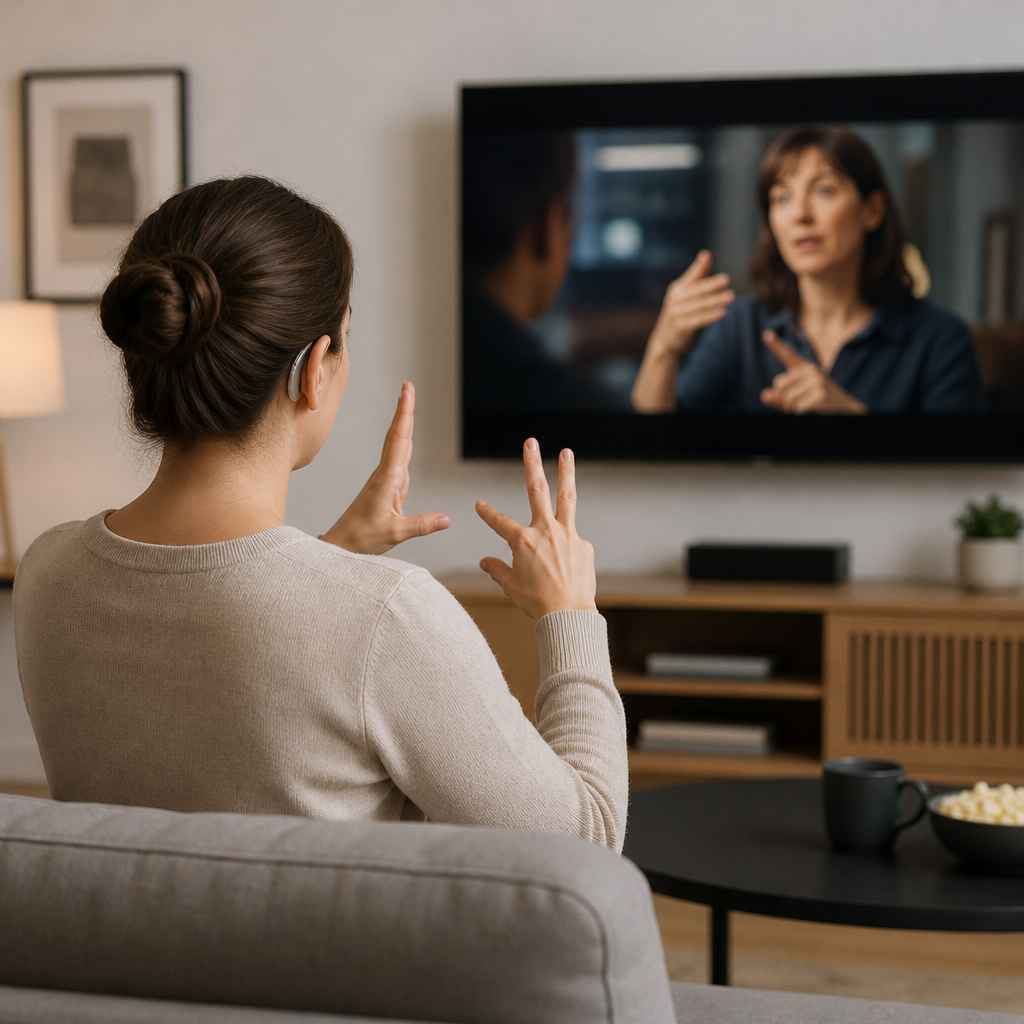
Best TV Shows with Deaf Representation matter because television still shapes how millions of people understand disability, language, identity, and community. When deaf characters are written with care, cast authentically, and given full storylines rather than symbolic roles, viewers get something rare in mainstream media: representation that reflects real Deaf experiences instead of reducing them to inspiration, tragedy, or silence. In practice, deaf representation in media includes several distinct elements. It can mean deaf actors playing deaf roles, regular use of sign language on screen, plots that recognize Deaf culture, and production choices such as open captions, visual storytelling, and sound design that places hearing and non-hearing audiences on more equal footing.
I have worked on media analysis projects where even well-intentioned productions confused medical deafness with cultural Deaf identity, and that distinction matters. Lowercase deaf usually describes hearing status. Uppercase Deaf often refers to a cultural and linguistic community, especially people who use a signed language such as American Sign Language, British Sign Language, or other national sign languages. The best shows understand that deafness is not one experience. Some characters are born deaf, some lose hearing later, some use cochlear implants or hearing aids, some speak, some sign, and many move between worlds. A strong hub article should make that range clear because audiences searching for the best TV shows with deaf representation are usually asking a larger question: which series portray Deaf people accurately, respectfully, and with narrative depth?
That question matters beyond entertainment. Accurate representation influences hiring, classroom inclusion, healthcare communication, and public attitudes toward accessibility. Research from organizations such as Gallaudet University and the National Association of the Deaf has repeatedly emphasized that visibility alone is not enough; context, language access, and authentic participation determine whether representation expands understanding or reinforces stereotypes. This guide covers standout television series, the standards that separate meaningful inclusion from tokenism, and the broader patterns anyone studying Deaf representation in media should know.
What Makes Deaf Representation on Television Authentic
Authentic deaf representation starts with casting and extends through writing, direction, accessibility, and community consultation. The most credible productions cast deaf actors in deaf roles whenever possible. That decision affects far more than optics. A deaf performer brings natural signing rhythm, embodied experience, and practical knowledge of communication barriers that hearing actors usually imitate imperfectly. In my reviews, the difference is obvious in scenes involving group dynamics, turn-taking, eye contact, visual attention, and the emotional cadence of signed dialogue.
Writing also matters. Weak representation treats deafness as a temporary obstacle or a moral lesson for hearing characters. Strong representation gives deaf characters goals unrelated to hearing loss, while still acknowledging access barriers, language politics, family communication gaps, schooling, and social exclusion when relevant. The result feels lived-in rather than instructional. Production technique is the other major differentiator. Good shows let the camera hold on signing hands and faces, avoid frantic cutting during signed conversations, and use captions as a storytelling tool rather than a last-minute compliance feature.
Another marker of quality is whether the show recognizes Deaf culture as a community, not just a diagnosis. That includes scenes in Deaf spaces, conversations about interpreters, identity debates around implants, and realistic interactions with hearing institutions. Not every series needs to cover all of that, but the best ones understand the ecosystem around deaf life.
Best TV Shows with Deaf Representation to Watch First
Several television series stand out for portraying deaf characters with unusual care. Some are essential because they center Deaf perspectives. Others deserve attention because they moved mainstream TV in the right direction, even if they remain imperfect. If you want a practical starting list for Deaf representation in media, begin with these titles.
| Show | Why It Matters | Representation Strength |
|---|---|---|
| Switched at Birth | Mainstream drama with multiple deaf actors, extensive ASL use, and Deaf cultural storylines | One of television’s most sustained portrayals of Deaf community life |
| This Close | Created by and starring deaf creators Shoshannah Stern and Josh Feldman | Rare deaf-led storytelling with insider perspective |
| Only Murders in the Building | Memorable episode from a deaf character’s perspective and strong visual storytelling | High-impact mainstream example of form matching subject |
| Hawkeye | Features deaf superhero Maya Lopez and hearing loss as part of Clint Barton’s life | Introduces accessibility themes to franchise television |
| Echo | Centers a deaf Native superhero played by Alaqua Cox | Intersectional representation with sign language and cultural specificity |
| And Just Like That… | Includes a deaf student and classroom communication dynamics | Useful example of educational access and interpreter visibility |
| New Amsterdam | Features a deaf doctor, played by Sandra Mae Frank | Counters assumptions about deafness and professional capability |
| Master of None | Includes a nuanced deaf supporting character and signing family interactions | Naturalistic integration rather than issue-of-the-week framing |
Switched at Birth remains foundational. It put ASL on a major network in a sustained way, cast deaf actors including Marlee Matlin, Sean Berdy, and Ryan Lane, and devoted substantial story time to Deaf school culture, family communication tensions, and identity formation. One widely discussed episode was presented almost entirely in ASL, forcing hearing audiences to engage visually and through captions. For a mainstream teen-family drama, that was a significant leap.
This Close is even more important for people who want deaf representation shaped from the inside. Co-created by Shoshannah Stern and Josh Feldman, the series avoids the tidy teaching tone common in hearing-written disability narratives. Its characters are messy, funny, ambitious, and flawed. That complexity is exactly what underrepresented groups are usually denied on television.
Only Murders in the Building deserves attention for craft. The episode focused on Theo, played by James Caverly, demonstrates how visual framing and selective sound can communicate isolation, misreading, and emotional immediacy without treating deafness as exotic. It is one of the clearest examples of a mainstream series adapting form to perspective.
Why Switched at Birth Became a Reference Point
When people ask which show best introduced Deaf culture to a broad television audience, Switched at Birth is usually the first answer. That reputation is not accidental. The series aired for years, giving writers time to explore educational policy, family language choices, romantic relationships, and intra-community disagreement. It did not present Deaf people as a monolith. Some characters preferred speech, some centered ASL, and some moved between communication modes depending on context.
What made the show especially useful as a hub reference is its attention to structural barriers. Viewers saw what happens when a family has resources but still struggles to communicate with a deaf child. They saw how schools shape identity, why interpreters matter, and how exclusion can happen in ordinary rooms when hearing people talk over signed communication. Marlee Matlin’s presence also carried historical weight. She had already changed screen representation through film and television, and her performance grounded the series in a recognizable lineage of Deaf advocacy and professional excellence.
The show was not flawless. Like many network dramas, it occasionally leaned on melodrama and compressed complex issues for plot efficiency. Even so, it set a benchmark because it normalized deaf characters having whole lives. For anyone mapping deaf representation in media over the last two decades, it is impossible to skip.
Recent Shows Expanding Deaf Representation in Media
More recent series have widened the frame by connecting deafness with other identities and genres. Echo is a prime example. Alaqua Cox plays Maya Lopez, a deaf Native protagonist whose story combines action, family history, Indigenous identity, and sign language. That matters because representation often fragments people into a single trait. Echo does the opposite. It shows that disability, culture, geography, and family all shape experience at once.
Hawkeye also deserves credit, though in a more transitional way. It depicts Clint Barton as a hero with hearing loss and includes Maya Lopez, bringing deaf and hard-of-hearing experiences into a franchise audience that might not seek them out otherwise. Franchise storytelling can flatten nuance, but visibility at that scale changes expectations. Once audiences see captions, signing, and hearing devices woven into action scenes, accessibility starts to look ordinary rather than exceptional.
New Amsterdam offered another valuable intervention through Dr. Elizabeth Wilder, played by Sandra Mae Frank. Medical dramas often reduce disability to pathology, yet this role framed deafness within clinical expertise and hospital leadership. In practical terms, that challenges one of television’s most persistent assumptions: that communication difference automatically limits competence. It also opened space for storylines about interpreter access, patient trust, and systemic design failures in healthcare settings.
Common Stereotypes the Best Shows Avoid
To understand why the best TV shows with deaf representation stand out, it helps to identify the patterns they resist. The first is the inspirational stereotype, where a deaf character exists mainly to motivate hearing people or prove that disability can be overcome through determination. Real representation does not require a moral lesson. The second is the tragic isolation stereotype, where deafness is framed as total social separation unless a hearing savior intervenes. In reality, Deaf communities are often highly connected, culturally rich, and linguistically vibrant.
Another common problem is the miracle cure narrative. Television loves dramatic medical fixes, but many deaf people do not view themselves as waiting to be repaired. Cochlear implants, hearing aids, speech therapy, and assistive technologies can be life-changing for some people, but they are tools, not universal endings. The best shows present technology as a choice shaped by age, access, identity, family preference, and medical context.
There is also the silent-deafness myth. Many hearing viewers assume deaf life is defined by absence of sound and social quiet. Strong productions challenge that by foregrounding visual attention, signed humor, tactile communication, community events, and multilingual environments. Deaf experience is not empty space. It is a different communication world, and television becomes better when it shows that world directly.
How to Evaluate Deaf Representation as a Viewer or Critic
If you are building a watchlist or writing about Deaf representation in media, use a practical checklist. First, ask who is behind the camera. Deaf creators, consultants, writers, and actors usually improve accuracy. Second, examine how sign language is filmed. If the editing cuts away from hands or subtitles paraphrase loosely, important meaning may be lost. Third, look at whether deaf characters have independent motivations, relationships, and flaws. Flat perfection is not respectful representation; it is another form of tokenism.
Next, consider access realism. Does the show understand interpreters, captions, classroom accommodation, workplace communication, and healthcare barriers? Specificity is a good sign. So is disagreement within the Deaf community, because real communities are not uniform. Finally, notice whether hearing characters are centered in every deaf storyline. If the emotional payoff always belongs to the hearing family member, teacher, doctor, or partner, the show is probably treating deafness as a narrative device rather than lived identity.
For anyone exploring this hub topic further, the next step is simple: watch at least one deaf-led series, one mainstream crossover drama, and one show that uses visual storytelling exceptionally well, then compare what each gets right and where each still falls short.
The best TV shows with deaf representation do more than include a deaf character. They present language, culture, access, and identity as part of ordinary human storytelling. That is why titles such as Switched at Birth, This Close, Only Murders in the Building, Echo, Hawkeye, and New Amsterdam matter within the larger conversation about Deaf representation in media. Each one, in different ways, moves television away from pity and symbolism and toward realism, specificity, and respect.
The biggest takeaway is straightforward. Good representation is not measured by visibility alone. It depends on authentic casting, informed writing, credible use of sign language, attention to access, and a willingness to show Deaf people as complete individuals within families, schools, workplaces, friendships, and communities. When those elements are present, television does what it should do at its best: expand understanding without flattening experience.
If you are using this page as your starting point under Media, Representation and Awareness, build your watchlist around the shows named here, then keep following the wider subtopic through articles on Deaf culture, accessibility, sign language on screen, and disability casting practices. Better viewing leads to better criticism, and better criticism pushes the industry toward representation that is not just visible, but accurate.
Frequently Asked Questions
What makes a TV show a strong example of deaf representation?
A strong example of deaf representation goes far beyond simply including a deaf character in the cast. The best TV shows with deaf representation treat deafness as part of a full human identity rather than a plot device, a source of pity, or a shortcut for emotional drama. That means deaf characters should have real personalities, goals, flaws, relationships, and storylines that do not exist solely to educate hearing characters. They should feel like fully developed people whose lives include work, family, friendship, romance, culture, and conflict.
Authenticity is another major factor. In the strongest shows, deaf roles are played by deaf actors, and sign language is presented as a living language rather than decorative background. These series often show how deaf people communicate in different ways, including sign language, lip-reading, interpreters, assistive technology, texting, and bilingual communication between Deaf and hearing worlds. That variety matters because there is no single deaf experience. Some deaf characters are culturally Deaf and deeply connected to Deaf community and sign language, while others may be hard of hearing, late-deafened, oral, or navigating mixed identities.
Good representation also depends on perspective. If a show only uses deafness to create obstacles for hearing characters, it misses the point. The most effective series allow audiences to experience scenes through deaf characters’ points of view, sometimes even changing sound design, camera work, or dialogue flow to reflect how communication and environment feel from that perspective. When writing, casting, and production choices all work together, the result is representation that feels respectful, layered, and memorable rather than symbolic or tokenistic.
Why does authentic casting matter in TV shows with deaf characters?
Authentic casting matters because representation is not only about who appears on screen, but also about who gets the opportunity to tell the story through performance. When deaf actors are cast in deaf roles, they bring lived experience, cultural understanding, and communication nuance that are difficult to replicate artificially. This can shape everything from signing style and facial expression to how a character responds in group settings, navigates access barriers, or moves between Deaf and hearing spaces. Those details often make the difference between a character who feels genuine and one who feels written from the outside.
There is also a broader industry issue at stake. Deaf performers have historically had fewer opportunities in mainstream television, even when stories involve deaf characters. Casting hearing actors in those roles can reinforce exclusion while reducing deaf identity to something that can be imitated. By contrast, hiring deaf talent supports career pathways for actors, consultants, dialogue coaches, writers, and crew members who understand Deaf culture firsthand. That creates a more accurate final product and helps improve representation behind the scenes as well as on screen.
For viewers, authentic casting often builds trust. Audiences are increasingly aware of the difference between surface-level inclusion and meaningful representation. A show that casts deaf actors signals a stronger commitment to getting the story right. It does not automatically guarantee perfection, but it usually reflects a more serious effort to portray deaf life with care, complexity, and respect. In conversations about the best TV shows with deaf representation, authentic casting is often one of the clearest signs that a series values truth over convenience.
Are the best TV shows with deaf representation only important for deaf viewers?
No. These shows absolutely matter to deaf viewers, especially because seeing accurate and dignified representation can be validating in a media landscape where deaf people have often been overlooked or misrepresented. However, their importance extends far beyond one audience. Television shapes public understanding in powerful ways, and for many hearing viewers, fictional stories are one of the first places they encounter deaf characters, sign language, Deaf culture, and issues around accessibility. That means TV can either reinforce stereotypes or help dismantle them.
When done well, deaf representation broadens how audiences think about communication, identity, and community. It challenges the assumption that spoken language is the only meaningful center of human connection. It also helps hearing viewers understand that deafness is not automatically a tragedy or a limitation that defines a person’s entire life. Instead, strong representation can introduce the idea that Deaf culture has its own richness, humor, norms, and social dynamics. That shift is valuable not just for awareness, but for empathy grounded in realism rather than sentimentality.
These shows also matter culturally because they raise expectations for the entire industry. The more audiences support thoughtful stories with deaf characters, the harder it becomes for television to rely on outdated clichés. Better representation can influence casting standards, writing practices, accessibility conversations, and public attitudes about disability overall. So while deaf viewers may have the deepest personal connection to this kind of storytelling, everyone benefits when television becomes more honest, inclusive, and culturally informed.
What are some common problems to watch for in shows that include deaf characters?
One common problem is tokenism, where a deaf character is included mainly so a show can appear diverse without actually giving that character meaningful development. In these cases, the character may have very little dialogue, no substantial personal arc, or no role beyond supporting a hearing protagonist’s emotional growth. Another frequent issue is reducing deafness to a symbol of struggle, innocence, or inspiration. If a character exists mainly to make others feel grateful, compassionate, or heroic, the representation is likely shallow.
Inaccuracy around language and culture is another red flag. Some shows treat sign language as interchangeable, simplified, or unnecessary, and others fail to recognize Deaf culture as distinct from a purely medical view of hearing loss. A series may also exaggerate communication barriers for dramatic effect while ignoring the many real ways deaf people navigate the world. These choices can create misleading impressions, especially for viewers with little prior understanding of deaf experiences.
There is also the problem of flattening identity. Deaf characters should not all be portrayed the same way. In reality, deaf people differ by race, class, age, education, family background, communication preference, technology use, and cultural affiliation. A show that presents a single “correct” deaf experience can still be limiting, even if its intentions are good. The best approach is to look for nuance: deaf characters with agency, varied experiences, authentic communication, and storylines that acknowledge both access challenges and ordinary life. Those are usually signs that a show is offering representation instead of stereotype.
How can viewers tell whether a TV show portrays Deaf culture respectfully?
Viewers can start by looking at whether the show treats Deaf culture as a real community rather than simply an extension of disability. Respectful portrayals often include sign language as a central and natural part of communication, not as a novelty. They may show Deaf social spaces, family dynamics, friendships, schools, advocacy, or intergenerational relationships. Just as importantly, they allow deaf characters to communicate fully and directly rather than constantly filtering their voices through hearing characters. That kind of narrative independence is a strong sign of respect.
Another useful clue is whether the show embraces complexity. Respectful representation does not mean every deaf character is idealized or every storyline is painless. It means the characters are allowed to be complicated and real. A thoughtful series may explore tension around identity, access, education, cochlear implants, family communication, or navigating hearing institutions, but it does so without suggesting there is only one valid way to be deaf. It recognizes disagreement within communities and leaves room for diverse perspectives.
Finally, viewers can pay attention to who appears to have shaped the story. If a show features deaf actors, accurate signing, believable communication dynamics, and details that feel informed rather than generic, that often suggests input from people with lived experience. Reviews, interviews, and production credits can also reveal whether deaf consultants, writers, or creators were involved. Respectful portrayal usually shows up on screen as confidence, specificity, and depth. Instead of explaining deafness from a distance, the best shows invite viewers into a world that feels inhabited, authentic, and fully alive.