Why Deaf actors should play Deaf roles is not a niche casting debate; it is a core question about accuracy, employment, storytelling, and cultural respect within Deaf representation in media. In practice, the issue reaches far beyond one film or one television series. It touches who gets hired, whose language is treated as legitimate on screen, how audiences learn about Deaf lives, and whether entertainment industries understand Deafness as a lived cultural and linguistic identity rather than a costume. When I have worked on accessibility and representation reviews, the same pattern appears repeatedly: projects improve when Deaf people are present not only as consultants, but as performers making creative choices from lived experience.
To discuss this clearly, key terms need definition. Deaf, with a capital D, often refers to people who identify with Deaf culture, shared community norms, and a signed language such as American Sign Language, British Sign Language, or Auslan. deaf, lowercase, can refer more broadly to audiological hearing loss. Deaf representation in media includes casting, writing, directing, subtitling, promotion, press coverage, and award recognition. Authentic casting means selecting actors whose lived identity matches the role in ways that matter to the story. It does not mean every character trait must be identical, but it does mean language, embodiment, access needs, and cultural knowledge are not interchangeable.
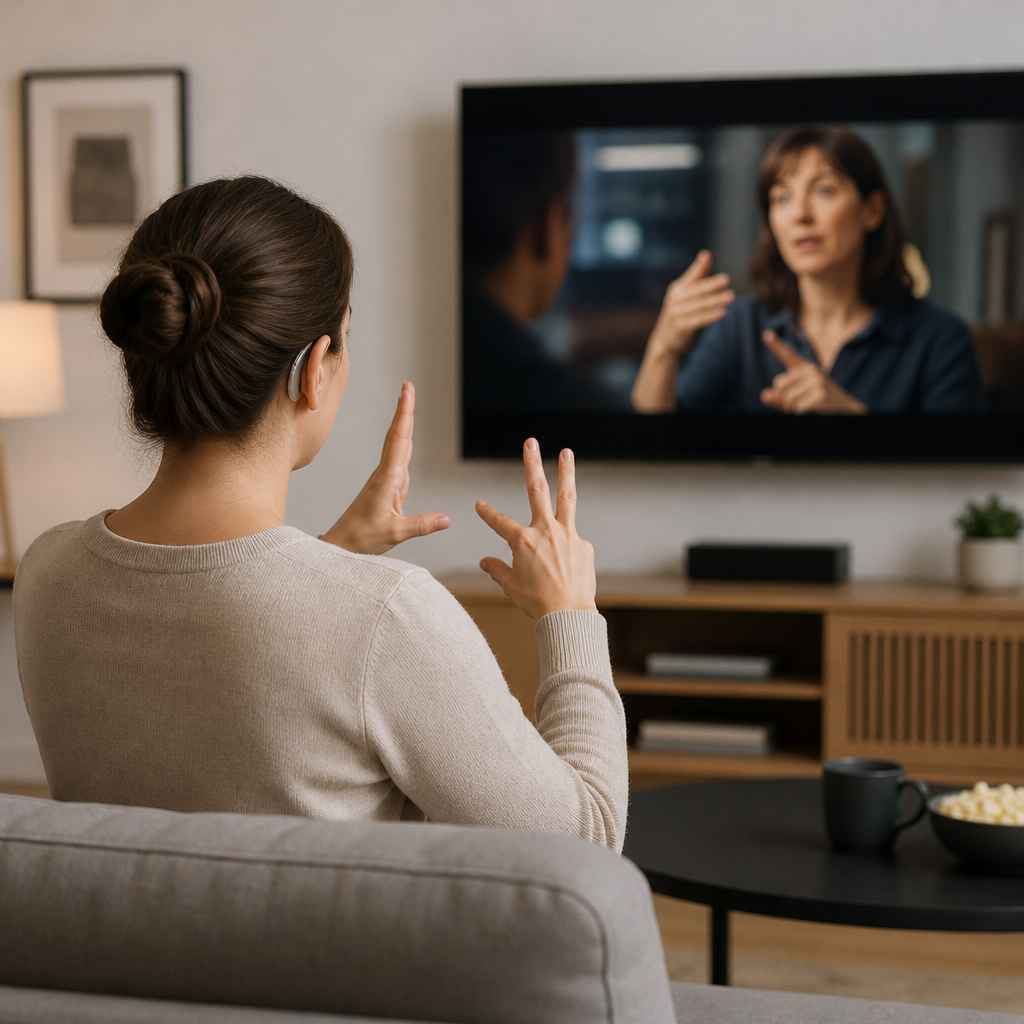
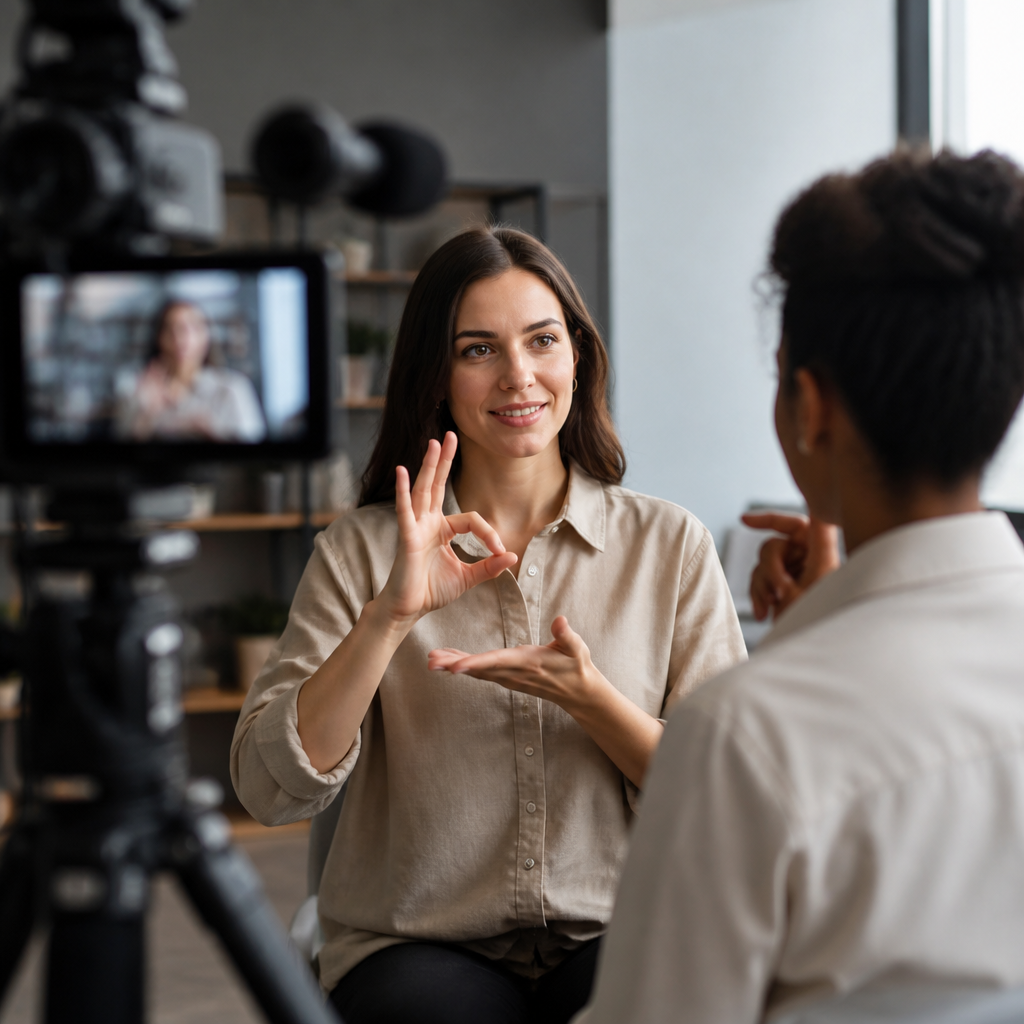
This matters because media shapes public understanding faster than policy papers or classroom lessons ever will. For many hearing viewers, a television drama or film becomes their first exposure to Deaf people. If that portrayal is filtered through hearing assumptions, errors multiply. Signed language may be flattened into decorative hand movements. Deaf schools, interpreters, visual alert systems, or communication norms may be presented inaccurately. Worse, Deaf characters can become symbols for inspiration, tragedy, or resilience rather than complete people. Casting Deaf actors helps prevent those distortions because performance is not only about reciting lines; it is about timing, eye gaze, turn taking, physical orientation, spatial grammar, and the social codes of Deaf interaction.
The employment dimension is equally important. Deaf actors already face structural barriers in training, auditions, transportation, on-set communication, and industry networking. When the relatively small number of Deaf roles also goes to hearing performers, the industry effectively closes one of the few doors where Deaf talent should have a fair chance. That pattern would be unacceptable in most discussions of representation. The same standard belongs here. A true hub page on Deaf representation in media must therefore connect casting to cultural authenticity, labor equity, audience education, production quality, and the long-term health of the entertainment pipeline.
Authenticity improves performance, language, and storytelling
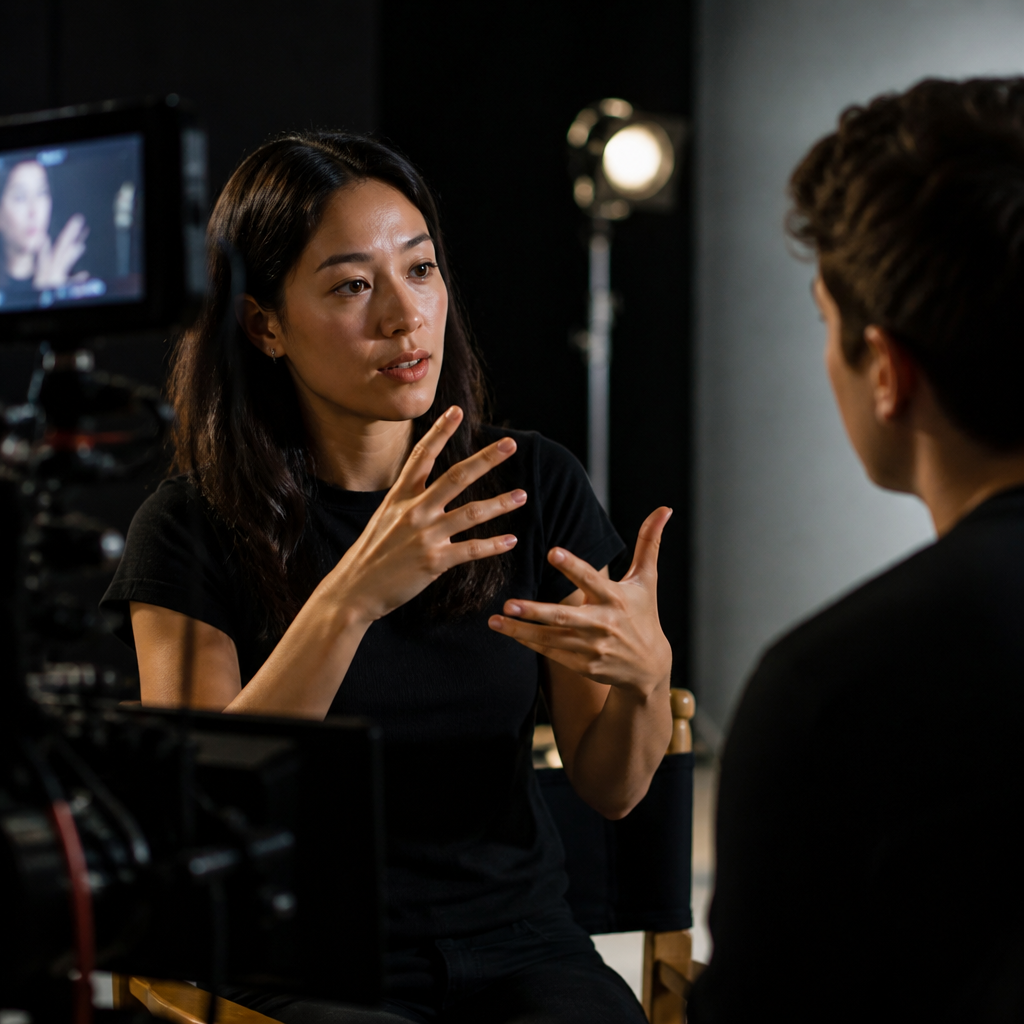
Deaf actors should play Deaf roles because authenticity is visible on screen in ways audiences can feel even when they cannot name every technical detail. Signed languages are full natural languages with their own grammar, rhythm, facial markers, and spatial structure. Fluent signers do not simply attach gestures to spoken dialogue. They organize information visually, place people and objects in signing space, and use facial expression as grammar. A hearing actor can memorize signs, but memorization is not the same as native or community-based fluency. The difference resembles the gap between reciting a phonetically learned speech and actually thinking in that language.
That difference affects every scene. Eye contact is managed differently in Deaf conversations. Interruptions, attention-getting strategies, and group dynamics follow visual rules. Emotional intensity can be conveyed through pace, signing space, body lean, and nonmanual markers, not only voice. Deaf actors know this instinctively because they have lived it. As a result, their performances tend to feel integrated rather than simulated. Viewers see a character who inhabits Deafness, not an actor demonstrating it.
Real-world examples support this. Marlee Matlin’s work across film and television has long shown how Deaf performance can command scenes without being reduced to a lesson in disability. More recently, CODA drew praise not simply because it included Deaf characters, but because Troy Kotsur, Marlee Matlin, and Daniel Durant brought layered, culturally grounded performances that made family interactions feel specific and credible. In Children of a Lesser God, the discussion around Deaf identity and communication also demonstrated that Deaf casting changes the center of gravity of a story. The point is not that every project with Deaf actors becomes perfect. It is that the baseline quality of representation rises when the performers understand the language and culture from the inside.
Hiring Deaf actors corrects a long-standing employment imbalance
The argument is also about work. Entertainment industries have historically offered Deaf performers very limited access to mainstream roles, then compounded that exclusion by giving Deaf-specific parts to hearing stars. Producers often justify this by citing bankability, scheduling, or a supposedly thin talent pool. In my experience, that reasoning usually reflects weak recruiting habits rather than actual scarcity. If casting directors search only familiar agencies, hold inaccessible auditions, or fail to provide interpreters and self-tape accommodations, they will naturally miss qualified Deaf talent.
Authentic casting creates a more sustainable talent pipeline. When Deaf actors are hired, they gain screen credits, union eligibility, agent interest, and leverage for future roles, including roles not written as Deaf. That professional accumulation matters. One booking leads to another, and visibility helps dismantle the myth that Deaf performers are risky hires. It also encourages drama schools, acting coaches, and youth programs to invest in Deaf students because there is evidence of career possibility.
There is a practical business case too. Productions already adapt for accents, dialect coaches, stunt coordination, child labor laws, and intimate scenes. Access is no different: it requires planning, not special pleading. Interpreters, captioned playback, visual call systems, and communication protocols cost far less than reshoots caused by poor authenticity or public backlash. Casting Deaf actors at the start is usually the more efficient decision because it aligns representation, performance quality, and access planning from day one.
Deaf culture cannot be separated from Deaf characters
A Deaf role is rarely only about hearing level. It often involves family dynamics, school experiences, social norms, and relationships to language. Some Deaf people grow up in Deaf families and acquire sign language from birth. Others are born into hearing families and encounter delayed language access, oralist education, cochlear implant debates, or mainstream school isolation. These differences shape identity. A hearing actor can research them, but research has limits when a script depends on the quiet rules of belonging and exclusion inside a community.
Consider common story elements in Deaf representation in media: dinner table conversations, interpreter-mediated appointments, school flashbacks, or conflicts over whether a child will sign or speak. These scenes can become generic very quickly unless performers understand where tension truly lives. For example, the emotional force of a Deaf family dinner is not simply that people are signing. It is that visual turn taking creates a different family energy, side comments travel differently, and inclusion depends on line of sight. Deaf actors carry that knowledge into blocking, timing, and reaction shots.
This is why cultural consultation alone is not enough. Consultants are essential, but they cannot replace what happens in an actor’s body during a take. If a role requires grief, flirtation, sarcasm, authority, or embarrassment in sign language, the actor must express those states with linguistic precision. Otherwise the production risks treating Deaf culture as set dressing. Authentic casting keeps culture inside the performance, where it belongs.
What strong Deaf representation in media looks like
A credible hub on Deaf representation in media should define the markers of quality clearly. Good representation is not limited to visible signing or a single Deaf side character. It includes how the production is built, who has decision-making power, and whether Deaf people are portrayed as multidimensional. The strongest projects combine authentic casting with accessible production practices and nuanced writing.
| Element | Weak representation | Strong representation |
|---|---|---|
| Casting | Hearing actor in a Deaf role | Deaf actor with language and cultural fluency |
| Language | Memorized signs, grammatical errors | Natural signed dialogue shaped by Deaf users |
| Story function | Character exists to inspire or educate hearing people | Character has independent goals, flaws, and agency |
| Production access | Ad hoc interpreting, inaccessible callouts | Planned access, captioning, interpreters, visual cues |
| Creative input | Deaf voices consulted late | Deaf writers, actors, coaches, and advisors involved early |
These standards are not abstract. They are usable checkpoints for studios, journalists, teachers, and viewers. If a project fails across most of them, the problem is not only optics. It is likely producing weaker art. Strong representation makes scenes clearer, conflicts sharper, and audience trust deeper because details hold up under scrutiny.
Common objections and the direct answers
The most common objection is that acting means pretending, so any qualified actor should be able to play any role. That sounds fair until examined in context. Acting always operates within ethical and practical boundaries shaped by history and opportunity. Industries no longer treat every identity category as a neutral costume, especially when marginalized performers have been denied access to their own stories. Deaf roles are one of the clearest cases because language embodiment is central to the performance.
Another objection is that hearing stars attract financing. Sometimes they do, but that is not an argument against Deaf casting; it is an argument for developing and promoting Deaf stars. Troy Kotsur’s Academy Award win proved audiences and awards bodies will recognize Deaf excellence when given the chance. Studios create bankability through marketing repetition. If they never invest in Deaf performers, they cannot use lack of fame as a permanent excuse.
A third objection is that there are not enough Deaf actors. Usually this reflects inaccessible pipelines. Open nationwide casting calls, partnerships with Deaf theater groups, outreach to programs such as Deaf West Theatre, and flexible audition formats immediately expand the pool. The problem is rarely absolute absence. It is failure to look properly and support talent once found.
How productions can cast and support Deaf talent responsibly
Responsible casting starts before auditions. Scripts should identify whether a character is culturally Deaf, late-deafened, hard of hearing, oral, bilingual, or part of a Deaf family, because those distinctions influence casting criteria. Producers should then work with Deaf consultants and casting professionals who understand signing communities. Audition notices must specify access provisions, accepted languages, and whether self-tapes can be submitted in sign.
On set, access should be embedded in workflow. Call sheets need clear communication protocols. Interpreters should be booked based on shooting complexity, not treated as optional add-ons. Directors should know whether notes are best delivered directly in sign, through an interpreter, or with a Deaf acting coach supporting nuance. Video village, rehearsals, makeup calls, and safety briefings all need visual accessibility. None of this is unusual once teams commit to it; it becomes normal production management.
Distribution and publicity matter as well. If a film markets its Deaf authenticity while sidelining Deaf cast members during press tours, the representation remains partial. Inclusive campaigns include interpreters at junkets, captioned trailers, accessible premiere events, and media training that lets Deaf actors speak for their own work. The public then sees not only a Deaf character, but a Deaf professional artist with authority.
Why this hub matters for the wider conversation on representation
Deaf representation in media sits at the intersection of disability, language rights, labor equity, and cultural storytelling. That makes it a hub topic because nearly every related article branches from it: Deaf tropes in film, casting ethics, sign language accuracy, accessibility behind the scenes, Deaf-led productions, children’s media, news coverage, subtitles and captions, and awards recognition. Understanding why Deaf actors should play Deaf roles gives readers the framework to evaluate all those issues consistently.
The larger lesson is simple. Representation is strongest when the people most affected are not merely depicted, but empowered to shape depiction. Deaf actors bring linguistic fluency, cultural memory, emotional precision, and professional legitimacy to Deaf roles. They reduce stereotype, expand opportunity, and improve the final work audiences receive. If you are evaluating media, teaching students, developing a production, or choosing what to watch, use this standard: ask who is telling the story, who is performing it, and whether Deaf people had real authority in both places. That is how better representation becomes normal rather than exceptional.
Frequently Asked Questions
Why is it important for Deaf actors to play Deaf roles?
It matters because Deaf representation is not simply a costume, accent, or performance choice. Deafness is often connected to a lived cultural and linguistic identity, including the use of sign language, visual communication norms, shared community experiences, and a long history of misunderstanding by hearing institutions. When Deaf actors play Deaf roles, they bring embodied knowledge that cannot be fully replicated through research alone. That authenticity shows up in everything from signing rhythm and facial grammar to body language, social dynamics, and emotional truth.
There is also a practical industry issue at stake: access to work. Deaf actors already face limited casting opportunities, so when the few Deaf roles available are given to hearing performers, it reinforces a system in which Deaf talent is excluded from stories that should naturally belong to them. Beyond employment, audiences benefit too. Accurate casting helps reduce stereotypes, improves the realism of storytelling, and encourages creators to treat Deaf characters as complete human beings rather than inspirational devices or plot tools. In short, casting Deaf actors in Deaf roles supports artistic quality, fairness, and cultural respect at the same time.
Can a hearing actor accurately portray a Deaf character if they study sign language and prepare carefully?
A hearing actor may be able to imitate certain external elements, but imitation is not the same as lived experience. Sign languages are full languages with their own grammar, cultural context, and expressive nuances. Fluency involves much more than memorizing signs. It includes timing, spatial structure, eye gaze, facial expressions, turn-taking patterns, and the natural ease that comes from real immersion. Even with serious effort, many hearing actors cannot reproduce these features with the same authenticity that Deaf actors bring instinctively.
Just as important, the conversation is not only about whether a hearing actor can perform the role convincingly. It is also about who gets trusted, who gets hired, and whose stories are seen as marketable. If a production chooses a hearing actor for a Deaf role, it often signals that Deaf performers are still not being viewed as capable leads in their own narratives. That choice can weaken representation behind the scenes as well, because it may reduce pressure to hire Deaf consultants, coaches, writers, or producers. Preparation matters, but it does not erase the broader equity issue or replace the value of authentic community-based insight.
How does casting Deaf actors improve storytelling and on-screen authenticity?
Deaf actors can deepen a story in ways that go far beyond dialogue delivery. They often understand the emotional logic of Deaf experiences from the inside, including how Deaf people navigate family communication, public misunderstanding, accessibility barriers, identity development, and community belonging. That knowledge can shape scenes so they feel more natural, specific, and grounded. Small choices in reaction, pacing, humor, frustration, intimacy, and silence can completely change how believable a character feels.
Authentic casting also strengthens the use of sign language on screen. Sign language is visual, spatial, and expressive, and a Deaf actor can often identify when signed dialogue feels stiff, unnatural, or translated too literally from spoken language. This can improve the entire production, especially when Deaf actors are empowered to collaborate with directors, writers, and language consultants. The result is usually more layered storytelling that respects Deaf characters as multidimensional people rather than symbolic representations of disability. For audiences, that means a richer and more honest viewing experience.
Is this issue mainly about representation, or is it also about jobs and opportunity in the entertainment industry?
It is very much about both. Representation is the most visible part of the conversation because audiences notice who appears on screen, but employment is just as central. Deaf actors have historically been excluded from mainstream casting pipelines, training systems, auditions, and networking opportunities. When productions cast hearing actors in Deaf roles, they are not just making a creative decision; they are also removing one of the few categories of roles where Deaf performers should have a clear opportunity to work.
The impact does not stop with actors. Authentic Deaf casting can create momentum for hiring Deaf acting coaches, sign language specialists, dialogue consultants, interpreters, writers, producers, and crew members who understand accessibility in practice. That helps build a more sustainable ecosystem instead of a one-time symbolic gesture. If the industry claims to value inclusion while continuing to deny Deaf professionals meaningful access to roles and production spaces, the result is performative diversity rather than real change. So yes, this issue is about storytelling, but it is equally about labor, access, and structural fairness.
What message does authentic Deaf casting send to audiences and the broader culture?
When Deaf actors play Deaf roles, it tells audiences that Deaf lives are worth representing accurately and respectfully. It also challenges the outdated idea that Deafness is only a medical condition or tragic limitation. In many cases, Deaf people understand Deafness as part of a broader cultural and linguistic identity, and authentic casting helps communicate that complexity. Viewers are more likely to see Deaf characters as full participants in family life, romance, conflict, work, creativity, and community rather than as one-dimensional lessons for hearing characters.
This also influences how future projects are developed. Accurate, visible, and successful Deaf representation can normalize the expectation that Deaf people belong at the center of their own stories. That has educational value for hearing audiences, but it also has social value for Deaf viewers who rarely see themselves reflected with care and authority. Over time, authentic casting can help reshape industry standards, audience expectations, and public understanding. It sends a simple but powerful message: Deaf people are not props in stories about inclusion; they are artists, professionals, and experts in their own lived experience.