
Creative ways to promote deaf awareness start with a simple truth: awareness is not a poster on a wall, but a sustained effort to make communication, representation, and participation more accessible in everyday life. Deaf awareness refers to public understanding of Deaf culture, hearing loss, communication access, legal rights, and the barriers Deaf and hard of hearing people face in schools, workplaces, healthcare settings, media, and public spaces. In practice, strong awareness campaigns help people move beyond sympathy and toward informed action, such as using captions, booking qualified interpreters, improving customer service, and designing inclusive events from the start.
I have worked on accessibility planning for events and content, and the most effective campaigns always connect awareness to behavior. People remember a slogan for a day; they change habits when they see exactly what inclusion looks like. That is why awareness campaigns matter. The World Health Organization estimates that more than 430 million people worldwide require rehabilitation for disabling hearing loss, a figure expected to rise sharply in coming decades. At the same time, many Deaf people identify with a distinct linguistic and cultural community, particularly where sign languages such as American Sign Language, British Sign Language, or Auslan are used. A credible deaf awareness campaign must respect both realities: hearing loss as a public health and access issue, and Deaf identity as a cultural and linguistic experience.
This hub article explains how to build awareness campaigns that are accurate, visible, and useful. It covers school programs, workplace training, social media, community partnerships, events, media representation, measurement, and common mistakes. If you are planning an awareness campaign under the broader Media, Representation & Awareness topic, this page gives you the strategic foundation and practical ideas needed to create campaigns that people notice, trust, and act on.
Start with language, goals, and the community itself
The first creative way to promote deaf awareness is to define what you want people to learn, then involve Deaf people in shaping the message. Campaigns fail when they treat Deaf audiences as an afterthought or reduce the topic to “be kind.” Effective goals are specific. For example, a hospital may want staff to understand how to secure an interpreter and how to avoid relying on family members for medical interpretation. A school may want students to learn basic signing etiquette, the importance of facing a person while speaking, and why captions benefit many users, not only Deaf viewers.
Language choices matter because they signal respect and accuracy. Some people prefer “Deaf,” especially when referring to cultural identity; others prefer “hard of hearing,” “deaf,” or identity-first language tied to disability rights. The right approach is not to assume. Ask the community you serve and mirror the terminology they use for themselves. In my experience, that single step improves trust quickly, because it shows the campaign is built with people rather than about them.
Creative campaigns also answer practical questions directly. What is the difference between sign language and lip reading? Why are captions essential even when sound is available? Why does eye contact matter? Can every Deaf person read lips? No, and that misconception causes constant friction. Research commonly cited in communication training shows that lip reading captures only a portion of spoken English visually, and many speech sounds look identical on the lips. Campaign materials should say this plainly.
Use schools and campuses as awareness multipliers
Schools are one of the strongest settings for deaf awareness because students carry ideas home, online, and into future workplaces. A good campaign for schools combines information, interaction, and visibility. Morning announcements during Deaf Awareness Month can highlight famous Deaf figures such as Marlee Matlin, Nyle DiMarco, Haben Girma, and Dr. I. King Jordan. Classroom mini-lessons can explain how sign languages have their own grammar and are not signed versions of spoken English. Libraries can display books by Deaf authors, while media classes can analyze how captions and sound design affect storytelling.
Interactive learning works best. I have seen schools run “caption everything” weeks where all video shown in class must have captions enabled, followed by student reflections on comprehension and inclusion. Another useful model is a communication access workshop led by Deaf presenters, where students practice gaining attention appropriately, taking turns in signed conversations, and understanding visual cues. Colleges can add film screenings with open captions, sign language clubs, and orientation materials that explain accommodation procedures clearly.
Campaigns should avoid simulations that trivialize Deaf experience, such as asking hearing participants to wear earplugs and declaring they now understand deafness. Those activities often teach frustration without context and ignore language, culture, assistive technology, and systemic barriers. Better alternatives include panel discussions, storytelling events, and co-created projects with Deaf student organizations.
Build workplace campaigns around access, not inspiration
In workplaces, deaf awareness must move beyond motivational messaging and into operational policy. The most successful campaigns I have supported tied awareness directly to employee experience and customer access. Human resources, facilities, IT, and communications teams all need roles. HR can review accommodation workflows under the Americans with Disabilities Act or comparable local law. IT can standardize captions for internal video, support relay service compatibility, and evaluate meeting platforms for live transcription accuracy. Facilities can improve visual alerting systems in meeting rooms and public areas.
Managers need practical scripts. For example, if a Deaf employee joins a team meeting, who books the interpreter, how far in advance, and what materials should be shared? If a company posts training videos, are captions edited for accuracy or left in unreliable auto-generated form? In regulated industries such as healthcare, law, and finance, the quality of communication is not optional; it affects safety, consent, and compliance.
One creative campaign format is a “communication access audit month” in which departments review customer touchpoints: reception desks, kiosks, training modules, emergency alerts, webinars, and social videos. Another is a short manager training series built around real scenarios. For example, a retail brand can show how a cashier should respond when a customer points to text on a phone, uses speech, signs, or requests writing. Campaigns like this work because they remove guesswork and replace it with repeatable practice.
Create content people can share, save, and use
Digital campaigns spread fastest when the content is immediately useful. Instead of generic awareness graphics, publish assets that solve common problems. Short videos can show “five ways to make a conversation more accessible,” “how to add accurate captions,” or “what to do before hiring an interpreter.” Carousels can explain myths, such as the false idea that hearing aids restore typical hearing. Downloadable checklists work well for event planners, teachers, and hiring managers.
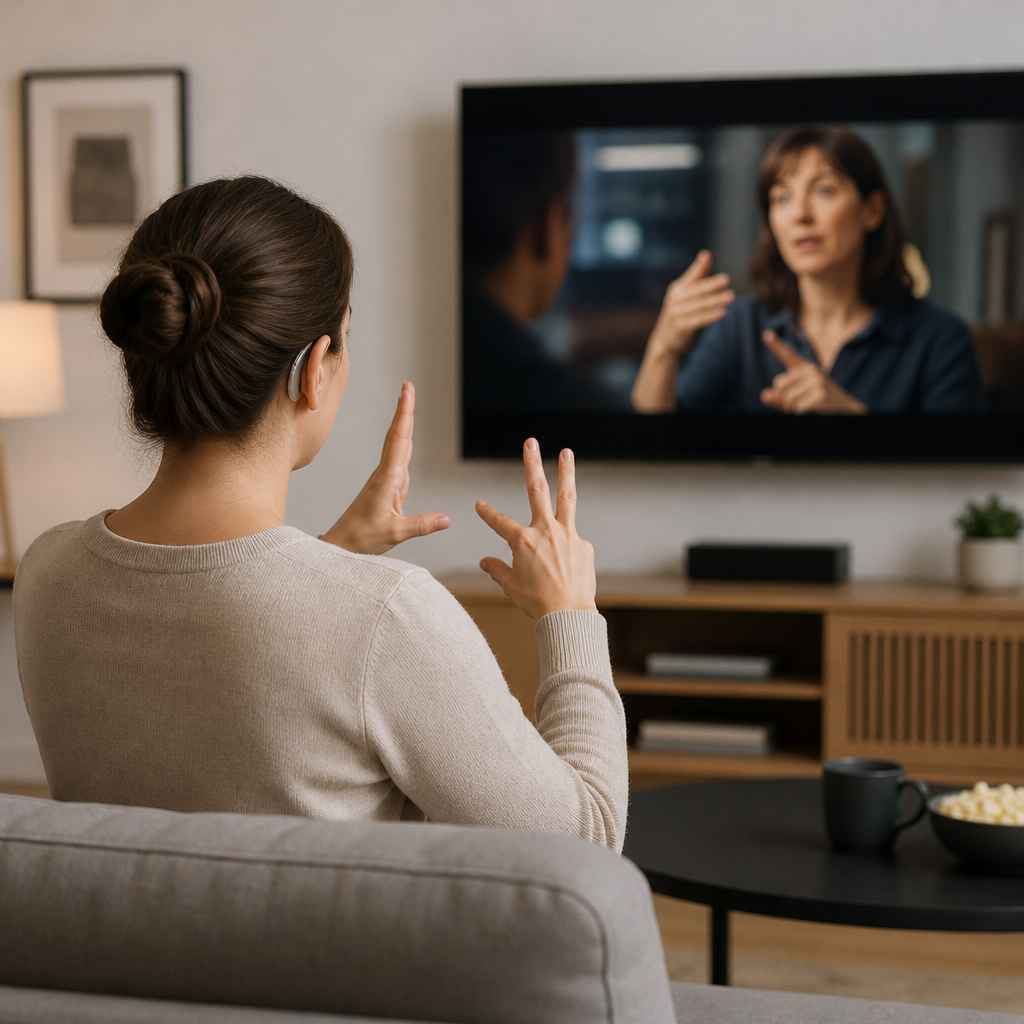
Social platforms reward clarity and brevity, but substance still matters. A strong deaf awareness campaign on Instagram, TikTok, LinkedIn, or YouTube should include captions burned in or attached correctly, descriptive text, and a speaker framed clearly enough for signing or lip visibility when relevant. If sign language appears on screen, leave enough space for the signer and avoid covering hands with graphics. If you use live video, assign moderation for questions and access issues in real time.
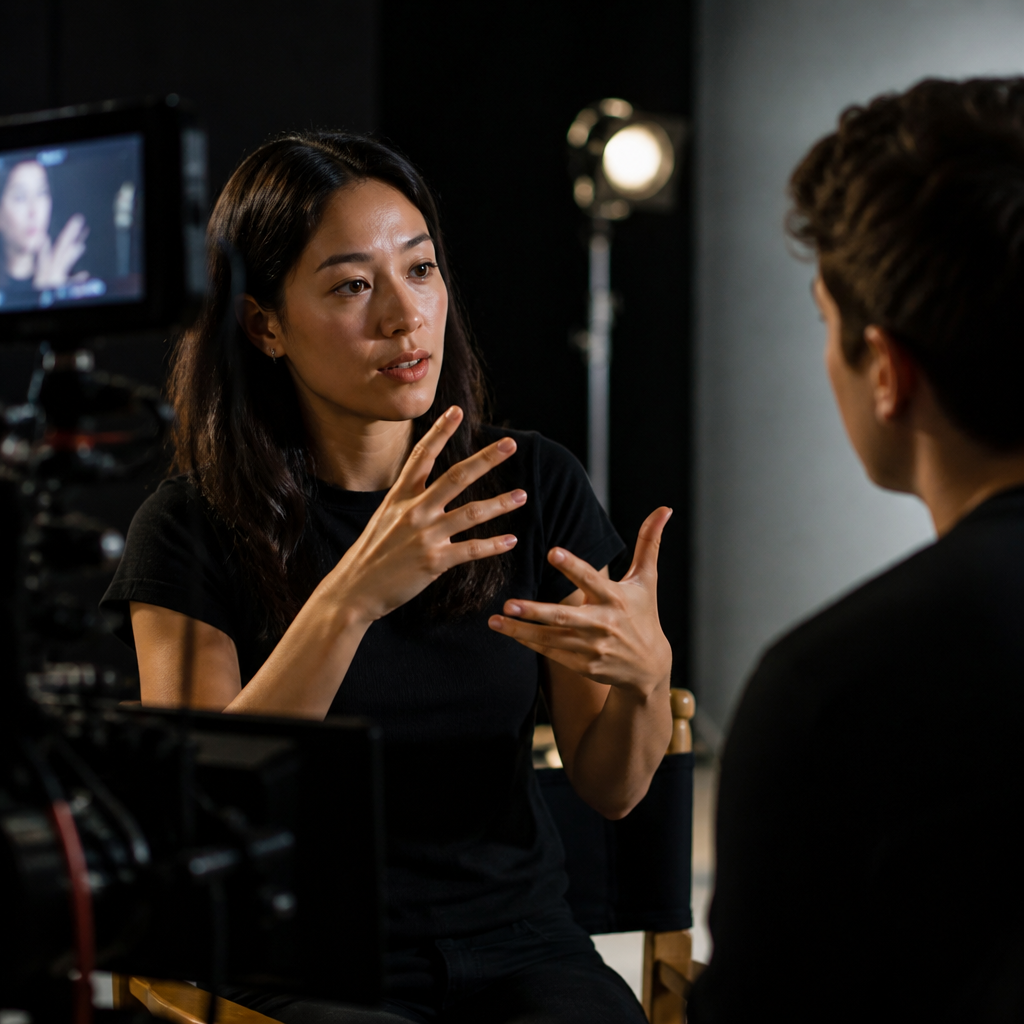
Creators should also feature Deaf voices directly. Interviews, day-in-the-life videos, and creator takeovers consistently outperform institutional messaging because audiences respond to lived experience. The campaign is not just about reach; it is about credibility. When a Deaf journalist explains caption quality, or a Deaf engineer discusses meeting access, the content becomes concrete and memorable.
Design public events that make accessibility visible
Public events are powerful because they let people experience good access standards firsthand. Deaf awareness events can include panel talks, silent dinners hosted with sign language support, captioned film nights, interpreted museum tours, and community art exhibitions. The creative element is not novelty alone; it is making access features visible enough that attendees learn from them. When people see interpreters positioned thoughtfully, screens with open captions, clear sightlines, and printed access information, they understand inclusion as design rather than exception.
Planning details matter. Book qualified sign language interpreters early. Decide when CART, also called Communication Access Realtime Translation, is more appropriate than or complementary to interpreting. Test lighting so speakers and interpreters are visible without glare. Provide agendas in advance. Train volunteers to guide attendees respectfully and to answer basic access questions. If the event includes music, consider visual or tactile components instead of assuming sound carries the experience.
| Campaign setting | Creative tactic | Why it works |
|---|---|---|
| School | Caption-everything week | Shows students that captions improve comprehension and inclusion |
| Workplace | Communication access audit | Turns awareness into measurable operational changes |
| Social media | Deaf creator takeover | Builds trust through authentic first-person experience |
| Museum or library | Interpreted tours and author events | Connects culture, language, and public learning |
| Healthcare | Front-desk access training | Reduces confusion in high-stakes communication settings |
Partner with media, arts, and local institutions
Awareness grows faster when it appears in the places people already trust. Libraries, museums, local newsrooms, theaters, universities, and sports organizations can all amplify a campaign. A library might run a Deaf literature display and host an interpreted author talk. A museum can add signed video guides and use its social channels to explain why visual storytelling matters. A newsroom can publish an accessibility explainer tied to local services, hearing loops, or school resources.
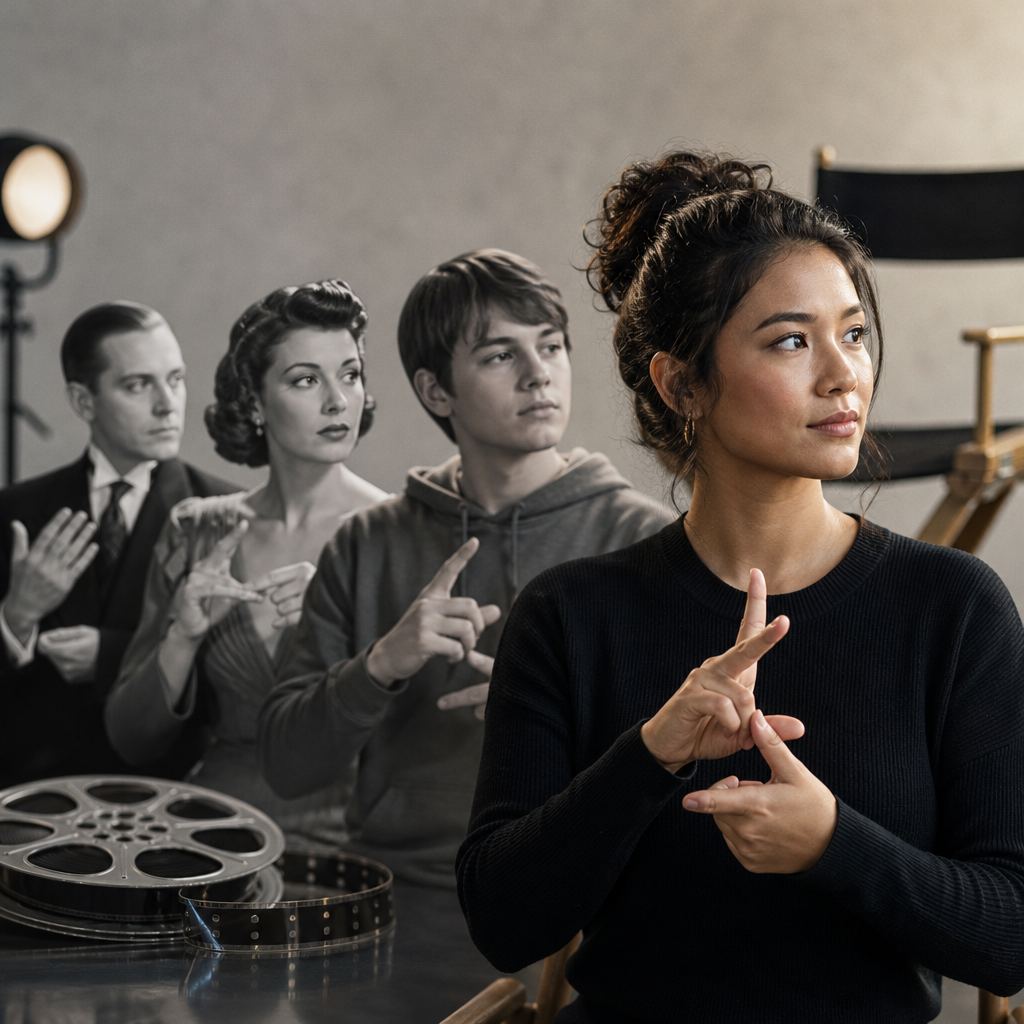
Representation in entertainment also shapes public understanding. Campaigns should highlight works that portray Deaf characters with nuance and cast Deaf actors where appropriate. Films and series featuring Deaf talent have helped normalize signed dialogue and open captions, but awareness work should go further by discussing who writes, directs, and consults on those stories. Authentic representation improves quality because cultural details are more likely to be right.
Local institutions can make awareness practical by embedding it in annual calendars. Sports arenas can promote captioned announcements and visual fan engagement. City governments can mark Deaf Awareness Month with public education on emergency alerts and accessible services. Faith communities can explain interpreting and seating access for services. These are not side projects. They are signals that Deaf inclusion belongs in mainstream public life.
Measure results and avoid common campaign mistakes
The clearest sign of a strong awareness campaign is changed behavior. Track metrics that reflect access, not vanity alone. Useful measures include caption compliance rates, interpreter booking turnaround time, attendance by Deaf participants, employee confidence scores after training, accommodation request completion times, and engagement with practical resources such as checklists or FAQs. For digital campaigns, save rate and completion rate often reveal more than likes, because they show whether people found the content useful enough to keep or finish.
Several mistakes appear repeatedly. The first is centering hearing people’s feelings rather than Deaf people’s access. The second is relying on auto-captions without review, especially for technical, medical, or legal content where errors can be serious. The third is treating sign language as decoration by adding isolated signs with no context or fluency. The fourth is running one-off awareness days without follow-through in policy, budget, or training.
Good campaigns acknowledge tradeoffs. Live captioning may contain minor errors; explain that edited captions will follow. Small organizations may not fund every access feature at once; prioritize high-impact improvements and publish a roadmap. Most important, create a feedback loop with Deaf participants and pay consultants for their expertise. Awareness is most credible when the community can see its input reflected in visible changes.
Creative ways to promote deaf awareness work best when they combine respect, practical access, and consistent visibility. The central lesson is simple: people learn inclusion when they can see it, use it, and repeat it. School programs, workplace training, digital content, public events, and partnerships with trusted institutions all have a role, but they only succeed when Deaf people help shape the message and the outcome. Awareness is not complete when an audience feels informed; it is complete when communication becomes easier, participation becomes wider, and barriers are removed by design.
As a hub for awareness campaigns within Media, Representation & Awareness, this topic connects naturally to related work on captions, inclusive events, Deaf representation in film and news, sign language visibility, and accessible customer experience. Each of those areas reinforces the others. Better media representation increases curiosity. Better training improves daily interactions. Better event design shows what inclusion looks like in public. Over time, those repeated examples shift norms far more effectively than abstract messaging ever will.
If you are planning your next campaign, start with one concrete change: audit a communication touchpoint, invite Deaf collaborators, and publish a resource people can act on today. That is how deaf awareness moves from message to measurable impact.
Frequently Asked Questions
What are some creative ways to promote deaf awareness in everyday life?
Creative deaf awareness efforts work best when they move beyond one-time slogans and become part of daily communication, visibility, and inclusion. One effective approach is to introduce basic sign language learning opportunities in schools, workplaces, libraries, and community centers. Even short sessions that teach greetings, introductions, and common phrases can reduce hesitation and help hearing people feel more confident communicating respectfully. Another practical idea is to use visual communication tools more intentionally, such as captioned video content, digital screens at events, visual alerts, and printed materials that explain communication etiquette and accessibility options.
Representation also matters. Featuring Deaf speakers, artists, educators, performers, and professionals in community events, social media campaigns, and organizational programming gives deaf awareness a human voice rather than treating it as an abstract issue. Businesses and institutions can spotlight Deaf stories during awareness months, but the strongest campaigns continue year-round through accessible marketing, staff training, and inclusive event planning. Creative awareness can also include silent dinners, Deaf-led workshops, interactive exhibits, signed storytelling sessions, and public campaigns that encourage people to experience communication from a visual-first perspective. The key is to make awareness active, respectful, and led by the real experiences of Deaf and hard of hearing people.
Why is deaf awareness important beyond just learning about hearing loss?
Deaf awareness is important because it is not only about understanding a medical condition or recognizing that some people cannot hear fully. It is about understanding communication access, cultural identity, equal participation, and the systems that either include or exclude people. Many people assume deaf awareness begins and ends with hearing devices or louder speech, but that misses the larger picture. Deaf and hard of hearing individuals often encounter barriers in education, employment, healthcare, customer service, transportation, entertainment, and emergency communication. Without awareness, these barriers are often treated as personal problems instead of accessibility issues that organizations and communities have a responsibility to address.
It also matters because Deaf culture has its own language traditions, social norms, and shared history. For many Deaf individuals, deafness is not simply a loss to be corrected, but a lived identity connected to sign language and community. Public understanding helps reduce harmful stereotypes, such as the idea that all deaf people communicate the same way or that communication difficulties are caused by lack of effort. Better awareness leads to better policy, more inclusive environments, and stronger respect for legal rights related to interpreting services, captioning, and reasonable accommodations. In short, deaf awareness helps create a world where people are not just informed, but prepared to communicate and include others with dignity.
How can schools and workplaces create meaningful deaf awareness programs?
Schools and workplaces can create meaningful deaf awareness programs by focusing on long-term accessibility rather than symbolic participation. A strong starting point is education that covers the basics of Deaf culture, hearing loss, communication preferences, and respectful interaction. This should include practical guidance, such as facing the person when speaking, not covering the mouth, using captions consistently, reducing unnecessary background noise, and asking what communication method works best. Training becomes more effective when it is led or informed by Deaf professionals, interpreters, accessibility specialists, or advocacy organizations with direct expertise.
In schools, meaningful programming might include classroom lessons on sign languages, assemblies with Deaf presenters, captioned media policies, and inclusive extracurricular activities that do not leave deaf or hard of hearing students out of the conversation. Teachers can also be trained to recognize how communication barriers affect learning, participation, and social inclusion. In workplaces, awareness programs should be tied to action: meeting accessibility standards, providing captioning and interpreting when needed, making internal videos accessible, reviewing emergency procedures, and ensuring hiring and advancement practices do not unintentionally exclude qualified candidates. The most successful programs treat deaf awareness as part of diversity, equity, inclusion, and compliance efforts, while also recognizing it as a communication and culture issue that affects everyday relationships.
What should organizations avoid when planning a deaf awareness campaign?
Organizations should avoid treating deaf awareness as a performative campaign with no practical accessibility changes behind it. A common mistake is centering the campaign on inspiration, pity, or “overcoming” narratives instead of rights, access, and representation. Messaging that portrays Deaf and hard of hearing people as passive recipients of help can quickly undermine the campaign’s purpose. Another mistake is assuming one deaf experience represents everyone. Some people identify strongly with Deaf culture and use sign language as their primary language, while others may rely on spoken communication, lip reading, assistive technology, captioning, or a combination of methods. Good campaigns avoid generalizations and emphasize individual communication preferences.
Organizations should also avoid inaccessible awareness efforts. For example, hosting a deaf awareness event without captions, interpreters, visual access considerations, or clear communication support sends the wrong message. It is equally important not to rely entirely on a single awareness day or month and then stop the conversation. Sustainable awareness involves policy review, staff education, accessible content standards, and consistent inclusion in planning. Finally, organizations should avoid speaking for Deaf communities without their input. The most credible and respectful campaigns include Deaf voices at every stage, from planning and messaging to delivery and evaluation.
How can social media and community events help spread deaf awareness effectively?
Social media and community events can be powerful tools for promoting deaf awareness because they make education visible, shareable, and interactive. On social platforms, organizations can publish captioned videos, short sign language lessons, interviews with Deaf community members, myth-versus-fact posts, and practical tips for inclusive communication. Content should always be accessible, especially through accurate captions, clear visuals, and concise formatting that supports easy understanding. Featuring authentic voices is especially important. Deaf creators, educators, advocates, and professionals can help audiences connect with real experiences and learn in a way that is engaging rather than purely informational.
Community events create opportunities for direct participation and relationship-building. Examples include Deaf-led panels, accessible film screenings, sign language practice meetups, art exhibits, workshops on communication access, school outreach programs, and inclusive local festivals. These events are most effective when accessibility is planned from the start, including interpreters, captioning, visual signage, and staff prepared to support a range of communication needs. When social media is used to amplify these events before and after they happen, awareness grows beyond the room itself. Together, digital outreach and in-person engagement can help communities shift from passive awareness to active inclusion, which is ultimately the goal of any strong deaf awareness effort.