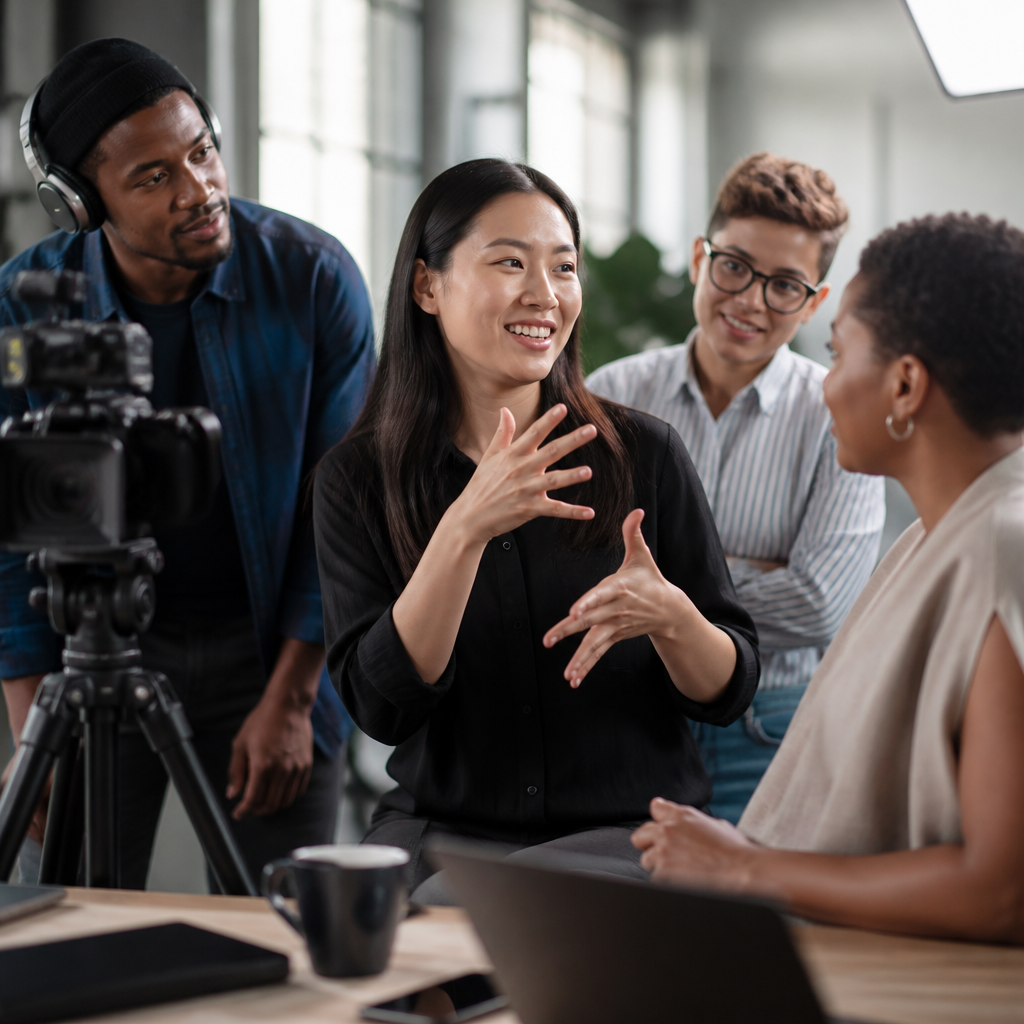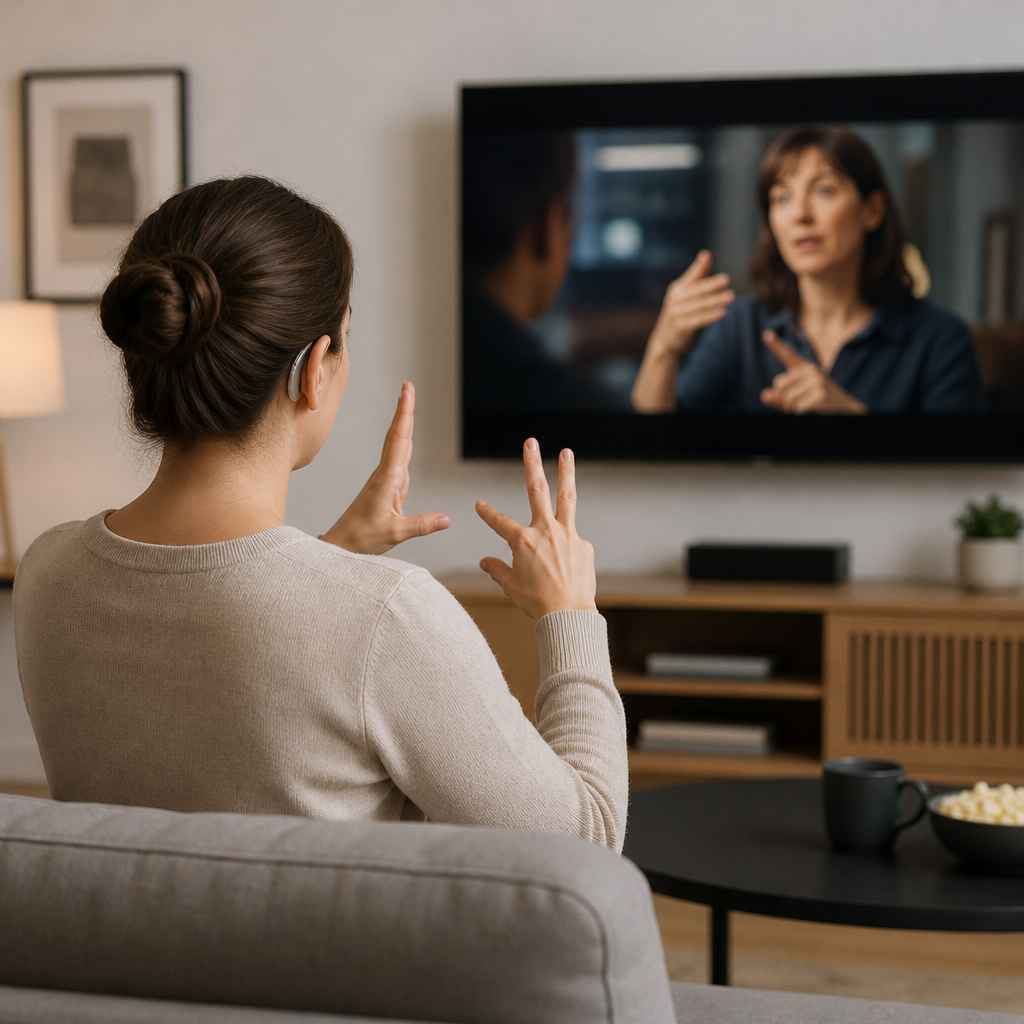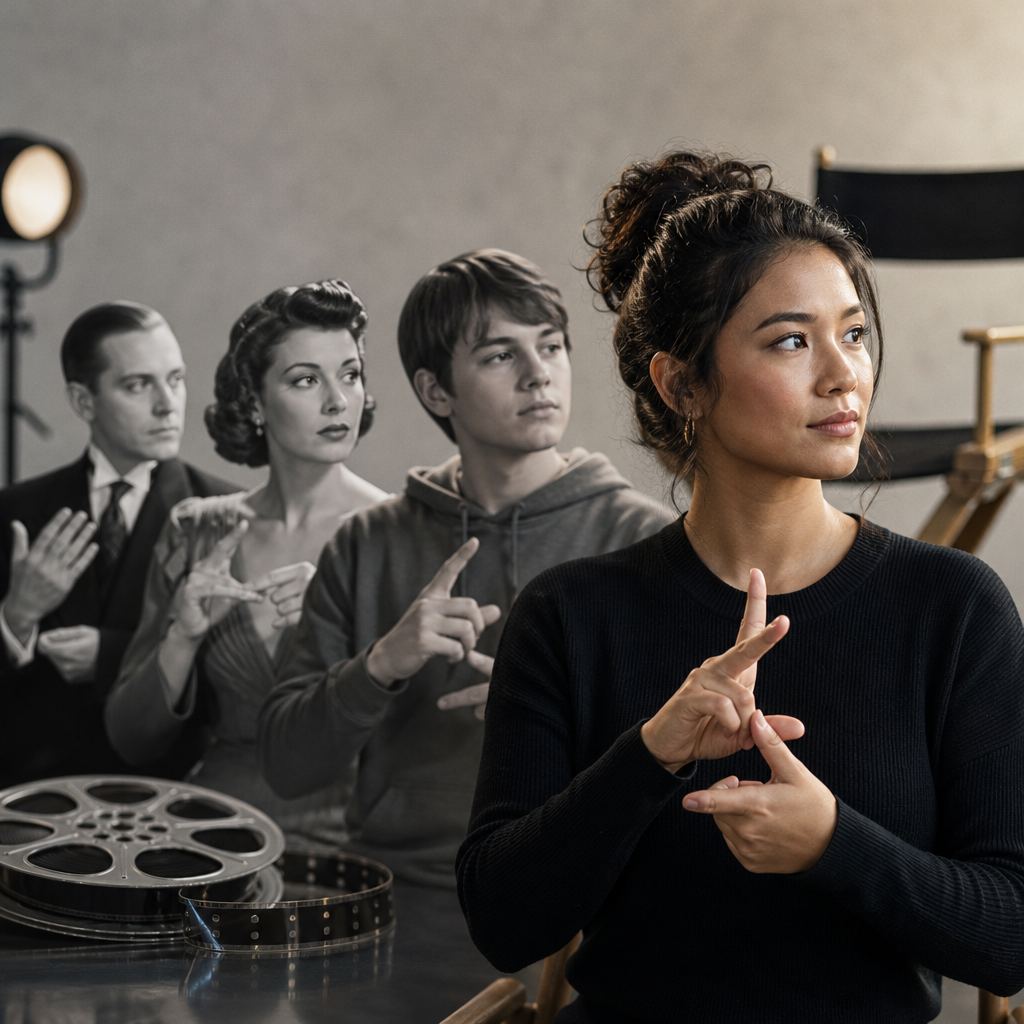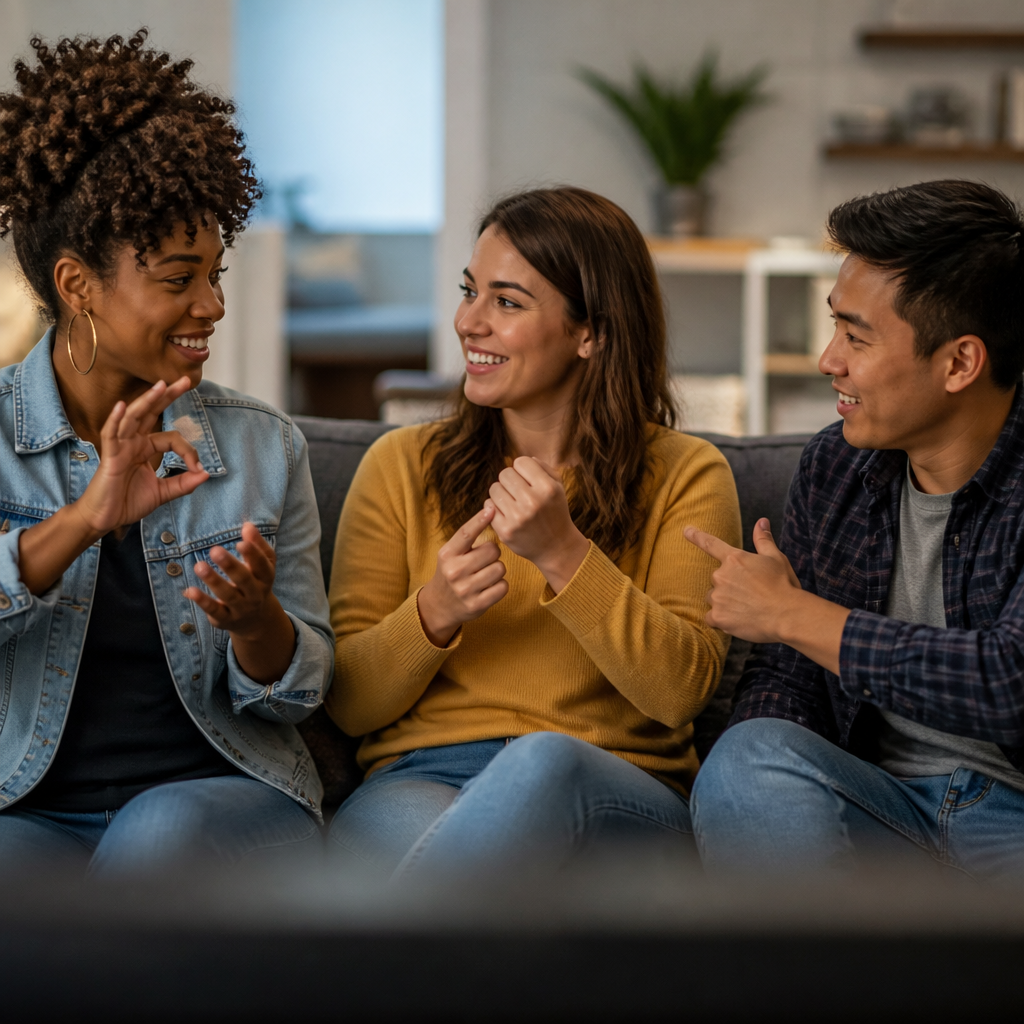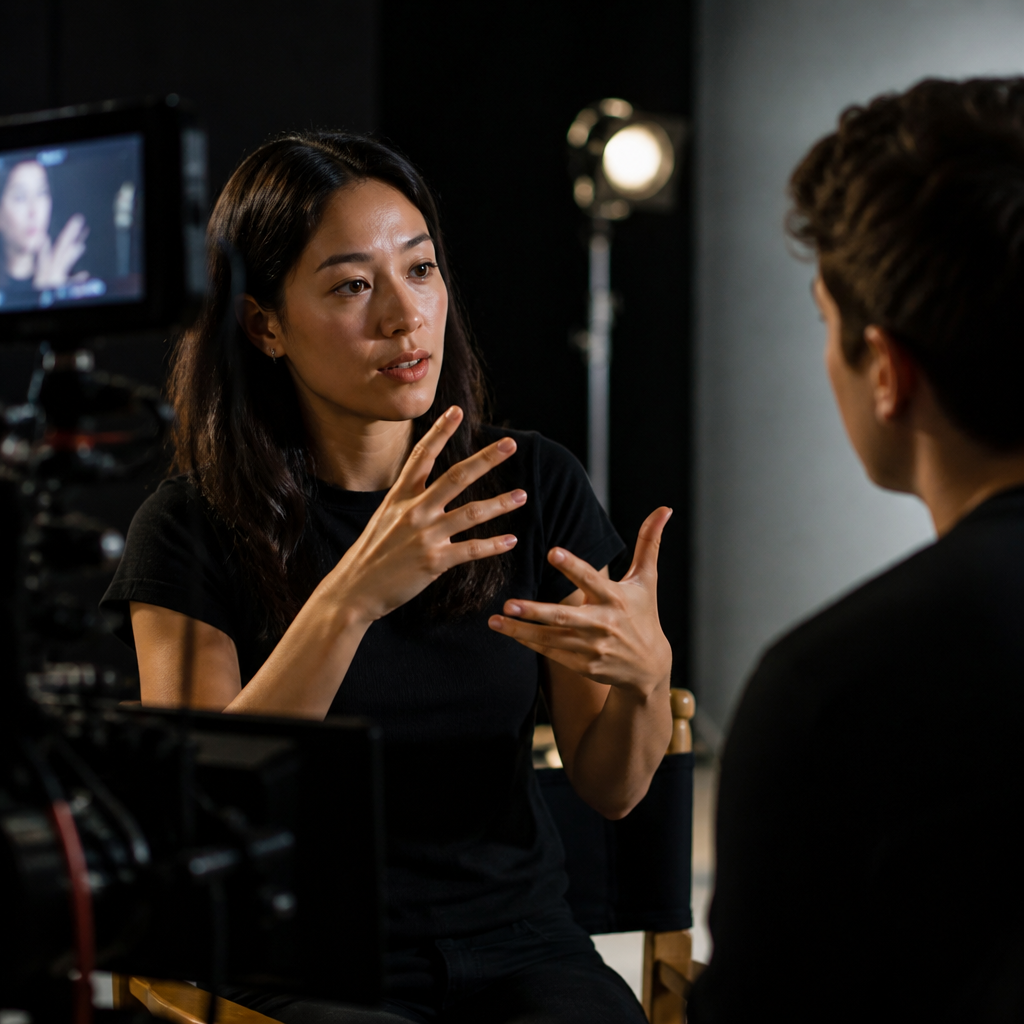
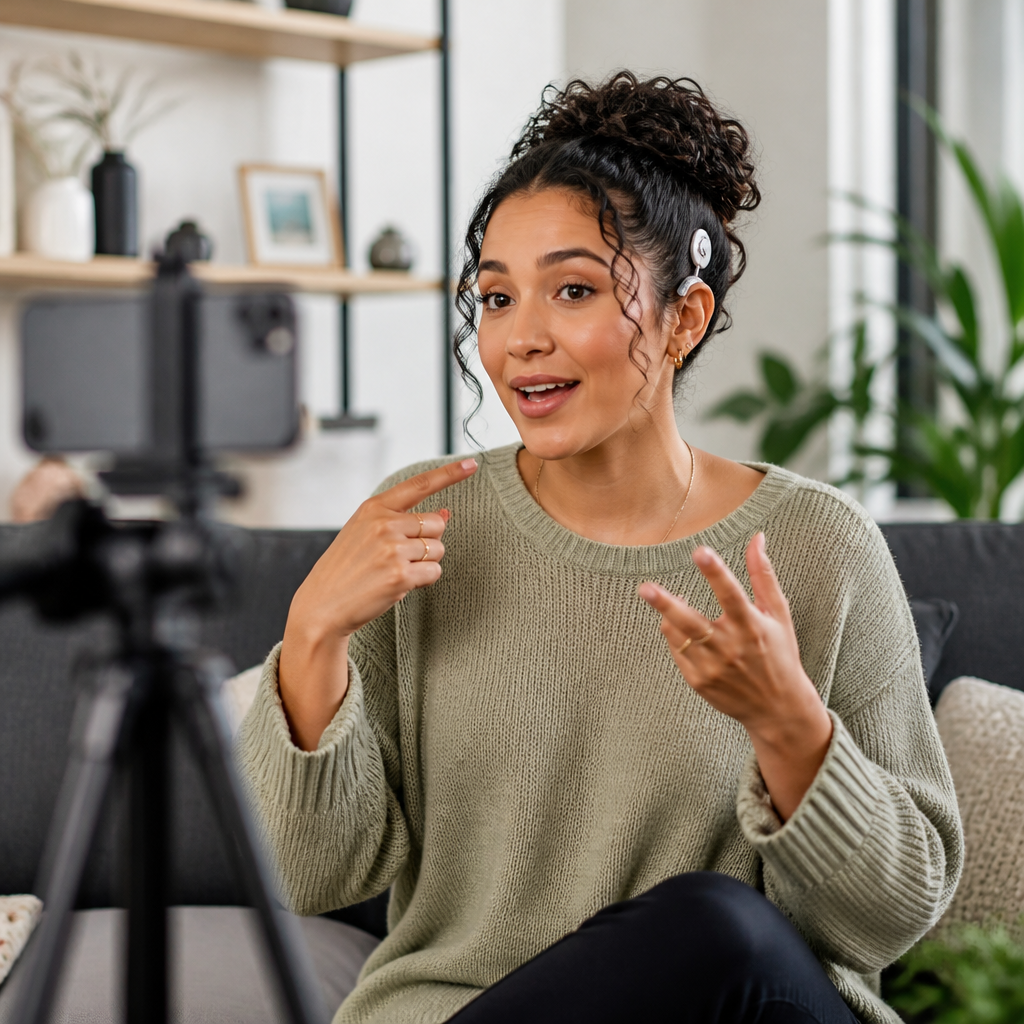
Audism shapes how society judges intelligence, competence, and belonging based on a person’s ability to hear or speak in expected ways, and influencers are becoming some of the most visible challengers of that bias. In practical terms, audism includes obvious discrimination, such as excluding Deaf people from jobs or media opportunities, and subtle assumptions, such as praising speech over signing or treating hearing norms as the default standard. I have worked on accessibility reviews for campaigns that featured creators with disabilities, and the pattern is consistent: when Deaf and hard of hearing people control their own stories, public understanding moves faster than when institutions speak for them. That is why influencers matter in conversations about media, representation, and awareness.
The rise of social platforms has changed who gets to shape cultural narratives. A television network once decided which Deaf stories reached mass audiences. Now a Deaf educator on TikTok, a hard of hearing athlete on Instagram, or a signing comedian on YouTube can explain lived experience directly, build a community, and correct misinformation in real time. These creators do more than post inspirational clips. They teach audiences what audism looks like in classrooms, workplaces, healthcare settings, entertainment, and everyday conversation. They also model better behavior by showing captions, interpreting, visual communication norms, and Deaf cultural practices in action.
For readers exploring influencers and public figures within disability representation, this hub matters because it connects awareness with impact. Awareness alone is not enough if it stays abstract. The real value lies in understanding which creator strategies change behavior, which public figures broaden visibility, and where the limits of visibility still remain. This article explains how influencers are raising awareness about audism, why their messages resonate, how platforms amplify or distort those messages, and what brands, journalists, educators, and audiences can learn from them. It also serves as a starting point for deeper coverage on Deaf creators, celebrity advocates, accessible content standards, and representation in digital media.
What audism means in everyday life and why influencers can expose it quickly
Audism is the belief, often unspoken, that hearing and spoken language are inherently superior to Deaf ways of being, communicating, and participating. The term is widely used in Deaf studies and advocacy because it names a system rather than a series of isolated rude moments. In daily life, audism appears when meetings happen without captions, when teachers discourage sign language, when customer service staff refuse to look at Deaf customers, or when public figures present cochlear implants as a universal solution instead of one option among many. It also appears in entertainment when Deaf characters are reduced to trauma stories or are played without input from Deaf talent.
Influencers expose these patterns quickly because social media makes invisible friction visible. A 30-second video showing how a Deaf person orders coffee, attends a doctor appointment, or joins a video meeting can reveal barriers more effectively than a formal policy memo. Viewers see the effort required when accommodations are missing. They also see that many barriers are not caused by deafness itself but by design choices and attitudes. This distinction is critical. Strong creators consistently shift the conversation from individual deficit to environmental access, which aligns with modern disability frameworks and with accessibility standards used across digital products and public communication.
Another reason influencers are effective is speed. Traditional awareness campaigns may take months to plan, approve, and distribute. Creators respond to current events immediately. If a movie mishandles Deaf representation, influencers can critique it the same day. If a platform introduces automatic captions, creators can test accuracy and show where the system fails with sign names, accents, overlapping speech, or technical vocabulary. This rapid feedback loop turns awareness into public accountability, and it gives audiences practical language to identify audism in places they had previously accepted as normal.
How Deaf and hard of hearing creators educate audiences at scale
Education is one of the clearest ways influencers raise awareness about audism. Many creators break down complex topics into short, memorable lessons: the difference between Deaf identity and audiological hearing level, why not all hard of hearing people use the same accommodations, what communication access real-time translation involves, or why “hearing impaired” may be rejected by some community members in favor of Deaf or hard of hearing. Because these lessons are attached to faces, voices, signing styles, and personal stories, they are more likely to be remembered than textbook definitions.
I have seen campaigns perform best when creators combine direct explanation with demonstration. For example, a creator may post one clip showing a common audist interaction, such as someone covering their mouth while speaking, and a second clip modeling an accessible alternative, such as facing the person, enabling captions, and confirming understanding without condescension. That format works because it does not only identify harm; it gives the audience a replacement behavior. Educational influence is strongest when it reduces uncertainty. People are more likely to change when they know exactly what to do next.
Creators also scale awareness by repeating foundational lessons without assuming prior knowledge. That matters because every viral post reaches new viewers. Influencers who work well in this space often build content pillars: Deaf culture, assistive technology, sign language myths, workplace access, parenting, entertainment critique, and policy updates. Repetition across these themes creates a public archive that journalists, teachers, and followers can revisit. Over time, a creator becomes not just a personality but a trusted reference point for accurate, experience-based guidance on audism and accessibility.
The role of public figures, celebrities, and cross-platform visibility
Influencers are not the only people raising awareness. Actors, athletes, authors, interpreters, and mainstream celebrities can widen reach when they engage responsibly. Public figures such as Marlee Matlin have had lasting impact by insisting that Deaf people be seen as full participants in film and public life, not side characters in hearing-centered narratives. Nyle DiMarco has used fashion, television, and activism to push discussions about sign language access and Deaf education into mainstream culture. When these figures speak, traditional media listens, and that still matters because press coverage influences funding, programming, and public policy agendas.
Cross-platform visibility is especially powerful. A creator may begin on TikTok, expand to Instagram Reels, publish longer explainers on YouTube, appear on podcasts, and then be quoted in news coverage. Each platform supports a different layer of awareness. Short-form video grabs attention. Long-form video allows nuance. Podcasts offer sustained discussion about identity, education, or healthcare. News interviews provide legitimacy for audiences that still rely on established outlets. The strongest awareness ecosystems use all of these channels, reinforcing the same core message: audism is structural, learned, and changeable.
There is, however, an important distinction between amplification and appropriation. Public figures help most when they direct attention toward Deaf experts, cite community perspectives, and share space with interpreters or signing creators instead of speaking over them. Problems arise when celebrities borrow the language of accessibility but center themselves as heroes. Audism awareness improves when influence flows toward the people most affected. That is why collaboration quality matters more than follower count.
Content strategies that actually change public understanding
Not every awareness post changes minds. The content that performs best usually combines emotional clarity, practical instruction, and visible proof. Storytelling matters because audiences remember moments: a child excluded at school assembly because there was no interpreter, a missed medical detail because captions failed, or the relief of joining a live event with accurate access. But evidence matters too. Skilled influencers point to standards such as WCAG for digital accessibility, FCC captioning rules in relevant media contexts, or ADA accommodation expectations in the United States. These references move the discussion beyond opinion.
Format also affects understanding. Reaction videos can be useful for correcting harmful scenes in movies or advertisements, while tutorials work better for communication tips and accessibility tools. Interviews with interpreters, educators, audiologists, or Deaf professionals add depth when the creator maintains clear framing. Live sessions are effective for audience questions because they surface misunderstandings that static posts might miss. I have repeatedly found that FAQ-style content lowers defensiveness. When a creator answers, “Is it rude to say deaf?” or “Should I learn basic signs if I only know one Deaf coworker?” the audience feels invited into learning rather than accused.
| Content approach | How it raises awareness about audism | Example outcome |
|---|---|---|
| Myth-busting short videos | Corrects common false beliefs quickly and shareably | Viewers stop assuming all Deaf people lip-read |
| Day-in-the-life posts | Shows barriers in real settings instead of abstract claims | Employers notice meeting access failures |
| Caption and access tutorials | Provides immediate, practical fixes audiences can apply | Creators improve subtitle quality on their own channels |
| Media critique | Connects representation choices to harmful public attitudes | Audiences question tokenism and casting decisions |
| Collaborative interviews | Introduces multiple Deaf and hard of hearing perspectives | Followers understand diversity within the community |
Another strategy that works is showing process, not just outcomes. For example, an influencer might compare auto-generated captions with human-edited captions and explain where machine transcription fails. That teaches audiences that accessibility is a craft requiring review, not a box to tick. In brand consulting, this is often the turning point: teams realize access quality affects trust, retention, and reputation. Awareness deepens when people can see the mechanics behind inclusion.
Where influencer awareness creates measurable cultural and business impact
Awareness about audism matters most when it changes decisions. In education, creator-led discussions have pushed schools to reconsider interpreter quality, classroom acoustics, visual alerts, and assumptions about language development. In workplaces, influencers have normalized requests for captions, clear masks in certain settings, meeting agendas, and turn-taking norms that help everyone, not only Deaf staff. In media production, public criticism from creators has pressured brands to caption videos correctly, hire Deaf consultants, and think about access before launch rather than after complaints.
Business impact is not theoretical. Captioned video improves comprehension, watch time, and usability in sound-off environments. Better accessibility reduces abandonment in webinars and live streams. Inclusive casting broadens audience trust because viewers recognize when representation feels authentic. I have seen organizations treat access as a cost center until creators publicly document failures. Once that happens, the reputational risk becomes obvious. The most resilient brands learn the earlier lesson: accessibility is part of product quality and audience respect.
There is also civic impact. Influencers help followers understand how audism intersects with race, class, education, and healthcare. A wealthy public figure may obtain strong accommodations and still face bias, but low-income Deaf people often face compounded barriers in transportation, interpretation access, and digital connectivity. Good awareness content addresses these differences directly. That prevents a simplistic story in which representation is mistaken for equality. Visibility is progress, but it does not guarantee access.
Limits, risks, and what responsible influence looks like
Influencer awareness has limits, and acknowledging them makes the work more credible. Algorithms reward emotion, novelty, and conflict, which can flatten nuance. Creators may feel pressure to package trauma into digestible clips or to represent an entire community with diverse communication preferences and political views. Audiences may overgeneralize from one person’s experience with hearing aids, cochlear implants, oral education, or sign language. These are not reasons to dismiss influencer work; they are reasons to evaluate it carefully and support creators who provide context.
Responsible influence includes clear disclosure when a creator is sharing a personal viewpoint rather than a universal rule. It also includes citing standards, linking resources, correcting mistakes publicly, and collaborating across differences within the Deaf and hard of hearing spectrum. The most trustworthy creators do not present access as one-size-fits-all. They explain tradeoffs. Auto captions are useful but imperfect. Interpreters are essential in many contexts but do not replace direct communication or visual design. Assistive technology can be life-changing, but technology alone does not remove social bias.
Audiences and brands have responsibilities too. Do not ask Deaf creators to provide endless unpaid education while ignoring their recommendations. Do not feature one signing video during awareness month and call the job finished. Build ongoing practices: budget for captions and interpreters, test content accessibility, hire consultants early, and include Deaf decision-makers. If you want to understand how influencers are raising awareness about audism, the key lesson is simple: they succeed because they connect lived experience to concrete action. Follow Deaf and hard of hearing creators, apply what they teach, and make access visible in your own work every day.
Frequently Asked Questions
What is audism, and why are influencers talking about it more openly now?
Audism is the belief system that places greater value on people who hear, speak, or communicate in ways that match hearing-centered norms. It can appear in obvious forms, such as denying Deaf people access to jobs, leadership roles, education, or media visibility. It also shows up in quieter, everyday ways, including assuming spoken language is more intelligent than sign language, treating captions as optional, praising Deaf people only when they sound “hearing,” or designing events and online content without accessibility in mind. In short, audism shapes who is considered capable, professional, relatable, or worthy of full participation.
Influencers are talking about it more openly because social media has created a direct route for Deaf creators, advocates, interpreters, and allies to share lived experience without waiting for traditional media gatekeepers to approve the conversation. For many audiences, an influencer may be the first person to clearly explain how audism affects school, work, healthcare, entertainment, and even family dynamics. Their content helps people recognize that bias is not limited to dramatic discrimination; it also includes subtle habits and assumptions that place hearing people at the center of everything.
This visibility matters because awareness often begins with examples people can actually see. When influencers post about inaccessible livestreams, poor captioning, token casting, or the idea that signing must always be secondary to speech, they turn abstract bias into something concrete and understandable. That makes audism easier to identify and harder to dismiss. As a result, more people are learning that accessibility is not a special favor and that Deaf culture, language, and identity deserve respect on their own terms.
How do influencers help raise awareness about audism in everyday life?
Influencers raise awareness by translating complex social issues into real, relatable situations. Rather than discussing bias only in academic language, they show how audism appears in meetings without interpreters, classrooms that depend entirely on spoken instruction, videos without captions, customer service interactions that exclude signers, and workplaces that confuse accommodation with inconvenience. This kind of content helps audiences understand that audism is not rare or abstract; it is woven into ordinary decisions and systems.
Many influencers also use storytelling to make the issue more visible. A post about being talked over at an event, being judged for signing, or being expected to lip-read in difficult conditions can teach more than a definition alone. These firsthand accounts encourage hearing audiences to question assumptions they may never have noticed before, such as why spoken communication is treated as the default measure of competence. They also validate the experiences of Deaf and hard-of-hearing viewers who may have struggled to name what they were experiencing.
Another important contribution is modeling better practices. Influencers often demonstrate what accessibility looks like in action by using accurate captions, visual descriptions, transcripts, sign language content, clear lighting, and inclusive collaboration standards. When creators normalize these choices, they shift public expectations. Brands, media outlets, schools, and event organizers start to see that accessible communication is both possible and necessary. In that way, influencers are not just raising awareness of audism; they are actively showing audiences how to challenge it.
Why is representation from Deaf influencers especially important in conversations about audism?
Representation from Deaf influencers is essential because audism directly affects Deaf people’s opportunities, dignity, and autonomy, so their voices should lead the conversation. Too often, discussions about accessibility and inclusion are filtered through hearing perspectives, which can unintentionally soften, simplify, or misinterpret the issue. Deaf influencers bring lived expertise. They can explain how bias operates not only in public systems but also in personal interactions, cultural expectations, and language politics. That perspective adds depth, accuracy, and urgency.
Deaf influencers also challenge harmful stereotypes by existing publicly and confidently outside hearing-centered expectations. When audiences regularly see Deaf creators discussing fashion, parenting, education, travel, activism, humor, business, or entertainment, it disrupts the narrow idea that Deaf identity should only be framed as a problem to solve. This matters because audism often relies on the assumption that hearing ways of being are inherently superior. Visible Deaf leadership pushes back against that assumption by showing Deaf lives as full, skilled, creative, and self-defined.
In addition, Deaf influencers often educate audiences about the difference between access and assimilation. For example, they may explain why celebrating speech over signing can be audist, or why inclusion does not mean forcing Deaf people to adapt to hearing norms at all times. That distinction is critical. True inclusion respects Deaf language and culture rather than rewarding proximity to hearing standards. When Deaf creators lead these conversations, the public is more likely to understand that accessibility is not just about helping people fit in; it is about changing environments, expectations, and power structures so that Deaf people can participate fully and authentically.
What kinds of audism do influencers expose that many hearing people might overlook?
One of the most valuable things influencers do is expose the subtle forms of audism that hearing people may not immediately recognize. Many people understand that refusing an interpreter or excluding a Deaf employee is discriminatory, but they may overlook behaviors such as speaking to an interpreter instead of the Deaf person, assuming lip-reading is easy, treating captions as unnecessary, or praising Deaf individuals only when they communicate in speech. These moments may seem small to hearing observers, but they reinforce the idea that hearing norms are the standard everyone should strive to meet.
Influencers also call attention to performative inclusion. This can happen when brands feature Deaf talent in campaigns but fail to provide accessible meetings, qualified interpreters, captioned content, or decision-making power behind the scenes. On the surface, the representation looks positive. In practice, it may still center hearing convenience and image management rather than genuine equity. By documenting these contradictions, influencers help audiences understand that visibility alone is not enough if systems remain inaccessible.
Another overlooked area is the way society links speech and hearing ability to intelligence, trustworthiness, and professionalism. Influencers frequently challenge comments that label signing as less polished, assume speech is always preferable, or treat Deaf communication styles as inferior. These beliefs are deeply rooted and often go unexamined, which is exactly why public education matters. When influencers name these patterns clearly, they give people language to identify bias in workplaces, schools, media, and social settings. That awareness is often the first step toward meaningful change.
How can readers support the work influencers are doing to challenge audism?
Readers can start by listening carefully to Deaf creators and treating their content as expertise, not just inspiration. That means following Deaf influencers, engaging with their work respectfully, sharing their educational posts with proper credit, and resisting the urge to center hearing opinions in conversations about Deaf access and culture. Support also includes being open to correction. If a creator points out that a common phrase, behavior, or policy is audist, the most useful response is to learn from it rather than become defensive.
Practical action matters just as much as awareness. Readers can make their own communication and content more accessible by using high-quality captions, requesting interpreters when planning events, providing transcripts, improving visual communication practices, and questioning whether hearing-centered assumptions are shaping decisions. If you work with camps, schools, workplaces, nonprofits, or digital platforms, this is especially important. Accessibility reviews often reveal that exclusion is built into ordinary routines, from staff training and orientation materials to emergency procedures and social programming. Addressing those gaps turns awareness into structural improvement.
Finally, readers can support long-term change by holding brands, employers, educators, and media organizations accountable. Ask whether Deaf people are involved in planning, whether accessibility is funded from the beginning, and whether inclusion goes beyond appearances. Advocate for qualified interpreters, accessible digital content, Deaf leadership, and respect for sign languages as complete languages rather than secondary tools. Influencers are helping more people recognize audism, but lasting progress depends on audiences using that awareness to change policies, habits, and expectations in the spaces they influence every day.