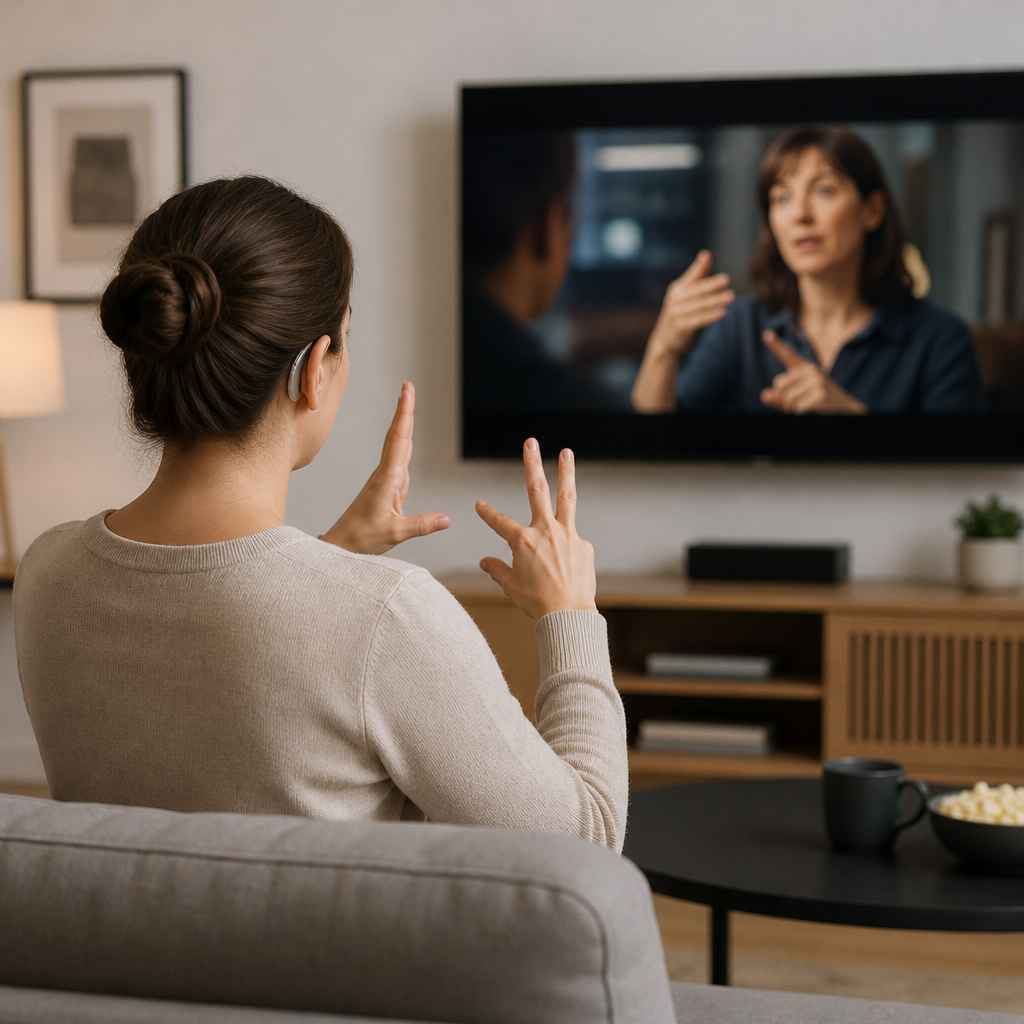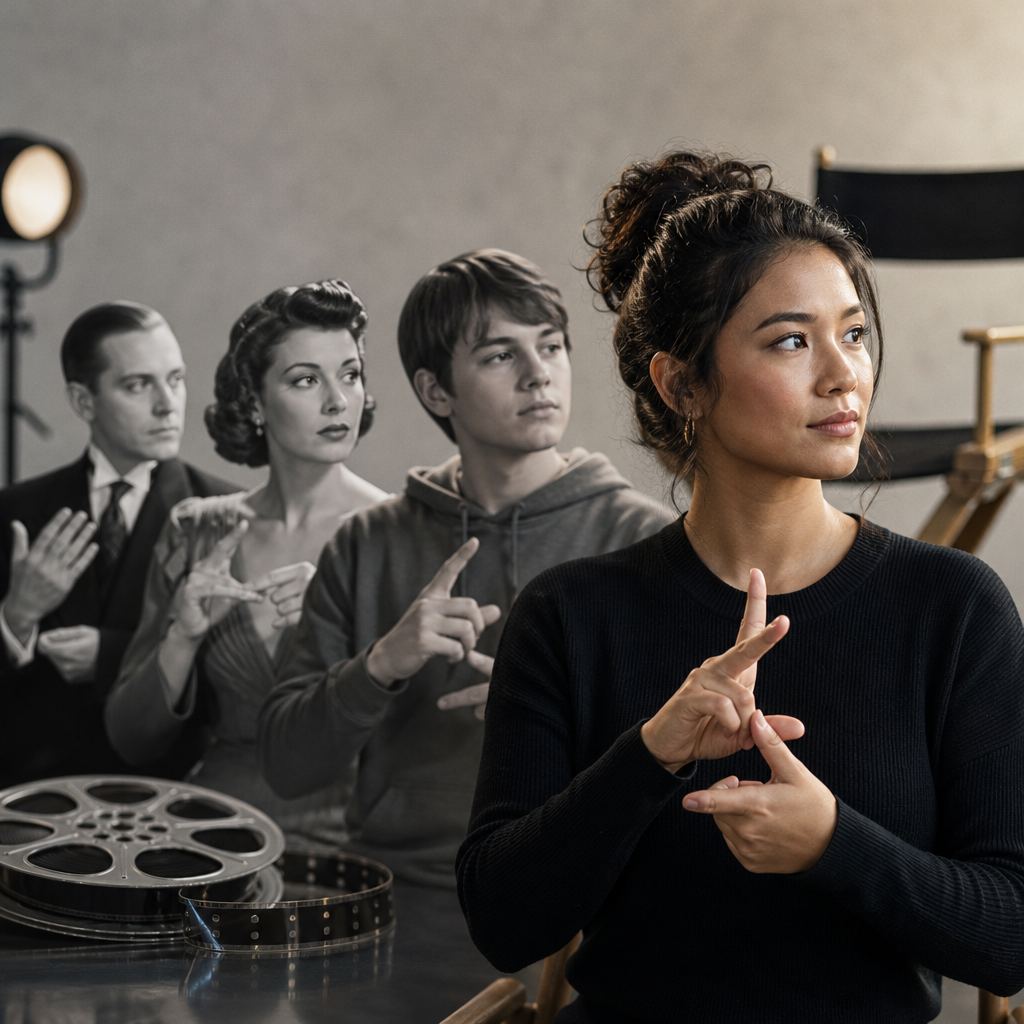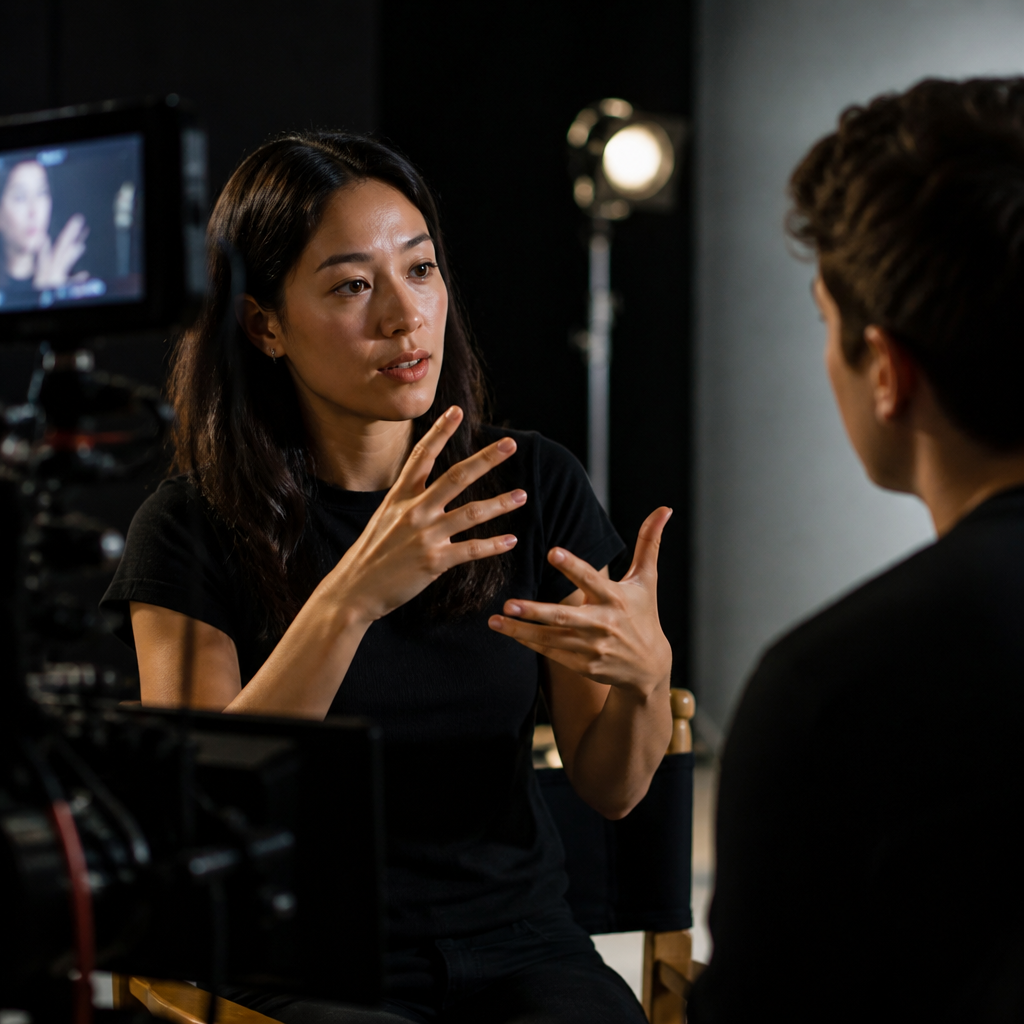

Positive examples of deaf representation done right matter because media does more than entertain: it teaches audiences who belongs, whose stories are valued, and what “normal” looks like. In the context of deaf representation in media, strong work goes beyond simply casting a deaf actor or adding a subplot about hearing loss. It involves accurate language use, meaningful access, informed storytelling, and a refusal to reduce deaf people to inspiration, tragedy, or a medical problem to be fixed. When those elements align, audiences get portrayals that feel human, specific, and memorable rather than symbolic or patronizing.
Deaf representation in media includes film, television, streaming series, documentaries, children’s programming, news, theater captured on screen, and digital content. It also intersects with terms that are often blurred together but should not be. “Deaf” can refer to audiological deafness, while “Deaf” often signals cultural identity connected to signed language and community. “Hard of hearing” describes a different lived experience. Representation also involves communication choices: American Sign Language, British Sign Language, captions, interpreters, visual storytelling, and sound design all shape what viewers understand. I have worked on accessibility reviews for media teams, and the same lesson keeps repeating: audiences notice when creators treat deafness as a lived culture rather than a plot device.
This topic matters because poor representation has real consequences. It can spread myths, such as the idea that all deaf people lip-read fluently, all prefer cochlear implants, or all experience deafness as isolation. Better portrayals broaden public understanding and improve creative standards. They also influence hiring, school culture, product design, and policy conversations around accessibility. As a hub for deaf representation in media, this guide explains what good representation looks like, highlights positive examples of deaf representation done right, and shows the patterns creators and audiences should use when evaluating future work.
What Good Deaf Representation Actually Looks Like
Good deaf representation starts with authorship and casting. If a story centers a deaf character, deaf performers, consultants, dialect coaches for sign language, and accessibility specialists should shape the work from development through postproduction. Authentic casting is not a symbolic issue; it affects body language, turn-taking, eye contact, pacing, and how signing lives in space. Viewers can tell when sign language is treated as decoration instead of language. The best productions understand that signed communication carries grammar, rhythm, and emotional nuance that camera blocking must respect.
Strong representation also avoids familiar traps. A deaf character should not exist only to motivate hearing characters, symbolize resilience, or teach a moral lesson. Nor should deafness be framed as the sole source of conflict in every scene. Realistic characters have jobs, humor, flaws, relationships, ambitions, and cultural preferences that are not limited to hearing status. In practice, this means writing deaf characters with interiority and agency. It also means showing practical realities accurately: caption use, interpreting choices, communication fatigue, mixed deaf-hearing families, and the difference between inclusion and assimilation.
Another marker of quality is access built into the production itself. Open or closed captions, thoughtful subtitle styling, clean visual composition, and sound design that supports both deaf and hearing audiences signal respect. In several accessibility audits I have reviewed, the most effective projects were not those with the largest budgets, but those that planned access early. When the script, edit, and final delivery all account for signed dialogue and caption readability, the result serves everyone better. This is one reason positive examples of deaf representation done right often feel more confident on screen: access is part of the storytelling grammar, not an afterthought.
Standout Positive Examples Across Film and Television
One of the clearest modern examples is CODA. The film cast deaf actors Troy Kotsur, Marlee Matlin, and Daniel Durant in the central deaf family, and that choice gave the family dynamic credibility. The signed arguments, jokes, and moments of impatience feel lived in rather than staged. Crucially, the film does not present the deaf parents and brother as barriers to the hearing daughter’s future. They are loving, complicated people with needs, pride, and blind spots. Troy Kotsur’s Academy Award-winning performance helped move industry discussion from token inclusion toward actual recognition of deaf craft.
Sound of Metal offers a different strength. It is not a perfect “representation of all deaf experience” text, and it should not be treated as one, but it is valuable because it depicts transition, identity conflict, and the tension between cure narratives and Deaf community belonging. The film’s sound design puts viewers into shifting auditory perspectives without claiming that one emotional conclusion fits everyone. Its depiction of a Deaf school and community life provides a grounded counterpoint to the main character’s desperation. That nuance matters. Good deaf representation in media allows disagreement inside the community rather than forcing a single approved viewpoint.
Television has also improved. Marvel’s Hawkeye presented Maya Lopez, played by Alaqua Cox, as capable, strategic, and dangerous without flattening her into a generic “disabled assassin.” Her signing is part of her presence, not an obstacle for the plot to apologize for. The series also brought visual attention to communication methods and deaf space. Children’s television has produced meaningful examples too, including deaf or hard-of-hearing characters in educational programming where accommodation is normalized rather than dramatized. Representation in children’s media matters early because it shapes whether access feels exceptional or routine.
| Title | What It Gets Right | Why It Matters |
|---|---|---|
| CODA | Authentic deaf casting, rich family dynamics, natural signing | Shows deaf characters as full people, not lessons |
| Sound of Metal | Nuanced identity journey, strong sound design, Deaf community context | Explains that deaf experience is varied and not reducible to cure narratives |
| Hawkeye | Deaf lead with agency, action role, visible communication methods | Places deafness inside mainstream genre storytelling without stereotyping |
| Children of a Lesser God | Historic visibility for deaf performance through Marlee Matlin | Marked a major shift in recognition of deaf actors |
Earlier landmarks deserve credit as well. Children of a Lesser God remains historically important because Marlee Matlin’s performance forced broader audiences to confront deaf identity and communication politics, even if some elements now feel tied to the era in which it was made. Looking across decades is useful because progress rarely happens in a straight line. Some older titles broke ground in casting while still leaning on hearing-centered framing; newer titles may improve cultural detail while inheriting familiar dramatic shortcuts. The best critical approach is comparative, not simplistic.
Why Casting, Language, and Creative Control Matter
Authentic representation is not solved by visibility alone. I have seen productions celebrate the inclusion of a deaf character while hiring no deaf writers, no signing consultants, and no accessibility editor in post. The result is usually noticeable. Signs may be inaccurate, regional variation may be ignored, eye lines may break natural conversation flow, or captions may miss emotional information. These are not minor errors. They tell deaf viewers that realism stopped where convenience began.
Creative control changes outcomes because deaf professionals catch what hearing teams often miss. They can identify when a scene would realistically be signed instead of spoken, when an interpreter would or would not be present, and when a “heartwarming” moment actually reinforces dependence. They also improve narrative texture. A hearing writer may imagine deafness only in relation to exclusion. A deaf consultant is more likely to introduce humor, community etiquette, visual alert systems, direct communication norms, and the politics of mixed-language families. Those details create credibility.
Language accuracy matters just as much. Sign languages are complete languages with their own grammar and regional variation; they are not manual versions of spoken English. Productions that understand this avoid awkward word-for-word signing and allow performers time to communicate naturally. Camera choices matter too. Cutting away from hands, covering dialogue with reaction shots, or framing too tightly can erase meaning. The strongest directors treat signing as dialogue that deserves the same clarity and respect as speech.
Common Mistakes That Good Representation Avoids
The first major mistake is the inspiration trope. A deaf character should not exist merely to make hearing audiences feel grateful, enlightened, or emotionally cleansed. Stories built around “overcoming disability” usually erase structural barriers and community identity. They imply that success comes from acting as hearing as possible. Positive examples of deaf representation done right reject that formula and ask a better question: what happens when a deaf character is allowed to live fully on their own terms?
The second mistake is the miracle-cure narrative. Cochlear implants, hearing aids, speech therapy, and bilingual approaches are real and often valuable, but they are not universal solutions and should not be portrayed as moral upgrades. Media becomes distorted when technology is framed as the endpoint of a deaf person’s worth or social acceptability. Accurate stories show tradeoffs, adaptation periods, varied outcomes, and family disagreement. They do not promise transformation through a single device or surgery.
A third mistake is flattening all deaf people into one experience. Deaf representation in media improves when creators acknowledge differences in race, class, gender, nationality, education, family background, and language access. A late-deafened adult, a Deaf child of Deaf parents, and a hard-of-hearing teenager in a mainstream school may all navigate communication very differently. Treating those paths as identical weakens storytelling and spreads confusion. Better media names specifics and trusts viewers to handle complexity.
How Audiences and Creators Can Evaluate New Work
A practical evaluation framework begins with five questions. Was deaf talent involved on screen and behind the camera? Is signed language used accurately and filmed clearly? Does the deaf character have agency beyond their deafness? Are access features, especially captions, handled thoughtfully? Does the story reflect real social dynamics instead of stereotypes? If the answer to most of these questions is yes, the work is usually on stronger ground. If several answers are no, the project likely treats deafness as aesthetic texture rather than lived reality.
Creators should also study standards outside entertainment. Caption quality guidance from broadcasters, accessibility expectations under the Americans with Disabilities Act, and style practices developed by public media all offer useful benchmarks. Even when a production is fictional, these standards help teams avoid avoidable errors. For example, high-quality captions identify speakers clearly, preserve key sound information, and stay synchronized. Those details influence comprehension, pacing, and emotional impact far more than many producers realize.
For audiences, the best next step is to support work led by deaf artists and to follow criticism from deaf reviewers, scholars, performers, and advocates. That habit sharpens taste. It also changes the market. Streaming platforms, networks, and studios respond to measurable demand, awards attention, and sustained conversation. When viewers consistently reward accurate, accessible storytelling, more of it gets made. That is how positive examples stop being exceptions and become baseline expectations.
Positive examples of deaf representation done right prove that better media is not a niche concern; it is simply better storytelling. The strongest portrayals cast deaf talent authentically, treat sign language as a real language, build accessibility into production, and give deaf characters full interior lives. Films such as CODA, nuanced works like Sound of Metal, and mainstream series including Hawkeye show different ways this can succeed. They are not identical, and that is the point. Good representation allows for variety, disagreement, humor, ambition, and cultural specificity.
As a hub for deaf representation in media, this page offers a standard readers can apply across film, television, streaming, documentaries, and digital storytelling. Look for authorship, accuracy, agency, and access. Question inspiration clichés, cure myths, and one-size-fits-all narratives. Reward creators who consult deeply and depict deaf life with confidence rather than pity. If you are building a watchlist, a syllabus, or a production brief, use these principles as your starting point and keep seeking out deaf-led work that raises the bar.
Frequently Asked Questions
What does deaf representation done right actually look like in media?
Deaf representation done right shows deaf people as fully developed human beings rather than symbols, plot devices, or lessons for hearing audiences. The strongest examples do not treat deafness as a tragedy to overcome, a miracle to cure, or a personality trait that exists only to make a story seem inclusive. Instead, they present deaf characters with clear goals, flaws, relationships, humor, agency, and complexity. Their deafness may shape how they move through the world, but it does not erase the rest of who they are.
Good representation also pays close attention to language and culture. That means understanding that many deaf people are part of a rich linguistic and cultural community, not simply individuals defined by hearing loss. Accurate use of sign language, realistic communication dynamics, and respect for Deaf identity all matter. Media gets much stronger when creators recognize that access is part of the story world: interpreters, captions, visual communication, eye contact, and environmental design are not side details. They are part of daily life for many deaf people.
Just as important, positive representation comes from informed storytelling choices behind the scenes. Casting deaf actors in deaf roles, consulting Deaf creatives, and involving writers, directors, and advisors with lived experience can help prevent stereotypes and surface more authentic details. The best examples feel specific rather than generic. They do not flatten deafness into one universal experience, and they make room for different identities, communication preferences, and family dynamics. In short, deaf representation is done right when it is accurate, respectful, nuanced, and rooted in the reality that deaf people belong at the center of their own stories.
Why is it not enough to simply cast a deaf actor or include a deaf subplot?
Casting a deaf actor is an important step, but by itself it does not guarantee meaningful representation. If the script still relies on tired stereotypes, treats the deaf character as inspirational background scenery, or uses deafness only as a source of conflict for hearing characters, then the representation remains shallow. Authenticity is not achieved through a single casting decision. It comes from how the character is written, how the story is framed, and whether the production respects deaf experience throughout the creative process.
The same is true of adding a deaf subplot. A story can mention hearing loss or include a deaf side character without actually engaging with Deaf culture, communication access, or the character’s full humanity. In weaker portrayals, the deaf character exists mainly to teach patience, generate pity, motivate a parent, or symbolize resilience. That approach reduces a real community to a narrative tool. Strong representation asks a more important question: does this character have a meaningful point of view, and does the story allow them to exist beyond what their deafness means to others?
What makes representation truly successful is integration. Deafness should be represented in a way that feels lived in, not pasted on. That includes realistic interactions, thoughtful sound and visual design, accurate signing, and relationships that reflect the social realities many deaf people navigate. It also means recognizing that access is not a dramatic twist but a basic condition for participation. So while casting matters enormously, it is only one piece of a larger standard: representation works when deaf people are present not just on screen, but in the substance, structure, and perspective of the story itself.
What are some common mistakes that strong deaf representation avoids?
One of the most common mistakes is framing deafness exclusively as a deficit or a medical problem that must be fixed. Stories built around that assumption often focus more on hearing restoration, parental grief, or social discomfort than on the deaf person’s own experience. This can lead to portrayals where the deaf character’s worth seems tied to how closely they can approximate hearing norms. Better representation avoids this by acknowledging that many deaf people live full, connected, culturally rich lives without needing to be “saved.”
Another frequent problem is the inspiration trap. In these stories, deaf characters are praised simply for existing, working, loving, or succeeding in everyday life. While this may appear positive on the surface, it often turns deaf people into emotional fuel for hearing audiences. Instead of presenting a real person, the story presents an uplifting lesson. Strong representation resists this by allowing deaf characters to be ordinary, difficult, funny, ambitious, selfish, brilliant, or uncertain without making their humanity seem extraordinary.
Inaccurate sign language use, unrealistic communication, and lack of access details are also major red flags. If signing is sloppy, subtitles are inconsistent, or a deaf character appears to navigate every setting without any communication barriers or strategies, the portrayal may feel uninformed. Strong depictions pay attention to how conversations actually happen and how context affects access. They also avoid making one deaf character stand in for the entire community. There is no single deaf experience, so thoughtful representation reflects diversity in identity, language preference, race, class, family background, and relationship to Deaf culture. The more a story moves away from clichés and toward specificity, the more credible and respectful it becomes.
How does accurate language use and accessibility improve deaf representation?
Accurate language use is foundational because language is not just a communication tool; it is part of identity, culture, and power. When a film, show, or book respects how deaf characters communicate, it signals that their world matters. This includes understanding the difference between signed languages and spoken languages, recognizing that sign languages have their own grammar and structure, and avoiding the assumption that all deaf people communicate in the same way. Some may use ASL or another signed language, some may lip-read, some may speak, some may use assistive technology, and many use a combination depending on context.
Accessibility improves representation because it shapes whether deaf characters are treated as participants or outsiders. In strong portrayals, access is visible and normalized. Captions, interpreters, visual alerts, texting, turn-taking in signed conversations, and environmental awareness all contribute to a more believable and respectful story world. These details do not slow a story down; they deepen it. They also educate audiences in a meaningful way by showing that communication is a shared responsibility, not something deaf people must solve alone.
There is also a creative benefit. When accessibility is built into storytelling, the result is often more visually dynamic and emotionally precise. Signed conversations can carry nuance, rhythm, tension, and intimacy in ways that enrich a scene. Silence, sound perspective, and visual framing can be used thoughtfully to reflect experience rather than to sensationalize difference. In other words, accurate language and access are not just technical boxes to check. They are storytelling tools that make representation more honest, more immersive, and more respectful to deaf audiences who know immediately when a portrayal has been handled with care.
Why do positive examples of deaf representation matter beyond entertainment?
Positive examples matter because media helps shape public understanding of who belongs and whose lives are seen as valuable. For many viewers, especially those with little direct exposure to Deaf communities, film, television, books, and journalism become informal education. If deaf people are repeatedly shown as isolated, pitiable, miraculous, or broken, those ideas can influence attitudes in schools, workplaces, healthcare settings, and everyday relationships. On the other hand, accurate and respectful representation can challenge misconceptions and expand what audiences consider normal, possible, and worthy of attention.
These portrayals also matter deeply to deaf audiences themselves. Seeing deaf characters who are multidimensional, capable, and culturally grounded can be affirming in ways that are hard to overstate. Representation can validate language, identity, and belonging, particularly for deaf children and young adults who may not see themselves reflected often. It can also create visibility for the variety within deaf experience, helping people recognize that there is no single correct way to be deaf.
Beyond visibility, strong representation can influence industry standards and create better opportunities. When audiences respond to thoughtful portrayals, it strengthens the case for hiring deaf actors, writers, consultants, and directors. It pushes producers to consider access from the beginning rather than as an afterthought. That ripple effect can lead to richer storytelling and a more inclusive media landscape overall. So while representation certainly affects entertainment, its impact reaches much further. It shapes expectations, opens doors, and helps build a culture in which deaf people are recognized not as exceptions to the norm, but as an essential part of it.