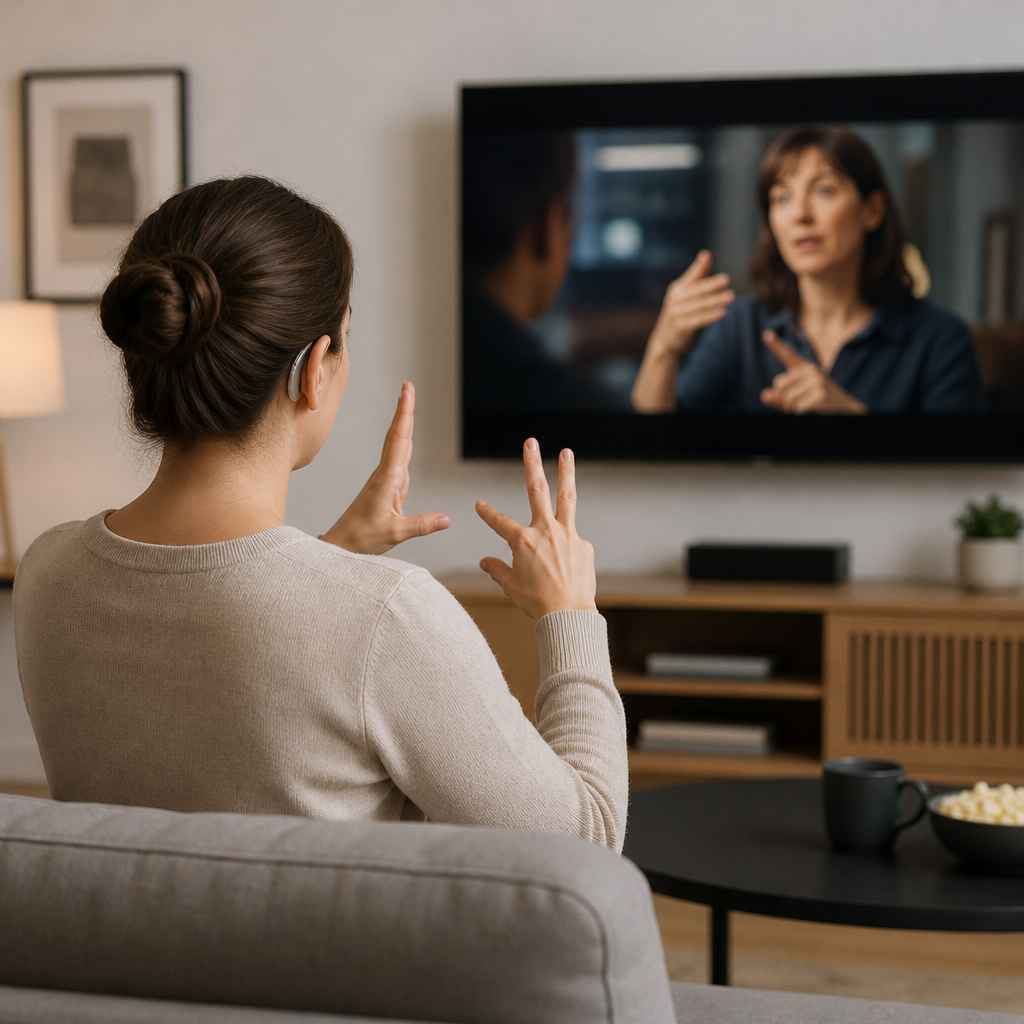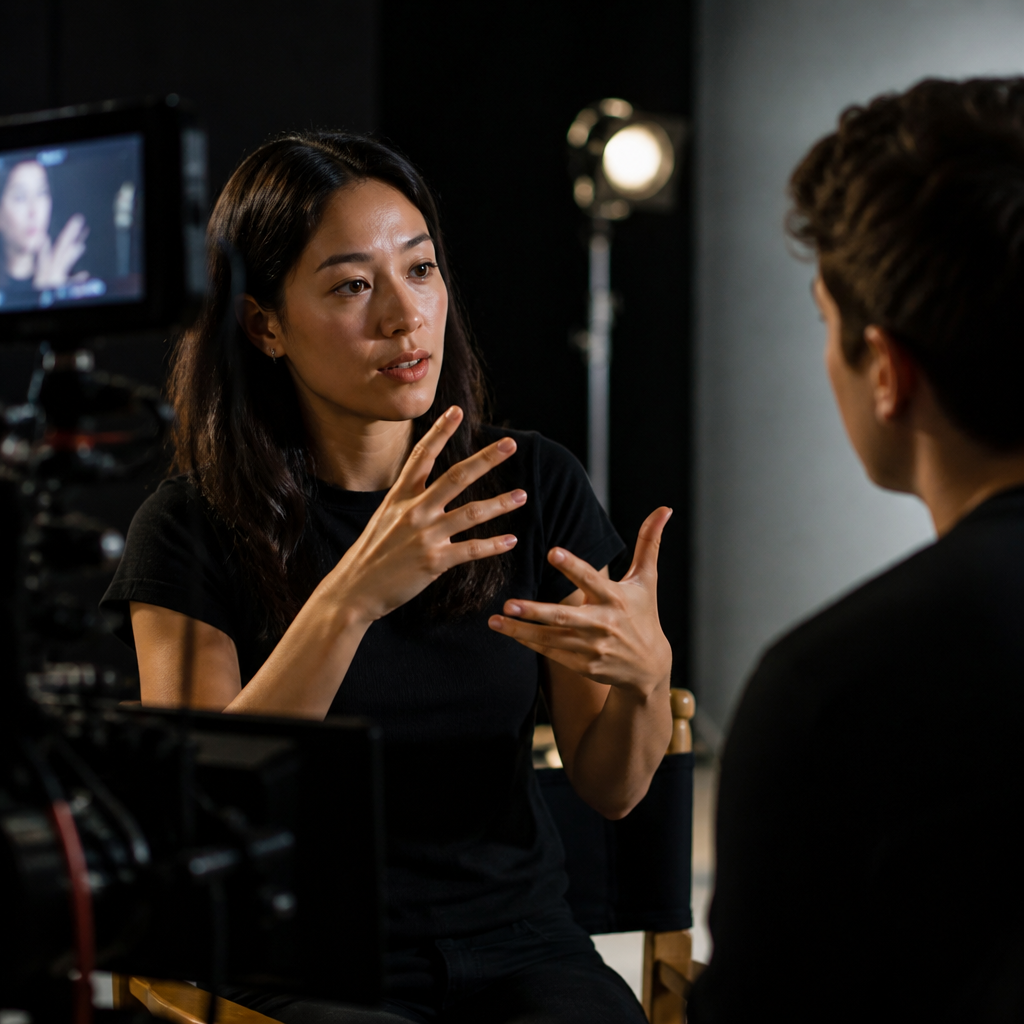
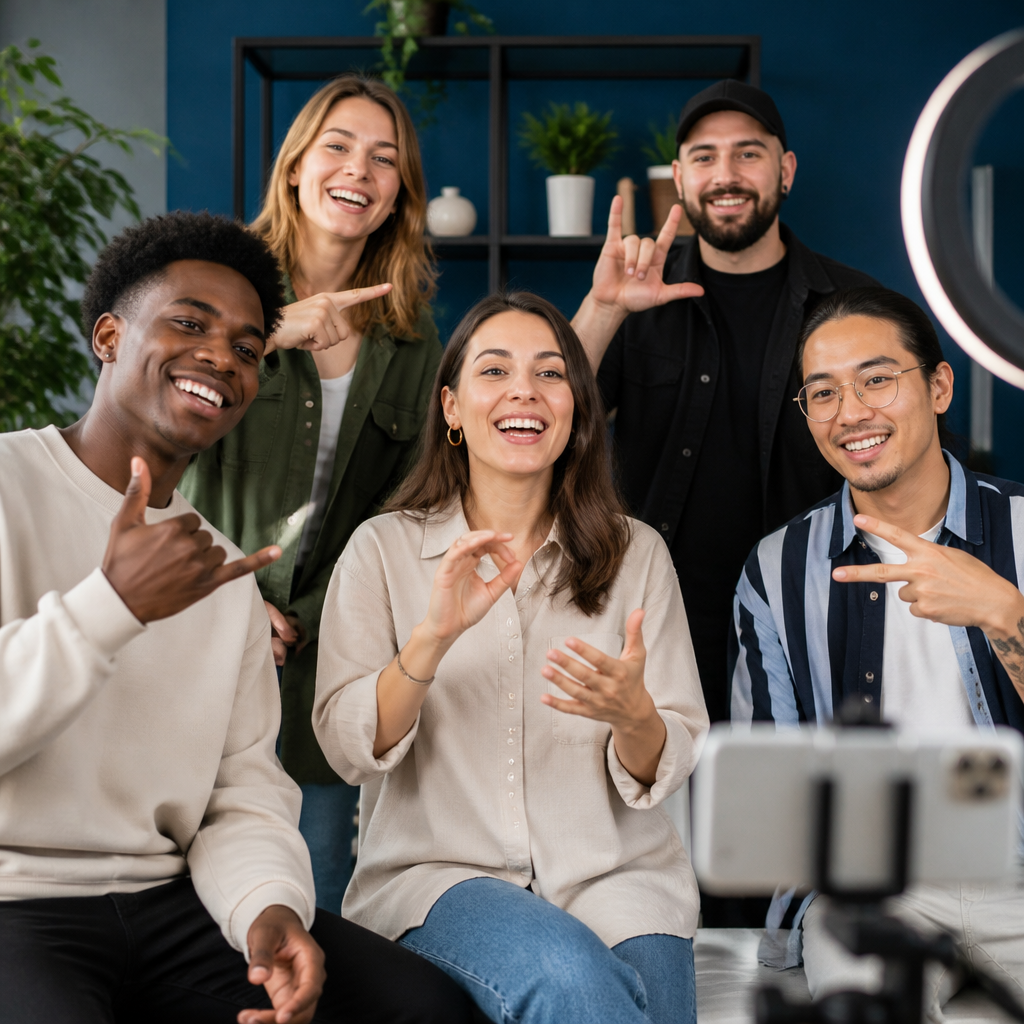
Deaf creators are reshaping digital culture, and following the right voices is one of the fastest ways to understand how media, representation, advocacy, and everyday community life intersect online. In this context, deaf influencers are public figures who create consistent content across platforms such as TikTok, Instagram, YouTube, podcasts, television, film, and live events while bringing deaf identity, sign language, accessibility, and lived experience into public view. Some are educators who explain captioning, interpreting, cochlear implants, or Deaf culture norms. Others are comedians, actors, athletes, musicians, dancers, journalists, or lifestyle creators whose influence comes from talent first and disability perspective second. That distinction matters, because strong representation is not just about discussing hearing loss; it is about showing deaf people as full participants in culture, work, family, politics, fashion, and entertainment.
I have worked on accessibility-focused content and talent research long enough to see the same pattern repeatedly: when brands, editors, teachers, or event organizers want to engage Deaf audiences responsibly, they start by learning who already has trust inside the community. The best deaf influencers do more than post relatable clips. They translate complex issues into plain language, model accessible communication, and challenge the lazy stereotypes that still dominate mainstream coverage. They also help hearing audiences avoid common mistakes, such as assuming all deaf people lip-read, treating sign language as universal, or viewing assistive technology as a cure-all. Following these creators improves media literacy because their content answers practical questions directly: What is the difference between Deaf and deaf? Why do captions matter even when interpretation is available? How do deaf parents, students, professionals, and performers navigate systems designed around sound?
This hub article covers the leading deaf influencers you should know, why each stands out, and how their work fits into the broader landscape of influencers and public figures in Deaf media. It includes creators from activism, entertainment, education, sports, and lifestyle content so readers can build a more complete feed instead of relying on a single spokesperson. That breadth is essential. No one creator represents all deaf experiences, and the most accurate understanding comes from following multiple perspectives across age, race, nationality, signing background, and communication style. If your goal is better representation, smarter outreach, or simply a more informed social media diet, these are the names worth starting with.
Nyle DiMarco and the mainstream breakthrough of Deaf visibility
Nyle DiMarco is one of the most recognizable deaf public figures in the United States, and his influence extends far beyond celebrity. After winning America’s Next Top Model and Dancing with the Stars, he became a reference point for mainstream audiences encountering a Deaf star who was not framed as inspirational charity content. That shift mattered. DiMarco’s public image combines fashion, television, advocacy, and language access, making him a gateway figure for broader conversations about Deaf identity. He frequently discusses bilingual education, particularly American Sign Language and English, and has used his platform to support better educational outcomes for deaf children.
What makes DiMarco especially important as a hub figure is his ability to connect entertainment media with policy and culture. Through the Nyle DiMarco Foundation, he has highlighted persistent gaps in language access for deaf children and promoted early exposure to sign language as a developmental priority. That stance aligns with established research showing that accessible language input in early childhood supports cognitive, social, and academic development. For audiences building a list of deaf influencers to follow, DiMarco represents the intersection of star power and sustained advocacy. He is useful not only because he is famous, but because he consistently turns visibility into education.
Deaf creators who teach culture, access, and everyday communication
If you want creators who explain Deaf culture in practical, repeatable ways, several names consistently stand out. Jessica Flores has built a strong following by discussing family life, deaf identity, and communication across deaf-hearing relationships. Her content often addresses situations hearing people encounter but rarely understand, such as how to get a deaf person’s attention respectfully, why eye contact matters in signed conversations, or how exhausting inaccessible group settings can be. Those small lessons are valuable because they convert abstract awareness into specific behavior change.
Rikki Poynter is another important creator, especially for audiences interested in disability advocacy, captioning, and digital access. Her work has often focused on inclusion failures that hearing users overlook, including poor captions, inaccessible video formats, and the burden placed on disabled people to request basic accommodations repeatedly. In platform terms, that makes her content highly actionable. A viewer can watch one clip and immediately understand why auto-captions are often insufficient, or why visual framing matters when a signer is on screen.
Cheyenna Clearbrook also deserves attention for educational content rooted in lived experience. She has used social media to discuss Deaf culture, sign language, and the social misunderstandings deaf people navigate daily. Influencers like Clearbrook are effective because they break down nuanced topics without flattening them. They can explain, for example, that deafness is not one uniform condition, that communication preferences vary, and that identity terms may carry cultural meaning beyond medical definitions.
Entertainers and performers expanding representation
Entertainment remains one of the strongest drivers of representation, because audiences often form their first impressions through performers rather than policy experts. Sean Forbes is a key example. As a deaf musician and performer, he has shown that music access is broader than hearing audiences assume. His work, along with his involvement in initiatives such as Deaf Professional Arts Network, has helped expand the public imagination around deaf performance, rhythm, visual music interpretation, and cross-audience collaboration. He is especially useful for readers exploring how Deaf creators build spaces rather than waiting for traditional industries to include them.
Sign Duo, composed of performers who blend sign language, rhythm, and visual performance, illustrates another side of influencer culture: the ability to convert artistic expression into educational visibility. Their performances are not just entertaining clips; they demonstrate that signed performance has timing, texture, and stagecraft that deserve to be understood on their own terms. That point is often lost when hearing audiences treat sign performance as a novelty add-on.
CJ Jones, a long-established deaf actor and comedian, also belongs on any serious list. His career in stand-up, acting, and public speaking predates much of today’s creator economy, yet his influence carries directly into it. Jones has spent years proving that Deaf storytelling can lead the room rather than serving as a translated version of hearing material. For anyone researching influencers and public figures under media and awareness, creators like Jones show that the current moment has deep roots.
Journalists, advocates, and public educators shaping the conversation
Some of the most valuable deaf influencers operate less like entertainers and more like public educators. Rose Ayling-Ellis, while widely known as an actress, has become an influential public voice on accessibility and deaf representation in the United Kingdom. Her visibility on television helped normalize sign language presence for a broad national audience, and her advocacy has pushed discussions about captioning and inclusion into mainstream media spaces. When one public figure can influence broadcasters, schools, and everyday viewers simultaneously, that is real public education.
Dr. I. King Jordan, though from an earlier generation and better known as an institutional leader, remains an essential public figure within this landscape because his legacy still frames how Deaf leadership is discussed. The protest movement that led to his presidency at Gallaudet University fundamentally changed public understanding of deaf self-determination. While he is not an influencer in the narrow social media sense, any hub covering influencers and public figures should include leaders whose public authority shaped the environment today’s creators work in.
Melissa Malzkuhn is another influential name, particularly around deaf education, language acquisition, and accessible storytelling. Her work in visual learning and early literacy has provided a practical bridge between advocacy and family education. Parents of deaf children often arrive online overwhelmed by conflicting advice. Public educators like Malzkuhn help ground that search in language-rich, evidence-informed approaches rather than fear-based messaging.
Athletes, lifestyle creators, and family voices worth following
Representation improves when audiences see deaf public figures in ordinary and aspirational life, not only in disability-specific conversations. That is why athletes, parents, and lifestyle creators matter. Chris Colwill, a deaf Olympian and diver, offers a strong example of performance-based influence. Athletes like Colwill help dismantle the idea that deafness limits competitiveness, discipline, or elite training. Their visibility also brings attention to practical access issues in sports, from coaching communication to event logistics.
Family creators have a different but equally important role. Many deaf influencers document parenting, partnerships, travel, home routines, or workplace experiences in ways that make Deaf life visible without reducing it to an awareness lesson. That style of content can be especially powerful for hearing followers, because it normalizes adaptation. Viewers see visual doorbells, texting habits, caption-first entertainment choices, or signed family interactions and quickly understand accessibility as part of design, not a special exception.
| Influencer or Public Figure | Main Focus | Why Follow |
|---|---|---|
| Nyle DiMarco | Advocacy, fashion, television | Mainstream visibility plus language access leadership |
| Jessica Flores | Family life, Deaf culture education | Clear explanations of daily communication and relationships |
| Rikki Poynter | Accessibility, captions, disability rights | Practical insight into digital inclusion failures and fixes |
| Sean Forbes | Music, performance, arts advocacy | Expands understanding of deaf creativity and performance |
| Rose Ayling-Ellis | Acting, public advocacy | Strong example of media representation influencing public attitudes |
When I evaluate who belongs in a hub article like this, I look for more than follower count. The better question is whether a creator changes understanding, behavior, or opportunity. By that standard, many lifestyle and family voices deserve serious attention because they influence how accessibility is practiced at home, in schools, and in workplaces.
How to choose the right deaf influencers to follow
The best approach is to follow a mix of creators rather than searching for one definitive voice. Start with at least one educator, one entertainer, one advocate focused on accessibility, and one lifestyle or family creator. That mix gives you both cultural context and practical insight. It also protects against a common mistake in representation work: assuming one person’s communication method, politics, or technology choices speak for everyone. Within Deaf communities, there are differences around signing fluency, cochlear implant use, oral education, race, class, and national sign languages. A useful feed reflects that diversity.
It also helps to evaluate creators using concrete criteria. Do they post consistently? Do they explain concepts accurately? Do they engage respectfully with disagreement? Do they model accessible content through captions, visual clarity, and context for non-signing viewers? Strong deaf influencers tend to do all four. They are not valuable simply because they are deaf; they are valuable because they communicate effectively, sustain audience trust, and add insight that hearing-led coverage often misses.
For brands, publishers, and nonprofit teams, the lesson is straightforward: collaborate with creators who already have community credibility. Do not treat Deaf talent as an afterthought added at the end of a campaign. In my experience, projects work far better when deaf influencers are involved early enough to shape concept, format, captioning, interpreter placement, and distribution strategy. That is how awareness becomes representation instead of tokenism.
Why this hub matters for media, representation, and awareness
Following top deaf influencers is not just about finding good content. It is about building a more accurate map of public life. These creators show how accessibility functions in real time, how representation affects opportunity, and how community knowledge travels faster through trusted voices than through institutional statements. They also make it easier for journalists, educators, employers, and families to find reliable starting points for deeper learning.
The names in this hub span celebrity, advocacy, education, arts, sports, and everyday storytelling because Deaf representation needs all of those lanes. Nyle DiMarco demonstrates what mainstream visibility can unlock. Educators like Jessica Flores, Rikki Poynter, and Melissa Malzkuhn turn confusion into understanding. Performers such as Sean Forbes and CJ Jones expand what audiences imagine deaf talent can look like. Public figures including Rose Ayling-Ellis and I. King Jordan show how visibility and leadership can change institutions as well as attitudes.
If you want a smarter feed and a stronger grasp of influencers and public figures within Deaf media, start following across categories, not just across platforms. Listen, learn, and share responsibly. Then keep going by exploring related profiles, interviews, and topic guides under Media, Representation & Awareness to deepen your understanding of Deaf culture and public voice today.
Frequently Asked Questions
What makes someone a deaf influencer, and why are they important to follow?
A deaf influencer is more than a popular social media personality who happens to be deaf. In this context, the term usually refers to a creator, public figure, educator, performer, advocate, or media professional who consistently shares content across platforms while openly bringing deaf identity, sign language, accessibility, and lived experience into public view. That may include TikTok creators making short-form educational videos, Instagram storytellers documenting daily life, YouTubers producing long-form commentary, actors and performers broadening representation in entertainment, or speakers and podcasters helping audiences understand deaf culture in a deeper way.
They are important to follow because they help bridge gaps that many hearing audiences do not even realize exist. Deaf influencers often make topics visible that are routinely overlooked, such as caption quality, sign language access, communication barriers, inclusive design, and the diversity within deaf communities themselves. At the same time, they are not only educators. Many are entertainers, comedians, artists, parents, entrepreneurs, and lifestyle creators whose content reflects the full range of human experience rather than reducing deafness to a single narrative.
Following the right deaf voices can also improve how people understand representation in modern media. These creators show how deaf people shape culture instead of simply being included in it. They influence trends, challenge stereotypes, normalize accessibility, and create spaces where deaf audiences feel seen while hearing audiences learn to listen in new ways. In short, deaf influencers matter because they are changing public conversations about identity, language, media, and community in real time.
Why should I follow deaf influencers if I am not deaf myself?
Following deaf influencers as a hearing person is one of the most direct ways to build a more informed and respectful understanding of accessibility, communication, and representation. Traditional media has often presented deafness through a narrow lens, usually focusing on limitation, inspiration, or medical framing. Deaf creators offer something much more accurate and valuable: first-person perspective. They show what everyday life actually looks like, how barriers appear in real situations, what inclusion should look like, and why language access matters in schools, workplaces, entertainment, and online spaces.
This matters because a great deal of exclusion happens not through bad intentions but through lack of awareness. A hearing viewer may never have thought about whether videos are properly captioned, whether public events are sign language accessible, or how exhausting constant communication negotiation can be. Deaf influencers make those realities understandable without requiring people to read abstract policy discussions or academic texts. Their content often teaches through humor, storytelling, fashion, family life, commentary, and pop culture, which makes the learning both accessible and memorable.
There is also a broader cultural benefit. Following deaf influencers helps diversify the voices that shape your media diet. Instead of hearing only from mainstream perspectives, you hear from people whose experiences challenge assumptions about language, identity, and community. That can make you a more thoughtful consumer, colleague, educator, manager, creator, or ally. It also sends a signal to platforms and advertisers that deaf-led content deserves attention, investment, and visibility. Even simple acts like following, engaging, and sharing can contribute to wider recognition of deaf talent and expertise.
What kinds of content do top deaf influencers usually create?
Top deaf influencers create an impressively wide range of content, which is one reason their impact continues to grow. Some focus on education by explaining sign language basics, deaf etiquette, accessibility tools, captioning issues, and common misconceptions about deafness. Others center lifestyle content, sharing travel, parenting, relationships, beauty, fashion, fitness, food, or entrepreneurship from a deaf perspective. Many blend these categories together, making their content both informative and highly relatable.
Entertainment is another major category. Deaf comedians, actors, dancers, performers, and storytellers are using social platforms to expand what representation looks like. They may post reaction videos, sketches, behind-the-scenes clips, interviews, or commentary on film, television, and trends in digital culture. Some creators are especially known for advocacy-driven content, speaking on disability rights, language justice, inclusive education, interpreter access, and media accountability. Others focus on personal storytelling, documenting milestones, frustrations, career paths, family life, or the experience of moving between deaf and hearing worlds.
What makes this content especially meaningful is that it often combines expertise with lived reality. A video about captions, for example, is not just a technical opinion. It may reflect years of frustration with poor accessibility and a clear understanding of what effective communication actually requires. Likewise, a humorous skit about misunderstandings in public can be entertaining while also teaching audiences something important about deaf experience. That mix of authenticity, insight, and creativity is exactly why so many people seek out leading deaf creators across TikTok, Instagram, YouTube, podcasts, television, film, and live events.
How can I tell which deaf influencers are worth following?
The best deaf influencers to follow are not necessarily the ones with the biggest audience. A better approach is to look for creators who consistently provide value, whether through education, entertainment, advocacy, storytelling, or community building. Strong deaf creators tend to have a clear voice, a distinct perspective, and content that feels grounded in experience rather than performative. They may teach sign language in a responsible way, address accessibility with clarity, share nuanced views on representation, or simply create compelling work that reflects deaf identity naturally and confidently.
It is also helpful to pay attention to how a creator handles complexity. Deaf communities are diverse, and no single influencer speaks for everyone. The most worthwhile voices often acknowledge that diversity rather than pretending there is only one deaf experience. Some may focus on Deaf culture and sign language, others on oral communication, cochlear implant experiences, intersectional identity, race, parenting, education, or the arts. Following a mix of creators gives you a more complete understanding of the landscape and helps avoid oversimplified conclusions.
Practical signals matter too. Look for consistency, audience trust, thoughtful engagement, and accessible content practices such as good captions or clear communication style. See whether the creator collaborates with other deaf professionals, participates in larger conversations about inclusion, or produces work that people return to for insight. Most importantly, choose influencers whose content expands your perspective rather than just confirming what you already believe. The right people to follow are the ones who help you better understand deaf culture, media, and community while also creating work you genuinely enjoy.
What is the best way to support deaf influencers beyond just following them?
Following is a great starting point, but meaningful support goes much further. One of the most effective things you can do is actively engage with their content by liking, commenting, saving, and sharing it. That kind of interaction helps platform algorithms surface their work to more people, increasing both reach and influence. If a deaf creator offers paid products, courses, event tickets, memberships, merchandise, or brand partnerships, supporting those efforts financially can also make a real difference. Many creators do significant educational and advocacy labor, and direct support helps sustain that work.
Another important way to support deaf influencers is to apply what you learn. If their content teaches you about captions, accessibility, or respectful communication, put that knowledge into practice in your own workplace, classroom, content strategy, or social circles. For example, if you create videos, use accurate captions. If you organize events, think about sign language access. If you work in media or marketing, advocate for authentic deaf talent rather than token inclusion. Support becomes more meaningful when it translates into structural change, not just passive appreciation.
Finally, amplify responsibly. Credit deaf creators when sharing their ideas, avoid speaking over them, and recommend their work in conversations about accessibility, culture, and representation. If you are a brand, journalist, educator, or event organizer, include deaf influencers as paid experts, speakers, collaborators, and creators, not just inspirational examples. Real support means recognizing their authority, valuing their labor, and helping create a media environment where deaf voices are visible, respected, and properly compensated.