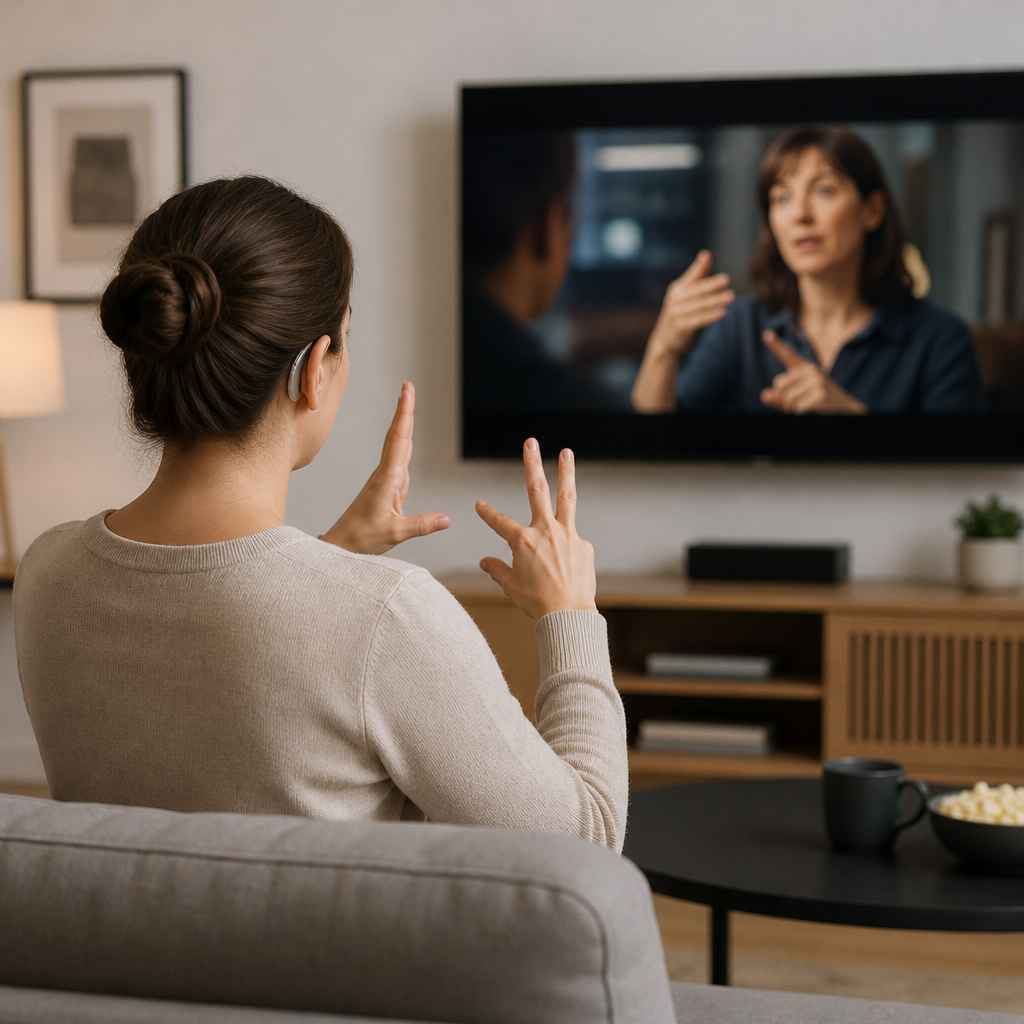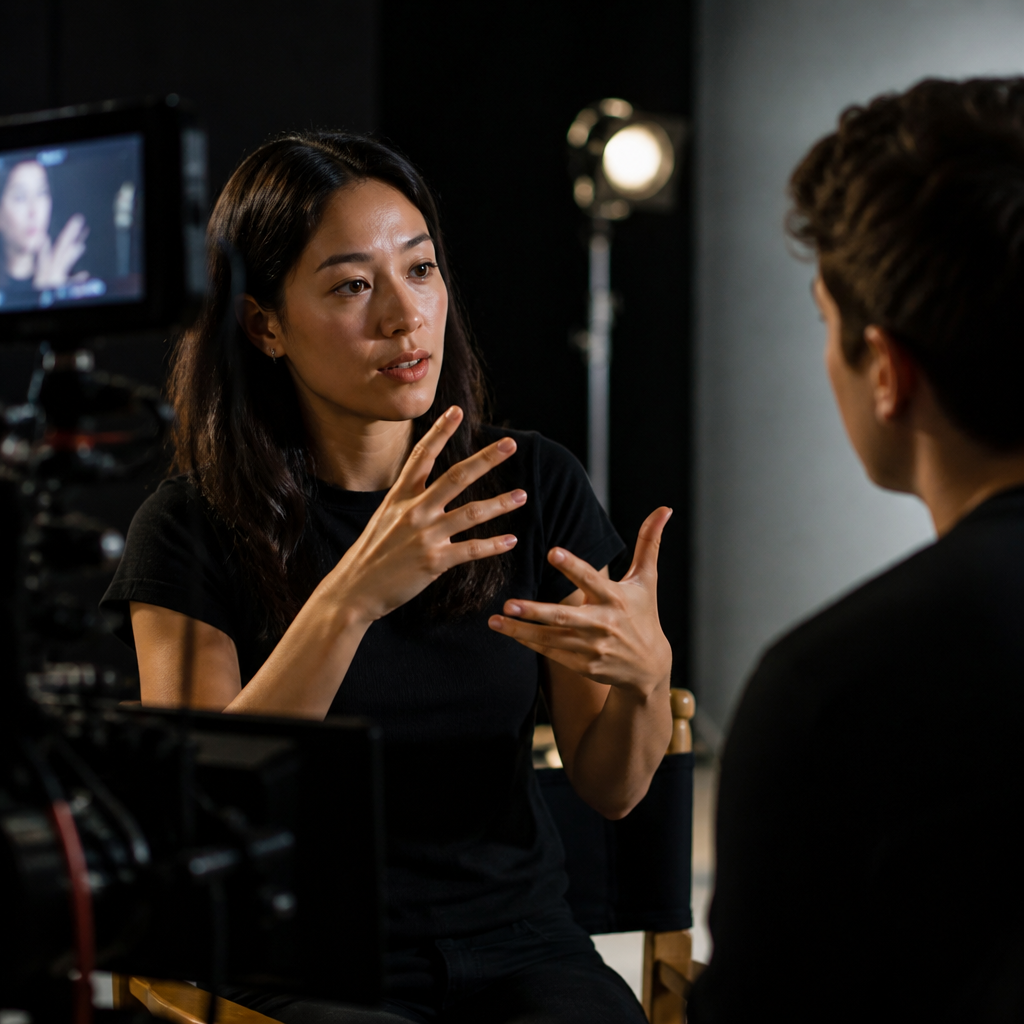
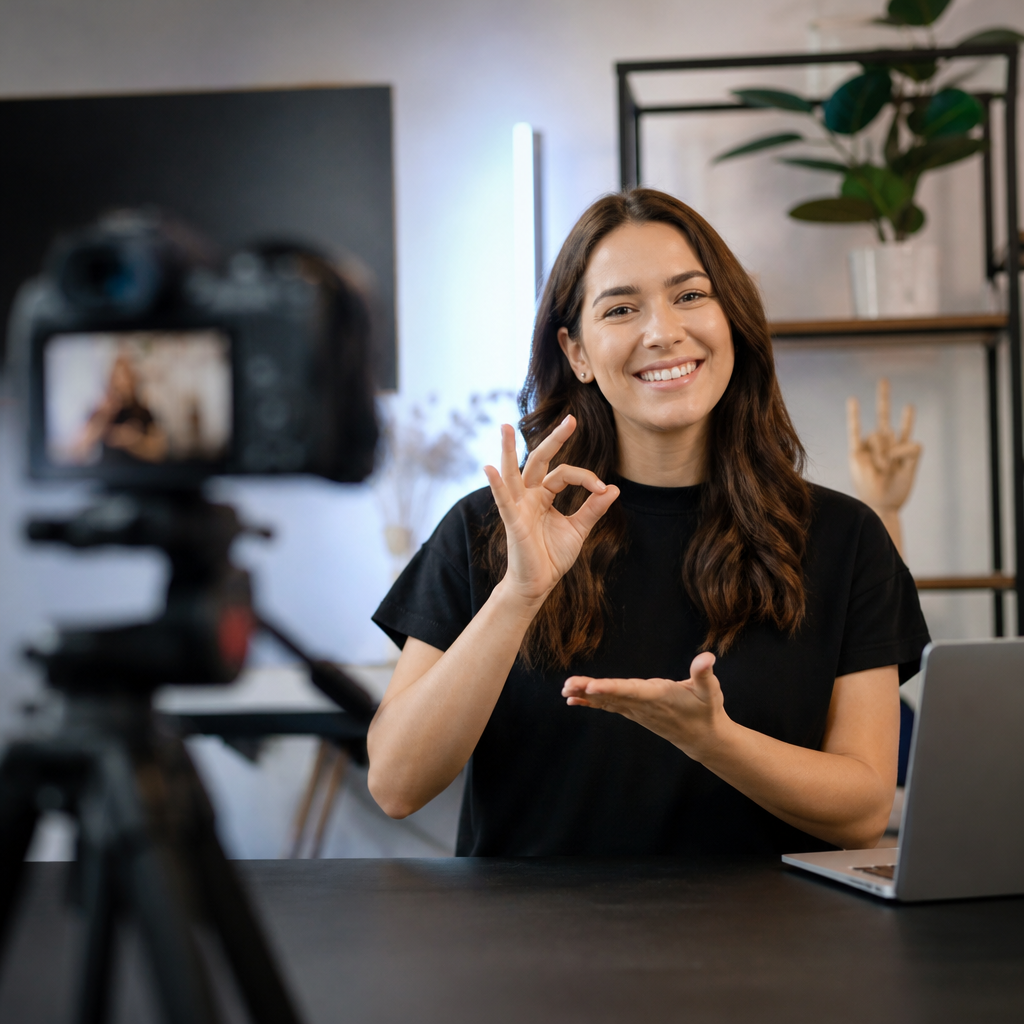
YouTube has become one of the most important platforms for Deaf creators to build audiences, shape public understanding, and control their own narratives. In the context of media, representation, and awareness, “Deaf creators” refers to people who identify as Deaf, deaf, or hard of hearing and produce video content rooted in their lived experience, language, culture, expertise, or advocacy. A “top” YouTube channel is not just one with high subscriber counts. It is a channel with sustained influence, strong community trust, clear communication style, and lasting impact across education, entertainment, accessibility, and public conversation.
I have worked on accessibility-focused content strategy and creator research long enough to see a consistent pattern: audiences do not simply want inspiration stories or disability tokenism. They want credible voices, practical information, personality, and representation that feels real. Deaf YouTubers meet that need in a way traditional media often has not. Their channels explain sign languages, document daily communication choices, review assistive technology, challenge misconceptions, and show the diversity within Deaf communities. For parents, educators, interpreters, brands, journalists, and Deaf viewers themselves, these creators often serve as first-contact sources for understanding lived experience.
This article is a hub for the broader Influencers and Public Figures subtopic because YouTube sits at the center of discoverability. A strong channel can lead to speaking work, book deals, consulting, collaborations, TikTok growth, Instagram reach, and mainstream media coverage. Just as important, YouTube archives knowledge. A well-made video about cochlear implants, caption quality, Deaf identity, or access barriers continues to answer questions years after upload. That gives Deaf creators unusual power: they are not just participating in online culture; they are defining it for future searchers, viewers, and decision-makers.
What makes a Deaf YouTube channel influential
The best Deaf YouTube channels succeed because they combine clarity, consistency, and perspective. Subscriber numbers matter, but they do not tell the whole story. I look first at whether a creator has a recognizable editorial focus, whether captions are accurate, whether signing is presented accessibly for both signing and non-signing audiences, and whether viewers return for guidance rather than one-off curiosity. Channels become influential when they repeatedly answer the questions people actually ask: What is Deaf culture? How do captions fail? What is it like to date, parent, study, or work as a Deaf person? How do hearing people communicate respectfully?
Influence also depends on format discipline. Some creators build trust through explanatory talking-head videos, others through comedy, vlogs, reaction content, or interpreted collaborations. The strongest channels understand audience segmentation. A video for newly diagnosed families needs a different structure than a video for fluent signers discussing community politics. Top creators know when to educate gently, when to advocate firmly, and when to entertain without flattening complexity. They often cross-reference tools such as closed captions, pinned resource links, chapter markers, and short-form clips that funnel viewers into deeper material.
Another marker is cultural specificity. Deaf audiences are not monolithic. American Sign Language content differs from British Sign Language content, and both differ from oral deaf experiences or multilingual creators who move between signing and spoken communication. Channels with durable authority acknowledge those distinctions. They do not pretend one creator can represent every Deaf person. That honesty is a strength, not a limitation, because it helps viewers understand that Deaf identity includes language, technology choices, education background, geography, and family dynamics.
Standout channels and why they matter
Several YouTube channels are frequently cited because they changed how Deaf creators are perceived online. Rikki Poynter is one of the clearest examples. Her channel has long focused on accessibility, captioning standards, online accountability, and Deaf advocacy. What makes her important is not only topic selection, but rigor. She consistently explains why auto-captions are insufficient, why platform accessibility policies matter, and how creators and companies can improve. For viewers trying to understand digital access beyond surface-level inclusion language, her videos provide practical, grounded analysis.
Jessica Kellgren-Fozard is another major figure whose YouTube presence reaches far beyond disability-focused audiences. Although she covers disability, Deafness, queer identity, and vintage lifestyle, her channel matters here because it demonstrates how Deaf creators can be multidimensional public figures rather than niche educators only. She blends personal storytelling with polished production, and that mix broadens representation. Viewers may arrive for history, fashion, or family content and then learn about hearing loss, communication barriers, or access needs through a creator they already trust.
Sign Duo, led by Deaf and hearing collaborators, has also helped normalize sign language-centered content for broad audiences. Their videos often use humor, relationship dynamics, and accessible explanations to introduce Deaf culture and signing in a format many viewers find approachable. Channels like this matter because they reduce fear of “getting it wrong” while still centering Deaf experience. They often perform well with newcomers who need an entry point before engaging with more technical advocacy content.
Other influential creators include Jazzy Whipps, who brings strong visibility through lifestyle content and sign language presence; Cheyenna Clearbrook, known for Deaf awareness and daily-life storytelling; and creators connected to organizations such as National Deaf Center, Hearing Like Me, or university ASL programs, which may not be individual influencer channels but still shape public knowledge. For a hub article, the key point is that top YouTube channels by Deaf creators span several categories at once: advocacy, language education, family life, entertainment, commentary, and professional expertise.
Main content types viewers can expect
Deaf creator channels usually organize around a few repeatable formats, and those formats explain why audiences subscribe. Educational videos answer foundational questions about sign language, Deaf etiquette, interpreters, hearing devices, and accessibility law. Personal vlogs show communication choices in real environments such as workplaces, airports, classrooms, or medical appointments. Reaction and commentary videos respond to inaccessible media, harmful stereotypes, or policy failures. Comedy channels use sketches to dramatize misunderstandings between Deaf and hearing people. Product and technology reviews cover hearing aids, cochlear implant accessories, alert systems, caption apps, and microphones.
From an audience-development perspective, educational and lifestyle content often performs best over time because it answers evergreen questions. A parent searching “how to communicate with my Deaf child” is likely to watch several related videos in one session. A college student searching “what not to do around Deaf people” wants a concise, trustworthy explanation. A brand manager searching “how to caption YouTube videos correctly” needs exact guidance. Top creators build libraries around these recurring needs, which is one reason their channels continue to grow even when upload schedules vary.
| Content type | Typical viewer question | Why it performs well |
|---|---|---|
| ASL or sign language education | How do I start learning and signing respectfully? | Clear beginner intent and high repeat viewing |
| Accessibility advocacy | Why are captions and interpreters so important? | Solves practical problems for creators, schools, and employers |
| Daily life vlogs | What is everyday life like for a Deaf person? | Builds empathy through real situations |
| Technology reviews | Which tools actually improve access? | High trust and strong purchase research intent |
| Comedy and reaction videos | What misconceptions do hearing people still have? | Highly shareable and memorable |
The most successful channels blend these formats rather than relying on one alone. That mix matters because different videos serve different stages of audience awareness. A funny short can introduce a creator to new viewers, while a detailed explainer converts those viewers into loyal subscribers. In my experience auditing creator libraries, channels that connect entertainment to practical education generally outperform channels that stay purely informational. They feel human, not institutional.
How representation changes when Deaf creators lead
Representation improves dramatically when Deaf creators speak for themselves instead of being filtered through hearing journalists, producers, or nonprofit messaging. On YouTube, that shift is visible in language choice, framing, and topic selection. Deaf creators prioritize issues mainstream outlets often miss: caption timing and accuracy, interpreter quality, visual attention norms, listening fatigue, inaccessible customer service, and the social cost of constantly educating others. These are not abstract concerns. They shape employment, relationships, safety, and mental energy every day.
Creator-led representation also corrects a common media problem: presenting Deaf people as either inspirational heroes or tragic subjects. Top YouTube channels reject both extremes. They show competence, humor, frustration, boredom, expertise, and disagreement. That range matters because authentic representation is not about positivity alone; it is about normalizing complexity. One creator may love signed communication and reject cochlear implant pressure. Another may use spoken language, hearing technology, and captions in combination. Both experiences are valid, and audiences need exposure to that full spectrum.
There is also a measurable awareness effect. When Deaf creators publish accessible, searchable videos, schools, employers, and media professionals use them as informal training materials. I have seen internal diversity discussions cite creator videos more often than brochures because video shows consequences directly. A five-minute explanation of poor captions on a livestream can be more persuasive than a policy memo. This is one reason YouTube remains a central platform in disability representation: it combines testimony, demonstration, and audience interaction in one place.
How to evaluate channels for quality, trust, and accessibility
Not every channel discussing Deaf topics offers the same value. Start with accessibility basics. Are captions present, accurate, and synchronized? Does the creator identify their communication mode clearly when relevant? Are sources, links, or contextual notes provided for medical, legal, or educational claims? If a video addresses cochlear implants, language acquisition, disability rights, or school placement, nuance is essential. Trustworthy creators distinguish personal experience from universal advice and acknowledge when outcomes depend on age of diagnosis, family support, interpreter access, or local law.
Look next at consistency and community response. Strong channels do not need to be perfect, but they should demonstrate stable knowledge over time. Read comments carefully. Are Deaf viewers engaging positively, correcting respectfully, or warning others about oversimplification? Community reception is not a flawless metric, yet it often reveals whether a creator is respected by the people most affected by the topic. Collaboration is another indicator. When Deaf creators are invited into panels, podcasts, advocacy campaigns, or cross-channel videos, it usually signals peer credibility.
Finally, consider the channel’s purpose. Some creators are educators first. Others are entertainers who occasionally discuss Deaf identity. A hub page like this should include both, but readers should know what they are clicking into. If your goal is family education, choose channels with structured explainers and resource links. If your goal is broader representation, include lifestyle and comedy creators too. A healthy media ecosystem needs all of them.
Why this topic anchors the Influencers and Public Figures hub
YouTube is the natural anchor for this subtopic because it connects discoverability, depth, and personality better than any other platform. Short-form social video can create visibility, but YouTube builds durable authority. Podcasts add nuance, but they are less effective for sign language-centered communication. Television offers reach, yet gatekeeping remains high. On YouTube, Deaf creators can publish directly, caption on their own terms, experiment with format, and build searchable archives that support every adjacent article in the Influencers and Public Figures cluster.
That makes this page a practical hub. From here, readers can move into creator-specific profiles, ASL educator roundups, Deaf actors and comedians, disability advocates, captioning experts, family vloggers, and cross-platform influencers. The unifying idea is simple: when Deaf public figures control their media presence, representation becomes more accurate and more useful. Viewers learn not just who these creators are, but how public understanding of Deaf life is being shaped in real time.
The key takeaway is that the top YouTube channels by Deaf creators do far more than entertain. They teach sign language, model accessibility, challenge stereotypes, review technology, document daily life, and influence institutions that still misunderstand Deaf experience. If you want a reliable starting point for the Influencers and Public Figures landscape, begin with YouTube channels that combine lived experience with consistent, accessible publishing. Watch several creators, compare perspectives, and follow the ones that help you understand Deaf culture with more precision and respect. Then use this hub as your next step to explore the broader world of Deaf media leaders.
Frequently Asked Questions
What makes a YouTube channel by a Deaf creator “top” or influential?
A top YouTube channel by a Deaf creator is defined by much more than subscriber totals or viral reach. Influence in this space usually comes from a combination of consistency, trust, originality, community impact, and the ability to shape how Deaf experiences are understood by both Deaf and hearing audiences. A channel may be considered “top” because it educates viewers about Deaf culture, shares authentic day-to-day experiences, uses sign language prominently, advocates for accessibility, or creates entertainment that reflects Deaf identity without reducing it to a stereotype.
Many of the most respected Deaf-led channels build influence over time by creating content that is both personally grounded and broadly meaningful. That can include vlogs, educational explainers, commentary, interviews, comedy, reaction videos, family content, or professional insights tied to interpreting, accessibility, language learning, and disability rights. In other words, a channel does not have to fit one mold to be important. What matters is whether the creator is contributing something valuable, distinct, and culturally informed.
Another key factor is sustained audience engagement. A top channel often sparks discussion, encourages learning, and creates a sense of belonging. Viewers return not just for entertainment, but because they trust the creator’s perspective. In the context of Deaf creators, influence also includes representation: giving visibility to Deaf, deaf, and hard of hearing lives in ways that are self-defined rather than filtered through outside assumptions. That is why smaller channels can still be highly significant if they are respected within the community and have a strong educational or cultural impact.
Why are Deaf creators on YouTube so important for representation and public understanding?
Deaf creators play a critical role in representation because they control their own narratives in a media landscape that has historically misunderstood, simplified, or excluded Deaf perspectives. Traditional media has often portrayed deafness through a narrow lens, focusing only on limitation, inspiration, or medical framing. YouTube gives Deaf creators the ability to present fuller, more accurate stories about language, identity, communication, humor, work, family life, and advocacy. That shift matters because it allows audiences to hear directly from people with lived experience rather than relying on secondhand interpretations.
This kind of representation improves public understanding in practical ways. Viewers can learn about sign languages, Deaf culture, accessibility barriers, captioning, hearing technology, education, and the differences between being Deaf, deaf, and hard of hearing. Just as importantly, they can see that there is no single Deaf experience. Some creators center sign language, while others focus on oral communication, mixed communication styles, disability advocacy, parenting, performance, or lifestyle content. That variety helps challenge stereotypes and shows the complexity of the community.
YouTube also creates space for cultural preservation and connection. For many viewers, Deaf-led content is a way to discover language, history, and perspectives that may not be available in mainstream classrooms or entertainment. For Deaf and hard of hearing audiences themselves, these channels can provide validation, visibility, and community. They remind viewers that representation is not only about being seen, but about being seen accurately, respectfully, and on one’s own terms.
What kinds of content do top Deaf YouTube creators usually make?
Top Deaf YouTube creators produce a wide range of content, and that diversity is part of what makes the space so valuable. Some focus on education, creating videos about Deaf culture, sign language, accessibility etiquette, communication tips, or common misconceptions. These channels are often especially useful for hearing viewers who want to learn respectfully, as well as for Deaf and hard of hearing viewers looking for shared language and experiences.
Others build audiences through lifestyle and personal storytelling. That may include family vlogs, relationship content, travel videos, parenting discussions, school experiences, workplace realities, and behind-the-scenes looks at navigating a world that is not always designed with accessibility in mind. These creators often help audiences understand that Deaf life is not limited to awareness topics. It includes the same range of interests, humor, milestones, frustrations, and ambitions found in any other community.
There are also creators who specialize in entertainment, commentary, performance, or advocacy. Some use comedy to challenge assumptions. Some create reaction videos, social commentary, or pop-culture analysis from a Deaf perspective. Others center activism, discussing policy issues, media access, interpreter quality, captioning failures, discrimination, or the need for inclusive design. In many cases, the strongest channels blend several of these approaches at once. A creator might educate, entertain, and advocate in the same video, which is one reason Deaf-led YouTube content can be so engaging and influential.
How can viewers identify authentic and respectful channels by Deaf creators?
A good starting point is to look for creators who clearly speak from lived experience and present Deafness, hearing loss, or hard-of-hearing identity with nuance rather than oversimplification. Authentic channels typically avoid flattening the community into one storyline. Instead, they acknowledge differences in communication style, background, access, identity, and opinion. They are often transparent about their own perspective while making it clear that they do not represent every Deaf or hard-of-hearing person.
Respectful Deaf-led channels also tend to prioritize accessibility and cultural context. That may include captions, visual clarity, sign language use, thoughtful explanations for mixed audiences, and content that does not exploit disability for shock value or pity. An authentic creator usually shares information in a way that educates without turning personal identity into a spectacle. Their audience engagement can also be revealing. Channels that foster constructive dialogue, respond thoughtfully to common questions, and correct misinformation tend to build stronger long-term trust.
It is also helpful to consider how the creator is discussed within broader Deaf and accessibility conversations. Influence is not only about visibility but credibility. Creators who are cited, recommended, or appreciated by Deaf viewers, advocates, educators, or accessibility-minded communities often have a stronger foundation of trust. Finally, viewers should pay attention to whether a channel presents Deaf people as complete individuals rather than as teaching tools for hearing audiences. The most respected creators usually center humanity first, while still making space for education and awareness.
How should someone use a list of top YouTube channels by Deaf creators?
A list of top YouTube channels by Deaf creators should be used as a starting point for discovery, not as a final or definitive ranking of who matters most. Because the Deaf and hard-of-hearing community is diverse, no single list can capture every influential voice, communication style, or content niche. The value of a curated list is that it helps readers find creators who are making meaningful contributions across education, entertainment, advocacy, culture, and everyday storytelling.
For general viewers, these lists can open the door to better media habits. Instead of relying only on mainstream portrayals of deafness, readers can follow creators who share firsthand experiences and insights. For educators, journalists, students, and accessibility professionals, a strong list can also serve as a research tool for understanding contemporary Deaf perspectives, common access issues, and the role of creator-led media in shaping public conversation.
Most importantly, readers should use the list to explore broadly and listen actively. Subscribe to creators whose work resonates, engage with their content respectfully, and remain open to the fact that different creators may present very different viewpoints. That is not a flaw; it is evidence of a real and varied community. A top-channels article is most useful when it encourages deeper learning, ongoing support for Deaf-led media, and a more informed understanding of representation beyond metrics alone.