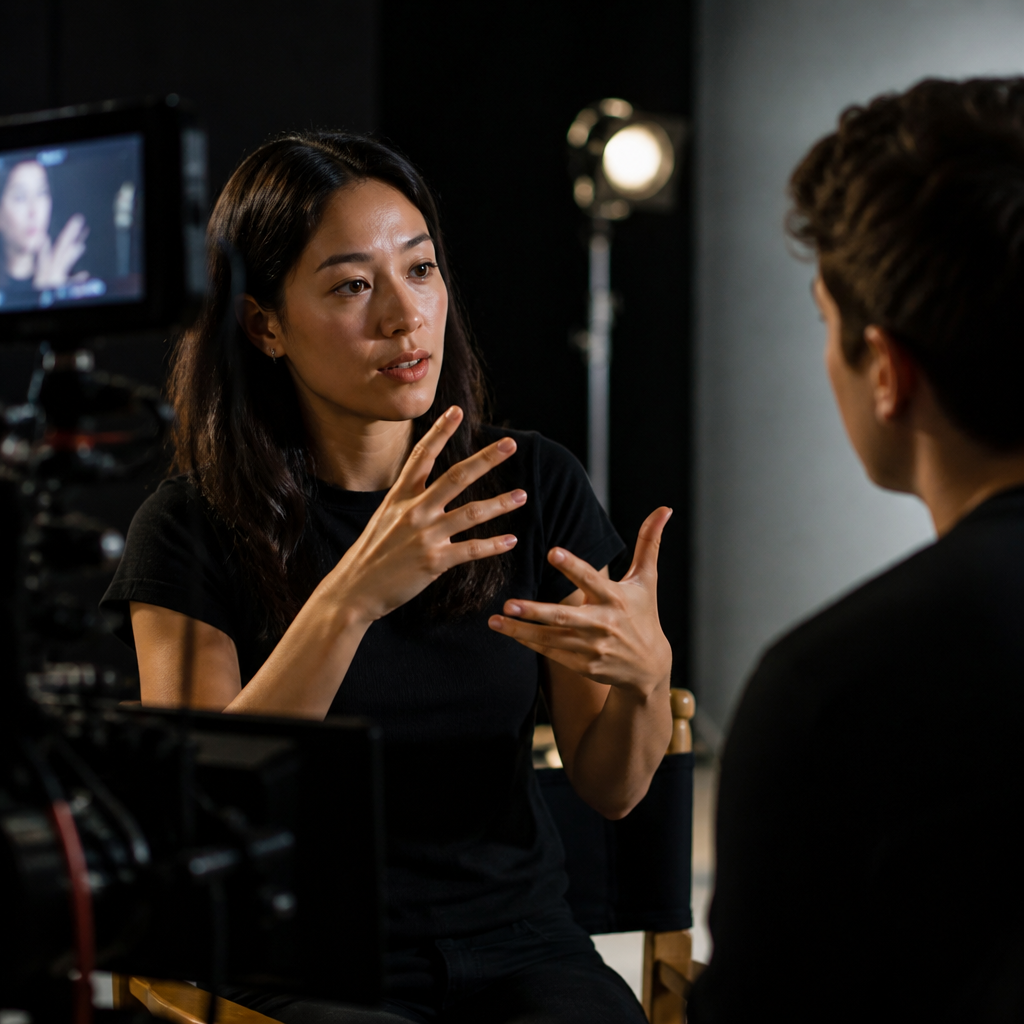
Famous deaf actors and actresses have transformed film, television, and theater by proving that talent, range, and screen presence are not limited by hearing status. In media coverage, the word deaf generally refers to people with little or no hearing, while Deaf with a capital D often describes people who identify with Deaf culture, sign language, and a shared community history. That distinction matters because representation is not only about who appears on screen. It is also about whether stories reflect real communication, lived experience, and the social barriers that deaf performers navigate in training, auditions, production, and publicity.
This topic matters because entertainment shapes public understanding faster than policy papers or awareness campaigns ever can. When audiences see deaf characters played authentically, they gain a clearer picture of signing, captioning, interpreters, family dynamics, and the diversity within the deaf community itself. I have worked on accessibility-focused media projects, and one lesson stands out: a single visible performer can change how a casting director writes a brief, how a producer budgets for access, and how a young deaf viewer imagines a future in the arts. Famous deaf actors and actresses therefore influence more than box office results. They affect industry standards, language access, and cultural expectations.
As a hub within Media, Representation and Awareness, this article covers the public figures who define the conversation around deaf visibility in entertainment. It focuses on performers whose careers created milestones, challenged stereotypes, and opened doors for later generations. It also explains why some names matter beyond acting alone, including activism, directing, producing, and advocacy for better access on set. If you want a practical answer to who the most important deaf actors and actresses are, why they are significant, and how their work changed the industry, this guide provides that foundation in one place.
Why famous deaf performers matter in mainstream media
Representation by deaf actors matters because authenticity changes both performance quality and public understanding. For decades, deaf characters were often played by hearing actors, with sign language simplified or treated as visual decoration. That approach usually missed the rhythm of real communication, the complexity of lip-reading, and the social experience of navigating hearing spaces. When deaf performers portray deaf roles, they bring linguistic fluency, physical nuance, and lived perspective that cannot be replicated through short-term coaching.
Mainstream visibility also has a measurable industry effect. Casting one successful deaf lead can normalize interpreters at auditions, captioned rehearsal materials, visual cue systems, and direct communication between directors and performers. Those changes help not only established stars but also background actors, crew members, and future applicants. In practice, inclusive casting often improves storytelling because writers and producers consult performers about realism. That leads to stronger scenes, more accurate signing, and richer characters whose deafness is part of their identity rather than their only trait.
Another reason these public figures matter is that they broaden the idea of celebrity itself. Influencers and public figures in this space are not limited to red carpets. Many are educators, activists, authors, or social media communicators who explain access issues to large audiences. Their visibility helps viewers understand topics such as American Sign Language, interpreters, deaf schools, cochlear implant debates, and closed captioning without reducing any of those subjects to a slogan.
Historic pioneers who changed expectations
Marlee Matlin remains the most widely recognized deaf actress in modern entertainment history, and her importance is hard to overstate. In 1987, she won the Academy Award for Best Actress for Children of a Lesser God, becoming the first deaf performer to win an Oscar and still the only deaf actress to win in a lead acting category. That victory was not symbolic only. It demonstrated commercial and critical viability at the highest level. Matlin then built a durable career across film and television, with notable work in Reasonable Doubts, The West Wing, Switched at Birth, and CODA. She has also advocated consistently for captioning, interpreter access, and authentic deaf casting.
Phyllis Frelich deserves equal attention as a stage pioneer. Best known for her Tony Award-winning performance in the Broadway production of Children of a Lesser God, Frelich brought Deaf theater into mainstream consciousness. Her work mattered because theater demands immediate, embodied communication; audiences could not dismiss signing as secondary when it carried the emotional center of the performance. Long before accessibility became standard language in arts institutions, Frelich’s success showed that Deaf performance could lead major productions rather than sit at the margins.
Linda Bove also played a formative role, especially for children and families. Her long-running presence as Linda the Librarian on Sesame Street introduced generations of viewers to sign language in a warm, everyday context. That kind of recurring visibility matters differently from award-winning dramatic work. It normalizes deaf adults as trusted educators, neighbors, and community members. Many hearing viewers encountered signing for the first time through Bove, and many deaf children saw themselves represented without pity or sensationalism.
Contemporary stars expanding deaf representation
Troy Kotsur changed the landscape again with his Academy Award win for Best Supporting Actor in CODA in 2022. His performance as Frank Rossi combined humor, authority, vulnerability, and impeccable comic timing. Importantly, Kotsur’s win showed that deaf male performers could achieve the same kind of mainstream recognition long associated with only a few exceptional cases. Within the industry, CODA also proved that a film centered on a Deaf family could succeed critically with deaf actors in major roles, including Kotsur, Marlee Matlin, and Daniel Durant.
Lauren Ridloff represents another major breakthrough. After earning acclaim on stage in the Broadway revival of Children of a Lesser God, she moved into high-profile screen work in The Walking Dead and Marvel’s Eternals. Ridloff’s rise matters because she entered blockbuster territory, where disabled performers have historically been underrepresented. She has spoken publicly about communication access on set and has helped normalize the idea that deaf performers belong in genre television and superhero cinema, not only in issue-driven dramas.
Daniel Durant became especially visible through CODA and later through mainstream reality television exposure, which expanded public familiarity beyond art-house or awards audiences. His stage work in Spring Awakening and screen roles show the value of crossover visibility. When deaf actors appear across multiple formats, they are less likely to be treated as niche talent. That shift matters for career sustainability because it opens more auditions, broader fan bases, and stronger negotiating power around access accommodations.
Millicent Simmonds is one of the most important younger figures in this hub. Her performances in Wonderstruck and A Quiet Place demonstrated remarkable emotional control and screen intelligence at a young age. In practical terms, Simmonds helped introduce deaf talent to new viewers through a commercially successful horror franchise. She has also publicly discussed why deaf roles should go to deaf actors, a stance increasingly accepted across casting conversations.
International and crossover public figures to know
Deaf representation is not limited to Hollywood. Nyle DiMarco, while often discussed first as a model and television personality, belongs in this conversation because he has become one of the most visible deaf public figures in entertainment media. After winning America’s Next Top Model and Dancing with the Stars, he used that platform to advocate for bilingual education, sign language visibility, and caption access. His documentary work and public campaigning have influenced awareness far beyond the runway.
Russell Harvard is another key actor whose career deserves close attention. Known for performances in There Will Be Blood and Fargo, Harvard brings intensity and command to roles that resist stereotype. He has also spoken candidly about the practical realities of working in an industry still learning how to communicate effectively with deaf performers. That kind of public honesty matters because it clarifies that representation is not solved by one good casting decision. It requires systems that support the performer throughout production.
Shoshannah Stern is especially significant because she works as both performer and creator. With acting credits in Weeds, Supernatural, and other television projects, she helped establish a sustained screen presence. More importantly, her work behind the camera contributes to structural change. When deaf professionals shape scripts, direction, and production processes, authenticity improves at the source rather than being added later as correction.
| Performer | Notable work | Why the work matters |
|---|---|---|
| Marlee Matlin | Children of a Lesser God, CODA | First deaf Best Actress Oscar winner; long-term mainstream visibility |
| Troy Kotsur | CODA | First deaf male acting Oscar winner; expanded industry expectations |
| Lauren Ridloff | Eternals, The Walking Dead | Brought deaf talent into blockbuster and genre franchises |
| Millicent Simmonds | A Quiet Place, Wonderstruck | Introduced young deaf talent to large commercial audiences |
| Linda Bove | Sesame Street | Normalized sign language for children and families |
Common barriers and how leading actors overcame them
The biggest barriers for deaf actors are rarely about talent. They are usually about access, assumptions, and workflow. Auditions may move quickly with spoken instructions, callbacks may lack interpreters, and scripts may be revised verbally on set. Even experienced production teams sometimes underestimate how much planning is needed for equal communication. In my experience advising on accessibility, small procedural choices make a major difference: captioned video sides, advance call sheets, interpreter coordination, sightline planning, and directors who communicate directly rather than only through intermediaries.
Famous deaf actors and actresses overcame these barriers in different ways. Some built strong partnerships with interpreters who understood production vocabulary. Others cultivated advocacy skills so they could explain access needs without being framed as difficult. Many also became public educators simply because the industry asked them to justify their presence repeatedly. That invisible labor should be acknowledged. A deaf performer often carries both the job of acting and the job of teaching the workplace how to function inclusively.
There are also tradeoffs worth stating plainly. Increased visibility can lead to typecasting, where deaf actors are considered only for explicitly deaf roles. While authentic casting for deaf characters is essential, real inclusion also means considering deaf performers for roles where hearing status is not central to the plot. Some progress is visible, but the industry is not there yet. The careers of Ridloff, Stern, and others suggest the path forward: better writing, broader casting imagination, and production systems designed for multiple communication modes from the beginning.
How this hub connects influencers, advocacy, and future coverage
As a hub for Influencers and Public Figures under Media, Representation and Awareness, this page maps the core names and themes that support deeper reading across the topic. One branch covers award-winning performers and landmark roles. Another examines television personalities, creators, and activists who use public platforms to discuss education, accessibility technology, and policy. A third explores how representation intersects with social media, where deaf creators now reach audiences directly through short-form video, caption-first storytelling, and sign-led commentary.
That broader ecosystem matters because public awareness no longer moves in one direction from studio to viewer. Today, a deaf actor may influence culture through a streaming drama, an interview about interpreters, a viral explainer on captions, and a nonprofit campaign for language access all in the same month. For researchers, educators, journalists, and families, this hub provides the starting framework: know the pioneers, understand the current stars, track the structural barriers, and follow the advocates shaping what comes next. If you are building knowledge in this area, use these figures as your anchor points and continue into related profiles, film analyses, and accessibility topics across the wider site.
Famous deaf actors and actresses changed entertainment by doing far more than appearing on screen. They redefined what excellence looks like, pushed studios toward better access, and gave audiences a more accurate understanding of deaf lives, language, humor, conflict, and ambition. From pioneers like Phyllis Frelich and Linda Bove to global names like Marlee Matlin, Troy Kotsur, Lauren Ridloff, Daniel Durant, Millicent Simmonds, Nyle DiMarco, Russell Harvard, and Shoshannah Stern, each figure expanded the range of who gets seen and heard in public culture.
The central lesson is simple: authentic representation improves art and improves awareness at the same time. When deaf performers are cast, supported, and promoted properly, stories become more truthful and industries become more inclusive. That benefit extends well beyond entertainment, influencing education, workplace expectations, and everyday communication norms. If you want to understand Influencers and Public Figures within deaf representation, start with the performers in this guide, then explore their films, interviews, advocacy work, and the related topics linked throughout this content hub.
Frequently Asked Questions
Who are some of the most famous deaf actors and actresses?
Several deaf and Deaf performers have become widely recognized for their work in film, television, and theater. Marlee Matlin is often the first name people mention because she made history by winning the Academy Award for Best Actress for Children of a Lesser God, becoming one of the most visible deaf actresses in mainstream entertainment. Nyle DiMarco gained broad attention through modeling, reality television, and advocacy, showing how deaf talent can succeed across multiple entertainment formats. Troy Kotsur earned major acclaim and an Academy Award for his performance in CODA, helping bring new attention to Deaf performers and authentic casting. Lauren Ridloff has also become a standout figure through her work on stage and screen, including acclaimed performances in theater and major film and television productions.
Beyond those headline names, there are many other important performers who have shaped representation. Phyllis Frelich, Bernard Bragg, Linda Bove, Russell Harvard, and Deanne Bray all played meaningful roles in expanding opportunities for deaf actors. Some built careers primarily in Deaf theater, while others crossed into mainstream television and film. Together, these actors and actresses helped audiences see that deaf performers are not defined by limitation. Instead, they bring distinct expressive strengths, cultural knowledge, and lived experience that enrich storytelling.
What is the difference between deaf and Deaf when talking about actors and representation?
The distinction between deaf and Deaf is important because it reflects more than hearing level. In general use, deaf with a lowercase d usually refers to the audiological condition of having little or no hearing. Deaf with an uppercase D often refers to a cultural identity tied to Deaf community, sign language, shared experiences, and collective history. Not every deaf person identifies as culturally Deaf, and not every performer will use these terms in the same way, so the most accurate approach is to follow the language individuals use for themselves.
In discussions about actors and actresses, that difference matters because representation is not simply about whether a person on screen has hearing loss. It also involves whether stories reflect Deaf culture authentically, whether sign language is treated respectfully, and whether Deaf performers have access to roles behind and in front of the camera. A Deaf actor may bring lived knowledge of signing, communication barriers, cultural norms, and community values that can deepen a performance. Understanding this distinction helps audiences and media writers move past simplistic labels and talk about identity and representation with greater accuracy and respect.
Why is it important to cast deaf actors in deaf roles?
Authentic casting matters because deaf actors bring lived experience that cannot be fully replicated by hearing performers. They understand the nuances of communication, body language, sign language use, social barriers, and cultural identity in ways that often shape a role from the inside out. This can make performances more believable, more layered, and more respectful to the communities being portrayed. It also helps avoid common inaccuracies, such as unnatural signing, stereotyped behavior, or stories that frame deafness only as a tragedy or obstacle.
There is also a broader industry reason. For many years, deaf and Deaf performers had limited access to mainstream roles, while hearing actors were often cast to play deaf characters and then praised for the transformation. That pattern reduced real opportunities for deaf talent and reinforced the idea that deaf actors were only suitable for niche projects. Casting deaf actors in deaf roles helps correct that imbalance. It opens the door to employment, raises standards for authenticity, and encourages writers, directors, and producers to engage more seriously with Deaf perspectives. In the long run, it improves both representation and the quality of storytelling.
How have famous deaf actors and actresses influenced film, television, and theater?
Famous deaf actors and actresses have changed entertainment in both visible and structural ways. On screen and on stage, they have expanded the range of characters audiences associate with deaf performers. Instead of being confined to limited or symbolic roles, many have shown they can lead dramas, comedies, romances, thrillers, and ensemble productions with the same complexity expected of any actor. Their performances have helped normalize signing, deaf communication styles, and Deaf presence in mainstream storytelling, making audiences more familiar with experiences that were once underrepresented or misunderstood.
They have also influenced the industry behind the scenes. High-profile success stories create pressure for better accessibility, more inclusive auditions, qualified sign language interpreters, and stronger commitments to authentic representation. Award-winning performances by actors such as Marlee Matlin and Troy Kotsur have pushed studios, casting directors, and critics to take deaf talent more seriously. In theater especially, Deaf-led and Deaf-inclusive productions have shown how performance can be powerfully visual, expressive, and innovative. Their impact goes beyond individual careers. They have helped reshape expectations about who gets to be seen, heard, and valued in entertainment.
What challenges do deaf actors and actresses still face today?
Even with increased visibility, deaf actors and actresses continue to face significant barriers. Access remains a major issue at every stage of production, from auditions to rehearsals to press tours. Without interpreters, captioning, or Deaf-aware communication practices, talented performers can be excluded before they even have a chance to compete fairly. There is also the ongoing problem of limited role availability. Many productions still imagine deaf actors only for specifically deaf characters, rather than considering them for a wider range of parts where hearing status is not central to the story.
Another challenge is stereotype-driven storytelling. Some scripts still portray deafness in overly simplistic ways, focusing only on hardship, inspiration, or isolation. That narrow framing can flatten characters and reduce performers to symbols instead of fully developed people. In addition, deaf actors may face misconceptions about marketability, communication, or production logistics, even though many of these concerns can be addressed through planning and inclusive practices. Progress has clearly been made, but long-term change depends on more than a few breakthrough stars. It requires consistent hiring, better accessibility, more Deaf creatives in decision-making roles, and a stronger understanding that deaf talent belongs across all areas of the entertainment industry.