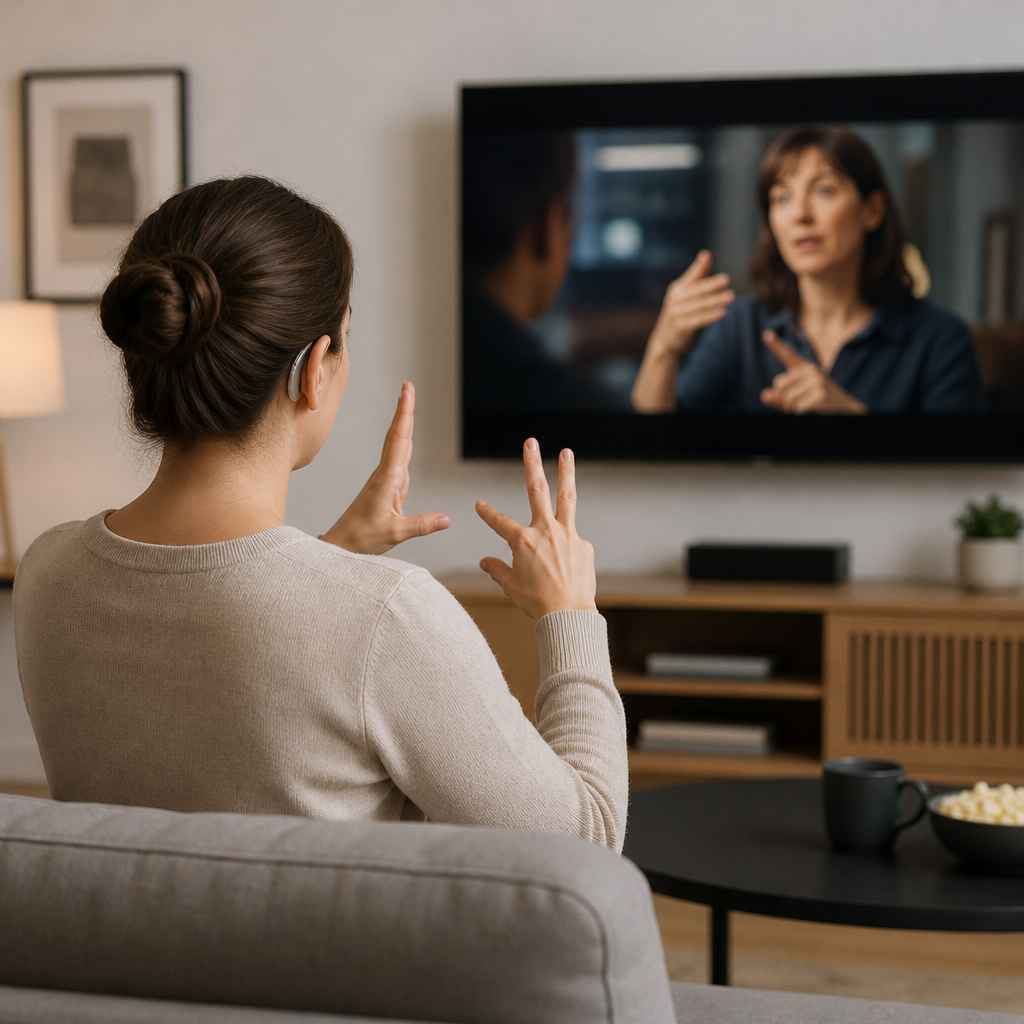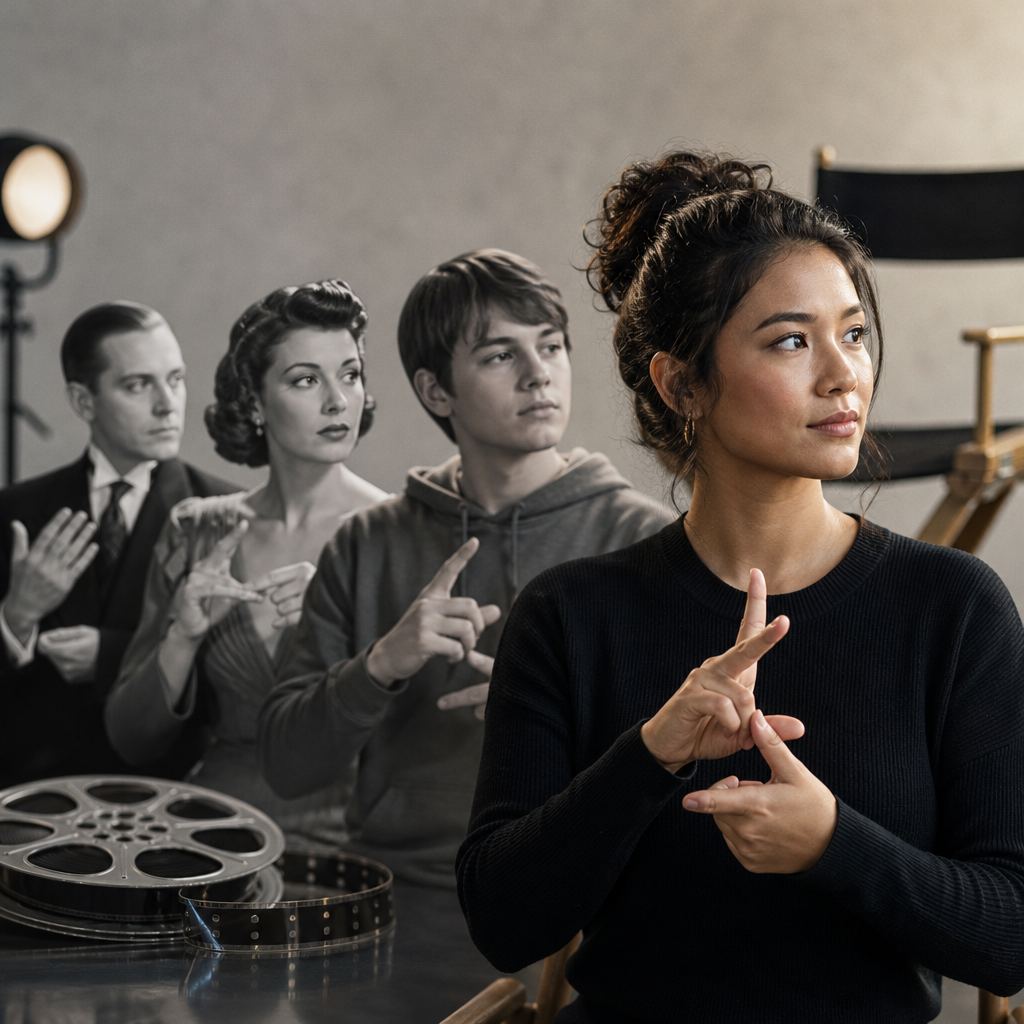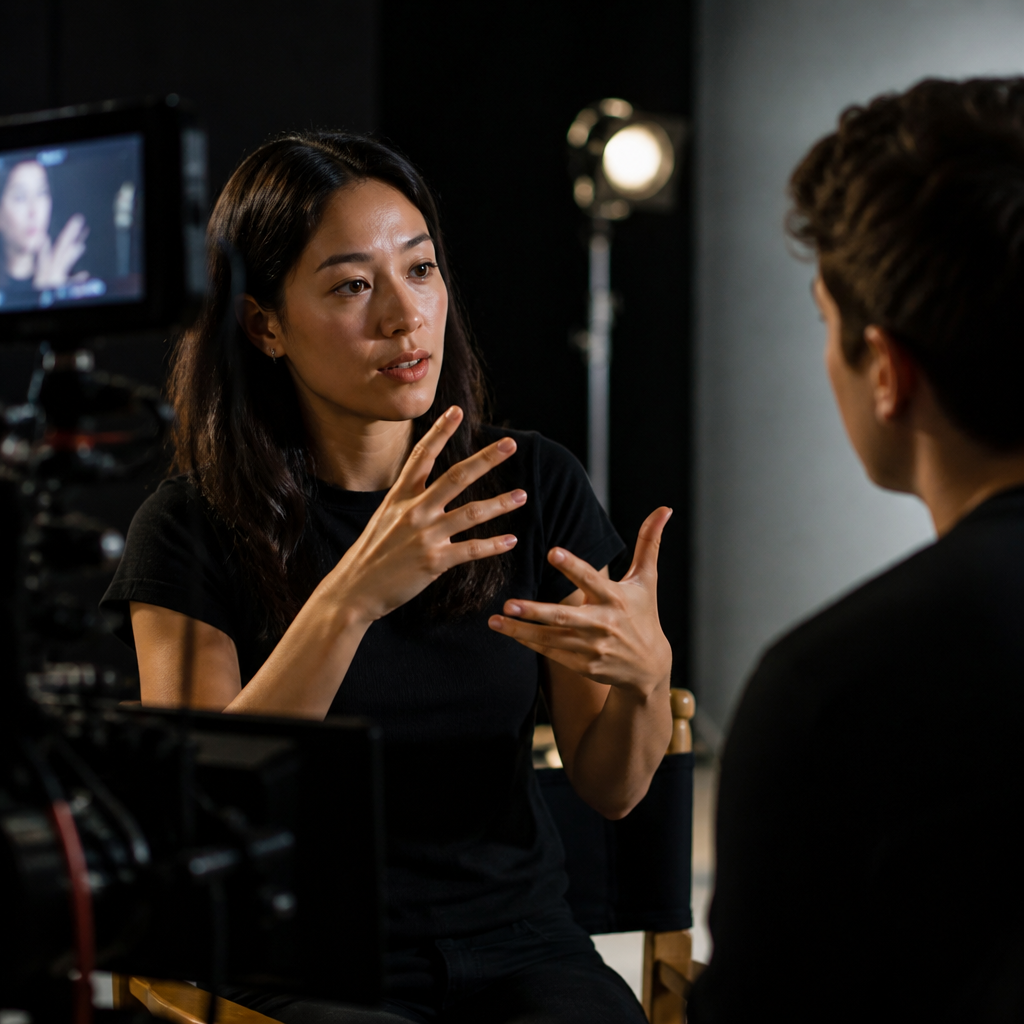
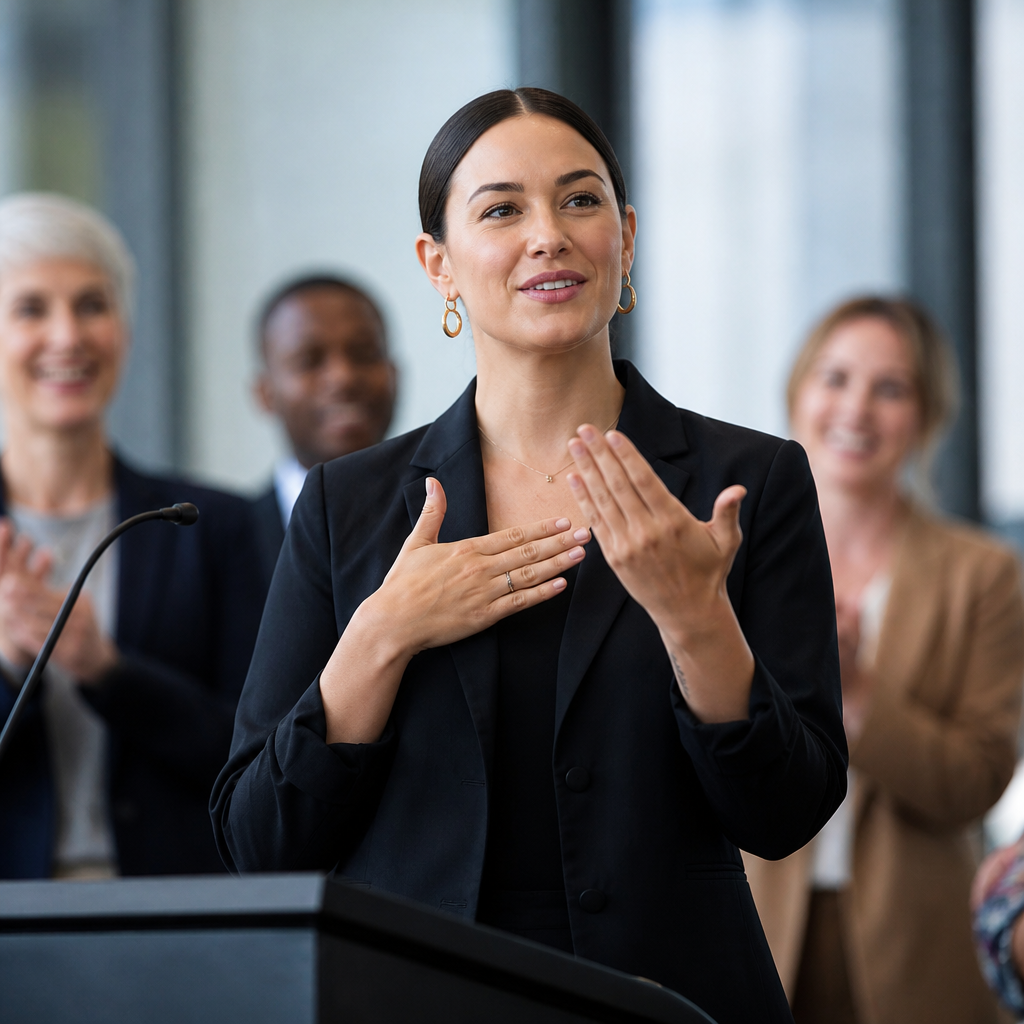
Deaf public figures play a central role in advocacy because visibility changes what audiences believe is possible, while informed activism changes what institutions are required to do. In the context of media, representation, and awareness, deaf public figures include actors, athletes, journalists, creators, authors, educators, executives, and community leaders whose public platform allows them to shape opinion beyond their immediate profession. Advocacy, in this setting, means deliberate action to expand access, protect civil rights, improve communication, challenge stereotypes, and influence policy or culture. When those two forces meet, public recognition becomes more than celebrity; it becomes a practical tool for social change.
This matters because deaf people still face persistent barriers in education, healthcare, employment, emergency communication, entertainment, and civic life. Caption quality remains inconsistent, interpreters are not always provided, and many organizations still treat access as an optional accommodation rather than a baseline requirement. I have seen the difference a recognizable advocate can make in rooms where accessibility budgets are being debated: abstract compliance concerns suddenly become concrete when leaders can connect policy to a respected public voice and a large audience. Public figures also help hearing audiences understand that deafness is not a single story. Some deaf people use sign language, some rely primarily on spoken language, some are hard of hearing, some use cochlear implants or hearing aids, and many move fluidly across communication modes and identities.
As a hub topic, influencers and public figures deserve close attention because they shape awareness at scale. A single interview, award speech, viral post, or documentary appearance can introduce millions of people to concepts such as sign language access, Deaf culture, language deprivation, interpreter ethics, inclusive casting, and digital accessibility. Public figures can also redirect attention toward grassroots organizations, legal standards such as the Americans with Disabilities Act, and wider international frameworks like the UN Convention on the Rights of Persons with Disabilities. Their role is not to replace community organizing. It is to amplify it, humanize it, and sometimes accelerate it when institutions are moving too slowly.
Why public visibility matters in deaf advocacy
Public visibility matters because policy and public behavior often follow familiarity. When audiences repeatedly see deaf professionals succeeding in film, politics, sports, business, and education, the old assumption that deafness is a limitation begins to weaken. This shift is measurable in everyday outcomes. Schools are more likely to invite deaf speakers, employers become more open to accommodations they previously misunderstood, and media buyers become less hesitant about captioning costs when access is associated with audience growth and brand credibility. Visibility does not solve structural exclusion by itself, but it creates a social environment in which structural change becomes easier to argue for and harder to dismiss.
Well-known deaf figures also make complex issues easier to grasp. For example, conversations about captions often improve when advocates explain that captions are not a bonus feature for a small audience. They support deaf viewers, many hard of hearing viewers, second-language learners, people watching in noisy environments, and users on mute-heavy platforms such as TikTok, Instagram, and LinkedIn. When a recognized creator or actor insists on high-quality captions rather than auto-generated text riddled with errors, the demand sounds less theoretical and more like a professional standard. The same is true for sign language interpretation, relay services, accessible events, and emergency alerts.
Another critical function of public visibility is normalization. Historically, deaf characters were often portrayed by hearing actors, and deafness was reduced to tragedy, inspiration, or silence. Public figures who are deaf disrupt that template simply by being multidimensional in public. They can discuss family life, training routines, craft, business strategy, humor, and political priorities without having to perform a lesson in overcoming. That breadth matters. Authenticity expands the public imagination and creates room for younger deaf people to envision multiple futures.
How deaf public figures influence media representation
Media representation is one of the clearest areas where deaf public figures influence advocacy. Casting, scripting, directing, and promotional decisions all affect how audiences understand deafness. When deaf actors and creators are involved from development through release, stories are more likely to reflect lived reality: interpreters are shown accurately, signing is treated as a full language, and communication dynamics inside families, schools, hospitals, or workplaces are portrayed with nuance. These choices improve quality and reduce the harm caused by stereotype-heavy narratives.
A widely discussed example is the impact of deaf performers in mainstream film and television. Marlee Matlin, long before recent industry shifts, demonstrated that deaf performers could carry major roles and influence public conversation about access and authenticity. More recently, Troy Kotsur’s Oscar win for CODA placed sign language, deaf family dynamics, and inclusive casting in front of a massive global audience. Nyle DiMarco has used modeling, television, and documentary work to advocate for bilingual education, sign language access, and language-rich environments for deaf children. These examples matter not only because the individuals are successful, but because their success gives networks, studios, and advertisers fewer excuses for exclusion.
Behind the camera, public figures can also influence production norms. They can negotiate for interpreters during rehearsals, accessible call sheets, visual alert systems on set, and deaf consultants in writers’ rooms. In my experience, these operational details are where advocacy becomes durable. A heartfelt campaign can win attention, but a revised production workflow changes how every future project runs. Public figures with bargaining power can push those changes faster than emerging artists can alone, which is why their advocacy often benefits the broader field.
Influencers, digital platforms, and audience education
Social platforms have widened the field beyond traditional celebrity. Deaf influencers on YouTube, Instagram, TikTok, and podcasts can build loyal audiences without waiting for gatekeepers in television or publishing. That matters because platform independence allows advocates to set their own terms, use their preferred communication style, and address niche subjects that legacy media may ignore. Topics like hearing aid maintenance, access hacks for travel, interpreter etiquette, workplace disclosure, Deaf gain, and sign language linguistics now reach broad audiences through creator-led education.
Digital influence is especially powerful because it combines demonstration with explanation. A creator can show how inaccessible audio trends exclude users, then provide a corrected captioned version in the same post. They can compare certified captions to low-quality auto captions, explain why proper names and medical terms require human review, and show how visual framing affects sign legibility. This is advocacy that teaches by example. It also gives organizations immediate feedback. Brands can no longer claim confusion about accessibility expectations when audiences can point to clear, public demonstrations from respected deaf creators.
For hub coverage of influencers and public figures, the landscape can be organized by platform, profession, advocacy focus, and audience impact.
| Category | Primary role | Common advocacy focus | Typical public impact |
|---|---|---|---|
| Actors and entertainers | Mainstream visibility | Authentic casting, captions, access on sets | Shifts audience attitudes and industry standards |
| Creators and influencers | Direct audience education | Everyday access, sign language, product usability | Rapid awareness and community building |
| Athletes | Performance and discipline | Inclusion in schools, coaching communication, resilience myths | Challenges assumptions about ability |
| Journalists and authors | Narrative authority | Policy, identity, language rights, history | Frames public debate with depth |
| Executives and founders | Institutional influence | Workplace accessibility, hiring, product design | Turns advocacy into systems and budgets |
Advocacy priorities: language, access, and rights
The most effective deaf public figures usually focus on a small set of advocacy priorities and return to them consistently. Language access is one of the most important. Many advocates emphasize early exposure to accessible language, including sign language, because delayed language access can affect literacy, academic outcomes, and social development. This is not a fringe position. It is supported by decades of research in language acquisition and by practical experience across deaf education. Public figures who speak clearly about this issue help parents move past false either-or choices and toward language-rich support.
Access in public life is another major theme. That includes accurate captions, qualified interpreters, visual information systems, accessible customer service, and inclusive event planning. In legal terms, many of these obligations are tied to disability rights statutes and anti-discrimination law. In practical terms, they require budgets, procurement standards, and accountability. Public figures help because they can translate technical obligations into lived consequences. A missing interpreter at a medical appointment is not a paperwork error; it can compromise informed consent. Poor captions during a political debate do not merely inconvenience viewers; they reduce equal access to civic information.
Rights-based advocacy also extends to intersectionality. Deaf public figures who are Black, Indigenous, immigrant, queer, disabled, or from other marginalized groups often highlight barriers that single-issue campaigns overlook. Their advocacy broadens the public understanding of representation by showing that deaf communities are not monolithic. This is one reason hub content on influencers and public figures should not focus only on the most famous names. A strong overview includes established celebrities, regional leaders, educators, entrepreneurs, and digital-native creators whose impact may be smaller in scale but deeper within specific communities.
Where public figures accelerate institutional change
Public figures accelerate institutional change when they can attach visibility to a demand that already has community support. In schools, that may mean backing bilingual education programs or pushing universities to improve interpreter scheduling and captioning turnaround. In workplaces, it may involve normalizing accommodations during interviews, requiring accessible internal video content, or improving video conferencing with live caption integration. In healthcare, public figures can spotlight the need for qualified medical interpreters, clear consent communication, and staff training that does not rely on family members as ad hoc interpreters.
The business world offers strong examples. When deaf founders and executives discuss accessible product design, they often move the conversation beyond compliance into usability and market reach. Video platforms that invest in caption editing tools, visual notifications, and transcript search improve the experience for many users, not only deaf users. The same principle applies in events and entertainment. Conferences that budget for interpreters, CART captioning, stage lighting suitable for signing, and accessible livestreams consistently perform better for remote audiences and multilingual attendees. Advocacy succeeds fastest when it is framed as both a rights issue and a quality standard.
Still, influence has limits. Public figures can open doors, but they cannot represent every deaf experience or carry every campaign. Some face pressure to be universally relatable, which can flatten complex debates about cochlear implants, oral education, sign language policy, or disability identity. Others may be celebrated publicly while receiving limited support privately from the industries benefiting from their visibility. Serious advocacy recognizes this tension. It values star power, but it also asks whether contracts, staffing, accessibility budgets, and policy updates changed after the headlines faded.
How to evaluate meaningful advocacy versus symbolic visibility
Not every public appearance counts as advocacy. Meaningful advocacy usually has three signs: a clear issue, a concrete ask, and some evidence of follow-through. If a public figure raises awareness about caption access and then partners with broadcasters, streaming services, schools, or event organizers to improve standards, that is substantive. If a campaign centers only on inspirational messaging without naming barriers or proposing changes, it may still be useful, but its impact is likely limited. Symbolic visibility matters; structural outcomes matter more.
There are practical ways to assess impact. Look for whether the advocate links audiences to organizations, legal resources, educational programs, or direct actions. Check whether the message is consistent across interviews and platforms. Notice whether they amplify deaf professionals beyond themselves, including interpreters, educators, artists, and researchers. Strong advocates expand the ecosystem rather than becoming the entire story. They also credit community knowledge. In the most credible public advocacy I have seen, successful figures use their platform to move attention toward solutions others have been building for years.
For readers exploring this subtopic as a hub, the best next step is to follow deaf public figures across multiple sectors, not just entertainment. Watch who is changing production standards, who is educating audiences online, who is influencing schools and policy, and who is building accessible businesses. The role of deaf public figures in advocacy is ultimately practical: they make access visible, rights understandable, and inclusion harder to postpone. Keep learning from their work, share the strongest examples, and support the organizations and creators turning public attention into lasting change.
Frequently Asked Questions
Why are deaf public figures so important in advocacy?
Deaf public figures matter in advocacy because they combine visibility with influence. When actors, athletes, journalists, authors, educators, executives, and creators succeed in public-facing roles, they challenge narrow assumptions about deafness and expand what audiences believe is possible. That kind of visibility is not just symbolic. It can shift public attitudes, normalize the use of sign language, highlight the importance of access tools such as captions and interpreters, and make deaf experiences more familiar to people who may have had little prior exposure to the community.
Just as important, public figures often have access to platforms that allow them to move conversations beyond inspiration and toward action. They can speak directly to employers, schools, media companies, policymakers, and cultural institutions about barriers that still exist. Because they are seen and heard by large audiences, they can turn personal experience into public education and public education into institutional pressure. In that way, deaf public figures help bridge the gap between awareness and accountability. They do not just represent deaf people in the spotlight; they often help define what inclusion should look like in practice.
How do deaf public figures influence media representation and public understanding?
Deaf public figures shape media representation by making deaf lives more visible, more nuanced, and more accurate. For many audiences, media is where first impressions are formed. If deaf people are rarely included, or if they appear only through stereotypes, the public is left with a limited and often misleading view of deaf identity. Public figures can interrupt that pattern by insisting on authentic representation, using their own work to tell fuller stories, and calling attention to portrayals that reduce deaf people to a plot device or a source of pity.
They also influence public understanding by bringing complexity into the conversation. Deaf identity can involve language, culture, community, access rights, technology, education, and intersectional experiences related to race, gender, class, and disability. Public figures can explain these layers in ways that are accessible to broad audiences without oversimplifying them. A deaf journalist may report on accessibility failures, a deaf creator may demonstrate the daily value of captions and visual communication, and a deaf actor may open industry discussions about casting, interpreters, and inclusive production environments. Over time, this kind of representation helps replace outdated myths with informed understanding and encourages institutions to see accessibility as a standard rather than an exception.
What kinds of advocacy do deaf public figures typically engage in?
Advocacy by deaf public figures can take many forms, ranging from cultural influence to direct policy engagement. Some advocate through storytelling, using books, films, interviews, journalism, and social media to educate audiences about deaf culture, communication access, and discrimination. Others focus on institutional change by speaking with school systems, employers, broadcasters, event organizers, health providers, or lawmakers about the specific reforms needed to create equitable access. That can include better captioning, qualified interpreters, inclusive hiring, accessible education, language rights, and stronger disability inclusion standards.
Many also advocate by modeling leadership in spaces where deaf people have historically been excluded. A deaf executive can influence workplace policy from inside an organization. A deaf athlete can use public attention to spotlight barriers in training, competition, and media coverage. A deaf educator can reshape how schools approach language access and deaf student success. In addition, public figures often collaborate with advocacy organizations, community leaders, and grassroots campaigns to amplify collective goals rather than acting alone. Their advocacy is most effective when it connects lived experience, public communication, and practical demands for change. In that sense, advocacy is not limited to making people aware of a problem; it also involves identifying solutions and pushing systems to adopt them.
Do deaf public figures speak for the entire deaf community?
No single deaf public figure can speak for the entire deaf community, and it is important to avoid treating any one person as a universal representative. The deaf community is diverse in language preferences, educational backgrounds, communication styles, cultural identification, and personal experiences. Some people strongly identify with Deaf culture and signed languages, while others may use spoken language, hearing technology, or multiple communication methods. Experiences also differ across race, nationality, gender, sexuality, class, and other dimensions of identity. Because of that diversity, no one perspective can fully capture the needs and priorities of all deaf people.
That said, deaf public figures can still play an essential role in elevating important issues and opening doors for broader community voices. The strongest advocacy often happens when public figures use their visibility responsibly: by sharing their own experiences clearly, acknowledging limits to their perspective, and making space for others whose stories are less visible. Rather than acting as sole spokespeople, effective advocates often function as amplifiers, coalition builders, and connectors between communities and institutions. This distinction matters because good advocacy is not about creating a single approved narrative. It is about increasing understanding, improving access, and ensuring that a wide range of deaf perspectives can be heard and taken seriously.
How can audiences and institutions support the advocacy work of deaf public figures?
Support starts with taking their message seriously and moving beyond passive admiration. Audiences can listen, learn, and share credible information about deaf access, language rights, and representation. That means engaging with work created by deaf people, following deaf journalists, authors, educators, and creators, and resisting the temptation to reduce advocacy to inspirational content. It also means recognizing that accessibility is not a special favor. Captions, interpreters, visual communication practices, and inclusive design are basic elements of equitable participation.
Institutions have an even greater responsibility because they control many of the systems that advocacy is trying to change. Media companies can hire deaf talent on and off screen, invest in accurate representation, and ensure accessible production and distribution. Schools can prioritize language access, qualified support services, and deaf-informed educational practices. Employers can create accessible hiring processes, provide accommodations promptly, and include deaf professionals in leadership pathways. Event organizers, healthcare providers, and public agencies can build access into planning from the start instead of responding only after complaints. The most meaningful support for deaf public figures is not praise alone. It is action that turns their advocacy into policy, practice, and long-term structural change.