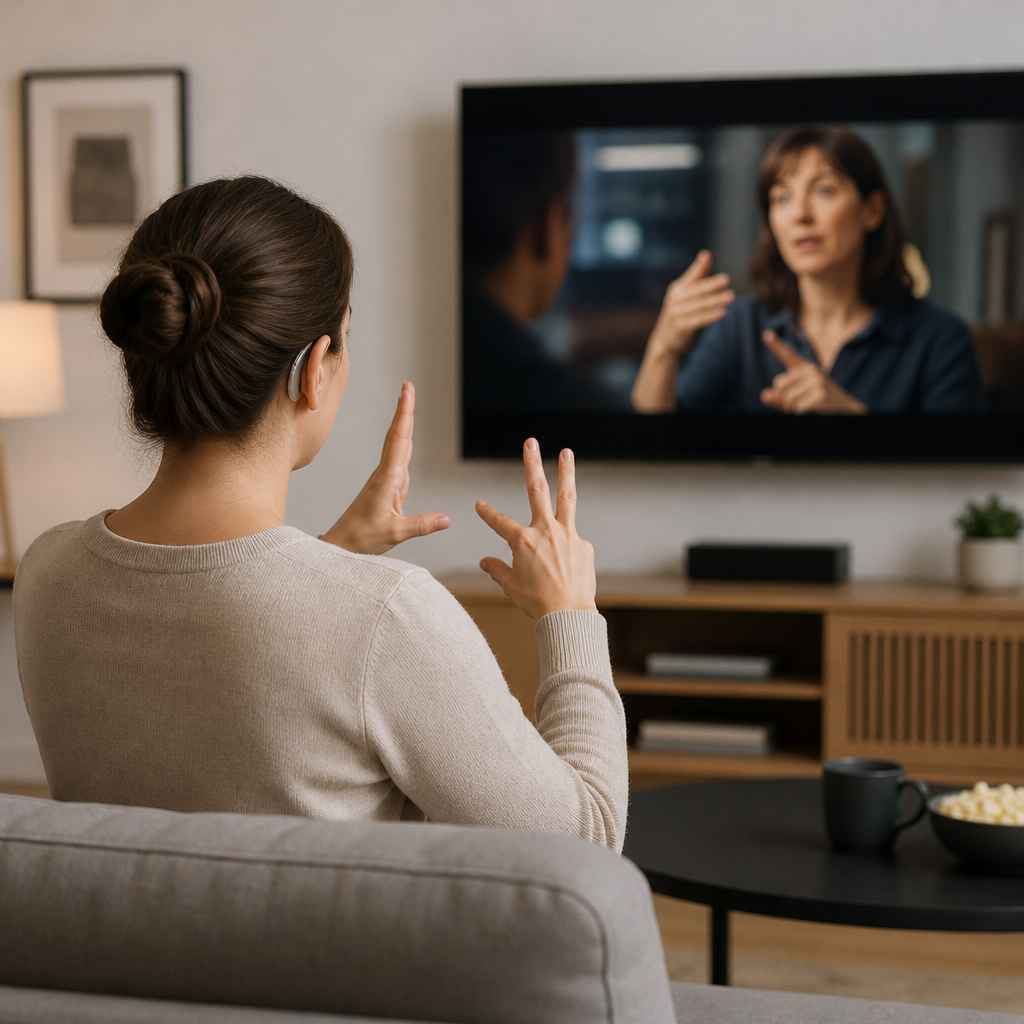

Profiles of influential Deaf advocates reveal how public leadership, cultural visibility, and policy change work together to expand access and reshape representation. In the context of media, representation, and awareness, Deaf advocates are people who use public platforms, professional achievements, organizing skill, or artistic influence to defend Deaf rights and elevate Deaf culture. This subtopic also overlaps with influencers and public figures, because advocacy now happens through film, television, politics, education, publishing, journalism, social media, and community institutions. I have worked with accessibility teams and Deaf-led campaigns, and one lesson is consistent: representation matters most when it is paired with language access, employment pathways, and decision-making power. A Deaf person on screen can change perception, but a Deaf executive, interpreter policy expert, or civil rights organizer can change systems. That distinction is central to understanding why these figures matter.
Deaf advocacy is not one story or one method. Some advocates focus on sign language recognition, some on captioning, some on education, some on anti-audism, and some on artistic excellence that forces mainstream audiences to reconsider assumptions. The most influential Deaf public figures often do several of these at once. They become visible symbols, but they also build institutions, mentor younger leaders, and push governments or media companies toward measurable accessibility standards. For readers exploring influencers and public figures as a hub topic, these profiles offer more than biography. They map the major lanes of Deaf public life: civil rights, performance, politics, digital media, sport, and education. Understanding those lanes helps explain how awareness grows, why some campaigns gain traction, and where future leadership is likely to emerge.
Why Deaf advocates shape media, policy, and public understanding
Influential Deaf advocates matter because they answer three public questions at once: Who speaks for Deaf communities, what barriers still exist, and how should institutions respond? In practice, their impact is visible in captioning requirements, interpreter access, inclusive casting, bilingual education debates, and the growing expectation that public communication should be accessible by default. In my experience, organizations often begin with symbolic interest in inclusion, then discover they need concrete guidance on procurement, compliance, language equity, and community trust. That guidance frequently comes from well-known Deaf leaders whose credibility is grounded in lived experience and years of public work.
Media visibility is especially important because hearing audiences often encounter Deaf people first through entertainment or news, not through direct relationships. That creates risk and opportunity. Poor representation can reduce Deaf identity to tragedy, inspiration, or medical deficit. Strong representation can normalize sign language, show Deaf professionals in authority, and present Deaf culture as a linguistic minority community rather than a problem to be fixed. Influential Deaf advocates are effective when they move the conversation from sympathy to rights. They insist on accurate casting, qualified interpreters, proper captions, and shared authority in storytelling. They also remind institutions that accessibility is not optional hospitality; it is participation.
Historic leaders who established the foundation of Deaf advocacy
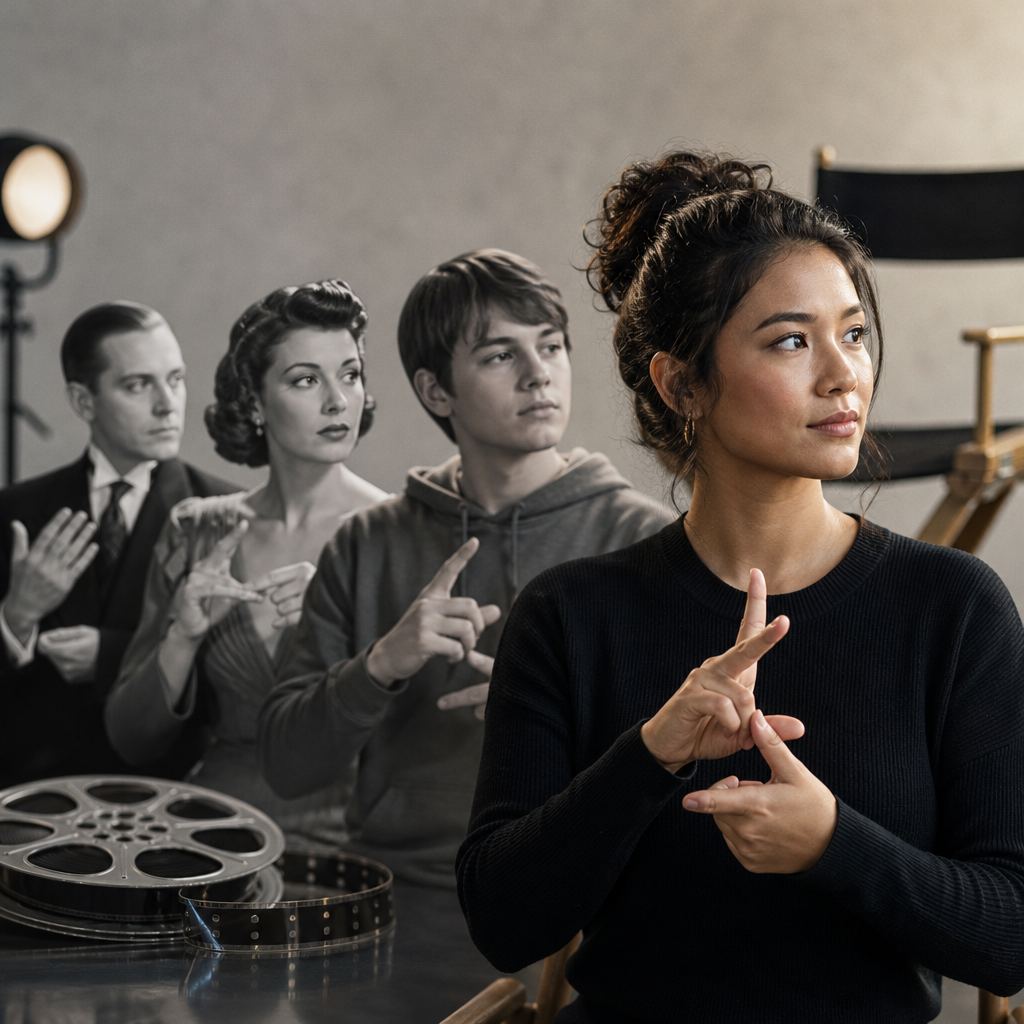
Any serious hub on Deaf public figures should begin with leaders who changed the terms of the conversation. Ferdinand Berthier, a nineteenth-century French Deaf educator and intellectual, helped frame Deaf people as a cultural and linguistic community. In the United States, George Veditz remains essential for his advocacy of sign language preservation. His 1913 film “Preservation of the Sign Language” is still cited because it documented a direct rebuttal to oralist pressure and argued that signed languages carry history, identity, and intellect. Long before social media, Veditz understood the power of media archives in shaping collective memory.
Another foundational figure is Alice Cogswell, whose life inspired the creation of the first permanent school for Deaf students in the United States, and Thomas Hopkins Gallaudet and Laurent Clerc, whose educational work helped establish institutional Deaf education. Clerc is particularly important as a Deaf educator who brought French Sign Language influence into what became American Sign Language. These names matter not simply for historical recognition, but because current debates about bilingual education, mainstreaming, and language deprivation all trace back to the systems they helped build or contest. Modern advocates still reference this history when arguing that early sign language exposure supports cognitive development, literacy, and social belonging.
Civil rights figures who turned community activism into national change
No profile set is complete without the leaders associated with the 1988 Deaf President Now movement at Gallaudet University. I. King Jordan became Gallaudet’s first Deaf president after student protests demanded Deaf leadership at the world’s most prominent Deaf university. The movement’s public faces included Jerry Covell, Bridgetta Bourne-Firl, Tim Rarus, and Greg Hlibok, whose organizing transformed a campus dispute into an international civil rights milestone. Deaf President Now mattered because it proved that representation at the highest level of an institution was not symbolic. Leadership changes authority, hiring, policy direction, and public expectations.
National Association of the Deaf leaders also deserve attention for sustained advocacy across generations. NAD campaigns have addressed telecommunications access, emergency communication, education policy, employment discrimination, and media standards. Figures such as Howard A. Rosenblum, a former NAD chief executive, helped translate community priorities into legal and policy arguments that institutions could not dismiss. What makes these advocates influential is durability. Viral attention can spotlight one issue, but civil rights progress usually comes from years of litigation, coalition building, board governance, and public testimony. Deaf advocates who master those processes often have the deepest long-term impact, even if they are less famous than entertainers.
Artists and performers who changed representation in mainstream culture
Performers often become gateway figures because audiences understand stories before they understand policy. Marlee Matlin remains one of the most influential Deaf public figures in the world. Her Academy Award-winning performance in “Children of a Lesser God” made history, but her long-term influence comes from decades of advocacy around casting, captioning, and Deaf inclusion in television and film production. She has consistently used interviews, memoir, and public appearances to challenge the idea that Deaf actors should be restricted to Deaf-specific roles. That insistence expanded opportunity while keeping disability rights in public view.
Nyle DiMarco brought another kind of visibility through reality television, fashion, production, and entrepreneurship. His wins on “America’s Next Top Model” and “Dancing with the Stars” introduced mainstream audiences to a confident Deaf celebrity who was not framed through pity. He later used that attention to support language access and early intervention through the Nyle DiMarco Foundation. Troy Kotsur deepened this shift with his Academy Award-winning performance in “CODA,” a film widely discussed for Deaf casting and the emotional precision of signed performance. Lauren Ridloff, known for stage work and Marvel’s “Eternals,” has also demonstrated that Deaf actors can occupy major genre franchises without being reduced to token roles.
| Advocate | Primary field | Key contribution | Why influence lasts |
|---|---|---|---|
| Marlee Matlin | Film and television | Mainstream acting success paired with accessibility advocacy | Changed casting expectations and public awareness |
| Nyle DiMarco | Media, fashion, entrepreneurship | Used celebrity visibility to promote language access | Reached younger audiences across platforms |
| Troy Kotsur | Film and performance | Advanced Deaf-authentic storytelling through acclaimed acting | Validated Deaf talent at the highest industry level |
| Lauren Ridloff | Theater and film | Brought Deaf representation into blockbuster entertainment | Expanded ideas about where Deaf actors belong |
Writers, speakers, and educators who shaped public thought
Influence is not limited to celebrities. Some of the most important Deaf advocates shape public understanding through books, lectures, scholarship, and teaching. Dr. I. Jordan, beyond his presidency, became a prominent speaker on Deaf leadership and self-determination. Dr. Dirksen Bauman is widely known for scholarship on Deaf studies and Deaf gain, a concept that reframes Deaf experience as a source of human diversity, insight, and visual intelligence rather than mere loss. In professional settings, I have seen this reframing help organizations move away from deficit-based language and toward stronger inclusion strategy.
Leah Hager Cohen, though hearing, wrote influentially about Deaf family experience, while Deaf authors and educators such as Raymond Luczak contributed directly to literary and cultural visibility. Paddy Ladd’s work on Deaf culture and identity remains central for readers trying to understand advocacy beyond accommodation. His framing of Deafhood gave many people a language for identity development, resistance to audism, and community formation. These thinkers matter because public narratives do not change only through legal wins or celebrity moments. They also change when vocabulary changes. Once institutions begin talking about language deprivation, Deaf gain, cultural identity, and visual learning, policy conversations become more accurate.
Digital creators, athletes, and public figures expanding the modern advocacy landscape
Today, influencers and public figures include creators who built audiences on YouTube, TikTok, Instagram, podcasts, and short-form news. This matters because many people now learn basic Deaf etiquette, sign language awareness, and accessibility expectations from creators rather than schools. Jessica Kellgren-Fozard, while representing multiple disability perspectives including hearing loss, is a strong example of educational digital storytelling with historical depth and practical advice. Chella Man has used art, modeling, and online platforms to discuss Deaf identity, intersectionality, and trans visibility. These creators succeed because they combine personality with explanation, making complex issues understandable without flattening them.
Athletes and public office holders also broaden the advocacy map. Terence Parkin, the South African Deaf swimmer who won an Olympic silver medal and multiple Deaflympics medals, demonstrated elite performance beyond stereotypes. Claudia L. Gordon, often recognized as the first Deaf Black female attorney in the United States, has held senior roles in federal policy and disability affairs, showing that Deaf leadership belongs in government, not only in cultural spaces. Senator Tom Harkin was hearing, but his long alliance with disability rights communities, including support for accessible communication, shows how Deaf advocates often work through strategic partnerships. The strongest modern hub pages on influencers and public figures should therefore include Deaf leaders, allied collaborators, and cross-disability coalition builders while keeping Deaf voices centered.
How to evaluate influence, authenticity, and lasting impact
Not every visible person is an influential advocate, and not every influential advocate is highly visible. The best way to evaluate Deaf public figures is to look at four markers: community credibility, policy or industry impact, consistency over time, and commitment to access beyond personal branding. A creator who posts occasional awareness content may have reach, but a leader who changes captioning policy, expands Deaf casting, or mentors Deaf youth has deeper influence. I usually advise teams to ask a practical question: if this person disappeared from the public conversation tomorrow, what structures would remain because of their work?
Authenticity also matters. Deaf communities are diverse across race, class, nationality, language use, technology preferences, and educational background. No single public figure can represent everyone. Strong advocates acknowledge those differences and avoid presenting one Deaf experience as universal. They are also careful about interpreter use, caption quality, and platform accessibility in their own communications. That consistency builds trust. For readers using this hub as a starting point, the next step is to follow individual biographies, speeches, films, and organizational histories connected to these figures. Study not just their fame, but their methods. Then support Deaf-led media, hire Deaf experts, and make accessibility a standard practice rather than a special project.
Profiles of influential Deaf advocates show that public change rarely comes from visibility alone. It comes from the combination of story, strategy, expertise, and persistence. Historic educators protected sign language when institutions tried to suppress it. Civil rights organizers turned campus protest into a global lesson on representation and authority. Actors and artists changed who audiences imagine when they think about talent, leadership, and Deaf identity. Writers and scholars gave the public better language for understanding culture, rights, and belonging. Digital creators, athletes, and policy professionals continue to expand the field, proving that Deaf advocacy is not limited to one profession or one style of public presence.
As a hub within media, representation, and awareness, this topic works best when it leads readers outward. Explore the lives behind the names, compare advocacy approaches, and notice how influence operates differently in law, entertainment, education, and online culture. The main benefit of studying these public figures is clarity: you begin to see which forms of representation are symbolic and which actually redistribute access and power. Use that clarity well. Read Deaf-led sources, share accurate work, and support the advocates and creators building a more accessible public world today.
Frequently Asked Questions
What makes someone an influential Deaf advocate?
An influential Deaf advocate is someone who helps expand understanding, access, and opportunity for Deaf people through visible, sustained action. That influence can come from many places. Some advocates shape public opinion through media appearances, books, film, performance, or social media. Others change systems by working in education, law, interpreting policy, disability rights, or community organizing. What connects them is not simply fame, but impact. They help shift how Deaf people are represented, how institutions respond to accessibility, and how Deaf culture is understood by broader society.
In many profiles of influential Deaf advocates, leadership appears in several forms at once. A person may be an artist and an activist, or a teacher and a policy reformer, or a public figure who uses visibility to challenge stereotypes. Their work often includes defending sign languages, promoting equal access to communication, opposing audism, and insisting that Deaf people be included in decisions that affect their lives. Influence is also measured by how effectively an advocate opens doors for others. When one person’s work leads to stronger legal protections, better captions, more Deaf-centered storytelling, or wider respect for Deaf identity, that person becomes influential in a way that extends beyond individual achievement.
Why are profiles of Deaf advocates important in conversations about media, representation, and awareness?
Profiles of Deaf advocates are important because they move public discussion beyond abstract ideas and show how change actually happens. Instead of treating accessibility or representation as broad concepts, these profiles highlight real people who challenged barriers, built platforms, and changed institutions. That gives readers a clearer understanding of the relationship between identity, culture, visibility, and power. In media and awareness work, personal stories often shape public attitudes more effectively than statistics alone, especially when those stories reveal both systemic obstacles and meaningful progress.
These profiles also correct a long history of misrepresentation. Deaf people have often been portrayed by hearing institutions through narrow, incomplete, or stereotyped narratives. By centering Deaf advocates themselves, articles can foreground Deaf perspectives on language, education, civil rights, technology, and culture. This matters because awareness is not just about making hearing audiences familiar with Deaf experiences. It is also about recognizing Deaf people as leaders, creators, experts, and decision-makers. Strong profiles show that advocacy is not limited to protest or politics; it also happens in acting, journalism, scholarship, entrepreneurship, sports, and digital content creation. That wider lens helps audiences see Deaf advocacy as a dynamic public force rather than a marginal issue.
How have influential Deaf advocates changed public policy and accessibility?
Influential Deaf advocates have played a major role in pushing institutions to recognize communication access as a civil and human rights issue rather than a special accommodation. Their work has contributed to advances in captioning, sign language interpretation, equal access in education, workplace inclusion, telecommunications access, emergency communication standards, and broader disability rights protections. In many cases, these changes did not happen automatically. They resulted from years of public pressure, legal action, coalition building, and persistent demands that Deaf people be included in policy decisions.
Advocates also help translate lived experience into practical reform. For example, they may expose the consequences of inaccessible classrooms, untranslated public information, or media content released without captions. They may testify before lawmakers, advise organizations, or lead campaigns that make barriers impossible to ignore. Just as importantly, they often change the terms of the conversation. Instead of framing access as optional or charitable, they emphasize language rights, civic participation, educational equity, and cultural respect. That shift in framing can influence legislation, corporate policy, and public expectations. Over time, the work of visible Deaf advocates helps create a social environment in which accessibility is understood as a basic standard.
In what ways do social media, film, television, and online platforms shape modern Deaf advocacy?
Modern Deaf advocacy increasingly happens through digital and visual platforms because these spaces allow Deaf public figures to speak directly to large audiences without relying entirely on traditional gatekeepers. Social media has made it easier for Deaf advocates to share signed content, educate viewers about Deaf culture, respond quickly to current events, and build international communities. It also allows activists, creators, and educators to challenge misinformation in real time. This direct visibility is powerful because it gives audiences access to Deaf perspectives in Deaf people’s own language and style, often with a level of authenticity that older media formats did not provide.
Film and television also play a major role because representation in popular culture shapes how society understands Deaf life. When Deaf actors, writers, directors, and consultants influence storytelling, audiences are more likely to encounter complex, accurate portrayals instead of one-dimensional characters. Online video platforms and short-form content further expand this influence by turning everyday communication, cultural explanation, and advocacy into shareable public education. At the same time, these platforms are not automatically inclusive. Advocates still push for accurate captions, accessible livestreams, fair casting, and meaningful creative control. So while digital media has opened enormous opportunities, influential Deaf advocates remain essential in making sure visibility leads to respect, access, and structural change rather than token attention.
What should readers look for when learning about influential Deaf advocates?
Readers should look for more than a list of accomplishments. The most useful profiles explain the context around a person’s work: what barriers they confronted, what community needs they addressed, and what lasting changes they helped produce. It is important to notice whether the advocate’s influence comes through policy, art, scholarship, grassroots leadership, business, athletics, or media visibility. Many of the strongest advocates work across several of these areas. Readers should also pay attention to whether the profile reflects Deaf-centered perspectives, including the importance of sign language, identity, community networks, and cultural self-definition.
It is also valuable to ask how an advocate’s work connects individual success to collective progress. Some public figures become symbols of visibility, but the deeper question is whether their work improves conditions for others. A strong profile should show how that person affected representation, access, education, law, or public understanding. Readers should be alert to oversimplified narratives that portray Deaf advocates only as inspirational figures overcoming adversity. While resilience may be part of the story, the fuller picture includes strategy, expertise, political insight, and community accountability. Learning about influential Deaf advocates is most meaningful when it reveals not just who they are, but how their leadership helps reshape society’s expectations about inclusion, language, and rights.