
Misunderstandings about deaf individuals shape how people are treated in classrooms, workplaces, hospitals, newsrooms, and everyday conversation. Those misunderstandings often sound harmless at first: deaf people can read lips, all deaf people use sign language, hearing technology fixes deafness, or deafness is mainly a medical problem. In practice, these myths limit access, flatten identity, and encourage policies based on assumption instead of evidence. A clear discussion of deaf stereotypes matters because media representation, public awareness campaigns, and institutional decisions frequently borrow from the same narrow stories. When those stories go unchallenged, they influence hiring, education, customer service, emergency communication, and even family relationships.
In this context, deaf refers broadly to people with significant hearing loss, including those who identify as Deaf with a capital D as part of a linguistic and cultural community. That distinction is important. Many people understand deafness only through an audiogram or diagnosis, but lived experience is shaped just as much by language access, community belonging, and environmental barriers. Hearing loss itself exists on a spectrum, and communication preferences vary widely. Some people use American Sign Language, British Sign Language, or other national sign languages. Some rely on spoken language, cued speech, captioning, cochlear implants, hearing aids, or a mix of methods that changes by setting.
I have seen the same pattern repeatedly when reviewing media coverage and accessibility plans: a single stereotype gets repeated until it starts to look like common sense. Then organizations design around the stereotype rather than around actual deaf lives. This hub article examines misrepresentation and stereotypes comprehensively, explains why common myths persist, and sets a foundation for deeper articles across the broader media, representation, and awareness topic. If you want to understand what accurate portrayal looks like, start by replacing assumptions with specifics.
Why stereotypes about deaf individuals persist
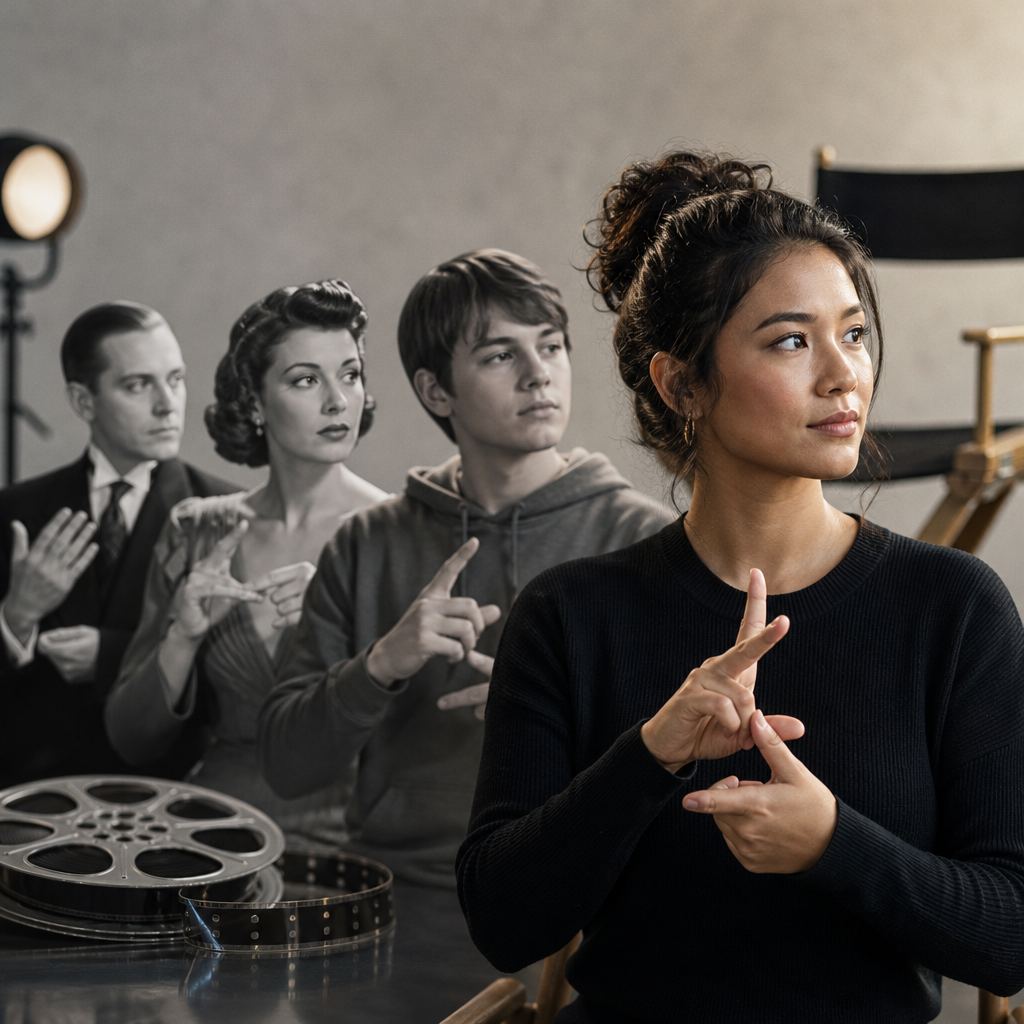
Stereotypes survive because most hearing people have limited direct experience with deaf communities, so they fill the gap with simplified images from film, television, charity campaigns, and school lessons. Historically, deaf characters were framed as inspirational, tragic, isolated, or magically perceptive. Those stock roles are easy to recognize and easy to repeat. They also fit older models that treated disability mainly as personal deficiency rather than a mismatch between people and inaccessible systems. Once that frame is established, every story gets bent to fit it.
Media production practices reinforce the problem. Writers often build deaf characters around one visible trait instead of creating a full social context that includes language, family dynamics, technology, education, and power. News stories may focus on a breakthrough device while barely mentioning interpreter shortages or captioning failures. Brand campaigns celebrate inclusion with a single signed slogan but omit consultation with deaf creators. In my experience auditing accessibility messaging, the issue is rarely open hostility. It is overconfidence paired with shallow research.
Education systems also contribute. Many hearing adults were taught little about Deaf culture, signed languages, or communication rights under laws such as the Americans with Disabilities Act. Without that background, they interpret deafness through intuition, and intuition is often wrong. For example, they assume effort alone overcomes communication barriers, or that a person who speaks clearly must not need accommodations. These ideas persist because they are rarely corrected in ordinary public discourse.
Myth: all deaf people communicate the same way
This is the most common and most damaging myth. Deaf individuals do not form a single communication category. Some use sign language as their primary language. Some are bilingual in a signed language and a written or spoken language. Some grew up oral, some became deaf later in life, and some switch methods depending on fatigue, background noise, group size, and whether interpreters or captions are available. Treating deaf people as if they all communicate identically leads to poor service and exclusion.
A practical example is the assumption that writing notes always solves communication. In a pharmacy or emergency room, written English may not provide equal access for a person whose primary language is ASL, which has different grammar and structure. The opposite assumption is also common: staff book an interpreter without asking whether the individual prefers captioning, speech-to-text, or direct spoken communication. Best practice is simple: ask the person what works, confirm logistics, and avoid turning communication into a guessing game.
Sign languages themselves are frequently misrepresented. There is no universal sign language. ASL is distinct from BSL, and both differ from Auslan, Langue des Signes Française, and many others. Fluency matters, regional variation exists, and signing styles differ by community and generation. Accurate representation starts by recognizing that language choice is not a prop. It is part of identity, cognition, education, and access.
Myth: lip reading makes communication easy
Many hearing people believe lip reading is a dependable substitute for access. It is not. Even skilled speechreaders cannot see every sound on the lips, and many words look identical when spoken. Mustache coverage, lighting, masks, accents, speed, and head movement reduce accuracy further. Researchers and advocacy organizations have long noted that only a portion of spoken English is visually distinguishable on the mouth. That means lip reading requires inference, context, and constant concentration.
I have watched meeting organizers say, “Just sit where you can see me,” as if that solves everything. It does not. Group discussions, overlapping speakers, and side comments make speechreading especially unreliable. The cognitive load is high, which increases fatigue and decreases retention. A person may appear to follow a conversation while actually filling gaps and hoping they guessed correctly.
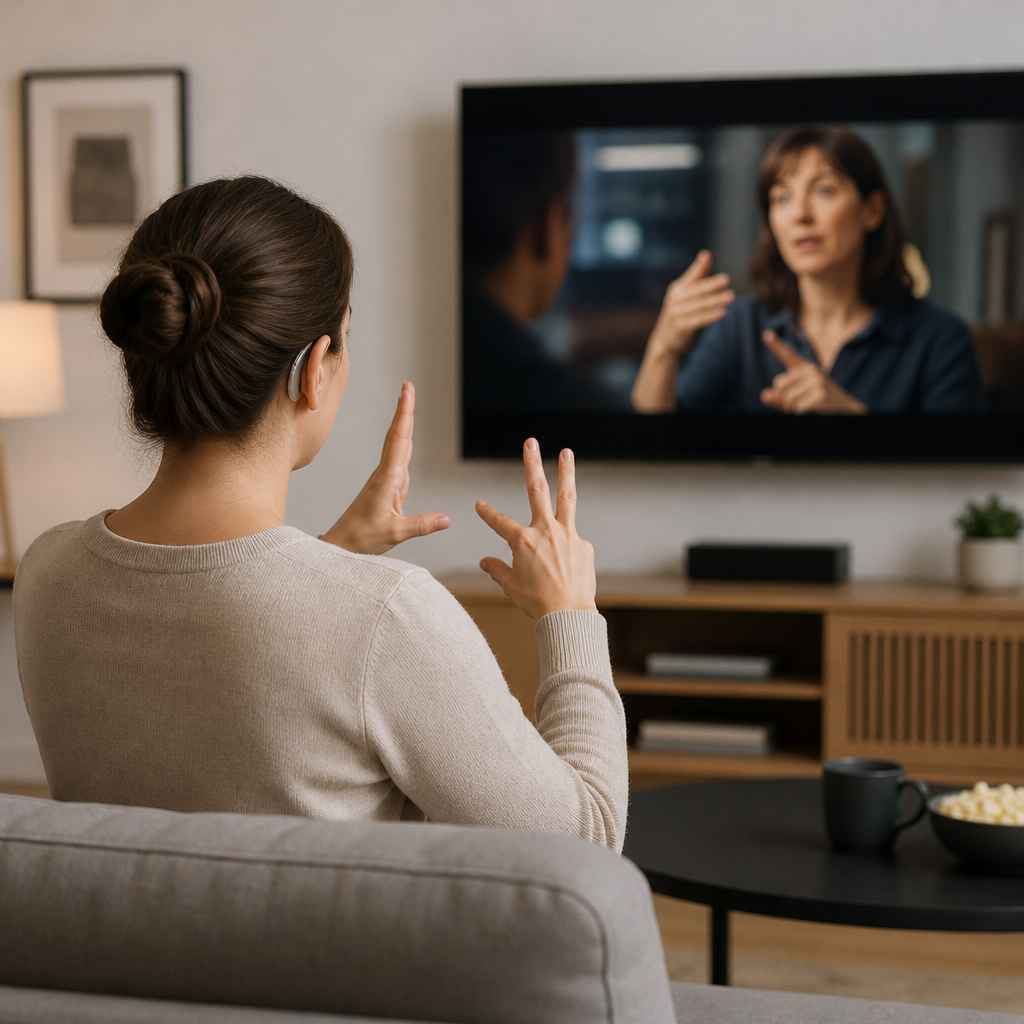
Captioning, clear turn-taking, microphones, good lighting, and written follow-up improve communication far more consistently than expecting lip reading to carry the whole exchange. When media shows a deaf character effortlessly understanding every line by watching lips, it creates unrealistic expectations for real people. Those expectations later become blame: if access failed, the deaf person must not have tried hard enough. That is backwards. The environment failed first.
Myth: hearing aids or cochlear implants restore normal hearing
Assistive technology can be life-changing, but it does not erase deafness or produce a single universal outcome. Hearing aids amplify sound; they do not correct all distortion, especially in noisy spaces. Cochlear implants bypass damaged parts of the ear and send signals to the auditory nerve, but outcomes depend on age of implantation, anatomy, rehabilitation, duration of deafness, device programming, and access to training. Sound through an implant is not the same as natural hearing, and performance varies by person and setting.
This myth matters because it drives policy mistakes. Employers assume no accommodation is needed after a device fitting. Teachers reduce captioning support. Families expect technology to settle identity questions that are actually social and linguistic. In reality, many deaf people with devices still need interpreters, captions, visual alerts, favorable acoustics, or flexible communication norms. Technology should expand options, not become an excuse to withdraw access.
Balanced representation also requires acknowledging choice. Some deaf people enthusiastically use hearing technology; others decline it, use it selectively, or have complex feelings shaped by culture, cost, surgery, maintenance, stigma, and prior experience. None of these positions automatically signals denial, failure, or backwardness. They reflect informed judgments about benefit, burden, and identity.
Myth: deafness is only a medical issue, not a cultural or social one
Reducing deafness to diagnosis strips away the reality that many Deaf people belong to a language community with shared norms, humor, history, and institutions. Deaf clubs, residential schools, theater, poetry, visual storytelling, and advocacy networks have sustained that community across generations. To portray deafness only as loss is to miss what people build together in response to exclusion and in celebration of shared language.
The social dimension is just as important. Much of the difficulty associated with deafness comes from inaccessible environments rather than hearing status alone. A video without captions, a public announcement with no visual backup, or a hiring process built around phone screening creates disability through design. Change the design and the barrier often shrinks dramatically. This is why accurate awareness work focuses on communication access, not pity.
That does not mean medical realities are irrelevant. Audiology, early intervention, mental health support, and hearing healthcare all matter. The point is that no single lens is sufficient. In practice, the most effective policies combine healthcare, language access, disability rights, and cultural respect instead of forcing people into one narrative.
How stereotypes show up in media, education, and work
Misrepresentation becomes concrete when institutions act on it. In media, deaf characters are often played by hearing actors, written with unrealistic signing, or positioned mainly to teach hearing characters empathy. In schools, deaf students may be mainstreamed without qualified interpreters, captioned materials, or teachers trained in accessible instruction. At work, managers may assume meetings are inclusive because slides are shared afterward, even though decisions happened live without effective access.
The patterns are consistent enough to map clearly.
| Setting | Common stereotype | Typical consequence | Better practice |
|---|---|---|---|
| Film and television | Deaf character exists only as inspiration or tragedy | Flat portrayal, limited roles, public misunderstanding | Hire deaf writers, actors, consultants, and show full social context |
| Schools | One accommodation fits every deaf student | Language deprivation, isolation, weaker learning outcomes | Individualized access plans with interpreters, captions, visual supports, and family education |
| Healthcare | Writing notes is always enough | Consent errors, missed symptoms, unequal care | Provide qualified interpreters, real-time captioning, and plain-language confirmation |
| Workplaces | Technology removed the need for accommodation | Exclusion from meetings, stalled advancement, frustration | Use captioned meetings, communication protocols, and accessible emergency systems |
These examples show why stereotypes are not merely offensive ideas. They shape outcomes. The National Association of the Deaf, World Federation of the Deaf, and disability rights frameworks consistently emphasize access, self-determination, and consultation because generic good intentions do not protect against structural exclusion.
What accurate representation of deaf individuals looks like
Accurate representation starts with complexity. Deaf people should appear in stories as professionals, parents, students, artists, athletes, neighbors, and leaders whose lives are not reducible to hearing status. Communication should be shown realistically, including interpreters, captions, texting, visual cues, and occasional friction when systems fail. When sign language is present, production teams should work with fluent signers and native users so dialogue, pacing, and camera framing support meaning rather than distort it.
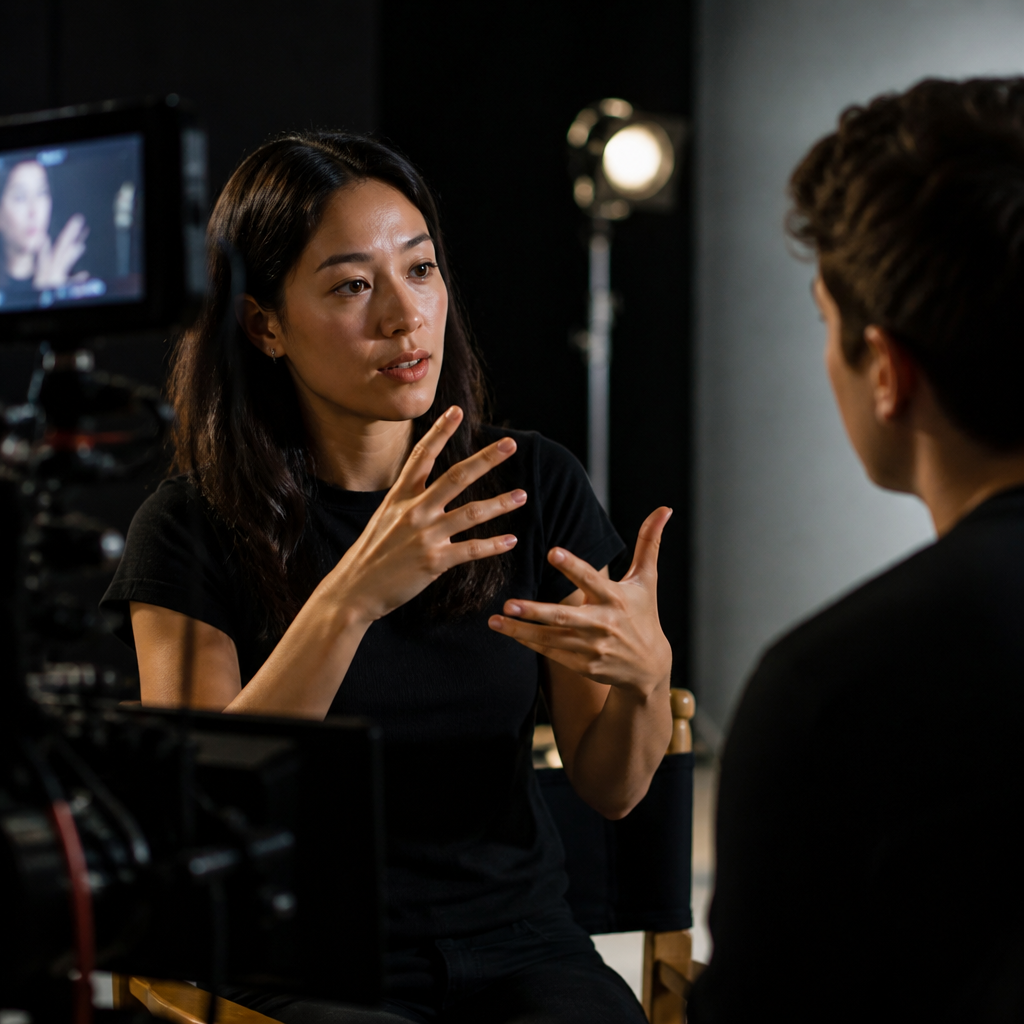
Representation also improves when deaf people control more of the process. Casting deaf actors in deaf roles is the baseline, not the finish line. Editorial authority matters just as much. Deaf consultants can flag errors a hearing team may never notice, such as impossible lip-reading scenes, inaccurate classroom dynamics, or the assumption that every family responds to deafness in the same way. In projects I have assessed, early consultation is consistently cheaper and more effective than late-stage corrections.
For organizations building awareness content, the practical standard is straightforward: use person-centered language where appropriate, respect identity labels people choose for themselves, caption everything, avoid miracle narratives, and show multiple pathways to communication and success. Good representation informs without romanticizing and critiques barriers without erasing agency.
How to challenge myths and build better awareness
Correcting stereotypes requires repeated, specific action. Start by asking direct questions instead of relying on assumptions: What communication method do you prefer? Are captions available? Is the interpreter qualified for this setting? Can visual alerts back up audio information? Small procedural changes prevent large failures. For educators and managers, accessibility should be planned before an event or term begins, not improvised after a complaint.
Content creators should audit scripts, imagery, and sourcing. If every deaf story centers loss, dependence, or technological rescue, the frame is too narrow. Include deaf experts, not just personal testimony. Cite recognized organizations, legal obligations, and language access standards. In journalism, that means moving beyond the sentimental profile toward accountability reporting on interpreter access, emergency preparedness, education quality, and employment equity.
For readers using this page as a hub within media, representation, and awareness, the key principle is simple: replace shorthand narratives with informed detail. Learn the difference between hearing loss and Deaf identity. Understand why captioning, interpreters, and visual design matter. Notice when a story presents one deaf experience as universal. Then carry that awareness into the next article, the next meeting, and the next piece of media you create or share.
Breaking down myths about deaf individuals is not about policing language for its own sake. It is about making room for reality. Deaf people are diverse in language, culture, technology use, education, and identity. The most persistent stereotypes fail because they treat that diversity as inconvenience instead of fact. Once you understand that, misleading portrayals become easier to spot and better representation becomes easier to build.
The main benefit of challenging stereotypes is practical as well as ethical: communication improves, services become more accurate, and institutions make fewer decisions based on fiction. Whether you work in media, education, healthcare, or business, the next step is the same. Review your assumptions, consult deaf voices early, and design for access from the start.
Frequently Asked Questions
Do all deaf individuals use sign language?
No. One of the most common myths about deaf individuals is that all deaf people use sign language in the same way, but deaf people are not a single, uniform group. Some use American Sign Language, British Sign Language, or another national sign language as their primary language. Others rely more on spoken language, lipreading, captioning, hearing devices, cued speech, writing, or a combination of communication methods depending on the setting. Some people are born deaf and grow up in Deaf communities where sign language is central to identity and culture, while others become deaf or hard of hearing later in life and may not know any sign language at all. Assuming that every deaf person signs can create barriers just as quickly as assuming none do. The most respectful approach is simple: ask what communication method works best for that individual, and then provide access accordingly.
Can deaf people read lips well enough to follow conversations without other accommodations?
Usually not. Lipreading can help in some situations, but it is not a complete or reliable substitute for accessible communication. Many speech sounds look the same on the lips, some words are visually indistinguishable, and normal conversation includes fast pacing, accents, facial hair, poor lighting, side conversations, and people turning away while speaking. Even highly skilled lipreaders often catch only part of what is being said and must fill in the rest through context, which can be exhausting and inaccurate. That matters in places like classrooms, medical appointments, workplaces, and news settings, where missing even a few details can have serious consequences. Treating lipreading as a full solution puts the burden on deaf individuals to guess their way through information that hearing people receive easily. Captions, interpreters, written follow-up, visual alerts, and clear turn-taking are often necessary to make communication truly accessible.
Do hearing aids and cochlear implants “fix” deafness?
No. Hearing technology can be helpful, sometimes life-changing, but it does not erase deafness or make every listening situation easy. Hearing aids amplify sound, and cochlear implants provide access to sound in a very different way from natural hearing, but outcomes vary widely from person to person. Background noise, group discussions, distance, fatigue, device settings, and individual hearing profiles all affect how much access someone has in real life. Even people who benefit greatly from technology may still need captions, interpreters, visual communication, or environmental adjustments. It is also important to understand that not every deaf person wants the same technology, qualifies for it, can afford it, or sees deafness as something that needs to be “fixed.” Framing technology as a cure oversimplifies both deaf experiences and the social barriers people face. Access is not created by devices alone; it is created when institutions and communities provide communication support without forcing deaf people to adapt on their own.
Is deafness mainly a medical problem rather than a cultural or social identity?
Not necessarily. Deafness can be discussed in medical terms, especially in relation to hearing levels, diagnoses, treatment options, or health services, but that is only one part of the picture. For many people, being Deaf is also a cultural and linguistic identity connected to community, shared history, sign language, social norms, and pride. When society treats deafness only as a defect or limitation, it overlooks the fact that many barriers come from inaccessible systems rather than from deaf people themselves. A classroom without captions, a workplace meeting without interpretation, or a hospital that does not provide effective communication creates disability through exclusion. In that sense, myths about deafness often reflect a narrow hearing-centered view of the world. A fuller understanding recognizes both the practical realities of hearing loss and the legitimacy of Deaf culture, language, and identity. This shift matters because it changes policy, attitude, and everyday behavior from pity and correction to access, respect, and inclusion.
Why are myths about deaf individuals harmful if they seem harmless or well-intended?
They are harmful because they shape expectations, decisions, and policies in ways that reduce access and limit opportunity. A person who assumes a deaf employee can just read lips may decide not to provide captions for meetings. A teacher who assumes all deaf students have the same needs may ignore individualized accommodations. A doctor who speaks louder instead of ensuring effective communication may leave a patient without critical health information. Even seemingly small stereotypes can flatten identity by treating deaf people as inspirational exceptions, technical problems to solve, or members of a single group with identical experiences. Over time, those assumptions affect hiring, education, emergency communication, media representation, and personal relationships. Well-intended myths are still myths if they replace listening with guesswork. The better approach is evidence-based and person-centered: do not assume, ask what access is needed, recognize that deaf people have varied lives and preferences, and understand that inclusion depends on removing communication barriers rather than expecting deaf individuals to navigate them alone.