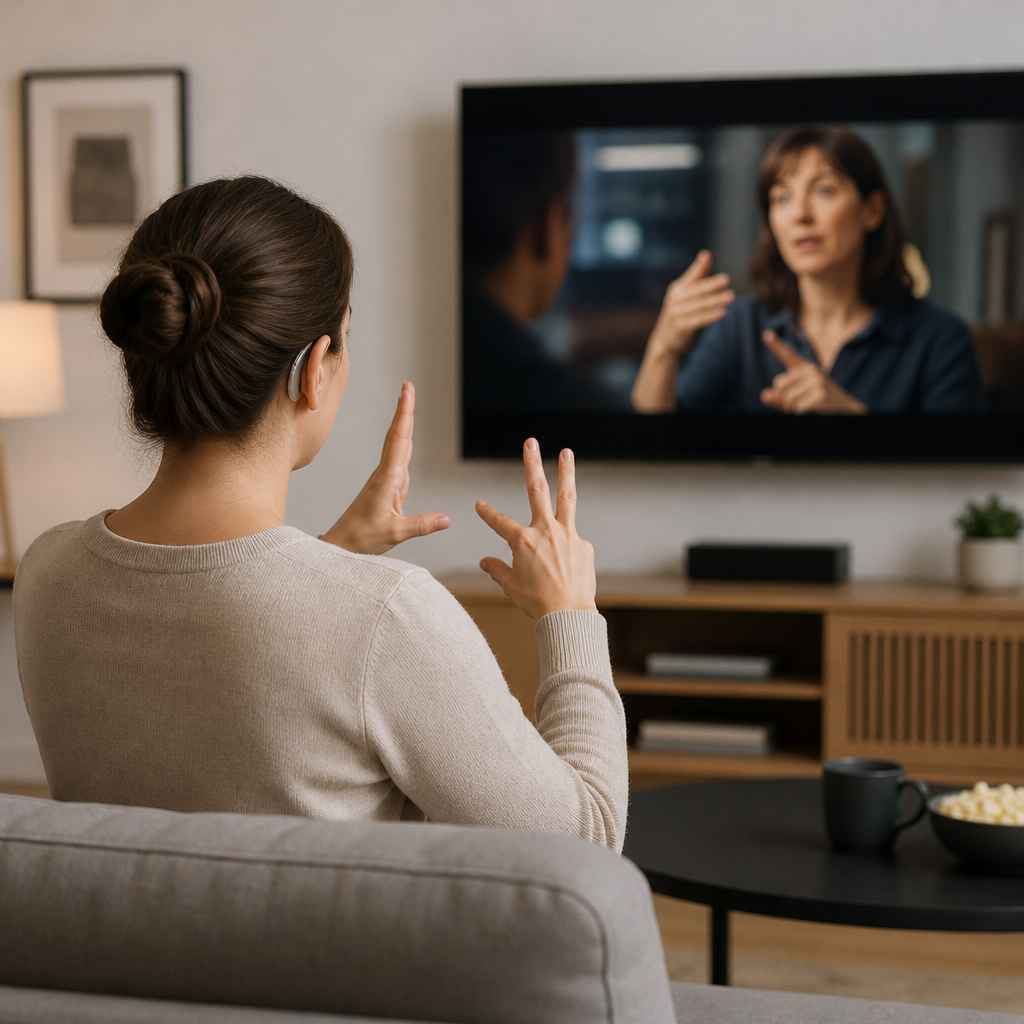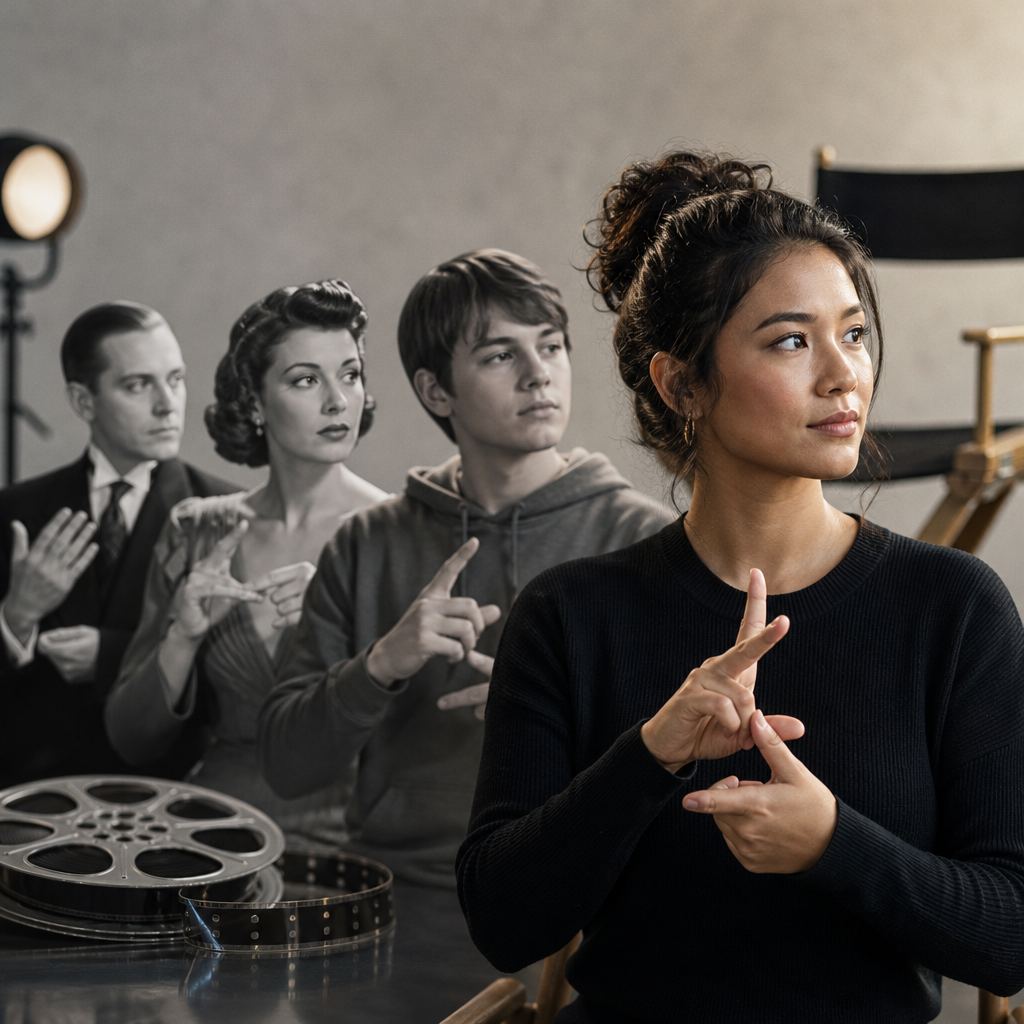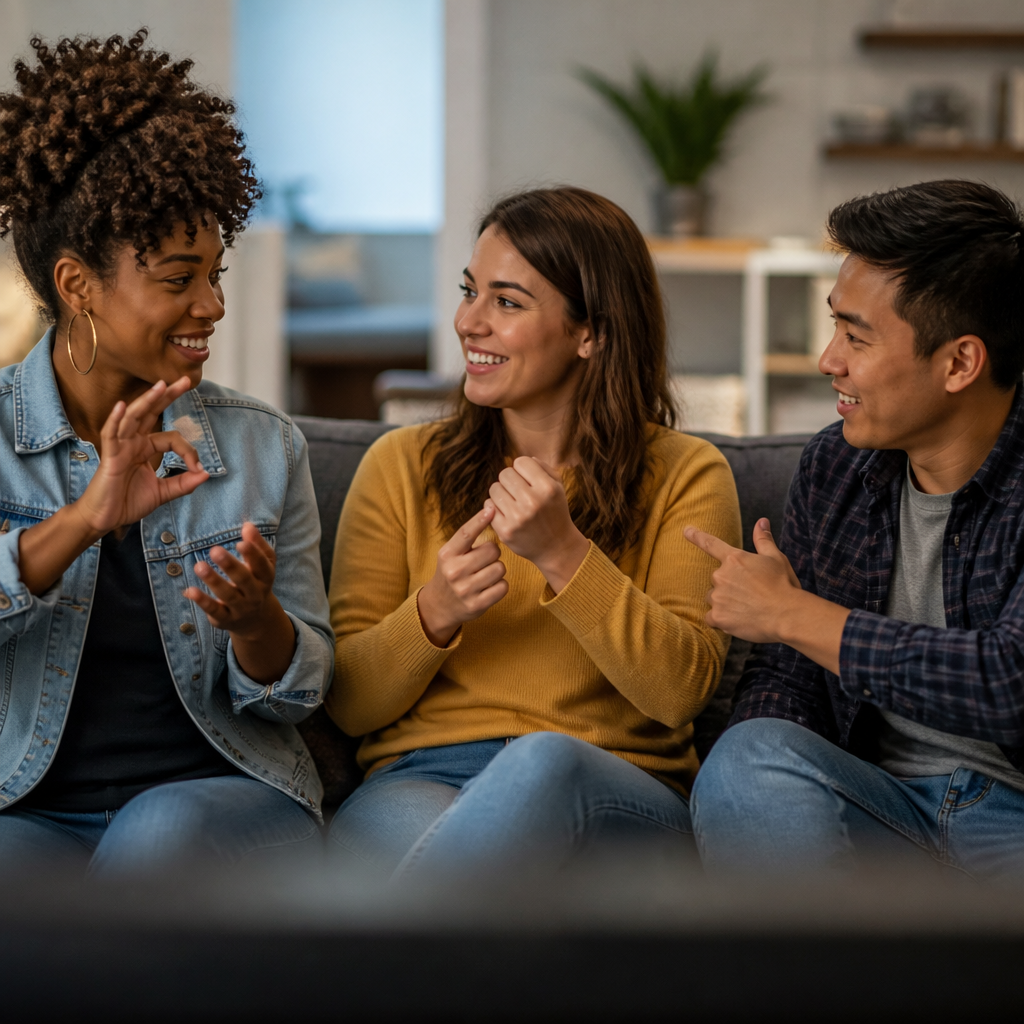

Changing the narrative around Deaf lives starts with a simple correction: Deaf people are not a problem to be explained, fixed, or used as inspiration, but a diverse cultural and linguistic community whose stories deserve accuracy, complexity, and control. In media, schools, healthcare campaigns, journalism, and everyday social content, misrepresentation happens when hearing-led perspectives flatten Deaf experience into tropes such as tragedy, heroic overcoming, silence, or magical lip-reading. Stereotypes are the repeated shortcuts that make those distortions feel normal. Authentic Deaf stories do the opposite. They center Deaf voices, respect signed languages, show varied identities, and portray conflict without reducing a person to hearing status. This matters because representation shapes policy, hiring, education, family expectations, and public behavior. After years reviewing accessibility audits, community-led campaigns, and entertainment coverage, I have seen one consistent pattern: when Deaf people participate only at the end, errors multiply; when Deaf people lead from concept to distribution, the work becomes more accurate, more useful, and more compelling. As a hub for misrepresentation and stereotypes within media, representation, and awareness, this guide explains the most common false narratives, why they persist, how they cause measurable harm, and what creators, institutions, brands, educators, and journalists should do differently.
The most common stereotypes about Deaf people
The most durable stereotypes fall into a few categories. The first is the deficit story, where deafness is framed only as loss, absence, or isolation. In this version, every plot circles back to what a Deaf person supposedly lacks rather than what they know, build, sign, create, teach, or enjoy. The second is the inspiration story, sometimes called inspiration framing, where ordinary life achievements are treated as extraordinary only because a Deaf person did them. A Deaf athlete, parent, student, or executive becomes a motivational device for hearing audiences instead of a fully developed subject.
A third stereotype is the communication myth. Many scripts and news features assume all Deaf people lip-read fluently, speak in the same way, or use one universal sign language. None of that is true. American Sign Language, British Sign Language, and other national signed languages are distinct languages with their own grammar, vocabulary, and cultural histories. Lip-reading is limited and context dependent; even excellent speechreaders miss significant information, especially in group settings, poor lighting, or with facial hair, accents, masks, and fast speech. Another stereotype casts Deaf people as either helpless or superhuman with technology. Cochlear implants, hearing aids, captioning, relay services, and video platforms are tools, not personality types, and outcomes vary widely.
The final harmful pattern is the symbolic Deaf character. This character exists to teach a hearing protagonist empathy, patience, or gratitude. Their inner life is thin, their signing is rarely accurate, and their choices are shaped by what makes hearing viewers comfortable. These stereotypes stay common because they are efficient shortcuts for writers and producers under deadline pressure. They are also reinforced by casting decisions, inaccessible writers’ rooms, and the mistaken belief that disability representation is niche rather than mainstream. Every one of these habits can be corrected, but only if teams identify them early.
Why misrepresentation causes real-world harm
Misrepresentation is not a cosmetic issue. It changes how people behave toward Deaf individuals in schools, clinics, workplaces, and public spaces. When audiences repeatedly see Deaf people portrayed as dependent, they underestimate competence. That affects hiring decisions, promotion tracks, and client-facing opportunities. When a teacher has absorbed media myths about language deprivation or low expectations, a Deaf student may be pushed toward reduced academic goals instead of bilingual education, interpreters, and rigorous content access. In healthcare, inaccurate assumptions about communication can lead staff to rely on written notes when a qualified sign language interpreter is necessary, increasing consent and safety risks.
Public stereotypes also influence family decisions. Many hearing parents of Deaf children meet medical messaging before they meet Deaf adults. If the first stories they hear emphasize cure, burden, or social limitation, they may delay exposure to accessible language. Research and community experience both show that early language access matters profoundly for cognitive development, educational readiness, and social connection. Authentic storytelling can broaden those choices by showing Deaf mentors, Deaf professionals, and signing families as normal and successful, not exceptional anomalies.
There is also cultural harm. Signed languages and Deaf cultural norms are often erased or treated as secondary to speech training. That erasure weakens public understanding of Deaf gain, a concept used by scholars and advocates to describe the unique social, visual, and communicative insights emerging from Deaf experience. A society that only sees deafness as impairment misses the value Deaf people contribute in design, performance, visual communication, language innovation, and community problem-solving. Better representation therefore is not charity. It is accuracy, and accuracy improves public decisions.
How stereotypes show up across media and institutions
Misrepresentation appears differently depending on format. In film and television, it often appears through hearing actors cast in Deaf roles, unrealistic communication scenes, and plots where a device instantly resolves every barrier. In journalism, the problem is framing. Reporters may center the reactions of hearing relatives, doctors, or teachers while quoting few Deaf sources. Headlines often use emotionally loaded language such as suffering, silence, trapped, or despite being deaf. In advertising, Deaf people are sometimes included visually but not meaningfully, appearing in campaign imagery without captions, sign language consultation, or an accessible landing page.
Social media has intensified both progress and risk. Deaf creators can now publish directly, build audiences, and correct misconceptions quickly. At the same time, short-form content rewards simplification. A thirty-second clip can spread false “facts” about sign language, hearing technology, or Deaf etiquette much faster than a careful explanation can catch up. Educational institutions also contribute to the problem when awareness materials feature one-dimensional success stories during special observance months but ignore year-round accessibility, curriculum inclusion, and Deaf leadership.
| Context | Common Misrepresentation | Better Practice |
|---|---|---|
| Film and TV | Hearing actor plays Deaf role; signing is inaccurate | Cast Deaf talent and use Deaf language coaches from preproduction onward |
| News reporting | Story centers hearing family or clinician opinions | Interview multiple Deaf sources and explain communication access clearly |
| Advertising | Visual inclusion without captions or signed content | Build accessible creative, captions, sign versions, and usable landing pages |
| Schools | Awareness events rely on pity or “overcoming” messaging | Teach Deaf culture, signed languages, and structural access needs accurately |
| Healthcare | Assumes note writing replaces interpreting | Provide qualified interpreters and confirm informed communication |
Across all these settings, the pattern is consistent: when Deaf people are treated as subjects rather than decision-makers, representation drifts toward stereotype. The corrective is structural, not symbolic. Inclusion must happen at commissioning, budgeting, staffing, review, and distribution stages.
What authentic Deaf stories actually look like
Authentic Deaf stories are specific. They acknowledge that Deaf people differ by race, nationality, class, age, education, communication preference, and relationship to technology. One character may use ASL as a first language and prefer interpreters. Another may be late-deafened, use captions heavily, and not sign fluently. A third may move between Deaf and hearing spaces with ease while still encountering barriers. Authenticity does not require a flawless or idealized portrayal. It requires internal truth, linguistic respect, and enough context that the audience understands the environment around the person, not just the person alone.
In practice, authentic stories show ordinary life with the same narrative richness afforded to hearing characters. They include work tensions, family humor, romance, conflict, ambition, boredom, and community ties. They do not make every scene about communication breakdown, yet they also do not pretend barriers disappear. When communication access matters, authentic work gets the details right: eye contact before signing, turn-taking in groups, visual alerts, interpreter positioning, caption quality, and the fatigue that comes from navigating inaccessible environments. Those details are not decorative. They are the difference between token inclusion and lived reality.
Language is central. Signed languages should be treated as languages, not gestures or supplementary decoration. Subtitles and captions should convey meaning accurately, including who is speaking, tone when relevant, and non-speech audio information where necessary. For institutions publishing campaigns or educational materials, authenticity also means reviewing terminology carefully. Identity-first terms like Deaf are embraced by many people in cultural contexts, while preferences vary in medical or individual contexts. The safest approach is to ask sources how they identify and mirror that language accurately.
How creators and organizations can avoid harmful representation
The best safeguard against harmful representation is not a checklist added before launch. It is Deaf leadership embedded throughout the process. Start with development. If the concept involves Deaf people, signed languages, access technology, or Deaf culture, hire Deaf consultants early and pay them at professional rates. Move next to staffing. Include Deaf writers, editors, producers, moderators, educators, presenters, or campaign reviewers with actual authority, not honorary visibility. During production, budget for interpreters, captioners, accessible meetings, and timeline flexibility so Deaf contributors are not forced to work around inaccessible habits.
Research standards matter too. Use recognized accessibility guidance such as Web Content Accessibility Guidelines for digital materials, and follow professional interpreting standards through qualified providers rather than relying on relatives or untrained bilingual staff. Fact-check assumptions about cochlear implants, hearing aids, relay services, school placements, and language acquisition with subject specialists. When telling personal stories, avoid extracting trauma because it is emotionally compelling. Ask what the story would look like if Deaf audiences were the primary audience, not a secondary consideration.
Editorial review should test for predictable errors. Is the Deaf person the protagonist of their own story? Are signed conversations translated accurately? Does the piece imply one Deaf experience stands for all others? Are barriers framed as individual failings instead of design problems? Is the call to action about pity, or about rights, access, and participation? I have seen organizations fix weak campaigns simply by changing who approves the final cut. Once Deaf reviewers have real veto power over inaccurate details, the narrative quality improves immediately.
Building a stronger hub for awareness, accountability, and future stories
This subtopic hub should guide readers from awareness to action. Misrepresentation and stereotypes thrive when people treat them as isolated mistakes instead of recurring systems. The better approach is to map the ecosystem: entertainment, news, schools, healthcare, marketing, workplaces, public policy, and family communication all influence one another. A reader who arrives here should quickly understand the core myths, the harm they cause, and the practical standards that lead to better representation. From there, deeper articles can examine topics such as casting Deaf actors, caption quality, sign language myths, disability journalism ethics, Deaf children in media, and the differences between accommodation and true inclusion.
The central message is clear. Authentic Deaf stories are not a niche correction for a small audience. They are a standard of truthful communication that benefits everyone. When media and institutions portray Deaf people with linguistic accuracy, cultural understanding, and editorial respect, audiences gain better information, Deaf communities gain fairer visibility, and decision-makers make fewer harmful assumptions. If you create content, commission campaigns, teach students, manage a newsroom, or shape public messaging, audit your current materials, bring Deaf experts into leadership roles, and replace stereotype-driven narratives with stories grounded in real Deaf experience. That is how the narrative changes, and that is how trust is earned.
Frequently Asked Questions
Why is it important to promote authentic Deaf stories instead of traditional “overcoming adversity” narratives?
Promoting authentic Deaf stories matters because “overcoming adversity” narratives often center hearing expectations rather than Deaf reality. They frame Deafness as a personal defect to conquer, which reduces people’s lives to a lesson for others instead of representing them as full human beings with culture, language, humor, conflict, ambition, and agency. That approach may seem positive on the surface, but it usually reinforces the idea that Deaf people are valuable only when they appear exceptional, inspirational, or close to hearing norms. Authentic storytelling shifts the focus away from pity and performance and toward truth. It recognizes Deaf people as members of a diverse cultural and linguistic community, not as symbols of loss or motivation. When stories are accurate and self-directed, audiences gain a more realistic understanding of Deaf lives: some people sign, some use spoken language, some are DeafBlind, some use technology, some do not, and none of these realities should be flattened into a single moral arc. Authentic stories also improve public attitudes, policy discussions, and representation because they make room for complexity instead of stereotype.
What are some of the most common stereotypes and misrepresentations of Deaf people in media and everyday content?
Some of the most common misrepresentations include portraying Deaf people as tragic, isolated, helpless, miraculously cured, superhumanly resilient, or able to lip-read nearly everything with ease. These tropes are deeply misleading. The tragedy narrative treats Deafness as inherently sad, ignoring the fact that many Deaf people experience community, identity, and language as sources of pride and belonging. The “inspiration” narrative turns ordinary life into a spectacle for hearing audiences, praising Deaf people simply for existing, studying, working, parenting, or communicating. Another frequent distortion is the idea that technology automatically solves all barriers, as if hearing aids or cochlear implants erase access issues, discrimination, or linguistic preferences. Media also often exaggerates lip-reading abilities, even though lip-reading is limited and highly context-dependent. In journalism and social media, Deaf people may be spoken about rather than spoken with, which allows hearing-led assumptions to dominate the narrative. These patterns are harmful because they shape public expectations in schools, healthcare settings, workplaces, and policy spaces. Replacing these stereotypes with accurate, lived perspectives creates better storytelling and better social understanding.
How can writers, journalists, educators, and content creators tell Deaf stories more responsibly?
Responsible storytelling starts by involving Deaf people directly, early, and meaningfully. That means not treating Deaf individuals as last-minute sources brought in to validate a hearing-led idea, but as experts, creators, editors, consultants, and decision-makers with real authority over how their communities are represented. Writers and journalists should research Deaf culture, language, access needs, and history before framing a story. Educators and campaign designers should avoid using Deafness as a metaphor for ignorance, silence, brokenness, or exclusion. Content creators should be careful about captions, visual accessibility, sign language accuracy, interpreter visibility, and whether a piece assumes a hearing audience as the default. It is also essential to ask better questions. Instead of asking how a Deaf person “manages” or “overcomes,” ask about perspective, identity, communication, access, expertise, and goals. Responsible storytelling also means respecting diversity within Deaf communities across race, age, disability, geography, class, and communication style. One person cannot represent every Deaf experience. When creators prioritize collaboration, precision, and accountability, they move beyond tokenism and produce work that is both ethically stronger and far more compelling.
What does “Deaf people should control their own stories” actually mean in practice?
In practice, it means Deaf people should not merely appear in stories; they should help shape what stories are told, how they are framed, which details are emphasized, and who benefits from the final product. Control can take many forms: hiring Deaf writers and editors, commissioning Deaf filmmakers and photographers, consulting Deaf advocates from the start of a campaign, compensating Deaf contributors fairly, and allowing Deaf sources to challenge inaccurate or patronizing framing. It also means recognizing that representation is not just about visibility. A Deaf person on screen or quoted in an article is not enough if the narrative still serves hearing comfort, curiosity, or emotional payoff. Story control requires shared power. For example, if a school creates material about Deaf students without consulting Deaf adults, it may unintentionally reinforce deficit-based ideas. If a healthcare campaign describes Deaf patients only in terms of barriers and dependence, it may erase their expertise about access and communication. Giving Deaf people meaningful editorial influence leads to stories that are more accurate, less exploitative, and more reflective of real life. It replaces extraction with collaboration and helps ensure that Deaf communities are represented with dignity rather than filtered through outside assumptions.
How can audiences support authentic Deaf representation in media, education, healthcare, and online spaces?
Audiences can support authentic Deaf representation by becoming more critical consumers of stories and more intentional supporters of Deaf-led work. Start by paying attention to who is speaking. Is the story centered on Deaf voices, or is it mainly shaped by hearing experts, family members, teachers, or filmmakers interpreting Deaf experience for others? Seek out Deaf authors, journalists, artists, educators, advocates, and creators, and support their work through subscriptions, shares, purchases, attendance, and citations. In schools and workplaces, challenge simplistic or patronizing materials that portray Deafness as a problem to fix. In healthcare and public communication, advocate for accurate access information, qualified interpreters, captioning, and materials developed with Deaf input rather than assumptions. Online, avoid sharing “inspiration porn” or misleading clips that reduce Deaf people to emotional content. Instead, amplify stories that show complexity, self-definition, and cultural context. It also helps to stay open to correction. Many people have absorbed myths about Deaf lives without realizing it, and learning better is part of changing the narrative. Authentic representation grows when audiences reward truth, nuance, and Deaf leadership instead of settling for familiar stereotypes dressed up as awareness.