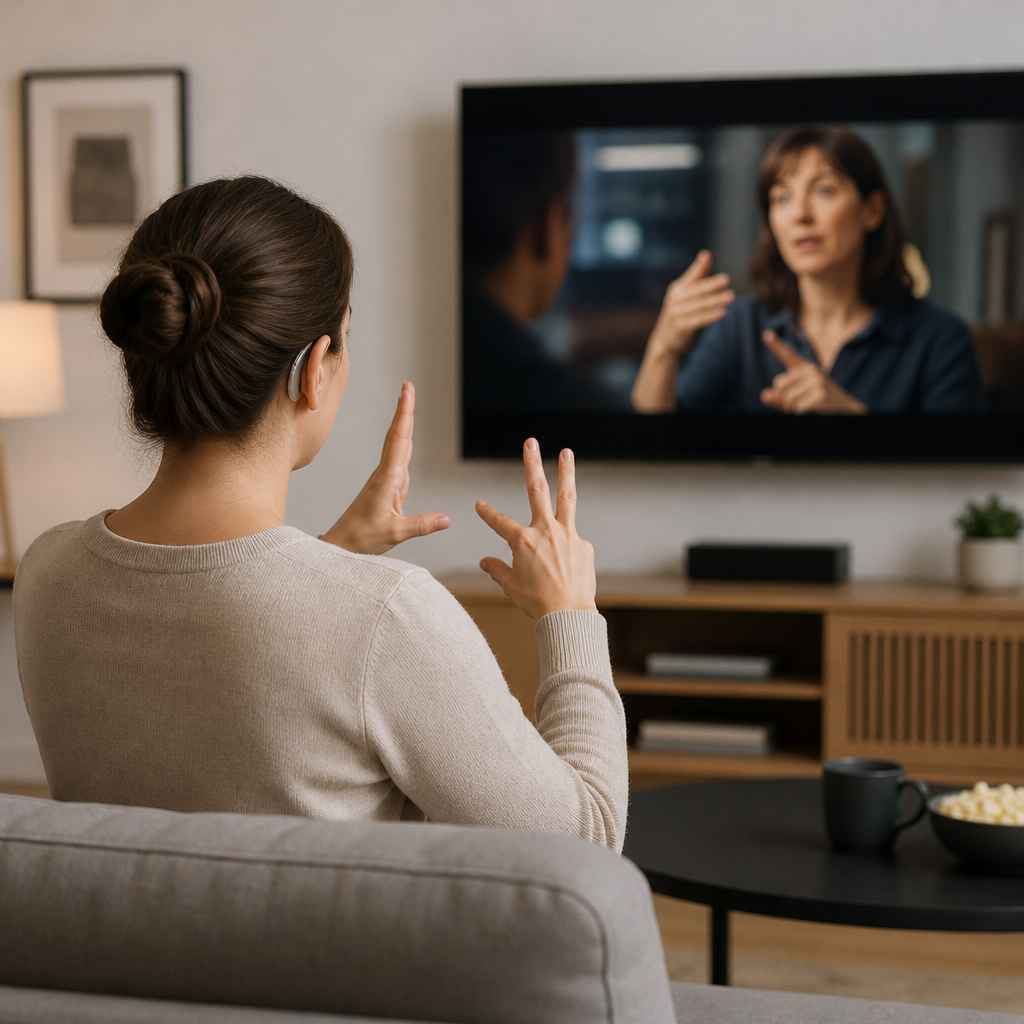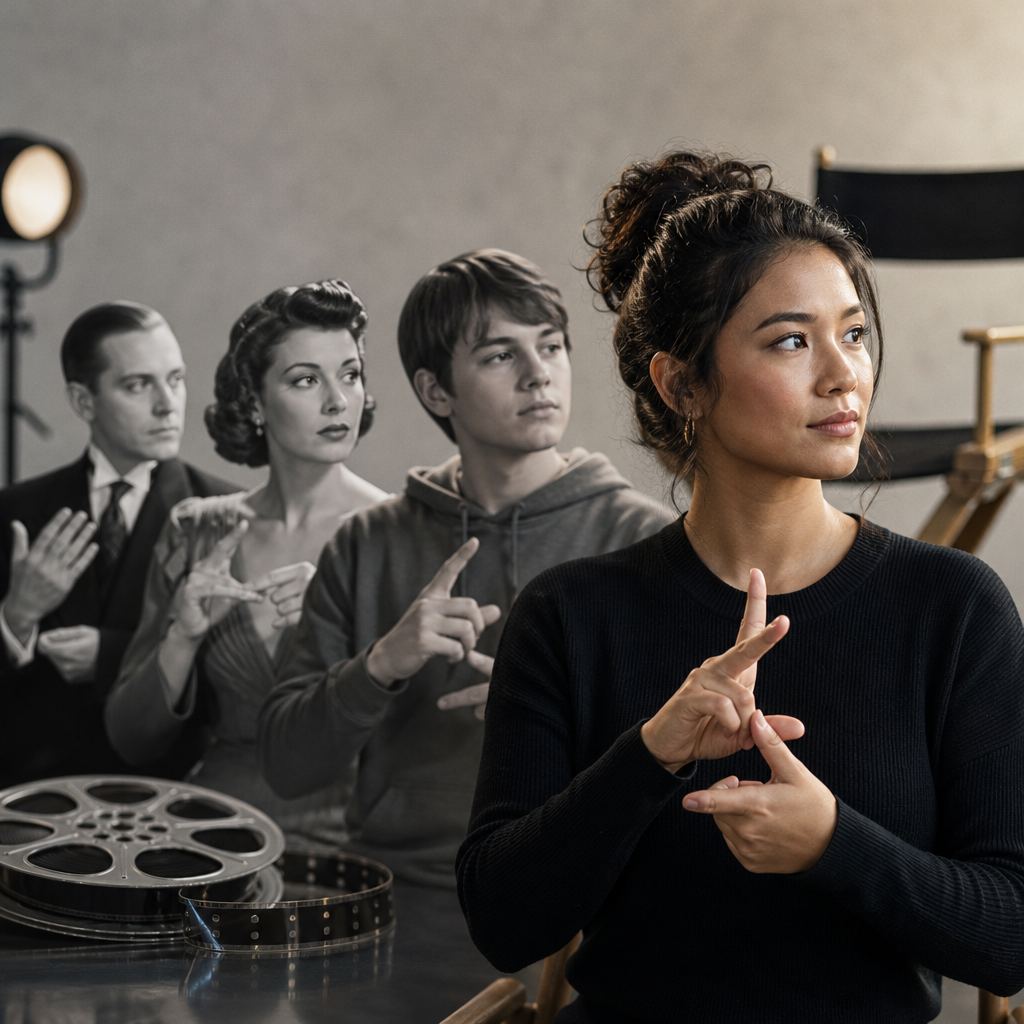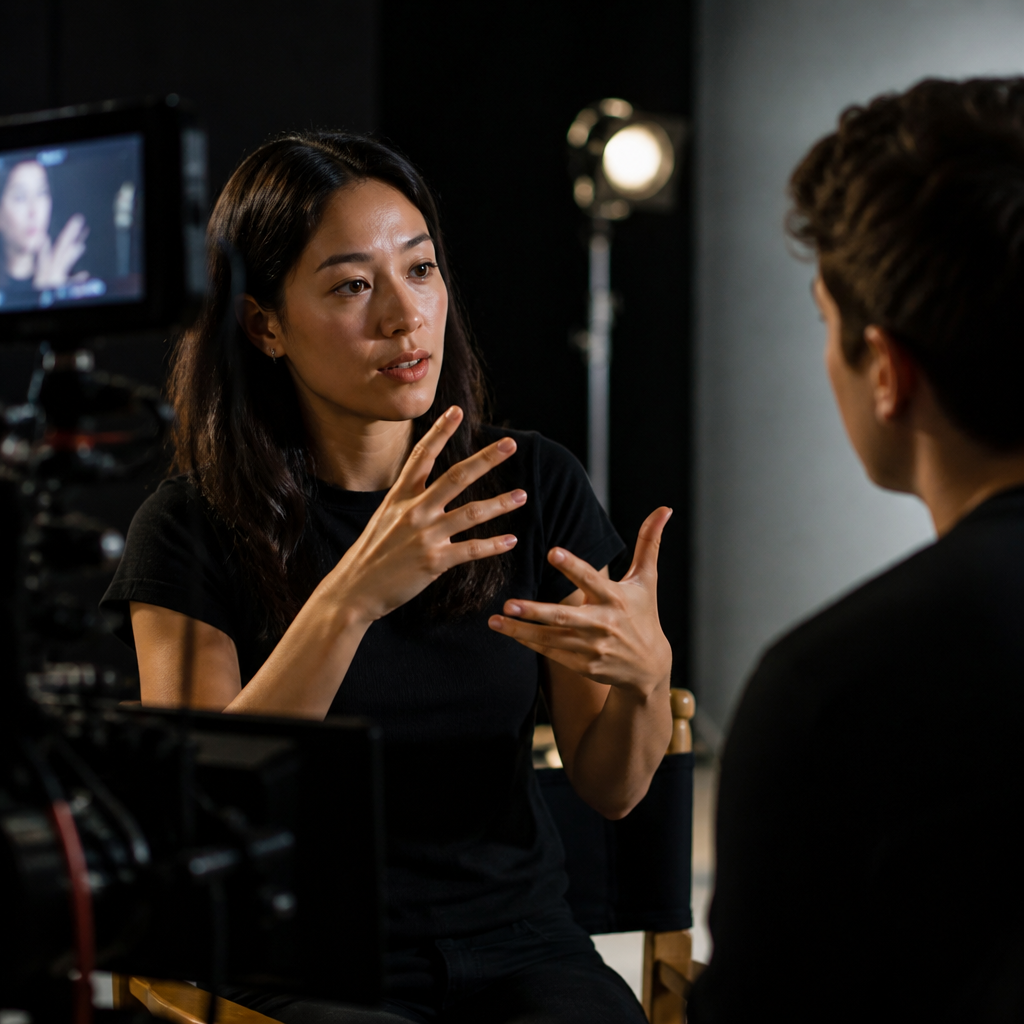

Accurate representation matters more than ever because media now shapes how people understand identity, belonging, risk, and opportunity at a scale that was impossible even a generation ago. In the context of media, representation means how groups, experiences, histories, and cultures are portrayed through news coverage, film, television, advertising, games, education, and digital platforms. Misrepresentation happens when those portrayals are distorted, flattened, sensationalized, or framed through stereotypes rather than reality. A stereotype is not simply an oversimplified image; it is a repeated narrative shortcut that teaches audiences what to expect from people they may never meet directly. When those shortcuts are repeated across channels, they influence hiring decisions, policy debates, school discipline, brand strategy, healthcare communication, and everyday social trust.
I have worked with editorial teams, brand reviewers, and communications audits where a single inaccurate phrase changed the entire meaning of a campaign. That experience makes one point clear: representation is not a cosmetic issue. It affects who is seen as credible, dangerous, capable, employable, attractive, patriotic, or worthy of empathy. Researchers in media studies, psychology, and public health have repeatedly shown that repeated portrayals shape perception through availability bias, framing effects, cultivation theory, and social identity processes. The reason this matters now is simple. Audiences encounter thousands of messages each day, algorithms amplify emotionally charged simplifications, and synthetic content can replicate bias at speed. If a portrayal is wrong, the error no longer stays local. It scales.
This hub article examines misrepresentation and stereotypes comprehensively, from how they form to how they spread, whom they harm, and what better practice looks like. It also serves as a foundation for deeper articles on racial stereotyping, disability tropes, gendered narratives, queer representation, religious bias, tokenism, coded language, and harmful framing in news and entertainment. The central argument is direct: accurate representation is not about political fashion or performative inclusion. It is about factual integrity, narrative precision, ethical communication, and better decisions. When representation is accurate, audiences gain clearer understanding, institutions make fewer costly mistakes, and communities are less likely to be reduced to myths that others mistake for truth.
What misrepresentation and stereotypes actually look like
Misrepresentation is often discussed in abstract terms, but in practice it appears in highly recognizable patterns. It can mean underrepresentation, where a group is absent or nearly invisible. It can mean symbolic inclusion without depth, often called tokenism, where one character or spokesperson stands in for an entire community. It can also mean distorted framing, where coverage consistently links a group to crime, conflict, poverty, exoticism, or victimhood while ignoring ordinary life, expertise, and full human complexity. In newsrooms, I have seen this occur through image selection, headline choices, source imbalance, and context omission more often than through explicitly hostile language.
Stereotypes work because they are efficient. They offer fast recognition for creators under deadline pressure and fast interpretation for audiences scanning crowded feeds. That efficiency is exactly what makes them dangerous. Common examples include portraying immigrants primarily as threats or burdens, depicting disabled people only as inspirational symbols or tragic figures, presenting older adults as technologically incapable, coding women leaders as abrasive where men are decisive, or reducing Black, Asian, Indigenous, Muslim, Jewish, Latino, LGBTQ+, and rural communities to narrow plot functions. Even when a portrayal seems positive, it can still be limiting. The so-called model minority stereotype, for example, appears flattering on the surface but erases disparity, masks need, and pits communities against one another.
Another important distinction is the gap between intention and effect. A creator may believe a joke, casting choice, or campaign image is harmless because no insult was intended. Yet representation is judged by patterns, not isolated intent. If audiences repeatedly encounter the same inaccurate frame, they absorb a lesson about who belongs where. The National Association of Black Journalists, GLAAD, the American Psychological Association, and disability advocacy organizations have all emphasized that language and framing influence public attitudes materially. The issue is not whether every viewer becomes prejudiced after one exposure. The issue is cumulative normalization. Repetition makes selective portrayals feel natural, and what feels natural begins to shape policy, behavior, and institutional standards.
Why accuracy in representation has become a high-stakes issue
The stakes have risen because media production and distribution have changed. A newspaper article once had a limited local shelf life. Today, a misleading clip, meme, or AI-generated image can circulate globally in hours, detached from context and reinforced by recommendation systems that reward engagement. Platforms often privilege emotionally simplified content because outrage, fear, and certainty travel faster than nuance. That is fertile ground for stereotypes. A distorted narrative no longer needs editorial consensus to spread; it only needs virality, repetition, and a format people can share instantly.
At the same time, institutions increasingly rely on public narratives when making decisions. Employers review online profiles and inferred cultural fit. Schools respond to moral panics amplified by social media. Health agencies need communities to trust their messaging. Brands face reputational consequences when audiences perceive campaigns as exploitative or inauthentic. Accurate representation matters because trust now depends on visible competence and fairness. When organizations misrepresent people, audiences do not just criticize the content; they question the values and judgment behind it. In my experience advising content reviews, the reputational damage usually comes less from one mistake than from the discovery that no serious review process existed.
There is also a demographic and economic reality. Audiences are more diverse, more media literate, and more willing to challenge inaccurate portrayals publicly. Representation errors that once passed without comment are now archived, clipped, compared, and analyzed. That scrutiny is healthy. It pushes creators to move beyond assumptions and toward evidence. Standards from groups such as GLAAD Media Reference Guide, the AP Stylebook, Ofcom guidance, and inclusive language resources increasingly shape editorial best practice because accuracy is a quality issue. In practical terms, better representation improves message effectiveness, reduces backlash risk, broadens audience trust, and produces content that ages better instead of becoming an example of avoidable bias.
How stereotypes form and why they persist
Stereotypes persist because they are structurally convenient. They simplify storytelling, lower research demands, and align with existing assumptions embedded in institutions. Social psychologists have long documented how categorization helps people process information quickly, but that cognitive shortcut becomes harmful when it substitutes for observation. Cultivation theory helps explain why repeated exposure matters: if audiences consistently see a group associated with a narrow set of traits, those portrayals begin to shape perceived reality. Framing theory adds another layer. The same event can be interpreted very differently depending on what context is emphasized, omitted, or repeated.
Production systems reinforce these patterns. Writers rooms, editorial desks, ad agencies, and game studios often work under time pressure with inherited conventions. If decision-makers share similar backgrounds, they may not notice what is missing. Source networks become self-reinforcing as journalists quote the same experts, producers cast familiar archetypes, and marketers test messages against prior assumptions. This is why representation problems are rarely solved by one diversity hire or a one-time sensitivity read. The issue is workflow design: who researches, who approves, who gets quoted, who has authority to challenge a framing decision, and whether lived experience is treated as evidence rather than as optional perspective.
Algorithms amplify persistence by learning from historical data. If past coverage over-associated certain groups with crime, poverty, or controversy, search results and recommendation systems can keep surfacing those associations. Generative systems trained on biased corpora may reproduce them in summaries, images, and prompts unless guardrails intervene. That means inaccurate representation is no longer only a human editorial problem. It is also a data governance problem. Correcting it requires stronger source diversity, metadata discipline, bias testing, and active review. Accuracy does not emerge automatically from scale. Without intervention, scale usually reproduces whatever bias was already present in the source material.
Where misrepresentation causes the most harm
Not all misrepresentation has equal impact. Harm intensifies where portrayal affects material outcomes such as safety, access, and legitimacy. News coverage is one major area. When outlets repeatedly overrepresent certain groups as suspects, migrants as crises, or neighborhoods as danger zones, audiences develop distorted risk perceptions. Studies of local television news in the United States have repeatedly found racial disparities in crime coverage, influencing whom viewers perceive as threatening. Entertainment matters too. Repeated tropes about who gets to be the hero, the expert, the romantic lead, or the comic relief shape ambition and belonging, especially for children and adolescents who are still forming identity.
Health communication is another high-impact zone. Misrepresentation of body size, disability, age, mental illness, or transgender identity can discourage care-seeking, distort risk understanding, and erode trust in providers. During public health campaigns, language choices determine whether communities feel informed or blamed. Education is similar. Textbooks, curriculum materials, and school media can either expand historical understanding or harden myths by centering some experiences while marginalizing others. If students never see Indigenous sovereignty explained accurately, or if disability is mentioned only through deficit language, the institution teaches absence as much as it teaches content.
Marketing and workplace communications also deserve scrutiny. Recruitment ads that implicitly code leadership as male, customer service visuals that tokenize race, or internal messaging that treats faith, class, or family structure as uniform all send signals about who belongs. In audits, I look closely at photography, testimonials, job criteria, and case studies because representation errors often hide there rather than in the headline. The consequences are measurable: lower trust, weaker conversion, poorer retention, and increased complaints. Accurate representation is not only a cultural good. It is an operational advantage because it reduces friction between what an organization says and what diverse audiences actually experience.
What accurate representation looks like in practice
Accurate representation is specific, contextual, and proportionate. It does not require making every story about identity, nor does it require portraying every group as flawless. It requires portraying people as fully human and grounding claims in evidence. In practice, that means using precise language, diversifying sources, avoiding monolithic descriptions, and asking whether the frame would still make sense if the group identity changed. It also means distinguishing relevant identity information from gratuitous labeling. If race, disability, religion, or immigration status is not necessary to understand the event, inserting it can imply causation where none exists.
One reliable method is to test representation across the full production process, not just at final review. Begin with research: use primary sources, community expertise, and current style guidance. During development, challenge default archetypes and examine whose perspective structures the narrative. During production, review visuals, captions, music cues, and editing choices because stereotypes often enter through tone rather than script. After publication, monitor audience feedback for substance, not just sentiment. When criticism is credible, correct the work transparently and document the lesson for future teams. That is how standards improve.
| Risk area | Common stereotype pattern | Better representation practice |
|---|---|---|
| News reporting | Crime-heavy framing of certain communities | Use proportional data, broader sourcing, and contextual causes |
| Entertainment | One-note side characters from marginalized groups | Write agency, interiority, and varied motivations |
| Advertising | Token casting without authentic audience insight | Test concepts with target communities and revise visuals |
| Education | History told through a single dominant lens | Include primary documents and multiple perspectives |
| Workplace content | Leadership coded as one gender or class background | Audit language, examples, and selection criteria |
The best examples share a common discipline: they replace assumption with verification. When creators slow down enough to ask who is missing, what evidence supports the frame, and how a community would describe itself, representation becomes more accurate immediately. Accuracy is not achieved through fear of saying the wrong thing; it comes from better reporting, stronger review systems, and consistent humility about what one does not yet know.
How this hub connects to deeper topics and what to do next
This hub on misrepresentation and stereotypes is the entry point for a broader body of work within media, representation, and awareness. Each related topic deserves detailed treatment because different forms of misrepresentation operate differently. Racial stereotypes rely heavily on historical power and criminalizing frames. Gender misrepresentation often turns on competence, likability, and unpaid care expectations. Disability stereotypes frequently alternate between pity and inspiration while ignoring access barriers. LGBTQ+ misrepresentation can involve erasure, moral panic, or reducing identity to conflict. Religious bias, class coding, ageism, and regional caricature each carry their own language patterns, visual cues, and policy consequences. Understanding the umbrella issue helps readers identify these specific mechanisms faster.
The core takeaway is straightforward. Accurate representation matters because narratives shape reality at scale. They influence what audiences believe, whom institutions trust, and which communities are granted complexity. Misrepresentation is not just offensive when it happens to be noticed. It is costly because it distorts judgment. The good news is that better practice is achievable. Teams can improve source diversity, adopt current style standards, build review checkpoints, measure audience trust, and correct errors openly. Individuals can question familiar tropes, seek firsthand accounts, and support media that portrays people with depth rather than shorthand.
If you publish, teach, commission, market, or share content, treat representation as a quality standard, not an afterthought. Review your examples, your visuals, your sourcing, and your assumptions. Then continue with the related articles in this subtopic to examine the specific stereotypes and framing patterns that most need to change today.
Frequently Asked Questions
What does accurate representation actually mean in media?
Accurate representation in media means portraying people, communities, histories, and lived experiences in ways that are truthful, specific, and informed rather than stereotyped, flattened, or sensationalized. It goes beyond simply including a wider range of faces on screen or in coverage. True representation reflects the complexity within groups, including differences in class, geography, religion, language, gender, age, disability, and personal perspective. It also considers who is telling the story, what context is included, and whether the portrayal reinforces outdated assumptions or offers a fuller picture of reality.
In practical terms, accurate representation shows individuals as multidimensional people rather than symbols, plot devices, or convenient talking points. In news, that may mean reporting on communities with context instead of only during moments of crisis. In entertainment, it means characters from underrepresented backgrounds are allowed depth, agency, flaws, humor, ambition, and ordinary humanity. In education, advertising, and digital platforms, it means avoiding portrayals that erase contributions, distort history, or present one narrow experience as universal. Accuracy matters because representation shapes what audiences believe is normal, credible, valuable, and possible.
Why does accurate representation matter more today than it did in the past?
Accurate representation matters more than ever because media now influences public understanding at enormous speed and scale. A generation ago, portrayals were powerful, but distribution was more limited. Today, news clips, streaming content, social media posts, short-form video, games, branded content, and algorithm-driven recommendations reach billions of people across borders in real time. That means misleading portrayals can spread quickly, become normalized, and shape attitudes long before they are challenged or corrected. The stakes are higher because media is no longer just part of culture; it is one of the main systems through which people learn about identity, belonging, risk, and opportunity.
This expanded influence affects everything from personal self-image to policy debates. If a group is repeatedly portrayed as dangerous, helpless, exotic, unqualified, or invisible, those messages can influence hiring, education, healthcare, policing, political decision-making, and everyday social interactions. Accurate representation also matters more now because many people encounter communities unlike their own primarily through media rather than direct experience. When media gets those portrayals wrong, misinformation fills the gap. When it gets them right, it can widen empathy, improve understanding, and create a more honest public conversation.
How can misrepresentation affect individuals and communities?
Misrepresentation can have both immediate and long-term consequences. On an individual level, people who rarely see themselves portrayed accurately may internalize the message that their experiences do not matter or that they must shrink themselves to fit a stereotype others recognize. That can affect self-esteem, mental health, career aspirations, sense of safety, and feelings of belonging. For young people especially, representation sends strong signals about who gets to be the hero, the expert, the romantic lead, the decision-maker, or simply the ordinary person whose life is treated as worthy of attention.
On a broader level, misrepresentation can distort public opinion and justify unequal treatment. When communities are consistently framed through crime, conflict, poverty, or tragedy without context, audiences may come to associate those groups with deficiency or threat. When histories are erased or simplified, it becomes easier to ignore systemic barriers and dismiss ongoing inequality as personal failure. Misrepresentation can also create pressure within communities, forcing people to constantly explain themselves, challenge assumptions, or carry the burden of “correcting” the story others already believe. Over time, those distortions do real social damage because they shape what institutions prioritize, what risks are taken seriously, and whose voices are trusted.
Is representation just about visibility, or is there more to it?
There is much more to representation than visibility alone. Being seen is important, but visibility without accuracy, nuance, and power can still be harmful. A group may appear frequently in media and still be misrepresented if the portrayals are narrow, repetitive, or filtered through harmful assumptions. For example, if people are only shown in traumatic situations, comic roles, or supporting roles that exist to help someone else’s story, the audience still receives an incomplete and misleading message. Presence by itself does not guarantee fairness.
Meaningful representation also involves perspective, context, and participation. It matters who creates stories, who edits them, who funds them, and who has authority to decide what is “relatable” or “marketable.” Strong representation invites people from different backgrounds to be portrayed as fully human and to shape the storytelling process itself. It also allows for contradiction and individuality. No community is monolithic, and accurate media reflects that reality. The goal is not perfection or token inclusion; it is a richer, more honest portrayal of how people actually live, think, struggle, and succeed.
What does better representation look like in practice?
Better representation starts with research, listening, and accountability. Journalists, filmmakers, educators, advertisers, and platform leaders need to understand the communities they portray rather than relying on assumptions or recycled narratives. That means consulting knowledgeable sources, including people with lived experience, checking historical context, and questioning whether a story frame is oversimplified or harmful. It also means moving beyond a crisis-only lens. Communities should not only appear when something goes wrong; they should be represented in everyday life, leadership, creativity, joy, expertise, and complexity.
In practice, better representation also requires structural change behind the scenes. Diverse hiring matters, but so does making sure people from underrepresented backgrounds have real influence in decision-making roles, not just symbolic presence. Editorial standards, casting choices, classroom materials, game design, campaign strategy, and moderation policies all shape representation. The strongest approach is ongoing, not one-time. Organizations should review patterns in who gets featured, who gets quoted, what narratives repeat, and what perspectives remain absent. When representation improves, audiences get a more accurate understanding of the world, communities are treated with greater dignity, and media becomes more trustworthy overall.