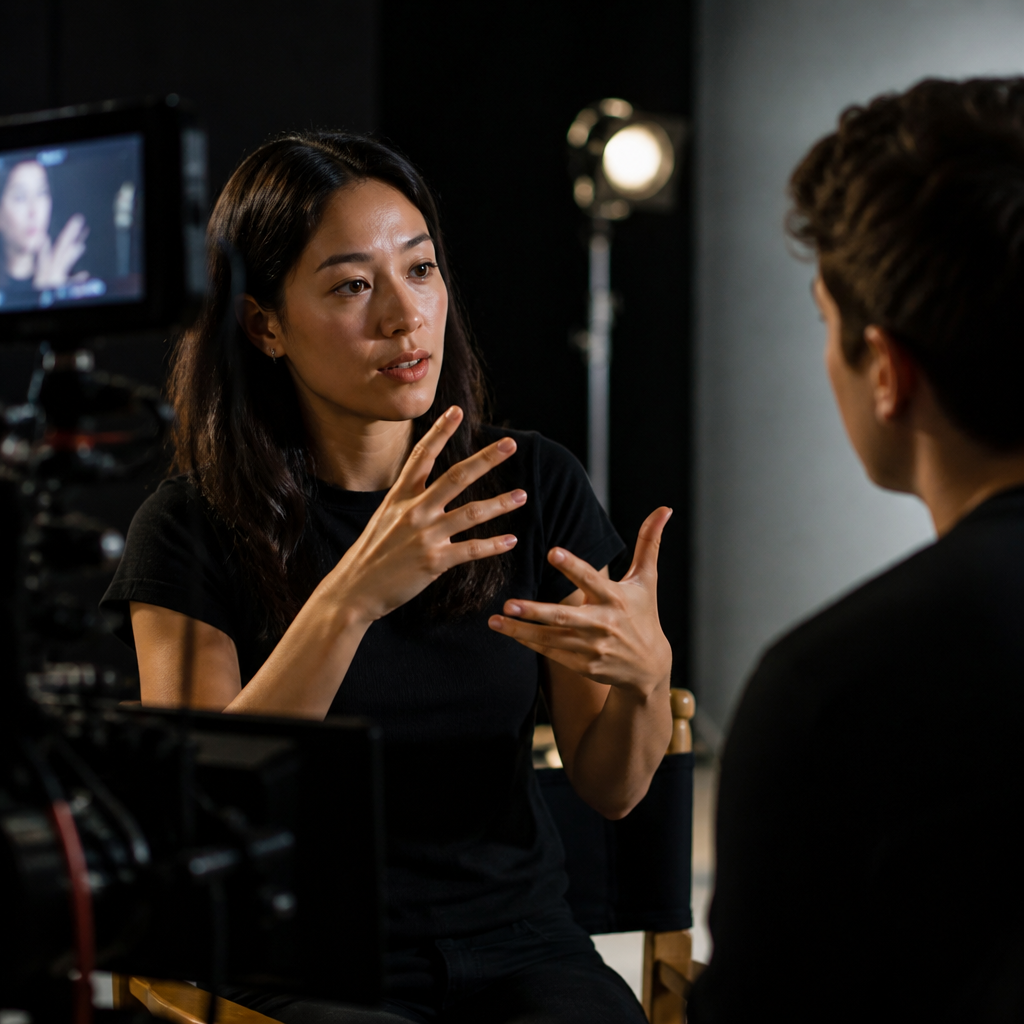
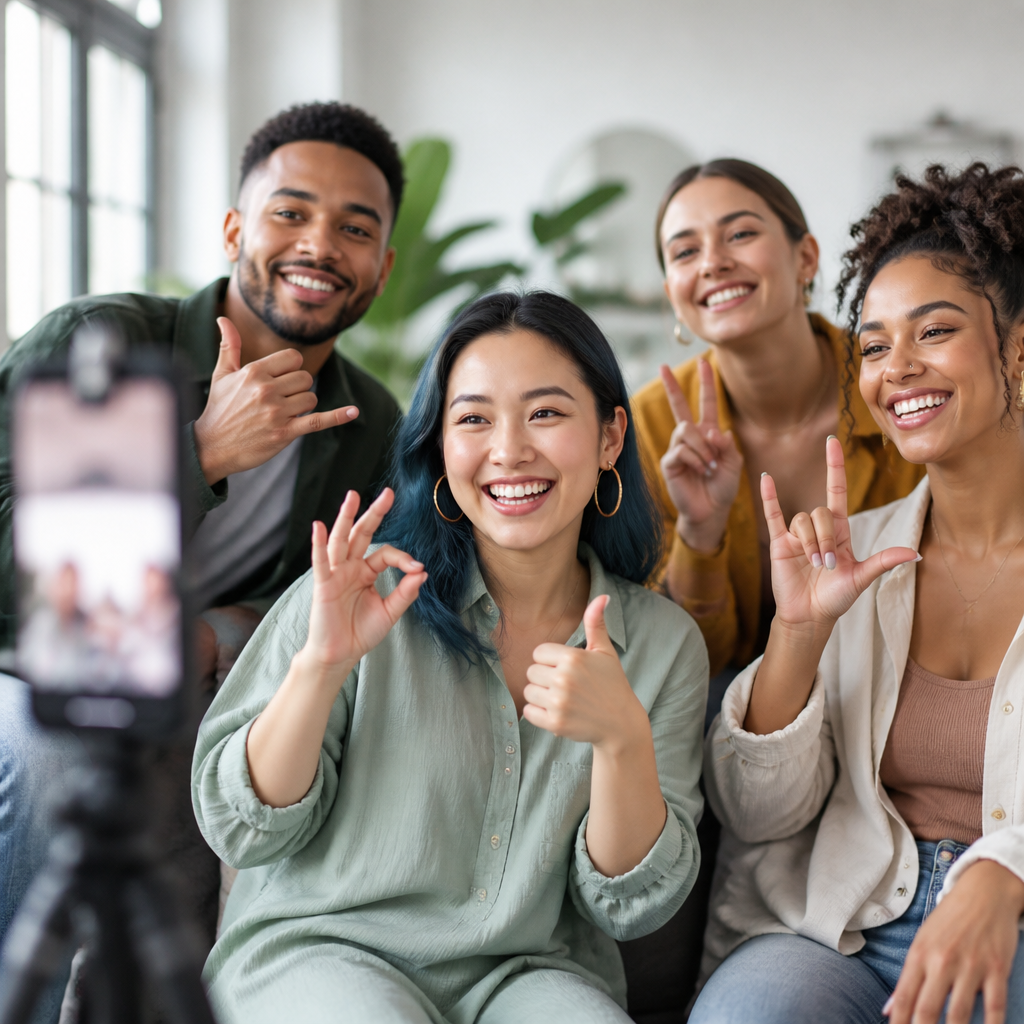
Deaf creators are reshaping digital culture, and the rising Deaf influencers to watch in 2026 are doing far more than building follower counts. They are changing how audiences understand language, accessibility, identity, and public influence across entertainment, education, fashion, activism, sports, and business. In this context, “Deaf influencers” includes people who identify as Deaf, deaf, hard of hearing, or signing-first creators whose public platforms center lived experience, communication access, and cultural visibility. Some use American Sign Language, British Sign Language, Auslan, Langue des Signes Française, or other national sign languages. Others work primarily through captions, speech, visual storytelling, or bilingual content that bridges Deaf and hearing communities.
I have worked on accessibility reviews for media campaigns, and one pattern is unmistakable: audiences respond strongly when Deaf public figures are presented as full creators rather than inspirational side notes. Representation matters because it affects who gets hired, who gets quoted, who is seen as credible, and who young Deaf people imagine they can become. It also matters commercially. Platforms reward distinctive communication styles, communities reward authenticity, and brands increasingly need accessible storytelling that does not feel performative. As a result, the strongest influencers in this space are not only visible; they are shaping standards for captioning, collaboration, and inclusive audience engagement.
This hub article covers the key categories, standout names, selection criteria, and trend lines that define Deaf influencers and public figures in 2026. It is designed as a foundation page for the broader “Influencers & Public Figures” topic, so it explains what to watch, why certain creators are rising now, and how different niches connect. If you are a reader looking for role models, a journalist sourcing expert voices, a marketer seeking credible partners, or an educator tracking media representation, the goal is simple: give you a practical map of the field and the names most likely to shape it over the next year.
What makes a Deaf influencer worth watching in 2026
A rising influencer is not just someone gaining followers quickly. In this niche, the strongest signals are consistency, cross-platform reach, clarity of message, community trust, and the ability to move conversations beyond awareness into action. I look for creators who publish regularly, communicate accessibly, and maintain a recognizable perspective across short-form video, long-form interviews, livestreams, podcasts, newsletters, or public speaking. Audience quality matters more than vanity metrics. A creator with 150,000 deeply engaged followers and strong repost rates can have more real influence than a celebrity account with passive views.
Another marker is whether a creator shapes discourse in multiple directions at once. Many leading Deaf influencers teach sign language basics, respond to current events, review accessibility failures, celebrate Deaf gain, challenge misconceptions about cochlear implants or hearing aids, and still produce entertaining lifestyle content. That range is important because Deaf life is not a single issue. It includes culture, humor, relationships, policy, employment, art, and technology. The best creators make those intersections visible without reducing themselves to educational labor every time they post.
In 2026, watch for creators who can convert platform attention into durable authority. That often means publishing books, hosting series, consulting on productions, appearing in mainstream media, launching products, or speaking at schools and conferences. Influence becomes durable when it exists beyond an algorithm cycle. Deaf public figures who own their audience through email, community groups, classes, merchandise, or recurring partnerships are better positioned to keep growing even as platform trends shift.
Established names still setting the pace
Any serious overview of Deaf influencers should start with public figures who have already proven that mass visibility is possible. Nyle DiMarco remains one of the most recognizable Deaf media figures globally. His work across modeling, television, production, and language advocacy established a template for high-visibility Deaf influence that combines celebrity with structural advocacy. He matters in 2026 not simply because he is famous, but because newer creators still build on pathways he helped open: signing on camera without apology, centering Deaf education, and demanding that accessibility be treated as a baseline rather than a bonus.
Marlee Matlin also remains essential. While she is often discussed as an actor first, her continued public presence influences how the wider culture perceives Deaf authority, leadership, and longevity. Her work demonstrates a critical point for this hub: public figures and influencers overlap. A creator does not need to begin on social media to shape online discourse. Traditional media veterans now feed digital ecosystems through interviews, clips, commentary, and collaborations with younger creators.
Justina Miles is another name to watch closely into 2026. Her Super Bowl sign performance became a defining mainstream visibility moment because it showcased not only technical skill but star power. Since then, she has represented a category that will keep expanding: performers whose signing is not presented as accessibility support alone, but as a headline artistic event. That distinction matters. It signals a broader shift from inclusion at the margins to culture-making at the center.
Rising creators gaining momentum across niches
The most interesting growth is happening among mid-career digital creators who already have identifiable audiences and are now moving into wider public recognition. This includes educators who break down Deaf etiquette, comedians who use visual timing brilliantly, beauty creators who discuss communication access in salons and on shoots, athletes documenting training with hearing technology, and family creators showing bilingual signing households in ordinary daily life. These creators rise because they make Deaf experience legible without flattening it.
Among the names and creator types drawing momentum, watch sign language educators who combine short lessons with cultural context, not just vocabulary lists. That distinction separates serious influence from surface virality. A quick sign tutorial may spread widely, but a creator who explains regional variation, grammar, eye gaze, and why direct translation often fails will build lasting authority. The same principle applies in lifestyle content. The strongest fashion or travel creators do more than post aesthetic visuals; they show how access works in hotels, airports, backstage environments, restaurants, and events.
Comedy is another major lane. Deaf comedians and humor creators often grow faster than educators because comedy lowers audience defensiveness while exposing common hearing assumptions. I have seen brand teams underestimate this category, yet it routinely drives stronger sharing because humor turns access barriers into memorable stories. When a creator can make millions laugh while also teaching caption etiquette or meeting norms, that influence is unusually durable.
Key categories and what audiences look for
Because this page is a hub for Influencers & Public Figures, it helps to organize the landscape by category. The table below shows the main segments, what defines them, and why they matter in 2026.
| Category | Typical Content | Why It Matters in 2026 |
|---|---|---|
| Education | Sign lessons, Deaf culture explainers, etiquette, accessibility tips | Builds public understanding and supports schools, workplaces, and families |
| Entertainment | Comedy, acting clips, skits, performance, collaborations | Normalizes Deaf presence in mainstream digital culture |
| Lifestyle | Travel, parenting, beauty, relationships, home life | Shows Deaf life beyond awareness campaigns and stereotypes |
| Advocacy | Policy commentary, access reviews, disability rights, news reactions | Turns visibility into structural change and informed public debate |
| Sports and Fitness | Training, competition, gear reviews, motivation, recovery | Challenges assumptions about communication and performance |
| Business and Professional | Career advice, entrepreneurship, workplace inclusion, consulting | Connects representation to hiring, leadership, and economic opportunity |
Audiences increasingly expect creators to be multidimensional. A Deaf athlete may also be a policy advocate. A sign language teacher may also be a comedian or entrepreneur. That overlap is useful because it reflects how influence now works online: niche authority grows fastest when paired with personality, lived detail, and repeatable formats that viewers can recognize instantly.
Platform trends shaping Deaf influence
Short-form video still drives discovery, but the platform mix is changing. TikTok remains powerful for first exposure, Instagram supports brand partnerships and polished visual identity, YouTube helps creators build searchable evergreen libraries, and LinkedIn is quietly becoming important for Deaf professionals discussing workplace access, leadership, and inclusive design. Podcasts and livestreams also matter more than they did a few years ago because they allow for nuanced discussion, interpreter integration, and community questions that go beyond quick clips.
Captions are now table stakes, but the quality gap remains wide. Auto-captions have improved, yet they still mis-handle names, technical vocabulary, slang, and signed emphasis. The most respected creators edit captions carefully, think about line breaks, and design for visual clarity. They also make deliberate choices about camera framing, lighting, pace, and contrast so signing remains readable. Those production habits are not cosmetic. They determine whether content is genuinely accessible and whether hearing audiences can learn without misunderstanding.
Another trend is collaboration. Rising Deaf influencers grow faster when they appear with interpreters, hearing allies, disabled creators from other communities, teachers, journalists, or mainstream celebrities who are willing to learn publicly. The collaboration works when the Deaf creator remains the authority on their own experience. Audiences can tell the difference between genuine partnership and a token feature instantly, and credibility depends on that distinction.
How brands, media, and institutions choose the right voices
For organizations, the right Deaf influencer is not always the biggest account. The better question is fit. A museum may need an educator who can explain access and visual learning. A sports brand may need an athlete who can speak credibly about training and communication on teams. A university may need a public figure who can discuss identity, language, and leadership with students. Relevance beats scale when the goal is trust.
I advise teams to evaluate five things before reaching out: communication style, audience overlap, content quality, consistency, and access practice. Does the creator already caption carefully? Do they understand the topic deeply enough to speak without a script? Have they handled criticism well? Do they create original perspectives or repeat generic talking points? Professionalism matters, but so does creative independence. The strongest partnerships respect that Deaf creators know their audience better than outside campaign managers do.
Compensation is another major issue. Too many institutions still ask Deaf influencers to educate for exposure, especially during awareness months. That damages trust and reduces the field to unpaid labor. If a creator is providing expertise, translation of lived experience, production effort, and audience access, they should be paid accordingly. In 2026, serious organizations will be judged not only by whom they feature, but by whether they budget fairly, provide interpreters when needed, and build longer-term relationships instead of one-off symbolic posts.
What to expect from the next wave in 2026
The next wave of Deaf influencers will likely be more global, more bilingual, and more specialized. Expect stronger visibility for creators working in national sign languages outside the United States, particularly where subtitled clips can travel internationally. Expect more niche experts as well: Deaf lawyers explaining compliance, Deaf physicians discussing patient communication, Deaf founders teaching entrepreneurship, and Deaf technologists reviewing AI captioning, transcription, and assistive devices with real rigor.
AI tools will expand content production, but they will not replace creator judgment. Automated captioning, translation, and editing can speed workflows, yet they still need human review, especially when sign language structure, tone, and cultural meaning are involved. The creators who stand out in 2026 will use technology strategically while protecting accuracy and identity. That balance is essential because accessibility errors spread quickly and can undermine authority just as fast as a viral post can build it.
Most of all, expect audiences to reward creators who are specific. General inspiration is easy to scroll past. Detailed lived perspective is memorable. When a Deaf traveler shows exactly how they request visual alerts at hotels, when a Deaf manager explains how they run accessible meetings, or when a Deaf performer breaks down rehearsal communication step by step, people save and share that content because it is concrete, useful, and credible.
Rising Deaf influencers to watch in 2026 are not a side story within media representation. They are central to how culture now explains visibility, expertise, and inclusion. The field includes established public figures who continue to shape mainstream perception, emerging educators who turn curiosity into understanding, performers who make signing culturally magnetic, advocates who push institutions toward better access, and professionals who connect representation to hiring, leadership, and economic power.
For readers using this page as a hub, the key takeaway is that Deaf influence is not one lane. It spans entertainment, policy, lifestyle, education, sports, and business, and the most important creators often move between those categories fluidly. If you want to follow this space well, pay attention to more than follower counts. Look for consistency, accuracy, accessibility, audience trust, and the ability to make Deaf life visible in all its complexity.
Start by following a mix of established names and emerging creators, then explore the connected topics under Media, Representation & Awareness. The more intentionally you watch, share, cite, and hire Deaf public figures, the stronger this ecosystem becomes for everyone.
Frequently Asked Questions
What makes Deaf influencers especially important to watch in 2026?
Deaf influencers matter in 2026 because they are helping redefine what influence looks like in a more accessible, visually driven, and identity-aware digital world. Many of these creators are not just posting lifestyle content or building personal brands. They are shaping conversations around language access, representation, disability justice, communication equity, and the everyday realities of being Deaf, deaf, hard of hearing, or signing-first in public and online spaces. Their platforms often combine entertainment with education, which allows them to reach broad audiences while also challenging outdated assumptions about hearing loss, sign language, and inclusion.
They are also important because they bring lived experience into industries that historically excluded Deaf people from mainstream visibility. In fashion, sports, media, entrepreneurship, and activism, rising Deaf influencers are showing audiences that accessibility is not a niche issue. It is part of culture, design, storytelling, leadership, and business strategy. As short-form video, captioned content, and global creator communities continue to grow, Deaf influencers are uniquely positioned to lead trends rather than simply participate in them. Watching who is rising in 2026 helps readers identify creators who are influencing not only social media, but also how brands, institutions, and audiences think about access and belonging.
How do Deaf influencers create impact beyond social media follower counts?
Follower count is only one measure of influence, and often not the most meaningful one. Deaf influencers frequently create impact by changing behavior, language, policy awareness, and accessibility standards. For example, a creator who consistently explains Deaf culture, demonstrates sign language, or shares communication barriers in schools, workplaces, healthcare settings, or entertainment can shift how thousands of people interact with Deaf communities in real life. That kind of influence extends well beyond likes and shares.
Many rising Deaf creators also serve as translators between communities. They help hearing audiences better understand Deaf perspectives while validating experiences within Deaf and hard of hearing communities themselves. Some influence media production by normalizing captions, interpreters, visual storytelling, and inclusive casting. Others build businesses, launch advocacy campaigns, consult with brands, or educate educators, employers, and families. In that sense, their public platforms operate as cultural leadership spaces. The strongest Deaf influencers in 2026 are often those who combine authenticity, consistency, and community trust with clear expertise or lived insight, making their impact measurable in awareness, accessibility, and real-world change.
What kinds of content do rising Deaf influencers typically share?
Rising Deaf influencers share a wide range of content, and that variety is part of what makes this space so dynamic. Some focus on educational content, such as sign language learning, Deaf etiquette, accessibility tips, or myth-busting about hearing devices, interpreters, and communication preferences. Others create comedy, fashion, beauty, sports commentary, parenting content, career advice, travel videos, or behind-the-scenes lifestyle posts. Many blend multiple content styles, using humor, personal storytelling, and visual communication to make their message more engaging and widely accessible.
What often sets these creators apart is the perspective behind the content. A fashion post might also model inclusive self-expression. A fitness video might address communication barriers in gyms. A business creator may talk about entrepreneurship through the lens of navigating inaccessible systems. Even entertainment-focused Deaf influencers often contribute to broader public understanding by showing how Deaf identity intersects with race, gender, culture, technology, and community. In 2026, audiences can expect the most compelling Deaf creators to be multidimensional. They are not confined to one “awareness” lane. They are artists, educators, advocates, founders, performers, and trendsetters whose content reflects both personal creativity and broader cultural relevance.
How should brands, media outlets, and audiences engage with Deaf influencers respectfully?
Respectful engagement begins with recognizing Deaf influencers as professionals and cultural contributors, not just as inspirational figures or accessibility symbols. Brands and media teams should approach partnerships with the same seriousness they would bring to any creator collaboration, while also ensuring communication is accessible from the start. That can include asking about preferred communication methods, budgeting for interpreters or captioning when needed, avoiding assumptions about hearing technology or speech, and giving creators meaningful input on how campaigns are framed. Respect also means not reducing a Deaf influencer’s value to a single awareness moment, such as a disability-themed campaign, if their work clearly spans fashion, business, education, sports, or entertainment.
For audiences, respectful engagement means listening, learning, and avoiding invasive or patronizing responses. It is helpful to follow the language a creator uses for their own identity, whether that is Deaf, deaf, hard of hearing, or another term tied to their lived experience. Audiences should also understand that Deaf communities are not monolithic. Different creators may use different communication styles, technologies, cultural references, or political frameworks. The most productive way to engage is with curiosity, consistency, and openness to being corrected. In 2026, the creators worth watching are often those building nuanced conversations, and respectful engagement helps those conversations expand rather than flatten into stereotypes.
Why is representation among Deaf influencers so broad across industries like education, fashion, activism, sports, and business?
Representation is broad because Deaf people participate in every part of society, and digital platforms have made it easier for that reality to become visible on a larger scale. For a long time, mainstream media often portrayed Deafness narrowly, usually through medical, inspirational, or educational frames. Social media changed that by allowing Deaf creators to self-represent in real time. As a result, audiences now see Deaf influencers discussing style, entrepreneurship, politics, performance, athletics, family life, technology, and more. This broader visibility reflects real diversity within Deaf and hard of hearing communities rather than a single public narrative.
That range also matters because it expands what younger audiences, industry leaders, and the general public imagine is possible. When Deaf influencers succeed in multiple fields, they challenge limiting expectations and push institutions to take accessibility seriously in more than one context. A sports creator can spotlight inclusion in competition and training. A business influencer can reveal how accessible leadership improves innovation. An activist can connect disability rights to wider social movements. An educator can make language and communication issues more understandable to families and schools. Together, these creators show that Deaf influence in 2026 is not confined to one category. It is a growing force across culture, commerce, and public life.