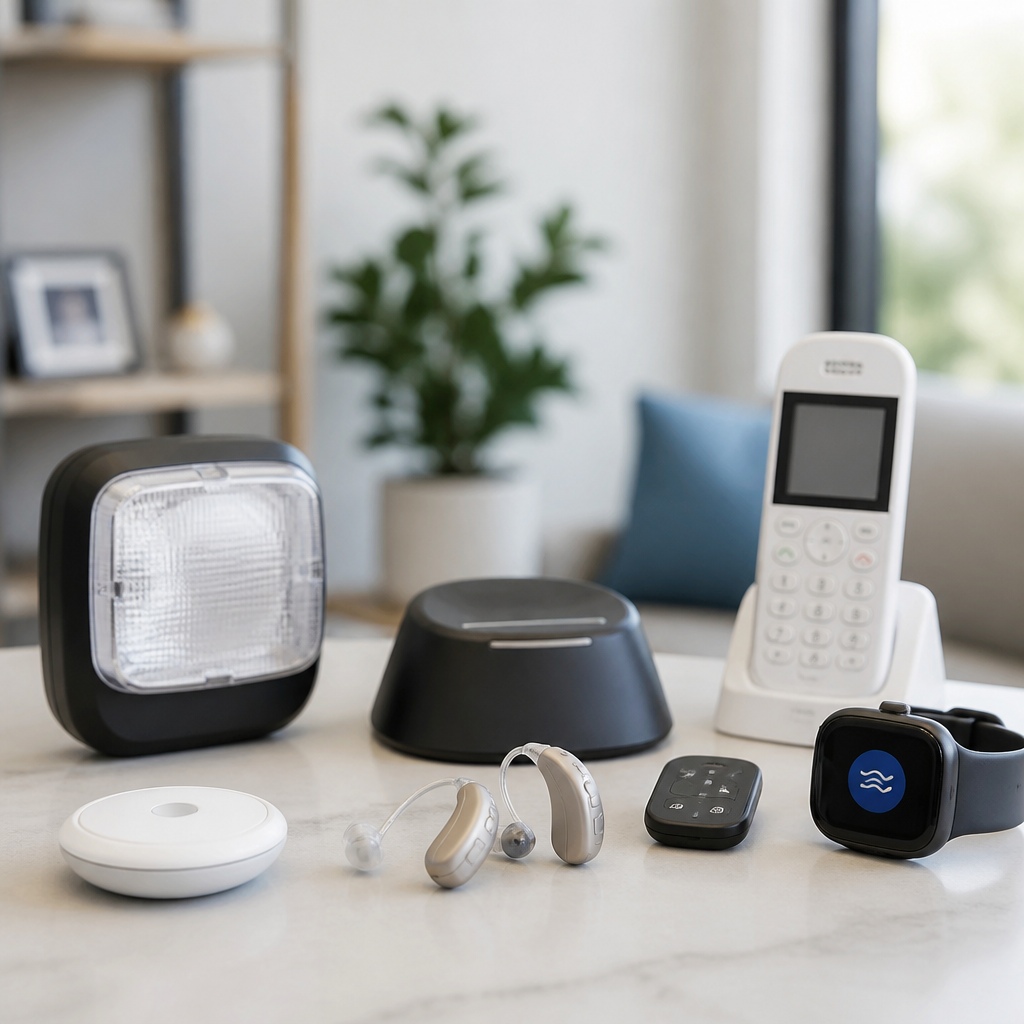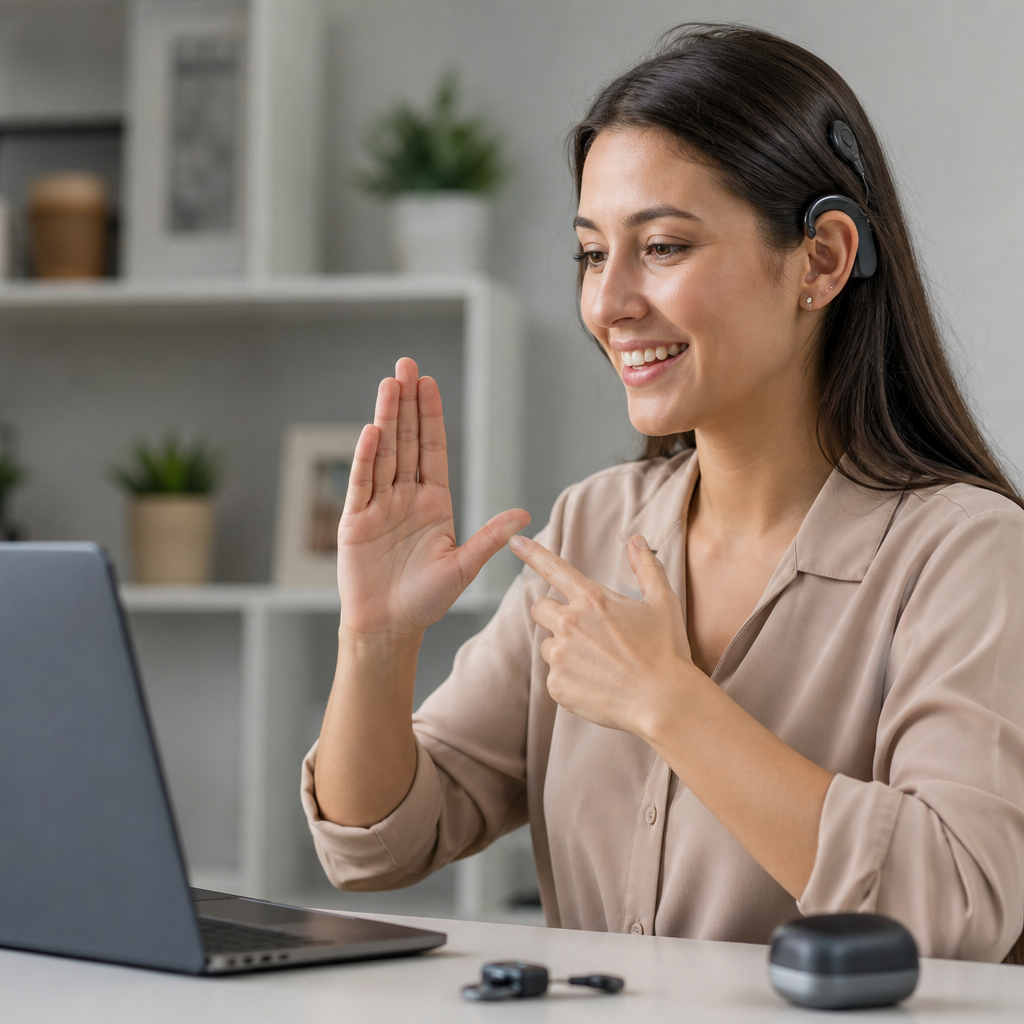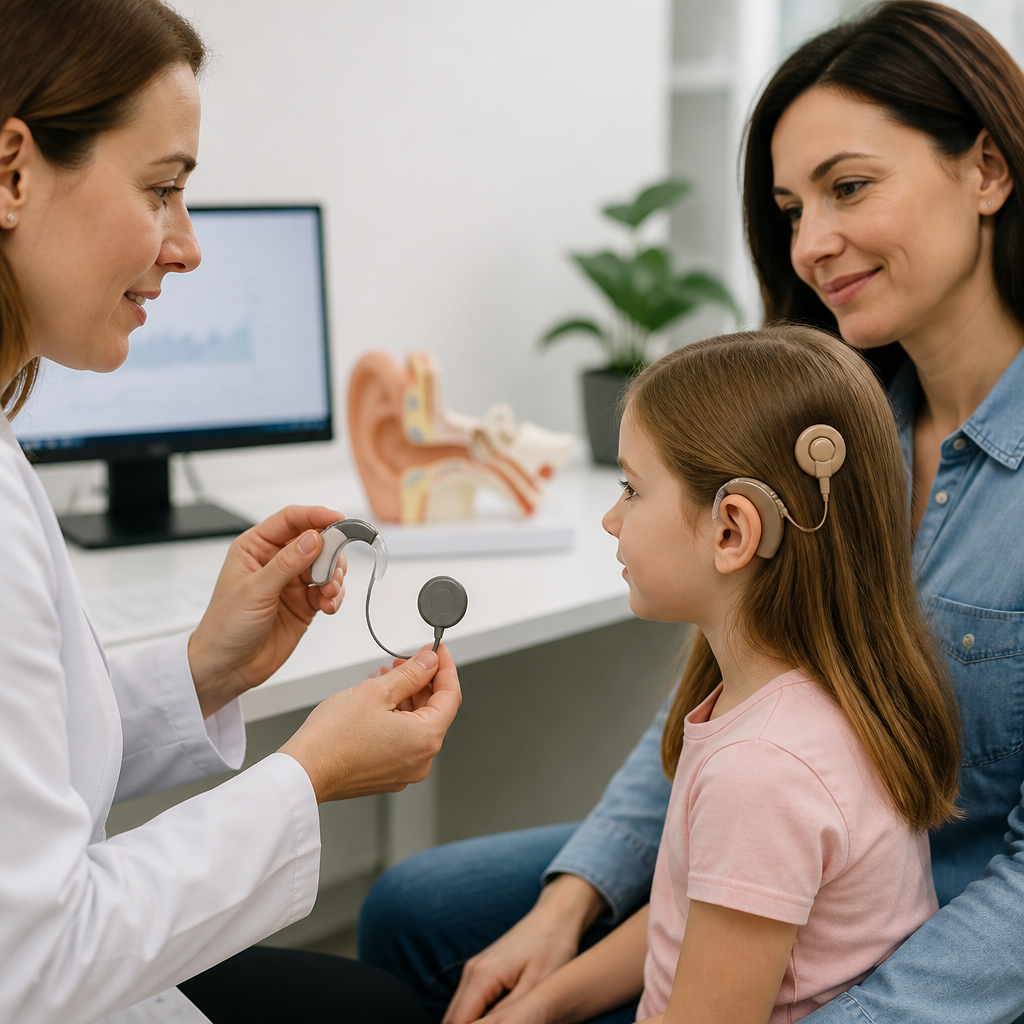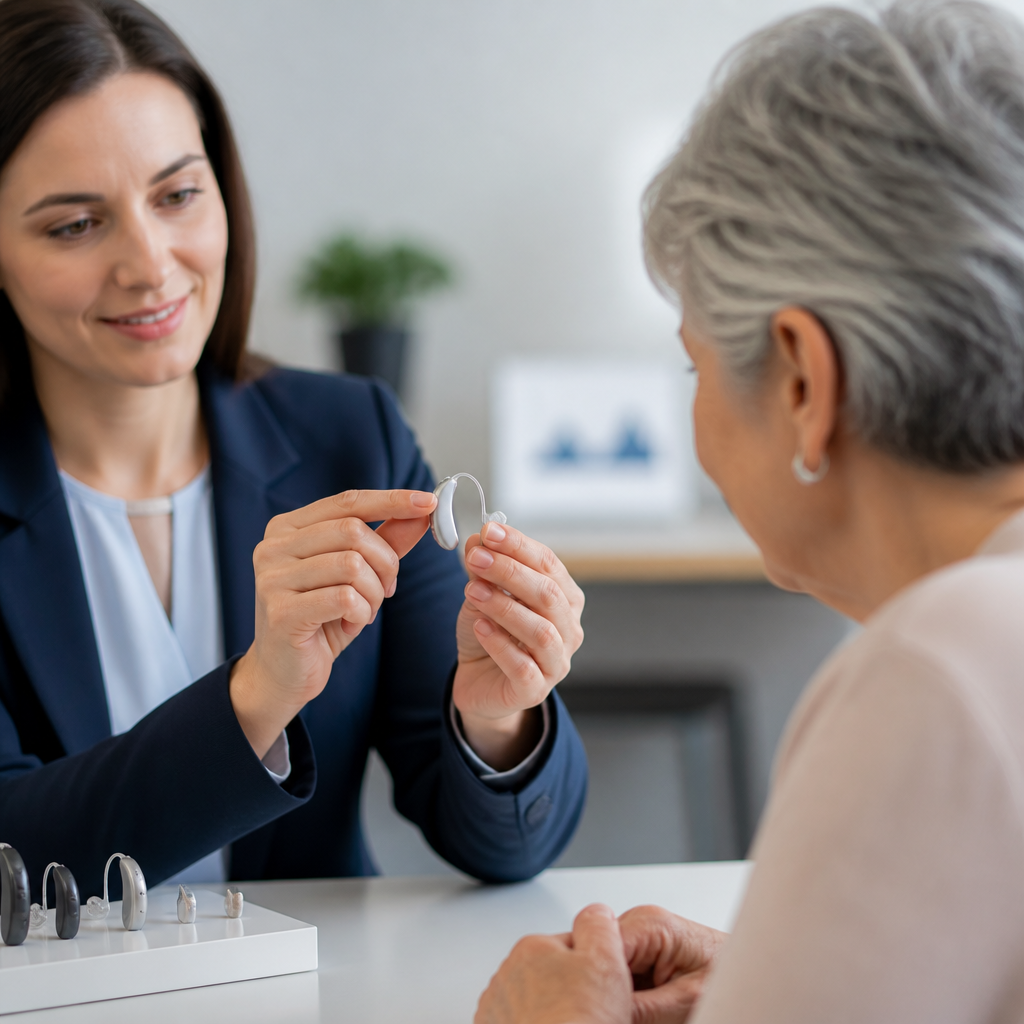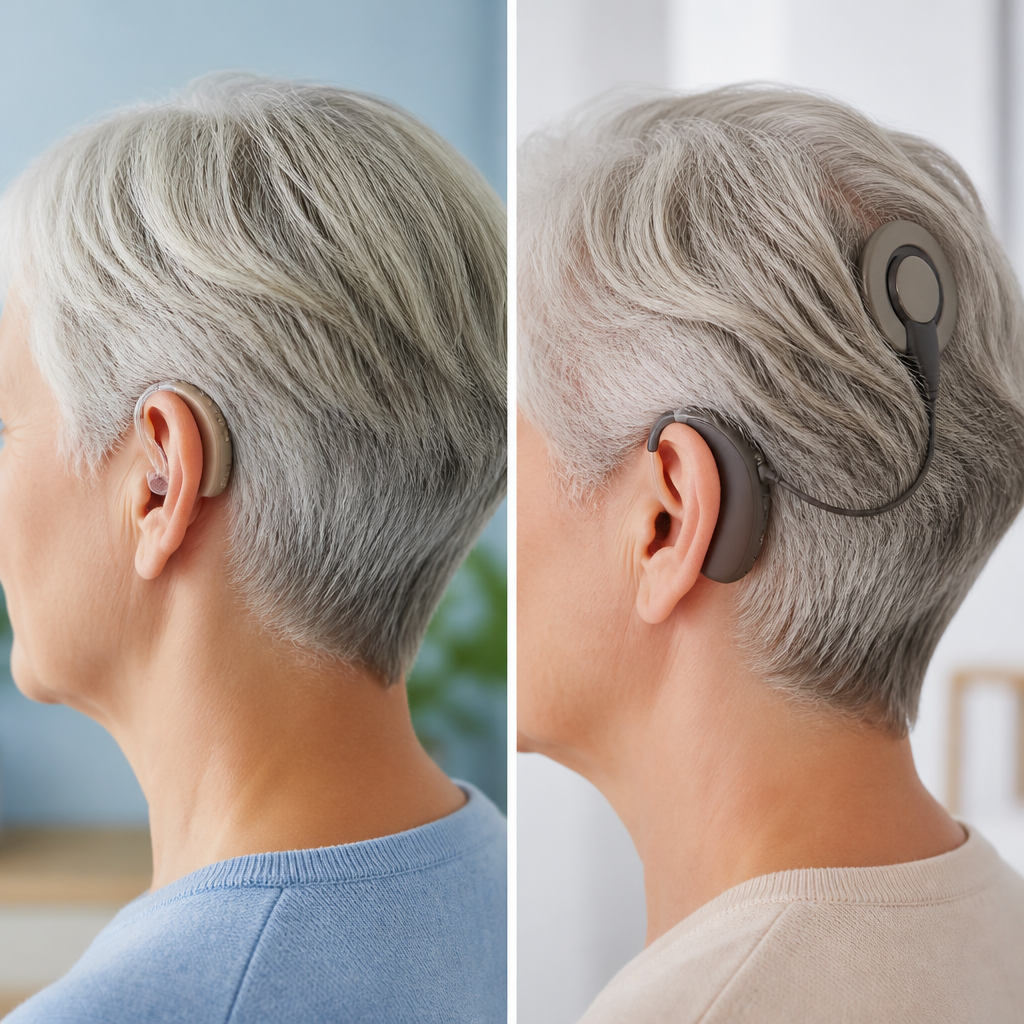
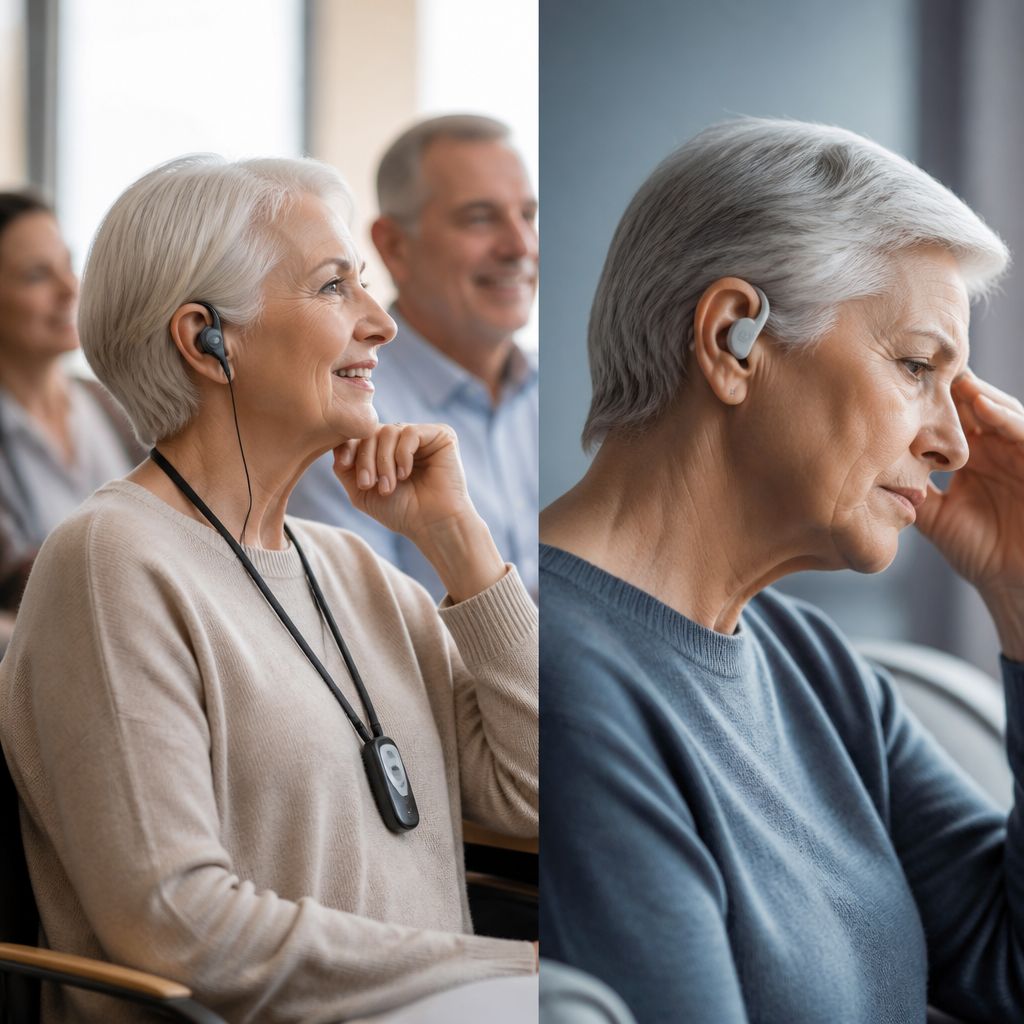
Assistive listening devices can dramatically improve communication access, but choosing the right option requires understanding where these tools work well, where they fall short, and how they fit into the wider landscape of assistive technologies for deaf and hard of hearing people. In practice, the term assistive listening devices usually refers to tools that make sound easier to hear in specific situations, such as one-to-one conversations, public events, classrooms, worship spaces, theaters, airports, and phone calls. The category includes hearing loops, FM systems, infrared systems, personal amplifiers, captioned telephones, remote microphones, TV listening systems, and smartphone-based streaming accessories. As someone who has evaluated these systems in meeting rooms, training spaces, and public venues, I have seen a consistent pattern: the best device is never “the loudest” device. It is the one that improves the signal-to-noise ratio, matches the user’s hearing profile, and works reliably in the setting where communication actually happens.
This matters because hearing difficulty is rarely just about volume. Many people can detect speech but cannot distinguish words clearly when background noise, reverberation, distance, or poor microphone technique are present. That is why assistive technologies are central to accessibility planning. They reduce listening effort, support participation, and often bridge the gap between hearing aids or cochlear implants and real-world environments that remain acoustically hostile. At the same time, no single tool solves every communication problem. Some devices require telecoil-compatible hearing aids, some depend on line-of-sight transmission, some are expensive to install, and some help only in limited use cases. A clear view of the pros and cons helps users, families, educators, employers, and venue operators make practical decisions rather than buying equipment that sits unused in a drawer.
What assistive listening devices are and how they fit into assistive technologies
Assistive listening devices are one branch of the broader assistive technologies used by the deaf community. They sit alongside captioning, video relay services, visual alerting systems, speech-to-text apps, hearing aids, cochlear implants, and communication access services such as CART. Their specific purpose is to deliver audio more directly and more clearly than room sound alone. In technical terms, they improve access by reducing the effects of distance, room echo, and competing noise. A remote microphone clipped to a speaker’s shirt, for example, places the microphone inches from the mouth instead of twenty feet away across a classroom. That simple change can produce a much larger improvement in intelligibility than increasing volume through a loudspeaker.
These systems generally work through one of four transmission approaches: electromagnetic induction, radio frequency, infrared light, or direct digital streaming. A hearing loop sends sound wirelessly to a telecoil in compatible hearing aids and cochlear implants. An FM or other radio system sends a microphone signal to a dedicated receiver. Infrared sends audio through invisible light and is common in secure environments because signals do not pass through walls. Bluetooth-based or proprietary digital systems stream sound to neckloops, receivers, or hearing devices through paired accessories. The user experience varies widely, which is why this subtopic deserves hub-level coverage. To understand assistive technologies fully, readers should also explore related pages on hearing loops, captioning tools, alerting devices, and classroom access systems.
Core benefits: why assistive listening devices often succeed where ordinary audio fails
The strongest advantage of assistive listening devices is better speech clarity. In accessibility assessments, I focus first on signal-to-noise ratio because it predicts real communication outcomes better than raw loudness. If a lecturer’s voice reaches a listener at nearly the same level as air conditioning, hallway noise, and chair movement, understanding collapses. A direct audio feed changes that balance. This is why a basic remote microphone can outperform expensive room speakers for a hard of hearing employee in a conference room. It is also why hearing loops remain so effective in auditoriums: the user receives the intended signal directly in the ear, usually without borrowing extra equipment.
Another major benefit is reduced fatigue. Listening with hearing loss is cognitively demanding. People often describe “working” to hear, especially by late afternoon. When a device delivers cleaner speech, the brain spends less effort filling gaps. That can improve performance at school, increase confidence at work, and make social participation less draining. Accessibility is not only about whether a person technically hears words; it is also about whether sustained participation is realistic. In classrooms, students using teacher microphones often report fewer missed instructions. In houses of worship and theaters, users frequently say they finally stop guessing during sermons or dialogue-heavy performances.
These tools also support independence and privacy in specific contexts. A captioned phone can let someone handle appointments without relying on a family member. A personal TV listening system allows different volume levels for different listeners in the same room. In public venues, permanently installed systems can meet accessibility obligations under standards and disability access policies while serving many users over time. When implemented well, assistive listening devices do more than amplify sound. They make communication more direct, more dignified, and more consistent across daily environments.
Common drawbacks and limitations users should weigh before choosing a system
The biggest misconception is that every assistive listening device works for every deaf or hard of hearing person. In reality, benefit depends on hearing configuration, device compatibility, communication preferences, and listening context. Someone who relies primarily on sign language may gain little from an audio-forward solution unless it is paired with captioning or interpretation. Someone with auditory processing difficulty may still struggle even when sound is louder. Users with severe high-frequency loss may need frequency shaping through hearing aids rather than standalone amplification. This is why trials matter. A tool that tests well on paper may fail in a cafeteria, courtroom, or open-plan office.
Compatibility is another frequent barrier. Hearing loops are excellent only if the user has a telecoil or compatible receiver and knows how to switch into the correct program. Bluetooth audio can introduce pairing friction, battery drain, or latency. Infrared systems fail when line-of-sight is blocked or users sit in bright sunlight. FM and digital radio systems require charged receivers, working microphones, and good channel management. Even the best technology breaks down with poor maintenance. I have seen venues proudly advertise accessible listening, then hand out receivers with dead batteries or earpads that were never sanitized. Operational discipline matters as much as equipment quality.
Cost and equity concerns are real as well. A personal amplifier may be affordable, but a professionally installed loop in a large sanctuary or council chamber is a capital project. Some insurance plans do not cover accessories that make hearing devices function better in public life. Schools and employers may purchase one system but not train staff to use it. There are also social drawbacks. Some users dislike visible receivers or fear being singled out. Others abandon devices because setup takes too long in fast-moving conversations. The most honest assessment is this: assistive listening devices can be transformative, but only when they are matched carefully, maintained consistently, and integrated into a broader communication access plan.
Comparing major assistive listening technologies
Different systems solve different problems, and the tradeoffs are easier to see when they are compared directly. The table below summarizes the most common options used across education, workplaces, homes, and public venues.
| Technology | Best use case | Main advantages | Main limitations |
|---|---|---|---|
| Hearing loop | Theaters, worship spaces, service counters, meeting rooms | Direct telecoil access, no borrowed receiver for many users, discreet, reliable | Requires telecoil compatibility, professional installation, possible electromagnetic interference |
| FM or digital radio system | Classrooms, tours, training, one-to-many speaking | Strong range, works through obstacles, effective with remote microphones | Receiver management, battery dependence, setup and frequency coordination |
| Infrared system | Courtrooms, cinemas, confidential meetings | Signal stays in room, good privacy, stable audio | Line-of-sight needed, affected by strong light, less flexible outdoors |
| Personal amplifier | Short conversations, temporary use, travel | Low cost, simple, portable | Amplifies ambient noise too, limited benefit in noisy places |
| Captioned phone or app-based call support | Telephone communication | Combines audio with text, improves independence | Caption delay, internet dependence, variable accuracy with names or accents |
In real deployments, hearing loops are often the most user-friendly public solution because they eliminate checkout friction for people whose hearing aids already contain telecoils. However, they are not universal. Many modern consumer hearing devices emphasize Bluetooth features, and some models omit telecoils entirely due to space constraints. In schools, teacher-worn remote microphone systems are often the most effective choice because they maintain a clear voice signal as the instructor moves. For home use, TV streamers and caption-enabled calling tools usually deliver the fastest practical improvement because they target high-friction activities that happen every day.
How to choose the right device for home, school, work, and public spaces
The best selection process starts with situations, not products. Make a short list of the conversations that fail most often: dinner table discussion, hybrid meetings, lectures, ticket counters, telephone calls, or television dialogue. Then identify the main barrier in each setting. Is the issue distance from the speaker, competing noise, reverberation, multiple talkers, or lack of visual support? This approach prevents a common mistake: buying a general-purpose amplifier when the actual need is a directional microphone, live captions, or a telecoil-compatible venue system. An audiologist can help map hearing thresholds to technology choices, but lived routine should drive the final decision.
For home, look first at television, phone calls, door alerts, and family conversation. For school, prioritize remote microphones, compatible receivers, and backup access such as captions for video content. For work, examine meeting formats, conference room acoustics, and whether hybrid platforms like Zoom or Microsoft Teams can route audio directly into hearing devices. For public spaces, venue operators should assess whether they need fixed systems, portable receivers, signage, staff training, and routine testing. Standards from the Americans with Disabilities Act, the International Electrotechnical Commission, and professional audiovisual guidelines can inform design and procurement, but the operational question is simple: can a first-time user arrive and access speech clearly without special troubleshooting?
Trial periods are essential. Whenever possible, test equipment in the real environment where it will be used. A remote microphone may sound excellent in a clinic and disappointing in a noisy restaurant if placement is poor. Ask specific questions before purchase: Does it support telecoil input? Can it connect to cochlear implant processors? How long does the battery last in continuous use? Is there latency between audio and lip movements? Are replacement parts easy to obtain? Good assistive technology purchasing is less about chasing features and more about reducing predictable communication failure.
Best practices for making assistive listening technology actually work
Implementation determines value. Start with microphones because microphone quality and placement usually matter more than the transmission method. Speakers should wear lapel microphones high on the chest, avoid brushing clothing, and mute when moving into private side conversations. In classrooms and meetings, repeat audience questions into the microphone so every listener receives the same information. Check batteries before events, post clear signage for available systems, and train front-line staff to explain use in plain language. A hearing loop sign on the wall is meaningless if no one knows whether the system is active.
Maintenance should be scheduled, not improvised. Clean receivers between users, replace worn neckloops, verify induction field strength for loops, and test for electromagnetic noise from nearby wiring or dimmer systems. In installed environments, routine commissioning and annual verification prevent slow decline. I recommend simple user testing too: ask actual deaf and hard of hearing participants to try the system and describe what they hear. Their feedback often catches issues that installers miss, such as inconsistent coverage at room edges, muffled lectern microphones, or staff who forget to turn systems on.
Finally, remember that assistive listening is strongest when paired with other access supports. Live captions help when audio quality drops. Good room acoustics reduce strain for everyone. Visual agendas, turn-taking rules, and speaker identification improve comprehension in group settings. This hub on assistive technologies should serve as a starting point, not an endpoint. Use it to compare tools, then explore specialized guidance on loops, captioning, alerting systems, and communication apps. The goal is practical access: clearer speech, less fatigue, and fuller participation. Review your most difficult listening situations, test the right technology, and build an access plan that works in everyday life.
Frequently Asked Questions
What are assistive listening devices, and how are they different from hearing aids or cochlear implants?
Assistive listening devices, often called ALDs, are tools designed to make sound easier to hear in specific listening situations. Unlike hearing aids and cochlear implants, which are personal devices worn or implanted to support hearing throughout the day, ALDs are typically used to improve access in challenging environments such as classrooms, theaters, houses of worship, lecture halls, meetings, service counters, or one-to-one conversations in noisy places. Common examples include FM systems, infrared systems, induction loop systems, personal amplifiers, and Bluetooth-based microphones that send a speaker’s voice directly to a listener.
The main advantage of ALDs is that they help reduce the effect of distance, background noise, and poor room acoustics. For example, if a teacher, presenter, or conversation partner speaks into a microphone connected to an ALD, their voice can be delivered more directly to the listener, often with much better clarity than relying on room sound alone. This direct transmission is one of the biggest reasons many people find ALDs helpful even if they already use hearing aids or cochlear implants.
That said, ALDs are not a complete replacement for other hearing technologies. Hearing aids and cochlear implants are designed to support broader day-to-day listening needs, while ALDs are more situational. In many cases, the best results come from using them together. A hearing aid may help with general awareness and environmental listening, while an ALD improves speech understanding in a lecture, worship service, or crowded restaurant. Understanding that difference is important when weighing the pros and cons, because ALDs can be highly effective, but usually within a defined setting rather than as an all-purpose solution.
What are the biggest benefits of assistive listening devices?
The strongest benefit of assistive listening devices is improved speech clarity in places where hearing is usually hardest. Distance, reverberation, competing conversations, HVAC noise, traffic, and poor microphone quality can all make speech difficult to follow, even for people with mild hearing loss or for those who already wear hearing aids. ALDs work well because they bring the speaker’s voice closer to the listener in a practical, electronic way. Instead of trying to hear a voice from across a room, the user may receive that voice directly through headphones, a neck loop, earbuds, or compatible hearing technology.
Another major advantage is increased access and participation. In classrooms, ALDs can help students follow instruction more accurately and with less listening fatigue. In workplaces, they can support better understanding during meetings, presentations, and training sessions. In public venues such as theaters, cinemas, courtrooms, airports, and places of worship, they can make spoken content more accessible and reduce the stress of constantly missing key information. For many users, that improved access translates into greater independence, confidence, and willingness to take part in social, educational, and professional activities.
ALDs can also be flexible. Some systems are built into venues, such as hearing loop systems or infrared receivers distributed at a theater. Others are portable and personal, such as remote microphones paired to hearing aids or standalone amplifiers used for conversation. This range of options means there is no single model of use. A person might rely on a venue’s loop system during a performance, then use a personal microphone during dinner with family, and a classroom FM system during the school day.
Finally, many users appreciate that ALDs can complement a broader communication strategy. They may work alongside captioning, sign language interpreters, speech-to-text apps, visual alerts, and hearing aids or cochlear implants. When viewed this way, ALDs are not just gadgets that make sound louder. At their best, they are targeted accessibility tools that improve communication in situations where ordinary listening technology may not be enough.
What are the limitations or drawbacks of assistive listening devices?
Although assistive listening devices can be extremely useful, they do have real limitations. One of the most important is that they are often situation-dependent. An ALD may work very well in a lecture hall with a functioning sound system and a trained presenter using the microphone correctly, but not nearly as well in a fast-moving group conversation where multiple people speak at once. Some devices are excellent for picking up one primary speaker, but less effective when the listening challenge involves several voices, spontaneous interactions, or unpredictable background noise.
Another drawback is that performance depends heavily on setup, compatibility, and user comfort. A loop system, for example, may require hearing aids or cochlear implants with telecoils to work seamlessly. FM or digital wireless systems may require pairing, charging, frequency coordination, or loaner equipment from a venue. Infrared systems can perform well in certain controlled spaces, but they generally require line-of-sight and are confined to the room where they are installed. If staff members are not trained, batteries are dead, microphones are not turned on, or equipment is poorly maintained, the user experience can quickly become frustrating.
There can also be social and practical barriers. Some people feel self-conscious asking for a receiver, wearing visible equipment, or requesting that a speaker use a microphone. Others may find that portable devices add one more item to carry, charge, clean, and troubleshoot. Cost is another consideration. While some ALDs are relatively affordable, others involve substantial expense, especially if a person needs multiple devices for different settings or if a venue is considering a permanent installation.
It is also important to recognize that ALDs do not solve every communication barrier. They may improve access to sound, but they do not automatically guarantee understanding, especially in highly reverberant spaces, emotionally stressful interactions, or environments with poor speech quality. For some deaf and hard of hearing individuals, visual communication methods such as captions, CART, or sign language access may still be necessary or preferred. In short, ALDs can be powerful, but they are tools with limits, not universal fixes.
How do I choose the right assistive listening device for my needs?
The best way to choose an assistive listening device is to start with the situations that create the most communication difficulty. The right option depends less on the device’s name and more on where, how, and with whom it will be used. For example, someone who struggles mainly with one-to-one conversations in noisy places may benefit from a personal remote microphone or portable amplifier. A student in a classroom may do better with an FM or digital remote microphone system that transmits the teacher’s voice directly. Someone who frequently attends performances, religious services, or public events may want to look for venues equipped with hearing loops, infrared systems, or receiver-based listening support.
Compatibility is another key factor. If you wear hearing aids or cochlear implants, it is important to know whether a device can connect directly, whether it requires a telecoil, whether it streams through Bluetooth, or whether it needs an intermediary accessory. Ease of use matters just as much as technical quality. A device that offers excellent sound but is complicated to connect or maintain may end up being used less often than a simpler system that fits smoothly into daily life.
You should also consider the listening environment itself. Will there usually be one primary speaker, or many? Is the setting stationary, such as a classroom or theater, or mobile, such as walking through a museum or shopping with a companion? Are you trying to hear live speech, TV audio, announcements, or all of the above? Answering those questions helps narrow the field quickly. In many cases, users discover they need more than one solution rather than one perfect device.
Whenever possible, trial use is extremely valuable. Audiologists, hearing care professionals, educational support teams, disability services offices, and assistive technology specialists can often help assess needs and recommend options. Trying a device in real-world conditions is especially important because sound quality on paper does not always predict success in practice. The best ALD is the one that meaningfully improves communication in the places that matter most to you, without creating so much inconvenience that it stays in a drawer.
Are assistive listening devices enough on their own, or should they be combined with other accessibility tools?
In many cases, assistive listening devices work best when they are part of a larger communication access plan rather than the only solution. Their strength is improving access to spoken sound, especially when one speaker’s voice can be transmitted clearly and directly. However, communication is affected by far more than loudness alone. Accent differences, rapid speech, turn-taking in groups, poor room acoustics, technical failures, and listener fatigue can still interfere with understanding even when an ALD is working properly.
That is why many deaf and hard of hearing people combine ALDs with other tools and accommodations. Captions can support understanding during video content, presentations, and live events. CART or other real-time speech-to-text services may be better for conferences, classes, and legal or medical settings where precision matters. Sign language interpreters remain essential for many people whose primary language is signed rather than spoken. Visual alerts, note-taking support, and good room communication practices, such as facing the listener and speaking clearly, can also make a significant difference.
Using multiple strategies is not a sign that an ALD has failed. It is often the most effective way to create reliable access across different environments. A person might use a loop system in a theater, captioning for a webinar, a remote microphone in a car, and