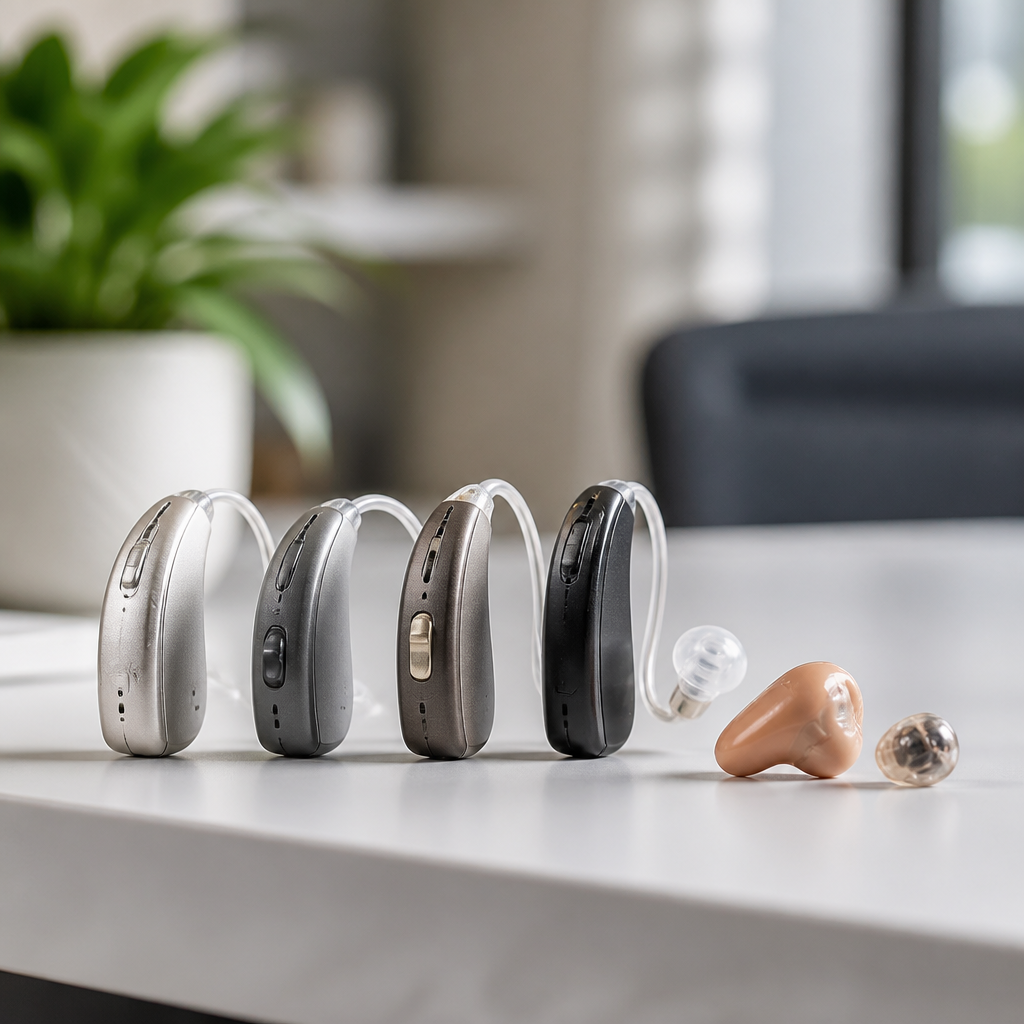
Choosing the right hearing aid can improve conversations, reduce listening fatigue, and make daily routines far easier, but the market is crowded with devices that differ sharply in fit, sound processing, support, and price. In this guide, I review the top hearing aids, explain the pros, cons, and costs of each category, and show how this product comparison hub fits into the wider landscape of technology and tools for the deaf community. Hearing aids are small electronic devices that amplify and process sound for people with mild to profound hearing loss, while related terms such as receiver-in-canal, behind-the-ear, custom in-ear, telecoil, and Bluetooth streaming describe the way a device is built and what it can connect to. That distinction matters because a person with age-related high-frequency loss needs a very different solution from someone with severe loss, dexterity limitations, or a heavy reliance on phone calls, captioned media, and remote microphones. After working with patients, audiologists, and device settings across multiple brands, I have seen the same pattern repeatedly: the best hearing aid is rarely the flashiest model, but the one that matches hearing thresholds, ear anatomy, lifestyle, and follow-up care. This article serves as a hub for product reviews and comparisons, helping readers understand the main options before diving into deeper pages on over-the-counter devices, prescription fittings, accessories, batteries, cochlear implant alternatives, and assistive listening tools. Costs also vary more than most buyers expect. Basic over-the-counter devices may start under five hundred dollars per pair, while premium prescription hearing aids with bundled service commonly exceed six thousand dollars. Because hearing aids affect communication, work, safety, and cognitive effort, evaluating them carefully is worth the time.
How to Evaluate Hearing Aids Before You Compare Brands
The most useful hearing aid reviews start with evaluation criteria, not brand loyalty. When I compare devices professionally, I look first at hearing loss severity, speech understanding in noise, ear canal size, feedback control, directional microphones, rechargeability, smartphone compatibility, telecoil support, water resistance, and service model. A good review also considers whether the price includes hearing testing, real-ear measurement, adjustments, cleanings, loss coverage, and warranty support. Those bundled services can be the difference between a device that sounds acceptable in a clinic and one that performs well in restaurants, meetings, classrooms, and cars.
Sound quality depends heavily on signal processing. Modern digital hearing aids use wide dynamic range compression, noise reduction, feedback suppression, and automatic environmental classification. Premium models generally offer more channels for fine-tuning and stronger speech-in-noise performance, though improvements are not always dramatic for every listener. Fit matters just as much. A poorly fitted dome or earmold can cause whistling, weak bass response, or physical discomfort. For that reason, any hearing aid comparison should weigh technology against fitting precision and follow-up support.
Buyers should also separate medical hearing aids from consumer amplification devices that simply make all sounds louder. True hearing aids are programmed to an audiogram and aim to amplify specific frequencies based on hearing loss patterns. For readers exploring this subtopic in depth, related articles should include over-the-counter hearing aids, prescription hearing aid fitting, hearing aid apps, remote microphones, TV streamers, and alerting devices for the deaf community.
Top Hearing Aid Styles Reviewed: Pros, Cons, and Typical Costs
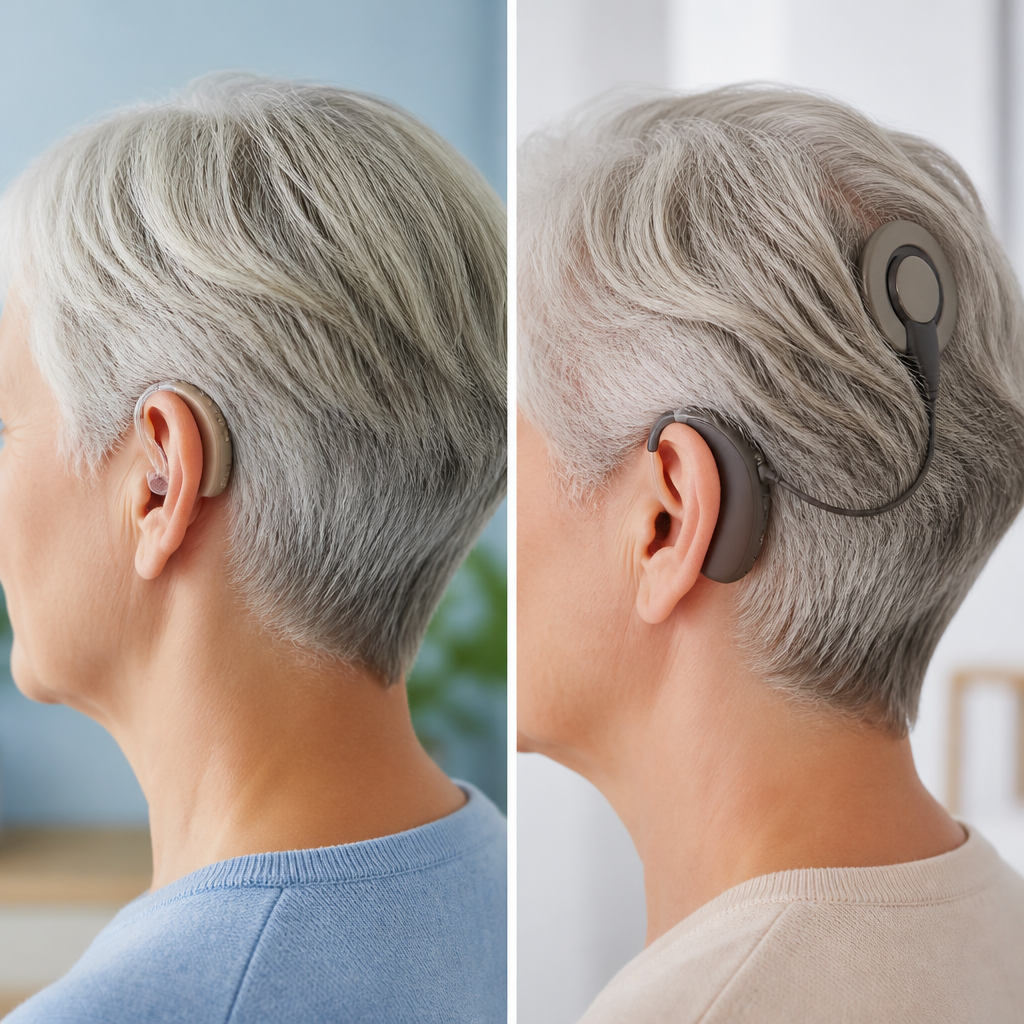
Style affects comfort, power, visibility, maintenance, and compatibility with other tools. The four most common styles in current hearing aid reviews are receiver-in-canal, behind-the-ear, in-the-ear, and completely-in-canal models. Receiver-in-canal devices dominate the market because they balance discreet size with strong sound quality and easy adjustments. Behind-the-ear models are usually best for severe to profound loss, pediatric fittings, and users who need durable earmolds or telecoils. In-the-ear options simplify insertion for some older adults, while completely-in-canal devices are cosmetically appealing but often trade away battery size, directional performance, and hands-free features.
| Style | Best For | Pros | Cons | Typical Cost Per Pair |
|---|---|---|---|---|
| Receiver-in-canal | Mild to severe loss | Natural sound, Bluetooth options, comfortable fit | Receiver wax maintenance, small parts | $2,000 to $6,500 |
| Behind-the-ear | Mild to profound loss | More power, durable, larger battery, telecoil availability | More visible, can interfere with glasses or masks | $1,500 to $6,500 |
| In-the-ear | Mild to moderately severe loss | Easier handling, custom shell, fewer external parts | Wind noise, less discreet, fewer advanced features in some models | $1,800 to $5,500 |
| Completely-in-canal | Mild to moderate loss | Very discreet, reduced wind exposure | Tiny battery, limited connectivity, hard to handle | $1,800 to $5,000 |
These ranges reflect bundled clinical pricing in many U.S. markets and can vary by region and provider. Over-the-counter products can cost less, but they are intended only for adults with perceived mild to moderate hearing loss and usually provide less personalized fitting support.
Best Prescription Hearing Aid Brands Compared
Among prescription brands, Phonak, Oticon, ReSound, Signia, Starkey, and Widex consistently appear in top hearing aid reviews because they combine established research, broad product lines, and professional programming software. Each brand has a recognizable strength. Phonak is known for strong Bluetooth compatibility and robust solutions for challenging hearing losses. Oticon emphasizes preserving access to a broad sound scene rather than over-isolating speech. ReSound has long performed well with accessories and connectivity. Signia offers competitive speech enhancement and sleek rechargeable designs. Starkey stands out for health-tracking features and compact custom options. Widex is widely respected for music quality and low perceived processing delay.
In real fittings, no single brand wins for every user. A retired teacher with sloping high-frequency loss may prefer Oticon or Widex for a more open, natural sound, while a business traveler taking frequent calls may benefit from Phonak’s universal Bluetooth approach. A user with severe loss and a need for powerful receivers, custom molds, and reliable remote support might do better with Phonak or ReSound. This is why strong product comparisons focus on hearing profile and daily use, not only star ratings.
Typical premium prescription packages cost between four thousand and seven thousand dollars per pair when they include evaluation, fitting, verification, follow-up visits, and warranty. Mid-tier packages often run from two thousand five hundred to four thousand five hundred dollars. Lower-cost clinic models exist, especially through large retailers, but buyers should verify what service is actually included.
Over-the-Counter Hearing Aids: Value, Limits, and Who Should Buy Them
Over-the-counter hearing aids changed the market by giving adults with perceived mild to moderate hearing loss access to lower-cost devices without first visiting a clinic. In the United States, the Food and Drug Administration established this category for adults eighteen and older, and reputable OTC products now come from companies such as Jabra Enhance, Sony, Lexie, and Eargo. Good OTC hearing aid reviews assess app-based hearing checks, self-fitting controls, return policies, background noise management, and customer support responsiveness.
The biggest advantage is cost. Many quality OTC hearing aids fall between eight hundred and two thousand dollars per pair, a meaningful reduction compared with prescription options. They can work well for tech-comfortable users whose hearing loss is straightforward and whose communication demands are moderate. For example, a person struggling mostly with television dialogue and soft conversation at home may do very well with a self-fit OTC device and a supportive mobile app.
The limitation is complexity. People with asymmetrical hearing loss, tinnitus concerns, ear pain, dizziness, sudden hearing changes, or poor word recognition need a medical and audiologic evaluation, not a retail shortcut. OTC devices also cannot replace skilled real-ear verification, which remains the gold standard for confirming that amplified sound matches prescriptive targets such as NAL-NL2. In practice, OTC hearing aids are best seen as a valuable access point, not a universal replacement for prescription care.
Features That Matter Most in Daily Use
When readers ask what makes one hearing aid better than another, the answer usually comes down to practical features rather than marketing labels. The first is speech understanding in noise. Directional microphones, adaptive noise reduction, and environment-specific processing can make a major difference in restaurants, family gatherings, and open offices. The second is connectivity. Bluetooth streaming for phones, tablets, laptops, and televisions is now essential for many users, especially those who rely on video calls, captions, and media playback.
Rechargeable batteries are another high-impact feature. Most current lithium-ion systems last a full day, though streaming-heavy use can shorten runtime. For users with arthritis or vision limitations, rechargeability often matters more than tiny cosmetic design. Telecoil support still deserves attention because it enables direct access to hearing loops in theaters, airports, houses of worship, and public venues. Despite being an older technology, telecoil remains one of the most reliable assistive listening features available.
Durability is also critical. Devices with strong ingress protection ratings and nanocoatings hold up better against sweat, humidity, and light rain, though no hearing aid is maintenance-free. Wax guards, microphone covers, and regular cleaning all affect performance. Buyers comparing hearing aids should also ask whether remote adjustments are available, because teleaudiology follow-ups can save significant time and improve long-term satisfaction.
Hidden Costs, Warranties, and Long-Term Ownership
Many hearing aid cost discussions focus too narrowly on sticker price. The real cost of ownership includes batteries or charging accessories, replacement domes and wax filters, out-of-warranty repairs, office visit fees, and the value of professional support. Prescription clinics may bundle services for two to four years, while some lower-priced sellers unbundle every adjustment. That difference can erase apparent savings quickly if the user needs several follow-up visits in the first year.
Most major manufacturers offer warranties lasting two to three years, often including one-time loss or damage replacement with a deductible. Buyers should ask direct questions: Is there a trial period, and how many days does it last? Are returns subject to restocking fees? Does the warranty cover charger replacement? Are earmolds and receivers included? Can the hearing aids be reprogrammed if hearing changes? I have seen buyers save hundreds upfront only to face costly receiver replacement, office charges, or limited support when sound quality problems appear.
Insurance coverage varies widely. Traditional Medicare generally does not cover routine hearing aids, though some Medicare Advantage plans offer limited benefits. Veterans may qualify for hearing aids through the VA when eligible. Employer flexible spending accounts and health savings accounts can often be used for hearing aid expenses. Because benefits change often, verification before purchase is essential.
Which Hearing Aid Is Best for Different Users?
The best hearing aid depends on user profile. For older adults wanting easy handling, a rechargeable behind-the-ear or receiver-in-canal model with large app controls and in-person support is usually the safest choice. For professionals who spend hours on calls, prioritize stable Bluetooth, multiple program memories, and strong microphone performance in noise. For active users outdoors, look for moisture resistance, wind management, and secure retention. For music lovers, low processing delay and wide input dynamic range matter more than aggressive automatic noise reduction.
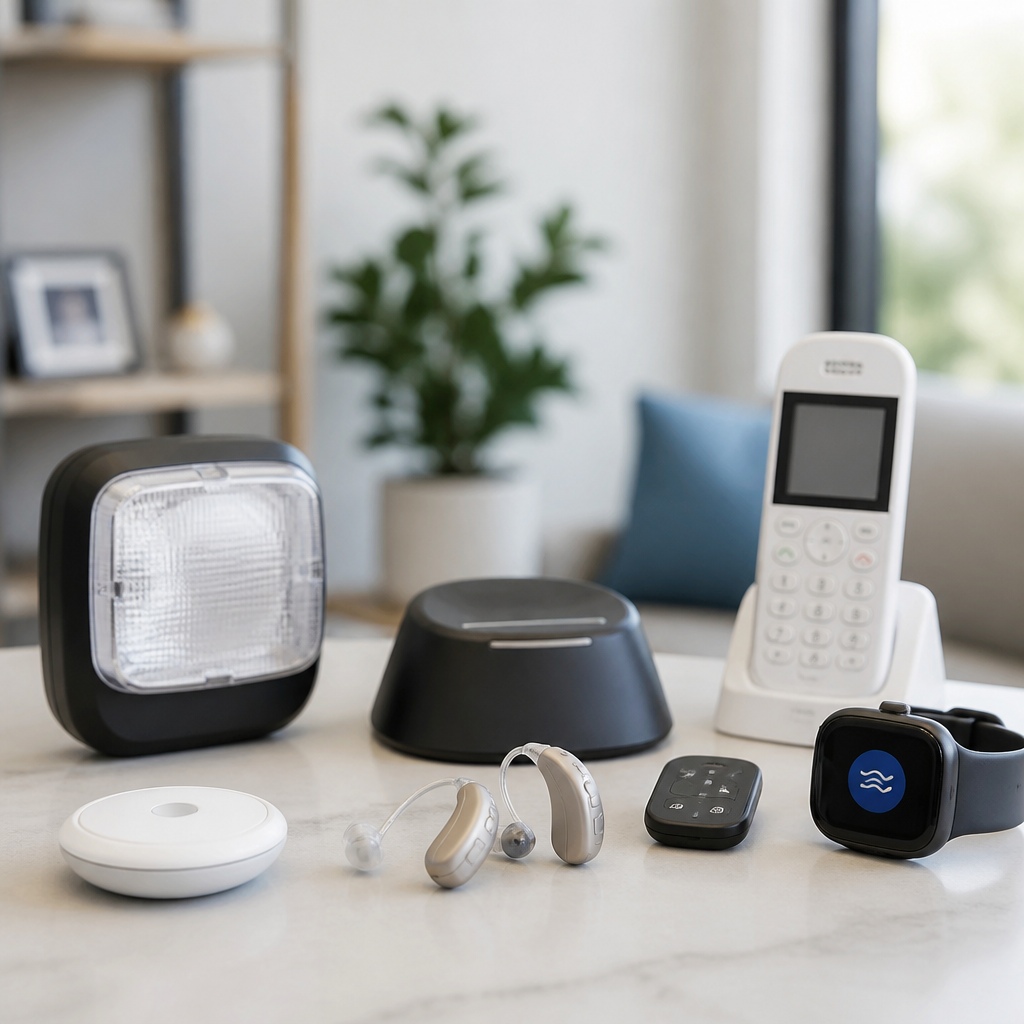
People in the deaf and hard of hearing community often benefit from combining hearing aids with other technology rather than expecting one device to solve every listening problem. Remote microphones can dramatically improve one-to-one speech understanding across distance. TV streamers deliver clearer dialogue without raising room volume. Captioned phones, visual alerts, and speech-to-text apps fill gaps that amplification alone cannot address. That systems approach is the most realistic framework for this product review hub and for the broader category of technology and tools for the deaf community.
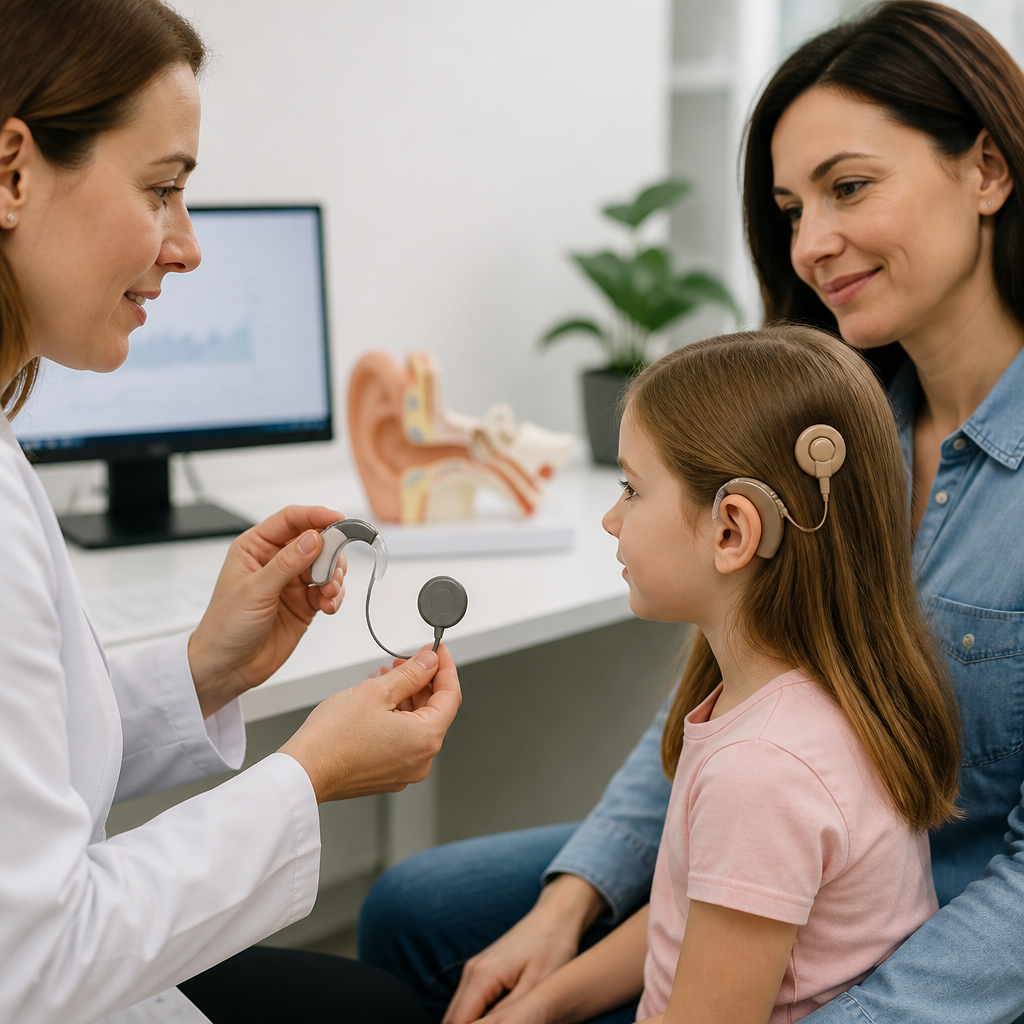
Children, adults with profound loss, and people receiving limited benefit from hearing aids may need to explore bone conduction devices, cochlear implants, or hybrid systems through a specialist team. A hearing aid review cannot replace clinical candidacy testing, but it can help readers ask better questions and avoid mismatched purchases.
The best hearing aid is the one that improves speech access reliably in the places where you actually live, work, and communicate. Across today’s top hearing aids, prescription receiver-in-canal and behind-the-ear models still offer the strongest mix of customization, connectivity, and long-term support, while over-the-counter hearing aids provide a lower-cost entry point for adults with mild to moderate needs. Brand reputation matters, but fit, verification, service, and accessory compatibility matter more. Buyers should compare style, sound processing, Bluetooth performance, telecoil availability, rechargeability, warranty terms, and bundled care before focusing on price alone.
As a hub for product reviews and comparisons, this page points to the broader tools ecosystem that many deaf and hard of hearing users rely on every day, from remote microphones and TV streamers to captioning apps and alerting systems. Hearing aids are often the foundation, not the whole solution. If you are narrowing options now, start with a hearing evaluation or a well-screened OTC self-assessment, list your daily listening challenges, and compare devices against those real situations. That simple step leads to better hearing aid choices and fewer expensive mistakes.
Frequently Asked Questions
What should I compare first when choosing between the top hearing aids?
The best place to start is not brand name or price alone, but the type of hearing loss you have and the environments where you struggle most. A hearing aid that works well for mild difficulty in quiet conversations may not perform nearly as well in restaurants, group meetings, worship services, or outdoor settings with wind and background noise. Start by comparing style and fit, such as behind-the-ear, receiver-in-canal, in-the-ear, or nearly invisible designs, because comfort, battery size, durability, and ease of handling can vary a great deal from one form factor to another.
Next, look closely at sound processing features. Top-rated hearing aids often differ more in how they handle speech clarity than in how loud they can get. Important features include directional microphones, noise reduction, feedback suppression, speech enhancement, tinnitus masking options, Bluetooth streaming, rechargeability, app controls, and automatic program adjustments. If you spend time in challenging listening environments, features that help separate speech from background noise can matter more than cosmetic design.
You should also compare support and follow-up care. Some hearing aids are sold through audiologists with hearing tests, fittings, adjustments, and ongoing service included. Others are sold over the counter or direct to consumer at a lower upfront cost but may offer less personalized support. For many buyers, especially first-time users, the fitting process, trial period, return policy, warranty, and access to cleanings or reprogramming are just as important as the device itself. In short, the smartest comparison looks at hearing needs, lifestyle, technology, comfort, and service together rather than focusing on a single “best” model.
How much do hearing aids usually cost, and what affects the total price?
Hearing aid costs can range from relatively affordable over-the-counter options to premium prescription devices that cost several thousand dollars per pair. In general, lower-cost devices may be suitable for adults with perceived mild to moderate hearing loss, while prescription hearing aids are often recommended for more complex needs, asymmetric hearing loss, severe loss, or users who need highly customized sound programming. The price difference is not only about the hardware itself. It often reflects the level of professional care, fine-tuning, diagnostic testing, and long-term support included with the purchase.
Several factors influence total cost. Technology level is a major one. Premium models often include better speech-in-noise performance, more advanced automatic listening programs, stronger connectivity, and additional convenience features such as rechargeable batteries and smartphone controls. Style can also affect price, with very small custom devices sometimes costing more because of the specialized fitting and design process. Brand reputation, warranty length, included accessories, charger type, and replacement policies can also change the final number.
It is also important to calculate ownership cost over time. Ask whether the quoted price includes hearing evaluations, earmolds, fitting appointments, follow-up visits, future adjustments, wax guards, domes, and repairs. Some lower advertised prices can look attractive at first but exclude services you may need later. On the other hand, a higher bundled price may offer better value if it includes professional care for several years. Before buying, always review the trial period, return fees if any, and warranty coverage for loss, damage, and repairs so you understand the real long-term investment.
Are more expensive hearing aids always better than budget or over-the-counter options?
Not always. More expensive hearing aids can offer meaningful advantages, but “better” depends on your hearing profile, daily listening demands, dexterity, comfort preferences, and whether you need professional support. Premium hearing aids often excel in complex sound environments because they may have more sophisticated processing for speech understanding, background noise management, and automatic adaptation between settings. For someone who works in meetings, travels often, or struggles heavily in restaurants and crowds, those upgrades can be worth the extra cost.
However, budget-friendly or over-the-counter devices can still be a practical choice for adults with mild to moderate hearing loss who want simpler amplification and basic convenience features. Some lower-cost models now include app-based controls, rechargeable batteries, and solid everyday performance for one-on-one conversations and home use. If your needs are straightforward and you are comfortable managing setup yourself, a less expensive device may deliver good value without the cost of a full clinic-based fitting package.
The key issue is matching technology to actual need. Paying more does not guarantee a better personal result if the device is uncomfortable, poorly fitted, or loaded with features you never use. Likewise, choosing the cheapest option can backfire if it lacks the sound quality, flexibility, or support needed for your lifestyle. A careful review of pros, cons, and costs should focus on hearing performance, usability, return options, and after-sale service rather than assuming the highest price automatically means the best hearing outcome.
What are the most common pros and cons of today’s top hearing aid categories?
Behind-the-ear and receiver-in-canal hearing aids are among the most popular categories because they typically offer a strong balance of power, comfort, battery performance, and advanced features. Their pros often include better microphone placement, easier handling, robust Bluetooth options, and suitability for a wide range of hearing losses. Their main drawbacks are visibility, the need to wear a device behind the ear, and occasional discomfort for users who also wear glasses or masks frequently.
In-the-ear and in-the-canal models appeal to users who want a more discreet fit and fewer external components. These can be convenient and cosmetically appealing, especially for people who dislike behind-the-ear hardware. On the downside, smaller devices may have shorter battery life, fewer onboard features, less room for larger controls, and greater sensitivity to earwax and moisture. They can also be harder to handle for people with arthritis or limited finger dexterity.
Over-the-counter hearing aids are another important category in the current market. Their biggest advantages are lower cost, easier access, and a faster buying process without necessarily requiring a clinic visit. That makes them attractive for many adults with perceived mild to moderate hearing loss. Their disadvantages can include less individualized fitting, more self-directed troubleshooting, and inconsistent quality depending on the manufacturer. Broadly speaking, every category involves tradeoffs among visibility, power, comfort, feature set, and support. The best category is the one that aligns with your hearing needs and the way you actually live day to day.
How do hearing aids fit into the broader technology landscape for the deaf and hard of hearing community?
Hearing aids are one important tool, but they are only part of a much larger communication and accessibility ecosystem. For many hard of hearing users, hearing aids can improve speech awareness, reduce listening fatigue, and make conversations, television, phone calls, and daily routines easier. But even the most advanced hearing aids do not “restore normal hearing” in every environment. People often benefit from combining hearing aids with assistive technologies such as captioned phones, remote microphones, TV streamers, alerting systems, real-time transcription apps, and Bluetooth accessories that bring sound sources closer and clearer.
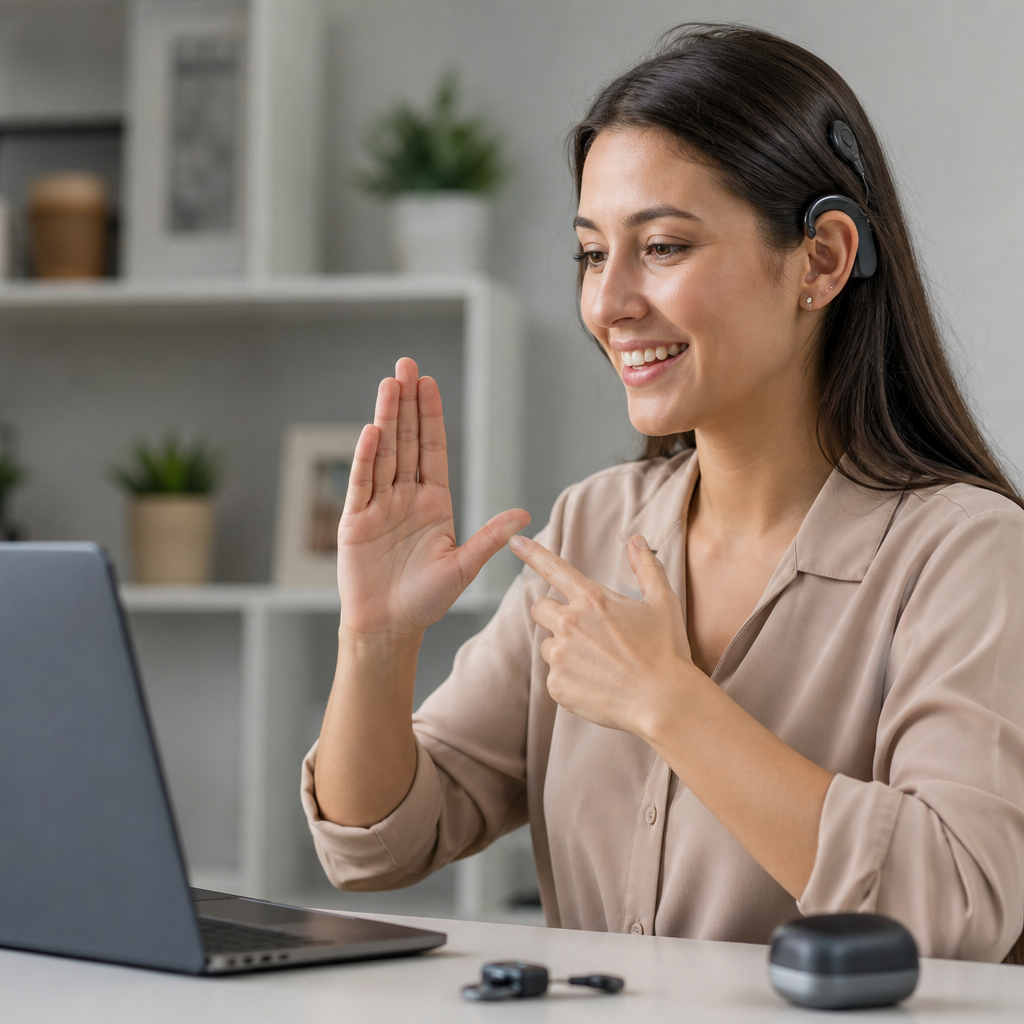
Within the wider deaf community, needs and preferences vary significantly. Some people rely heavily on hearing technology, while others primarily use sign language, captions, visual alerts, cochlear implants, or a mix of tools depending on context. That is why a hearing aid comparison article is most useful when it is framed as part of a broader accessibility conversation rather than as a one-size-fits-all solution. The best technology setup often includes both amplification and environmental supports, especially in schools, workplaces, public spaces, and family settings.
This broader perspective matters because success with hearing aids is not just about selecting a device with strong reviews. It is about creating a communication strategy that matches your identity, hearing profile, and everyday challenges. In practical terms, that may mean pairing hearing aids with captioning on video calls, using a remote mic in noisy settings, adding home alert systems for doorbells and alarms, or working with hearing professionals and support communities to optimize results. Hearing aids can be transformative, but they tend to work best when viewed as one part of a larger toolkit for connection, access, and independence.