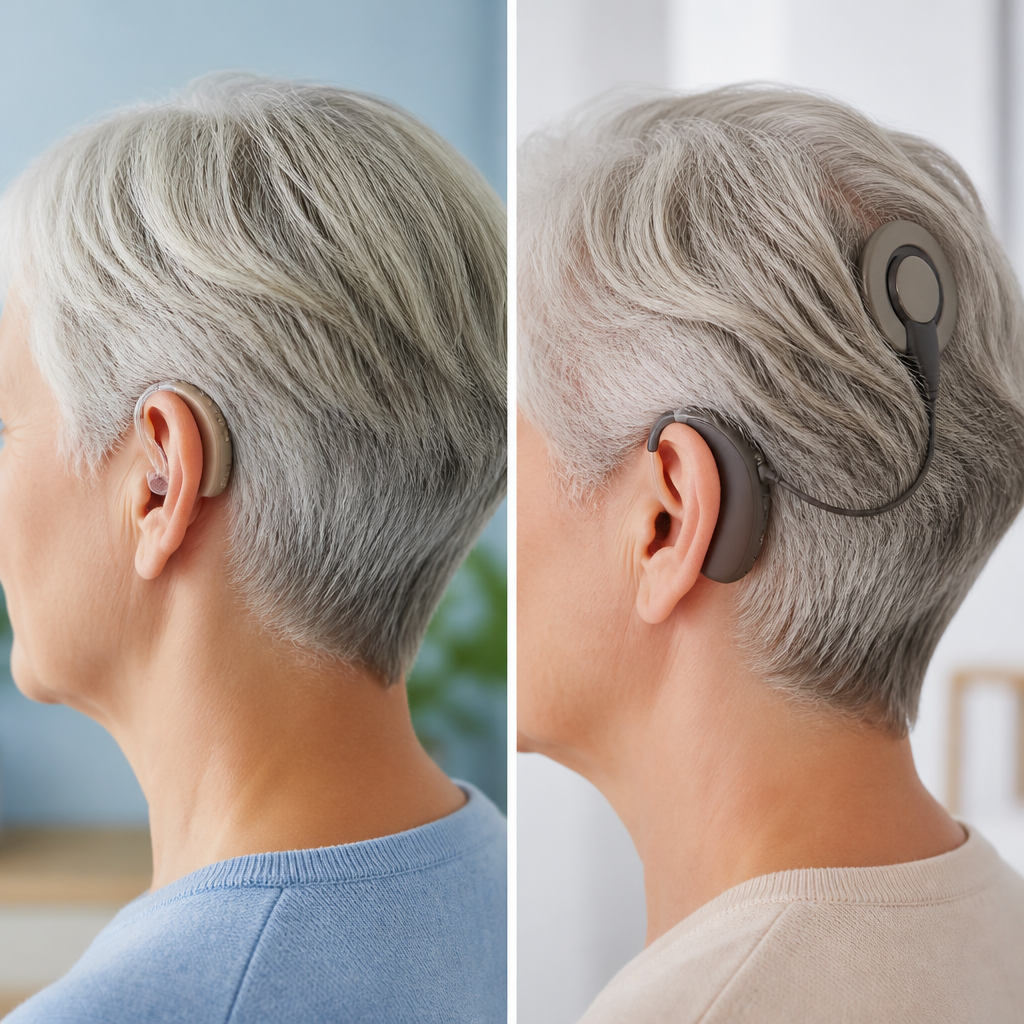
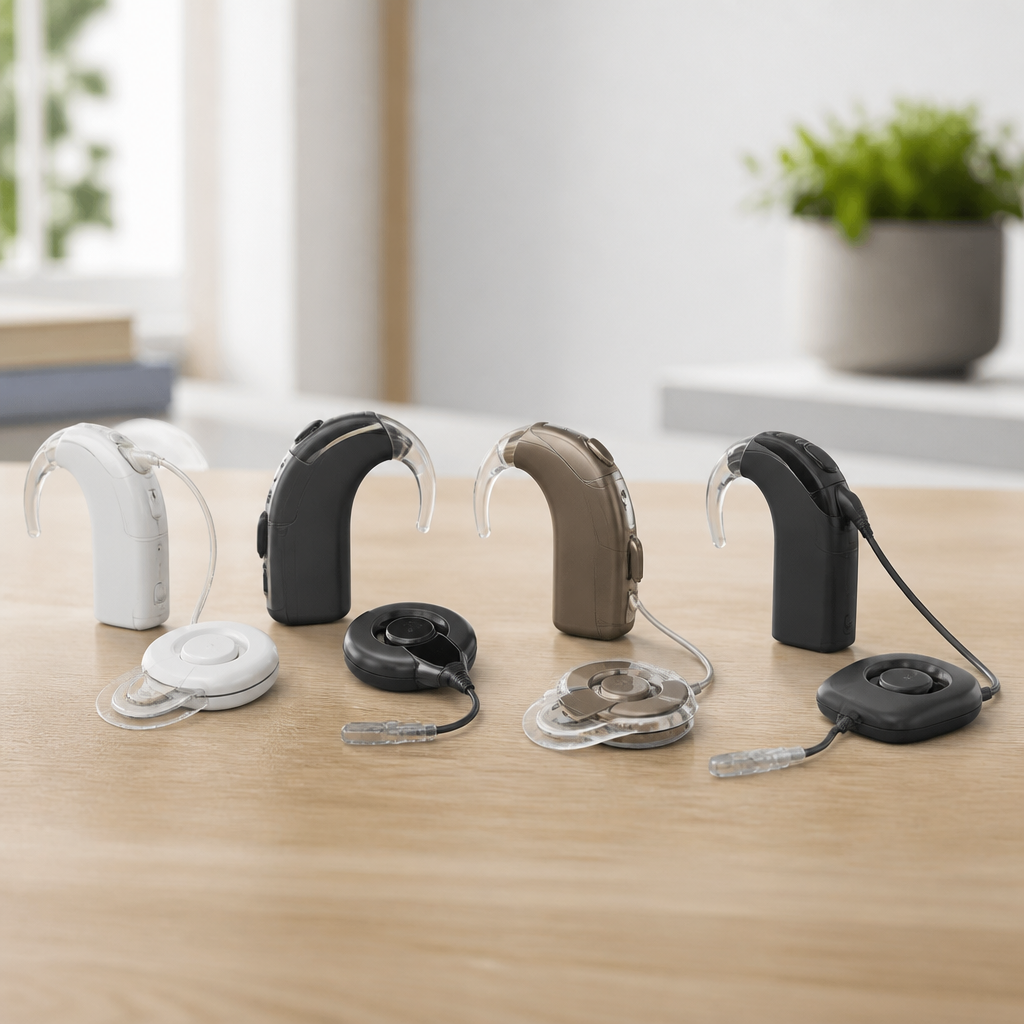
Choosing among cochlear implant brands is one of the most consequential decisions a deaf or hard of hearing person, parent, or adult candidate will make, because the device affects surgery, daily listening, long-term upgrades, and rehabilitation. A cochlear implant is an implanted hearing system that bypasses damaged hair cells in the inner ear and directly stimulates the auditory nerve through an electrode array placed inside the cochlea. Unlike hearing aids, which amplify sound acoustically, cochlear implants convert sound into electrical signals, then deliver those signals to the nerve using mapped channels. When people ask which cochlear implant brand is best, they usually mean something more practical: which system best matches anatomy, communication goals, accessory needs, reliability expectations, MRI requirements, and support over many years.
I have worked with implant candidates comparing systems before surgery and with experienced users evaluating processor upgrades afterward, and the same lesson comes up every time: there is no single best cochlear implant brand for everyone. The strongest choice depends on tradeoffs between electrode design, sound processing strategy, off-ear versus behind-the-ear wearing style, waterproof options, pediatric features, remote care tools, and the manufacturer’s track record in your clinic and country. Surgeons may prefer one array for hearing preservation, another for full insertions in malformed cochleae, and another for revision cases. Users may prioritize battery life, streaming, bimodal listening with hearing aids, retention during sports, or simple controls for school and work.
This guide compares the major cochlear implant brands sold in many markets: Cochlear Limited, Advanced Bionics, and MED-EL. In the United States, these are the three principal manufacturers for traditional cochlear implants, while market availability and processor options vary internationally. As a hub for product reviews and comparisons within deaf technology, this article also frames the broader buying questions readers should use when reviewing specific processors, accessories, microphones, apps, waterproof kits, and bimodal hearing solutions. If you want the short answer, all three major brands can deliver excellent speech understanding and access to sound when the surgical fit, programming, therapy, and user commitment are aligned. The better question is not “Which brand wins?” but “Which design best fits this person’s ears, life, and future plans?”
How cochlear implant brands differ in practice
The biggest differences between cochlear implant brands are not marketing slogans; they are engineering and clinical design choices. These include internal implant shape, magnet design for MRI access, electrode array philosophy, speech processing approach, processor form factor, battery ecosystem, wireless protocol, app quality, and compatibility with hearing aids or assistive microphones. Brand comparisons matter because cochlear implants are partly permanent and partly upgradeable. The implanted receiver and electrode are placed surgically and intended to stay for many years. The external processor, cable, coil, microphones, and accessories can usually be upgraded over time. That means a brand decision is both a present-day product choice and a long-term platform choice.
Cochlear Limited is often recognized for broad clinic adoption, strong accessory integration, and a large installed base. Its Nucleus line is common among both adults and children, and its Kanso off-ear processors appeal to users who dislike behind-the-ear hardware. Advanced Bionics is known for its partnership history with Phonak, emphasis on bimodal integration, and flexible options for users who value direct connectivity and Roger microphone support in school or work settings. MED-EL is widely associated with long, flexible electrode arrays intended to support cochlear coverage and with processor designs that some users choose for music perception priorities or hearing preservation discussions. None of these summaries alone decides the outcome, but they explain why clinics present different recommendations.
Outcomes also vary for reasons unrelated to brand. Duration of deafness, cause of hearing loss, residual hearing, age at implantation, consistency of wear time, mapping quality, auditory training, and family support have enormous influence on performance. Two people with the same brand can have very different speech scores. Conversely, users across brands may achieve similar conversational outcomes. Any honest comparison must acknowledge that the implant company contributes important variables, but the final listening result is shaped by surgery, programming, the auditory nerve, and rehabilitation. That is why meaningful comparisons focus on fit, not on declaring one universal winner.
Brand-by-brand overview: strengths, tradeoffs, and common fit
Cochlear Limited usually enters the conversation first because many implant centers work with it extensively and because its ecosystem is mature. The Nucleus behind-the-ear processors are generally considered straightforward for families and adults who want strong manufacturer support, established accessories, and broad availability of educational resources. The Kanso line offers an off-ear, all-in-one wearing style that removes the earhook and cable, which many users prefer for comfort, cosmetics, helmets, or glasses. Cochlear has also emphasized smartphone connectivity and remote support features in several markets. The tradeoffs can include retention concerns for some off-ear users, dependence on hair or head shape for optimal placement, and the reality that not every user values the same processor form factor.
Advanced Bionics is frequently considered by users who prioritize integration with Phonak hearing technology and Roger systems. For children in classrooms, professionals who rely on microphones in meetings, and bimodal users wearing a hearing aid in the non-implanted ear, this can be a meaningful advantage. Advanced Bionics has also promoted features aimed at preserving detailed sound cues and offering flexible listening programs. In practice, the best candidates are people whose audiology team has deep programming experience with the platform and whose daily environments benefit from wireless microphone ecosystems. Potential drawbacks depend less on sound quality claims and more on local support, product generation timing, and whether the clinic has equal expertise across brands.
MED-EL often stands out in discussions about electrode length, cochlear coverage, and atraumatic insertion goals. Surgeons who favor longer, flexible arrays for certain anatomies may recommend MED-EL, especially when residual hearing preservation or full cochlear coverage is part of the preoperative discussion. Some users and clinicians also associate the brand with strong music listening conversations, though music outcomes remain highly individual and cannot be guaranteed by brand alone. MED-EL users may appreciate processor options and MRI design features in relevant models. The tradeoff is that preferences for array design are surgeon specific, and what is ideal in one ear may not be ideal in another. A long electrode is not automatically better if anatomy, insertion depth, or clinical goals suggest a different approach.
| Brand | Often chosen for | Potential tradeoffs | Best fit examples |
|---|---|---|---|
| Cochlear | Large support ecosystem, common clinic experience, off-ear and behind-the-ear processor options | Off-ear retention can vary; popularity does not equal universal best fit | Families wanting established accessories, adults comparing Kanso versus Nucleus wear styles |
| Advanced Bionics | Bimodal integration, Roger microphone compatibility, Phonak-linked workflows | Value depends on local clinic expertise and accessory priorities | Students, professionals, and bimodal users who rely on remote microphones |
| MED-EL | Long flexible arrays, cochlear coverage discussions, anatomy-specific surgical planning | Array philosophy must match the ear and surgeon approach | Users discussing hearing preservation, music priorities, or challenging cochlear anatomy |
Key comparison factors before choosing a brand
If you are deciding which cochlear implant brand is best, start with anatomy and surgical strategy. Ask which electrode arrays your surgeon uses most often, why one might suit your cochlea better than another, and whether hearing preservation is a realistic goal in your case. CT and MRI imaging, cochlear malformations, ossification after meningitis, and previous ear surgery can strongly influence array selection. This is not a minor technical detail. The electrode array determines where stimulation occurs and how atraumatically the insertion can be performed. A brand with a processor you love may not be the best match if its available array is not your surgeon’s preferred solution for your anatomy.
Next, compare processor wearing style and retention. Behind-the-ear processors distribute weight around the ear and usually provide flexible battery options, while off-ear processors can be cosmetically appealing and comfortable for some users but may require stronger magnets or accessories to stay secure. For infants, active children, athletes, and people who wear glasses, masks, or hard hats, physical fit matters every day. Ask to handle demo units. Put them on with your usual eyewear. Test clips, headbands, and waterproof cases. The right answer often becomes obvious when a device is actually worn rather than discussed abstractly.
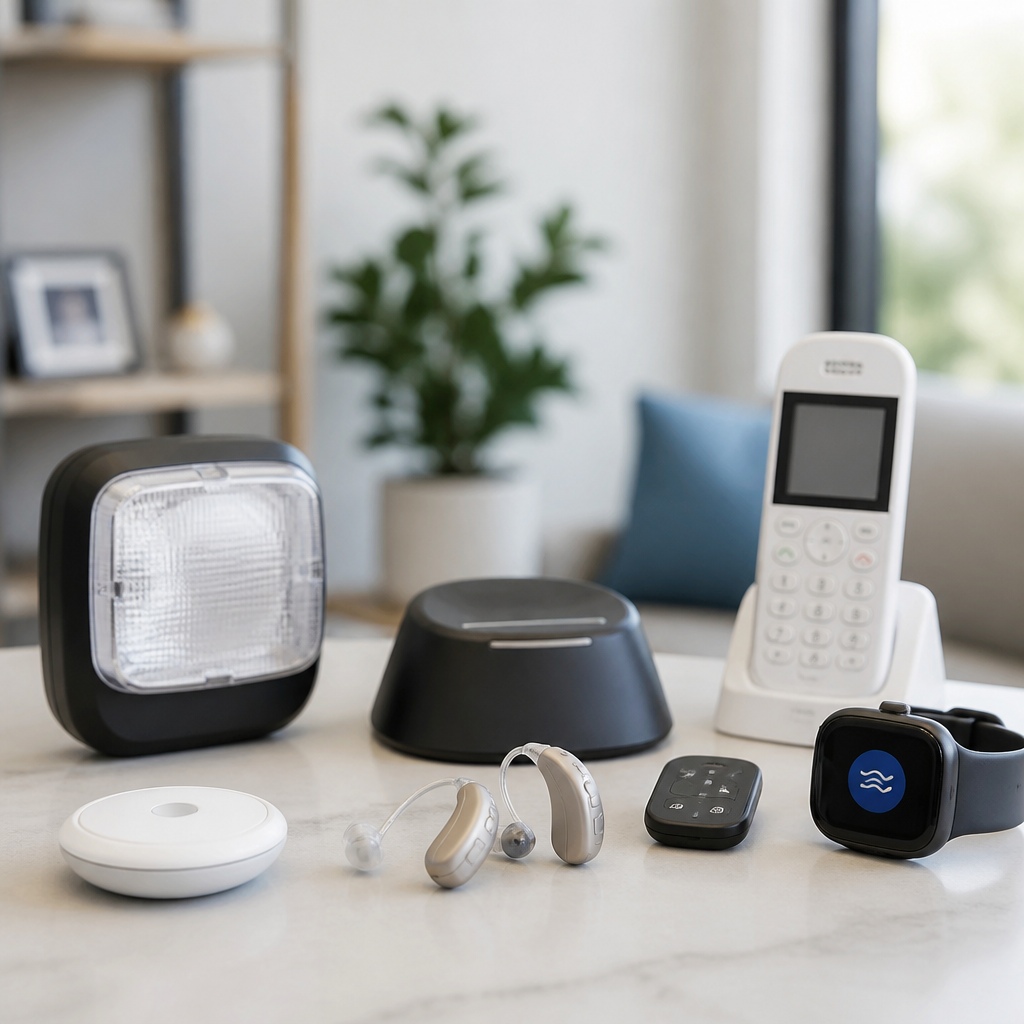
Connectivity and accessories deserve equal attention. Many users spend more waking hours in difficult listening situations than in quiet clinics. Direct streaming from phones, compatibility with remote microphones, TV streamers, telecoils, Bluetooth protocols, and app controls can dramatically change satisfaction. In my experience, adults who work in hybrid offices often care more about call clarity, conference microphones, and battery management than about small differences in brochure language. Parents of school-age children care about classroom microphone systems, retention at recess, and quick troubleshooting. Review the full ecosystem, not only the processor.
Finally, investigate upgrade history and local support. Because external processors evolve faster than internal implants, a manufacturer’s track record for upgrades, repair turnaround, loaner access, and audiology training matters. Ask your center which brands they map most often, how many pediatric and adult users they support on each platform, and how easy replacement parts are to obtain in your region. A technically excellent device becomes frustrating if service is slow or clinicians are unfamiliar with advanced programming options. The best cochlear implant brand in real life is the one you can wear confidently, maintain easily, and optimize over time.
How to evaluate outcomes, reviews, and long-term value
Online reviews of cochlear implant brands can be helpful, but they need careful interpretation. A user may praise one processor because it streams calls well, while another criticizes the same brand after a difficult mapping period. Neither review is wrong; they are reporting different stages, anatomies, and expectations. When comparing outcomes, look for objective measures such as CNC word scores, AzBio sentence testing in quiet and noise, datalogging, residual hearing preservation rates where relevant, MRI conditional labeling, and published reliability reports. Also ask qualitative questions: How comfortable is the processor after ten hours? How easy is the app for an older adult? How well does the battery last through school or work?
Long-term value is not simply purchase price, because implant recipients are entering a many-year service relationship. Insurance coverage, public health funding, processor replacement intervals, accessory bundling, disposable versus rechargeable battery costs, and out-of-warranty repair policies all affect total ownership. A cheaper short-term package can become costly if accessories are limited or replacements are delayed. Conversely, a premium-looking ecosystem may offer little extra value if the user rarely streams audio or already relies on separate assistive listening tools. The smartest approach is to estimate five-to-ten-year usability: surgery today, mapping support this year, processor upgrades later, and practical listening needs every day.
For most readers, the clearest conclusion is simple. Cochlear, Advanced Bionics, and MED-EL all make high-quality cochlear implant systems, and the best brand is the one that best aligns surgical fit, processor lifestyle, connectivity needs, and local clinical support. Start with your surgeon’s array recommendation, confirm your audiologist’s programming experience, and then compare processors, accessories, and service in the contexts that matter most to you. If you are building out your research within deaf technology product reviews and comparisons, use this hub as your starting point and then move to detailed pages on processors, accessories, waterproof options, bimodal setups, and classroom tools. Make a shortlist, ask your implant center hard questions, and choose the platform you can live with confidently for years.
Frequently Asked Questions
What factors matter most when comparing cochlear implant brands?
When comparing cochlear implant brands, the most important point is that there is rarely a single universally “best” option for every person. The right choice depends on how a brand’s implant design, sound processing strategy, external hardware, reliability record, upgrade pathway, and support network fit an individual’s anatomy, hearing history, communication goals, and lifestyle. A cochlear implant is not just a product purchase; it is a long-term medical and rehabilitative commitment that includes surgery, activation, mapping, therapy, maintenance, and future processor upgrades.
One major area to compare is the internal implant and electrode array. Different manufacturers offer different electrode lengths, shapes, and insertion philosophies. For some patients, preserving residual hearing may be an important goal, which can influence the surgeon’s preference for a particular electrode design. For others, cochlear anatomy, ossification, malformations, or previous hearing history may make one brand’s array more suitable than another. This is why surgeon experience and anatomical fit matter so much.
Another key factor is the external sound processor, because this is the part used every day. Families and adult users often compare battery life, wearing style, waterproofing options, microphone performance, wireless streaming, app control, remote microphones, and ease of use in school, work, and social settings. Even small differences in retention options, processor size, and accessory compatibility can have a meaningful effect on daily comfort and listening success.
Also important are long-term considerations such as manufacturer reliability, availability of repairs and support, upgrade eligibility, and compatibility with future technology. Since the internal implant is intended to remain in place for many years, buyers should think beyond the first year and ask what the company’s track record looks like over time. Strong local audiology support and access to rehabilitation services can be just as important as brand-specific features, because outcomes depend heavily on programming and auditory training after surgery.
In short, the best comparison balances medical suitability, surgeon recommendation, technology features, lifestyle fit, and long-term support. Brand comparison should never focus on marketing claims alone. It should be grounded in candid conversations with the implant team, especially the surgeon and audiologist, who can explain which options make the most sense for the specific candidate.
Is one cochlear implant brand clearly better than all the others?
No reputable expert would say that one cochlear implant brand is clearly best for every patient in every situation. The leading manufacturers all produce sophisticated systems that help many children and adults achieve meaningful access to sound, speech, and environmental awareness. Outcomes vary widely based on factors such as age at implantation, duration of deafness, auditory nerve health, consistency of device use, rehabilitation, and quality of mapping. Because of that, the brand itself is only one part of the overall success picture.
Each company tends to have strengths that may appeal to different users. One brand may be especially well regarded for a particular electrode option, another for external processor design, another for accessory ecosystem, and another for hearing preservation strategy or MRI-related considerations. Some users prioritize direct streaming and wireless connectivity. Others care more about water resistance, battery flexibility, or comfort for infants and young children. A parent of a newly implanted child may emphasize school-friendly accessories and durability, while an adult professional may prioritize phone calls, streaming, and discreet wear.
It is also important to understand that online comparisons can oversimplify the decision. Testimonials are valuable, but they are personal experiences, not universal proof. A person who does extremely well with one brand may have done equally well with another, and someone dissatisfied with one system may have challenges that are not caused solely by the brand. Surgical factors, anatomy, programming quality, and rehabilitation consistency all influence the result.
Rather than asking which brand is objectively best, a better question is which brand is best for this specific candidate. That includes medical fit, surgeon familiarity, audiologist support, external technology preferences, and the likelihood of strong long-term follow-up. The best choice is usually the one that gives the individual the strongest combination of safe implantation, dependable performance, practical day-to-day usability, and ongoing professional support.
How do surgeons and audiologists help determine the best cochlear implant brand?
Surgeons and audiologists play a central role in cochlear implant brand selection because they evaluate factors that patients and families usually cannot assess on their own. The surgeon focuses on anatomy, surgical access, cochlear condition, electrode insertion goals, and any medical issues that could influence which internal device is most appropriate. Imaging studies, hearing history, prior ear disease, cochlear malformations, ossification, or residual hearing status may all affect the recommendation.
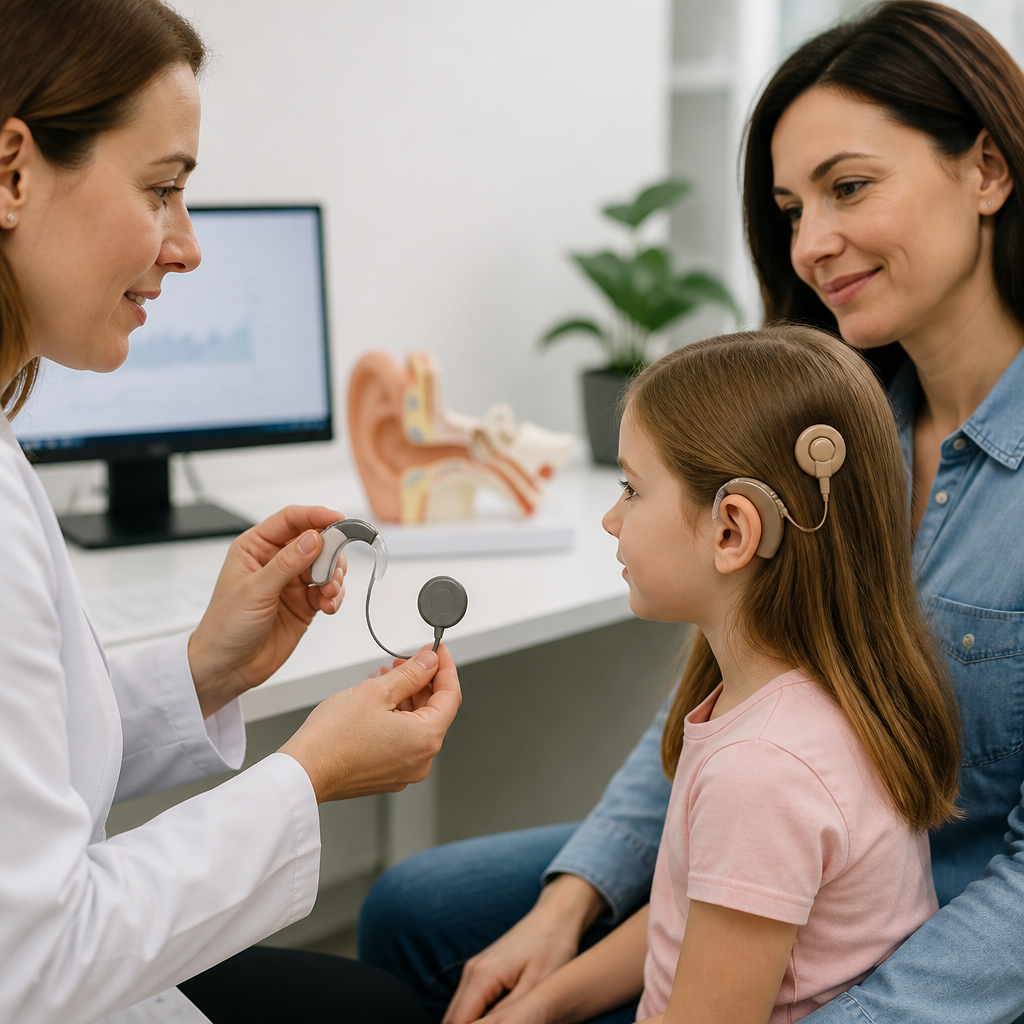
The audiologist contributes by evaluating hearing levels, current hearing aid benefit, speech perception, listening needs, communication style, and realistic expectations for post-implant progress. Audiologists also know how different external processors function in everyday life and can explain practical differences in controls, accessories, batteries, retention options, Bluetooth or wireless connectivity, and school or workplace use. Just as important, they are the professionals who will program the device over time, so their experience with certain manufacturers can influence how smoothly the ongoing rehabilitation process unfolds.
Implant centers may not offer every brand equally, and that is an important issue to clarify early. Some centers work with all major manufacturers, while others have more limited availability based on training, logistics, or institutional preference. Patients should feel comfortable asking which brands are offered, how often each is implanted, what the team sees as the main strengths and limitations of each, and whether there are anatomical or lifestyle reasons one option may be favored.
Good clinical guidance should be personalized, not generic. A strong implant team will explain why they recommend a certain device for a certain patient, rather than simply naming a favorite brand. They should also discuss expected outcomes honestly, including uncertainties. The most useful consultations often involve both medical and practical questions: What electrode array fits the anatomy? How experienced is the surgeon with that device? How easy is it to manage daily? What is the upgrade history? What support is available if problems arise?
Ultimately, professionals do not just choose a device; they help build the conditions for success. Since cochlear implantation is a process rather than a one-time event, the quality of the implant team and their familiarity with the selected brand can be just as important as the brand itself.
What daily-life differences should users compare between cochlear implant brands?
Daily-life usability is one of the most overlooked but most consequential parts of comparing cochlear implant brands. Once surgery is over, what matters every day is how well the processor fits into real life at home, at school, at work, during exercise, and in noisy social environments. External processor design can affect comfort, confidence, independence, and consistency of use, all of which influence long-term outcomes.
Users should compare wearing style and comfort first. Some processors sit behind the ear, while others may offer different profile or retention approaches. For babies and active children, secure retention options can be especially important. Adults may care more about weight, eyeglass compatibility, hairstyle impact, or how discreet the processor looks. Even small design differences can matter if the device is worn all waking hours.
Hearing in noise is another practical issue. No cochlear implant completely restores natural hearing, so microphone technology, directional processing, remote microphones, and compatibility with classroom or workplace listening systems deserve close attention. Families should ask how each brand supports difficult listening environments such as restaurants, meetings, cars, lectures, and group conversations.
Connectivity and accessories also vary. Many users want direct streaming from phones, tablets, computers, or televisions. Parents may need easy pairing with school technology or reliable use with assistive listening devices. App-based controls, remote support features, rechargeable battery systems, disposable battery options, and waterproof accessories can all shape daily convenience. A swimmer, athlete, traveler, or professional who spends hours on calls may prioritize different features than a young child learning spoken language.
Maintenance and support matter too. Consider how easy it is to replace parts, contact the manufacturer, access loaner equipment, and troubleshoot problems quickly. If a processor goes down, communication can be significantly disrupted, so responsive customer service is not a minor issue. In practical terms, the best daily-life brand fit is the one that supports reliable hearing access with the least friction and the greatest consistency in the environments that matter most to the user.
Should future upgrades and long-term support influence which cochlear implant brand you choose?
Yes, future upgrades and long-term support should be a major part of the decision. Unlike many consumer devices, a cochlear implant includes an internal component that is surgically placed and typically expected to remain for many years. While external sound processors can usually be upgraded over time, the implanted portion represents a long-term commitment to that manufacturer’s ecosystem. That is why it is wise to think not only about what works today, but also about what support, innovation, and compatibility may look like years from now.
Prospective users should ask about a manufacturer’s history of processor upgrades, backward compatibility, and customer support practices. In many cases, new external processors are designed to work with older implants, but the details can vary. Understanding how often processors are updated, how insurance or funding may affect access to upgrades, and what features are typically introduced over time can help families make a more informed decision