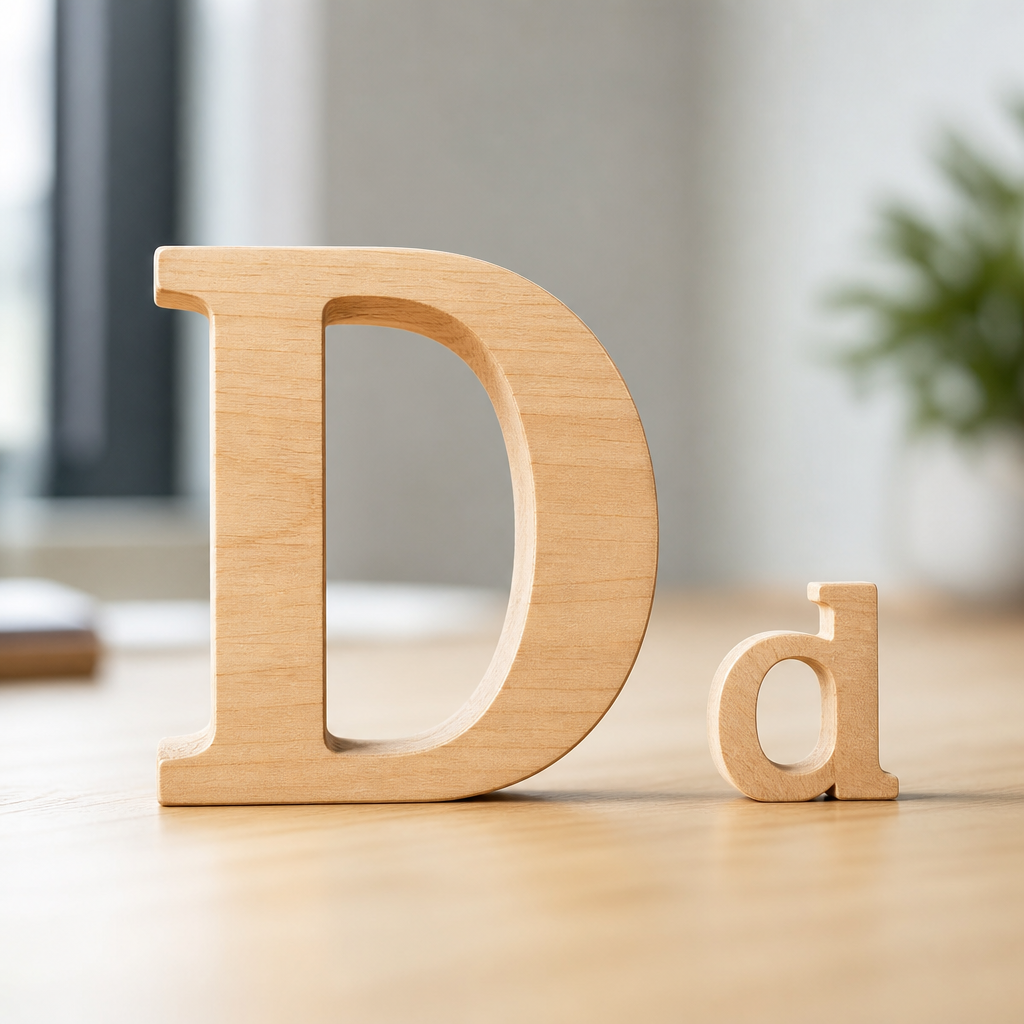
Big D vs little d describes two related but distinct ways people understand deafness: one centers on cultural identity, and the other describes hearing status. In everyday use, little d deaf usually means a person has significant hearing loss. Big D Deaf usually refers to someone who identifies with Deaf culture, often uses sign language, and participates in a community shaped by shared language, history, and social norms. That difference matters because it affects communication preferences, education choices, family dynamics, healthcare access, and a person’s sense of belonging. I have found that many hearing relatives, teachers, and even service providers assume the terms are interchangeable, but they are not. Using them accurately shows respect and prevents common misunderstandings.
At the simplest level, “deaf” can be an audiological description, while “Deaf” can be a cultural and linguistic identity. A person may be deaf without identifying as Deaf. Another person may identify strongly as Deaf even if they have some residual hearing, use hearing technology, or speak as well as sign. Identity is not decided only by an audiogram. It is shaped by language access, upbringing, peer community, school experience, and personal choice. This is why the phrase Big D vs little d appears so often in discussions of Deaf culture and identity: it gives people a practical way to separate medical description from community affiliation.
The distinction developed as Deaf communities asserted that deafness is not only a disability or hearing deficit. In many countries, Deaf people have built rich cultural communities with their own values, humor, storytelling traditions, social etiquette, and signed languages such as American Sign Language, British Sign Language, or Langue des Signes Française. Within that view, Deafness is not something to fix before a person can live fully. It is a way of being in the world. By contrast, many little d deaf people primarily navigate hearing society through speech, lipreading, hearing aids, cochlear implants, captioning, or a combination of tools, and they may not feel connected to Deaf community life.
This topic matters because labels influence real decisions. Parents choosing an educational path for a deaf child need to understand whether a school supports sign language and Deaf identity, or focuses mainly on spoken-language outcomes. Employers need to know that accessibility is not one-size-fits-all. Clinicians must avoid assuming every deaf patient wants the same communication method. And deaf or hard of hearing individuals often need language that helps them explain who they are. A clear explanation of Big D and little d creates that language. It also helps readers explore related topics such as Deaf culture, sign languages, cochlear implants, oralism, mainstream schooling, and Deaf gain from a more informed starting point.
What Big D Deaf Means
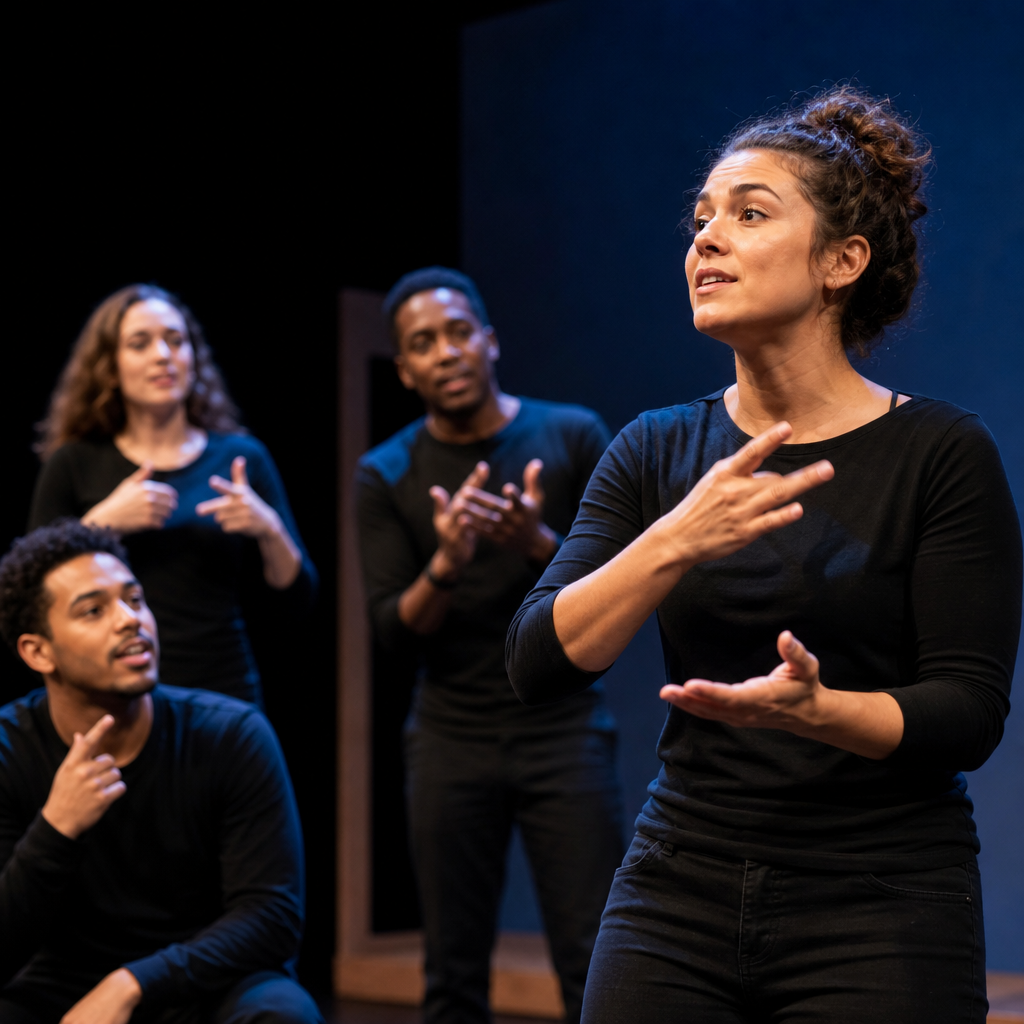
Big D Deaf refers to a cultural identity rooted in community and language. In practice, this usually means a person identifies with Deaf people as a linguistic minority group rather than only as individuals with hearing loss. Signed language is central. In the United States, that often means ASL, but the broader principle is that Deaf communities form around fully accessible visual languages. Shared experience matters too: Deaf schools, clubs, sports, theater, advocacy organizations, and intergenerational networks all reinforce identity. When I have worked on accessibility planning, this is the point hearing organizations miss most often. They treat hearing level as the only factor, when community affiliation is often just as important.
Being Deaf does not require a single life story. Some Deaf people are born to Deaf parents and grow up signing from infancy. Others are born to hearing parents and discover Deaf community later through school, college, social media, local events, or mentors. Some use hearing aids or cochlear implants and still identify as Deaf. Some speak and sign. Others prefer signing almost exclusively. What connects them is not one device, school model, or degree of hearing loss. It is identification with a community that has its own cultural norms and history.
Those norms include direct communication, visual attention strategies, and strong expectations around access. For example, tapping a shoulder, waving, or flicking lights to get attention is standard in Deaf spaces. Maintaining sight lines matters during conversation. Group seating often forms a circle so everyone can see. Storytelling may be more visual and spatial than hearing people expect. These are not minor habits. They reflect a culture organized around visual communication.
Historically, Deaf identity also formed in response to exclusion. The 1880 Milan Conference promoted oralist education and discouraged sign language in many schools, causing long-term harm to signed language access. In contrast, movements such as the Deaf President Now protest at Gallaudet University in 1988 publicly affirmed Deaf leadership and civil rights. These milestones are essential context. They show why many Deaf people view identity as political as well as personal.
What little d deaf Means
Little d deaf usually refers to the audiological condition of being deaf without necessarily claiming a cultural identity connected to Deaf community. A little d deaf person may lose hearing at birth, in childhood, or later in life. They may communicate primarily through spoken language, rely on amplification, and socialize mostly in hearing environments. Some are comfortable with the term deaf but do not participate in Deaf culture. Others prefer “hard of hearing,” especially if they have partial hearing or progressive hearing loss. Identity language varies widely, and the best practice is always to ask the person what terms they use.
Many little d deaf people spend years adapting to systems designed for hearing people. They may depend on lipreading, but lipreading alone is limited; under good conditions, only part of spoken English is visually distinguishable on the lips. They may use hearing aids, which amplify sound but do not restore typical hearing. They may use cochlear implants, which provide access to sound through electrical stimulation of the auditory nerve, but outcomes vary based on age of implantation, auditory history, rehabilitation, and individual physiology. Because of these realities, little d deaf experiences are often shaped by constant negotiation: better microphones, quieter rooms, captions, strategic seating, and repetition.
Some little d deaf people later become more involved with Deaf community and shift how they identify. Others remain primarily connected to hearing spaces their entire lives. Neither path is inherently more valid. The key point is that little d deaf is often descriptive, while Big D Deaf is explicitly cultural.
How the Differences Work in Real Life
The easiest way to understand Big D vs little d is to look at common real-world situations. Communication is the clearest example. A Deaf professional may request an ASL interpreter for a staff meeting because sign language is their primary language. A little d deaf colleague may prefer real-time captions through CART, amplified audio, and written follow-up notes. Both need access, but the accommodations are not identical. Assuming one solution works for everyone usually creates barriers instead of removing them.
Education is another major difference. A family raising a Deaf child may choose a bilingual-bicultural program where the child learns a signed language and written/spoken language side by side. That approach treats sign language as foundational, not secondary. A family of a little d deaf child may choose mainstream education with speech therapy, hearing technology, and classroom accommodations. Success depends less on ideology than on whether the child has full language access early and consistently. Research across language development is clear on one point: delayed access to a fully accessible language can have lifelong consequences.
Social belonging also differs. A Deaf teenager at a residential school may experience immediate ease in an environment where everyone signs, visual communication is normal, and identity is affirmed. A little d deaf adult in a hearing office may feel more identified with hearing coworkers than with Deaf community, especially if they do not sign. These experiences shape self-understanding over time.
| Situation | Big D Deaf example | little d deaf example |
|---|---|---|
| Primary identity | Cultural and linguistic community member | Hearing status description |
| Communication preference | Signed language, interpreter, visual access | Speech, captions, amplification, lipreading |
| School connection | Deaf school or signing community often important | Mainstream hearing settings often primary |
| View of deafness | Difference and identity | Condition to manage in daily life |
Language, Identity, and Common Misunderstandings
One common mistake is treating Deaf as simply a polite version of deaf. It is not a hierarchy of respect. The capital letter signals culture, not superiority. Another mistake is assuming all people with cochlear implants are little d deaf, or that all signers are Big D Deaf. In reality, identity is more fluid. I have seen implanted adults who are deeply active in Deaf organizations, and late-deafened adults who do not identify as Deaf but use sign in specific settings. Technology and identity do not map neatly onto each other.
Another misunderstanding is believing that joining Deaf culture requires rejecting speech, hearing aids, or hearing people. That is inaccurate. Many Deaf people move comfortably between Deaf and hearing worlds, a reality sometimes called bicultural or bilingual living. They may sign with friends, speak with relatives, use interpreters in one setting and captions in another, and still identify strongly as Deaf. The point is not purity. The point is access, community, and self-definition.
Families often ask which label is correct for a child. The honest answer is that identity can develop over time. Parents can choose language-rich environments, expose children to Deaf adults, ensure accessible communication, and stay open rather than forcing a fixed label early. What matters most is that the child can communicate fully and form healthy relationships. Identity grows from that foundation.
Why This Distinction Matters Across Deaf Culture and Identity
As a hub topic within Deaf Culture and Identity, Big D vs little d connects nearly every major conversation in the field. It shapes debates over medical versus cultural models, the role of sign language in education, inclusion in mainstream schools, interpreter access, captioning standards, media representation, and disability law. It also changes how people interpret policy. For example, the Americans with Disabilities Act in the United States requires effective communication, but effective communication can mean an interpreter for one person and high-quality captioning for another. Without understanding identity and language preference, compliance efforts stay superficial.
The distinction also matters globally. Different countries have different signed languages, school systems, and legal recognition frameworks, but the core pattern repeats: some people primarily understand deafness as hearing loss, while others understand Deafness as membership in a language community. Knowing that difference helps readers navigate related articles with more precision.
The practical takeaway is simple. Use little d deaf when discussing hearing status in general. Use Big D Deaf when referring to cultural identity or the Deaf community. If you are unsure how someone identifies, ask respectfully and follow their lead. That small habit improves communication immediately. It also opens the door to better decisions about education, work, access, and relationships. If you want to understand Deaf culture and identity well, start here, then continue exploring sign language, Deaf history, schooling models, and accessibility through this lens.
Frequently Asked Questions
What is the difference between Big D Deaf and little d deaf?
The simplest way to understand the difference is this: little d deaf usually describes hearing status, while Big D Deaf usually describes cultural identity. A person described as little d deaf has significant hearing loss or is medically considered deaf, but they may not identify with Deaf culture, use sign language, or participate in Deaf community life. By contrast, a person who identifies as Big D Deaf typically sees deafness as more than a hearing condition. It is often connected to a shared language such as American Sign Language, a distinct cultural experience, common social norms, and a sense of belonging to the Deaf community.
This distinction matters because it changes how people may want to communicate and how they see themselves. Two people can have similar levels of hearing loss but identify very differently. One may prefer spoken communication, hearing technology, and mainstream hearing environments. Another may prefer sign language, Deaf spaces, and a cultural view of deafness rather than a medical one. In other words, Big D and little d are not just labels about the ear; they reflect identity, community, and lived experience.
Does being medically deaf automatically make someone part of the Deaf community?
No. Having significant hearing loss does not automatically mean a person identifies as Big D Deaf or participates in Deaf culture. Medical deafness refers to hearing ability, but cultural Deaf identity involves much more than an audiology result. It often includes using sign language, having connections within the Deaf community, sharing cultural traditions, and embracing a Deaf-centered way of interacting with the world.
Some deaf people grow up in hearing families, use spoken language, attend mainstream schools, and never develop strong ties to Deaf culture. Others may discover the Deaf community later in life and feel an immediate sense of belonging. Still others move between both hearing and Deaf spaces comfortably. That is why it is best not to assume identity based only on hearing level. The most respectful approach is to let individuals define themselves and to ask about communication preferences rather than making assumptions.
Why does the Big D vs little d distinction matter in real life?
The distinction matters because it shapes communication, education, access, and respect. If someone identifies as Big D Deaf, they may strongly prefer sign language interpreters, visual communication, and environments that recognize Deaf culture as a valid linguistic and cultural community. If someone identifies as little d deaf, they may prefer speech, captions, lip reading, hearing aids, cochlear implants, or a mix of supports. Understanding the difference can help avoid misunderstandings and create more effective communication.
It also matters in schools, workplaces, healthcare settings, and social situations. For example, an educator who understands Deaf culture may recognize that a Deaf student is not simply a student with a disability, but a student with a language and cultural identity that should be respected. In healthcare, a provider who knows this distinction may be more thoughtful about offering interpreters instead of assuming written notes are enough. In everyday conversations, using the right terms shows respect for how people see themselves. Ultimately, the difference matters because identity affects experience, and experience affects what support is actually helpful.
Can a person move between little d deaf and Big D Deaf identity over time?
Yes. Identity is not always fixed, and many people’s relationship to deafness changes over time. Someone may grow up identifying primarily through a medical lens, especially if they were raised in hearing environments and encouraged to focus on speech and listening. Later, after learning sign language or meeting other Deaf people, they may begin to identify as Big D Deaf and feel connected to Deaf culture for the first time. That shift can be deeply meaningful because it offers community, shared experience, and a new way to understand deafness.
At the same time, not everyone follows the same path. Some people remain comfortable identifying as little d deaf throughout their lives. Others may use both terms depending on context, or feel that neither label fully captures their experience. Identity can be shaped by family background, school placement, language access, geography, technology use, and personal choice. Because of that, the best approach is flexibility and respect. People should be able to name their own identity without pressure to fit one model.
What is the most respectful way to talk about Big D Deaf and little d deaf?
The most respectful approach is to use the terms accurately, avoid assumptions, and follow the language a person uses for themselves. If you are speaking generally, little d deaf usually refers to hearing loss, while Big D Deaf usually refers to cultural affiliation with the Deaf community. When speaking to or about an individual, it is better to ask than to guess. A simple question like, “How do you identify?” or “What communication works best for you?” is often more respectful and more useful than relying on labels alone.
It also helps to remember that Deaf culture is a legitimate culture, not just a medical category. That means communication preferences, language access, and social norms should be treated seriously. Avoid treating all deaf people as the same, and do not assume that hearing technology removes the need for accommodations or cultural respect. Using person-centered, identity-aware language shows that you understand deafness can be both a physical condition and a cultural experience. That awareness goes a long way in building trust and communicating well.