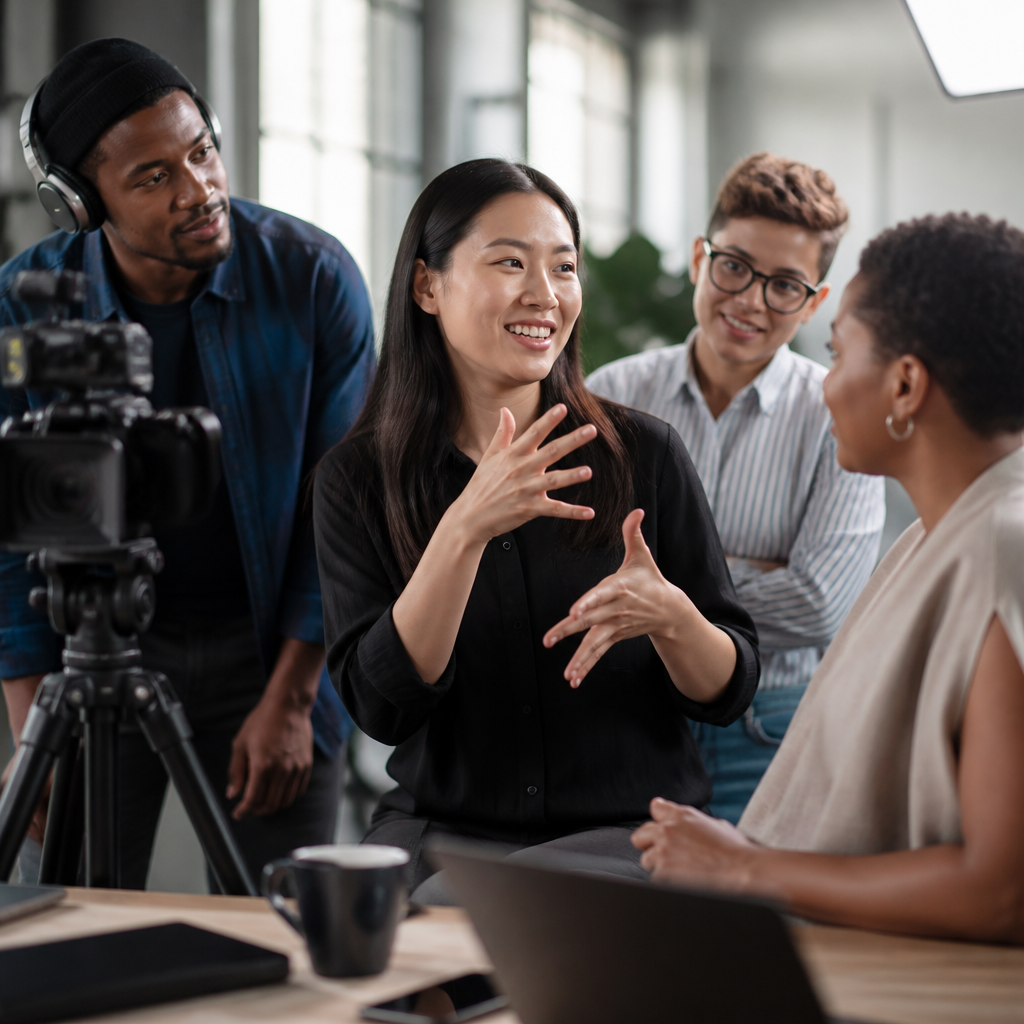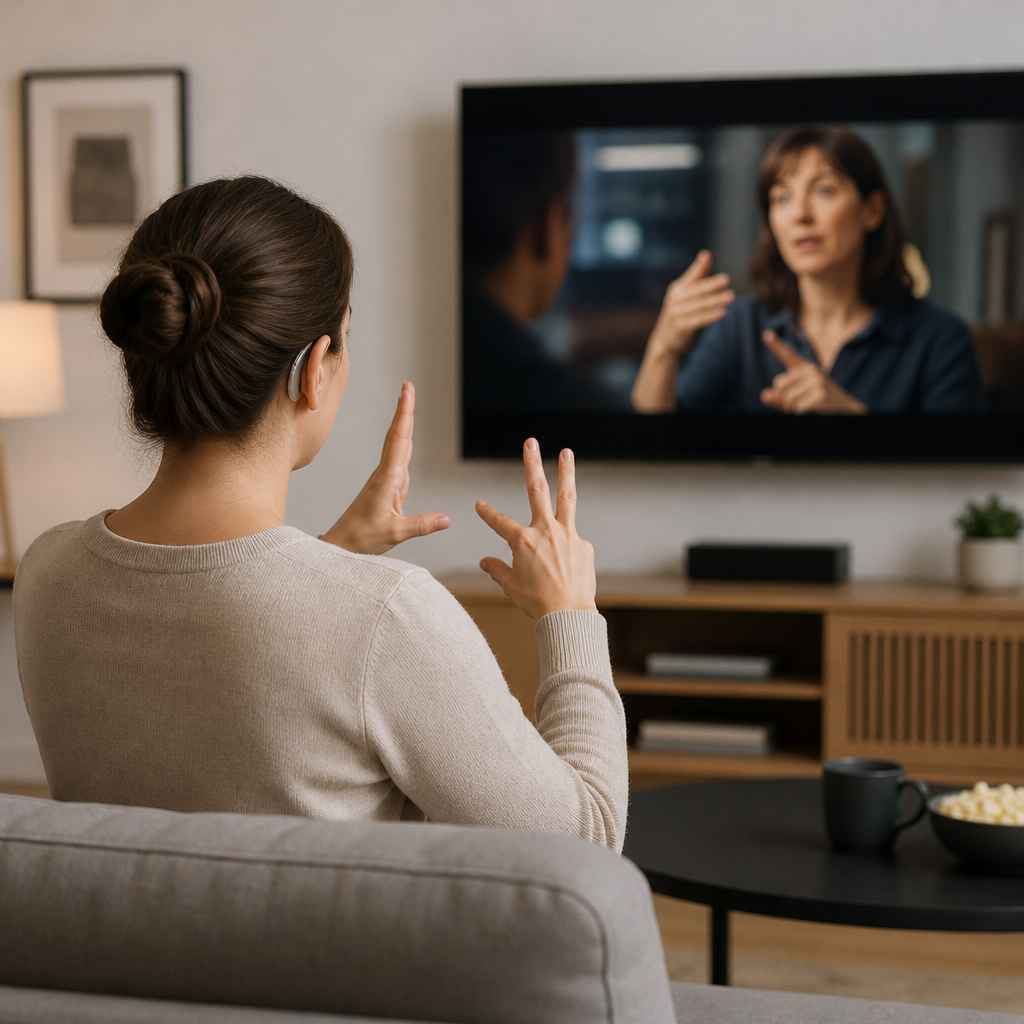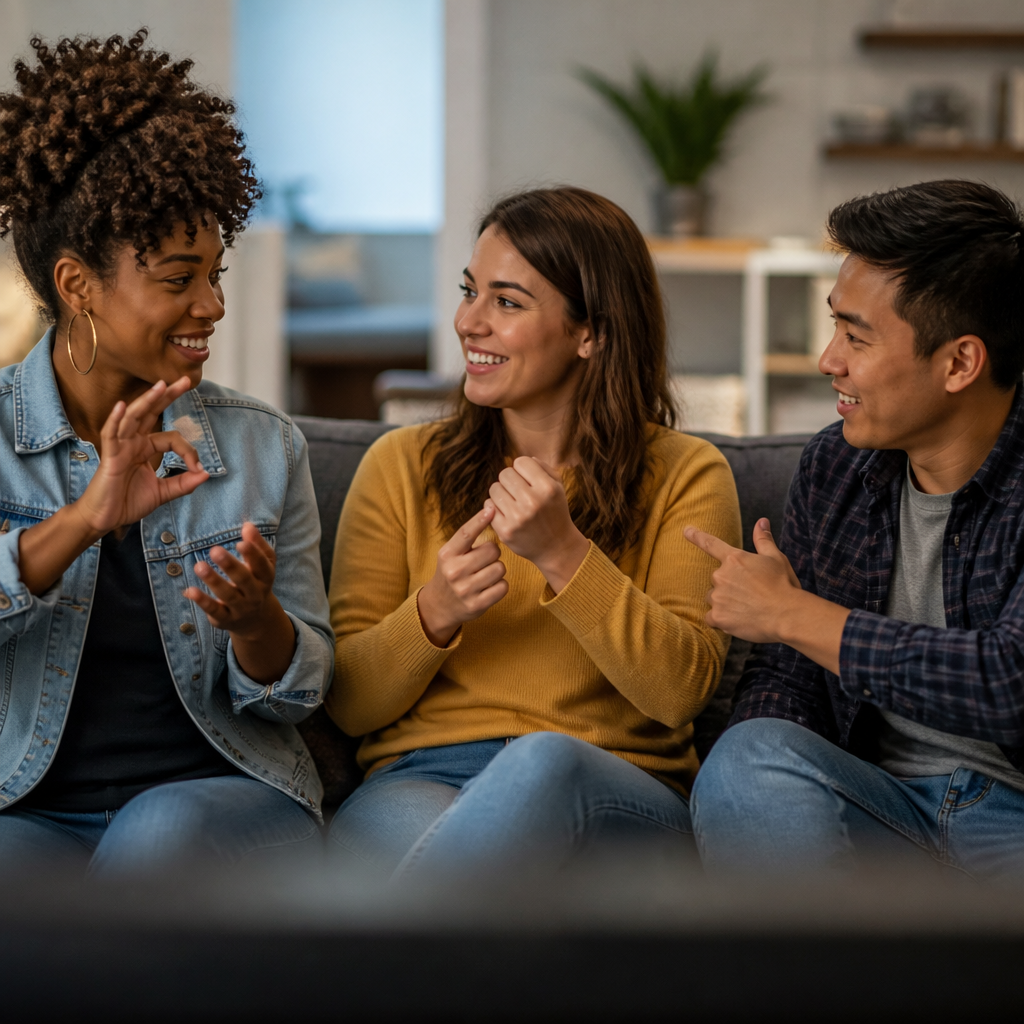
Deaf creators are changing social media by reshaping how stories are told, how audiences engage, and how platforms define influence. In this context, Deaf refers to people who are culturally Deaf, hard of hearing, late-deafened, or otherwise part of signing and non-signing deaf communities, while creators include influencers, educators, entertainers, journalists, activists, and entrepreneurs building audiences on TikTok, YouTube, Instagram, Twitch, and emerging platforms. I have worked on accessibility reviews for digital campaigns, and the shift is unmistakable: Deaf public figures are no longer appearing as occasional inspirational exceptions. They are setting trends, establishing visual communication norms, and pushing brands, media companies, and audiences to understand access as a core feature of modern content. This matters because social media now shapes public opinion faster than television, and representation inside that ecosystem affects everything from product design to hiring, captioning standards, and political awareness.
What makes this movement powerful is that Deaf creators are not only visible; they are influential on their own terms. Many build communities through sign language, open captions, visual humor, expressive storytelling, and direct education about Deaf culture, identity, and communication barriers. Others work in mainstream entertainment categories such as beauty, parenting, fashion, sports, and gaming, proving that Deaf identity is not a niche topic but part of every content vertical. Their work answers practical audience questions at scale: How do Deaf people experience music? What does inclusive communication look like? Why are captions and interpreters important? Can visual-first content reach wider audiences? By answering those questions publicly and repeatedly, Deaf influencers have changed expectations across the creator economy. They have also shown that accessibility often improves content for everyone, including viewers watching without sound, multilingual audiences, and people processing information better through text and gesture.
Why Deaf creators thrive on social media
Social media favors visual communication, short-form storytelling, and repeatable content formats, which aligns naturally with many Deaf creators’ strengths. Platforms built around video reward facial expression, timing, framing, and clarity of gesture. Sign languages are inherently visual and spatial, so creators can communicate nuance, tone, humor, and emotion in ways that feel dynamic on screen. I have seen campaigns perform better after shifting from audio-dependent scripts to visual-first editing because stronger on-screen text, better pacing, and cleaner composition increased retention for all viewers, not just Deaf audiences.
There is also a structural reason for this rise. Traditional media historically filtered Deaf representation through hearing producers, casting assumptions, and narrow storylines focused on limitation. Social platforms removed many of those gatekeepers. A Deaf comedian can post a sketch today, a Deaf teacher can explain communication etiquette in a reel, and a Deaf athlete can document training without waiting for approval from a network executive. That direct distribution has allowed authenticity to outperform outdated narratives. It has also enabled creators to build highly engaged communities around specific interests, from American Sign Language education to caption reviews, Deaf travel tips, accessible makeup tutorials, and family content from Deaf parents.
Influencers and public figures expanding representation
The most significant change is breadth. Deaf public figures on social media are no longer limited to disability awareness roles. Nyle DiMarco helped introduce wider audiences to Deaf culture through modeling, television, and advocacy, then extended that influence online through language access campaigns and educational content. Chella Man has used social media to discuss Deafness, gender identity, art, and embodiment in a way that broadened conversations about intersectionality. Rose Ayling-Ellis, while best known through television, has also influenced digital discourse about sign language visibility and casting standards. On TikTok and Instagram, creators such as Jessica Flores and many ASL-focused educators have normalized signing content as everyday media rather than special-interest programming.
This wider representation matters because audiences build assumptions from patterns. If viewers only see Deaf people discussing barriers, they may miss creativity, ambition, humor, and expertise. When Deaf beauty creators review products, Deaf chefs share recipes, or Deaf journalists comment on current events, they challenge the idea that Deafness defines the full scope of a person’s public value. In practice, that changes brand decisions. Marketing teams increasingly look for Deaf creators not only during Disability Pride Month but for broader partnerships in fashion, wellness, tech, and education. That shift remains uneven, but it marks real progress from token inclusion toward category-based influence.
How Deaf creators change content formats and platform norms
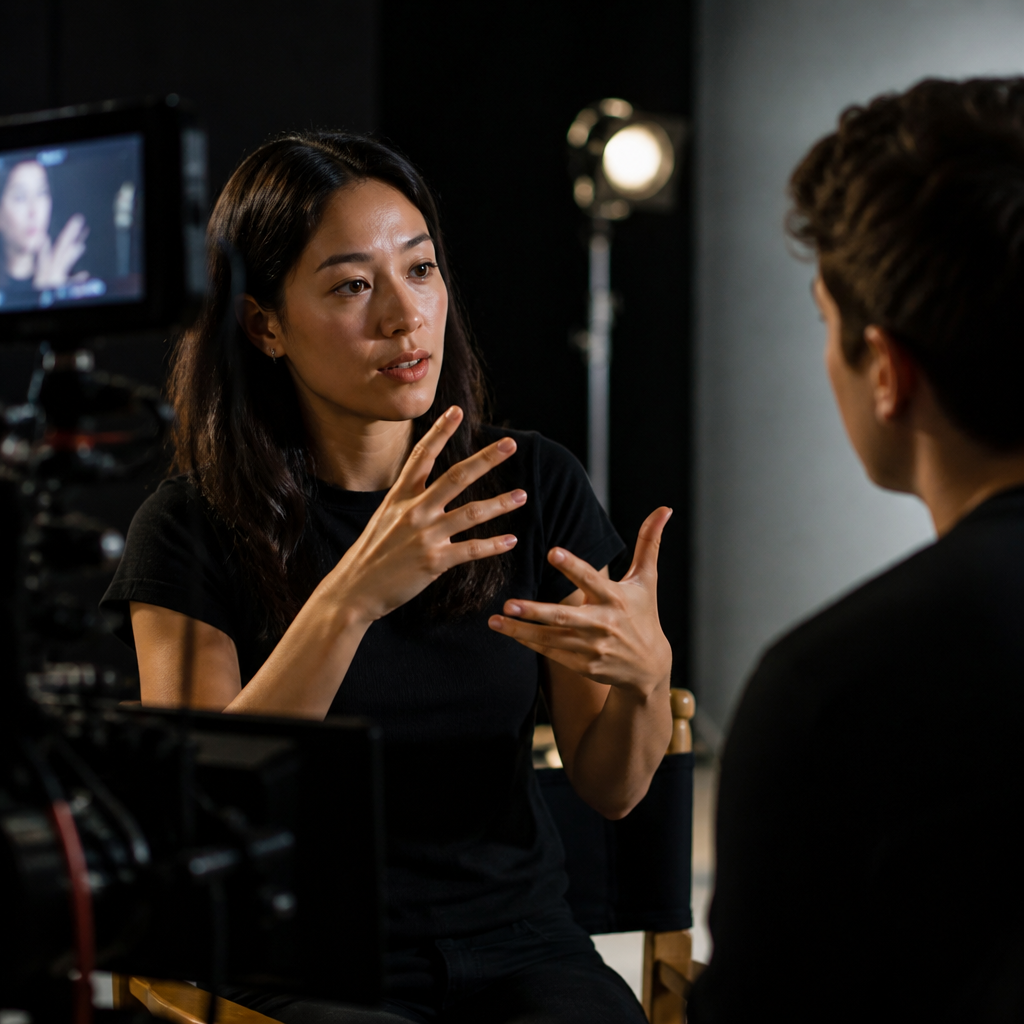
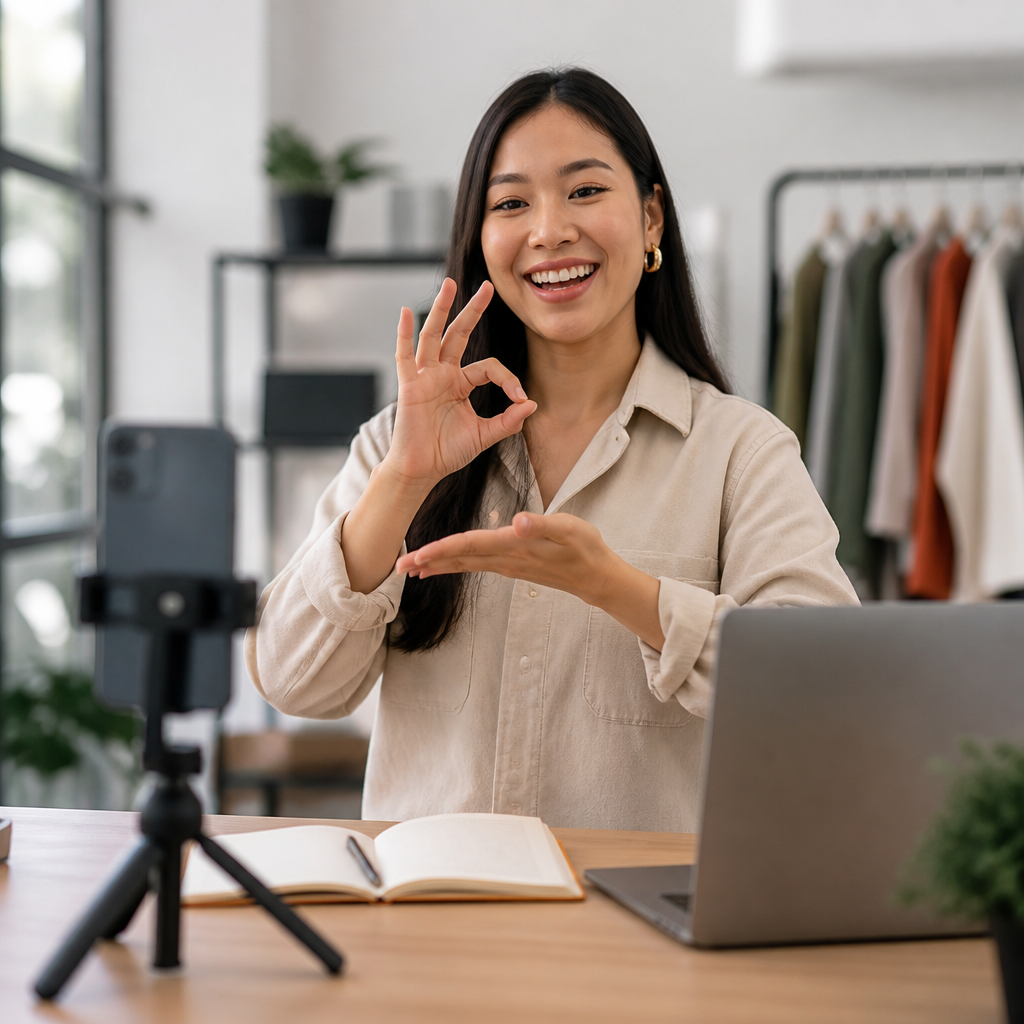
Deaf creators have pushed social media toward clearer, more inclusive production standards. Open captions are the clearest example. Years ago, many brands treated captions as optional postproduction extras. Now creators and audiences routinely expect burned-in captions, accurate timing, readable contrast, and placement that does not block sign language or key visuals. Deaf influencers have also popularized editing choices that make content easier to follow: direct-to-camera framing, intentional lighting on hands and face, uncluttered backgrounds, pauses for text comprehension, and visual punchlines that do not depend on audio cues.
These are not cosmetic changes. They affect discoverability, watch time, and audience trust. Video teams I have worked with learned quickly that auto-generated captions alone are not enough, because they often miss names, slang, and sign-translated meaning. Deaf creators raised the standard by demonstrating what quality looks like. They also exposed a deeper issue: accessibility is not only about adding text to speech. For signed content, camera cropping, transition speed, font placement, and editing rhythm can either preserve meaning or destroy it. As a result, many social teams now think more carefully about framing and postproduction from the planning stage instead of trying to retrofit access at the end.
| Area | Outdated approach | Improved standard influenced by Deaf creators |
|---|---|---|
| Captions | Auto-captions with errors and no review | Accurate open captions with speaker context and timing checks |
| Framing | Tight crops that cut off signing space | Waist-up or chest-up framing with visible hands and face |
| Editing | Fast cuts optimized only for audio trends | Pacing that preserves sign clarity and text readability |
| Design | Text overlays blocking gestures | Strategic placement preserving visual language |
| Campaign planning | Accessibility added after filming | Access integrated in scripting, shooting, and review |
Education, myth-busting, and cultural fluency
One reason Deaf creators have become essential public figures is that they answer recurring questions with clarity and patience. Social audiences repeatedly ask whether all Deaf people use sign language, whether hearing aids and cochlear implants “fix” deafness, how Deaf people enjoy music, or how to get someone’s attention respectfully. Skilled creators turn those questions into repeatable educational content that is concise enough for short-form video yet grounded enough to be shareable. This style of public education has had a measurable effect: comments sections now include more viewers correcting ableist language, requesting captions, and recognizing distinctions between medical and cultural views of deafness.
The strongest creators also explain nuance. Deaf communities are not monolithic. Communication preferences vary by country, language background, family access, education, residual hearing, age of language acquisition, and technology use. American Sign Language is not universal, British Sign Language is different, and signed languages have their own grammar rather than functioning as gestured spoken English. When public figures explain these details consistently, they raise cultural fluency across audiences. That matters for journalists, employers, teachers, and brands that increasingly encounter Deaf talent but may not know the basics of respectful collaboration.
The business impact on brands, media, and creator marketing
Deaf creators are not just changing awareness; they are changing commercial strategy. Brands that work with Deaf influencers well usually start by understanding audience fit rather than treating accessibility as charity. A skincare company might partner with a Deaf beauty creator because that person explains routines clearly on camera and has strong trust with viewers. An edtech brand might work with a Deaf educator because the product aligns with language learning, visual instruction, or classroom inclusion. In both cases, accessibility strengthens the campaign, but relevance drives performance.
There are practical execution lessons here. Contracts should budget for interpreters when needed, accessible briefing documents, caption review time, and approval of final edits to ensure signing is not compromised. Brands also need to avoid common mistakes, such as asking creators to produce awareness content for free, centering hearing reactions instead of Deaf expertise, or reducing a collaborator’s identity to a motivational storyline. The campaigns that resonate most are usually the ones where Deaf creators keep their authentic voice and where access choices are visible but not performative. When done properly, those partnerships improve brand credibility because audiences can tell when inclusion is real and when it is staged.
Community building, activism, and audience trust
Social media has allowed Deaf public figures to combine influence with community care. Many creators use their platforms to share urgent information about interpreter access, emergency alerts, inaccessible livestreams, school policy, or media representation. During breaking events, Deaf journalists and advocates often fill information gaps left by mainstream outlets that publish video without captions or fail to include sign language interpretation in live coverage. That public service role builds unusually strong audience trust because followers see creators not only as entertainers but as reliable navigators of systems that often exclude Deaf people.
Trust also grows from responsiveness. Deaf creators frequently answer audience comments with follow-up videos, clarify misconceptions, and model communication etiquette in real time. This two-way education has changed how hearing audiences participate. Many now ask before assuming, learn to face the camera when speaking, and recognize that accessibility requests are ordinary professional standards. From my experience advising digital teams, that shift in audience behavior matters almost as much as representation itself. When communities adopt better norms, creators spend less energy justifying their needs and more energy making ambitious work.
Challenges that still limit influence
Progress should not hide the barriers. Algorithmic systems still often reward trending audio, which can disadvantage creators whose content centers sign language or visual explanation rather than soundtrack-driven memes. Automated captions remain inconsistent, especially with names, accents, multilingual content, and speech translated into sign. Some platforms still handle interpreter windows poorly in vertical video, and many collaboration tools are not designed with Deaf workflows in mind. Brand outreach can also be superficial, with companies seeking one-off disability campaigns instead of sustained partnerships.
There is a deeper challenge around labor. Deaf creators often do double work: they produce content and simultaneously educate audiences about basic access. That extra emotional and editorial labor is rarely priced fairly. Harassment is another issue, including mocking of signing, invasive questions about speech and devices, or pressure to perform inspiration. These problems are solvable, but only if platforms, agencies, and brands treat accessibility and moderation as infrastructure rather than image management.
What the future of social media looks like
The future of social media will be more visual, more multilingual, and more access-aware because Deaf creators have already proven that these qualities improve communication. Expect broader use of creator-led caption standards, better tools for signed content, more collaborations between Deaf and hearing influencers, and increased demand for consultants who understand both accessibility and platform strategy. We are also likely to see more Deaf experts rise in fields beyond advocacy, including finance, gaming, science communication, and business education, because audiences now recognize that signed and captioned content can be just as authoritative and engaging as any other format.
For media, representation, and awareness work, this subtopic serves as a hub because influencers and public figures sit at the center of cultural change. They affect language, design standards, hiring expectations, campaign planning, and how the public understands Deaf lives. The key takeaway is simple: Deaf creators are not adapting to social media from the margins. They are actively redefining it through visual storytelling, access innovation, and community trust. If you manage content, hire creators, or simply want better media literacy, start following Deaf public figures, study what makes their communication effective, and apply those lessons across every channel you use.
Frequently Asked Questions
How are Deaf creators changing the way content is made on social media?
Deaf creators are changing social media by proving that strong communication is not limited to sound. Across TikTok, YouTube, Instagram, Twitch, and newer platforms, they are creating content that often prioritizes visual storytelling, facial expression, pacing, captions, on-screen text, and sign language in ways that make posts more dynamic and accessible for everyone. This shifts the focus from audio-first content to communication that works across multiple ways of understanding. Instead of treating captions or visual cues as optional add-ons, many Deaf creators build them into the heart of the content itself.
This creative approach has broader influence than many people realize. Trends around clear subtitles, split-screen interpretation, reaction formats, text-driven humor, and visually structured educational videos have all benefited from techniques long used within Deaf and hard of hearing communities. Deaf creators also expand what authenticity looks like online by sharing lived experiences around identity, language, technology, accessibility, and community. As a result, they are not just participating in social media culture; they are actively redefining best practices for storytelling, audience retention, and inclusive design.
Why do Deaf creators matter so much in conversations about accessibility and representation online?
Deaf creators matter because they bring firsthand expertise to issues that are often discussed without enough input from the people most affected. Accessibility online is frequently framed as a technical checklist, but Deaf creators show that it is also about culture, respect, visibility, and equal participation. When Deaf influencers, educators, journalists, entertainers, and activists speak about captions, interpreters, audio description, livestream access, or platform design, they are not speaking in the abstract. They are identifying real barriers and showing what meaningful access looks like in practice.
Representation is equally important. For many viewers, Deaf creators provide the first nuanced exposure to Deaf life beyond stereotypes. They highlight the reality that Deaf communities are diverse, including culturally Deaf people, hard of hearing people, late-deafened people, signers, non-signers, and people whose experiences cross several of those categories. This kind of representation helps audiences move past outdated assumptions and understand Deaf people as creators, leaders, business owners, commentators, and innovators. Their visibility also encourages brands, media outlets, and platforms to take accessibility more seriously because it becomes clear that Deaf audiences and creators are not niche exceptions; they are a vital part of the digital public.
What kinds of content do Deaf creators make, and why does it resonate with such wide audiences?
Deaf creators produce an extremely wide range of content, which is one reason their impact continues to grow. Some focus on comedy, lifestyle, fashion, beauty, gaming, or family content. Others specialize in education about sign language, Deaf culture, assistive technology, accessibility rights, or everyday communication tips. Many are also journalists, commentators, or advocates covering current events, disability policy, media representation, and social justice. There are Deaf entrepreneurs sharing business advice, artists showcasing creative work, and entertainers building loyal fan communities through highly visual performance styles.
This content resonates because it often combines clarity, personality, and perspective. Audiences are drawn to creators who make information engaging and memorable, and Deaf creators frequently excel at visual communication that is concise but expressive. Their work also offers something many viewers are looking for online: a point of view that feels both personal and educational. People come for the humor, tutorials, commentary, or storytelling, but they often stay because they learn something new about communication, accessibility, or identity. In that sense, Deaf creators build connection not only through niche community content but through universally compelling content that happens to be informed by Deaf experience.
How are Deaf creators influencing brands, platforms, and the future of digital marketing?
Deaf creators are influencing digital marketing by raising the standard for what inclusive campaigns should look like. Brands increasingly recognize that accessibility cannot be performative if they want credibility with modern audiences. Working with Deaf creators helps companies understand that inclusion is not just about placing captions on a final ad; it is about involving people with lived experience in creative development, messaging, and distribution. Deaf creators often help brands see how to communicate more clearly, reach broader audiences, and avoid common mistakes around tokenism or inaccessible content design.
Platforms are also being pushed to improve by the visibility and advocacy of Deaf creators. Features such as auto-captioning, editable subtitles, better livestream accessibility tools, improved video interfaces, and more creator-focused accessibility settings have all become more urgent because users continue to demand them. From a marketing perspective, Deaf creators demonstrate that accessible content usually performs better, not worse. Clear captions increase watch time in sound-off environments, strong visual structure improves engagement, and inclusive storytelling strengthens audience trust. In other words, Deaf creators are helping define the future of influence by showing that accessibility is not a limitation on creativity; it is a driver of better content, better community building, and smarter brand communication.
What can audiences, brands, and other creators do to better support Deaf creators on social media?
Support starts with taking Deaf creators seriously as experts in their own experiences and as professionals in their fields. Audiences can follow, share, credit, and engage with Deaf creators consistently rather than only during awareness campaigns or viral moments. They can also learn basic accessibility habits, such as valuing accurate captions, respecting sign languages as full languages, and avoiding assumptions that all Deaf people communicate in the same way. Thoughtful engagement matters too: instead of asking creators to provide free education on demand, audiences should use the resources creators already share and approach questions with respect.
For brands and fellow creators, support should be structural, not symbolic. That means paying Deaf creators fairly, hiring them for strategy as well as promotion, making events and collaborations accessible from the start, and ensuring that captioning, interpretation, and other accommodations are built into production timelines and budgets. It also means understanding that Deaf communities are not monolithic. The best partnerships come from listening carefully, planning access early, and recognizing the value Deaf creators bring beyond representation alone. When platforms, brands, and creators commit to that level of support, they help create a social media landscape where Deaf talent is not treated as an exception but as a central force shaping the future of digital culture.