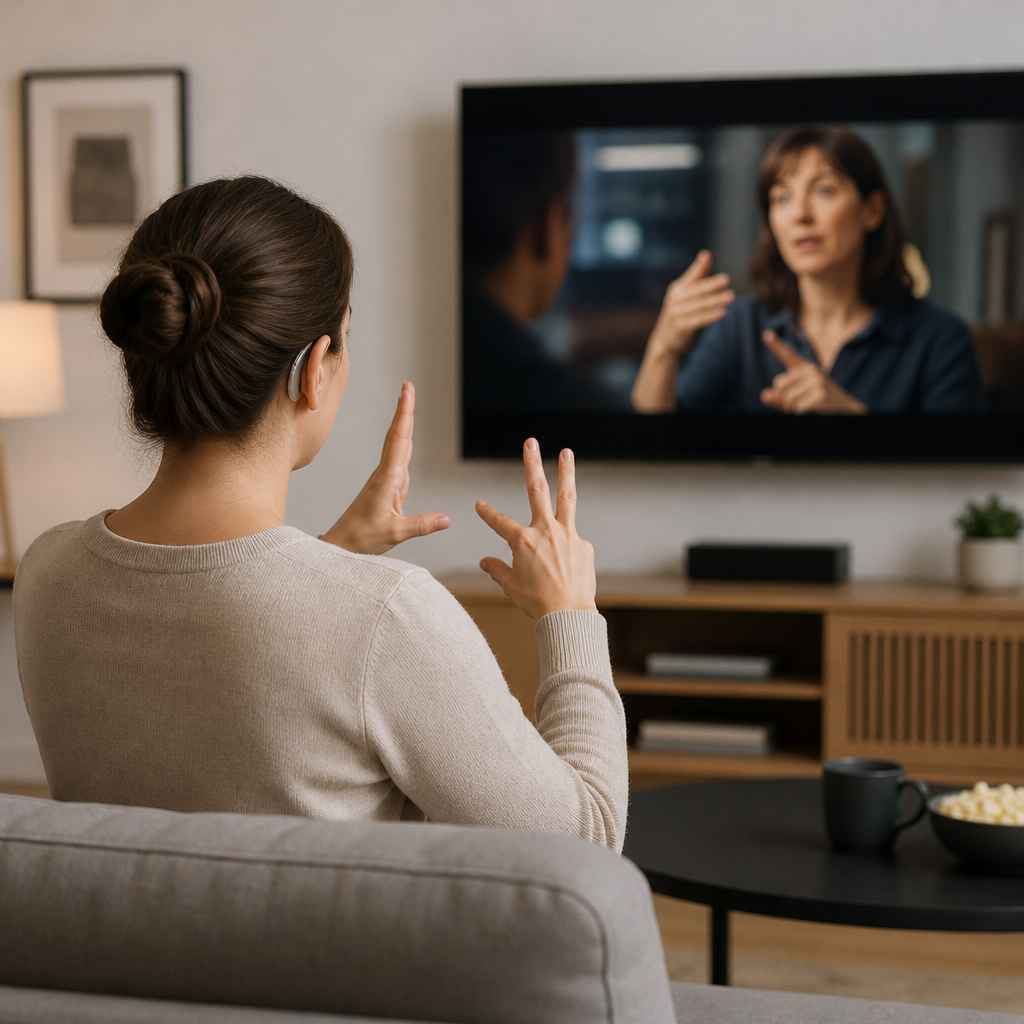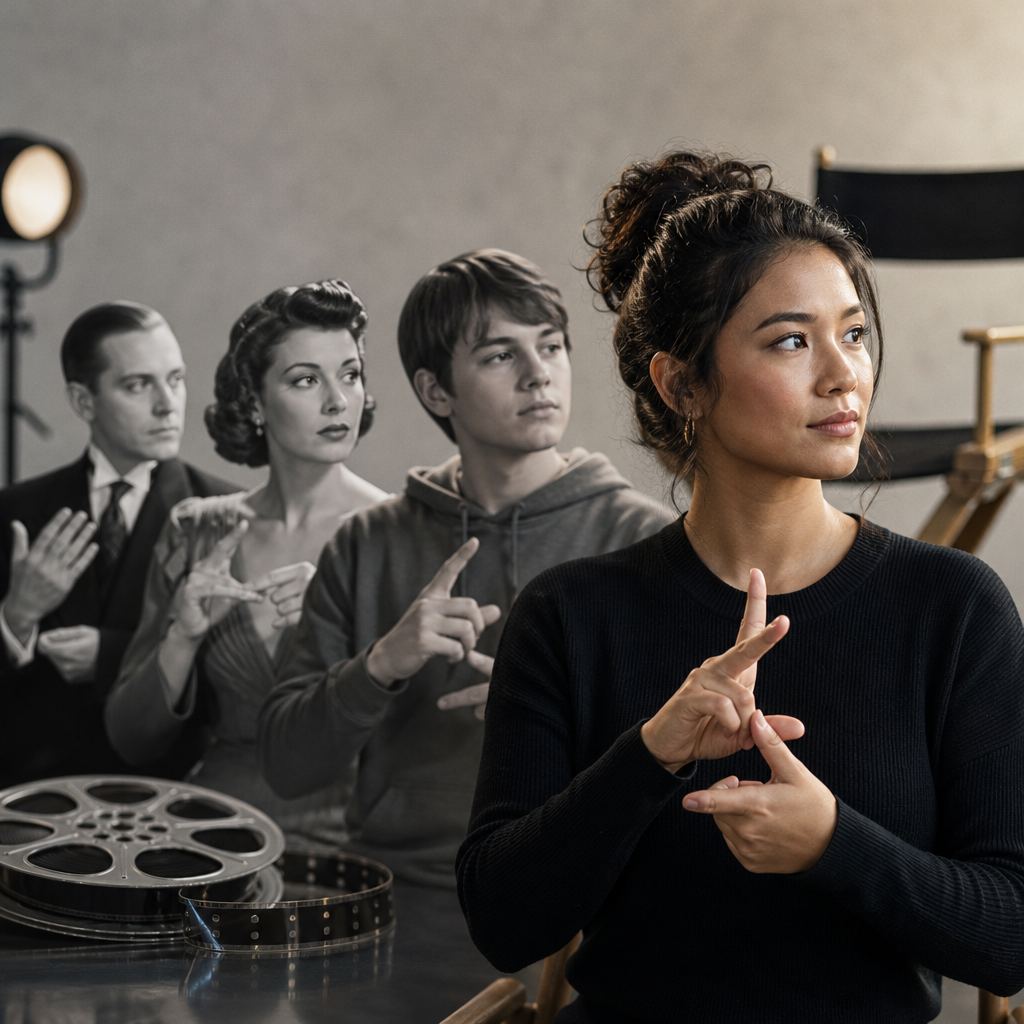
Media portrayals shape what hearing audiences believe about deaf people, often long before they meet a deaf classmate, coworker, neighbor, or leader. When those portrayals are inaccurate, narrow, or sensationalized, they do more than create bad entertainment. They reinforce stereotypes, influence policy debates, affect classroom expectations, and change how deaf people are treated in everyday life. Understanding how media misrepresents the deaf community matters because representation is not only about visibility. It is about whether the public sees deaf people as complete human beings with language, culture, agency, and a wide range of identities and experiences.
In this context, the deaf community includes people who identify as Deaf culturally, people who are hard of hearing, late-deafened adults, oral deaf people, signing deaf people, and people with additional disabilities. Misrepresentation happens when news, film, television, advertising, social media, or institutional messaging reduces that diversity into a small set of repeated narratives. Common examples include treating deafness only as a medical defect, using deaf characters mainly to inspire hearing audiences, portraying sign language as universal, or framing every deaf person as isolated and tragic. I have worked on accessibility reviews of media projects, and the pattern is consistent: the same shortcuts appear because creators often consult too late, too narrowly, or not at all.
This hub article examines the most common forms of misrepresentation and why they persist. It also explains the difference between pathology-based framing and cultural framing, shows how casting and scripting choices shape public attitudes, and outlines what responsible coverage looks like. For readers exploring media, representation, and awareness, this page provides the foundation for the full subtopic. If you want to understand why certain deaf storylines feel wrong, why some “inclusive” campaigns still miss the mark, and what better representation requires, start here.
The biggest stereotypes media repeats about deaf people
The most persistent misrepresentation is the idea that deafness automatically equals helplessness. In many films and television shows, the deaf character exists to be protected, pitied, cured, or used as a moral lesson for hearing people. This framing strips away competence and self-determination. In reality, deaf people navigate schools, careers, relationships, technology, and civic life using a range of communication methods and accommodations. The barrier is usually not deafness itself. The barrier is an environment designed without access.
A second stereotype is the “superhuman deaf person,” often depicted as magically more observant, emotionally pure, or blessed with compensatory powers. That may sound positive, but it is still reductive. It replaces one distortion with another and pressures real people to perform exceptional resilience. Another repeated trope is that deaf people are universally lonely until a hearing person “reaches” them. That storyline ignores Deaf schools, community organizations, sports leagues, theaters, advocacy groups, and digital spaces where deaf people build rich social worlds.
Media also routinely confuses deafness with muteness, intellectual limitation, or inability to parent, lead, or make informed decisions. These are old prejudices with modern packaging. They appear in sensational headlines, crime reporting, reality television edits, and sentimental advertisements. Once audiences absorb them, they show up in real life as lowered expectations at school, inaccessible workplaces, and constant invasive questions about whether a deaf person can drive, work safely, or raise children.
Why the medical narrative dominates coverage
One reason misrepresentation persists is that mainstream media often treats deafness primarily as a medical issue. In that framework, the central question becomes how to fix hearing loss through treatment, devices, or therapy. Medical information has value, and many deaf or hard of hearing people use hearing aids, cochlear implants, speech therapy, captioning, or a combination of supports. The problem begins when media presents that pathway as the only valid story. It then sidelines the cultural and linguistic reality of Deaf communities.
Deaf culture is not a metaphor. It includes shared languages such as American Sign Language, British Sign Language, or other national sign languages; social norms around visual communication; historical institutions; and collective identity. Media that ignores this context often makes predictable mistakes. It treats a cochlear implant activation as a complete solution, stages emotional scenes around hearing first sounds without discussing long-term rehabilitation, or implies that sign language is a last resort. That is inaccurate. Research and lived experience both show that language access from early childhood is critical, and sign language can support cognitive, social, and educational development whether or not a child uses devices.
I have seen producers focus intensely on technology because it offers a simple before-and-after arc. Audiences understand a cure story quickly. What gets lost is the more truthful message: access is ongoing, communication preferences differ, outcomes vary, and identity cannot be reduced to audiology results. When coverage starts and ends with decibels, surgeries, and deficits, it misses the person.
How entertainment media flattens deaf characters
Entertainment misrepresentation usually starts in the script. Deaf characters are frequently written as symbols instead of people. They are there to trigger empathy, create suspense through communication barriers, or showcase a hearing protagonist’s kindness. Very few are allowed ordinary complexity. They are rarely flawed professionals, sarcastic friends, bad bosses, romantic leads with agency, or parents dealing with routine family stress. Yet that is exactly how realistic representation works: not through saintly exceptions, but through textured normality.
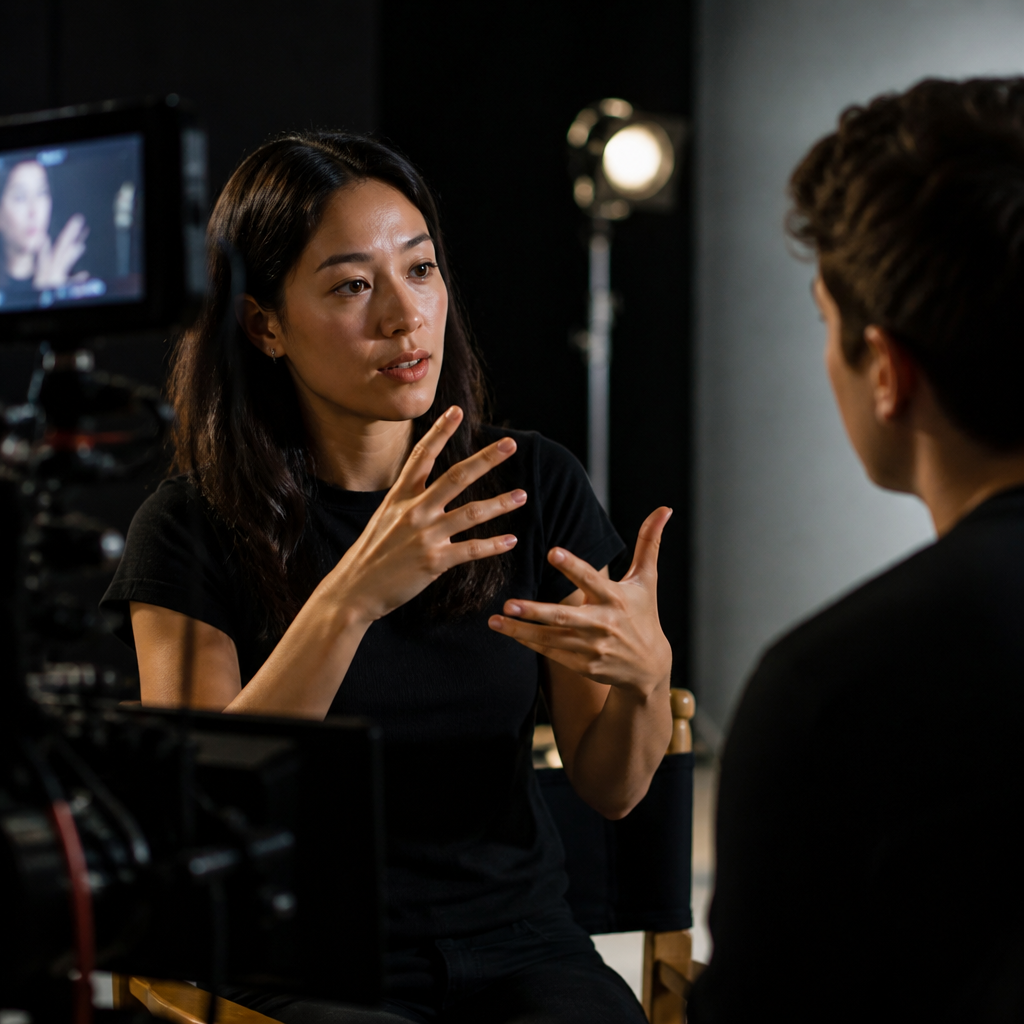
Casting compounds the problem. Hearing actors are often chosen for deaf roles, then praised for learning signs quickly. That decision can weaken authenticity in signing, body language, timing, and interaction with deaf space. It also takes opportunities from deaf performers who already possess those skills. When productions do cast deaf actors and bring in qualified deaf consultants, interpreters, dialect coaches for sign language, and accessible rehearsal processes, the difference is obvious. Scenes become less stiff, dialogue choices improve, and the camera stops treating sign language as exotic decoration.
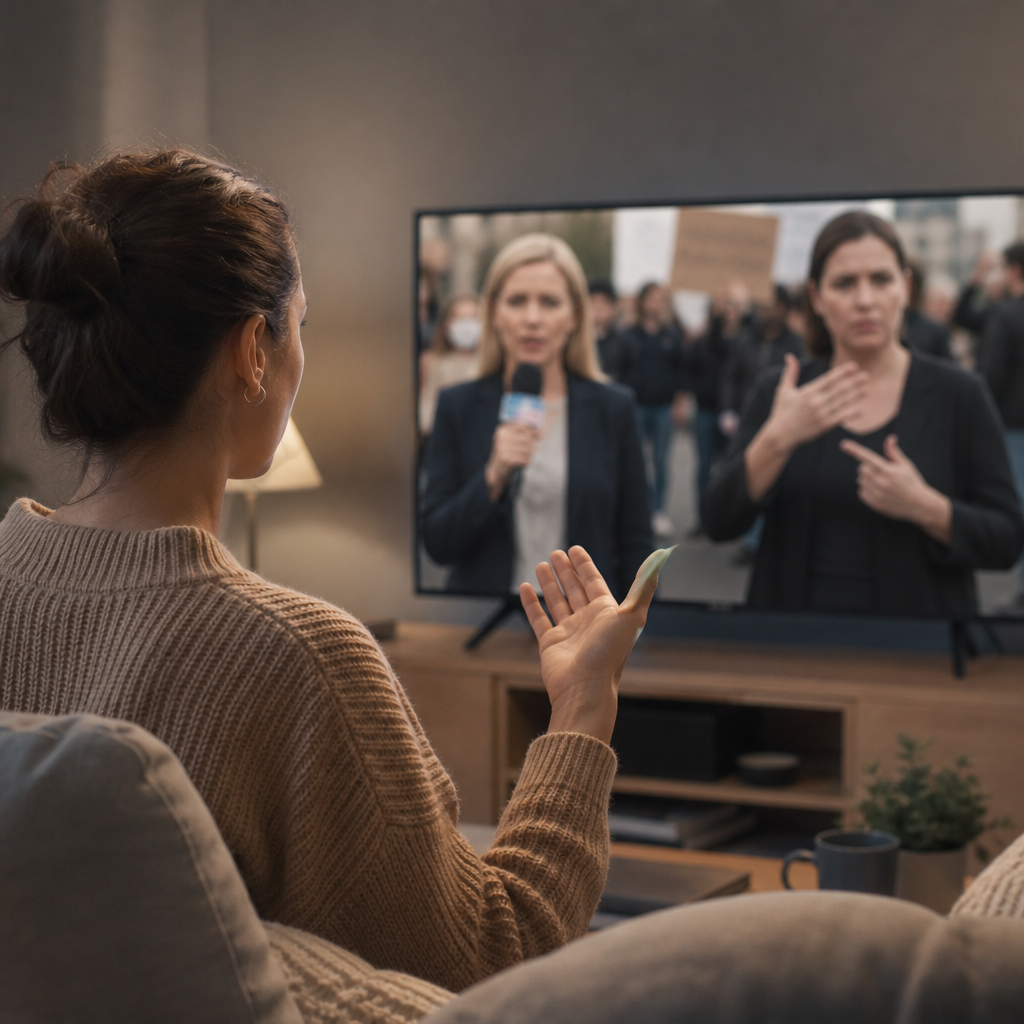
Another recurring issue is presenting sign language as universal or easily interpreted through subtitles alone. Sign languages have their own grammar, regional variation, and cultural cues. A direct word-for-word translation into spoken English is often inaccurate. Good representation understands that signed dialogue deserves the same care as spoken dialogue, including context, pacing, and linguistic integrity.
What news media gets wrong in everyday reporting
Newsrooms often misrepresent deaf people through framing rather than overt insult. A common example is the “despite being deaf” construction, which positions ordinary achievements as surprising. Another is overemphasizing impairment in stories where hearing status is not relevant. If a deaf entrepreneur launches a company, the reporting should not automatically become an overcoming narrative unless accessibility barriers are actually central to the story.
Crime and emergency reporting creates additional harm. Journalists sometimes describe deaf witnesses or suspects as confused because officers and responders failed to communicate accessibly. The audience then attributes the problem to the person rather than the inaccessible process. During disasters, media may praise officials for issuing spoken updates while failing to ask whether live interpreters, open captions, text alerts, and accessible press briefings were provided. That omission normalizes exclusion.
The language choices matter. Style guidance from organizations including the National Center on Disability and Journalism emphasizes asking people how they identify and avoiding outdated terms. Words like “deaf and dumb,” “hearing impaired” as a default label, or “suffers from hearing loss” carry assumptions many community members reject. Precision is better than habit. Deaf, hard of hearing, late-deafened, signing, oral, and cochlear implant user describe different realities, and reporters should use the terms relevant to the source.
Social media, virality, and performative inclusion
Social media has expanded deaf visibility, but it has also accelerated shallow storytelling. Short-form videos often turn sign language into a trend, a challenge, or a sentimental reveal designed for likes. Brands post one interpreted clip during awareness campaigns and call it inclusion while leaving the rest of their content unc captioned, livestreams inaccessible, and customer support phone-only. That is not representation. It is performance.
Viral content also rewards emotional simplification. Videos of a deaf child receiving a hearing device, a classroom “surprising” a deaf student, or a hearing celebrity signing a few phrases can attract millions of views. Some are heartfelt, but many are framed for hearing gratification rather than deaf perspective. The camera lingers on tears, not on the systems that should have provided access all along. What audiences rarely see is the follow-through: interpreter funding, bilingual education, communication planning, or workplace accommodations.
| Media pattern | How it misrepresents deaf people | What accurate representation looks like |
|---|---|---|
| Tragic victim storyline | Frames deafness as a life-defining loss | Shows barriers as social and access-related |
| Inspirational exception | Uses one person to reassure hearing audiences | Centers skill, context, and structural access |
| Universal sign language myth | Erases linguistic diversity | Names specific sign languages and interprets accurately |
| Cure-focused coverage | Reduces identity to treatment outcomes | Includes culture, language, and personal choice |
| Token accessibility campaign | Confuses visibility with access | Builds captions, interpreters, and deaf input into all content |
The best creators on social platforms do the opposite. They explain access choices, discuss caption quality, distinguish among identities, and show deaf life beyond struggle or inspiration. Their content is useful because it is specific. It answers practical questions while protecting complexity.
The real-world impact of misrepresentation
Misrepresentation is not just offensive; it produces measurable consequences. In education, teachers who have absorbed deficit-focused narratives may underestimate deaf students or delay sign language exposure. In employment, managers may assume communication accommodations are burdensome or believe deaf workers cannot handle customer-facing, technical, or leadership roles. In healthcare, providers may rely on family members instead of qualified interpreters, increasing the risk of misunderstanding and violating informed consent standards. Under disability rights law in many jurisdictions, effective communication is not optional.
The emotional impact is significant too. Deaf children who rarely see accurate portrayals can internalize shame or feel pressure to be either inspirational or grateful for basic access. Deaf adults often spend energy correcting myths created by media: no, all deaf people do not lip-read well; no, cochlear implants do not restore typical hearing; no, speaking ability does not reveal intelligence; no, captioning is not a luxury. When the same misconceptions appear across entertainment, schools, customer service, and government communication, they become exhausting to fight.
There is also a democratic cost. Public understanding influences funding decisions, accessibility enforcement, and whose expertise gets heard. If media repeatedly treats deaf people as subjects of care rather than authorities on their own lives, policymakers and institutions are less likely to include them in planning and leadership.
What accurate representation requires from creators and editors
Better representation begins before production and before publication. Creators need deaf people in decision-making roles, not only as last-minute reviewers. That includes writers, reporters, editors, producers, consultants, interpreters, caption specialists, and on-screen talent. Access must be part of workflow: budget lines for interpretation, realistic timelines for translation, caption quality control, and visual design that does not bury signed communication.
Accuracy also requires specificity. Name the sign language being used. Distinguish among Deaf identity, hard of hearing identity, and medical hearing status. Explain that accommodations vary by person and setting. Avoid miracle language around devices and avoid assuming one communication method is morally superior. If a story covers a deaf child, include informed perspectives on language acquisition and family communication, not just clinician quotes. If a news piece discusses emergency access, ask concrete questions about captions, interpreters, text systems, and compliance.
For this hub topic, the central lesson is simple: the deaf community is not a plot device, a public service symbol, or a single narrative. It is a diverse population with languages, histories, disagreements, humor, expertise, and rights. Media improves when it reflects that reality honestly. If you publish, commission, teach, or share content, review how deaf people are framed, who gets to speak, and whether access is built in from the start. Better representation begins with better choices.
Frequently Asked Questions
How does media misrepresentation of the deaf community affect public understanding?
Media strongly shapes how hearing people understand deafness, especially when they have little or no direct contact with deaf individuals in daily life. When films, television shows, news stories, and social media content rely on narrow or inaccurate portrayals, they create a simplified picture of what it means to be deaf. Audiences may come away believing that all deaf people communicate the same way, have the same goals, share the same level of hearing, or experience life primarily as a tragedy that needs to be fixed. In reality, the deaf community is diverse in language, identity, culture, education, technology use, and personal experience.
These repeated portrayals matter because they do not stay on screens. They shape expectations in classrooms, workplaces, hospitals, and public institutions. Teachers may assume a deaf student is less capable. Employers may mistake communication differences for incompetence. Policymakers may support systems that prioritize “correction” over accessibility and language access. Even well-meaning hearing people may approach deaf individuals with pity, awkwardness, or exaggerated admiration instead of ordinary respect. In that way, misrepresentation does more than distort entertainment; it influences social attitudes and everyday treatment in ways that can limit opportunity and reinforce exclusion.
What are the most common stereotypes about deaf people in media?
One of the most common stereotypes is the idea that deafness is always a personal tragedy. Many storylines present deaf characters as broken, isolated, or incomplete until they are “saved” by technology, romance, or the help of hearing people. Another frequent stereotype is the “inspirational deaf person,” where a deaf character exists mainly to motivate hearing audiences. In these stories, the person is praised simply for living ordinary life while deaf, which reduces them to an emotional lesson rather than a full human being.
Media also often portrays deaf people as helpless, dependent, socially cut off, or unable to succeed without hearing intervention. Some stories treat sign language as a last resort or as a symbol of limitation rather than a rich, complete language. Others wrongly suggest that all deaf people can read lips fluently, speak clearly, or function identically with cochlear implants or hearing aids. There is also a tendency to erase Deaf culture altogether, ignoring the fact that many deaf people see themselves not only through a medical lens but also through a cultural and linguistic one. These stereotypes flatten a broad community into a few familiar but misleading roles, making it harder for audiences to understand deaf people as varied, capable, and self-defined.
Why is it harmful when deaf characters are portrayed only through a medical or “fixing” lens?
When media focuses only on deafness as a medical condition to be repaired, it sends the message that a deaf person’s value depends on becoming more like a hearing person. This framing often centers treatment, intervention, or technological solutions as the main story, while pushing aside identity, relationships, language, culture, and personal agency. It suggests that success means overcoming deafness rather than living fully as a deaf person. That may seem subtle, but it has major consequences for how audiences think about inclusion and belonging.
This kind of portrayal can also erase the legitimacy of Deaf culture and sign languages. Many deaf people do not view themselves as broken; they view themselves as members of a linguistic and cultural community with its own history, norms, and strengths. When media overlooks that perspective, it teaches hearing audiences to misunderstand deaf experience from the start. It can also influence real-world decisions by encouraging families, schools, and institutions to prioritize normalization over access. Instead of asking how society can become more inclusive, the focus stays on how the individual can be made to fit hearing expectations. That shift in perspective is one of the most important reasons accurate representation matters.
What would more accurate and respectful media representation of the deaf community look like?
Accurate representation starts with showing deaf people as complete individuals rather than symbols. That means portraying them with different personalities, careers, relationships, communication preferences, and identities. Some may use sign language as their primary language. Some may speak. Some may use hearing technology, and some may not. Some may identify strongly with Deaf culture, while others may navigate multiple worlds. Respectful storytelling makes room for that complexity instead of forcing every deaf character into the same narrative arc.
It also means involving deaf people in the creative process. Better representation happens when deaf writers, actors, consultants, directors, and advocates help shape the story from the beginning rather than being added later for appearance’s sake. Media should avoid centering hearing reactions over deaf experience and should treat accessibility and communication as normal parts of life, not dramatic obstacles in every scene. Most importantly, respectful representation allows deaf characters to exist in stories that are not exclusively about suffering, deficiency, or inspiration. They can be leaders, friends, parents, experts, artists, flawed protagonists, and ordinary people. That kind of representation does not sanitize reality; it reflects it more honestly.
How can audiences recognize and challenge harmful portrayals of deaf people in media?
Audiences can start by asking simple but powerful questions. Is the deaf character fully developed, or are they there mainly to teach a lesson to hearing people? Is sign language portrayed accurately and respectfully? Does the story assume deafness is automatically tragic, or does it allow for pride, humor, competence, and community? Are deaf people shown making their own choices, or are hearing characters always speaking for them, rescuing them, or defining what is best for them? These questions help viewers move beyond passive consumption and notice the patterns that often go unchallenged.
Challenging harmful portrayals also means seeking out deaf-created perspectives and supporting media that includes authentic deaf voices. Audiences can follow deaf journalists, creators, actors, and educators, learn more about Deaf culture, and pay attention to criticism from the community itself when a portrayal misses the mark. In public conversations, classrooms, and workplaces, people can push back against stereotypes by sharing more accurate information and refusing to treat fictional narratives as universal truth. Better representation is not only the responsibility of studios and newsrooms. Viewers, readers, educators, and consumers all play a role in deciding which stories are amplified and which outdated assumptions are finally left behind.