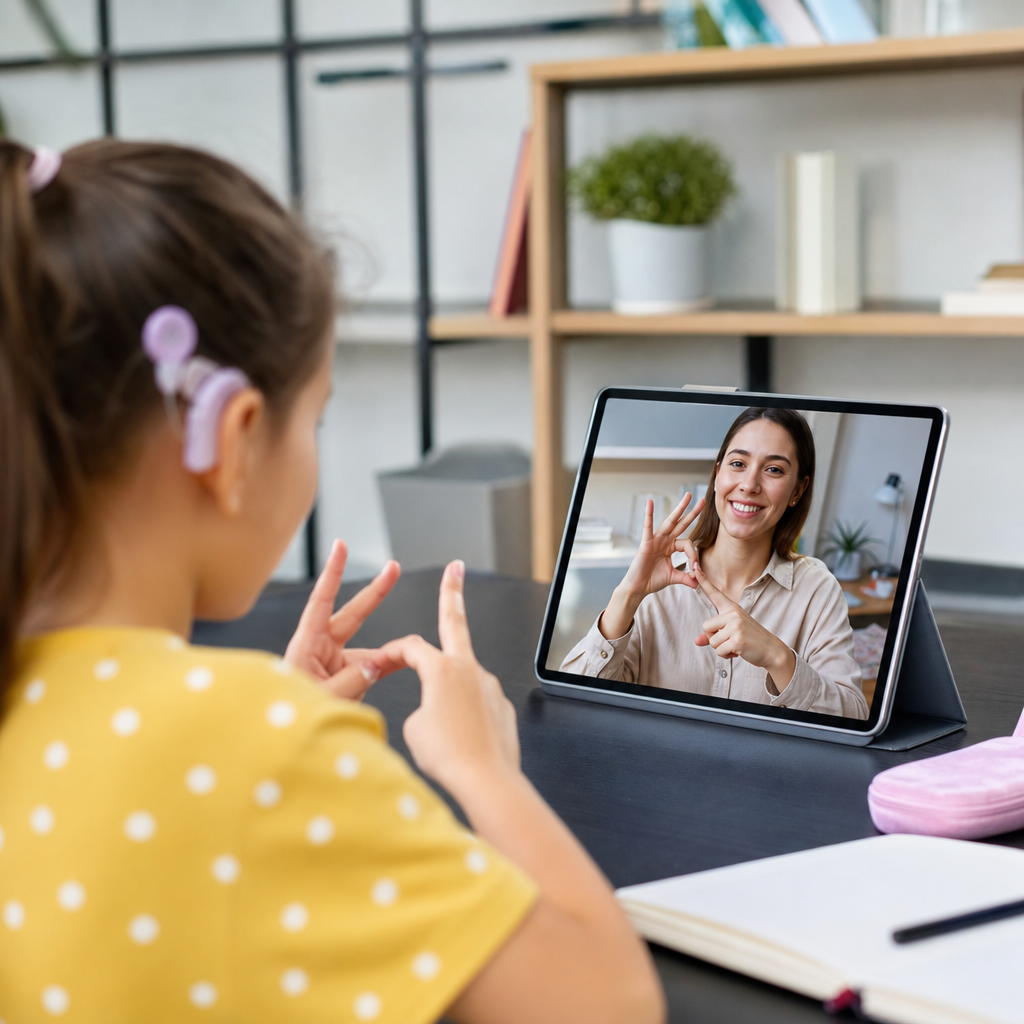
Choosing the right school for a deaf child is one of the most consequential education decisions a family will make, because the school shapes language access, academic growth, identity development, and long-term independence. In deaf education, “right” does not mean universally best; it means the setting that matches a child’s communication profile, hearing level, family goals, cognitive strengths, social needs, and access to qualified support. I have worked with families comparing neighborhood schools, regional deaf programs, bilingual American Sign Language environments, oral programs, and mainstream placements, and the same lesson appears every time: a school can look impressive on paper yet still be a poor fit if day-to-day communication is inconsistent.
Deaf education systems vary widely by country, state, and district. Some children attend schools for the deaf with direct instruction in sign language and a strong deaf peer group. Others learn in mainstream public schools with interpreters, captioning, assistive listening systems, speech-language therapy, and itinerant teachers of the deaf. Some enroll in specialized units attached to general schools. Families may also encounter total communication, auditory-verbal therapy, cued speech, bilingual-bicultural education, cochlear implant support services, and inclusion models that differ sharply in practice. Understanding these systems matters because language deprivation, limited peer access, and weak specialist support can affect literacy, behavior, executive function, and mental health far beyond the early school years.
This hub article explains how to evaluate deaf education systems comprehensively and how to choose a school using evidence rather than marketing language. It defines the major placement options, shows what quality support looks like in classrooms, and outlines practical questions to ask during tours and placement meetings. The goal is not to push one philosophy. The goal is to help parents identify the environment where their child can access instruction fully, build strong language in at least one fully accessible form, develop friendships, and leave school prepared for further education, work, and community life.
Understand the Main Deaf Education Systems Before Comparing Schools
The first step is learning the main school models, because labels can hide major differences. A school for the deaf usually serves deaf and hard of hearing students directly, often with teachers fluent in sign language and a larger deaf peer community. These schools may use bilingual-bicultural approaches, where sign language is treated as a full language of instruction and written or spoken national language is taught explicitly. In practice, this often gives children uninterrupted access to information, visual classroom routines, and opportunities to learn from deaf adults.
Mainstream schools place a deaf child in a general education environment, sometimes with accommodations and sometimes in specialized classrooms. The quality range is enormous. One mainstream school may provide a certified teacher of the deaf, educational interpreter, FM or DM listening system, real-time captioning, acoustic treatment, note support, and staff training. Another may rely on a well-meaning classroom teacher with little deaf education experience. The difference affects not just academic scores but incidental learning, fatigue, and participation in lunch, assemblies, and group work.
Specialized resource programs and regional hearing units sit between those models. These programs often cluster deaf students within a general school and provide specialist staff, speech and language support, and some deaf peer contact while allowing inclusion in mainstream classes. For many families, this hybrid model works well when the program has enough deaf students, stable staffing, and a clear communication policy. It works poorly when support is fragmented across too many classrooms or when specialists are stretched thin over large geographic areas.
Communication philosophy also matters. Oral or listening-and-spoken-language programs prioritize speech, audition, and technology such as hearing aids or cochlear implants. Signing environments prioritize direct visual language access. Total communication may combine signs, speech, fingerspelling, print, and visual supports, though quality depends on whether staff use each method competently. Families should look beyond the label and ask what teachers actually do during math, science, transitions, and playground conflicts. Daily practice tells you more than brochure language ever will.
Start With Your Child’s Access Needs, Not the School’s Reputation
The best school decision begins with a clear profile of the child. That profile should include audiological data, aided hearing performance, speech perception in quiet and noise, expressive and receptive language, literacy levels, additional disabilities, sensory preferences, social communication skills, and emotional regulation. A child who appears to “hear well enough” in one-to-one therapy may still miss a large percentage of classroom speech in group discussion, on the playground, or during science labs. Access must be measured where learning actually happens.
Language access is the nonnegotiable issue. If a child cannot consistently access instruction in real time, learning becomes delayed and exhausting. For some children, spoken language with strong hearing technology and acoustic support is effective. For others, fluent sign language access is essential. Many children benefit from both. I have seen families choose a highly rated mainstream school because test scores looked strong, then discover months later that their child understood direct teacher talk but missed peer comments, jokes, side instructions, and fast topic changes. That “partial access” often shows up as withdrawal, behavior issues, or slow vocabulary growth.
Age matters as well. Early childhood settings should emphasize language-rich interaction, play, and parent partnership, not just compliance with hearing technology. Primary school years require explicit literacy instruction connected to accessible language. Secondary school raises the stakes further with abstract vocabulary, faster pacing, and multiple teachers. A school that works in kindergarten may fail by grade seven if specialist support does not scale. When reviewing options, ask whether the school has a proven pathway through the child’s next stage, not just a strong current classroom.
Family priorities deserve honest discussion. Some families want a strong deaf identity and daily contact with signing peers. Others prioritize neighborhood inclusion, spoken language, or continuity with siblings. These goals are valid, but they should be tested against the child’s actual access. A family preference can guide the choice; it cannot replace communication access. When there is tension between philosophy and function, function must win.
Evaluate School Quality Using Specific Indicators
Once you know your child’s needs, evaluate each school against objective indicators. Staffing is first. Ask whether teachers hold qualifications in deaf education, not only general special education. A certified teacher of the deaf understands language development, audiology basics, acoustic barriers, visual teaching strategies, and literacy patterns common among deaf learners. If interpreters are used, ask about certification, experience with children, preparation time, and whether they interpret all parts of the day, including extracurriculars and assemblies.
Classroom access should be visible during a tour. Look for good sightlines, controlled background noise, functioning captioning, consistent use of hearing technology, visual schedules, and teachers who know how to manage turn-taking. In effective classrooms, one person speaks at a time, videos are captioned, key vocabulary is pre-taught, and teachers check comprehension without putting the child on display. In weak programs, adults say “they seem to follow along” without showing how understanding is verified.
Peer environment is another major indicator. Deaf children need access to peers, not only to adults. A single deaf child in a mainstream classroom may experience social isolation even with perfect academic accommodations. A program with multiple deaf students, deaf role models, clubs, and inclusive lunchtime practices often supports stronger identity and mental health. This is one reason many families choose regional programs or schools for the deaf even when mainstream academics look comparable.
| Indicator | What Strong Practice Looks Like | Warning Sign |
|---|---|---|
| Language access | Instruction consistently accessible through sign, spoken support, or both across all settings | Access depends on one favored teacher or only works in quiet rooms |
| Specialist staffing | Qualified teacher of the deaf, trained interpreter, speech-language and audiology coordination | General staff “figure it out” without deaf-specific expertise |
| Peer connection | Regular contact with deaf peers and adults, structured social inclusion | Child is the only deaf student and eats lunch alone |
| Technology support | Daily checks of hearing aids, implants, FM or DM systems, captioned media | Equipment failures noticed late or treated as minor |
| Academic monitoring | Progress tracked in language, literacy, content learning, and self-advocacy | School reports only behavior or generic grade averages |
Data systems matter too. Ask how progress is measured in reading, writing, signed or spoken language, and social participation. Strong programs can explain baseline data, intervention cycles, and response to support. They do not rely on vague reassurance. If a school cannot show how deaf students perform over time, families are being asked to trust impressions rather than evidence.
Know the Legal, Support, and Technology Framework Around Placement
School choice does not happen in a vacuum. Legal entitlements and funding structures shape what support is realistic. In the United States, many deaf students receive services through an Individualized Education Program under the Individuals with Disabilities Education Act, or through Section 504 accommodations. In England, support may involve an Education, Health and Care Plan. Other countries use similar frameworks. The specific label matters less than the core principle: the child is entitled to meaningful access, not symbolic inclusion.
Parents should ask what services are guaranteed in writing and which are merely customary. An interpreter listed informally is not the same as an interpreter specified in a legally enforceable plan. The same is true for speech-language therapy, transportation, assistive technology, captioning, note support, and extended school services. In placement disputes, documented commitments carry weight; verbal assurances usually do not.
Technology deserves close scrutiny because many schools overstate their competence. Hearing aids and cochlear implants are powerful tools, but they do not restore typical hearing, especially in noise or at distance. Effective schools understand microphone management, daily listening checks, troubleshooting, and the difference between hearing sound and understanding language. FM and DM systems, sound-field systems, remote microphones, captioning platforms, and alerting devices can improve access substantially, but only when staff are trained and routines are consistent.
Support services should also include self-advocacy training. By later primary or middle school, deaf students should know how to request repetition, report equipment failure, explain access needs to teachers, and manage fatigue. In strong programs, this is taught deliberately. In weaker ones, schools expect maturity to appear automatically. It rarely does. Independence grows from coached practice.
Ask Better Questions During Tours, Meetings, and Trial Visits
Parents often leave tours impressed by warm staff but without the information needed for a sound decision. Better questions produce better answers. Ask how the school ensures full access during group discussion, assemblies, sports, field trips, and emergency drills. Ask who checks hearing technology each morning, who provides language assessment, how interpreters are supervised, and how many deaf students are in the program by age group and communication mode. Ask to observe a real lesson, not a staged presentation.
During observations, watch the child’s likely experience minute by minute. Can the student see every speaker? Are subtitles on without being requested? Does the interpreter lag behind fast exchanges? Do peers know how to communicate naturally? Is the teacher comfortable pausing for clarification? Small operational details reveal the real system. I have seen schools with excellent policy documents where the class aquarium bubbled so loudly that remote microphone benefit was reduced all morning. Access is practical, not theoretical.
Trial visits are especially helpful. A day or even a half day can reveal whether the child engages, initiates communication, and comes home energized or drained. After the visit, ask the child simple but targeted questions: Did you understand the teacher? Did other children talk with you? Did you know what to do at lunch? Which part felt easy? Which part felt hard? Children often identify barriers adults missed.
Finally, ask how the school handles change. Good schools can explain what happens if language progress stalls, if technology stops meeting needs, or if the child later needs more sign support, more speech support, or a different placement. Flexibility is a strength. Rigid ideology is not.
Plan for Long-Term Fit, Transitions, and Family Partnership
The right school is not only the best option this term; it is the option with the clearest path forward. Transition planning should start early for moves into preschool, primary, secondary, and postsecondary settings. Academic demands, social complexity, and self-management requirements increase every year. A child thriving in a small deaf preschool may struggle in a large mainstream secondary school unless planning addresses note taking, subject vocabulary, interpreting quality, and independent technology management before the move occurs.
Family-school partnership is a reliable predictor of success. Strong schools communicate regularly, share accessible progress data, welcome parent observations, and coordinate with audiologists, speech-language pathologists, and outside therapists when appropriate. They also respect deaf culture and family language choices. If a school speaks dismissively about signing, spoken language, implants, or deaf identity, that signals a narrow approach that may limit your child later.
Placement should be reviewed periodically, not treated as permanent. Children change. Technology changes. Language grows unevenly. A setting that was once protective can become restrictive; a mainstream environment that was once overwhelming can become appropriate with stronger self-advocacy and support. The best families I have worked with revisit placement using current data rather than loyalty to an earlier decision.
Choosing the right school for a deaf child means insisting on complete access, qualified support, real peer connection, and measurable progress. Start with your child’s communication needs, compare deaf education systems honestly, and verify every promise through observation and written plans. When a school offers accessible language, skilled teaching, and a community where a deaf child can belong, learning accelerates and confidence follows. Use this hub as your starting point, make a comparison checklist, and schedule visits with questions that test how each program works in real life.
Frequently Asked Questions
How do I know which type of school is the best fit for my deaf child?
The best school for a deaf child is not simply the closest, the most well-known, or the one another family recommends. It is the setting that gives your child full access to language, instruction, peers, and support services every day. Families often compare neighborhood public schools, mainstream programs, regional deaf and hard of hearing classrooms, charter options, and schools for the deaf. Each can be a strong choice for the right child, but the decision should be based on fit rather than reputation alone.
Start by looking closely at your child’s communication profile. Does your child learn best through spoken language, sign language, or a bilingual approach? How consistently can your child access classroom instruction with hearing technology, captioning, interpreting, or visual supports? Also consider hearing level, age of identification, current language development, academic strengths, attention, learning style, social confidence, and whether your child thrives in larger or smaller environments.
A strong school match also depends on what the school can deliver consistently, not just what it promises in theory. Ask whether your child will have direct access to teachers, not filtered or delayed access. Find out whether staff are trained in deaf education, whether speech-language services are integrated appropriately, whether interpreters are qualified, and whether there are deaf peers available for social and identity development. The right school should support academic growth and emotional well-being at the same time. In practical terms, the best fit is the place where your child can fully understand, fully participate, and fully belong.
What should I look for when visiting a school for a deaf or hard of hearing student?
A school visit should help you answer one central question: can my child truly access learning here from the first bell to the last? During a visit, watch more than the brochures and prepared talking points. Observe classrooms in action. Look at lighting, seating arrangements, acoustics, use of visual supports, teacher pacing, captioned media, and whether students appear engaged and confident. If sign language is part of the program, notice whether adults and students use it fluently and naturally. If the program emphasizes spoken language, pay attention to how well teachers support listening access and whether children are successfully following instruction.
Ask detailed questions about staffing and qualifications. Who teaches deaf and hard of hearing students? How much specific training do classroom teachers have in deaf education? Are interpreters certified and experienced with children? How often does the educational audiologist work with the school? What is the process for checking hearing technology each day? A school can sound supportive in general terms, but families need concrete answers about who provides services, how often, and with what expertise.
You should also ask about peer relationships, extracurricular access, and identity support. Deaf children need more than academics; they need friendships, communication ease, and opportunities to see themselves reflected in others. Find out whether your child will have access to deaf peers, deaf adult role models, and social opportunities that do not depend on constant communication repair. Finally, ask how the school measures success. Strong programs can explain how they monitor language development, academic progress, self-advocacy, and social-emotional growth, and how they respond when a student is not making expected progress.
Is mainstreaming always the best option if my child has good hearing technology or strong speech skills?
Not necessarily. Hearing aids and cochlear implants can be extremely helpful, and strong speech skills are important, but neither automatically guarantees full educational access in a mainstream setting. Classrooms are noisy, fast-paced, and full of incidental learning. A child may appear to be doing well because they are compliant, verbal, or earning acceptable grades, while still missing discussion details, peer interactions, jokes, side comments, and subtle instruction. That kind of hidden access gap can affect language growth, confidence, fatigue, and long-term academic performance.
Mainstreaming can be an excellent choice when the right supports are in place and the child is genuinely accessing instruction and social life. That usually means more than just placement in a general education classroom. It may require assistive listening systems, captioning, note support, teacher training, educational audiology, speech-language therapy, itinerant deaf education services, or qualified interpreting. The school should also understand how to reduce listening fatigue, support self-advocacy, and make group work and extracurricular activities accessible.
The key question is not whether mainstreaming sounds inclusive, but whether it works for your child in real life. Inclusion without access is not true inclusion. Families should look at data, classroom observations, teacher feedback, and the child’s own experience. If a child is constantly working harder just to keep up, feeling isolated, or missing key language input, then the placement may need to be adjusted. For some children, mainstreaming is ideal. For others, a specialized deaf program or school for the deaf offers better language access, peer connection, and educational outcomes. The right answer depends on the child, not the label of the placement.
How important are deaf peers and deaf role models in choosing a school?
They are often far more important than families first realize. Deaf peers and deaf adult role models can have a major impact on communication ease, confidence, identity development, and social-emotional health. In many settings, a deaf child may spend the day navigating communication barriers with hearing classmates and adults. Even when everyone is well-intentioned, being the only deaf student can be isolating. A school environment that includes other deaf children can reduce that burden and give a child the chance to communicate more naturally, form friendships more easily, and feel understood without constant explanation.
Deaf role models matter for similar reasons. Children benefit from seeing deaf adults who are successful, capable, and fully engaged in education, work, family, and community life. That exposure helps counter low expectations and gives children a clearer picture of what is possible for their own future. Role models can also help families understand the many valid pathways deaf children can take, whether those involve spoken language, sign language, bilingual development, higher education, skilled trades, leadership, or other goals.
This does not mean every child must attend a school for the deaf to thrive. It does mean families should take the issue seriously. If a local school does not provide regular access to deaf peers or adults, ask how it will support identity, belonging, and community connection. Some schools build this through regional programs, deaf mentor services, student groups, community partnerships, and events with the broader deaf community. Academic services matter greatly, but children also need a place where they can develop a strong sense of self and not feel alone in their experience.
What questions should I ask before making a final school decision for my deaf child?
Before making a final decision, ask questions that move beyond general assurances and get to daily reality. A useful first question is: how will my child access every part of the school day, including whole-group instruction, small-group work, lunch, assemblies, field trips, and extracurriculars? Access must be comprehensive, not limited to core academic time. You should also ask who will be responsible for implementing accommodations and how the school will ensure consistency if staff change or a support provider is absent.
Ask for specifics about progress monitoring. How will the school measure language development, literacy, content mastery, and self-advocacy? How often will data be reviewed? What happens if your child begins to fall behind? Schools with strong deaf education practices can explain how they identify access problems early and how they adjust services, placement, or communication support when needed. It is also wise to ask how the school collaborates with families and whether your input is treated as central to decision-making.
Finally, ask yourself whether the school aligns with your long-term goals for your child. The right placement should support not only current needs but also future independence, confidence, and opportunity. A good final checklist includes: full language access, qualified staff, appropriate peer environment, strong academic expectations, emotional support, reliable technology and services, and respect for your child’s identity and communication needs. If a school cannot clearly show how it will meet those needs every day, it may not be the right fit, no matter how appealing it looks on paper.