
Respecting and engaging with Deaf culture starts with understanding that it is not simply a medical response to hearing loss but a living cultural community with its own languages, values, traditions, social norms, and shared history. Deaf culture refers to the collective identity formed by Deaf people who use signed languages, participate in Deaf institutions, and pass down community knowledge across generations. The capitalized word Deaf usually points to cultural affiliation, while lowercase deaf often describes the audiological condition. That distinction matters because many people who cannot hear do not identify culturally as Deaf, and many culturally Deaf people do not see themselves as broken or incomplete. In my work around accessibility planning and inclusive communication, I have repeatedly seen the same mistake: organizations focus only on devices, captions, or compliance checklists while ignoring culture, language, and power. When that happens, outreach feels performative rather than respectful.
Learning what Deaf culture is matters because communication barriers still shape education, employment, healthcare, public services, and everyday social life. According to the World Health Organization, more than 430 million people worldwide have disabling hearing loss, yet access remains uneven and cultural understanding remains shallow. In many countries, signed languages were historically suppressed in schools, especially after the 1880 Milan Conference promoted oralism over signing. That legacy still affects families and institutions today. A strong hub article on Deaf culture should therefore answer fundamental questions clearly: Is Deafness a disability, an identity, or both? What role does sign language play? How should hearing people behave in Deaf spaces? What does meaningful engagement look like beyond good intentions? The most useful answers begin with culture, not deficit, and with listening, not assumptions.
What Deaf Culture Means in Practice
Deaf culture is a shared way of life built around visual communication, collective experience, and community connection. Like any culture, it includes language, norms, humor, storytelling, art, etiquette, values, and institutions. In the United States, American Sign Language is central to many Deaf communities, but Deaf culture is not identical everywhere because signed languages differ by country and region. British Sign Language, Auslan, Langue des Signes Française, and many others are full natural languages with distinct grammar and vocabulary, not signed versions of spoken language. This point is essential because respect begins with recognizing signed languages as languages in their own right. When I have helped teams redesign events for Deaf participants, the turning point usually comes when they stop treating interpretation as an add-on and start treating language access as foundational.
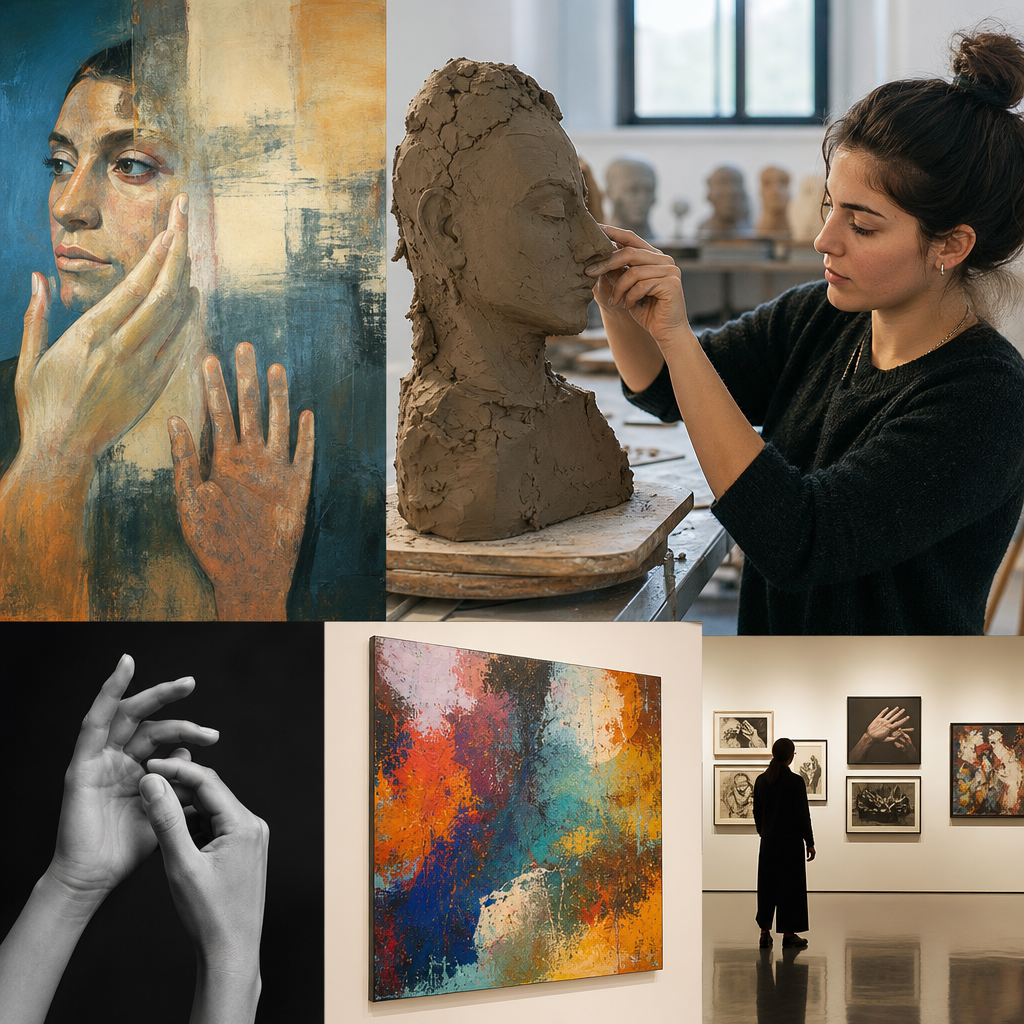
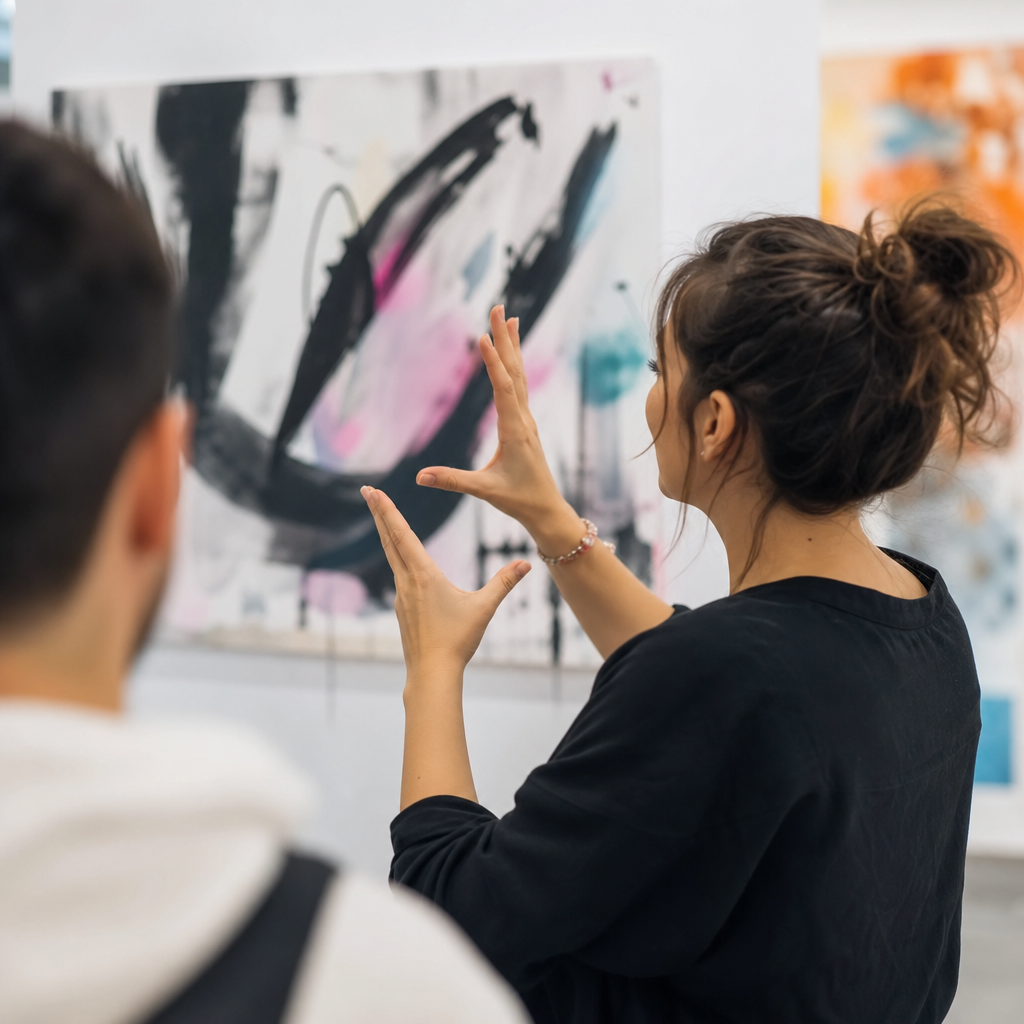
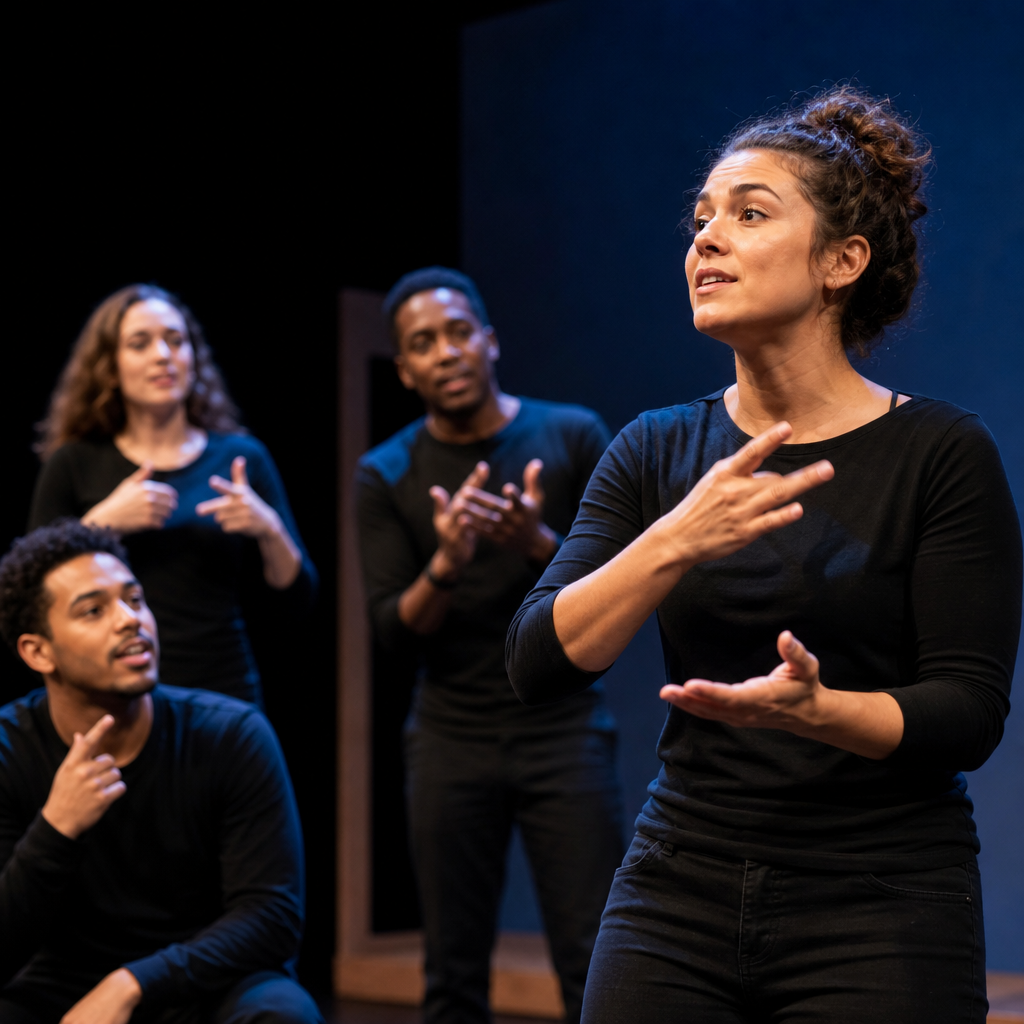
Community values often emphasize direct communication, visual clarity, reciprocity, and shared information. In Deaf spaces, people may wave, flick lights, tap a shoulder, or stomp lightly on a floor to gain attention. These behaviors are normal and polite within a visual environment. Storytelling, signed poetry, theatrical performance, and visual humor also hold an important place because signed languages can express movement, spatial relationships, role shift, and facial grammar in ways spoken language cannot. Deaf clubs, schools for the Deaf, sports leagues, advocacy organizations, and online networks have historically helped maintain these traditions. The result is a culture defined not by inability to hear, but by a rich social world organized around seeing, signing, and belonging.
Identity, Language, and the Difference Between Deaf and deaf
The distinction between Deaf and deaf helps explain why one-size-fits-all language often fails. Deaf with a capital D typically describes people who identify with the Deaf community and often use a signed language as a primary language. Lowercase deaf usually refers to the physical condition of hearing loss without assuming cultural identity. Some people identify as hard of hearing, late-deafened, DeafBlind, or hearing, and some move between communities over time. None of these identities should be forced from the outside. The respectful approach is simple: ask people how they identify and what communication methods they prefer.
Language is often the strongest marker of cultural belonging. For many Deaf people, sign language is not a backup system but the most natural and complete way to communicate. That is why debates over mainstreaming, cochlear implants, speech therapy, and educational placement can become emotionally charged. The issue is rarely technology alone; it is whether access to language and community is protected. Children need early, fully accessible language exposure for cognitive and social development. Decades of research in language acquisition support this. A child who receives rich access to signed language from the start is not prevented from learning written or spoken language later. In practice, bilingual approaches are often more effective than forcing speech-only models that leave children linguistically deprived during critical years.
How Deaf Culture Developed
Modern Deaf culture grew through schools, associations, and shared resistance to exclusion. In the United States, the American School for the Deaf, founded in 1817, helped create a lasting community where sign language could flourish. Gallaudet University later became a major cultural and intellectual center. Across many countries, residential schools for Deaf students connected children who might otherwise have grown up isolated in hearing families. These schools were not perfect, but they created peer networks, language transmission, and leadership pathways that shaped Deaf identity for generations.
History also includes suppression. The Milan Conference of 1880 endorsed oral education and pushed many schools to ban signed languages. Deaf teachers lost jobs, students were punished for signing, and educational outcomes often suffered. Resistance continued through community organizing, clubs, church groups, arts networks, and family connections. A defining modern moment came in 1988 with the Deaf President Now protest at Gallaudet University, when students demanded Deaf leadership and won. That event mattered far beyond one campus. It demonstrated political power, affirmed the legitimacy of Deaf perspectives, and influenced disability rights and language rights advocacy worldwide. Understanding this history helps hearing allies avoid patronizing attitudes. Deaf communities are not waiting to be included; they have long organized, created, and led.
How to Show Respect in Deaf Spaces
Respect starts with behavior. Face the person when communicating, keep your hands away from your mouth, and make sure lighting is good. Do not assume lipreading is easy; even skilled lipreaders can miss much of a conversation because many sounds look identical on the lips. If an interpreter is present, speak directly to the Deaf person, not to the interpreter. If you do not understand, ask for repetition or clarification instead of pretending. In meetings, use one speaker at a time, share agendas in advance, and ensure captions or interpretation are arranged early. Last-minute access planning is a common failure point, and I have seen it undermine otherwise well-funded events.
Etiquette also includes avoiding deficit language and invasive curiosity. Questions like “Can you drive?” or “How do Deaf people wake up?” may seem harmless, but they often reduce people to novelty. A better approach is to focus on the setting and ask what access works best. Respect names for languages and identities. Do not call sign language universal because it is not. Do not praise a Deaf person as inspiring for doing ordinary tasks. And do not treat one Deaf individual as a spokesperson for every Deaf experience. Hearing allies are most effective when they stay curious, prepare properly, and follow community norms rather than centering their own comfort.
Access, Inclusion, and Common Mistakes
Inclusion requires more than goodwill. It requires systems. Qualified interpreters, real-time captioning, visual alerts, accessible seating layouts, clear sightlines, and written follow-up materials all improve participation. For digital environments, platforms should support pinned interpreters, accurate captions, and chat visibility. In healthcare, legal, and educational settings, accuracy matters enough that relying on family members or untrained staff is often inappropriate and risky. In the United States, obligations may arise under the Americans with Disabilities Act, Section 504, and other rules, but legal compliance is only the floor. Cultural competence is what makes access usable.
The table below summarizes several frequent mistakes and the better alternative.
| Mistake | Why It Fails | Better Practice |
|---|---|---|
| Assuming everyone lipreads | Lipreading is incomplete and tiring | Ask for preferred communication method |
| Booking interpreters late | Quality providers may be unavailable | Arrange access during initial planning |
| Using automated captions only | Error rates can distort meaning | Use human review or CART for critical events |
| Speaking to the interpreter | It sidelines the Deaf participant | Maintain eye contact with the Deaf person |
| Treating one solution as universal | Needs vary by person and context | Offer flexible, individualized access |
Another common mistake is confusing technology with inclusion. Hearing aids, cochlear implants, speech-to-text apps, and video relay services can be useful, but none replaces cultural respect or language access. A person with a cochlear implant may still prefer signing. Automated captions may help in casual situations but fail during technical discussions, accented speech, or noisy environments. The practical rule is to match tools to context and to the individual’s stated preference. Inclusion works best when Deaf people help design the process from the beginning.
How to Engage Meaningfully as a Hearing Person
Meaningful engagement starts with humility and consistency. Learn basic signs, but do not perform them as proof of allyship. If you want to build lasting relationships, take a structured class in the relevant signed language from qualified Deaf instructors whenever possible. Community-based learning teaches not just vocabulary but pacing, turn-taking, facial grammar, and cultural norms. Attend Deaf-led events when invited, support Deaf artists and businesses, and follow Deaf organizations that publish resources on education, access, civil rights, and media. In my experience, the hearing people who become genuinely trusted are not the loudest advocates. They are the ones who show up prepared, compensate Deaf professionals fairly, and remain open to correction.
Engagement also means understanding internal diversity. Deaf culture includes people of different races, ethnicities, ages, sexual orientations, communication preferences, and educational histories. Black Deaf communities, Indigenous sign traditions, Deaf immigrants, and DeafBlind communities all bring perspectives that broad introductions often miss. Some Deaf people strongly embrace disability rights language; others focus more on linguistic minority status. Some rely mainly on sign, others on speech, captions, or a mix. Respect does not require mastering every nuance before you begin. It requires dropping stereotypes, making room for self-definition, and recognizing that inclusion is relational. If you are building a school, workplace, clinic, or public program, invite Deaf people into decision-making early and pay them for that expertise.
Respecting and engaging with Deaf culture ultimately means seeing Deaf people as members of a complete human community, not as hearing people minus sound. Deaf culture is shaped by signed languages, shared history, visual ways of interacting, and institutions built through resilience and leadership. The clearest lessons are practical: learn the difference between medical status and cultural identity, treat signed languages as full languages, plan access from the start, and follow the preferences of the person in front of you. These steps improve communication, but they also do something deeper. They replace paternalism with partnership.
As a hub within Deaf Culture and Identity, this topic connects naturally to deeper questions about Deaf history, signed languages, education, accessibility law, Deaf art, and community etiquette. Start here, then keep learning from Deaf-led sources and real relationships. If you manage events, classrooms, services, or teams, audit your current communication practices this week and fix one barrier now. Respect becomes meaningful when it changes behavior.
Frequently Asked Questions
What is Deaf culture, and how is it different from simply having hearing loss?
Deaf culture is a living cultural community, not just a medical category. While hearing loss describes an audiological condition, Deaf culture refers to the shared identity, values, traditions, history, and social experiences of Deaf people who often use signed languages and participate in Deaf community life. Many culturally Deaf people do not view themselves as “broken” or in need of fixing. Instead, they understand Deafness as a distinct way of being in the world, shaped by visual communication, collective experience, and strong community ties.
This distinction is important because it changes how people approach respect and inclusion. If Deafness is viewed only through a medical lens, the focus often stays on what a person cannot hear. If it is understood culturally, the focus shifts toward language access, belonging, identity, and mutual respect. In many contexts, the capitalized word “Deaf” refers to cultural affiliation, while lowercase “deaf” may refer more broadly to the hearing condition itself. Not every deaf person identifies as culturally Deaf, so the most respectful approach is to avoid assumptions and let individuals describe their own identity in their own terms.
Why are signed languages so central to Deaf culture?
Signed languages are at the heart of Deaf culture because they are fully developed natural languages that carry meaning, history, humor, storytelling traditions, and community identity. They are not simplified versions of spoken languages, and they are not universal. American Sign Language, British Sign Language, Auslan, and many other signed languages each have their own grammar, structure, and cultural context. For many Deaf people, signed language is the most accessible and expressive way to communicate, build relationships, and participate fully in community life.
Language is also how culture gets passed down. Through signed languages, Deaf people share personal stories, teach social norms, preserve community values, celebrate achievements, and remember historical struggles such as exclusion from education or barriers to communication access. Respecting Deaf culture means respecting signed languages as legitimate languages, not treating them as gestures or substitutes. Even learning a few signs can signal openness, but deeper respect comes from recognizing the importance of language access, qualified interpreters when needed, and communication environments where Deaf people can participate on equal terms.
How can hearing people respectfully engage with Deaf culture without being intrusive or performative?
Respectful engagement begins with listening, observing, and being willing to learn rather than trying to take up space. Hearing people can start by educating themselves about Deaf history, signed languages, accessibility, and common misconceptions. Attending Deaf events, performances, workshops, or community programs can be valuable if done with humility and awareness. The goal should not be to “experience” Deaf culture as a novelty, but to build understanding and support inclusive relationships.
It also helps to follow practical etiquette. Make eye contact, get someone’s attention appropriately before starting a conversation, speak clearly if speech is being used, and do not cover your mouth if a person relies on lipreading. If an interpreter is present, address the Deaf person directly, not the interpreter. Avoid patronizing praise for everyday communication, and do not assume that every Deaf person wants to discuss their hearing status, devices, or medical background. If you make a mistake, correct it without defensiveness and keep learning. Genuine respect is shown through consistency, openness, and a willingness to adapt communication so Deaf people are fully included.
What are some common mistakes people make when interacting with Deaf individuals or Deaf communities?
One of the most common mistakes is assuming Deafness is always a problem that needs to be solved. Questions or comments that focus immediately on “fixing” hearing, medical interventions, or what Deaf people are missing can come across as dismissive of Deaf identity and culture. Another mistake is assuming all Deaf people communicate in the same way. Some use sign language as their primary language, some use spoken language, some lipread, and some use a combination of methods. Respect means asking what communication works best instead of deciding for someone else.
People also often make social mistakes that create exclusion without realizing it. These include speaking to the interpreter instead of the Deaf person, failing to provide captions or visual access, talking while looking away, or expecting Deaf people to keep up in environments designed only for hearing communication. In group settings, side conversations and poor lighting can also leave Deaf participants out. Even well-meaning behavior can become disrespectful if it is rooted in assumptions, pity, or curiosity without consent. A better approach is to prioritize access, ask thoughtful questions when appropriate, and remember that Deaf people are the experts on their own experiences.
How can schools, workplaces, and community groups become more inclusive of Deaf culture?
Inclusion starts with accessibility, but it should not end there. Schools, workplaces, and community organizations need to provide practical communication access such as qualified sign language interpreters, real-time captioning, visual alerts, accessible video content, and meeting practices that support clear visibility and turn-taking. These measures help remove immediate barriers, but true inclusion also requires recognizing Deaf people as members of a linguistic and cultural community, not just recipients of accommodation.
Organizations can go further by involving Deaf people in planning, leadership, and decision-making. That means consulting Deaf staff, students, or community members about what access actually works, supporting sign language learning where appropriate, and creating environments where Deaf perspectives are valued. Training on Deaf awareness and communication etiquette can also reduce misunderstandings and improve participation. Most importantly, inclusion should be proactive rather than reactive. When institutions build systems that respect signed languages, visual communication, and Deaf cultural identity from the start, they create spaces where Deaf people are not merely present, but genuinely welcomed and empowered to contribute.