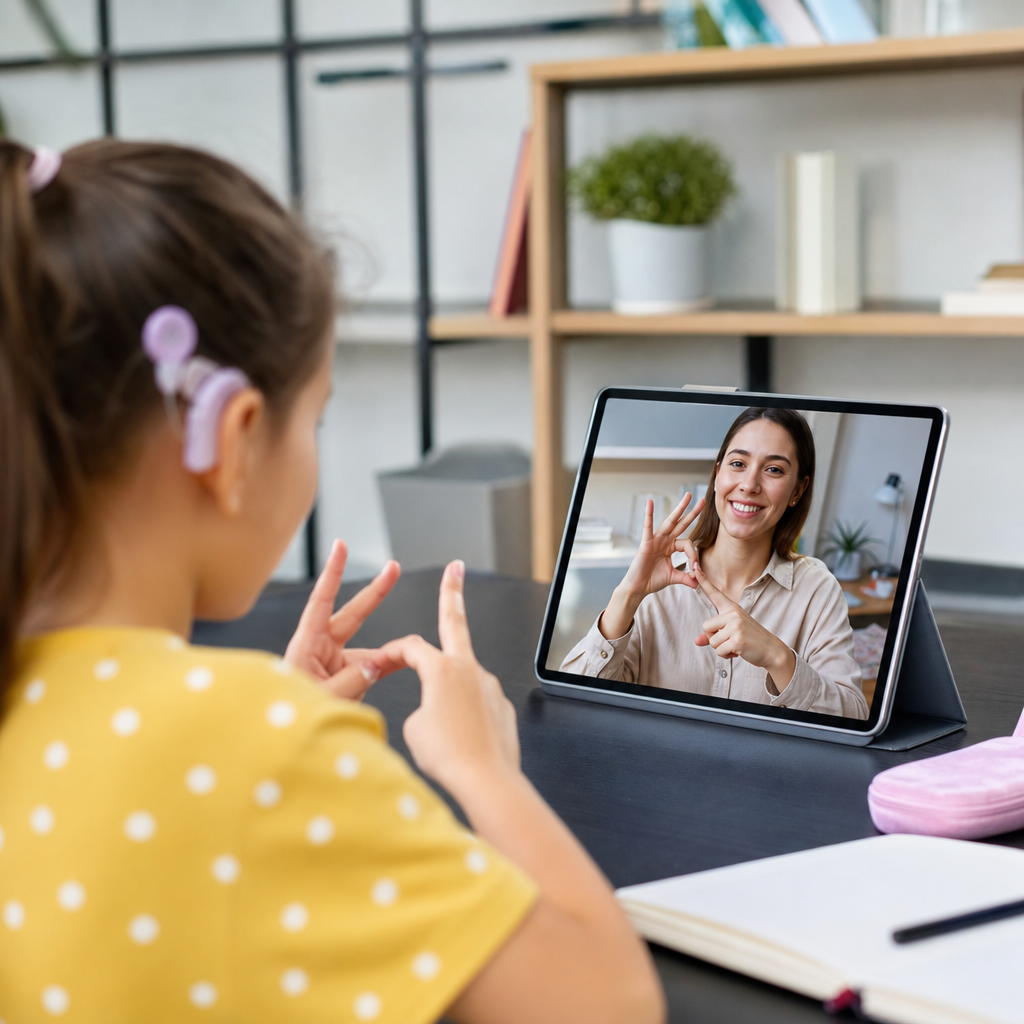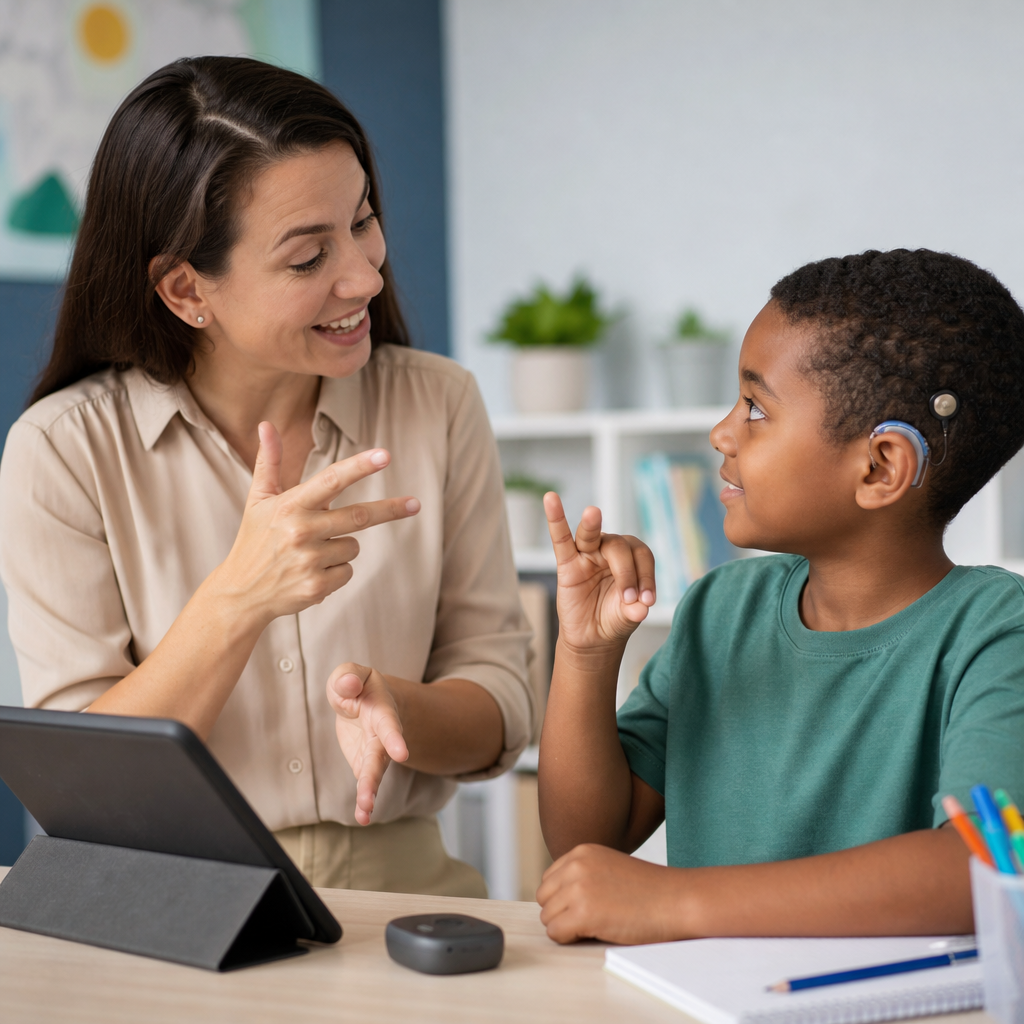
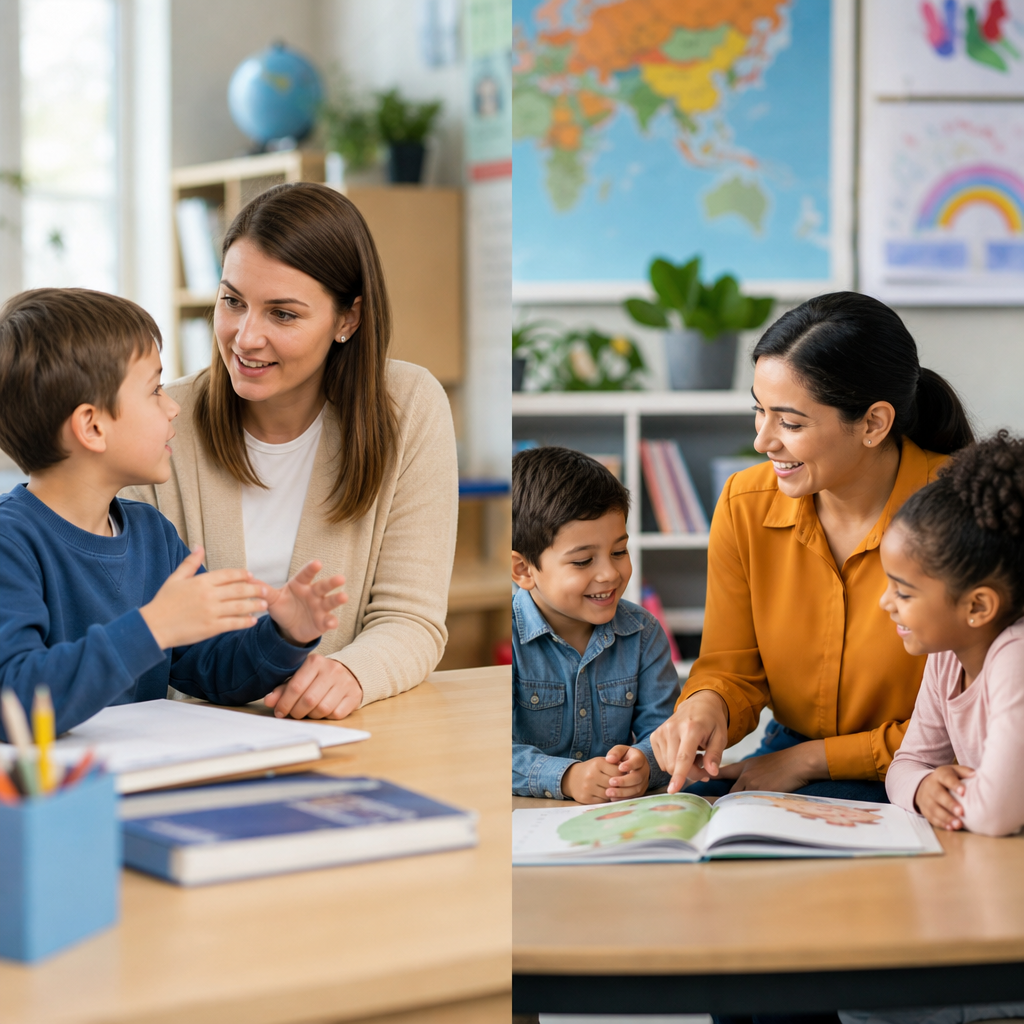
Key differences between oral and bilingual education models shape how deaf students access language, literacy, identity, and long-term academic opportunity. In deaf education systems, these two approaches are not minor instructional preferences; they reflect different beliefs about language development, communication access, family support, classroom design, and what successful inclusion looks like. Oral education generally emphasizes spoken language, listening, speechreading, and the use of hearing technology such as hearing aids or cochlear implants. Bilingual education, in deaf education, usually means a signed language is taught as a first or fully accessible language while the surrounding written or spoken majority language is developed as a second language. Understanding this distinction matters because early language access is strongly tied to cognitive development, reading outcomes, social-emotional health, and later independence.
I have worked with families comparing school placements, and the central question is rarely abstract. Parents want to know how their child will communicate with teachers, how reading will be taught, whether speech goals will dominate the day, and how the school will respond if hearing technology does not provide consistent access. These are practical issues, not philosophical slogans. Deaf education systems vary widely by country and district, but most can be understood by examining how they answer a few direct questions: What is the child’s primary language of instruction? How is language modeled? What role do deaf adults play? How are speech, listening, sign language, and literacy balanced? This hub article explains those answers clearly and provides a foundation for exploring specialized topics such as cochlear implant support, language deprivation, inclusive placement, interpreter use, and literacy instruction.
At a basic level, oral models aim to teach deaf students to function through spoken language as efficiently as possible. Bilingual models aim to guarantee full language access first, then build bilingual competence across signed and written or spoken languages. Neither model exists in only one form. Some oral programs are auditory-verbal and discourage visual cues, while others allow speechreading and some classroom sign support. Some bilingual programs center a national sign language and written language; others use co-enrollment, team teaching by deaf and hearing staff, or content instruction directly in sign. Because program labels are inconsistent, families and educators should look beyond marketing language and examine daily practice, staffing, outcomes, and access guarantees.
What oral education means in deaf education systems
Oral education is built on the idea that deaf students should develop spoken language through residual hearing, amplification, structured listening practice, articulation work, and repeated exposure to speech. In practice, oral programs often include auditory training, speech therapy, phonological instruction, and close monitoring of hearing devices. Many schools using this model coordinate with audiologists and speech-language pathologists, and they may set measurable targets for detecting sounds, discriminating words, producing speech sounds, and participating in spoken classroom discussion. For some children, especially those with strong benefit from well-fitted hearing aids or cochlear implants and consistent early intervention, oral education can support spoken communication in mainstream settings.
The strength of oral education is its focus on the majority language used in the broader community. Families often choose it because they want their child to communicate easily with hearing relatives, neighborhood peers, and future employers. In well-resourced programs, students may receive frequent device checks, individualized listening goals, and explicit instruction in speech perception in noise, turn-taking, and classroom self-advocacy. However, oral models depend heavily on the quality and consistency of auditory access. Hearing technology does not restore typical hearing, and many deaf children experience fluctuating access due to distance, background noise, fatigue, device malfunction, or complex auditory processing demands. When spoken language is the only path offered, gaps in access can become gaps in learning.
What bilingual education means for deaf learners
Bilingual deaf education starts from a different premise: language must be fully accessible from the beginning. In these programs, a natural signed language, such as American Sign Language, British Sign Language, or another national sign language, is used for instruction, interaction, and cognitive development. The majority written language, and sometimes spoken language, is taught alongside it. The core principle is not simply adding signs to speech. It is establishing a complete language foundation through a language the child can perceive without depending on imperfect auditory conditions. Once students have strong language, teachers can map reading, writing, vocabulary, and content learning more effectively.
Strong bilingual programs do more than provide an interpreter or occasional signs. They intentionally teach both languages, explain how they differ in grammar and discourse, and use deaf adults as fluent language models. In my experience, the best bilingual classrooms make content accessible immediately rather than postponing comprehension until listening skills improve. A science lesson in sign can still include print vocabulary, lab notebooks, oral language options, and speech services where appropriate. The difference is that concept learning never waits for auditory access. This model is especially important in preventing language deprivation, a serious risk when a child spends early years without reliable access to any fully developed language.
Core differences in goals, access, and classroom practice
The clearest way to compare oral and bilingual education models is to look at what each one prioritizes every day. Oral programs prioritize listening and spoken language as the main route to academic participation. Bilingual programs prioritize direct language access and bilingual development as the route to academic participation. That difference affects teaching methods, staffing, assessment, family guidance, and student identity. A school may say it is flexible, but its real model becomes obvious when a child misses information. Does the school add visual language immediately, or does it increase auditory drills and hope access improves over time?
| Area | Oral Model | Bilingual Model |
|---|---|---|
| Primary access route | Listening and spoken language | Signed language plus written/spoken language |
| Main instructional goal | Speech, listening, and participation through spoken communication | Full language access and bilingual literacy development |
| Role of hearing technology | Central to daily access | Useful support, but not the sole basis of access |
| Response to missed information | Repeat, rephrase, increase auditory support | Provide direct visual language access immediately |
| Language models | Often hearing adults using spoken language | Includes fluent deaf signers and bilingual staff |
| Literacy pathway | Often linked to phonology and speech-based instruction | Built from strong first-language competence and explicit print instruction |
These differences influence student experience in visible ways. In an oral classroom, seating, acoustic treatment, microphone systems, and teacher speech clarity matter intensely. In a bilingual classroom, sightlines, signing fluency, turn management, and visual attention routines are equally critical. Neither environment succeeds by intention alone. Each requires trained staff, consistent implementation, and honest progress monitoring. Families should ask to observe instruction, not just read brochures, because communication access problems are easiest to recognize in live classroom interaction.
Language development, literacy, and academic outcomes
Language development is the central issue in deaf education systems because every later academic skill depends on it. Research across child development and deaf studies has repeatedly shown that delayed first-language access can affect vocabulary, working memory, reading comprehension, executive function, and social understanding. Oral programs seek to build language through speech and audition, which can work well for some students, particularly when intervention starts early and auditory benefit is strong. But the model becomes risky when educators confuse device use with complete language access. A child who wears cochlear implants all day may still miss enough language to fall behind in subtle but cumulative ways.
Bilingual programs reduce that risk by ensuring a fully accessible language base. This does not automatically solve literacy challenges, because reading a spoken majority language still requires explicit instruction in print structure, syntax, morphology, and vocabulary. However, students with a strong first language generally have better tools for discussing meaning, asking questions, and understanding abstract concepts. I have seen bilingual students engage with complex texts by preteaching concepts in sign, analyzing sentence structures in print, and then writing responses with targeted feedback. That approach recognizes that reading is not just sounding out words; it is constructing meaning through language knowledge.
It is important to avoid simplistic claims that one model guarantees better reading scores for every child. Outcomes depend on age of identification, additional disabilities, family language input, socioeconomic factors, teacher expertise, and school quality. Still, one conclusion is firm: no child should be left without accessible language during the years when the brain is most ready to acquire it. That principle should guide placement decisions more than ideology.
Social identity, family communication, and inclusion
Education models also shape identity and belonging. Oral programs often frame success as integration into hearing society through spoken communication. For some students, that aligns well with family goals and personal preferences. They may enjoy speaking, using technology, and moving comfortably across hearing environments. Yet oral placement can become isolating if a child is one of few deaf students in a class and must constantly work to follow spoken interaction. Social exhaustion is common when access depends on lipreading, favorable acoustics, and adults remembering to use microphones.
Bilingual settings often provide stronger peer communication and more direct access to deaf culture, deaf history, and adult role models. That matters because students benefit from seeing successful deaf adults who use sign language in professional and community life. Family communication remains a decisive factor in either model. Hearing families who choose oral education need realistic expectations and sustained support. Families who choose bilingual education should have structured sign language training, not just advice to learn informally. The best deaf education systems treat parents as language partners and measure progress in everyday communication, not only in therapy sessions or report cards.
How to evaluate a deaf education program effectively
When comparing schools, families and professionals should ask detailed questions. What percentage of staff are fluent in the signed language used by students? How often are hearing devices checked? Are deaf teachers employed in instructional roles? How is reading taught in early grades? What happens when a student does not understand a lesson the first time? Does the school track language growth in both signed and written forms? Which assessments are used, and are they valid for deaf learners? Programs should be able to answer clearly and provide evidence, not generic reassurance.
Also look at the wider system around the child. Strong deaf education includes audiology coordination, speech-language services where needed, mental health support, accessible extracurriculars, transition planning, and connections to both deaf and hearing communities. This hub article should help readers navigate related topics across deaf education systems, including mainstream inclusion, self-contained schools, interpreters, early intervention, assistive listening technology, and bilingual literacy methods. The key takeaway is straightforward: oral and bilingual education models differ most in how they guarantee language access. Families should choose the program that gives the child the earliest, fullest, and most sustainable access to language, learning, and belonging.
That decision should be revisited as the child grows. A model that fits at age three may need adjustment by age eight or thirteen. Communication demands become more complex over time, and schools must respond to real outcomes, not loyalty to a label. If you are evaluating deaf education options, observe classrooms, speak with deaf adults, review language data, and ask how the program protects access on a difficult day, not just an ideal one. In deaf education systems, the best model is the one that gives the child a complete language foundation, strong academic instruction, and a clear path to participation in every part of life.
Frequently Asked Questions
What is the main difference between oral and bilingual education models in deaf education?
The main difference is how each model approaches language access and communication. Oral education generally centers spoken language development. It emphasizes listening, speech, speechreading, and often the use of hearing technology such as hearing aids or cochlear implants to help deaf students access spoken language. In an oral model, classroom routines, teaching strategies, and family support plans are usually designed around helping the child develop spoken communication skills and participate in hearing environments as independently as possible.
Bilingual education, by contrast, is built on the idea that deaf students should have full access to a natural visual language, typically a signed language such as American Sign Language, while also learning the surrounding written and often spoken language. In this model, sign language is not treated as a backup tool but as a foundational language for learning, thinking, social development, and identity formation. The second language, usually English in written form, is then taught systematically alongside it.
So at the deepest level, the difference is not simply speech versus sign. It is a difference in educational philosophy. Oral education often assumes that success comes through maximizing spoken language access. Bilingual education assumes that success begins with full language access first, especially visual language access, and then builds literacy, academic learning, and broader communication from there. That distinction influences everything else, including classroom communication, teacher training, family involvement, peer interaction, and how progress is measured over time.
How do oral and bilingual models affect language development and literacy outcomes for deaf students?
These models can shape language development in very different ways because they provide access to language through different channels. In oral education, language development depends heavily on how much useful access a child has to spoken language. For some students, especially those who benefit strongly from hearing technology and intensive auditory support, oral approaches can help build spoken vocabulary, listening skills, and speech production. However, outcomes can vary significantly based on age of identification, consistency of intervention, quality of amplification, additional disabilities, and the child’s individual hearing profile.
One of the central concerns in oral-only settings is whether the child has complete and consistent access to language throughout the day. If spoken input is only partially accessible, language learning may be slower or less complete, which can then affect reading, writing, and academic understanding. Literacy is closely tied to strong language foundations, so when early language access is limited, students may face downstream challenges in comprehension, vocabulary growth, and expressive writing.
In bilingual education, the goal is to ensure that the student has an immediately accessible first language through sign. When deaf children can fully access classroom communication visually, they are often in a stronger position to develop conceptual knowledge, narrative skills, social language, and cognitive-linguistic foundations. Those strengths can then support literacy development in the written majority language. Bilingual programs usually treat reading and writing as second-language processes that can be explicitly taught using the child’s signed language as a bridge.
It is important to be precise here: neither model guarantees the same outcome for every student. Student success depends on implementation quality, family engagement, early exposure, skilled educators, and individualized support. Still, the key difference is that bilingual models prioritize guaranteed language access from the start, while oral models prioritize spoken language acquisition, which may be highly effective for some learners but less accessible for others. That difference often has major implications for both early language growth and long-term literacy development.
Which model offers better communication access in the classroom and at home?
Communication access is one of the most important practical differences between these two models. In the classroom, bilingual education often provides more direct and immediate access for deaf students because instruction is delivered in a language they can fully perceive visually. That means students can access explanations, class discussions, peer interaction, humor, incidental learning, and social cues without relying primarily on residual hearing, technology performance, or constant speechreading. Full access matters not only for academic learning but also for confidence, belonging, and participation.
In oral classrooms, communication access depends more on the student’s ability to hear and process spoken language, often with support from hearing devices, acoustic modifications, visual cues, and speechreading. Some students do very well in these settings, especially when devices are effective and teachers are highly trained in auditory-verbal or oral strategies. But oral environments can also be demanding. Background noise, fast-paced discussion, multiple speakers, fatigue, distance from the teacher, and inconsistent technology can all reduce access, even for students who appear to function well in one-on-one situations.
At home, the question becomes even more personal. Oral approaches usually ask families to support spoken language development through conversation, listening practice, and speech-focused routines. For some families, this feels natural and aligns with their goals. Bilingual approaches, however, often encourage families to learn and use sign language so the child has accessible communication from the earliest possible stage. This can strengthen emotional connection and reduce the risk of communication gaps, especially when spoken language access is still developing or uncertain.
In real-world terms, bilingual models tend to prioritize certainty of access, while oral models often prioritize development of spoken communication skills. Families and schools must consider not just ideal outcomes, but everyday access: Can the child understand what is happening? Can they express complex thoughts easily? Can they participate fully with peers and adults? Those questions are often more revealing than labels alone.
How do these education models influence deaf identity, social development, and inclusion?
Oral and bilingual education models can shape a student’s sense of self in powerful ways because they send different messages about language, community, and belonging. Oral education often aims to help deaf students function effectively in predominantly hearing settings. For some students and families, that goal feels empowering because it emphasizes participation in the wider spoken-language world. It may support confidence in interacting with hearing peers, navigating mainstream classrooms, and developing speech-based communication skills.
At the same time, oral-only settings can sometimes leave students with limited exposure to deaf peers, deaf adults, and signed language communities. When that happens, a student may have fewer opportunities to see deafness represented as a complete cultural and linguistic identity rather than only as a communication challenge to be managed. This does not mean oral education prevents healthy identity development, but it does mean identity support may need to be more intentionally built into the student’s experience.
Bilingual education often includes stronger direct connections to Deaf culture, signed language communities, and deaf role models. That can have a major positive effect on identity formation because students see themselves reflected in successful adults and peers who share their communication mode. They may develop a clearer sense that being deaf is not a limitation in itself, but part of a broader linguistic and cultural experience. Social development can also benefit when students have full access to peer conversations, jokes, conflict resolution, collaboration, and informal learning throughout the day.
Inclusion looks different depending on the model. In oral education, inclusion is often defined as successful participation in spoken-language environments. In bilingual education, inclusion is more often defined as full participation through accessible language, whether that occurs in a deaf-centered setting, a bilingual classroom, or a mixed environment with proper support. The most meaningful form of inclusion is not simply physical placement in a classroom. It is whether the student has equal access to communication, relationships, learning, and identity development.
How should families and educators decide between an oral and a bilingual education approach?
The best decision usually comes from looking beyond ideology and focusing on the child’s actual access to language, communication, and learning. Families and educators should ask practical questions: Does the child have reliable and consistent access to spoken language? Are they developing language at an age-appropriate pace? Can they communicate comfortably across settings? Are they able to understand instruction, build relationships, and express complex ideas? These questions are more useful than assuming one model is universally better.
It is also important to evaluate the quality of the program, not just the label. An excellent oral program requires skilled staff, strong family coaching, consistent technology support, and careful monitoring of language growth. An effective bilingual program requires fluent sign language models, strong literacy instruction, qualified teachers, and a school culture that truly values both languages. A program name alone does not guarantee meaningful implementation.
Families should pay close attention to early language milestones and be willing to adjust if progress is limited. One of the biggest risks in deaf education is losing valuable early years while waiting to see whether partial access will become full access. If a child is not receiving complete language input through one route, adding or strengthening another route may be essential. For many experts, the central principle is simple: language deprivation is a far greater risk than exposure to more than one language or modality.
In many cases, the decision does not have to be framed as a rigid either-or choice. Some children benefit from spoken language development and sign language exposure together, especially when the priority is to maximize communication access while keeping future options open. The most responsible approach is individualized, data-informed, and flexible over time. When families and educators center full language access, healthy development, and long-term opportunity, they are much more likely to choose a path that truly serves the child.