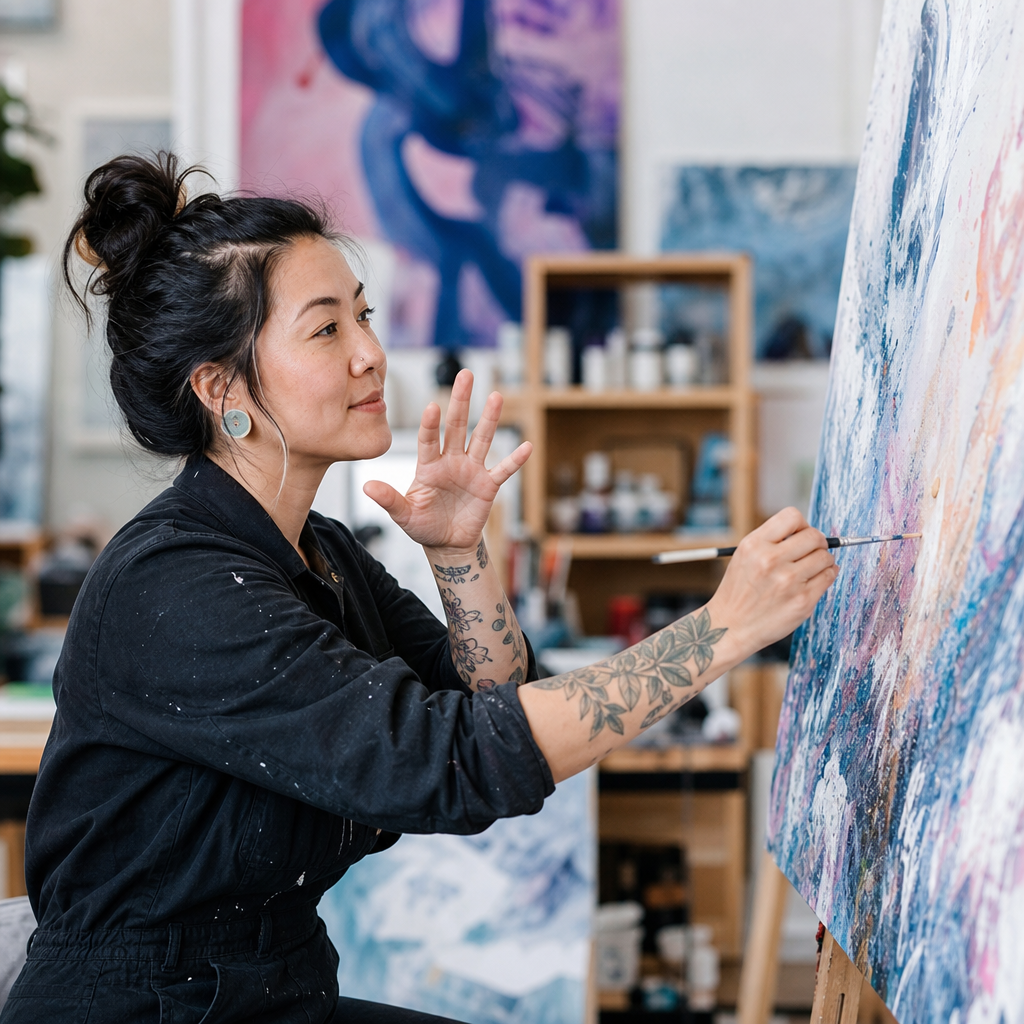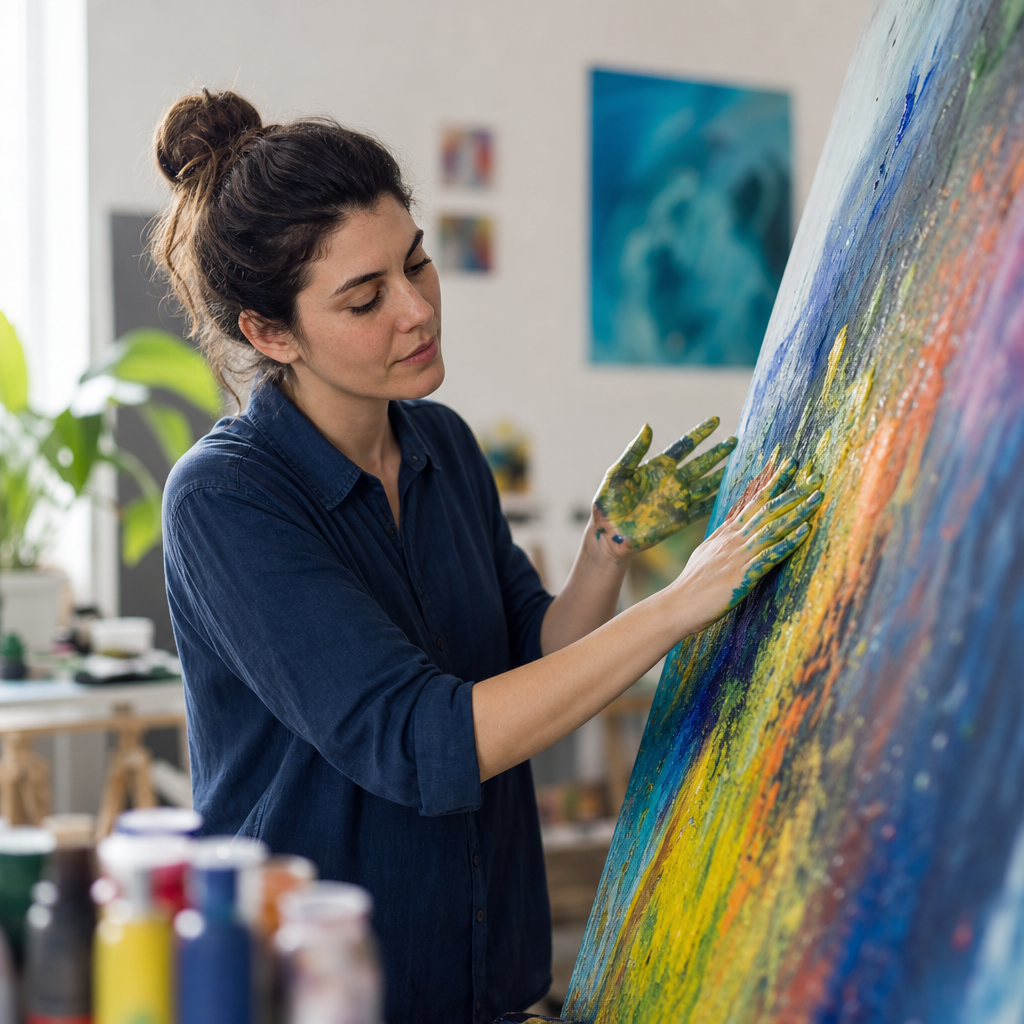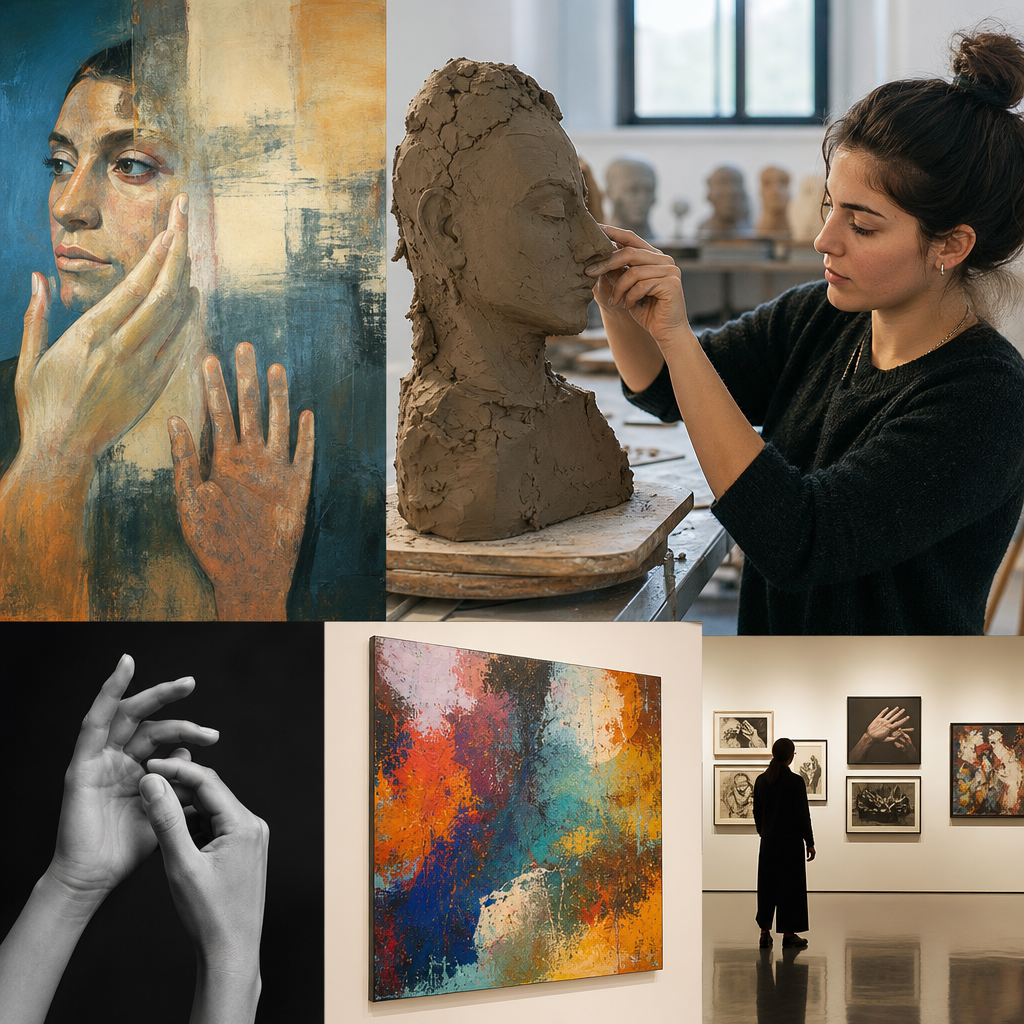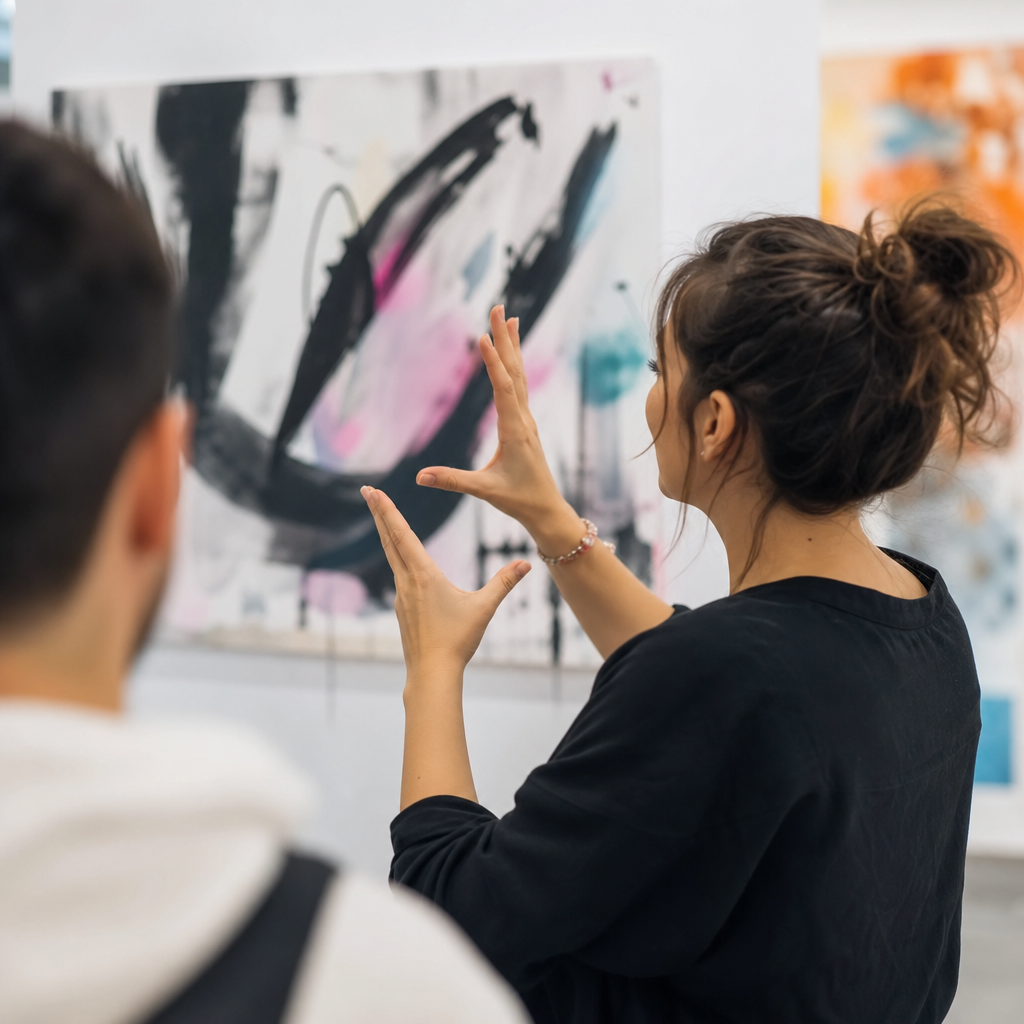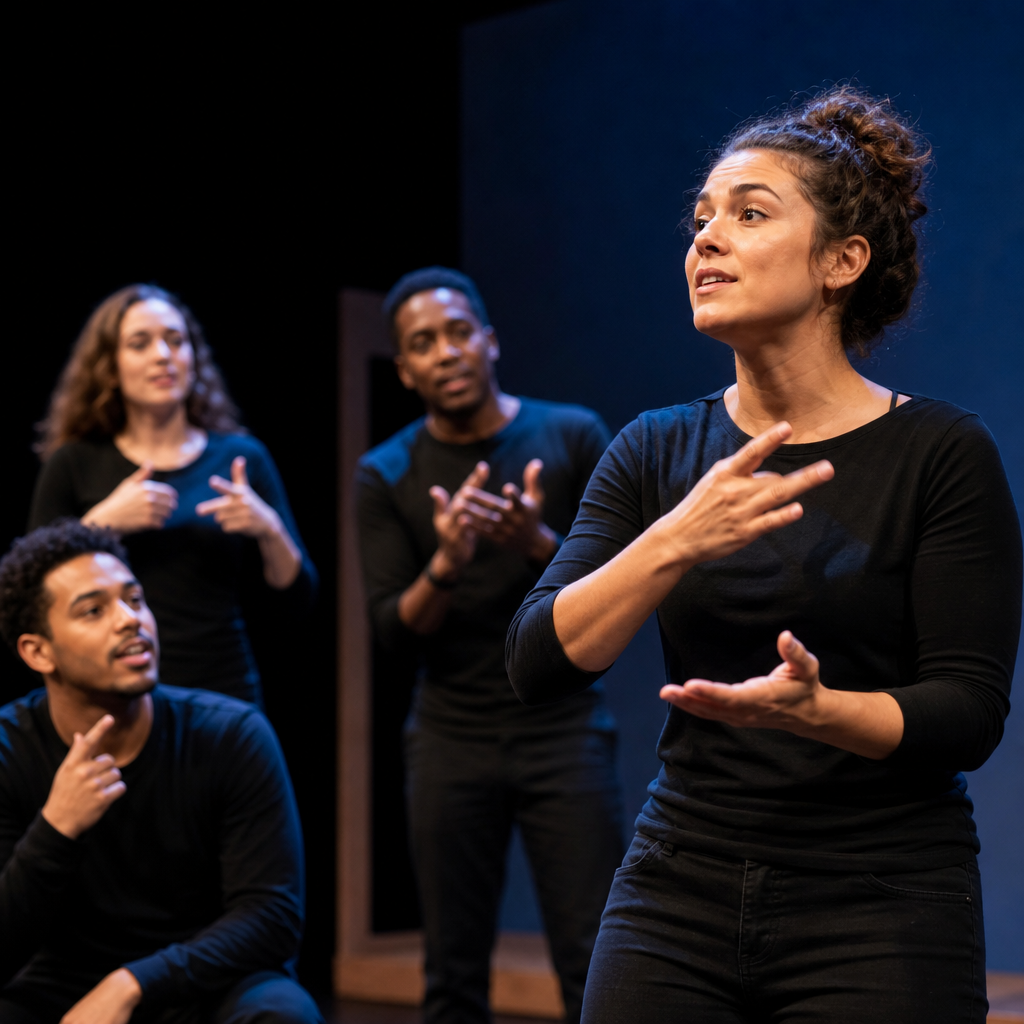
The rise of Deaf content creators online has transformed art, storytelling, and self-expression into one of the most dynamic parts of modern Deaf culture. In practical terms, Deaf content creators are people who use digital platforms such as YouTube, TikTok, Instagram, podcasts with transcripts, newsletters, and livestreaming spaces to share ideas, performances, education, comedy, advocacy, and personal narratives from Deaf perspectives. That definition matters because the work is not limited to entertainment. It includes signed poetry, visual vernacular, captioned commentary, Deaf-led filmmaking, educational explainers about access, and everyday lifestyle content that shows Deaf life on its own terms.
I have seen this shift firsthand in digital media planning and accessibility reviews: once, Deaf representation online was sporadic and usually filtered through hearing institutions; now, creators can publish directly, build communities, and shape their own audience relationships. This change matters because representation affects identity, language visibility, economic opportunity, and public understanding. When Deaf creators control the frame, they move beyond the narrow narratives that long dominated mainstream media, especially stories focused only on disability, limitation, or inspiration. Instead, audiences encounter Deaf humor, aesthetics, political debate, family life, language pride, and artistic innovation.
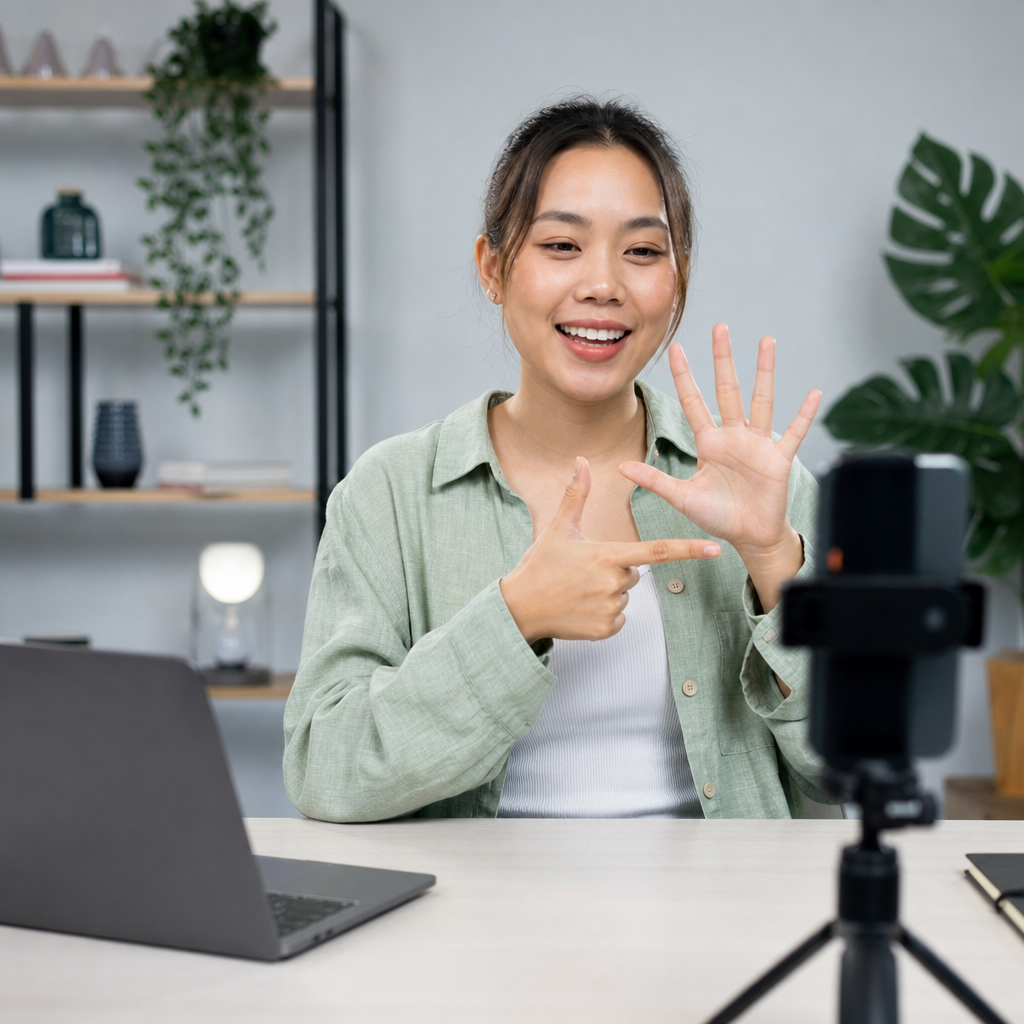
Online platforms have also amplified forms of expression that fit signed languages especially well. Sign languages are visual, spatial, embodied, and rhythmic. Short-form video, high-resolution mobile cameras, and editing tools have made it easier to capture facial grammar, handshape precision, movement, timing, and the full visual field required for strong signed communication. Good lighting, uncluttered backgrounds, camera framing from waist or chest upward, and accurate captions all support this creative ecosystem. These are not minor production details. They determine whether content is accessible, legible, and artistically effective.
As a hub for art, storytelling, and expression within Deaf culture and identity, this article explains why Deaf creators are gaining influence, what kinds of work define the space, how platforms changed the rules, where opportunities and risks exist, and how audiences, brands, educators, and media organizations can support the field responsibly. The central point is simple: Deaf creators are not a niche afterthought in digital culture. They are expanding what online storytelling can look like while strengthening language, community, and creative power.
Why online platforms changed Deaf storytelling
Digital platforms changed Deaf storytelling because they reduced gatekeeping around who gets seen and how stories are told. In broadcast television and legacy film, Deaf people were often dependent on hearing producers, casting directors, and editors to greenlight projects. Online video reversed much of that hierarchy. A creator with a smartphone, ring light, editing app, and clear concept can now publish work immediately and reach global audiences. That is especially important for sign-based content, which relies on visual nuance that text alone cannot carry.
The timing matters too. Wider adoption of automatic captions, improved mobile bandwidth, vertical video formats, and creator monetization tools made participation more sustainable than it was a decade ago. Automatic captions are imperfect and should always be reviewed, especially for signed content interpreted into speech or voiceover, but their mainstream presence has raised audience expectations around accessibility. At the same time, features like duets, stitches, shorts, reels, and livestream comments have created new ways for Deaf creators to collaborate, respond to trends, and educate audiences in real time.
These tools support both community-building and cultural transmission. A Deaf teenager in a rural area can now follow Deaf comedians, artists, educators, and sign language performers from several countries in one afternoon. That kind of access can be identity-shaping. It offers language models, confidence, humor, and a sense of belonging that many Deaf people previously had to find only in schools for the Deaf, local clubs, or occasional events. Online spaces do not replace those institutions, but they extend them in powerful ways.
What Deaf creators make: art, education, and cultural narration
Deaf content creation is broad, but several forms stand out. Signed storytelling remains central. This includes personal narratives, folktales, skits, memoir-style reflections, and adapted stories performed in a signed language with expressive use of role shift, classifiers, pacing, and visual imagery. Another major form is visual vernacular, a performance style that uses cinematic movement, mime, and sign-inflected visual storytelling to create highly immersive scenes. It works exceptionally well online because close framing and editing can heighten rhythm and emotional impact.
Education is another major category. Many creators explain Deaf etiquette, access barriers, hearing technology, interpreters, school experiences, workplace inclusion, and differences between signed languages and manually coded systems. This work often answers recurring public questions directly: What is the difference between being deaf and Deaf? Why are captions essential even when someone uses hearing aids or cochlear implants? Why is eye contact important in signed communication? Strong creators answer these questions clearly while also correcting stereotypes.
Comedy and commentary are equally important because they humanize Deaf life beyond advocacy. Humor about missed announcements, poor captions, awkward lipreading situations, or hearing people overusing “never mind” resonates widely because it is specific and lived. Lifestyle content, beauty tutorials, travel vlogs, parenting stories, cooking videos, and reaction content further widen the picture. Together, these formats create a richer public record of Deaf experience than traditional media ever did.
| Content type | What it includes | Why it matters |
|---|---|---|
| Signed storytelling | Personal stories, folktales, memoir, skits | Preserves language, identity, and narrative tradition |
| Visual vernacular | Cinematic movement, mime, spatial performance | Showcases uniquely visual artistic expression |
| Educational content | Access tips, language facts, cultural norms | Answers common questions and reduces misinformation |
| Comedy and commentary | Sketches, reactions, cultural observations | Builds community through shared experience |
| Lifestyle and creative media | Vlogs, fashion, food, parenting, travel, film | Expands representation beyond a single narrative |
The role of signed languages in digital creativity
Signed languages are not spoken languages on the hands. They are complete natural languages with their own grammar, syntax, morphology, and discourse patterns. That fact is essential when evaluating Deaf creators and their work. A signed story is not simply a spoken script translated into gestures. The strongest Deaf creators compose directly for visual language. They use space to establish characters, facial expressions to mark grammar and tone, body shift to indicate dialogue, and timing to create suspense or humor.
Online media has made these linguistic features more visible to wider audiences. A creator can slow down a sequence, cut between perspectives, layer captions, or add visual references without flattening the signed performance. For creators working in American Sign Language, British Sign Language, Langue des Signes Française, Auslan, or other signed languages, digital platforms allow language-specific communities to thrive while also supporting cross-cultural exchange through subtitling and translation. That matters because Deaf culture is global, but it is not monolithic.
There is also a preservation dimension. Historically, many signed stories were shared live at schools, festivals, community gatherings, and homes. Recording and publishing them online creates an archive, though one shaped by algorithms and platform policies. Creators who document elder signers, regional variants, signed poetry, or community histories are doing cultural preservation work as much as content production. Their channels often become informal libraries for future learners and researchers.
Visibility, influence, and economic opportunity
As audiences have grown, so has the influence of Deaf creators. Some now shape public discussion about accessibility faster than institutions do. A poorly captioned product launch, inaccessible event, or inaccurate media portrayal can be critiqued by Deaf creators within hours, often with more clarity and reach than a formal press statement. This real-time accountability has changed how brands, universities, nonprofits, and entertainment companies think about inclusion.
Economic opportunity is part of the story, but it comes with caveats. Creators may earn through platform revenue sharing, sponsorships, affiliate partnerships, speaking engagements, consulting, merchandise, workshops, and paid collaborations. Deaf-led consulting on accessible design, caption strategy, interpreter planning, and inclusive production has become more visible because creators can demonstrate expertise publicly. In my experience, organizations often understand accessibility better after seeing concrete creator examples than after reading policy documents alone.
Still, monetization is uneven. Signed content can be penalized by systems that prioritize spoken audio trends, and brand teams sometimes treat Deaf creators as diversity additions rather than strategic partners. Many creators also shoulder extra labor: caption correction, translation, community education, and constant explanation of basic concepts. The rise is real, but it is not frictionless. Sustainable growth requires fair pay, accessible campaign planning, and respect for Deaf expertise rather than symbolic inclusion.
Challenges Deaf creators still face online
The biggest challenges are accessibility gaps, algorithmic bias, and audience misunderstanding. Automated captions often fail with names, slang, accent variation, technical terms, and interpreted segments. On some platforms, editing caption timing precisely is still cumbersome. For sign-first content, creators may need to add open captions manually, include voiceover or text summaries, and optimize framing so sign remains readable on small screens. That is a significant production burden compared with creators whose content is centered on speech alone.
Algorithmic design can also disadvantage visual language. Trend systems often reward audio reuse, music hooks, and fast-cut spoken reactions. Deaf creators adapt creatively, but the platform architecture was not built with signed communication as a default. In addition, comment sections can expose creators to ableism, invasive questions, and pressure to educate endlessly. That emotional labor is real and often invisible to outsiders.
Another challenge is oversimplification. As Deaf creators become more visible, audiences sometimes assume one person can speak for all Deaf people. That is inaccurate. Experiences differ by language, race, nationality, education, technology use, additional disabilities, and family background. Responsible creators often acknowledge these differences directly, and audiences should pay attention when they do. The healthiest digital ecosystems reward nuance, not a single “representative” story.
How to support Deaf creators responsibly
Supporting Deaf content creators starts with paying attention to how their work is actually made. Follow, subscribe, share, credit, and compensate. If you run a brand or institution, budget for accessibility from the start rather than asking creators to absorb the cost. That means professional captioning when needed, clear briefs, interpreter coordination for live events, readable on-screen text, and timelines that allow review. If a creator educates your audience or improves your access strategy, that is skilled labor and should be paid accordingly.
Audiences can help by engaging thoughtfully. Watch the full video, not just the first seconds. Read captions. Avoid demanding personal medical details. Do not praise basic accessibility as extraordinary kindness; treat it as a standard. If you are hearing and sharing Deaf-created work, keep attribution visible and avoid reframing the message as your own discovery. For educators and journalists, cite Deaf creators directly when their work informs your materials. That improves both accuracy and trust.
Finally, explore the wider ecosystem. Follow artists, comedians, filmmakers, educators, activists, and everyday storytellers. Move beyond a single viral creator. The strongest understanding of Deaf culture comes from breadth: multiple voices, multiple signing styles, and multiple kinds of expression. That wider view reflects the real richness of Deaf life online and offline.
The rise of Deaf content creators online is more than a social media trend. It is a structural shift in who gets to tell stories, preserve language, define culture, and influence public conversation. Deaf creators have built vibrant spaces for signed art, visual storytelling, education, humor, critique, and community, often with fewer resources and more barriers than their hearing peers. In doing so, they have changed expectations around representation and accessibility across digital media.
For anyone exploring Deaf culture and identity, art, storytelling, and expression are essential entry points because they reveal how language and experience become culture in public. Online platforms have made that process easier to witness, but they have also made support more urgent. Visibility without accessibility, compensation, or nuance is not enough. The field grows strongest when creators are respected as artists, experts, and narrators of their own lives.
If you want to understand this space better, start by following Deaf creators across formats, studying how they use visual language, and supporting their work in practical ways. Share responsibly, cite clearly, and pay for expertise when you benefit from it. The more people do that, the stronger Deaf creative culture online becomes.
Frequently Asked Questions
What does the term “Deaf content creator” really mean in today’s digital world?
A Deaf content creator is someone who uses online platforms to communicate, perform, teach, entertain, document experiences, or build community from a Deaf perspective. That can include creators on YouTube, TikTok, Instagram, livestreaming platforms, newsletters, blogs, and podcasts that provide transcripts or other accessible formats. Importantly, the term is much broader than simply “someone who posts videos in sign language.” Deaf creators may work in visual storytelling, comedy, education, activism, lifestyle content, art, interviews, cultural commentary, or business. Some use sign language as their primary mode of expression, while others may create through captions, voice, text, photography, design, or mixed media.
What makes this category especially significant is that Deaf creators are not just participating in online culture; they are actively shaping it. Their work often reflects lived experience with language access, identity, disability, representation, and belonging. In many cases, their content fills gaps left by mainstream media, which has historically underrepresented Deaf people or presented Deafness through a narrow medical lens. Online platforms have made it possible for Deaf creators to speak directly to audiences, define their own stories, and reach both Deaf and hearing communities without relying on traditional gatekeepers. That shift has made digital creation one of the most visible and influential expressions of modern Deaf culture.
Why has the rise of Deaf content creators become such an important part of modern Deaf culture?
The growth of Deaf creators online matters because it has expanded who gets seen, who gets heard, and who gets to define Deaf identity in public spaces. For many years, Deaf stories were often filtered through hearing institutions, interpreters, journalists, or entertainment companies. Social media and creator platforms changed that dynamic by giving Deaf people direct control over storytelling, humor, education, advocacy, and artistic expression. As a result, modern Deaf culture online has become more immediate, more diverse, and more visible than ever before.
This rise is also important because it supports cultural continuity and innovation at the same time. Deaf creators share sign language, community values, inside jokes, historical knowledge, and everyday experiences in ways that feel relevant to contemporary audiences. They can preserve traditions while also experimenting with new visual formats, short-form video trends, live interaction, and cross-cultural collaboration. That combination helps Deaf culture remain vibrant rather than static. Younger audiences, in particular, can now discover creators who reflect their experiences and offer models of confidence, creativity, and leadership.
Beyond culture, there is a practical impact. Deaf content creators often provide access to information that may otherwise be hard to find in accessible form, including educational content, current events, mental health discussions, and advice on navigating systems that were not designed with Deaf people in mind. In that way, they do more than entertain. They build community knowledge, strengthen visibility, and create spaces where Deaf audiences feel recognized rather than explained to.
How are Deaf content creators changing storytelling, art, and self-expression online?
Deaf content creators are expanding digital storytelling by centering visual communication, embodied expression, and language in motion. Sign languages are inherently dynamic, using movement, facial expression, space, rhythm, and timing to convey meaning. When creators bring those features into online video, performance, or visual media, they introduce storytelling techniques that many mainstream audiences are not used to seeing. This can make Deaf-created content especially powerful, expressive, and memorable. A story told through signing, editing, captioning, camera framing, and visual pacing can communicate emotion and nuance in ways that challenge conventional assumptions about how communication should look online.
In art and performance, Deaf creators are also redefining what digital creativity can be. Comedy, poetry, reaction videos, skits, educational explainers, dance collaborations, and signed performances all take on unique dimensions when created through Deaf visual culture. Many Deaf artists use the camera not just as a recording tool but as part of the performance itself, shaping angles, composition, and movement to support meaning. Others blend text, caption design, animation, or visual effects to make their work accessible and aesthetically distinctive. This has helped create a digital creative landscape where Deaf expression is not treated as a niche adaptation, but as a compelling artistic force in its own right.
Self-expression is another major area of change. Online platforms allow Deaf creators to present their identities on their own terms, whether they are discussing language, education, family experiences, accessibility barriers, humor, relationships, career development, or intersectional identity. That freedom matters because Deaf people are not a monolithic group. The online creator space has made room for a wider range of voices, including creators from different racial, linguistic, national, gender, and educational backgrounds. In doing so, it has broadened public understanding of what Deaf life actually looks like.
What challenges do Deaf content creators still face, even as their visibility grows?
Greater visibility does not eliminate structural barriers. Deaf content creators still face significant challenges related to accessibility, platform design, monetization, audience assumptions, and labor. Many digital platforms are built around audio-first engagement, which can disadvantage creators whose content depends on captions, sign language visibility, accurate transcripts, or careful visual framing. Auto-captioning tools may be inconsistent, and features that help accessibility are not always prioritized. For creators, that means extra time and effort often goes into making content usable and discoverable, even before they can focus on growth or revenue.
There is also the issue of misunderstanding from wider audiences. Deaf creators are frequently expected to educate others while simultaneously entertaining them, and that can create pressure to constantly explain basic concepts about Deafness, sign language, accessibility, or identity. Some creators must deal with stereotypes, patronizing reactions, misinformation, or comments that frame their work as inspirational simply because they are Deaf. That kind of response can diminish the sophistication of their content and shift attention away from the substance of what they are actually making.
Economic and professional barriers are another concern. Brand partnerships, media opportunities, and creator programs do not always account for accessibility needs, and some Deaf creators may be overlooked because companies are unfamiliar with how to collaborate inclusively. Live events, interviews, and sponsored campaigns may require interpreters, accessible production planning, or flexible communication methods, yet these supports are not always offered automatically. So while the rise of Deaf creators is undeniably exciting, it exists alongside ongoing advocacy for equitable access, fair compensation, and recognition of Deaf creators as professionals, not just symbols of representation.
How can audiences and brands better support Deaf content creators online?
The most effective support starts with treating Deaf creators as valuable experts, artists, and storytellers rather than as occasional diversity additions. Audiences can support them by following their work consistently, engaging thoughtfully, sharing content with proper credit, purchasing products or services when relevant, subscribing to paid platforms, and respecting the communication methods each creator uses. It also helps to approach their work with curiosity and attention rather than expecting simplified explanations for everything. Taking time to read captions, use transcripts, learn basic cultural context, and understand that Deaf experiences are diverse goes a long way.
For brands, meaningful support requires more than featuring a Deaf creator in a campaign. It means building accessibility into the collaboration from the beginning. That can include providing interpreters when needed, using accessible communication channels, budgeting for captioning and transcripts, allowing visual-first creative formats, and ensuring deadlines and production processes are realistic. Brands should also recognize that Deaf creators often bring specialized cultural knowledge and audience trust, which adds real value to a campaign. Compensation should reflect that expertise.
Finally, both audiences and organizations can help by amplifying Deaf-created work beyond awareness moments or disability-themed conversations. Deaf creators should be included in discussions about art, education, entertainment, business, technology, lifestyle, and culture more broadly. When people support Deaf content creators as full participants in digital culture, not as exceptions to it, they help create a more inclusive and accurate online world. That kind of support strengthens not only individual creators but also the broader visibility and future of Deaf culture online.