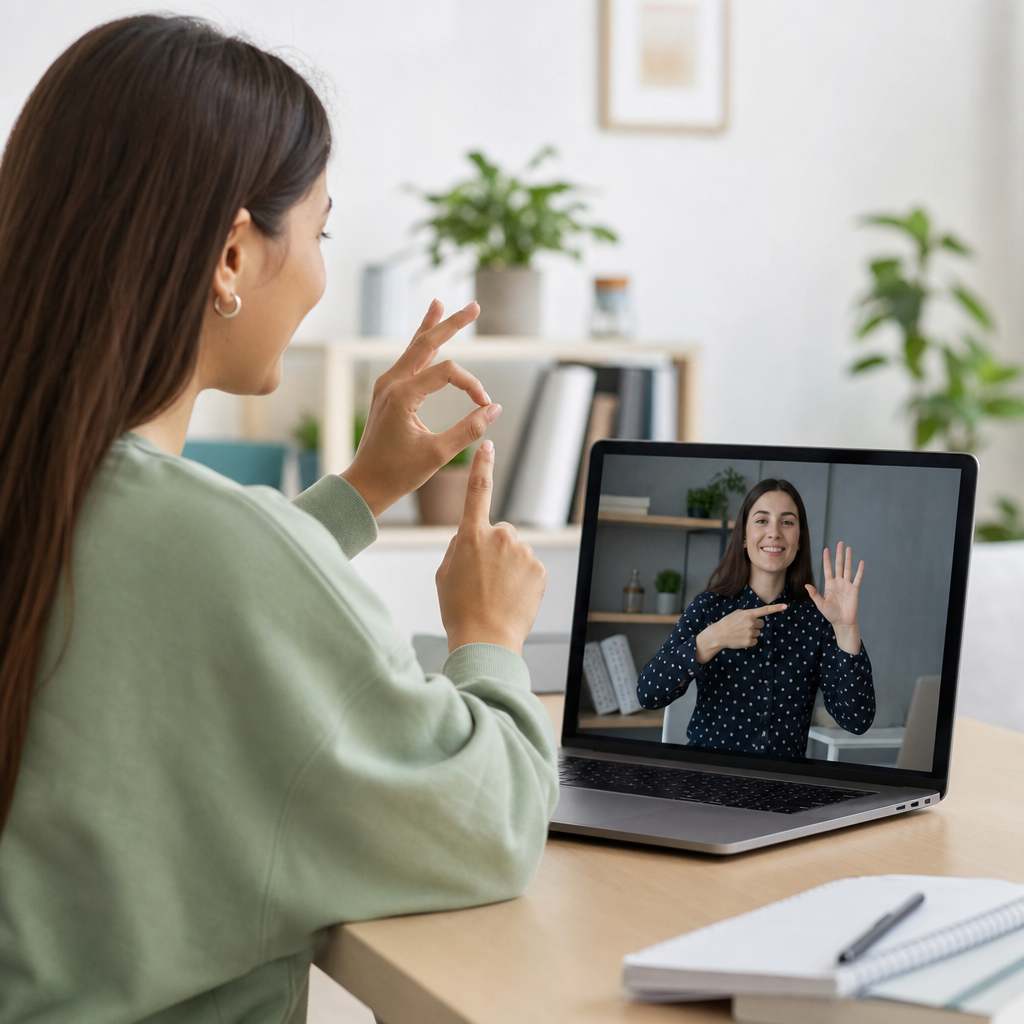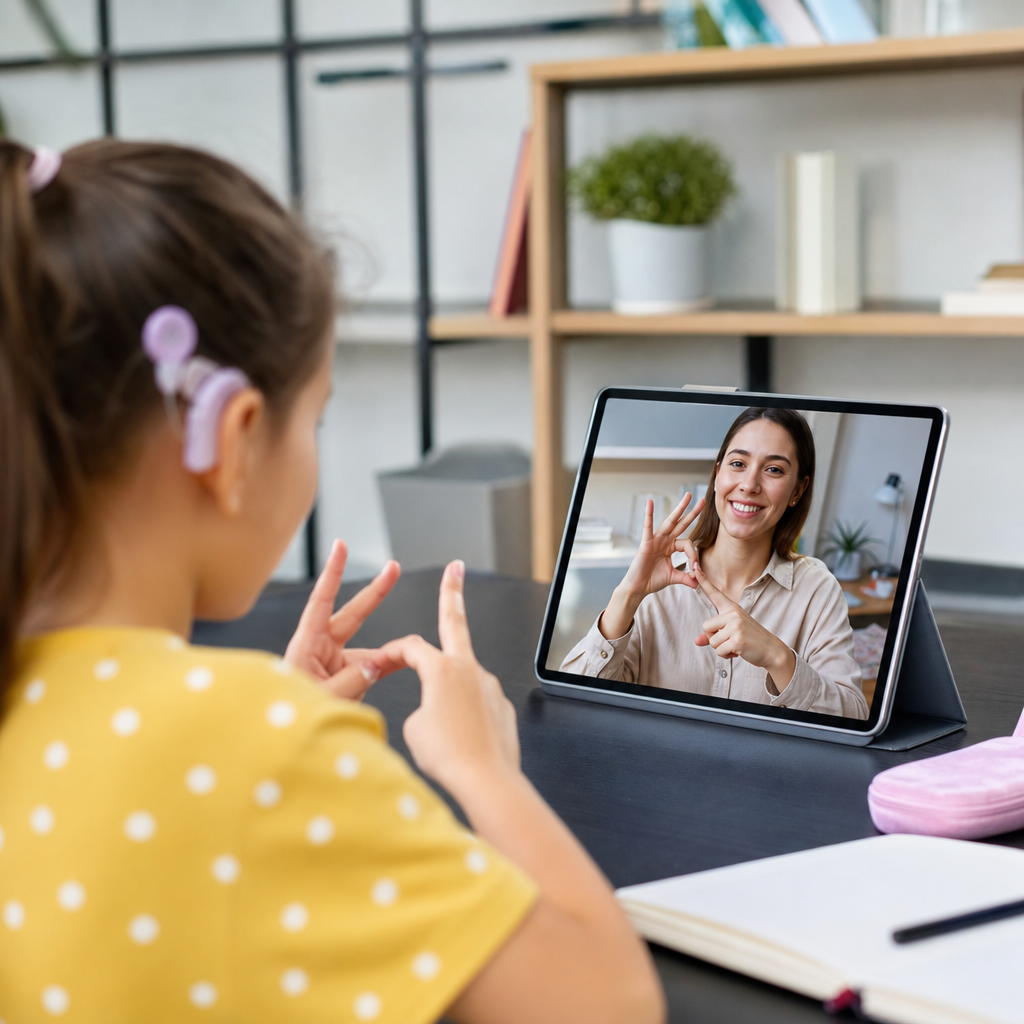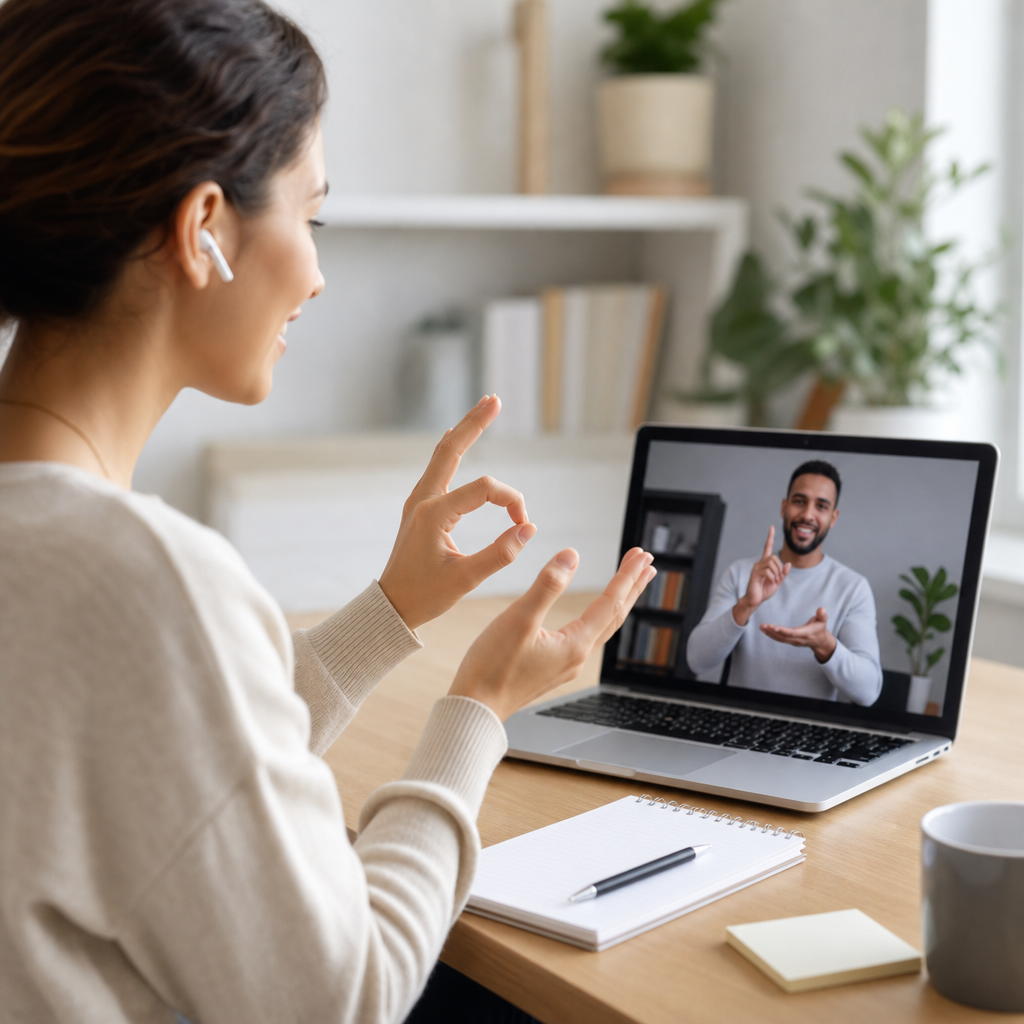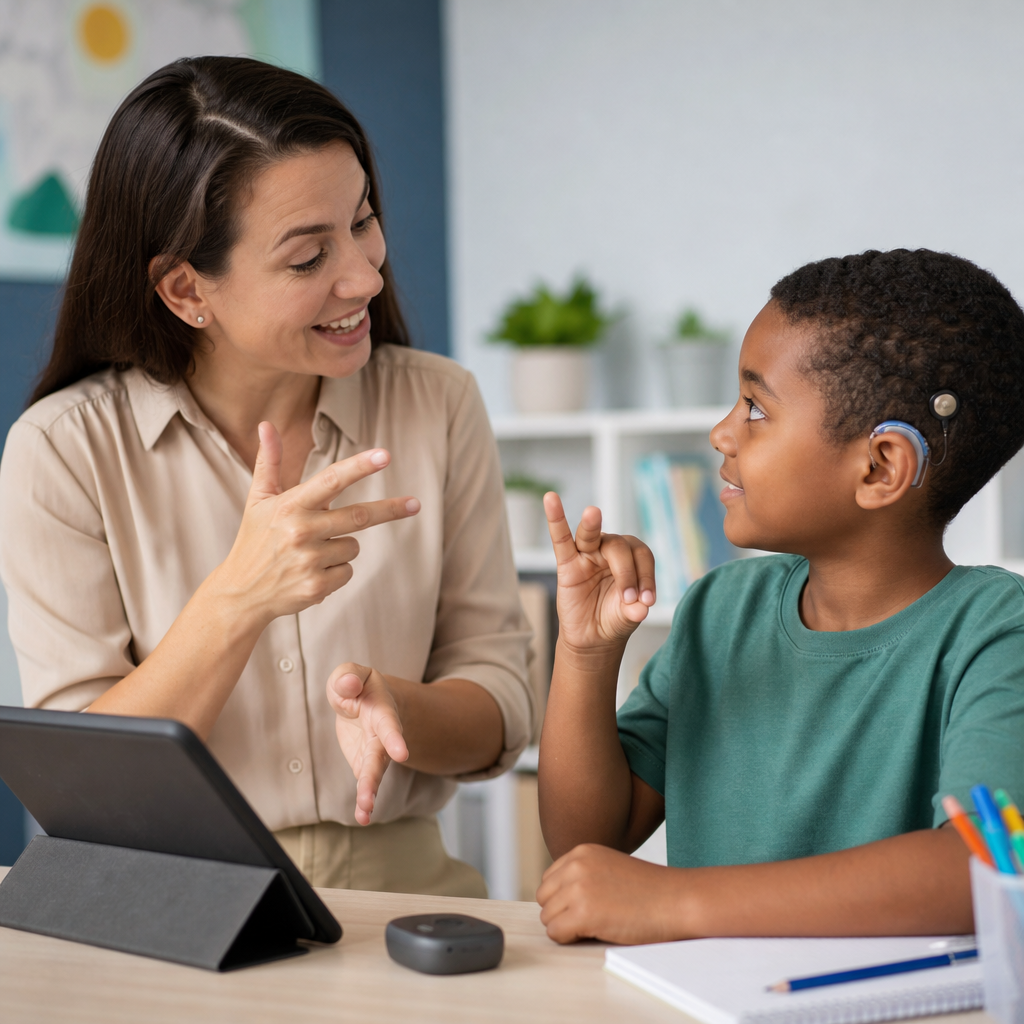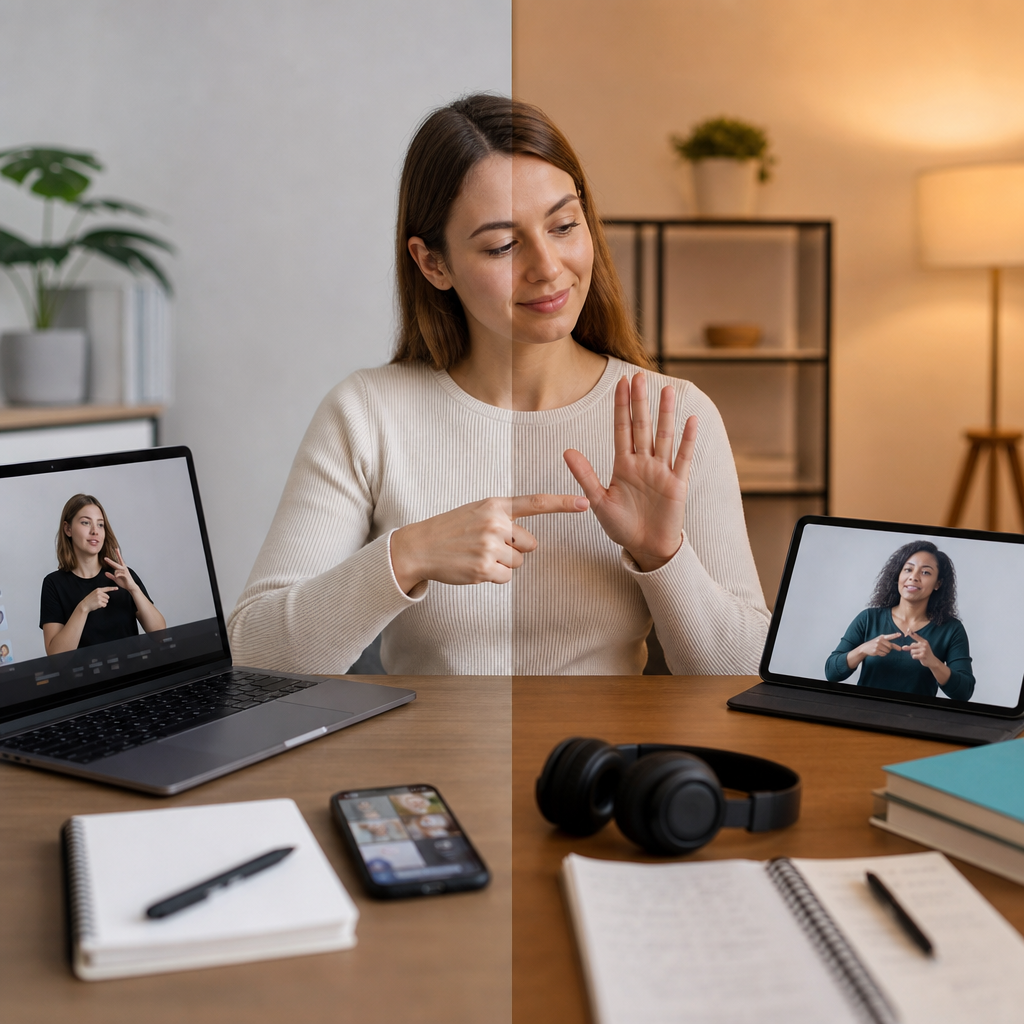
Learning sign language online has never been more accessible, and YouTube has become one of the most practical places to start. For beginners, parents, teachers, interpreters-in-training, and anyone who wants better communication with Deaf friends or colleagues, the right channel can provide structure, repetition, cultural context, and motivation. When people search for the top YouTube channels for learning sign language, they usually want more than a random playlist. They need reliable instruction, clear demonstrations, and guidance on which channels fit their goals, whether that means daily conversation, classroom support, or formal study.
Sign language is not universal, so choosing resources begins with understanding the language you need. American Sign Language, or ASL, is used widely in the United States and parts of Canada. British Sign Language, or BSL, is a distinct language with different grammar and vocabulary. Other systems include Auslan in Australia and signed exact forms designed to represent spoken languages word for word. That distinction matters because a channel that is excellent for ASL may be useless if your school, local Deaf community, or workplace uses BSL. I have helped learners evaluate online sign language resources for family communication plans and classroom use, and the biggest early mistake is assuming every video labeled “sign language” teaches the same thing.
This hub article covers the strongest YouTube options for courses and learning tools, explains how to judge quality, and shows how to combine channels into a workable study plan. YouTube is not a full replacement for interaction with Deaf signers, formal feedback, or accredited interpreter training. Still, it is one of the best low-cost entry points because video captures movement, facial expression, handshape, orientation, and pacing in ways textbooks cannot. Used well, these channels can help you build vocabulary, understand grammar patterns, practice receptive skills, and connect your learning to broader educational resources.
What Makes a Sign Language YouTube Channel Worth Following
The best sign language YouTube channels do three things consistently: they teach accurately, they teach visibly, and they teach in context. Accuracy means the signer uses recognized vocabulary, explains regional variation when relevant, and distinguishes between natural sign language and manually coded systems. Visibility means camera framing is stable, lighting is good, hands and facial expressions stay in frame, and editing does not cut off movement. Context means the instructor teaches signs inside phrases, topics, and real situations rather than as isolated flashcards only.
When I review channels for learners, I look first at who is teaching. Deaf educators, certified instructors, experienced interpreters, and established organizations usually offer more dependable material than creators who simply post lists of signs. I also check whether the channel includes beginner sequences, topic-based lessons, fingerspelling practice, numbers, grammar explanations, and receptive practice. Channels become much more useful when they organize content into playlists such as greetings, family, school, medical settings, or question forms. That structure turns scattered videos into something closer to a course.
Another key quality marker is whether the channel addresses sign language as a language and not just a set of gestures. Good instruction includes nonmanual markers, sentence order, mouthing where relevant, classifier use, and cultural norms. For ASL learners, channels that explain topic-comment structure, yes-no questions, wh-questions, and role shifting are significantly more valuable than channels that only translate English word by word. That difference affects long-term fluency.
Top YouTube Channels for Learning ASL
Several YouTube channels stand out for learners who need American Sign Language. Bill Vicars, through the Lifeprint channel, remains one of the most respected starting points. His lessons mirror the teaching style used in many college ASL classes: direct instruction, board work, repeated examples, and clear attention to grammar. Lifeprint is especially strong because it connects naturally with the broader Lifeprint website, which includes structured lessons, vocabulary lists, and practice materials. If someone asks for one channel that most closely resembles a real introductory ASL course, this is usually my first recommendation.
ASL Meredith is another valuable option, especially for beginners and families. The channel is approachable, visually clear, and practical for everyday learning. Many videos focus on common vocabulary, children’s songs, simple stories, and beginner concepts that reduce intimidation. That makes it useful for parents of Deaf children, early childhood educators, and hearing siblings who need immediate functional communication. The teaching style is less academic than Lifeprint, but often more accessible for first-time learners.
Sign Duo is helpful for learners who want clean explanations and frequent beginner-friendly lessons. Their videos often break down useful daily vocabulary and short phrases in a way that supports independent study. Signed With Heart also serves beginners well, particularly teachers and families looking for classroom words, routines, and child-centered themes. These channels may not provide the same depth of grammar coverage as a full curriculum, but they are excellent for building confidence and momentum.
The ASL That! channel and content from organizations such as Gallaudet-linked educators can also be useful, especially when learners want exposure to different signing styles. Variation matters. Watching more than one strong instructor helps learners recognize that sign languages have natural differences in speed, facial expression, and lexical choice, much like spoken languages do across regions and communities.
Best Channels for BSL and Other Sign Languages
Learners outside the United States should begin with local language alignment. For British Sign Language, channels connected to Signature, Deaf organizations, or established BSL tutors are safer starting points than generic social media clips. Signature, the main awarding body for BSL qualifications in the UK, offers guidance and course pathways that help learners confirm they are studying the right language for exams or workplace needs. Many BSL-focused YouTube lessons cover fingerspelling, introductions, family, colors, numbers, and common phrases, but the most useful ones also explain grammar differences from spoken English.
For Auslan learners, channels associated with Deaf Connect, state education services, or experienced Auslan teachers are usually the strongest choices. In Canada, local programs may teach ASL or LSQ depending on region, so YouTube learning should align with local educational and community use. The central rule is simple: choose channels tied to the language used by the people you actually need to communicate with. A brilliant ASL channel will not prepare a learner for BSL interaction, and that mismatch can waste months of effort.
| Need | Best Channel Type | Why It Works |
|---|---|---|
| Complete beginner in ASL | Structured course channel like Lifeprint | Builds grammar, vocabulary, and progression in sequence |
| Parent or teacher needing immediate phrases | Family and classroom focused channel like ASL Meredith or Signed With Heart | Provides practical signs for routines, emotions, and daily interaction |
| Student preparing for local qualification | Official or organization-linked BSL or Auslan channel | Aligns with recognized standards and regional usage |
| Learner improving receptive skills | Channels with stories, dialogues, and fingerspelling drills | Trains real comprehension rather than memorized production |
How to Use YouTube as a Real Sign Language Course
The biggest difference between casual watching and real progress is study design. I advise learners to use YouTube in layers. Start with one primary channel that has a clear sequence. Follow that with one supplementary channel for reinforcement and one practice source for receptive skills. For example, an ASL beginner might use Lifeprint for lesson order, ASL Meredith for extra beginner reinforcement, and a fingerspelling practice playlist for comprehension. This keeps learning coherent while still exposing the student to natural variation.
Set a weekly pattern. A practical beginner schedule is three short sessions for new content, two sessions for review, and one session for comprehension only. During new-content sessions, pause videos frequently and copy signs carefully, paying attention to handshape, palm orientation, location, movement, and facial expression. During review sessions, sign without looking at the screen. During comprehension practice, watch without signing and try to identify meaning in real time. That last step is often neglected, yet receptive skill is essential for actual conversation.
Use a notebook or digital log, but do not record signs as rough English translations alone. Write topic, grammar point, example sentence, and any notes about variation or nonmanual signals. If a channel gives the sign for “school,” note how it appears in a sentence such as “I go school tomorrow” if learning ASL structure, rather than forcing full English order. Learners who study this way retain more and fossilize fewer errors.
Where YouTube Helps Most and Where It Falls Short
YouTube is excellent for visual repetition, low-cost access, and flexible pacing. It allows learners to replay difficult signs, slow playback speed, compare teachers, and fit study around work or school. For families with a newly identified Deaf child, this accessibility is particularly important because immediate communication support cannot wait for the next semester. Teachers also benefit by quickly learning classroom signs for routines, instructions, and emotional check-ins.
Its limitations are equally important. YouTube cannot reliably correct your production. A learner may practice a sign with the wrong movement path, mouth pattern, or facial grammar for weeks without realizing it. Most channels also cannot provide live conversation repair, which is where true language growth accelerates. In professional contexts, such as medical interpreting or educational support, YouTube is an introduction, not a qualification. Formal courses, community interaction, and feedback from fluent Deaf signers remain necessary.
That is why the strongest learning path combines free video resources with other tools. Good additions include local Deaf community events, online tutoring, structured platforms such as Lifeprint’s website, recognized BSL course providers, Anki or Quizlet for spaced repetition, and video journaling for self-review. If your goal is fluency rather than survival phrases, feedback is not optional.
Building a Hub of Courses and Learning Tools Beyond YouTube
As a hub within education and learning resources, this page should point learners toward a complete toolkit mindset. YouTube channels are the front door, but sustained progress comes from combining courses, community, reference materials, and deliberate practice. The most effective learners usually pair free video lessons with at least one structured curriculum, one live interaction source, and one review system. That blend mirrors how language acquisition works in classrooms and immersion settings.
For structured study, look for college continuing education programs, adult education classes, Deaf-led workshops, or official qualification routes such as Signature for BSL. For practice, join Deaf events, school family nights, local conversation groups, or supervised online sessions. For review, use flashcards carefully and only after understanding the sign in context. For evaluation, record yourself signing short narratives and compare them against trusted instruction. This is how online exposure becomes actual skill.
The best YouTube channels for learning sign language are those that fit your local language, your current level, and your reason for learning. Choose one strong core channel, support it with targeted practice channels, and connect your study to real people as early as possible. Done well, YouTube can save time, reduce barriers, and make sign language learning consistent enough to last. Start with a trusted channel today, build a weekly routine, and use this hub as your foundation for every next learning resource.
Frequently Asked Questions
What should I look for in a YouTube channel for learning sign language?
The best YouTube channels for learning sign language do more than teach isolated signs. A strong channel usually offers clear demonstrations, slow repetition, practical vocabulary, and lessons grouped in a way that helps you build skills step by step. Good instruction should make it easy to see handshape, palm orientation, movement, facial expression, and body positioning, since all of those are essential parts of sign language. If a creator moves too quickly, skips explanations, or focuses only on word-for-word signing without context, it can make learning harder and lead to misunderstandings.
It is also important to choose channels that respect Deaf culture and explain how sign language is actually used in real communication. The most helpful channels often include beginner lessons, conversational examples, fingerspelling practice, common phrases, grammar tips, and real-life usage rather than just vocabulary lists. For learners in the United States, channels that teach ASL should ideally distinguish between English and ASL structure, because American Sign Language has its own grammar and is not simply English on the hands. If possible, look for creators who are Deaf educators, experienced ASL teachers, interpreters with strong educational backgrounds, or organizations with a reputation for accurate instruction.
Another sign of a valuable channel is consistency. Reliable channels usually have organized playlists for beginners, themed lessons, review material, and enough repetition to support memory. Captions, visual labeling, and explanations for when to use certain signs also make a big difference. In short, the right YouTube channel should help you learn correctly, stay engaged, and gain confidence while also introducing you to the cultural side of sign language, not just the mechanics.
Can I really learn sign language effectively from YouTube alone?
YouTube is one of the most useful starting points for learning sign language, and many beginners make meaningful progress through video lessons alone, especially when they use high-quality channels consistently. It is excellent for learning basic vocabulary, fingerspelling, common expressions, sentence patterns, and visual recognition. Because sign language is visual, video is naturally a strong format for observing signs repeatedly and practicing at your own pace. You can pause, rewind, compare your signing to the instructor, and revisit lessons as often as needed, which makes YouTube especially practical for self-paced learning.
That said, YouTube works best as part of a broader learning approach rather than as your only resource forever. One limitation is that passive watching can create the illusion of progress. You may recognize signs in a lesson but still struggle to produce them naturally in conversation. Another challenge is that not every video teaches regional variation, grammar nuance, or cultural context deeply enough. Sign language is a living language used in community, so real growth comes from interaction, feedback, and exposure to fluent signers in authentic situations.
For the best results, use YouTube as a foundation and combine it with active practice. Sign along with lessons, record yourself, review often, and try to connect with live instruction, Deaf community events, online practice groups, or language exchange opportunities whenever possible. If you are serious about fluency, you will eventually need two-way communication and feedback. But for building vocabulary, comprehension, confidence, and daily practice habits, YouTube can absolutely be an effective and accessible learning tool.
Are YouTube sign language channels good for beginners, parents, and teachers?
Yes, many YouTube sign language channels are especially useful for beginners, parents, and teachers because they make learning more approachable and flexible. Beginners often need short, focused lessons that explain the basics without assuming prior knowledge, and YouTube is filled with channels that break down signs by category, such as greetings, family terms, school vocabulary, emotions, food, and everyday conversation. This kind of structure helps new learners avoid feeling overwhelmed and gives them practical signs they can use right away.
For parents, YouTube can be a valuable support tool when they want to communicate better with a Deaf or hard of hearing child, introduce signing to babies and toddlers, or create a more inclusive home environment. Many channels offer family-friendly lessons, songs, stories, and visual routines that make practice easier to fit into daily life. Parents can learn signs for bedtime, mealtime, feelings, safety, and school topics, which often leads to more meaningful communication and stronger connection. The key is choosing channels that teach accurate signs and encourage long-term language development rather than treating signing as a novelty.
Teachers also benefit from YouTube because it provides classroom-friendly material, thematic vocabulary, and visual repetition that can support inclusive communication. Educators may use sign language videos to learn basic signs for classroom management, student interaction, or special education support. However, teachers should be careful not to rely only on simplified lists without understanding proper use. The strongest channels for educational settings explain context, model facial grammar, and promote respect for Deaf culture. When used thoughtfully, YouTube can be an excellent learning companion for beginners, caregivers, and educators who want practical, consistent exposure to sign language.
How can I tell whether a sign language YouTube channel is accurate and trustworthy?
Accuracy matters a great deal when learning sign language online, because incorrect habits can be difficult to unlearn later. One of the best ways to evaluate a YouTube channel is to look at who is teaching. Deaf instructors, certified teachers of sign language, experienced interpreters with educational credentials, and reputable Deaf-led organizations are often stronger sources than random creators posting unsourced vocabulary videos. A trustworthy channel usually explains signs clearly, provides context for usage, and acknowledges that there may be regional or community variations.
You should also pay attention to how the language is presented. Reliable channels typically teach more than one-word translations. They discuss sentence structure, non-manual markers such as facial expression, and when a sign is appropriate in real conversation. They may include examples of signed sentences, cultural notes, corrections to common mistakes, and reminders that sign languages are full languages with their own grammar. If a channel labels everything as universal, oversimplifies grammar, or treats sign language as a set of gestures rather than a real language, that is a warning sign.
Another smart strategy is to compare what you learn across multiple respected sources. If several qualified instructors use the same sign or explain the same concept similarly, that can build confidence in the material. Reading comments can sometimes help, especially if Deaf viewers or experienced learners point out strengths or errors, but comments should not be your main fact-checking method. Ultimately, the most trustworthy channels are those that combine clear teaching, cultural respect, qualified instruction, and consistent, well-organized lessons that help learners build both accuracy and understanding.
What is the best way to use YouTube channels to make steady progress in sign language?
The most effective way to learn from YouTube is to treat it like a structured course rather than background content. Start by choosing one or two high-quality channels with beginner playlists and follow them in order instead of jumping randomly from video to video. This helps you build a solid foundation in basic vocabulary, fingerspelling, common phrases, and simple grammar before moving into more advanced topics. A consistent routine matters more than long, occasional study sessions, so even 15 to 20 minutes a day can produce real progress when done regularly.
Active practice is what turns watching into learning. When you watch a lesson, pause the video and copy each sign carefully. Pay attention to handshape, movement, placement, orientation, and facial expression. Then review without looking and see whether you can produce the signs from memory. Recording yourself can be extremely helpful because it allows you to compare your signing to the instructor and catch mistakes you might not notice in the moment. Keeping a notebook or digital study list organized by topic can also help you retain vocabulary and track what you have learned.
It is also important to practice receptive skills, not just expressive skills. In other words, spend time watching signers and understanding what they are communicating, not only memorizing how to form individual signs. Rewatch conversations, storytelling videos, and slow practice lessons until you begin recognizing patterns naturally. As you improve, expand beyond basic vocabulary videos and look for content on grammar, classifiers, Deaf culture, and real-world conversations. The learners who make the most progress with YouTube are usually the ones who stay consistent, review often, seek feedback when possible, and treat sign language as a living language to use, not just memorize.